Butler retires from department |
|
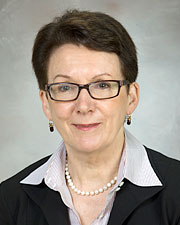
Congratulations to Patricia Butler, MD, professor, who recently retired from the Faillace Department of Psychiatry and Behavioral Sciences.
Butler’s career in higher education has spanned more than 30 years. She received her medical degree from Aberdeen University Medical School in Scotland. Originally slated to go into pediatrics, Butler did her residency and fellowship in Australia at the Princess Margaret Hospital and Royal Children’s Hospital respectively.
During her residency, Butler realized her passion for teaching and mentoring others. After deciding to move to the United States, she did another residency in psychiatry at UTHealth Houston and child psychiatry at the Baylor College of Medicine.
Butler became the vice dean for Educational Programs at UTHealth Houston, where she’s had the opportunity to assist young faculty, particularly those who seek education as their career choice, in becoming successful as educators.
She is a member of several professional organizations, and serves on a number of local, state and national committees. She was appointed to the LCME in 2012, is a regular member of LCME site-visit teams, and is a past member of the ACGME Institutional Review Committee. She was the co-recipient of the 2019 President’s Scholar Award for Excellence in Teaching at UTHealth Houston, in recognition of her commitment to high-quality education as a teacher and mentor. Butler will assume a professor emeritus role in the department.
The department thanks Butler for her hard work and dedication to the institution and for helping shape the educational experience for so many students for more than three decades.
|
|
Heads and Hamilton start new research center |
|
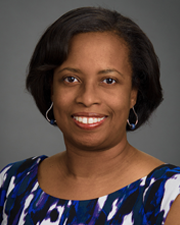
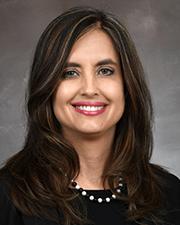
Angela Heads, PhD, and Jane Hamilton, PhD |
|
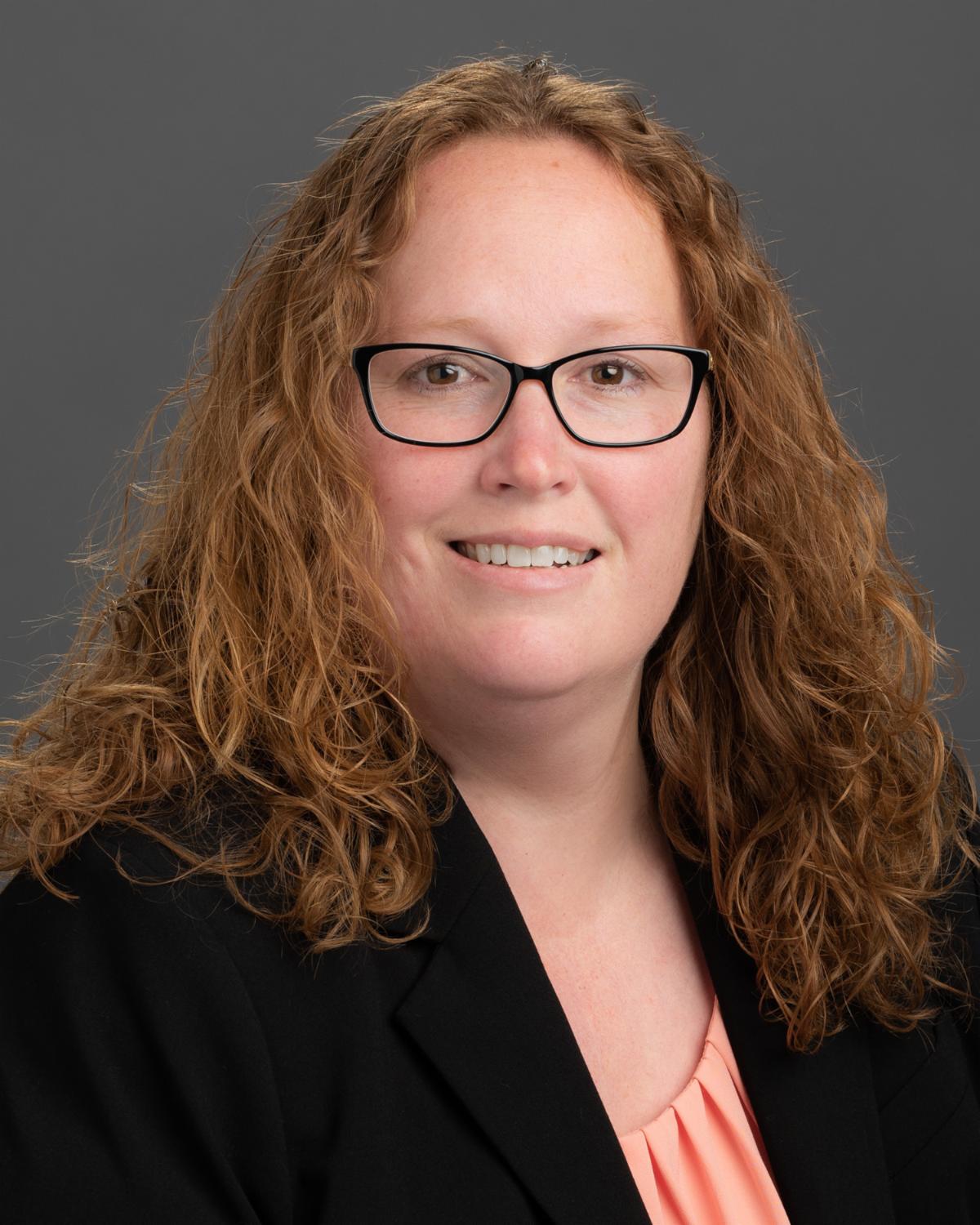
Associate Professors Angela Heads, PhD, and Jane Hamilton, PhD, MPH, are teaming up to establish the UTHealth Houston Center for Behavioral Health Equity and Outcomes Research. This will be the first center in the Texas Medical Center dedicated to equity and outcomes research specific to behavioral health.
Hamilton and Heads, co-directors for the new center, aim to bring together faculty leaders from diverse fields, including psychology, psychiatry, health services research, public health, health policy, prevention science, economics, and health informatics.
This center is the culmination of research conducted by Heads and Hamilton over several years, focused on reducing disparities in mental health and substance use treatment access and outcomes to achieve health equity. According to Hamilton, health disparities are differences or gaps in the quality and outcomes of health and health care across groups of people.
These disparities are noticeable, significant, and based on broader inequities. Vulnerable populations have systematically experienced greater social and economic obstacles to health and often experience poorer health status. Among vulnerable populations in particular, the need for evidence-based mental health and substance use treatment is critical but frequently unaddressed.
According to Heads, behavioral health disparities can be addressed on several levels -- individual, provider, organizational, and system. The policies regarding health care, location of the services, availability of services in the language patients feel most comfortable using, and how welcome and included people feel are just a few of the factors that influence quality and access to behavioral healthcare.
Some of the center’s goals are to conduct and promote behavioral health outcomes research, translating new scientific information into practical interventions and applications that directly benefit marginalized and underserved populations. This will be done by rigorous research methods that test individual, provider, and system-level interventions that advance the translation of evidence-based approaches to behavioral health treatment into acceptable and accessible practices.
Collaboration is an important aspect of the center. Heads sees the benefits in working with other departments.
“I think we make our fastest and most profound changes when we collaborate broadly,” Heads said. “I’m really excited to do that.”
Additionally, the center will prepare the next generation of scientists and providers to better understand behavioral health disparities through training and education, and to identify practical and sustainable solutions to prevent and reduce mental health and substance use disorders disparities.
Hamilton says that while the quality of behavioral health treatment has greatly improved in recent years, she sees the center as an opportunity to provide leadership in the field and to provide training to providers to improve outcomes in behavioral health.
“One of the benefits to being a faculty researcher is the ability to work with so many people to create a sort of synergy in health care,” Hamilton said. “That’s really what’s needed. Health disparities continue to persist. We want to create a program together that addresses this.”
|
|
Faculty spotlight:
Karnes transitions from resident to faculty
|
|
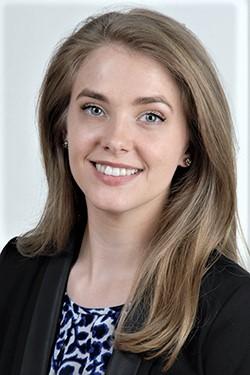
Brandi Karnes, MD, assistant professor, recently joined the faculty at the Faillace Department of Psychiatry and Behavioral Sciences and conducts her work at UTHealth Houston Harris County Psychiatric Center (HCPC).
Karnes completed her undergraduate education at The University of Texas at Austin, earning a Bachelor of Science in human biology. She began medical school at McGovern Medical School at UTHealth Houston and chose to stay at UTHealth Houston to complete her psychiatry residency where she served as chief resident of wellness in her final year of training.
Karnes’ area of interest and expertise is in catatonia, which is a neuropsychiatric behavioral syndrome that is characterized by changes in movement and volition. Catatonia can have variable presentations with some people experiencing decreases in movement, speech, and engagement with their surroundings, while others experience increased movement with repetitive behaviors, and may mimic the words or actions of people around them.
In her first year of residency, Karnes encountered a patient with significant catatonic symptoms. She wanted to learn more about catatonia and the best practices to treat it. Since then, Karnes has successfully treated many patients suffering from catatonia and works to advocate for the importance in diagnosing and appropriately treating this syndrome.
Karnes followed the example of many of her mentors when she chose to stay with the department as faculty. Karnes has enjoyed the atmosphere at UTHealth Houston HCPC.
“I was interested in staying at HCPC due to the welcoming and supportive staff,” Karnes said. “Every time I walk into HCPC, I see faces I know from admissions, nursing and techs, and those who mentored me.”
Currently, Karnes is filling in where the hospital needs her most. Eventually, she would like to work in an acute inpatient unit where she can teach residents and students, which is one of her passions.
In her spare time, Karnes enjoys rewatching her favorite movies, spending time with her two dogs, and hanging out with her close friends.
|
|
Congratulations to grant recipients |
|
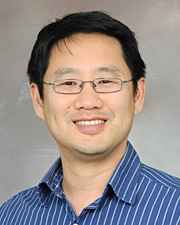
Jin Yoon, PhD, received a two-year, $409,500 grant from the National Institute on Alcohol Abuse and Alcoholism. His project is titled “Assessment of Pioglitazone to Address Stress Reactivity and Alcohol Use Disorder.” Pilot data that contributed to this grant proposal was supported by the UTHealth Houston Pilot Grant Funding Program from the Faillace Department of Psychiatry and Behavioral Sciences. Co-Investigators include Scott Lane, PhD, and Michael Weaver, MD.
Summary of the project: The current proposal looks to target alcohol use among individuals with relatively increased stress and/or anxiety by targeting inflammatory systems that may be involved in stress reactivity, stress-induced alcohol craving, and alcohol use. Specifically, the study will assess the efficacy of pioglitazone, a peroxisome proliferator-activated receptor agonist, which may affect both drug reward and stress response.
Yoon is an assistant professor in the Faillace Department of Psychiatry and Behavioral Sciences and a member of the Center for Neurobehavioral Research on Addiction. He has wide experience working with patients suffering from various substance use disorders.
|
|
Deborah Little, PhD, received a $960,373 grant from the Department of Defense Awarding Office - USAMRAA. Her project is titled “Expanding the Characterization and Application of Clinical MRI Markers in Gulf War Illness.”
Summary of the project: The proposed study addresses the Gulf War Illness Research Program overarching challenges to “better define and diagnose Gulf War Illness (GWI)” and address “whether GWI puts veterans at greater risk for developing neurological or other serious conditions” by development, validation, and dissemination of an assessment tool to characterize GWI-associated neuropathology observable on MRI for clinical and research use.
Little is a professor in the Faillace Department of Psychiatry and Behavioral Sciences. She is the director of research for the Trauma and Resilience Center. Her work is focused on elucidating neurobiological alterations in the central nervous system secondary to trauma.
|
|
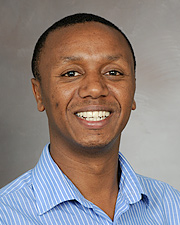
Benson Irungu, PhD, received a $227,676 grant from the National Institute on Drug Abuse. His project is titled “A Software Product That Empowers Individuals Affected By Substance Use Disorders and Their Care Teams with Health and Social Resources.”
Summary of the project: In the project, investigators will oversee the development of the machine-learning software prototype, the development of Natural Language Processing algorithm to identify proper categories for resources, and the development and the deployment of an application-programming interface for software integration.
Irungu is an assistant professor at the Faillace Department of Psychiatry and Behavioral Sciences. His research focuses on the development and application of novel big data and machine learning tools.
|
|
Angela Heads, PhD, received a $50,000 grant from the Texas Developmental Center for AIDS Research (Texas D-CFAR). Her project is titled “Removing Barriers to Effective HIV Prevention Strategies for Individuals with Problematic Substance Use or Substance Use Disorders.”
Summary of the project: The purpose of the study is to identify barriers to engagement in HIV prevention; to assess the impact of perceived stigma, self-efficacy, medical mistrust, and health literacy on willingness to engage in HIV prevention and substance use disorders interventions; and to explore the potential acceptability of a proposed combination HIV prevention and substance use treatment intervention.
Heads is an associate professor at the Faillace Department of Psychiatry and Behavioral Sciences. Her research focuses on women’s mental health issues, including HIV prevention, substance use disorders, and racial and gender-related disparities in mental health and coping.
|
|
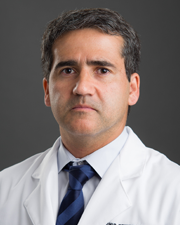
Antonio Teixeira, MD, PhD, received a $429,000 grant from the National Institute on Aging. His project is titled “Kynurenine Pathway in the Pathogenesis of Post-Stroke Depression in aged Mice.”
Summary of the project: This proposal will determine the mechanisms by which aging contributes to post-stroke depression (PSD). Development of therapies targeting these pathways may lead to the prevention of PSD and improved quality of life for stroke survivors.
Teixeira is a professor in the Faillace Department of Psychiatry and Behavioral Sciences. His research focuses on understanding the participation of inflammatory and immune mechanisms in the pathophysiology of neuropsychiatric disorders.
|
|
Gabriel Fries, PhD, received a $200,000 grant from the Milken Institute, supported by the Baszucki Brain Research Fund. His project is titled “Targeting Accelerated Aging in Bipolar Disorder: Calorie Restriction Mimetics as a Novel Treatment Strategy.”
Summary of the project: Research has shown that patients with bipolar disorder present many biological alterations associated with premature aging, including shorter telomere length and accelerated epigenetic aging in blood and postmortem brains. However, several questions remain unanswered: What are the exact mechanisms involved in accelerated aging in bipolar disorder? Which patients are at the highest risk for premature aging? Are anti-aging medications effective in bipolar disorder? To answer these questions, this project will explore the potential protective role of "calorie restriction mimetics" in bipolar disorder, which are novel drugs suggested to expand lifespan by modulating metabolic pathways in animals and humans.
Fries is an assistant professor at the Faillace Department of Psychiatry and Behavioral Sciences. His research focuses on the epigenetics of mood disorders, with a focus on suicide, stress, and aging mechanisms.
|
|
Melba Hernandez-Tejada, PhD, DHA, received a $208,968.51 grant from the VA-Victims of Crime Act Formula Grant Program. Her project is titled “Serving Elder Abuse Survivors via Elder to Elder Support + Home-Based TeleHealth.”
Summary of the project: This project is helping to increase access to evidence-based psychotherapy by delivering treatment directly into elder abuse survivors' homes. It is also increasing service relevance by combining this evidence-based psychotherapy with an integrated community-based elder-to-elder support program to reduce social isolation, promote community integration, and reduce future revictimization. This unique project brings an innovative, integrated approach to those who otherwise would not receive care and is even more relevant now due to the challenges we have witnessed throughout 2020-2021 and continue to face due to COVID-19 restrictions affecting older adults.
Hernandez-Tejada is an associate professor in the Faillace Department of Psychiatry and Behavioral Sciences. Her research focuses on older adults and veterans and trauma-related conditions in these populations.
|
|
The Faillace Department of Psychiatry and Behavioral Sciences is proud to announce the 2022 UTHealth Houston Psychiatry Update Conference, titled “Hot Topics: Child and Adolescent Psychiatry,” on Saturday, April 9, 2022.
The conference will be held at the Fayez S. and Susan K. Sarofim Research Building and is the first in-person meeting the department is scheduled to host in two years.
There’s been a recent emphasis on child and adolescent psychiatry. Childhood depression and suicide rates have gone up; however, there are safe, effective treatments that are underutilized.
Speakers at the conference will share the latest information and research on various topics in child psychiatry, including attention-deficit/hyperactivity disorder (ADHD) and other neurodevelopmental disorders such as Autism spectrum (ASD), mood and anxiety disorders, and a look at pediatric trauma research.
Cesar Soutullo, MD, PhD, serves as the chair for the conference. He specializes in studying ADHD and mood disorders in children. Running a conference that is fully dedicated to focusing on child psychiatry is something he’s wanted to do for quite some time.
“We are excited to have as many clinicians, researchers, and educators as possible back in person, to learn from each other, and discuss on these highly prevalent and treatable disorders. If we improve early recognition and treatment adherence, we can make a big difference in these children’s futures.”
Registration information is coming soon.
|
|
The following clinical trials are in operation, following all necessary safety guidelines. If you're interested, contact the appropriate study.
Contact: 713-500-DRUG (3784)
To see all open studies, visit our website.
|
|
The following positions are open at our department:
Faculty – Endowed Chair (Research)
The Louis A. Faillace, MD, Department of Psychiatry and Behavioral Sciences of the McGovern Medical School at The University of Texas Health Science Center at Houston has an extraordinary opportunity for a senior scientist with a funded multidisciplinary program of clinical care research who is at the rank of an Associate or Full Professor.
Research Assistant I/II – Psychiatry and Behavioral Sciences
Under close supervision, conducts research activities according to research protocol. Research activities may include some or all of the following: patient recruiting and screening, traditional laboratory experiments and activities, informatics, field interviewer recruiting, screening and training and/or animal laboratories.
Faculty – HCPC Inpatient Psychologist
The Louis A. Faillace, MD, Department of Psychiatry and Behavioral Sciences at McGovern Medical School at UTHealth Houston is seeking a full-time, qualified psychologist to join our team at UTHealth Houston Harris County Psychiatric Center (HCPC).
Psychiatrists – Clinical Faculty/Tele-Psychiatry
The Louis A. Faillace, MD, Department of Psychiatry and Behavioral Sciences at McGovern Medical School at The University of Texas Health Science Center at Houston is currently recruiting for multiple faculty positions based on qualification to include possible rank of Assistant Professor. Our emerging program is currently providing tele-psychiatry services to inpatient psychiatric facilities in Texas. Work in the comfort of your own home or local office, with only one trip per month needed to visit the site.
See all open positions in the department here.
|
|
Alan Prossin, Alisa Koch, Phillip Campbell, Geoffroy Laumet, Christian S. Stohler, Robert Dantzer, Jon-Kar Zubieta
Emma C. Lathan, Judy H. Hong, Angela M. Heads, Nicholas C. Borgogna, Joy M. Schmitz
|
|
Victor Pereira-Sanchez, Alexandre R. Franco, Pilar de Castro-Manglano, Maria A. Fernandez-Seara, Maria Vallejo-Valdivielso, Azucena Díez-Suárez, Miguel Fernandez-Martinez, M. Reyes Garcia de Eulate, Michael Milham, Cesar A. Soutullo, Francisco X. Castellanos
|
|
Louis A. Faillace, MD, Department of Psychiatry and Behavioral Sciences at McGovern Medical School at UTHealth
713-486-2500
|
|
|
|
|
|
|
|