November Tips & Events for Santa Clara County
| | “Many things grow in the garden that were never sown there.” ~Thomas Fuller | | |
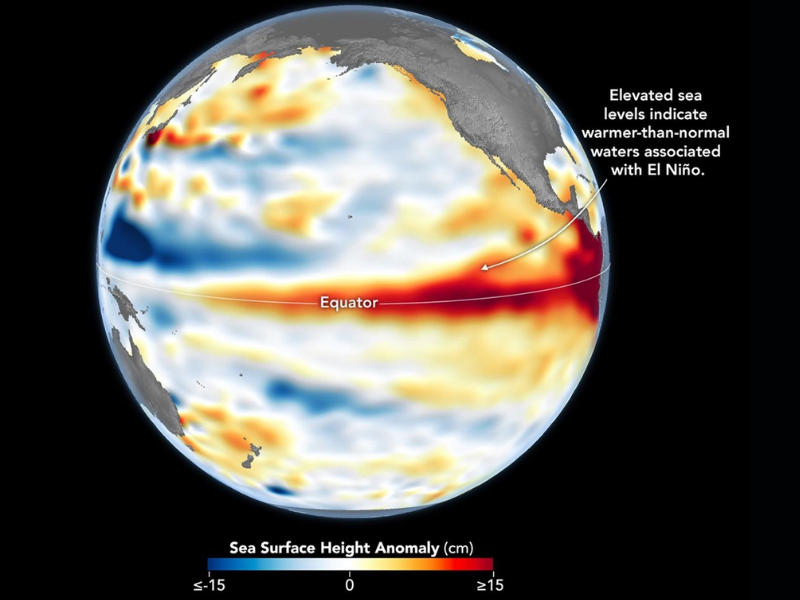
A major El Niño is forecasted for this winter. While our gardens appreciate the heavy rains, long periods of precipitation and strong winds have the potential to create hazards.
What can you do now to prepare?
- Secure yard items
- Clear gutters and check downspouts
- Mulch
- Inspect and prune trees
- Clean storm drains
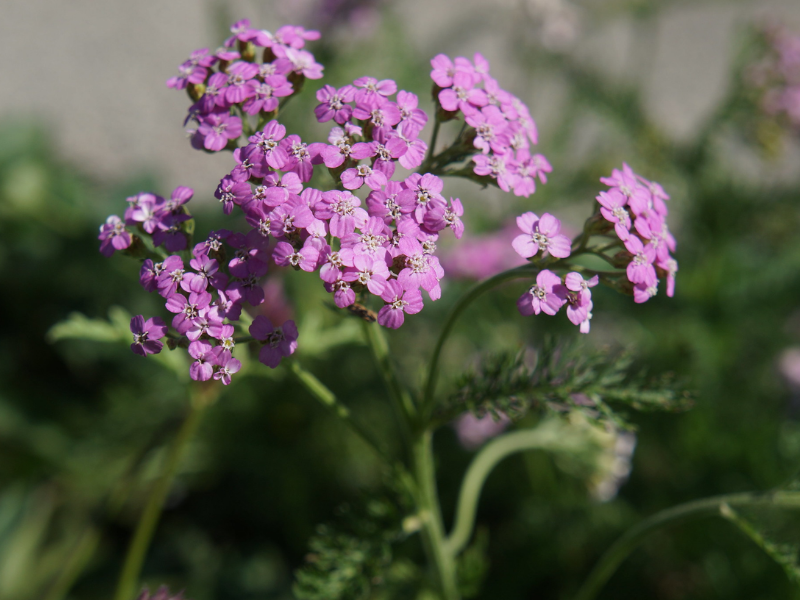
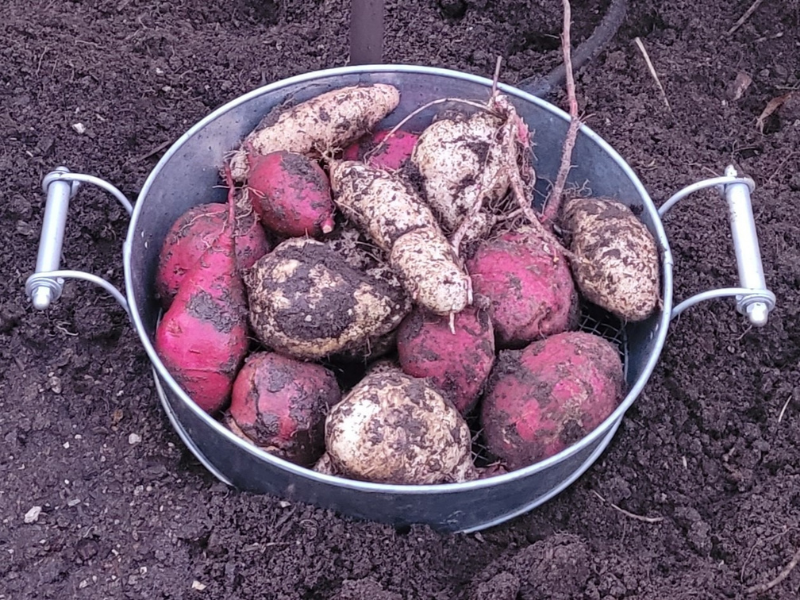
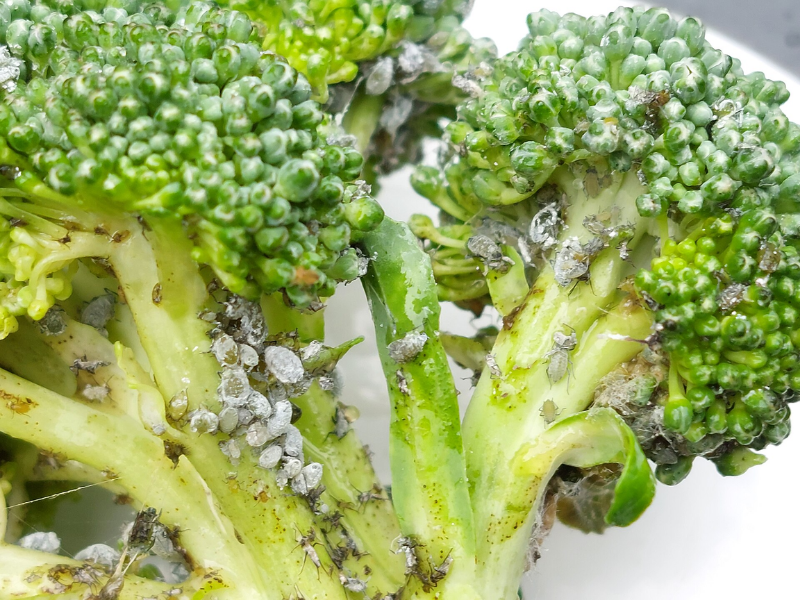
| | Photo: Globe map showing elevated sea surface heights along the equatorial Pacific associated with El Niño, Lauren Dauphin (NASA Earth Observatory) | | Few plants tolerate a wide range of sun exposure, soil types and drainage. Island Pink yarrow (a UC Davis Arboretum All-Star) tolerates all these conditions and more. Its foliage is deer resistant. Its clustered pink flowers provide nectar to bees, butterflies and beneficial insects from spring to late summer. Its spreading form, fast growth, and low-water use make this California Channel Islands native plant an attractive lawn alternative and a strong candidate for swale or rain garden plantings. And fall is a good time to add Island Pink yarrow to your garden! | | Photo credit: UC Davis Arboretum and Public Garden | | Curing lets starches naturally convert to sugars, helps minor scrapes heal, and extends storage time. Sweet potatoes are ready for harvest 90-120 days after planting. To harvest, gently lift the mature sweet potatoes out of dry soil to avoid cuts and bruises. Brush soil off but do not wash the harvested roots. Start curing by placing them in a humid and warm (around 85°F) place with good airflow for 1-3 weeks. Research shows that sugar doubled in cured sweet potatoes three weeks after harvest. If properly cured and stored, sweet potatoes can last for 4 to 6 months. | | Photo: Freshly dug sweet potatoes ready for curing after brushing off excess soil, Mary Werthman | | Aphids Are Eating My Broccoli! | | You may be excited about your fall broccoli, but so are aphids! Aphids pierce soft new growth with their sucking mouthparts. Fortunately, you don’t need harsh pesticides to protect your crop; keeping populations low is often enough to save your harvest. Check the plants frequently for aphids. Spray water onto plants to wash the aphids off. Choose a slow-release fertilizer to keep the plant nourished without triggering sudden spurts of soft growth that aphids love. | | |
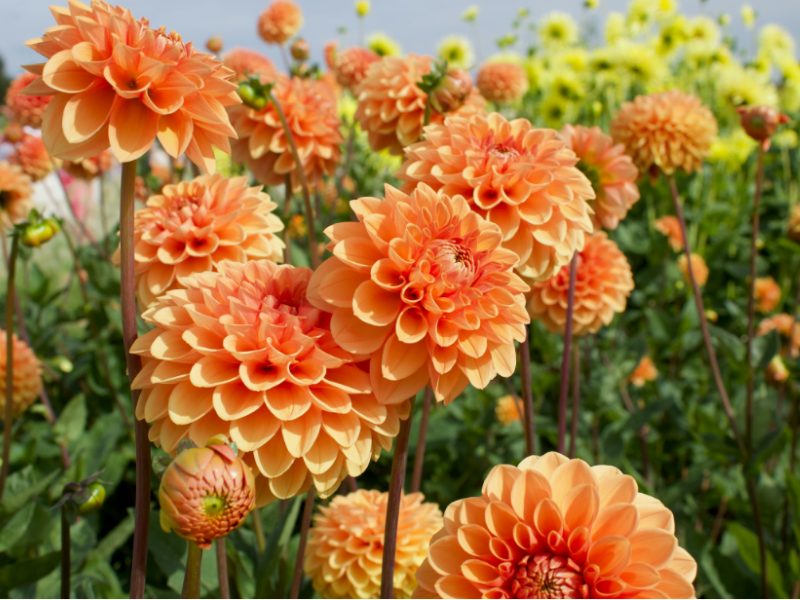
Should you dig up and store dahlia tubers in the fall or let them overwinter, undisturbed, in your garden? In our mild winters, you can leave tubers in the ground if the soil drains well and doesn't become waterlogged during the rainy season. Once cold weather hits and foliage yellows or dies back, cut the stems to about 4 inches above the soil line and add mulch. However, you may want to dig up, divide, and thin tuber clumps every two to three years to prevent overcrowding, encourage better blooms, and keep the plants vigorous. Share tubers with neighbors or use them to expand your own dahlia beds. | Photo credit: Timo C. Dinger on Unsplash | |
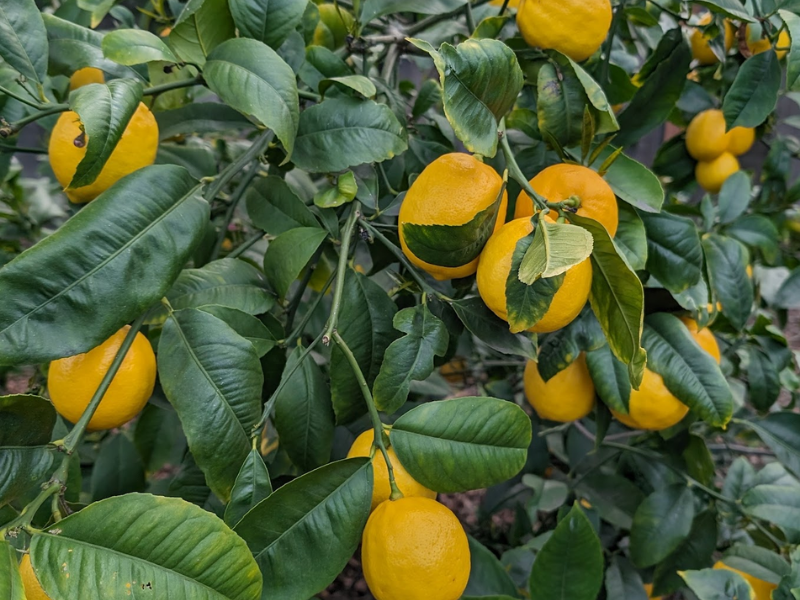
Holiday travel season is here! If you visit family or vacation abroad and want to take plants or produce with you or bring them back, make sure they are allowed. Fresh produce and plants can harbor insects and eggs, while soil in potted plants can hide nematodes and pathogens. These pests can wreak havoc on local ecosystems and agriculture and are costly to control. California spent $208 million fighting invasive fruit flies between 2023 and 2024, and citrus greening disease nearly decimated Florida’s citrus industry. Help protect our farms, forests, and home orchards — check before you pack! | Photo: As an example, you cannot bring any part of a citrus plant into California, Ying Chen |
|
Quiz Answer: All of the Above! | | To prevent damage to your property, secure yard items and remove weak or dead tree branches that could break in a storm. Clean gutters and storm drains to ensure that the rainwater can flow properly. Use mulch around your plants and on bare soil. Mulch will absorb water, which will slow down soil saturation, prevent erosion and protect the plants and their roots. |
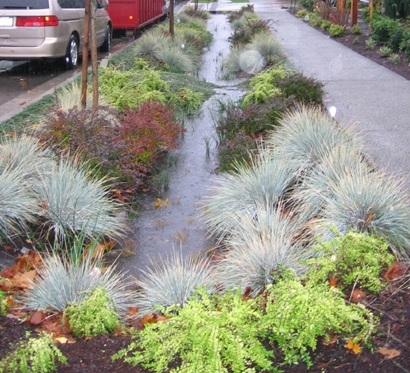
| Photo credit: “Rain Garden”, Clarion Associates / public domain | | More November Tips and To-Dos | | For more gardening tips and to-dos, visit the monthly tips archive on our website. It is perfect for browsing, and while you may recognize some of the content, you’re sure to find something new. It starts with to-dos for the month, just the thing to review before heading out to your garden. | |
| |
PADG Fall in Love With California Natives, Saturday, November 7, 10:00–11:30 am, Palo Alto Demonstration Garden, 851 Center Drive, Palo Alto
Seed Packets Demystified, Tuesday, November 10, 6:30–8:00 pm, Mountain View Public Library, 585 Franklin Street, Mountain View
All About Soil, Wednesday, November 11, 11:30 am–1:00 pm, SoFA Pocket Park, 540 S First Street, San Jose
MCP California Native, Succulent Sale, Saturday, November 14, 9:00 am–noon, Martial Cottle Park, 5283 Snell Avenue, San Jose
Growing Winter Vegetables in Containers, Saturday, November 14, 10:30–11:30 am, Gilroy Library, 350 W 6th Street, Gilroy
The Thrifty Table: Creating Beautiful Holiday Centerpieces, Saturday, November 14, 10:30–11:45 am, Willow Glen Branch Library, 1157 Minnesota Avenue, San Jose
The Thrifty Table: Creating Beautiful Holiday Centerpieces, Saturday, November 14, 2:30–4:00 pm, Sunnyvale Public Library, 665 W Olive Avenue, Sunnyvale
Planning and Planting a Little Fruit Orchard, Sunday, November 15, 1:30–2:15 pm, Rinconada Library, 1213 Newell Road, Palo Alto
MCP Succulent & California Native Plant Sale, Thursday, November 19, 9:00 am–noon, Martial Cottle Park, 5283 Snell Avenue, San Jose
The Thrifty Table: Creating Beautiful Holiday Centerpieces, Tuesday, December 8, 7:00–8:30 pm, Saratoga Library, 13650 Saratoga Avenue, Saratoga
| | Check our calendar for the latest schedule of events. Videos of many past presentations are also available. | | | | Composting produces soil-building organic materials for gardens. It also helps to divert organic waste from greenhouse gas-generating landfills. The University of California Cooperative Extension of Santa Clara County partners with cities and the county to offer composting education workshops to residents. | | |
University of California Master Gardener volunteers promote sustainable gardening practices and provide research-based horticultural information to home gardeners. Visit our website for more information including:
Have a gardening question? Ask us. We’re here to help!
| |
| Did you learn something new from this month's newsletter? | | | | | | |