NOVEMBER ENEWS


Greetings Cowiche Canyon,

Days are shortening and darkening. Here are some ways to enjoy precious daylight, and a few thoughts on plants and fences.

Are You a Supporting Member of CCC?

If you enjoy Cowiche Canyon Conservancy lands and programs, have you considered joining our amazing community of supporters? 


We strive to offer recreation and education opportunities that are available for free. To continue to do so, we depend on community support. As the holiday season approaches, we urge you to consider becoming a Supporting Member of CCC! Your gift helps us continue to do the work we do -- to connect our community to the wonders of nature through conservation, recreation, and education. 


Become a supporting member here!

EVENTS

Geology Walks

What: Geology Walks in Cowiche Canyon

When: Saturday, December 7, 10am to 12pm

Where: Cowiche Canyon West/Weikel Entrance


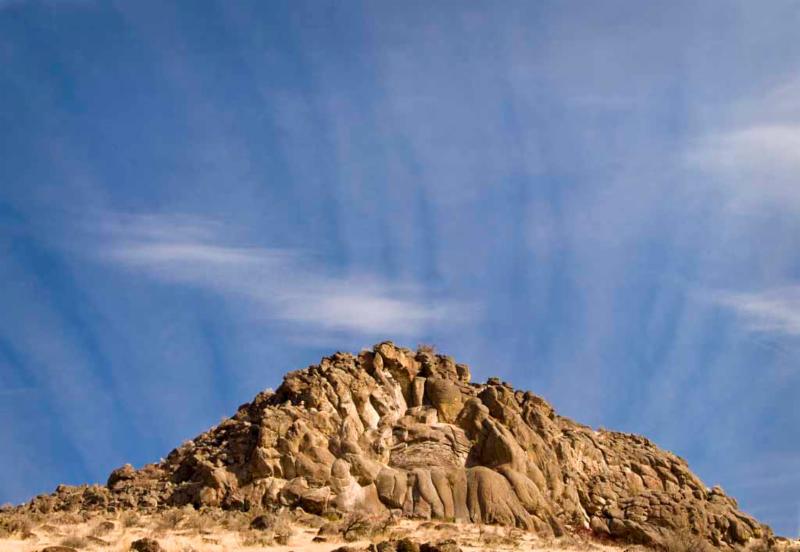
Join us to learn about the amazing geologic episodes that helped shape Cowiche Canyon and the Yakima Valley. You’ll get a chance to get up close and personal with different kinds of volcanic rocks.


Because this is a popular walk, we’re offering two family-friendly walking groups with Yakima Valley College geology teachers Suki Smaglik, Katharine Solada, and Zach Schierl. Please dress warmly and in layers!


Trail difficulty: Cowiche Canyon trail is flat and wide with minimal elevation gain. Trail bed is loose gravel.

Distance: Groups will walk between 1.5 and 2.5 miles.


Register for Geology Walk #1 here.

Register for Geology Walk #2 here. 

WHAT WE'VE BEEN UP TO


Removing Fences!

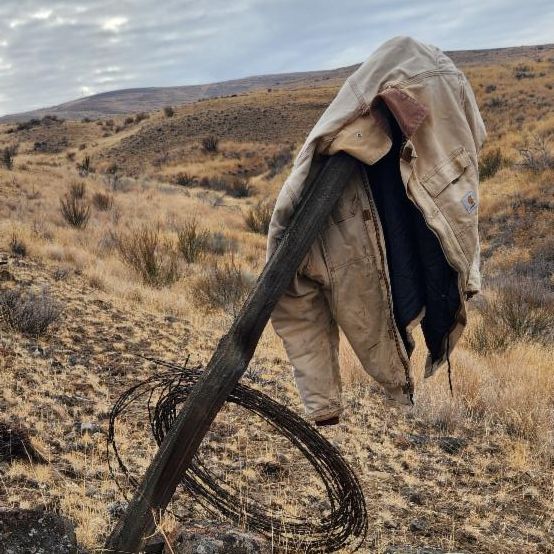
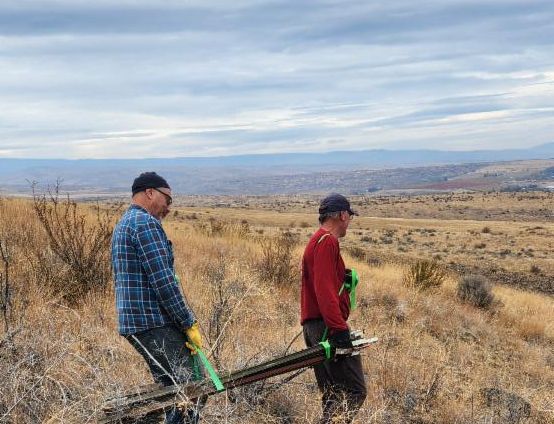
CCC volunteers carry out a heavy load of t-posts from Snow Mountain Ranch


This past weekend, we continued a multi-year project to remove miles of barbed-wire fencing and hundreds of fence posts from the flanks of Cowiche Mountain. Fences are one of the most widespread man-made features on earth. While useful for managing farm lands for human purposes, fences have unintended and often-harmful impacts on migrating wildlife and ecosystems.


Thank you to our gung-ho Trails Volunteers for helping to make the Snow Mountain Ranch landscape easier for animals to move through, and a little more beautiful.


If you want to learn more about the study of fence ecology, which is helping people understand larger systems of mammal migration, this is an interesting presentation (“The Fences That Shape the World”) by Wenjing Xu. 

CONSIDER THIS

Don't Miss Fall Planting Season!

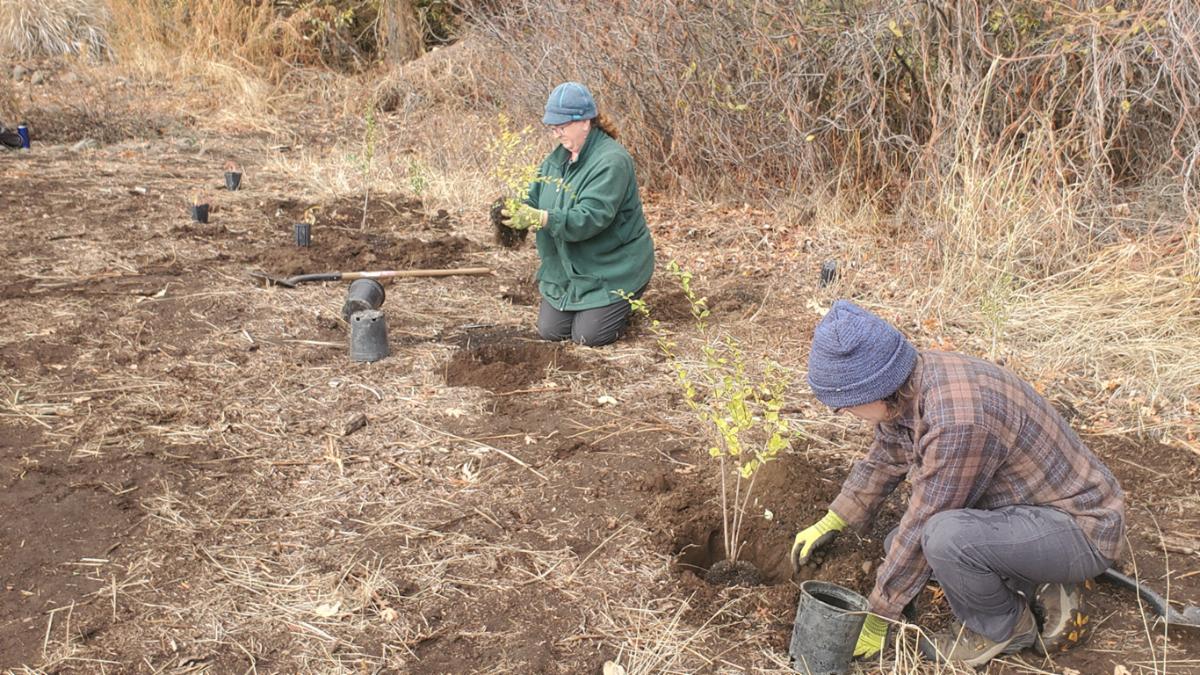
Amber and Sam Knox planting last fall at Snow Mountain Ranch


By and large, fall is the best time to plant native plants. Fall marks the beginning of the wet season in the shrub-steppe. The Yakima Valley receives about 8 inches of rain each year, nearly 70 percent of which falls October to March. We also typically receive over 20 inches of snowfall between the months of November and March. Native plants have evolved to capitalize on the limited moisture available to them. In fall, many perennial plants work on deepening their expansive root systems. In late winter and early spring, when the soil is saturated by melting snow, both perennial and annual plants use precious water to bloom and reproduce.


This fall, CCC staff and volunteers will be on the lands planting native pollinator species in our butterfly garden, and continuing a years-long effort to establish a population of endangered native buckwheat.


Happy planting!


If you’re willing to take a drive, our friends TapTeal Native Plants (in Kenniwick) and Derby Canyon Natives (in Peshastin) are two fantastic nurseries that focus on growing native plants. We also encourage folks to make requests of local nurseries to stock more native plants. Our valley needs more native plants!

What to Look for on Trails?

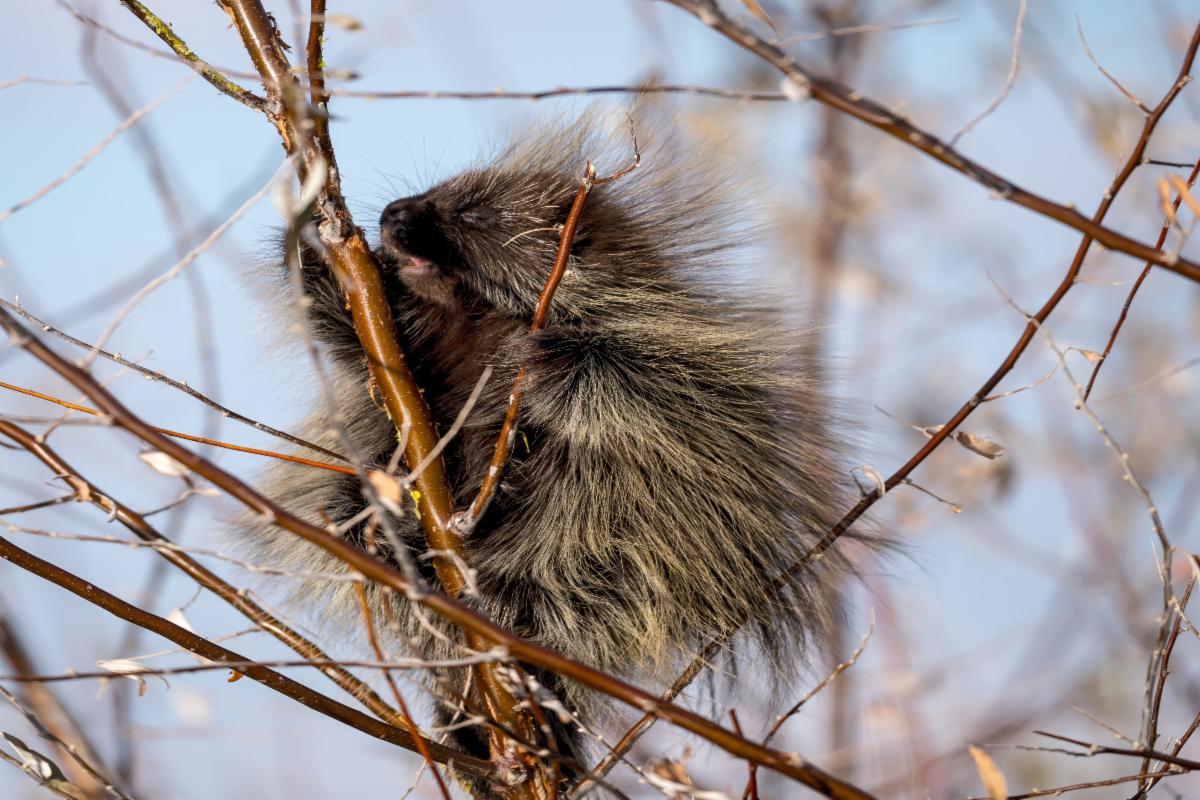
Porcupine munching on a tree


Bones: If you’re looking beside trails you can find skeletons, large and small, year round. But we often see more in the fall, when ground cover thins and predators are fattening up before the winter. Recent adventures have uncovered not just the odd deer and coyote bones but a porcupine skeleton (that may still be beside Cowiche Mountain West Trail, about three fifths of the way to the top)! What other skeletons are you finding out there? Let us know!


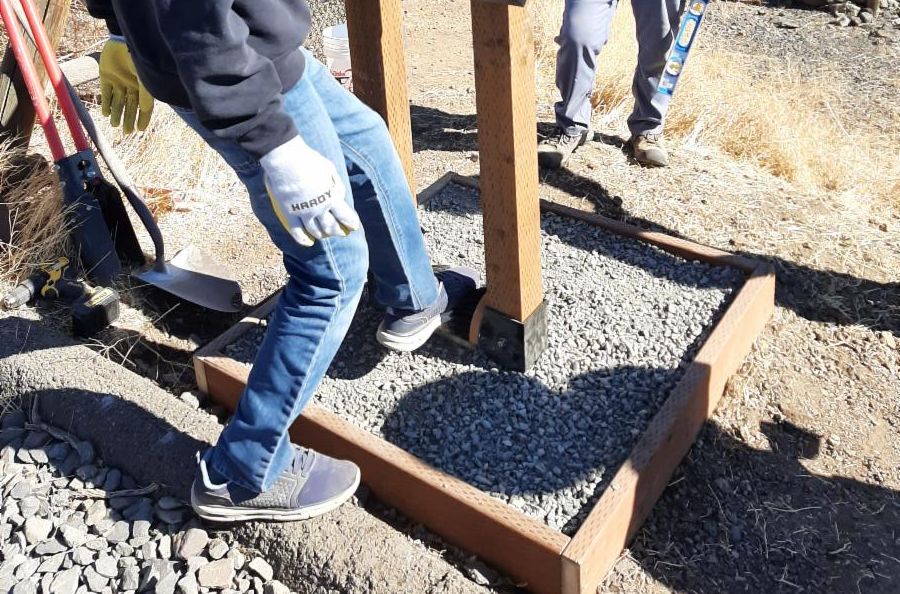
More Boot Brushes! We’re continuing to install boot brushes at select CCC trailheads. Because we want to limit the spread of invasive weeds -- namely diversity destroyers like knapweed and cheatgrass -- we encourage all visitors to brush seeds off of boots, shoes, and socks when entering and leaving CCC trails. Every effort to limit the spread of noxious weeds helps to keep habitat healthier and more diverse.


Birds: Many bird species fly south for the winter. But some especially hardy ones stick around through the cold. You might be able to catch Western Meadowlark singing on the sagebrush at Konnowac Pass. Smart and curious corvids like Scrub Jays, Crows, Ravens, and Magpies will screech, croak, caw, and cluck along trails and roads. Also look out for Northern Shrike, adorable Ruby-Crowned Kinglets, the nomadic and regal Bohemian Waxwing, or their smooth-feathered cousin, Cedar Waxwing. Both Waxwings have beautifully smooth feather coats and will sometimes flock together.

New boot brush in action at the Cowiche Canyon Uplands

Connect

Facebook  Instagram  LinkedIn

Give

Donate - We depend on community donations to run our programs and operations.


Volunteer - We depend on community volunteers to support our stewardship, trail maintenance, and education work.