November | 2026

National Center for Children's Vision and Eye Health at Prevent Blindness


November is Diabetes-Related Eye Disease Month

 
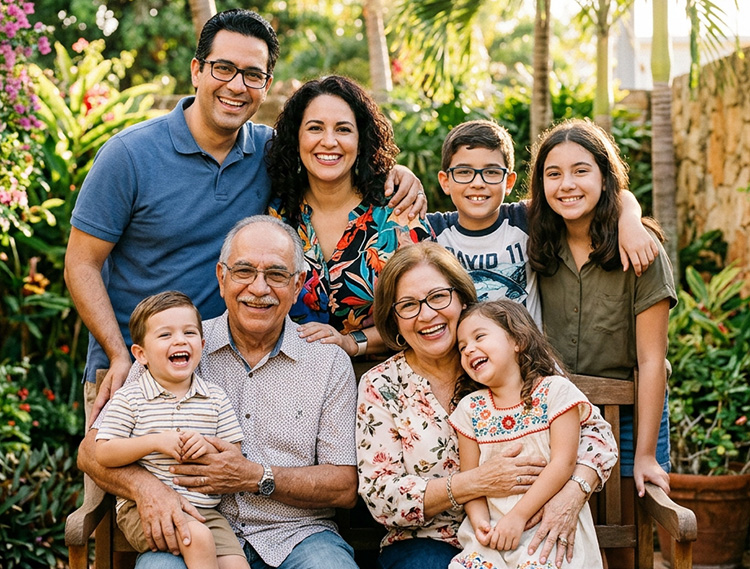
a Hispanic family of three generations, some wearing glasses

Prevent Blindness observes Diabetes-Related Eye Disease Month in November to raise awareness about the eye health complications related to diabetes that are often overlooked, especially in children.


Did You Know?

One in two youth with type 2 diabetes may develop diabetic retinopathy about 12 years after diagnosis.


Follow these guidelines for referring children with diabetes to an eye doctor:

  • Individuals with type 1 diabetes should receive a dilated eye exam 3 to 5 years after diagnosis, once they are age 11 or older or have started puberty (whichever comes first).
  • Individuals with type 2 diabetes should receive a dilated eye examination at the time of diagnosis.


Free fact sheets:


Diabetes Eye Health Audio Library for Adults


Free, confidential diabetes-related eye health information is now available 24/7 by phone in English and Spanish. The information is vetted by medical experts and carefully reviewed to provide reliable and high-quality information for persons living with diabetes and for caregivers.

For more resources for adults with diabetes, check out the Prevent Blindness Diabetes & the Eyes Educational Toolkit sponsored by Regeneron.


Toy Safety for the Holidays (and All Year)

Gift-giving holidays are coming up soon. Please encourage families to prepare by knowing safe practices and safe play with toys that are potential hazards for the eyes. Keep in mind:


  • Eye injuries in children often occur during play.
  • In the United States, children under age 18 years account for up to one-third of emergency-department visits for eye injuries.
  • According to a recent study, toy guns with projectiles, balls, and nonprojectile toy weapons were frequently implicated in eye injuries.


Check out the resources on the Prevent Blindness website:


Toy Tips


  • Read all warnings and instructions on the box.
  • Keep young children away from toys meant for older children.
  • Supervise children while they play.
  • Avoid purchasing toys with sharp or rigid points, spikes, rods, or dangerous edges.
  • Look for the letters “ASTM.” This means the product meets the national safety standards set by ASTM International.
  • Avoid toys that shoot projectiles or include parts that fly off, such as projectile guns, darts, and rockets.
  • Remember that BB guns are NOT toys.
  • Only allow children to play with toys in the way described in the instructions. 
 

Become a Certified Children's Vision Screener

Every child deserves the chance to see clearly and succeed in the classroom, and the revised Prevent Blindness Children's Vision Screening Certification Course helps make that possible. The course includes the 2025 NCCVEH preschool vision screening recommendations, new guidance on screening infants and toddlers, and videos demonstrating screening with a variety of tools. Certified screeners also receive practical resources – from a conversation guide for addressing families' barriers to completing eye exams, to tips for helping children adjust to wearing prescribed glasses, to guidance on evaluating a screening program's effectiveness. With 4 to 6 Nursing Continuing Professional Development (NCPD) contact hours available, becoming certified is not only a chance to strengthen your skills but also to play a critical role in closing the gap between vision screening referrals and the confirmatory eye exams children need to succeed in the classroom.


Vision Health Advocacy


Head Start Program Standards

More than 40,000 public comments were submitted in response to the proposed changes to Head Start health standards before the comment period closed October 6. Thank you for your advocacy.


As a reminder, recently proposed changes to the Head Start Program that could affect health and vision screening requirements are only proposed and have not taken effect.


Head Start programs should continue following current requirements and conducting vision and other health screenings as usual. Head Start programs should not change their current screening practices in response to this proposal. Unless and until new requirements are finalized and take effect, the current requirements remain in place.


Children's Vision and Eye Health Advocacy

Check out the new Children’s Vision and Eye Health Advocacy content on the Prevent Blindness advocacy website. This updated section features information on the Early Detection of Vision Impairments for Children (EDVI) Act, which would create the first dedicated program in the United States to improve children’s vision and eye health.


You can also sign up for action alerts on all vision advocacy issues.Beginning October 1, 2026, federal Medicaid and CHIP funding rules will change for certain noncitizens. Federal matching funds for full Medicaid and CHIP coverage will generally be limited to U.S. citizens and specified noncitizen categories. 


Support Our Work

Every child deserves clear vision to learn, grow, and thrive. Your gift supports the National Center’s evidence-based training, practical resources, and technical assistance that help professionals connect more children to the eye care they need.


Please give today to support children’s vision and eye health.


Prevent Blindness logo

PreventBlindness.org | nationalcenter.preventblindness.org

Facebook  X  Instagram  YouTube  LinkedIn