Staying Hydrated in Cooler Months | | |
The arrival of October brings fall foliage, Halloween, and cooler weather. During cooler months, it can be difficult to stay hydrated as a person’s thirst response diminishes up to 40% in cold weather. Staying hydrated is important for your appetite, mood, and temperature regulation (just to name a few!).
The best choice when hydrating is water, but it's not the only option to reach the Dietary Reference Intake Committee's adequate intake of liquid (which is 3.7 liters and 2.7 liters per day for adult males and females). Other options include herbal teas, sugar-free seltzers, low-fat or fat-free milk, or water infused with fruit. You can also get hydration from food. On average, about 20% of a person’s water intake comes from foods like fruit, vegetables, soups, and yogurt.
While any beverage can provide fluids, some choices hydrate better than others. Sugar-sweetened beverages such as sodas, sweet tea, and fruit juice do count towards fluid intake, but the added sugar can pull water into the large intestine and interfere with proper water absorption. Caffeine and alcohol should be limited as they can cause water loss.
SOURCE
| | |
Pass the Pumpkin 🎃
How to play:
-
Start by finding the “pumpkin. This could be a small toy pumpkin, an orange piece of paper, or even a pair of balled up orange socks. Use your imagination!
- Have everyone playing get in a circle.
- Assign one person to be the music operator.
- The music operator will choose the music and press play.
- While the music is playing, everyone will pass the pumpkin around the circle.
- Once the music operator presses pause and the music stops, whoever has the pumpkin has to do an exercise activity.
- This continues until everyone in the circle has done an exercise.
- Someone can then switch with the music operator, and another round will start!
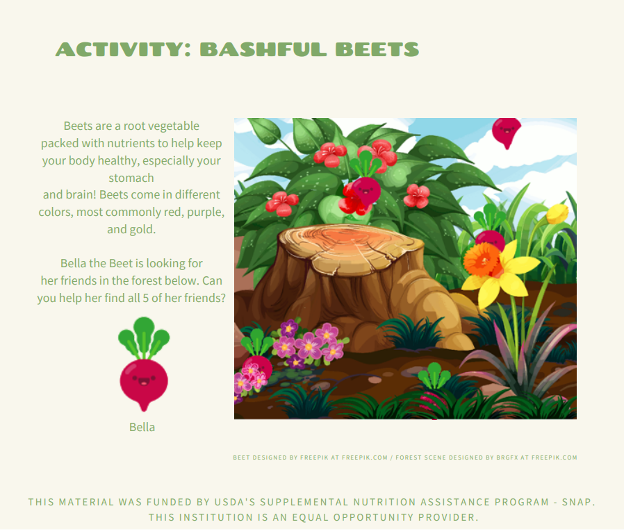
| | Harvest of the Month: Beets! | | It's Hard to "Beet" This Vibrant Veggie | | |
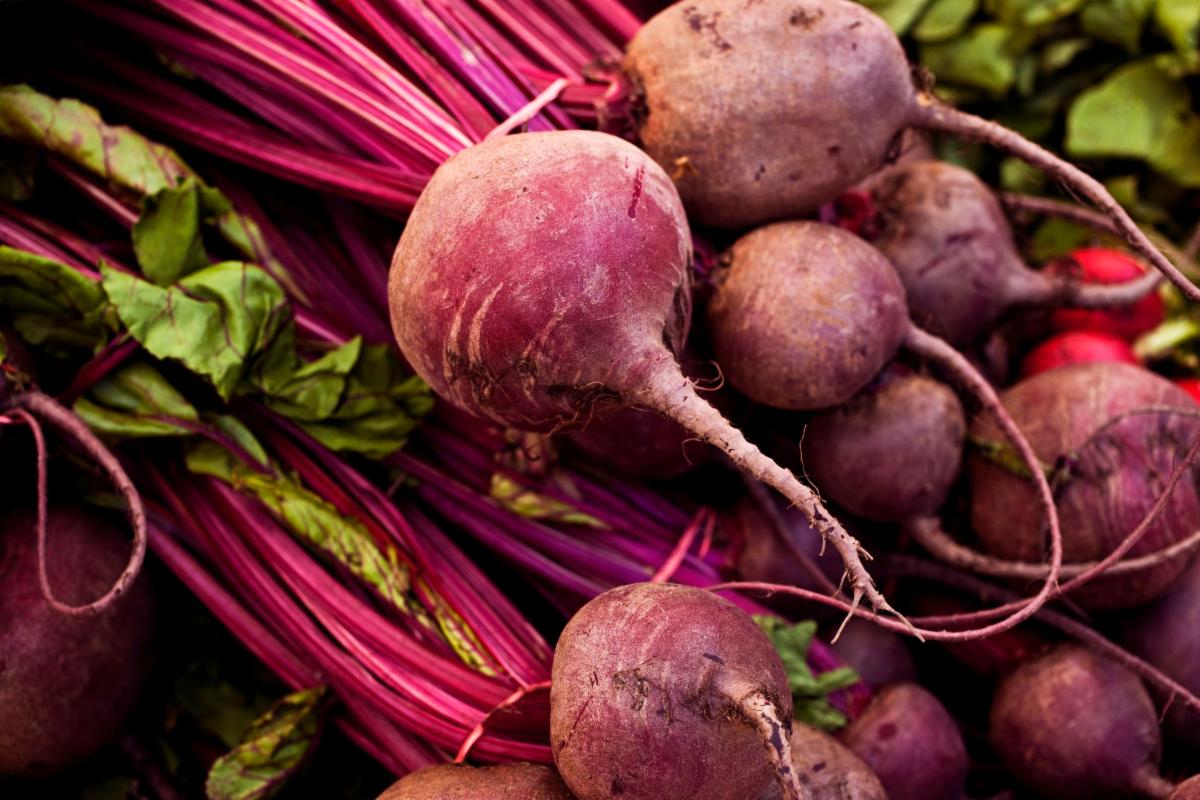
October is a great time to eat beets. These beautiful, jewel-colored root vegetables are great roasted, pickled, raw, juiced, and blended into smoothies!
Beets also come in other varieties, and their colors can vary from pink to yellow, white, and even striped! If you wish to avoid the staining that comes from the red/pink varieties, then choose the yellow or white varieties that taste identical to their ruby-colored counterparts.
Beets are also a nutritional powerhouse! They are a great source of folate, manganese, vitamin K, vitamin A, vitamin C, and vitamin B2 (also called riboflavin).
SOURCE
| | Recipe Highlight: Roasted Beets with Mustard Vinaigrette | | |
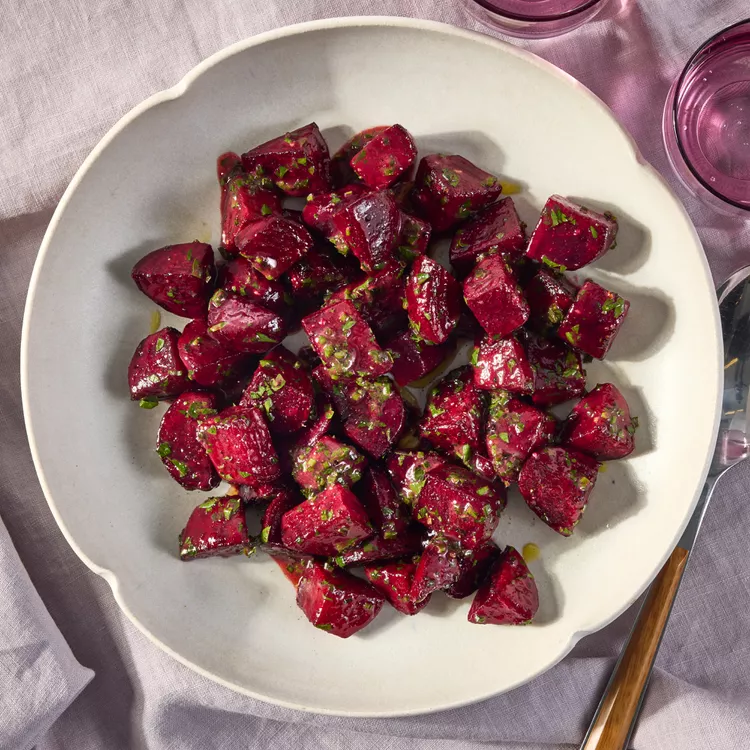
This recipe highlights the natural sweetness of roasted beets by combining it with a tangy, herbal dressing. This quick and easy recipe is great as a side with a protein, such as roasted chicken, or as a topping to a salad. If you've never been a fan of beets before, give this recipe a try!
Ingredients
- 1¾ pounds red beets (about 3 medium), peeled and cut into ¾-inch pieces (about 5 cups)
- ¼ cup extra-virgin olive oil, divided
- ½ teaspoon pepper, divided
- 1 tablespoon Dijon mustard
- 2 teaspoons sherry vinegar
- 1½ teaspoons honey
- ¼ teaspoon salt
- 1 tablespoon fresh chopped flat-leaf parsley
- 2 teaspoons fresh chopped chives
Directions
Preheat oven to 425°F. Place cut beets, 2 tablespoons oil, and ¼ teaspoon pepper in a large bowl; toss to coat. Spread in an even layer on a large rimmed baking sheet (reserve the bowl; do not rinse). Roast until tender and starting to brown, 30 to 35 minutes, tossing once halfway through.
For the sauce, whisk 1 tablespoon mustard, 2 teaspoons vinegar, 1½ teaspoons honey, ¼ teaspoon salt, and the remaining 2 tablespoons oil and ¼ teaspoon pepper together in the reserved bowl.
Add the warm beets, 1 tablespoon parsley, and 2 teaspoons chives to the bowl with the dressing; toss to coat and serve!
SOURCE
| | SNAP provides monetary assistance to supplement the food budget of households that meet the financial and resource requirements. | | | | |
Foods available under SNAP:
- Fruits and vegetables
- Meat, poultry, and fish
- Dairy products
- Breads and cereals
- Other foods such as snack foods and non-alcoholic beverages
- Seeds and plants, which produce food for the household to eat
| | |
Second Harvest Food Bank's Nutrition Services is committed to working with low-income families seeking to improve their nutrition and health, partnering with our agency programs and community groups.
| | | | |