Revitalize Your Plate in the New Year! | | |
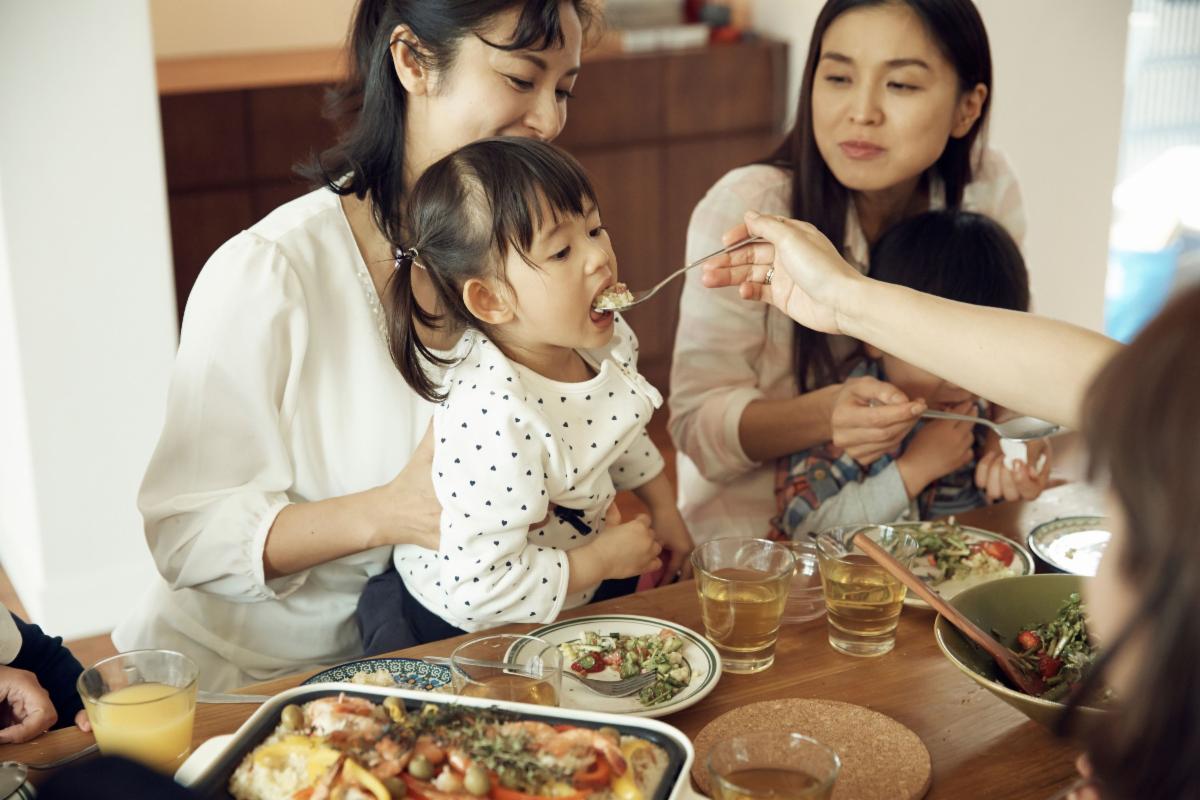
Happy New Year! We made it around the sun! January has been known to be the month everyone sets goals and resolutions for themselves. Whether you want to accomplish a fitness goal or focus on healthy eating, nutrition and exercise are key to meeting your goals. Take a look at these tips below!
- Embrace a Colorful Plate. Including a variety of colorful fruits and vegetables can add visual appeals and many essential vitamins and minerals.
- Focus on Whole Foods. In addition to colorful fruits and vegetables. Choose whole grains, lean proteins, and healthy fats for a healthy balance.
- Keep Your Body Hydrated. Aim to consume at least 8 glasses of water a day. If you plan to include exercise in your routine, aim for more. Water supports digestion, nutrient absorption and helps regulate body temperature. Change up the flavor of water with fruits or herbs.
https://cals.ncsu.edu/news/revitalize-your-plate-nutrition-tips-for-a-healthier-new-year/
| | |
Wintertime brings cold breeze and can discourage a lot of us from going outside. Take this challenge while you’re bundled up and cozy in front of the TV!
Take Commercial Breaks.
- When you are watching tv or between episodes, set a rule with everyone (or yourself). The rule is to do jumping jacks, hops, or squats during these breaks!
https://www.uvahealth.com/healthy-balance/winter-exercise-family-activities/
| | Harvest of the Month: Collard Greens | | |
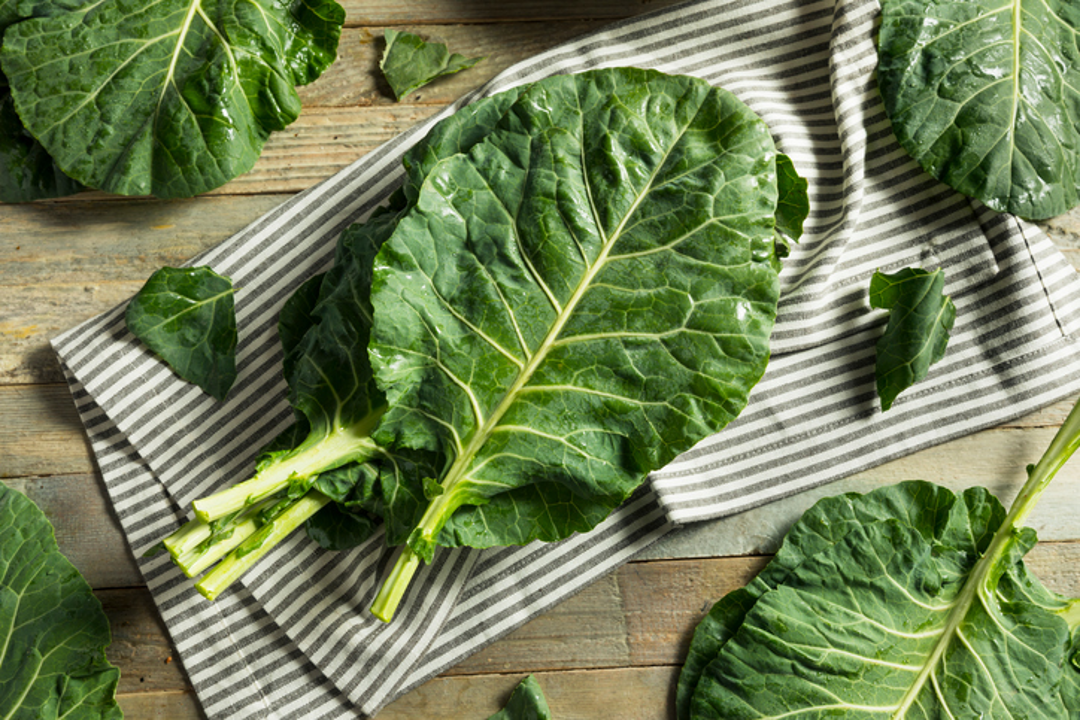
A southern food staple, collard greens are cultivated for their thick, slightly bitter, edible leaves. They are available year-round, but are tastier and more nutritious in the cold months, after the first frost! Most collards are picked right before they reach full size, which is when they have a thicker, crunchier texture. The age of the leaves only has a small effect on the flavor.
Fun facts
- Excellent source of vitamin A, vitamin C, vitamin K, and Calcium.
What to look for...
- Choose fresh, full leaves!
- Avoid brown, yellow, spotted, wilted, or slimy leaves.
- Store greens in a plastic bag in the refrigerator.
- Wash thoroughly before use. Cut the stems from the leaves to cook separately.
How to enjoy...
- Cooking can reduce bitterness. Two cups of raw collards equal to ½ cup cooked collards.
- Sauté with garlic, onions, tomatoes, and olive oil for a healthy side dish.
https://carolinahungerinitiative.org/wp-content/uploads/2020/07/Collard-Greens.pdf
| | Recipe Highlight: Braised Collards & Tomatoes | | |
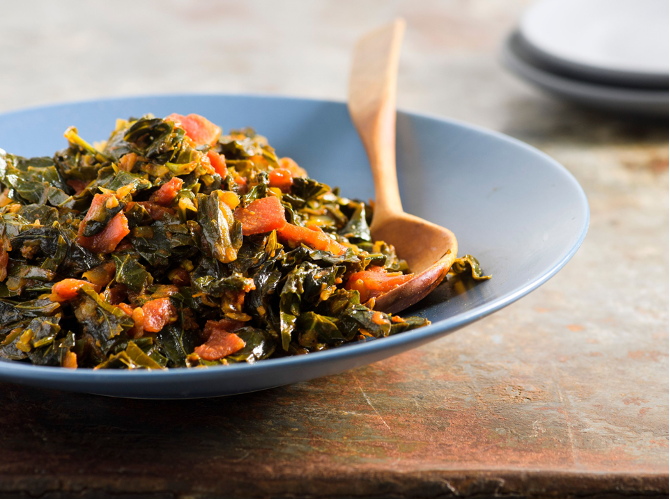
Looking for a different way to cook your collards? This recipe opts for tomato, coriander, and cumin rather than ham hock or fatback, making the collards healthier but not lacking in flavor!
Ingredients
- 1 medium onion, chopped, about 2 cups
- 2 tbsp. olive oil
- 1 lb. kale and or collard greens, or a combination, ribs removed and leaves chopped
- 2 tomatoes, chopped, about 2 cups
- 3 large cloves garlic, chopped or sliced
- 1 tsp. cumin seed, or 1 tsp. ground cumin
- 1 tsp. ground coriander
- 1 tsp. kosher salt
- ½ to ¾ cup water
- lemon wedges (optional)
Directions
- Grab a large pan and add the olive oil.
- Add the onions and garlic after the pan has warmed up, and sauté over medium heat until softened.
- Add the tomatoes and simmer until they start to break down, just a few minutes.
- Add cumin, coriander and salt and let simmer together for one more minute.
- Add the greens to the sauté pan and mix well with the tomato mixture.
- Start by adding ½ cup of water and let simmer over medium heat for 5 minutes or until desired tenderness.
- Garnish with lemons if you like.
https://www.canva.com/design/DAGzdNE6arI/OEcrGt3Icpzg_r2B1VhD3g/view?utm_content=DAGzdNE6arI&utm_campaign=designshare&utm_medium=link2&utm_source=uniquelinks&utlId=hf627467ac6
| | https://carolinahungerinitiative.org/wp-content/uploads/2020/07/Collards.pdf | | SNAP provides monetary assistance to supplement the food budget of households that meet the financial and resource requirements. | | | | |
Foods available under SNAP:
- Fruits and vegetables
- Meat, poultry, and fish
- Dairy products
- Breads and cereals
- Other foods such as snack foods and non-alcoholic beverages
- Seeds and plants, which produce food for the household to eat
| | |
Second Harvest Food Bank's Nutrition Services is committed to working with low-income families seeking to improve their nutrition and health, partnering with our agency programs and community groups.
| | | | |