MARCH 2026 | VOLUME 2 ISSUE 9 | | |
Gwendolyn Clegg
“Knowledge is power. Information is liberating. Education is the premise of progress, in every society, in every family.” Kofi Annan
Do you know how the federal and state child welfare system is funded? Do you know the priorities of how the money is spent?
The federal Social Security Act, Title IV-E, is the largest dedicated child welfare funding. States receive reimbursement from the federal government that supplement state legislative appropriations to enhance, expand and sustain child welfare systems.
In FY2023 Title IV-E funding totaled $9.5 BILLION.
- 98% ($9.3 billion) of Title IV-E funding was used to support foster care, adoption and guardianship.
- 2% ($172 million) was spent on prevention services for families involved in the child welfare system.
State child welfare agencies reflect the same spending patterns as the federal government, devoting the majority of the $34.3 billion spent in SFY2022 toward investigations, removals, and placement rather than services to prevent families from being separated.
The numbers do not lie. Our budgets are living documents. Where we spend our money indicates our priorities.
This knowledge should empower your thoughts, advocacy and legal strategy in your work defending Oklahoma’s children and parents in their juvenile deprived cases.
I can already hear some of you asking, how do I use this knowledge? When you are appointed to represent children and indigent parents in juvenile deprived cases you already know that poverty is at the root of their involvement in the child welfare system. You are the court-appointed attorney. You were appointed after the parent filled out a pauper’s affidavit and the Judge found the parent to be indigent. Children are automatically found under the law to be paupers due to their age. The knowledge of how Title IV-E money is spent within child welfare should inform your advocacy on the financial costs of the court ordered treatment plan. The inability to afford court ordered services should never be a reason families are separated forever. (don’t get me started on the use of the term “pauper”).
Resources:
• U.S. Department of Health and Human Services, Administration for Children and Families (ACF), Children’s Bureau. This annual summary includes detailed Form CB-496 data on Title IV-E expenditures, https://acf.gov/cb/report/programs-expenditure-caseload-data-2023
• U.S. Department of Health and Human Services, Assistant Secretary for Planning and Evaluation (ASPE). “Title IV-E Prevention Services Make Up Less Than Two Percent of Overall Program Expenditure Reimbursement Claims: https://aspe.hhs.gov/reports/title-iv-e-prevention-services-make-less-two-percent-overall-program-claims.
• Bipartisan Policy Center. “Government Spending to Prevent and Respond to Child Abuse and Neglect.” Published December 11, 2025. https://bipartisanpolicy.org/explainer/government-spending-to-prevent-and-respond-to-child-abuse-and-neglect.
• Congressional Research Service. “Child Welfare: Purposes, Federal Programs, and Funding.” Updated February 9, 2026 (IF10590), https://www.congress.gov/crs-product/IF10590.
• Child Trends. “Child Welfare Agencies Draw on a Range of Federal Funding Sources, Such as Title IV-E.” Published January 28, 2026, https://www.childtrends.org/publications/child-welfare-agencies-federal-funding-sources.
| | |
Shoutout to Stefanie Sinclair!
Stefanie Sinclair succeeded in getting new baby MC returned to her client NM with prior & open JD cases this morning by showing through the testimony of the DHS CPS worker that their claims of safety concerns were unfounded and based upon shoddy evidence.
| |
Shoutout to Audrey Huffman!
Audrey has a difficult parent client in Cleveland County. Audrey treats her client with respect and patience. The client refuses in-person appointments and will not answer or return Audrey's phone calls. Audrey communicates with the client by email and provides all the necessary information. Audrey reaches out to her MAs for guidance on how to improve communication with the client and sometimes just to vent her frustrations. Audrey is continuing to provide high-quality legal representation despite the communication challenges.
| |
Shoutout to Jennifer Barton!
Big shoutout to my new parent mentor Jennifer Barton! 🚀 You’ve truly hit the ground running with so much motivation and a clear passion for helping others. It’s inspiring to see you dive in headfirst and make an immediate impact. Excited to see all the great work ahead!
| |
Shoutout to Graham Fishburn!
Graham recently represented a parent in a TPR bench trial. It was his first TPR trial, and his client was determined to fight to keep her parental rights. Graham reached out for several case consults with his MAs and had a pre-trial appellate consult with our Appellate MA. The child's attorney, Meg Wimberly, stated, "Graham had a tough battle, and his client wasn't making it easy on him. He should be proud of how hard he's been working for her. He did a great job building the record for an appeal. He made sure his client was fully heard. Some attorneys could have been rude to the client or dismissive. But, he has been kind and patient with her."
| | |
Shoutout to Mat Thomas!
Mat was a rockstar. He had filed a motion to dismiss the jury trial because 1. the state alleged mother had failed to correct the conditions from a couple of previous cases but they never stated what the conditions were and as he was not privy to those files, he had no idea what they were including what had and had not been corrected and 2. the state was ordered to file a witness and exhibit list which they failed to do and he argued it was a due process violation. Judge agreed and booted the termination trial from the jury docket. Woot!! Woot!!
| |
Shoutout to Meg Wimberly!
Meg recently represented a young child in a TPR bench trial. It was her first TPR trial, and she knocked it out of the park! Meg was prepared, confident, and you certainly could not tell it was her first TPR trial. The case was 2.5 years old when Meg was appointed on July 1, 2025. Meg's high-quality representation ensured that the child's voice was heard at the trial.
| |
Shoutout to Kimberly Welch!
A huge shoutout to Kimberly Welch! 🌟 Thank you for taking on every case with such incredible enthusiasm and heart. Your energy makes a world of difference in this field, and I’m so grateful to have someone so genuinely invested on the team. Keep shining
| |
☀️ Shoutout from Sunlight
Your Case Plan is now Sunlight! Thank you for your engagement and feedback. You helped shape the improvements we’re launching to strengthen both user and client experience. Watch for an email with details. More guidance is coming in upcoming trainings, stay tuned.
| | Have you done something awesome? Do you have a good story? Share it here! | | |
Evan Humphreys, Managing Attorney for Appellate Practice
Trial work is hard. That’s why I don’t do it anymore.
And it’s hard because, as far as the appellate courts are concerned, you have to do it perfectly. The rules for preserving error for appellate review are rigid and largely inflexible. Failing to follow them can be fatal.
Miss an objection? Open the door to prejudicial evidence? Forget to mark a rejected exhibit for inclusion in the record? “Sorry,” the appellate courts will say, “we’re not going to consider that issue now, so your client loses.”
With all the swirling chaos that is trial, it is unfortunately all too easy to make these missteps. This practice tip will cover the basics and some of the specifics of how to preserve trial errors for appellate review.
Generally
- First, usually any error on appeal must have been presented to the trial court first. While there are exceptions to that rule, appellate courts normally will not reverse an order for an error that the trial court was not given an opportunity to correct.
- Likewise, appellate courts will not reverse for “invited errors,” those errors that the appellant acquiesced to in their conduct or positions taken at trial that are inconsistent with the position taken on appeal.
- Preservation typically consists of three parts:
- A timely and proper objection,
- A definite ruling from the court (or a definite refusal by the court to rule), and
- Proof of each in the record.
-
When an objection is timely depends on the context, but essentially it must “call attention to the alleged error at a time when the trial court could reasonably be expected to correct it.” Matter of C.A.R., 1994 OK CIV APP 124, ¶ 20, 882 P.2d 582.
- A proper objection is one that is specific enough to inform the courts of the grounds for your objection. While there are a couple of exceptions to this rule, they should not be relied on.
- If the trial court refuses to definitively rule on your objection even after you have insisted, note your exception to their refusal on the record either verbally or in writing.
Exceptions
- Subject matter jurisdiction
-
This issue may be raised for the first time at any stage of the proceeding by any party or by the court sua sponte.
- Fundamental error
-
Sometimes referred to as “plain error,” a fundamental error is one that that “has a substantial effect on the rights of one or more of the parties”. Matter of K.H., 2021 OK 33, ¶ 4, 507 P.3d 647 (Darby, J., concurring).
- Due process
- Any alleged deprivation of the right to due process may be considered even in the absence of an objection at trial.
-
Publici juris
- Similarly, any issue of public interest may be considered by an appellate court even if it was not preserved below.
Service of process
- Insufficient process or service of process is typically waived by a voluntary, general appearance.
- An objection must be raised at the earliest opportunity and certainly before any such appearance is made.
Demand for jury trial
-
To preserve the right to jury trial, you must make an affirmative request for one and your conduct cannot be contrary to that demand. See Matter of E.J.T., 2024 OK 14, ¶22, 544 P.3d 950.
Pre-trial errors
- While a motion in limine is not required to preserve a pre-trial error, it can provide useful context and information that the appellant can rely on.
- However, if your motion in limine is denied, you must renew your objection at trial when the offending evidence or testimony is being introduced. Otherwise, the error will be waived on appeal.
Jury selection
- First, jury selection must be recorded, so if you do not have a court reporter present for voire dire, you will not be able to lodge a successful appeal.
- If a for cause challenge to a juror is denied, you must make your objection before the jury is sworn.
- Additionally, you must exhaust all of your peremptory challenges and use them to exclude the objectionable juror(s) if needed.
- You must also make a record of which juror(s) you would have excused for cause.
Jury instructions
- Objections must be made before the jury is instructed.
- You must specify which instructions you are objecting to on the record outside of the jury’s hearing as well as why you are objecting, what part you are objecting to, and how you want it changed.
-
Even in the absence of an objection, an incorrect statement of law in a jury instruction is fundamental error. See Matter of T.T.S., 2015 OK 36, ¶17, 373 P.3d 1022. But appellate courts are not obligated to find error when a jury instruction is challenged, but was not properly objected to. See Matter of M.C.M., 2008 OK CIV APP 29, ¶22, 180 P.3d 688.
- Submitting your own jury instructions does not, on its own, preserve errors for appellate review.
Evidence included over objection
-
The evidence must affect a “substantial right,” which means “the error affected the outcome of the proceeding.” Hogan v. State, 2006 OK CR 19, ¶38, 139 P.3d 907.
- To be timely, the objection must be made as soon as it is apparent that objectionable evidence may be presented.
- For example, the need for a hearsay objection becomes apparent when opposing counsel asks a witness for the name of a third party they learned information from.
- The grounds for the objection must be specific and stated on the record.
- If the witness answers before your objection is made or ruled on, you must ask for a motion to strike, a curative instruction, and/or a mistrial.
- Opening the door to objectionable evidence, even by reference in an opening or closing statement, will waive appellate review of any error.
- Remember, if you filed an unsuccessful motion in limine, you must timely restate your objection at trial.
Evidence excluded by opposing party objection
- For documentary evidence, you must still mark the exhibit and make sure it is placed with all other exhibits for inclusion in the record.
- If you receive push back, you have to explain the difference between including something in the trial record and presenting it to the jury.
- For testamentary evidence, you must make an offer of proof but the form of that proof is within the district court's discretion.
- Ideally, you can excuse the jury and have the witness testify on the record outside their presence.
- Alternatively, you or the witness can submit a signed, verified statement with a detailed description of what the witness would have testified to.
- Regardless of the method, the offer of proof must describe both what the evidence tends to show and its grounds for admission.
- These rules also apply if the evidence is excluded by a motion in limine.
Sufficiency of the evidence
- This kind of challenge generally requires at least an oral motion for a directed verdict at the close of evidence.
- Regardless, for terminations of parental rights, appellate courts are duty bound to canvass the record for clear and convincing evidence.
- Review of a demurrer at the close of the opposing party’s case is waived if the appellant then proceeded with their own case and did not request a directed verdict.
- A written motion for judgment notwithstanding the verdict is not required.
Trial misconduct
- Objections must be made no later than prior to the case being submitted to the jury.
- But remember the general rule to raise an objection when the judge has an opportunity to correct the error.
- You must ask for a curative instruction or a mistrial, depending on the context.
- If the curative instruction is inadequate, you must object to that as well and request a mistrial.
- Repeated instances of trial misconduct required repeated objections unless a continuing objection is allowed.
Verdict form
- Objections must be made before the verdict forms are given to the jury.
- Objections to the form of the verdict (i.e., the verdict as filled out by the jury) must be made before the jury is discharged.
- For example, if it is unclear whether the jury intended to mark a certain condition as remaining uncorrected on the verdict form, that issue must be raised before they are excused.
Post-trial motions
- If a motion for a new trial is filed before or within 10 days of the filing of the judgment, appellate review is limited to those grounds raised in the motion.
- While the statute does not mention motions to reconsider, motions for judgment notwithstanding the verdict, or other types of post-trial motions, typically any motion filed within 10 days of the order will be treated as a motion for a new trial regardless of its title.
| | |
Jayci Howerton, Region 1 Director of Social Work
I am honored and blessed that I am writing my first DSW Corner article on Social Work month. There is also a day this month where one should save a spider. I am not sure what happened in order to have a day to save a spider, but I have several guesses and a couple of stories where spiders probably should have been protected.
Because our child welfare system is a system made up of humans, there are going to be times where one feels the process has been unfair to them or a child in the system. In order to do address with the Oklahoma Department of Human Services, that person then has to file a grievance.
The Oklahoma Office of Client Advocacy Foster Care Ombudsman and Youth Grievance Programs ensure that foster parents and children served by Child Welfare Services have easy access to a grievance process that is fair, effective, and efficient. Foster parents and Children served by CWS have a statutory right to file grievances without fear of retaliation or discrimination. (Okfosters.org/resources/office-of-client-advocacy)
Foster parents, both kinship and traditional may file a grievance on behalf of themselves and a child. Anyone can file on behalf of a child served by OKDHS.
Child grievances are filed if there is a concern with that child's bill of rights. Those are including, but not limited to:
- To be placed in a safe and healthy home
- To be placed with siblings
- To know about where the child is going to live prior to going there.
- To know what is happening with the case and family.
- To stay in the same school if possible
- To be told at least 5 days prior to moving unless it's an emergency.
- To clean clothes that fit and are right for the weather
- To receive good medical, dental, eye care, counseling and other things that are needed to be healthy and safe.
- To have the right amount of privacy
- To not attend church or church type events if I am not okay with it and to freely enjoy any religion the child chooses.
- To have written plans for visits with family and to be able to speak with family and friends, if safe.
- To talk with their attorney, caseworker or CASA and talk with the Judge if a child feels like no one is listening.
- To help case worker make the service plan and understand what it says
- To go and speak at court hearings and family team meetings
- To be able to have all of the services, placements, care, treatment and benefits needed.
- To join after school activities and social activities
- To get a job and learn job skills, learn how to budget money.
- To have the right to all of important papers.
This is not an all-inclusive list; however, it's a start. There are several ways one can file a grievance. First, one can contact a Youth Advocate at 405-522-2720. If you want to access it online, you can go to www.okfosteryouthmatters.org/index.php and fill out the form. It will then go to OCCY who will forward to the Office of Client Advocacy for processing and investigation. In order to investigate, it has to be within 45 days of the incident. If the complaint also involved issues of child abuse or neglect, call 405-522-3511 and make a report with the OKDHS Hotline.
Also, to all of my fellow social workers out there, happy Social Work month! Thank you for being there and helping others. I hope that you are taking care of yourself while taking care of others and maybe even spiders. They have a day so maybe they need protection too.
| | |
In the Matter of S.J.
Biological grandmother appeals denial of her motion to intervene in a finalized adoption proceeding to seek vacatur of the decree. COCA held adoption proceedings are special statutory proceedings governed by the Oklahoma Adoption Code, not the Oklahoma Pleading Code, and the Adoption Code does not provide a mechanism for intervention by non-parties after entry of a final decree. The court further rejected grandmother’s due-process claim, finding she failed to show a legally protected interest and that statutory provisions favoring relative placement express policy only and do not create enforceable rights, while the Adoption Code expressly limits grandparent rights post-decree to possible visitation. In this case, Mother voluntarily relinquished and Father's rights were terminated prior to the adoption. COCA affirms. Read full opinion
| |
In the Matter of N.R., Alleged Deprived Child
Father appeals termination of his parental rights following a jury trial, arguing DHS failed to provide reasonable efforts, the State failed to prove best interests, and juror misconduct denied him a fair trial. The record showed the child was born drug-exposed, Father stipulated to deprived status, received concurrent twenty-year sentences on drug trafficking convictions, and the child (under age four) had been in foster care more than six of the last twelve months and could not be safely returned home. COCA held termination under 10A O.S. § 1-4-904(B)(17) was supported by clear and convincing evidence and was dispositive, making it unnecessary to address reasonable-efforts arguments; the best-interest finding was supported by testimony. Father’s juror-misconduct claim was waived because it was not raised at trial (error must be raised at trial!) and did not demonstrate bias. COCA affirms. Read full opinion
| | |
In the Matter of T.J.M/T.J.R.
Mother appeals a jury verdict terminating her parental rights, arguing the trial court violated due process by allowing portions of the trial to proceed while she was tardy and that the evidence was insufficient to support termination. The record showed the child was removed shortly after birth following drug exposure and that Mother’s parental rights to siblings had previously been terminated. Although Mother missed portions of testimony and arrived late on multiple days, COCA held she was afforded a meaningful opportunity to defend and was solely responsible for her absence, distinguishing cases where participation was limited through no fault of the parent. COCA further held clear and convincing evidence supported termination for failure-to-correct and best interests. COCA affirms. Read full opinion
| |
In the Matter of L.C., Alleged Deprived Child
Mother appeals termination of her parental rights, arguing the State was required to proceed exclusively under the cognitive-disorder ground in 10A O.S. § 1-4-904(B)(13) because her mental health was the primary condition leading to adjudication. The record showed the child was removed after ingesting a THC gummy in Mother’s care and that Mother had significant mental health instability, homelessness, noncompliance with medication, and failure to complete services; the jury terminated on multiple grounds including failure to correct conditions and prior deprived adjudications. COCA held § 1-4-904(B)(13) is not the exclusive ground in cases involving mental or cognitive disorders and, under Matter of B.K., the State may proceed under multiple complementary grounds, and because Mother did not challenge the other bases for termination, clear and convincing evidence supported the verdict and best-interest finding. COCA affirms. Read full opinion
| | Interested in being notified as appellate decisions are made? Sign up for OSCN's mailing list using this link. | | |
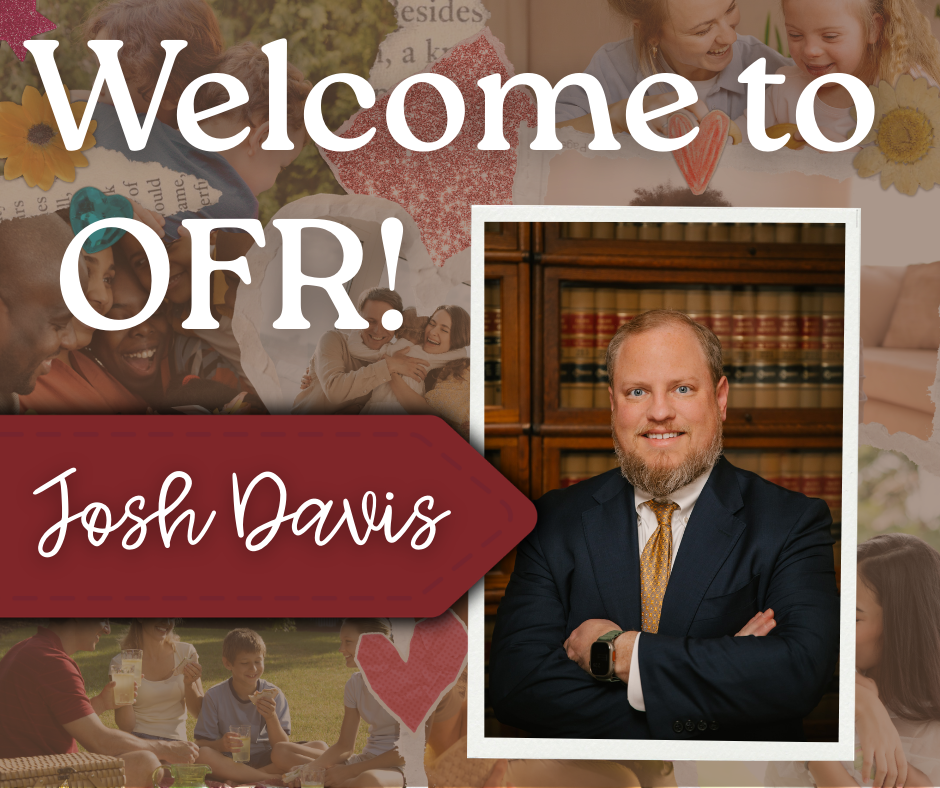
Josh Davis - Trial Attorney, Garfield and Grant Counties
Josh graduated from the University of Oklahoma in 2002 with a Bachelor's in Letters and a Minor in History. During his undergraduate work, he attended King's College in London in 2001. In 2005, Josh graduated from the University of Oklahoma College of Law.
After graduating from law school, Josh served as an Assistant District Attorney in Enid for almost five years, where he prosecuted both felony and misdemeanor cases.
In 2011, Josh left the Garfield County District Attorney's office for private practice as a partner at Martin, Cameron, and Davis. His practice areas included Criminal Defense, Personal Injury, Family Law and Child Custody, Guardianships and representing both parents and children in Deprived cases. Josh was also appointed by Governor Brad Henry in December 2011 to the Oklahoma Employment Security Commission's Board of Review.
In March of 2018, Josh joined Oklahoma's oldest law firm, Mitchell & DeClerck, in an Of Counsel capacity, where he continues his successful multi-county practice, focusing on Criminal Defense, Personal Injury, and Deprived Child cases.
In his spare time he enjoys going on adventures with his family and coaching his older son’s flag football team.
| |
Stephen P. Cameron - Trial Attorney, Garfield and Grant Counties
Stephen P. Cameron is a well-known and respected criminal defense and personal injury attorney. As a native Oklahoman, Stephen has built an extensive legal network in Garfield County and the surrounding areas that his clients greatly benefit from. After receiving his bachelor’s degree, in 2004 Stephen graduated from the University of Oklahoma school of law and quickly recognized he could best manifest his passion to help people through defending the rights of others.
Throughout his career, Mr. Cameron has represented the rights of the accused in hundreds of serious criminal cases, juvenile deprived actions other serious proceedings by the State with significant success. Additionally, Mr. Cameron has secured numerous high-figure settlements for his clients involving serious automobile injury accidents and personal injury claims.
Stephen’s greatest joy and accomplishment is being a father to his two kids. When he is not engaged in furthering his distinctive brand, “In a Jam, Call Cam”, Stephen is attending sporting events and traveling to support his children’s unique interests and accomplishments. Stephen’s affiliations include being a life member of Phi Delta Phi honors legal fraternity, Oklahoma Criminal Defense Lawyers Association, Oklahoma Bar Association, Grand National Quail Club and Foundation and currently serves as secretary for the Garfield County Bar Association.
| |
Rhonda Telford - Trial Attorney, Canadian County
I’ve been in practice since 2005 after graduating from OCU School of Law and have primarily practiced Family Law, Deprived Law and Estate Planning.
| |
Sherry DeBord - Trial Attorney, Logan, Payne, and Noble Counties
With 38 years of legal experience, I have dedicated my career to serving families across Oklahoma in the areas of divorce, custody, juvenile deprived matters, and criminal defense. Previously, I served as the Municipal Judge for the City of Perry, Oklahoma for 17 years, and I retired in April 2025, though I continue my work as an attorney and advocate.
Beyond the courtroom, I am a wife, mother, grandmother and great-grandmother who believes deeply in faith, family and community. I am also a rancher and racehorse owner, embracing both the discipline of the law and the spirit of the land. I feel as comfortable in a pair of boots on the ranch as I do in a pair of heels in the courtroom.
At 72 years of age, I remain active-working out regularly, participating in senior marathons and all sports as well as staying engaged in my church and local community. My life’s work has been grounded in strength, service, and a steadfast commitment to helping others navigate some of the most difficult seasons of their life.
| |
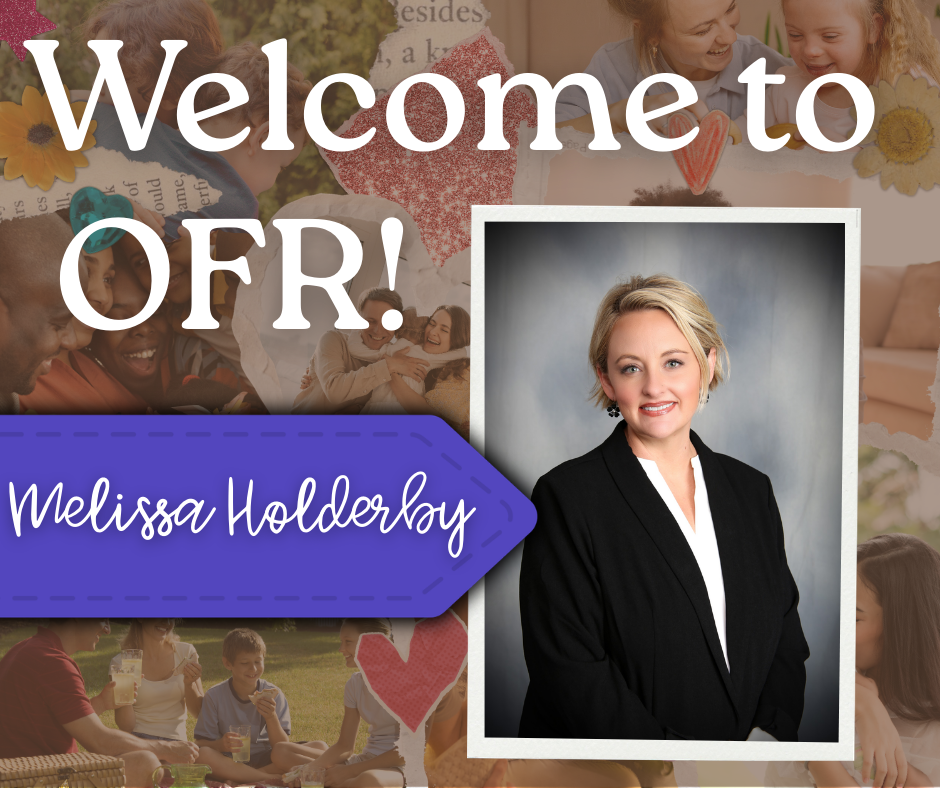
Melissa Holderby - Trial Attorney, Okfuskee County
Melissa is a fourth-generation Bristow (Creek County) resident. She has been practicing for over twenty years in the area of family law and family mediation. She resides in Bristow with her husband, their three children (Autumn, University of Oklahoma; Aislinn and Aedan, Riverfield Country Day School), and a revolving menagerie of chickens, bees, and sundry furry animals. She recently completed her multi-year tenure as the president of the City of Bristow Library Board of Trustees and volunteers extensively for the Bristow Historical Society.
Melissa enjoys representing both children and parents equally. She believes that all attorneys have an ethical responsibility to use their gifts and skills to reach the neighbors in our communities who are most in need of resources to strengthen families.
Melissa practices primarily in Okmulgee, Okfuskee, Creek, and Tulsa counties. She is a graduate of the University of Tulsa (B.A. 2002, Fine Art and English) and the University of Oklahoma (J.D. 2005). In addition to Oklahoma state courts, she is admitted in the Northern, Eastern, and Western District Courts of Oklahoma, and the United States Court of Appeals for the Tenth Circuit.
| | |
Kimberly Hall - Trial Attorney, Grant County
Born and raised in Enid, Oklahoma, Kimberly graduated from Enid High School. She attended the University of Oklahoma for undergraduate studies and received her degree in Letters. She entered the Oklahoma College of Law concurrent to her senior year of undergraduate studies and received her Juris Doctorate. Upon admission to the Oklahoma bar, Kimberly returned to her hometown and began her practice focused on family law.
| |
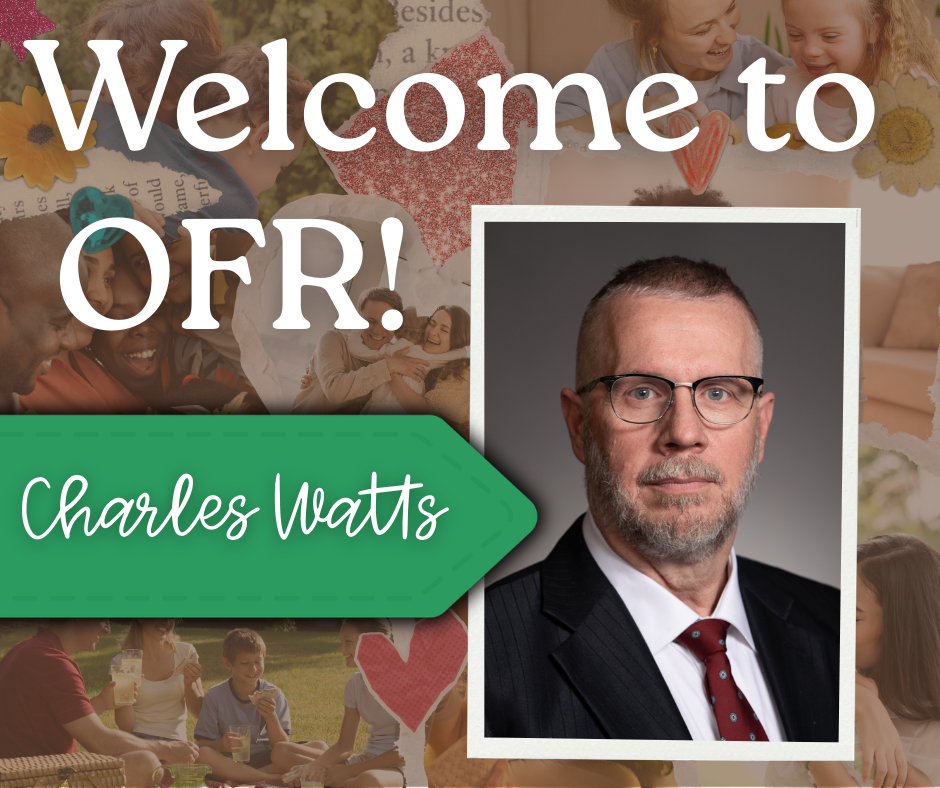
Charles Watts - Trial Attorney, Canadian County
Charles Watts has been a Family Law attorney since 2017, representing children and parents through custody, guardianships, terminations,. and adoptions. He has also been a reserve deputy for Oklahoma County more than a decade. He has interacted with families throughout all aspects being on the responder side and as a representative in the courts. He has been married to his wife for over 22 years, and they have 1 daughter who they adopted at birth. They have had numerous exchange students over the years, and if you ask him, they have 13 other daughters around the world.
| |
John Maloy - Trial Attorney, Canadian County
John graduated from the Oklahoma City University School of Law in 2018 and has been a solo practitioner practicing in numerous counties throughout the state of Oklahoma. Durning law school, John interned for Oklahoma Lawyers for Children, a non-profit that helps children with legal representation in deprived cases. John is admitted to the Seminole Nation of Oklahoma Tribal Court as well as the Western District of Oklahoma Federal Court. His time as a solo practitioner has afforded him the opportunity to litigate many types of civil cases and bring those unique experiences to OFR. It is his goal to help our local families and neighbors succeed in having a happy and positive future.
| |
Frank Austin - Trial Attorney, Kingfisher and Payne Counties
Born March 31, 1953
Married 54 years
Oklahoma University graduate 1976 – Bachelor of Arts
Oklahoma City University School of Law graduate 1988 – JD
1977 to 1987 Social Worker with DHS Child Welfare and Court Related and Community Services
1987 to 2011 intern, attorney, shareholder with Niemeyer, Alexander, Austin, and Phillips
2011 to present – solo practice
| |
Leah Hartman - Trial Attorney, Garfield and Kingfisher Counties
Attorney with over 10 years experience in the banking and financial industry. I am proud to spend time in and out of the courtroom advocating for children and families who are in difficult situations. I am a proud mother of four, and I like nothing more than spending time with my family traveling and exploring.
| |
Shannon Cox, Region 2 Parent Mentor
I have a beautiful 5 year old boy named Jaxon. I am excited to bring hope for someone navigating the child welfare system. I have a heart for families being reunited and especially mothers who struggle with addiction.
| |
Shy-Ann Swanson, Region 1 Parent Mentor
Shy-Ann Swanson was born and raised in Fairview, OK and is a proud mom of four, along with being married to her wonderful husband. Most of her time is spent running from one kids’ activity to the next and cheering them on in everything they love. When she gets a little free time, she enjoys playing slowpitch softball.
Shy-Ann is excited to start her journey as a Parent Mentor. Having been through the DHS system herself, she understands how overwhelming it can feel and wishes she had a mentor during that time. She’s passionate about being the support she once needed and helping parents know they’re not alone.
| | |
NACC Events Calendar!
March 4-6: NACC Professionalism & Ethics Symposium
Grounded in real-world experience and client-centered values, each session fosters thoughtful dialogue and meaningful engagement while offering actionable strategies to address the ethics and professionalism issues practitioners face in their daily work.
Attendees can earn up to 9 hours of ethics and professionalism CLE credit while gaining fresh insight, shared understanding, and practical tools to support ethical, professional, and high-quality legal representation in dependency proceedings.
NACC’s 49th National Child Welfare Law Conference will be in Portland, Oregon! Learn more and register!
Onsite in Portland
Wednesday, August 12 through Friday, August 14, 2026
Pre-conference Tuesday, August 11, 2026
Hilton Portland Downtown
Online in October
Wednesday, October 14 through Friday, October 16, 2026
From the comfort of your home or office!
Check out NACC’s Resource Center! Filter by topic area, resource type, and view NACC’s Information Hubs:
NACC Resource Center
Race Equity Hub
Student Hub
| |  | |
Upholding the Gold Standard of ICWA Through Multidisciplinary Teams & Parent Advocates with Lived Experience
Randi Mann, Region 2 Director of Social Work
We are honored to present at the upcoming 2026 National Indian Child Welfare Association (NICWA) Conference on how Multidisciplinary Defense Teams (MDTs) and Tribal representatives work together to uphold the gold standard of ICWA through active efforts at every stage of a child welfare case.
This workshop will explore the critical role Tribal representatives play in safeguarding civil rights, strengthening the worker-client relationship, and ensuring culturally appropriate services. We will examine how MDTs, comprised of attorneys, social workers, and parent advocates with lived experience, support Native parents through high-quality legal representation both inside and outside the courtroom.
A central focus of the session is the power of advocacy informed by lived experience. Parent mentors bring essential insight, helping families navigate complex systems while fostering dignity, accountability, and healing. Through interactive case scenarios and dialogue, participants will explore strategies to strengthen reunification efforts, expand post-reunification supports, and promote community unity.
As the child welfare field continues addressing generational harm rooted in the Indian Boarding School Era and ongoing system disparities, this work calls Tribal partners and practitioners alike to reclaim and fully uphold ICWA protections, ensuring Native families remain connected, supported, and sovereign.
We look forward to engaging in meaningful dialogue at NICWA 2026 and continuing the collective work of protecting Tribal citizens and strengthening Native families for generations to come.
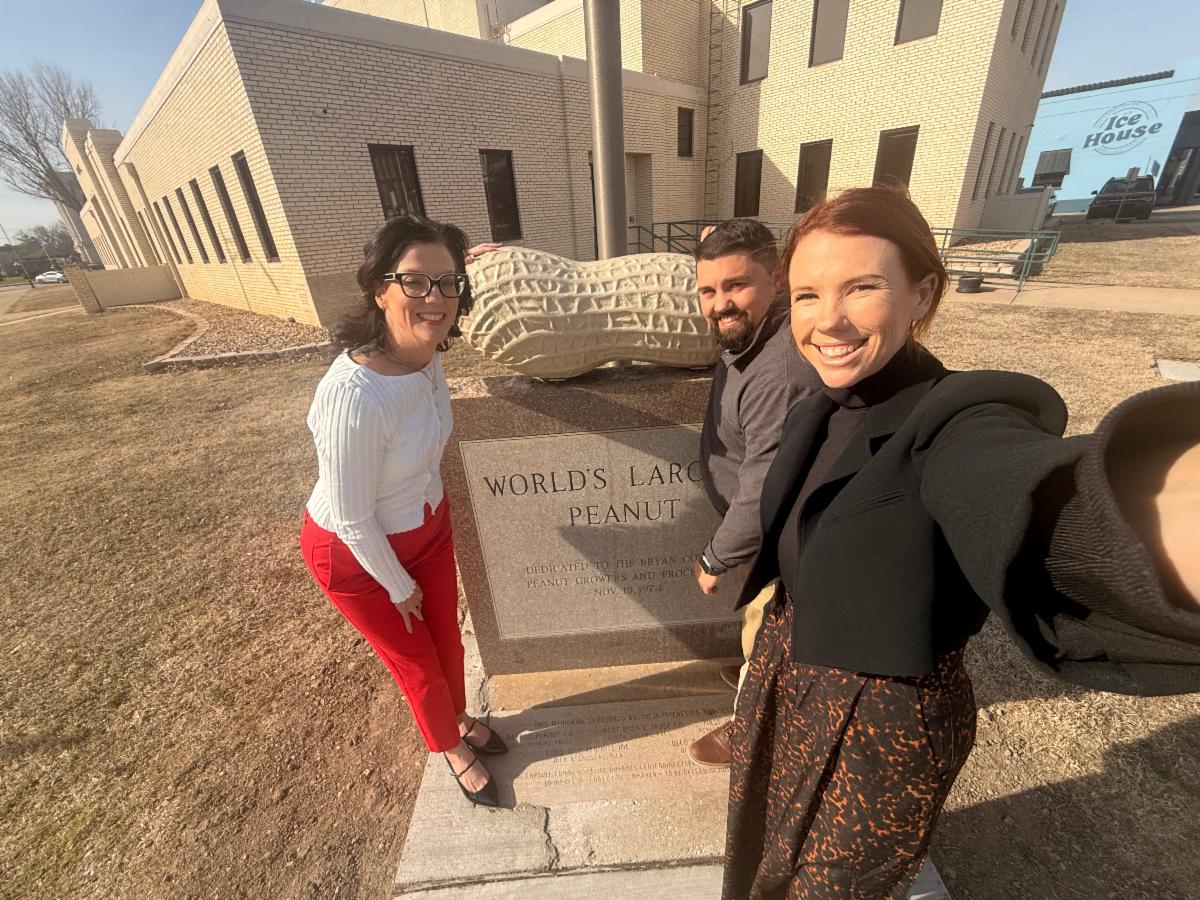
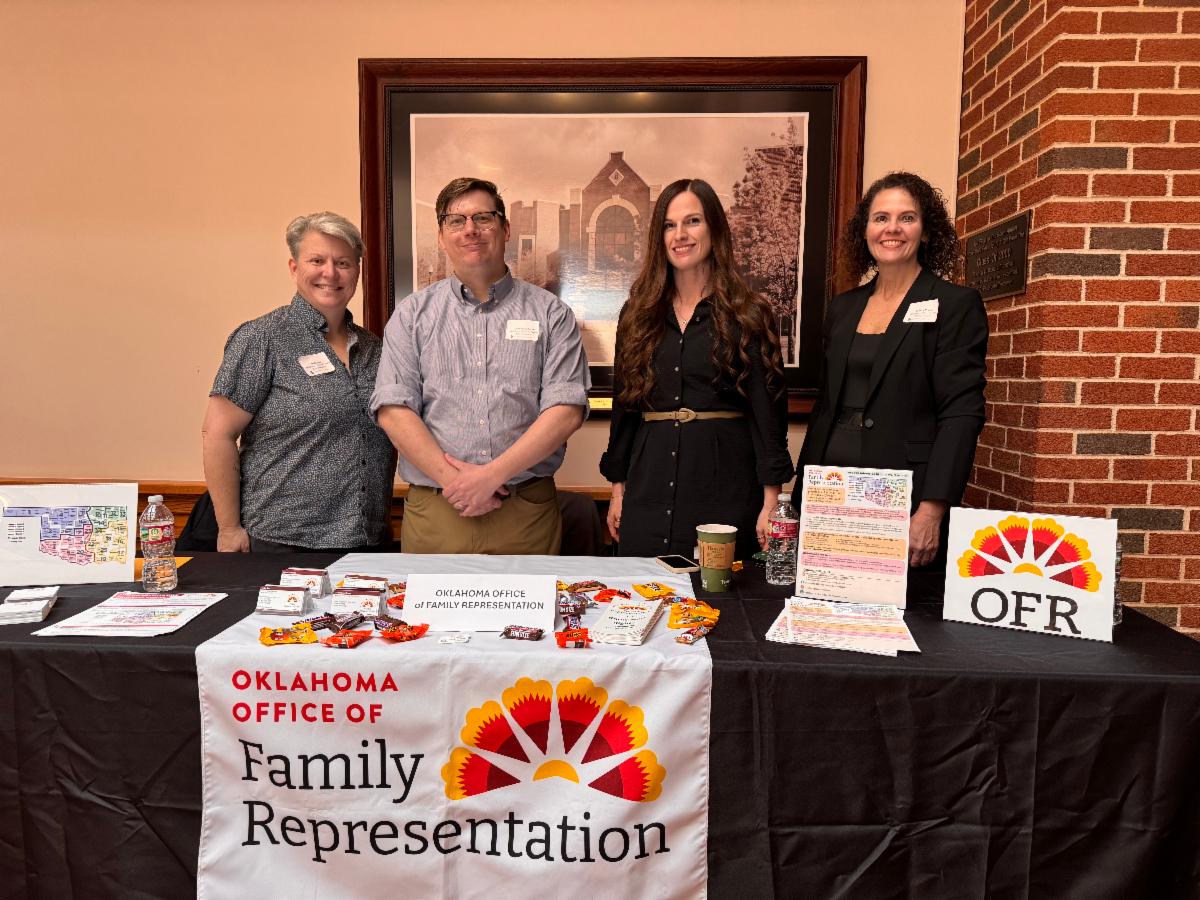
| | | Director Gwendolyn Clegg, Director of Social Work Christopher Copeland, and Managing Attorney Danielle Dezort on court observation in Bryan County | | Managing Attorneys Holly Iker, Evan Humphreys, Rebecca Phillips, and Tamera Reuber at the OU Law Public Interest Career Fair | |
| How did you like this email? | | | | | | |