SEPTEMBER 2026 | VOLUME 3 ISSUE 3 | | September 2026 Newsletter | | |
Gwendolyn Clegg, Director
In early June 2026, Shusterman Family Philanthropies (“Shusterman”) reached out about OFR participating in celebrating America’s 250th anniversary. Shusterman asked to submit OFR’s story to Unite in Advance’s Generosity Builds: 250 Years of Charitable Giving campaign. Schusterman was joining a sector wide effort to tell authentic and optimistic stories about how philanthropy and nonprofit organizations have significantly shaped America and civil society.
Unite in Advance’s Generosity Builds Campaign is a solidarity campaign launched by the philanthropic sector. The Generosity Builds campaign chose stories to share about how charitable foundations and nonprofits have positively impacted communities nationwide.
The initiative features 50 stories, one per state, on a dedicated website. The stories chosen highlight and demonstrate how charitable giving has driven visible, tangible, positive change at an individual or community level.
Shusterman saw this as an opportunity to get OFR's work in front of key audiences. We were cautioned that only one story per state would be chosen and there was no guarantee OFR's story would be chosen.
OFR’s story WAS CHOSEN to represent Oklahoma in the Unite in Advance's Generosity Builds Campaign. OFR is now featured on the UIA campaign website, as well as being featured on content creator Kristen Williams' social media (@KristenAsAMom) | 25K followers on Instagram | 435K subscribers on YouTube |
Kristen Williams is a Tulsa based mom and family creator connected to the long running family vlog channel LiveEachDay, where she and her family have documented daily life, moving to Oklahoma and starting a family since 2011. The piece about OFR is now live! Use the links below to view.
https://www.instagram.com/reels/DceCL3-Bb07/ https://www.facebook.com/share/r/19eBCZ9QB3/
Congratulations to every person who participated in OFR’s story and who carries out OFR’s mission! This recognition belongs to ALL OF YOU!
| | |
Shoutout to Larra Williams!
Larra had a helping hand in getting a case dismissed in Murray County due to an untimely filed petition.
| |
Shoutout to Kristen Speer!
Kristen received a compliment from South Central CASA in Ardmore. The CASA Advocate Supervisor reported that Kristen is always prepared, level-headed, and presents herself and her clients well to the Courts.
| |
Shoutout to Kevin Lewis!
Kevin Lewis successfully defended a parent client in a TPR trial last week.
| | |
Shoutout to Daniel McClure!
Daniel helped prevent an infant from coming into care while the parent is trying to reunify with the other kids.
| |
Shoutout to Lacey Knox!
Lacey recently completed her Bachelor of Science in Corrections from the University of Phoenix and is interested in attending law school in the future.
| |
Shoutout to Terry Allen!
Terry won a scholarship to attend the NACC conference.
| |
Shoutout to Jana Knott!
Jana successfully appealed an adjudication order for failing to meet ICWA's requirements.
| | Have you done something awesome? Do you have a good story? Share it here! | | Rebecca Phillips, Region 1 Managing Attorney | | |
Ethics, Advocacy, and Inconvenience
Oklahoma Rules of Professional Conduct
Chapter 1, App. 3-A
Client-Lawyer Relationship
Rule 1.3. Diligence
A lawyer shall act with reasonable diligence and promptness in representing a client.
Comments
| [1] A lawyer should pursue a matter on behalf of a client despite opposition, obstruction or personal inconvenience to the lawyer, and take whatever lawful and ethical measures are required to vindicate a client's cause or endeavor. A lawyer must also act with commitment and dedication to the interests of the client and with zeal in advocacy upon the client's behalf. A lawyer is not bound, however, to press for every advantage that might be realized for a client. For example, a lawyer may have authority to exercise professional discretion in determining the means by which a matter should be pursued. See Rule 1.2. The lawyer's duty to act with reasonable diligence does not require the use of offensive tactics or preclude the treating of all persons involved in the legal process with courtesy and respect. | |
OFR contractors serve a difficult population. Sometimes representing a child means having a client who is prepubescent, traumatized, obstinate, and impulsive. Parent clients are often substance dependent, mentally ill, or hopelessly disorganized. Many of these clients would be hard to get along with on a normal day, but you are assigned to help them through their absolute worst. They are devastated, angry, and distrusting. Toss in the confidentiality of juvenile court and familiarity of courtroom partners, and you find yourself working in a petri dish where bad habits grow and spread.
Having a good relationship with your courtroom partners and frequent flyers (i.e. the prosecutor, attorneys for other parties, judges, DHS, CASA) can be an asset in negotiations strategy and make the job more enjoyable. But it is important to remember that you are not all on the same team. Even if every party claims to be working toward the same outcome, you are solely and squarely on your client’s team. If you don’t maintain that separation from the other players in the courtroom, to your client you will just be one of “them”.
With that, I just wanted to highlight a few habits that I have observed in this work that we all should strive to avoid.
1. Client Communications
How we speak to our clients, or how we don’t speak to them, matters. Clients notice when we don’t make time for them outside of court. We are all busy, but only visiting with a client in the hall on docket days is wholly inadequate. Sure, some clients are not easy to get in touch with and others want an unreasonable amount of your attention. Decide how you are going to manage out of court client communications and schedule that time on your calendar. Set your client’s expectations in the beginning, and stick to them.
When we do talk to them, we need to show compassion. We are not doctors, and we may not take the hypocritic oath, but our work with them should not make their circumstances worse. Be conscientious of their different experiences, your privilege, and anything that may be heard by a third party.
2. Gossip
We are the client’s lawyer whether or not they are in the courtroom. As interesting or frustrating as our clients may be, we need to avoid gossiping about them with the other parties in the case. Chatter between cases during a docket can quickly turn into bad mouthing clients, and can be heard or even participated in by the judge. If what you are saying is not furthering your client’s interest, don’t say it. Find an uninvolved colleague to vent to when needed and be sure to respect privileged information.
3. Opposing Advocacy
You would never (or shouldn’t) hear a criminal defense attorney say, “My client pleads not guilty, your honor, but I’m pretty sure he did it and needs to go to prison” – so why would it be okay to say, “My client wants to go home to her parents, but I don’t think that’s a good idea”? We see this more often in child representation, probably at least in part because the parents are in the room watching and the children typically aren’t. But we are an expressed interest state and the age of our clients does not give us permission to usurp their stated wishes. It is not advocacy to tell the court your client’s preference and then offer support to the contrary. This issue is highly nuanced. Please reach out to your managing attorney if you are ever struggling with how to handle a potentially dangerous situation.
After losing one of my first jury trials as a parent attorney, my client – a particularly contentious and dislikeable person – expressed such incredible gratitude toward me. I didn’t understand, because we had lost. My client told me that no one had ever fought for them like I had that week. My hope is that each of you are here because these clients are your passion. This is not easy work. These are not easy clients. Be their champion, even if they’re hard to deal with, and even if you lose.
| | |
Randi Mann, Region 2 Director of Social Work
When Advocacy Means Paying Attention
September is National Suicide Prevention Awareness Month, and this topic is deeply personal to me. My family has experienced the devastating loss of my oldest nephew to suicide following struggles with mental health and medication mismanagement. That loss changed our family forever and serves as a reminder to me that behind what others see on the outside, someone may be carrying far more than we realize.
That reminder is especially important in the work we do at OFR.
Parents involved in the child welfare system can experience an extraordinary convergence of stressors: separation from their children, fear of losing parental rights, court involvement, financial instability, relationship changes, trauma, substance use or recovery, and the feeling that every aspect of their life is being examined. For some, this may be one of the most frightening and isolating periods of their lives.
As an Office of Family Representation, our job is advocacy. But meaningful advocacy requires us to see the whole person, not simply the legal case in front of us.
That is one of the greatest strengths of our Interdisciplinary Teams (IDTs).
An attorney may notice that a client who usually calls before every hearing has stopped responding. A social worker may hear hopelessness underneath a conversation about services or visitation. A peer mentor may recognize something different because lived experience provides a unique understanding of what it feels like when the system becomes overwhelming.
Individually, those observations matter. When an IDT communicates and responds together, they can matter even more.
Look Beyond the Behavior
Child welfare work often focuses on behavior: Did the parent attend? Complete the assessment? Answer the phone? Follow through?
Our interdisciplinary approach asks us to add another question:
What might be happening underneath the behavior we are seeing?
A missed appointment may be avoidance or resistance. But it may also be depression, shame, grief, fear, exhaustion, or hopelessness. Disengagement does not automatically tell us why someone has disengaged.
We can maintain accountability while remaining curious. We can advocate for progress while recognizing distress. And we can challenge ourselves (and our system partners) to distinguish between a parent who will not engage and one who may currently be struggling to do so.
Suicide prevention does not require every IDT member to become a mental health professional. It means being willing to notice, ask, listen, connect, and communicate. It means taking sudden behavioral changes seriously, listening when someone expresses hopelessness or feels like a burden, sharing concerns across the IDT, and helping connect clients with appropriate support when needed.
Role differentiation remains important. Attorneys, social workers, and peer mentors bring different skills and perspectives. We do not need to operate outside our roles to respond compassionately, we need to recognize concerns, communicate with one another, and make sure our clients do not disappear between the gaps.
The IDT as a Protective Factor
One of the most powerful things interdisciplinary representation offers is deceptively simple:
Our clients have more than one person in their corner.
They have an attorney protecting their legal rights. A social worker helping address barriers, systems, and needs. A peer mentor who can offer connection, credibility, hope, and the reminder that involvement with the child welfare system does not have to define the rest of someone's life.
At our best, we are not three professionals working beside one another. We are a team surrounding a person during an extraordinarily difficult chapter of their life.
This September, I encourage each of us to think about suicide prevention through the lens of our everyday OFR practice:
Notice the change. Ask the extra question. Share the concern. Make the connection.
Sometimes advocacy is a courtroom argument. Sometimes it is challenging an unnecessary service, pushing for increased visitation, or making sure a parent's voice is heard.
And sometimes advocacy is recognizing that the person sitting across from us needs someone to see the human being behind the case.
Our clients should know that their case matters to us—but more importantly, that they matter beyond their case.
Help Is Available
If you or someone you know is experiencing suicidal thoughts or emotional distress, call or text the 988 Suicide & Crisis Lifeline at 988.
You do not have to wait until a situation becomes an emergency to reach out for support.
— Randi Mann, Region 2 - Director of Social Work
| | |
Summary of Amicus Curiae Brief In Re K.B.
Supreme Court Of Maryland - On Writ of Certiorari to the Appellate Court of Maryland
Amici argue that dependency proceedings should be presumptively open to the public and that excluding K.B., a child who was a party to her own case, violated her due process rights. Although the public’s First Amendment right to access was not directly before the Court, Amici argued that under the First Amendment’s historical-tradition and functional-importance test, dependency proceedings qualify for a presumptive right of public access because such access promotes transparency, accurate fact-finding, accountability, and public confidence in the child welfare system. Although child privacy is an important governmental interest and concern, it does not automatically justify closure because courts already use less restrictive measures, such as redactions and initials, to protect sensitive information. Amici stated that KB, a party to the dependency proceeding and a child capable of understanding the proceeding, should not be excluded from her own hearing, denied meaningful participation, or denied meaningful access to counsel.
Amici further contend that secrecy prevents scrutiny of courts and allows the systemic racial and socioeconomic disparities caused by child removal to remain hidden. Here, the juvenile court relied on a generalized view that children under 15 ordinarily should not attend proceedings involving difficult testimony, rather than making individualized findings concerning K.B.’s inability to understand and participate or identifying a specific harm that could not be mitigated. Because the court failed to apply a constitutionally sufficient standard to exclude K.B., and failed to make findings sufficient to satisfy due process, the amici concluded that the exclusion should be reversed and children capable of participating should be permitted to attend their dependency proceedings. Read full brief
| |
In the Matter of A.B., B.M., and D.B.
Summary: Affirmed
Mother appealed permanent guardianship order, arguing Court erred in finding clear and convincing evidence she failed to substantially correct conditions and Guardians were suitable permanent guardians. Mother completed ISP and raised concerns over injuries Children sustained under Guardians’ care.
Court argued that though Mother completed ISP, this is the only statutory condition [§1-4-709(A)(2)(c)] that was appealed and doesn’t prove that the conditions which led to the deprived determination cease to exist. Court stated Mother’s past conduct and future ability to care for Children were taken into consideration. Court also argued that the children have been placed with Guardians for extended periods of time, with one child expressing their desire to remain with Guardians. Thus, COCA affirmed decision to appoint permanent guardians. Read full opinion
| |
In the Matter of the Adoption of DOT, Jr.
Summary: Affirmed
Parents appealed AWOC and argued there was no clear and convincing evidence they failed to maintain a substantial, positive relationship with Child, and trial court erred by stating AWOC was in Child’s best interest. An initial therapeutic visit was established, but the provider cited COVID as a reason to cancel the first visit. Parents claimed they could not reach the provider to reschedule, but the adoptive parents convinced the trial court that Father did not want to reschedule. Father contacted an alternative facility and filed a motion to set up therapeutic visits, but he never pursued either. Father also argued Guardians denied visitation.
Upon review, COCA stated that Parents failed to maintain frequent and regular contact through visitation or communication. COCA held Parents could have sought alternative communication in lieu of in-person visitations. COCA stated there was insufficient evidence of Guardians denying Parents’ visits. COCA also affirmed that although eligibility for AWOC was different from finding that adoption itself was in Child’s best interests, the trial court’s reference to the best interests of the Child was harmless. Therefore, COCA affirmed AWOC decision. Read full opinion
| |
In the Matter of C.S. and G.S.
Summary: Reversed
Father appealed adjudication order, stating Court did not comply with ICWA when Children were removed from home and placed into custody prior to adjudication for more than 30 days before State obtained court order. Father also argued State failed to show clear and convincing evidence that continued custody would result in serious emotional or physical damage to Children.
At adjudication, while evidence and witness testimony were conflicting, Trial Court stated that Father’s testimony was “incredibly credible.” Trial Court also stated that Father’s testimony was consistent with other evidence in several instances. Upon review, COCA held the trial judge could not have formed a firm belief that Children were likely to suffer serious physical or emotional damage if continued custody continued with Father. COCA stated it will not address removal because appeal is resolved. COCA reversed deprived decision for Father. Read full opinion
| | |
In the Matter of Deprived Children MC and LC
Summary: Affirmed
Father appealed termination of his parental rights. He argued that the children’s interviews should have been excluded under 10A O.S. § 1-4-505 because the State failed to establish their reliability. COCA found the interviews admissible under 12 O.S. § 2803.1 because statements recordings were made after the deprived proceedings began. He also argued that evidence of his prior, unadjudicated criminal charges, dismissed VPOs, and prior deprived cases was prejudicial and that the trial court failed to give requested jury instructions on 10A O.S. 1-4-908(B), but the COCA found no resulting prejudice or reversible error. Father argued that the State failed to prove the statutory grounds for termination and failed to present sufficient evidence that termination was in the children’s best interests, particularly because there was no psychological expert testimony regarding emotional abuse. COCA determined that testimony from a non-biological child who felt unsafe around the father, along with evidence of the father’s prior conduct and domestic violence toward the mother, was sufficient to establish the statutory grounds and best-interest requirement. COCA affirms decision to terminate Father’s parental rights. Read full opinion
| |
In the Matter of EW and MW
Summary: Affirmed
Father appealed the termination of his parental rights, challenging the proceedings on evidentiary grounds and arguing that State failed to prove by clear and convincing evidence that termination was in the children’s best interests. He argued that Trial Court improperly admitted prejudicial testimony and that he was given insufficient time after the ISP was established to correct conditions that led to the children’s deprived status, including his mental health instability and inadequate parental care.
COCA determined that the father had adequate time to correct conditions and rejected his evidentiary challenges. COCA held that most of the challenged testimony concerned Father’s mental health and that domestic violence was relevant to explain one of the child’s preferences for no unsupervised contact with Father. COCA also held that Father’s continued antisocial behavior demonstrated he had not corrected conditions. Although one child expressed a desire to return to the father as an adult, COCA concluded that termination was in the children’s best interests. COCA affirmed termination of Father’s parental rights. Read full opinion
| |
In the Matter of Deprived Children DC, GC, and NC
Summary: Affirmed
Mother and Father (Parents) appealed the termination of their parental rights, arguing that the State failed to establish by clear and convincing evidence that they caused or failed to protect their child from heinous and shocking abuse. The parents brought the child to the hospital believing the injuries were caused by a spider bite, while witnesses and medical evidence indicated that the injuries were consistent with abuse. The parents argued that the child’s traumatic birth and resulting birth defects provided an alternative explanation for the injuries. Parents also raised concern on their ineffective assistance of counsel based on an alleged conflict of interest and counsel’s failure to obtain an expert witness to rebut the State’s evidence. Father additionally argued that DHS failed to conduct a home visit.
COCA found clear and convincing evidence of heinous and shocking abuse or the failure to protect because Parents were the sole caregivers of the child and an expert testified the injuries were consistent with child abuse. COCA found no conflict of interest because Parents’ interests were aligned and determined that counsel was adequately prepared and therefore not ineffective. COCA also held that a DHS home visit was not required because the testimony established that there was an extreme safety risk, making a home visit unnecessary. COCA affirmed decision to terminate parental rights. Read full opinion
| | Interested in being notified as appellate decisions are made? Sign up for OSCN's mailing list using this link. | | | | |
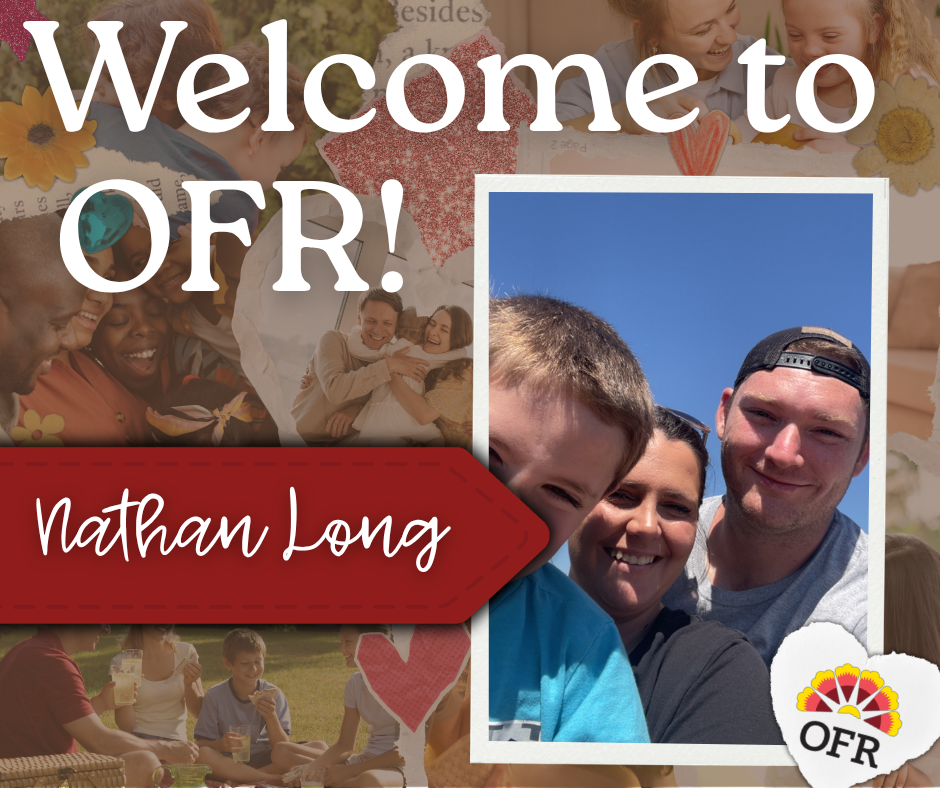
Nathan Long - Region 2 Youth Mentor
My name is Nathan Long. I have a beautiful wife that I have been married to for 10 years and together we have a 5 year old son. In my free time I enjoy fishing, camping, and spending time outdoors.
I work at Goodyear tire and rubber in Lawton, Oklahoma and I am apart of the Oklahoma National Guard. I have ambitions to go back to school and achieve a degree in social work. I'm excited to be in this new role as a Youth Mentor at OFR.
| | |
Corry Kendall - Region 2 Trial Attorney
Corry Kendall is a lifelong Oklahoman who was born and raised in Mangum. After graduating from Mangum High School, he earned his degree in political science from Southwestern Oklahoma State University and later graduated cum laude from Oklahoma City University School of Law.
Corry began his legal career with Legal Aid Services of Oklahoma, where he served
| | |
clients throughout Northwest Oklahoma and gained experience in family law, estate planning, and other areas of civil practice.
Today, his practice includes family law, estate planning, municipal law, real estate law, and general civil matters. He also serves as city attorney for several Southwest Oklahoma communities and represents Mangum Regional Medical Center.
Corry is proud to practice law in the part of Oklahoma he has always called home. He values the relationships he has built with his clients and neighbors and believes in providing practical, straightforward legal guidance while treating people with respect and understanding.
Outside the office, Corry enjoys reading, gardening, spending time outdoors, and being in nature whenever he gets the chance. Most of all, he enjoys spending time with his wife and their two kids. Whether he's working in the garden, enjoying a good book, or spending a day outside with his family, Corry is happiest close to home in Southwest Oklahoma.
| | |
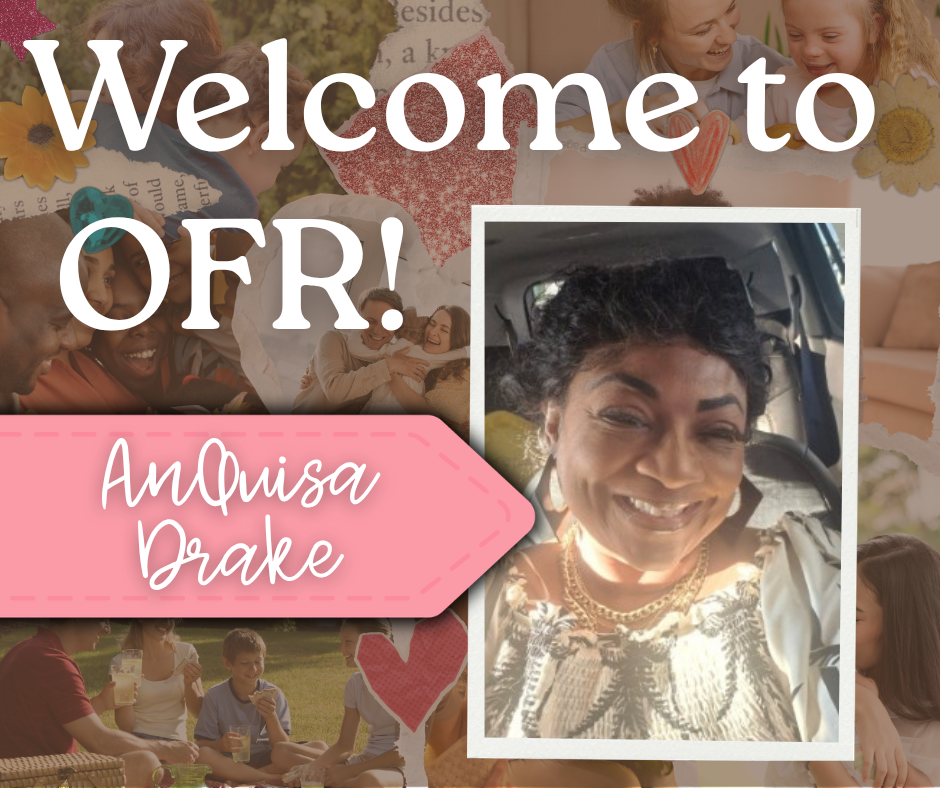
AnQuisa Drake - Region 1 Youth Mentor
AnQuisa Drake is a property management professional, community advocate, mother, grandmother, and passionate voice for children who are often voiceless.
Every Child Has a Story. Every Child Deserves a Voice.
Children in the child welfare system can experience things no child should have to endure—separation from parents and siblings, changes in homes, uncertainty about their future, trauma, and having important decisions made about their lives while they are simply trying to understand what is happening.
AnQuisa believes these children are more than a case number, a court file, or a placement.
| | |
They are children with dreams.
Children with feelings.
Children who deserve to be heard.
Children who deserve to feel safe, loved, valued, and remembered.
Behind every DHS case is a child who deserves someone willing to stand up and say, "I see you. I hear you. You matter."
Her commitment is to advocate for children as they navigate the challenges of DHS custody, helping ensure their voices are considered and their best interests remain at the center of the conversation.
AnQuisa's philosophy is simple:
"Be the change you want to see."
Outside of her professional and advocacy work, AnQuisa enjoys music, poetry, and spending quality time with her children, grandchildren, and her beloved puppy, Chino.
She believes that sometimes changing a life begins with something simple:
Listening. Showing up. Speaking up. And refusing to let a child feel forgotten.
Every child deserves a champion.
AnQuisa Drake is determined to be one.
| | |
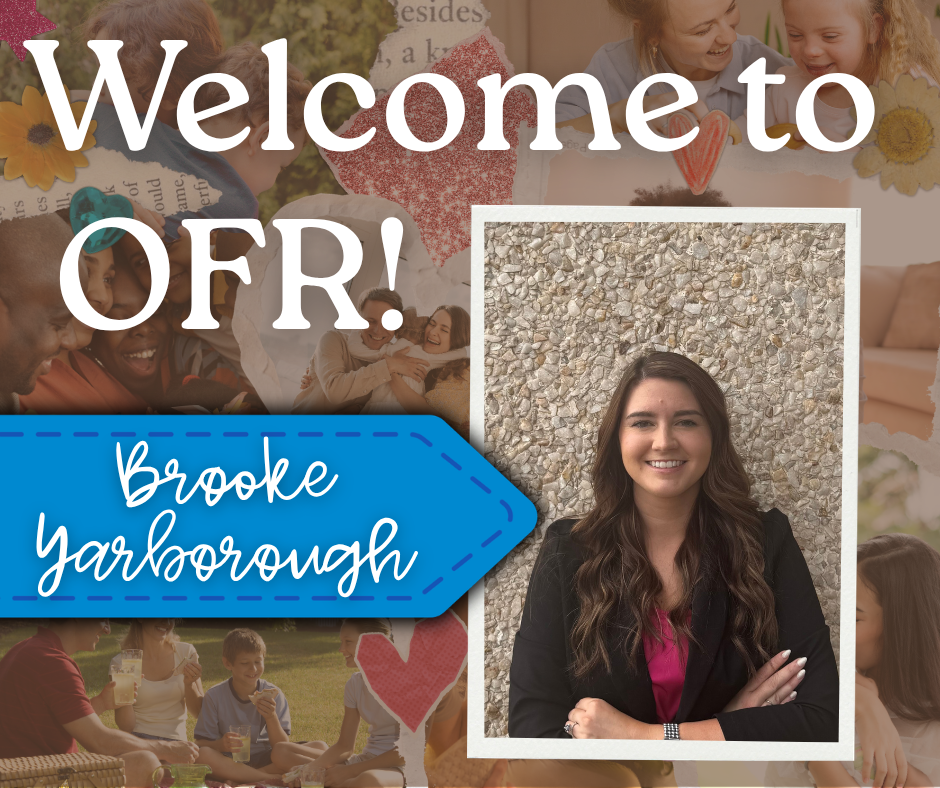
Brooke Yarborough - Region 2 Trial Attorney
Brooke Yarborough is a founding partner at Yarborough Law Group, LLC in Norman, Oklahoma, where she focuses her practice on family law, specifically juvenile deprived cases.
| | |
With 4 years of experience, Brooke Yarborough has built a reputation for approaching her cases with precision and purpose, listening intently to her clients, and identifying the legal strategy most likely to achieve the best possible outcome. Her approach is direct, methodical, and attentive.
A graduate of Oklahoma City University School of Law, Yarborough also holds a bachelor’s degree in psychology, criminology, and sociology from Kansas State University. She is admitted to practice in all Oklahoma state courts.
When not advocating for clients, Brooke Yarborough enjoys hobbies such as crocheting, puzzles, and resides with her husband, her nine-month-old daughter Charlotte, and her twelve-year-old Brylen in Newalla, Oklahoma.
| | |
National Suicide Prevention Month
The 988 Suicide & Crisis Lifeline provides free and confidential emotional support to people in suicidal crisis or emotional distress 24 hours a day, 7 days a week, across the United States and its territories. The 988 Lifeline is comprised of a national network of over 200 local crisis centers, combining local care and resources with national standards and best practices.
Oklahoma launches Suicide Prevention Campaign
The Oklahoma Department of Mental Health and Substance Abuse Services (ODMHSAS) is asking Oklahomans a simple question this September: “You good?”
As part of Suicide Prevention Month, ODMHSAS is launching the “You Good?” 988 campaign to make checking in on ourselves and the people around us part of everyday conversation, while helping more Oklahomans know where to turn for support.
Oklahoma Family Network - Toolbox Tuesday Virtual Event - September 8th
The Oklahoma Family Network (OFN) informs and connects individuals with special health care needs and disabilities, their families, and professionals to services and support in their communities.
Join them for a Free Sep. 8th Toolbox Tuesday featuring the OKmamá Support Group from 6:30 PM to 7:30 PM on Zoom.
| | |
NACC’s 49th National Child Welfare Law Conference - Recap
This year, NACC invited attendees to move beyond identifying problems and work to uplift and co-create systems and practices that align with its core theme: Solutions that Sustain: Cultivating Community, Advancing Practice.
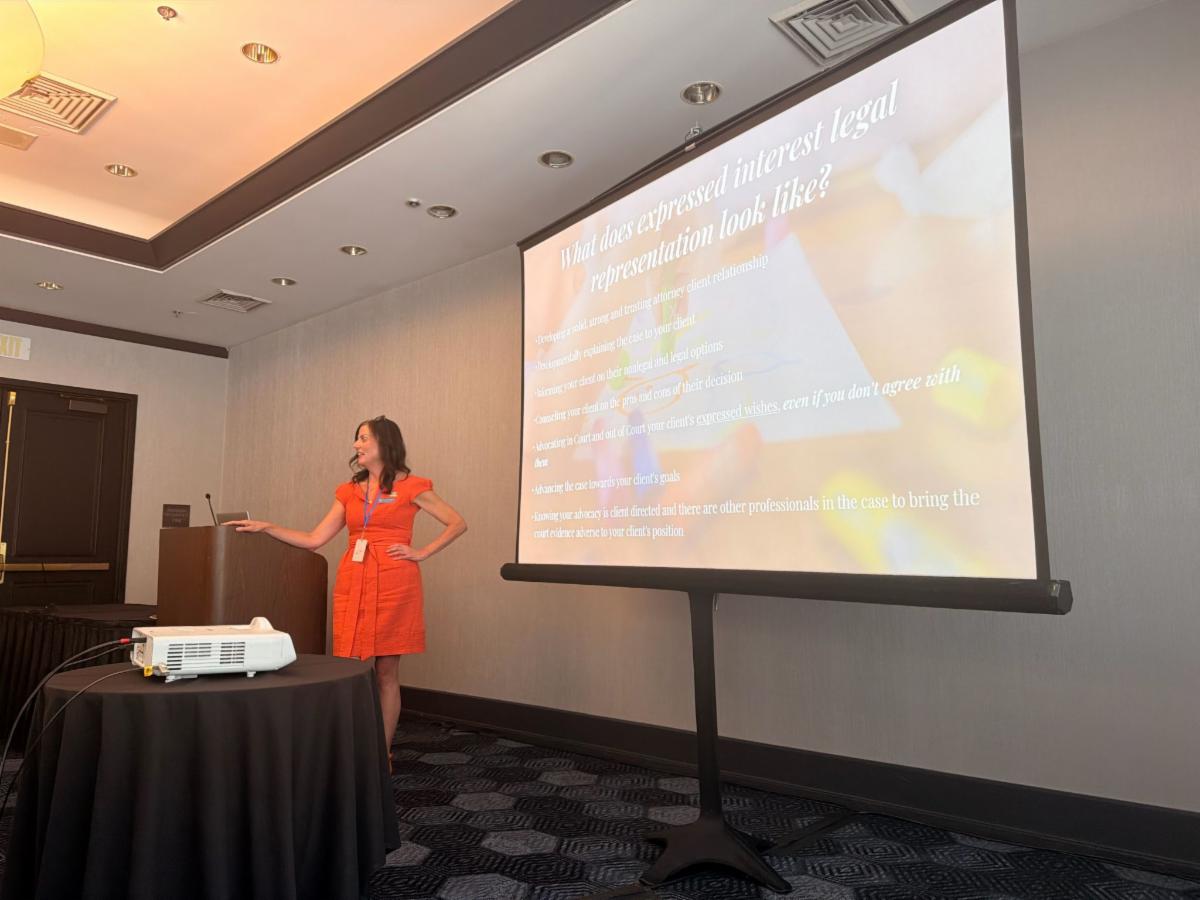
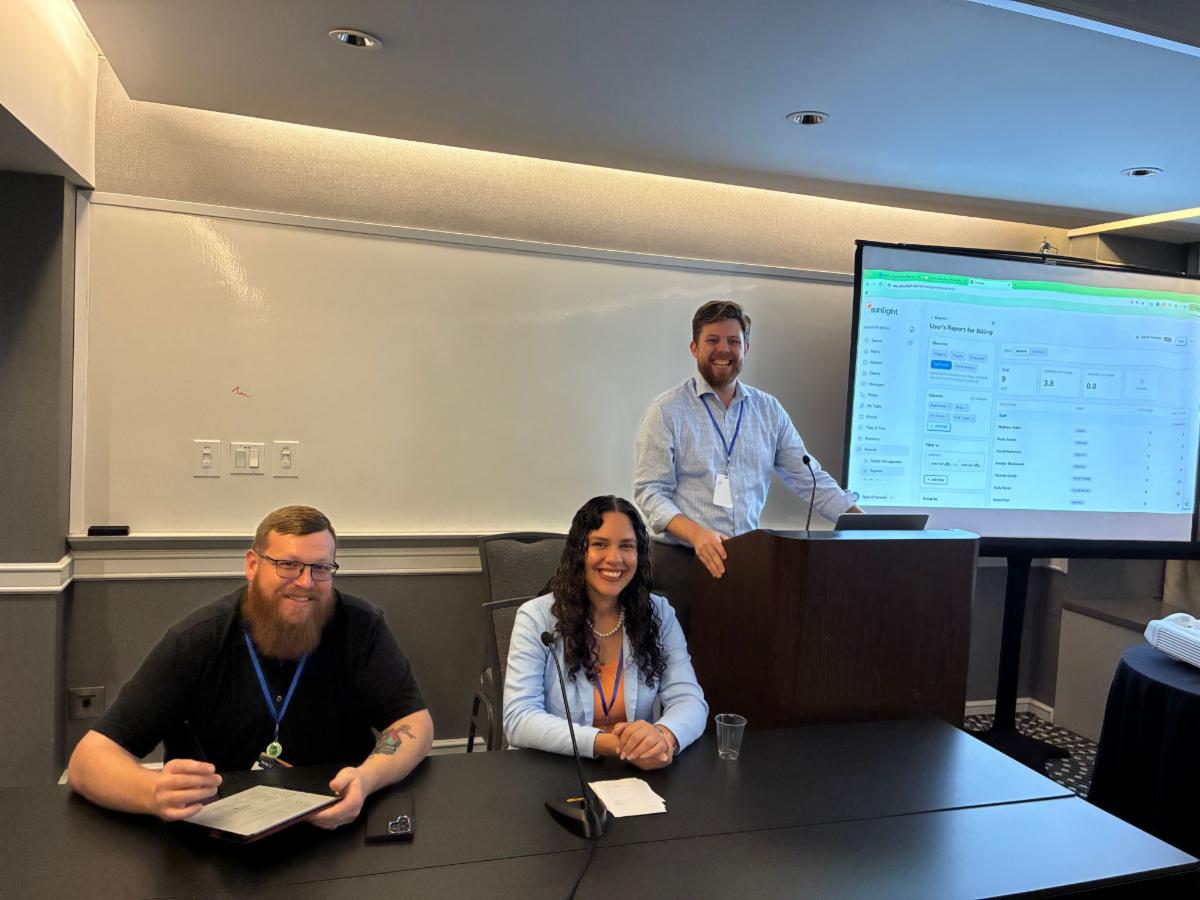
Gwen, Timothy, and Terry attended the conference and brought back knowledge to share with the rest of the team. Gwen and Timothy had successful, well-attended sessions! We look forward to attending and presenting at next year's NACC conference.
| Gwendolyn Clegg (OFR - Executive Director) presenting her session, Recruiting and Training Attorneys to See Children as Clients: Lessons from Expressed Interest Representation of Children in Oklahoma. | |
[Pictured from Left to Right]
Timothy Michaels-Johnson (OFR - Region 5 Managing Attorney), Valerie Frost (Sunlight - Head of Training, Community, and Impact), and Ryan O'Donnell (Sunlight - CEO) presenting Tech-Empowered High-Quality Representation: Innovative Tools That Elevate Parent & Youth Advocacy.
| |
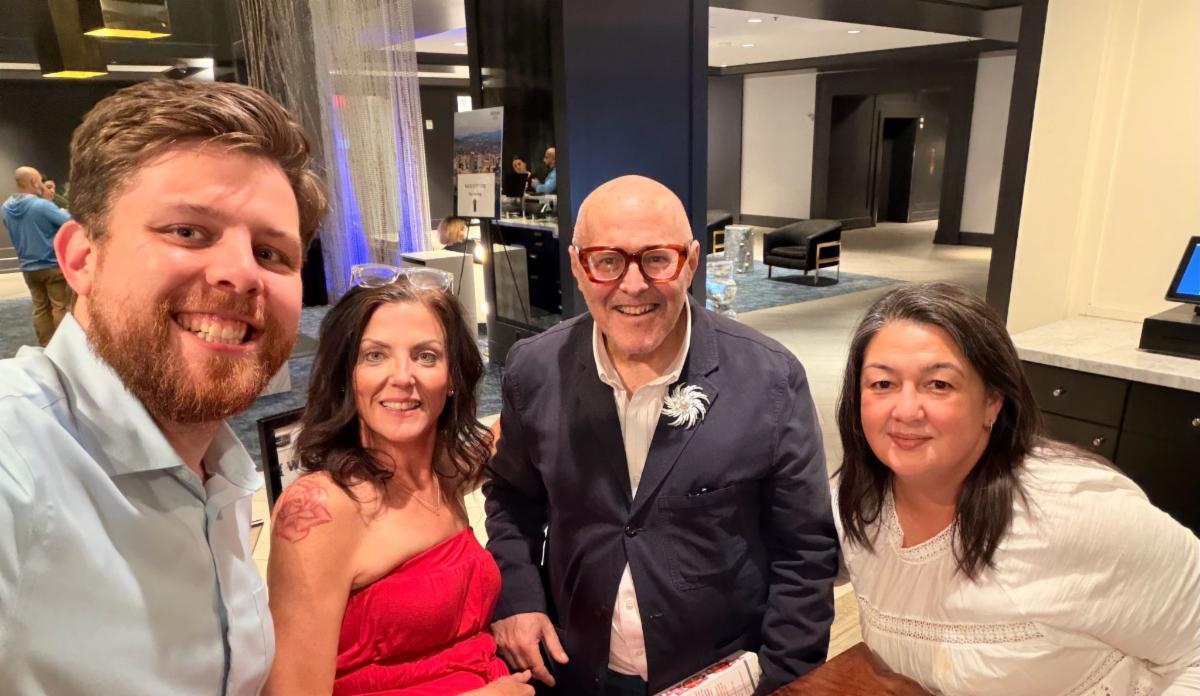
[Pictured from Left to Right]
Ryan O'Donnell (Sunlight) , Gwendolyn Clegg (OFR - Executive Director), Dennis Smeal (LADL - Executive Director), and Diana Rugh-Johnson (CIP - Georgia Program Director)
| |
NACC Events Calendar!
Online Conference in October:
Wednesday, October 14 through Friday, October 16, 2026
From the comfort of your home or office!
Check out NACC’s Resource Center! Filter by topic area, resource type, and view NACC’s Information Hubs:
NACC Resource Center
Race Equity Hub
Student Hub
| | | |
Jayci Howerton, Region 1 Director of Social Work
The Oklahoma Indian Child Welfare Association Conference Planning Committee is seeking presenters for the 19th Annual OICWA Conference to be held at the beautiful River Spirit Casino Resort in Tulsa, Oklahoma on November 2-4, 2026.
The conference goal and focus is to promote the Indian Child Welfare Act of 1978 (ICWA) and Oklahoma Indian Child Welfare Act of 1982 (OICWA) through practices, laws, policies, historical reference, trauma resilience, tribal sovereignty, cultural preservation and services. Ultimately, our purpose is to promote collaboration through education with Tribal Child Welfare and all disciplines, such as federal and state agencies, behavioral health, law enforcement, officers of the court, juvenile justice, and therapeutic care. (OICWA.org)
Calls for proposals for workshops are open at 2025 CALL FOR WORKSHOPS | OICWA and must be completed by September 25th.
The link for room reservations is also open. The link is LODGING | OICWA
Visit www.OICWA.org if you need further information.
| | | | | |