THE ISLAND GARDENER
April ~ 2026
| | |
|
- President's Message
- Garden Club Program
- Upcoming Events
- Cultivating Friendships
- Volunteers Needed
- Beyond the Trowel
- 2026 OIGC Grant Winners
- Botanical Garden Visit
- Noxious Weeds Lurking in Your Yard?
- Rainy Day Reads
- Reflections and Recipes
- What's Up, Buttercup?
- Embrace the Seasonal Rhythm
- Garden Creatures and Where to Find Them
- Hidden Messages
- Dirt on Our Roots
- Member Raffle and Meeting Door Prize
- Made You Smile
- Membership Update - Here we Grow!
| | |
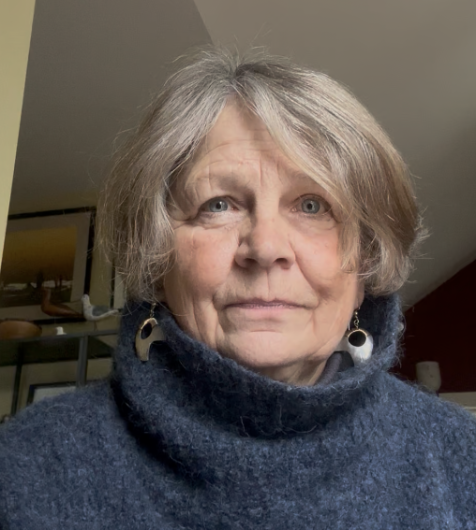
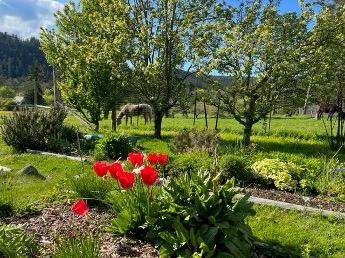
I have officially been a gardener for almost three years now. Long enough to feel confident, but not quite long enough to stop Googling, “what is this?”
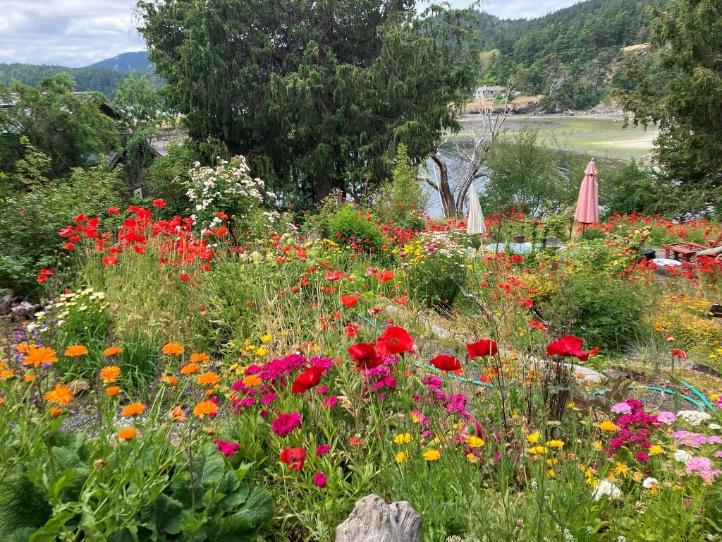
Like many of you, my husband Allen and I began this journey when we bought our home—a property that can only be described as “ambitious.” With love, determination, and what I now recognize as wildly unrealistic optimism, we set out to restore a long-abandoned garden.
To say it was overgrown would be generous. Brambles had staged a full takeover, crisscrossing over what we assume was once a tidy garden. The lavender and Russian sage were hanging on by what looked like their last polite efforts, and a couple of hydrangeas offered up a bloom or two, as if to say, “We’re trying, but no promises.” The true survivors were the evergreen trees and their many enthusiastic volunteer offspring.
As a complete novice, I joined the garden club, hoping to learn what to keep and what to quietly escort into the forest. On my first noxious weed walk, I discovered that the plants I had been carefully protecting were actually some of the garden’s worst offenders. A humbling start, and a lesson I am, apparently, still learning years later.
| | Garden Club Program ~ April 15th | | |
Orcas Island Garden Club
presents
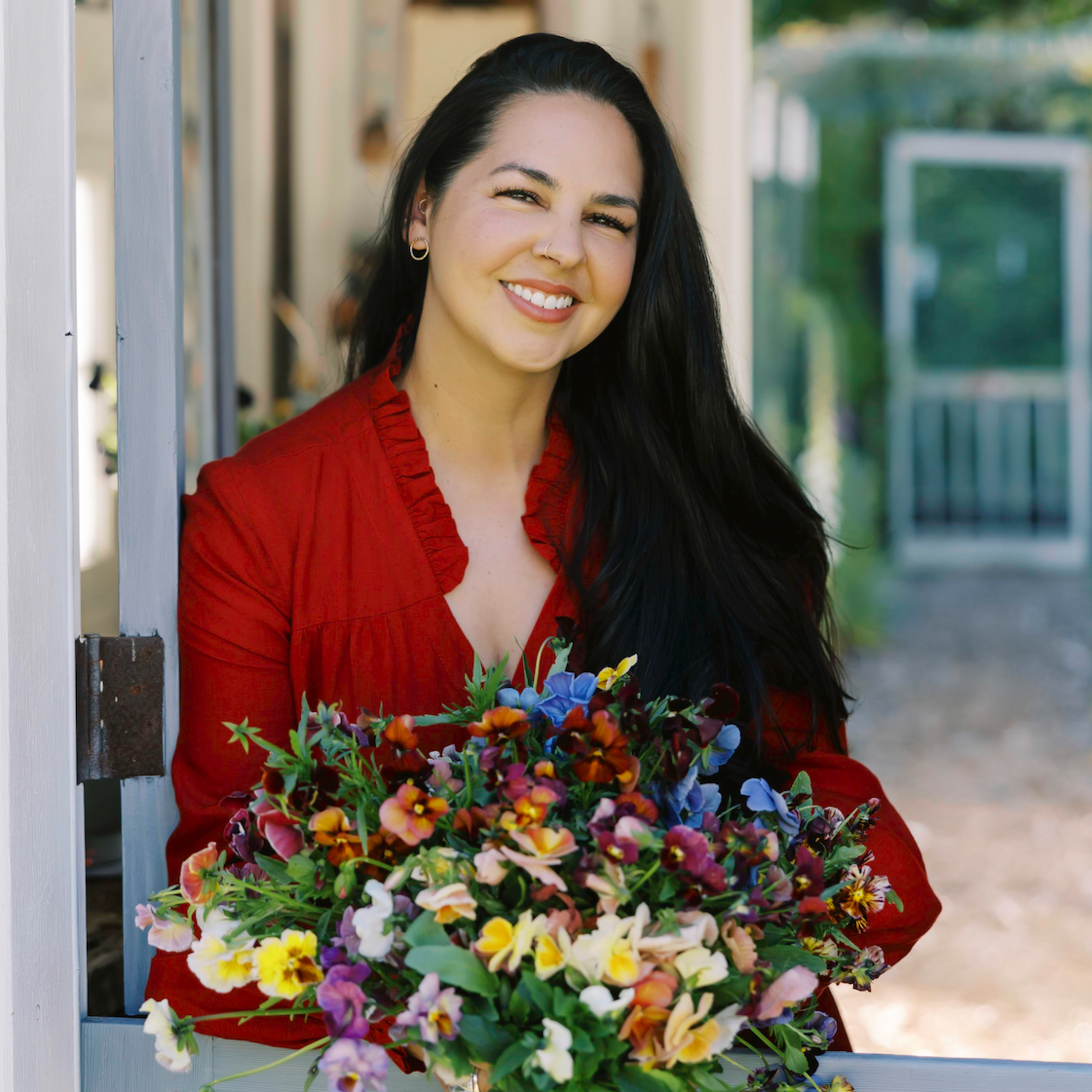
Brenna Estrada
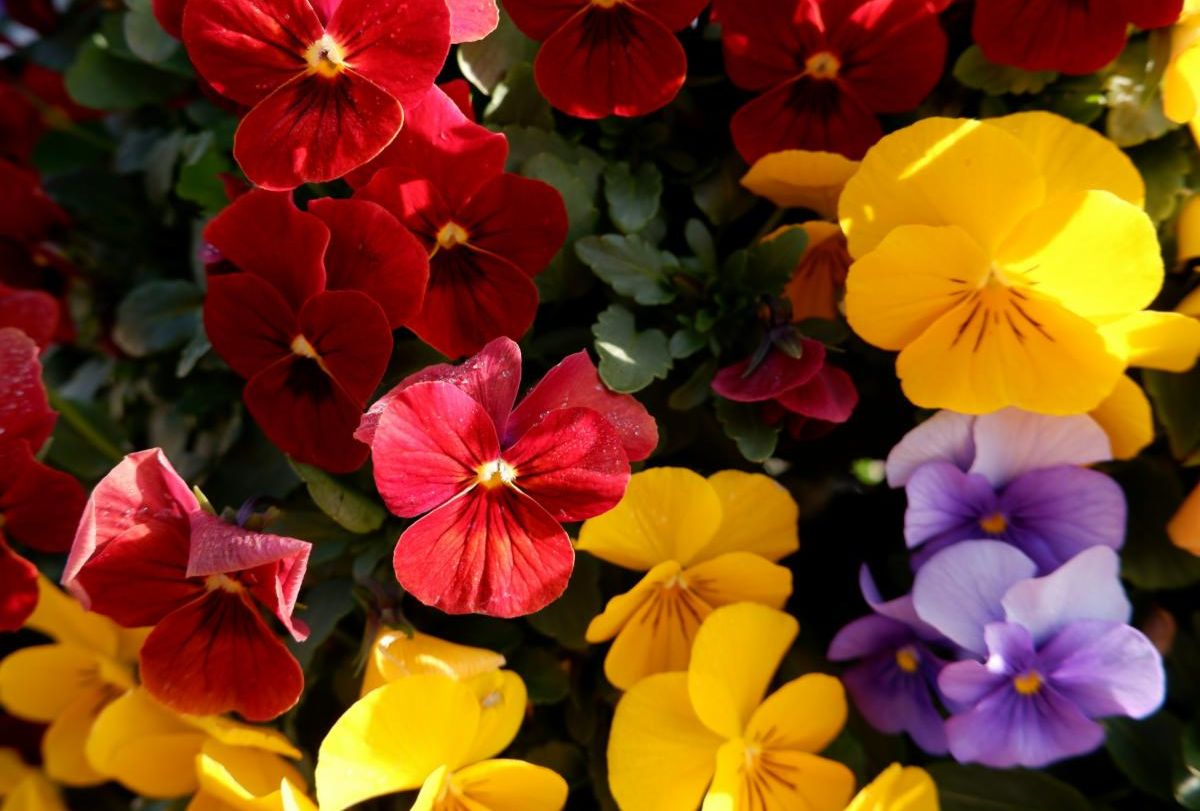
The Cultural History of Violas and Pansies
at the Orcas Center and via zoom
Join us for coffee and social time at 9:30 before the program starts at 10:00 and REMEMBER TO BRING SOMETHING FOR THE SHARING TABLE.
| |
Please note, this presentation will not be recorded, though we encourage you to join via Zoom, if you are unable to attend in-person. | | Would you like to try to grow sweetpotatoes this year? Check out our sharing table this month. Our growers have a few extras to share. Care instructions provided. Slips are limited but there may be more in May. | Also everyone at our meetings enjoy the wonderful social time treats that people make and bring each month. We'd like to encourage attendees to bring food to share with others. Simple snacks are fine. |
| |
Make it easier for people to remember your name and make connections at the garden club gatherings. We'll even keep them for you so you won't have to remember them! The cost is just $15 per name tag.
| |
- April 15: The Cultural History of Violas and Pansies with Brenna Estrada
- April 18: The Great Island Clean Up (in conjunction with The Exchange)
- April 25: Orcas Island Garden Club & Master Gardeners Celebrate Earth Day
- April 26: Spring Work Party at the Orcas Island Community Resource Center
- April 27: Coffee and Conversations with Laura and Robin at Leith's House
- April 29: The Cultural History of Yellow Island with Madrona Murphy of Kwiáht
- May 1 & 4: Yellow Island excursions (courtesy of our Orcas Yacht Club friends)
-
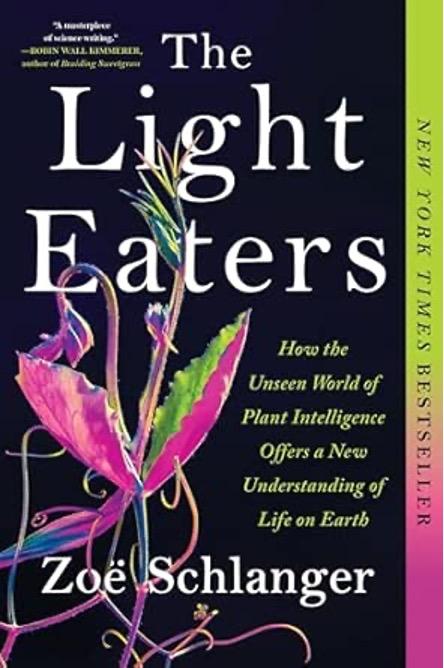
May 15: May Book Club ~ The Light Eaters authored by Zoe Schlanger
- May 20: What is Permaculture? with Taja Wicks
- May 24: Wildfire Resilience event with OIGC & Orcas Island Fire and Rescue
- May 26: Indralaya Forest Walk and learning how to monitor pollinators
- June 17: Orcas Island Garden Club Picnic
- June 27-28: Orcas Island Garden Club Tour
Join us for these and many other exciting events!
More details can be found on our new Club Calendar!
|
| |
Announcing 'Friends and Fitness'
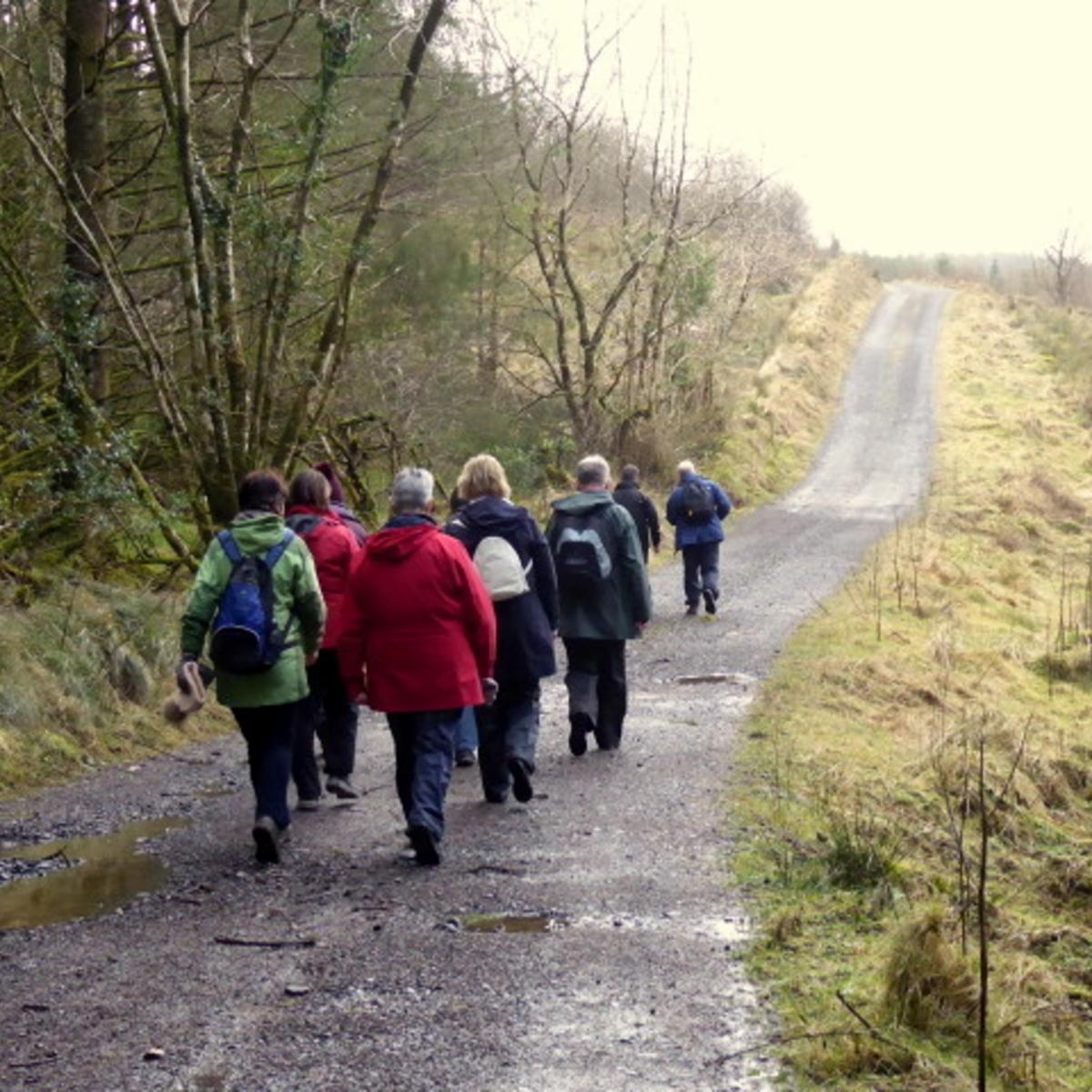
Last month OIGC discussed launching a “Walk and Talk” group with only the barest of details. The reason for this was to collect feedback from you on what types of walks we’d have. On April 9th, a small, but intrepid group of walkers showed up at Crescent Beach. We discussed all of the following topics and chose a new name for our group, Friends and Fitness.
Frequency: Weekly
Time of Day: 11:00am (includes people who came)
Location: Variable—not the same walk every week.
Distance: Moderate—longer preferred, with shorter walks built in
For example, the distance for our next walk is at Cascade Lake varies. There’s a shorter walk around the lagoon and back which is about 1 mile and then there is walking around the whole lake for 2.7 miles. And we discussed longer distances—and there will be some. But like with everything in life, members can vote with their feet!
With these details settled, we’ll be populating the website calendar with upcoming walks.
If you’d also like to share feedback, but were unable to attend, send a message to CommunicationsOIGC@gmail.com
|
| |
Celebrate Earth Day
Earth Day 2026 takes place on Wednesday, April 22nd, celebrating its 56th anniversary with the theme, "Our Power, Our Planet".
The picture below is from NASA's Earth Day 2025. Check out more information (like where these pictures were originally taken) and download graphics by visiting here.
| | |
Say Hello to Leith Templin
Interviewed by Perri Gibbons
With the last name of Templin, you know Leith is a long-time islander. I learned that Leith is a 4th generation Orcas Islander! Her great grandparents started a little mercantile store in 1897 near Madrona Point. Several relocation and name changes followed, from Templin’s Fair next to the Episcopal Church with a dock running out past Indian Island to Templin’s General Store at Ray’s Pharmacy location. The Linnes family had purchased the store from Leith’s aunt and uncle in 1972. In 1974 Leith joined the Linnes family and in 1976 the store was reconfigured and expanded, and Templin Center was built.
| |
The store plus 4 additional stores including the drug store moved from their Prune Alley location. In the early 90’s the store was moved across the street and the name was changed to Island Market. Leith’s two sons Jason and Jacob, 5th generation, now run Island Market. Leith’s mother grew up in the old store and told her stories of life before there were ferries. She remembers going to Bellingham once a year to buy shoes! Food and supplies were brought in twice a week by boat.
| |
Leith has connections to the Madrona Club. Founded in 1906 by her Great Aunt Jessie C. Templin, and revered as Eastsound’s oldest women’s club. They were responsible for launching many vital community organizations... the Medical Center, the Library and THE GARDEN CLUB. Leith remembers her Great Aunt as an early involved member of the GC. Leith joined the Garden Club around 2000, adding to a long family tradition of gardeners. Her “Friendship Garden” is named for all the plants and flowers gathered or gifted from special family members and friends. She cherishes her mom’s tree peonies as well as a tree peony from Hazel O’Brien.
Leith has invited our members over for coffee time at 10 am Monday April 27th to view her garden’s “riot of colors” at 44 Haven Rd ~ Bring your own coffee!
| |
Gardening on Decatur
by Sarah Jones
In 1990 I bought a 9 acre property that had been a homestead back in the late 1800’s. There was the shell of the old house but the property was covered in about 10’ of wild roses, ocean spray and other native plants. It was a thicket! After trying for a couple of months with a weed eater and chain saw, we finally bought a bull dozer and cleared it. Unfortunately, getting rid of the roses also displaced at least 10-12” of top soil.
In 2000, I moved onto the island for the summer and put in my first garden. I pulled logs off the beach for my fence posts and built a fence to deter deer. Unfortunately, it didn’t deter the rabbits that were in residence. They ate everything I tried to grow, until I finally found a way to keep them out. For the next three years, I experimented with different planting techniques but wasn’t very successful. Whatever the birds didn’t get, the slugs did. In 2003, I moved to Anacortes so my youngest daughter could go to high school and didn’t move back to the island on a full-time basis until 2012, when I started gardening in earnest.
| | |
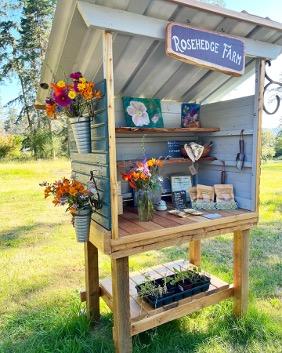
I now have a 76x100’ garden that is 2/3 perennials and fruit trees and 1/3 vegetables. The rabbits have left the island, and I no longer have slugs, so the birds are my biggest challenge. I love growing flowers and my daughters built me a farm stand three summers ago and I sell bouquets there as well as at the small Saturday Market we have in the summer months.
There are a number of very special gardens on the island, and I may have one of the largest ones. In June this year, I’m hoping to organize a Summer Solstice Garden Tour. This will be the first time something like this has been done. The easiest things for me to grow are the perennials, potatoes, green beans, lettuce, onions, garlic, shallots and kale. I still struggle with spinach and have a “hit or miss” success with tomatoes. I love growing corn but if we have a cool summer, that’s not so good. I also grow pickling cucs and make pickles. I gather berries and make jam that I sell at my farm stand as well.
I chose to join the OIGC, at the invitation of my sister Deb Exton. I lived on Orcas for six years in the 1980s (before I discovered Decatur) and thought it would be fun to have an occasion to visit her each month and learn about gardening at the same time. I hope to be a volunteer and attendee at the Orcas Island garden tour later this spring. I’ve attended three meetings and really enjoyed them all.
We’re glad you’ve joined too, Sarah! If you or anyone you know gardeners on other islands, drop us a line to share in The Island Gardener newsletter
| | |
|
Exciting Updates from Garden Tour Headquarters
by Robin Sullivan
This year, we’re introducing a brand-new role: the Owner Advocate. Think of this position as part liaison, part organizer, and part garden tour ambassador. Owner Advocates will serve as a consistent point of contact for our garden hosts, helping to streamline communication, answer questions, and ensure that each owner feels supported every step of the way.
In addition, they’ll be working closely with our special events team to help each garden owner shape the unique “vibe” of their space. Whether a garden leans toward tranquil and reflective, lively and interactive, or rich with hands-on learning, our goal is to ensure that every stop on the tour offers something memorable with plenty to see, plenty to do, and plenty to discover for our guests.
A heartfelt thank you goes out to this year’s incredible Owner Advocates: Michelle Zjrha, Laura Walker, Michael Readey, Stephanie Solien, and Hillary Willis. Your time, energy, and generosity are what make this event so special—it is truly a pleasure to work alongside you all.
We’re also thrilled to announce the addition of a Children’s Unique Events Coordinator team which will focus on creating fun, engaging experiences for younger visitors and their families. This exciting new effort will be led by Robin Latham along with assistance from Jenny Parks, and we couldn’t be happier to have them bringing their creativity and enthusiasm to these new roles.
And if you’re feeling inspired, it’s not too late to join the fun! Whether you have a special talent, a creative idea, or simply want to be part of the magic, we’d love to have you. Please reach out to Robin Sullivan, Sally Hodson, or Haven DiPietro, your tour leaders this year.
Finally, if volunteering isn’t in the cards this year, there’s still a wonderful way to support the club: purchase tickets for yourself and encourage friends and family to do the same. Your support helps make the entire event possible and more importantly ensures the continued success of the Orcas Island Garden Club. What a great idea for a Mother's Day gift!
Tickets go on sale early May. Stay tuned for more information from Garden Tour Headquarters!
| |
Watering Cans for Tender Seedlings
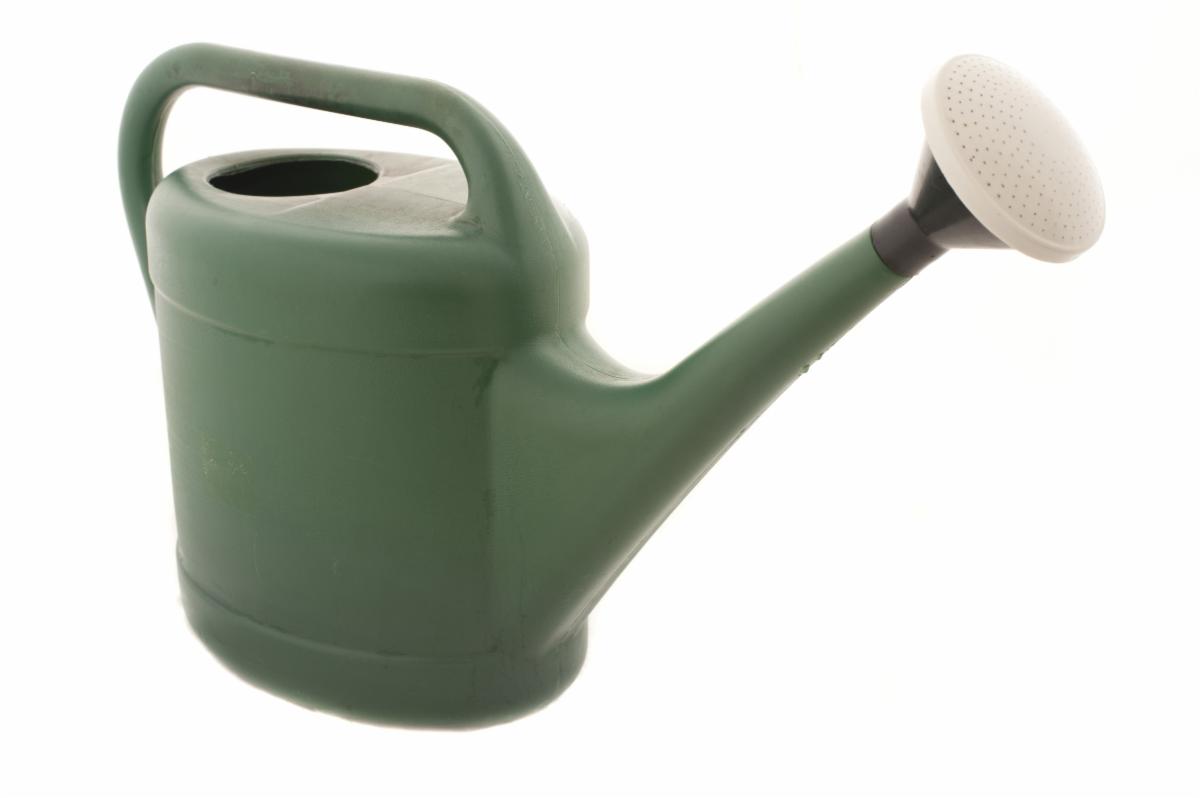
It is seedling time in the greenhouse! The proper watering can is essential for seedlings because it provides a gentle, controlled, and precise flow of water, preventing damage to fragile stems and reducing soil erosion. The fine-sprayed, rain-like application ensures even moisture without overwatering, preventing root rot and protecting delicate seedlings from being washed away.
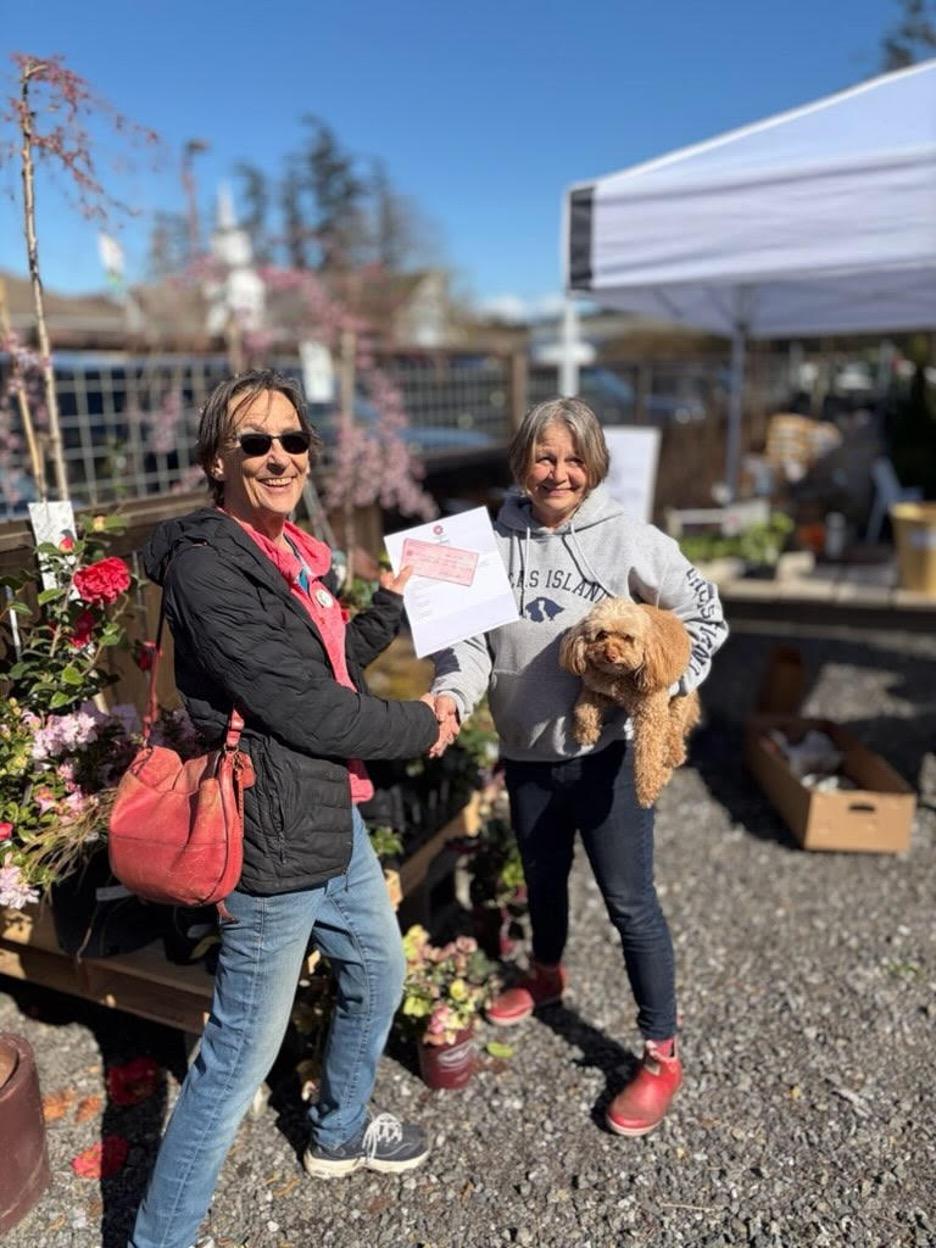
| | Congratulations to this year's grant recipients! Giving grants to organizations within our community is one way in which we fulfill our Mission. Special thanks goes out to Deb Exton as our Grant Coordinator this year! | | |
The OIGC mission is to cultivate a love of gardening through education and hands-on experiences, to inspire and empower our community to create beautiful and sustainable gardens, and to protect as well as conserve the land as entrusted stewards.
| | |
$500 Grant Awarded to San Juan County Cemetery District #3
The commissioners will install a bench at the Mt Baker Cemetery where there are no current benches available unlike at our other cemetery, Woodlawn, located between Island Hardware and West Beach. This bench will provide a welcoming place for visitors to rest and reflect while enjoying the peaceful surroundings, including views of the cemetery grounds, Mt. Baker, Buck Park and the scenic Old Mt. Baker Farm across the street.
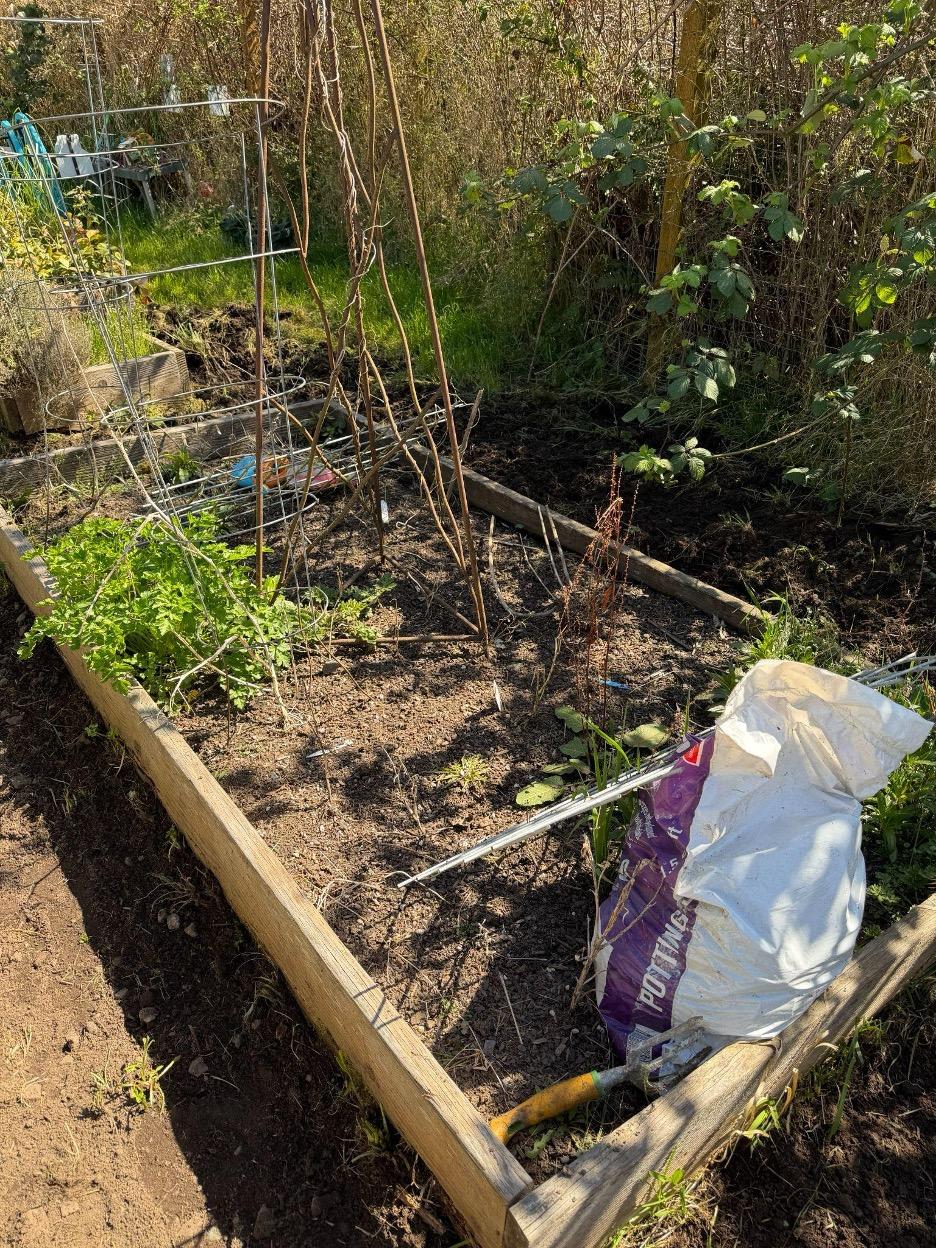
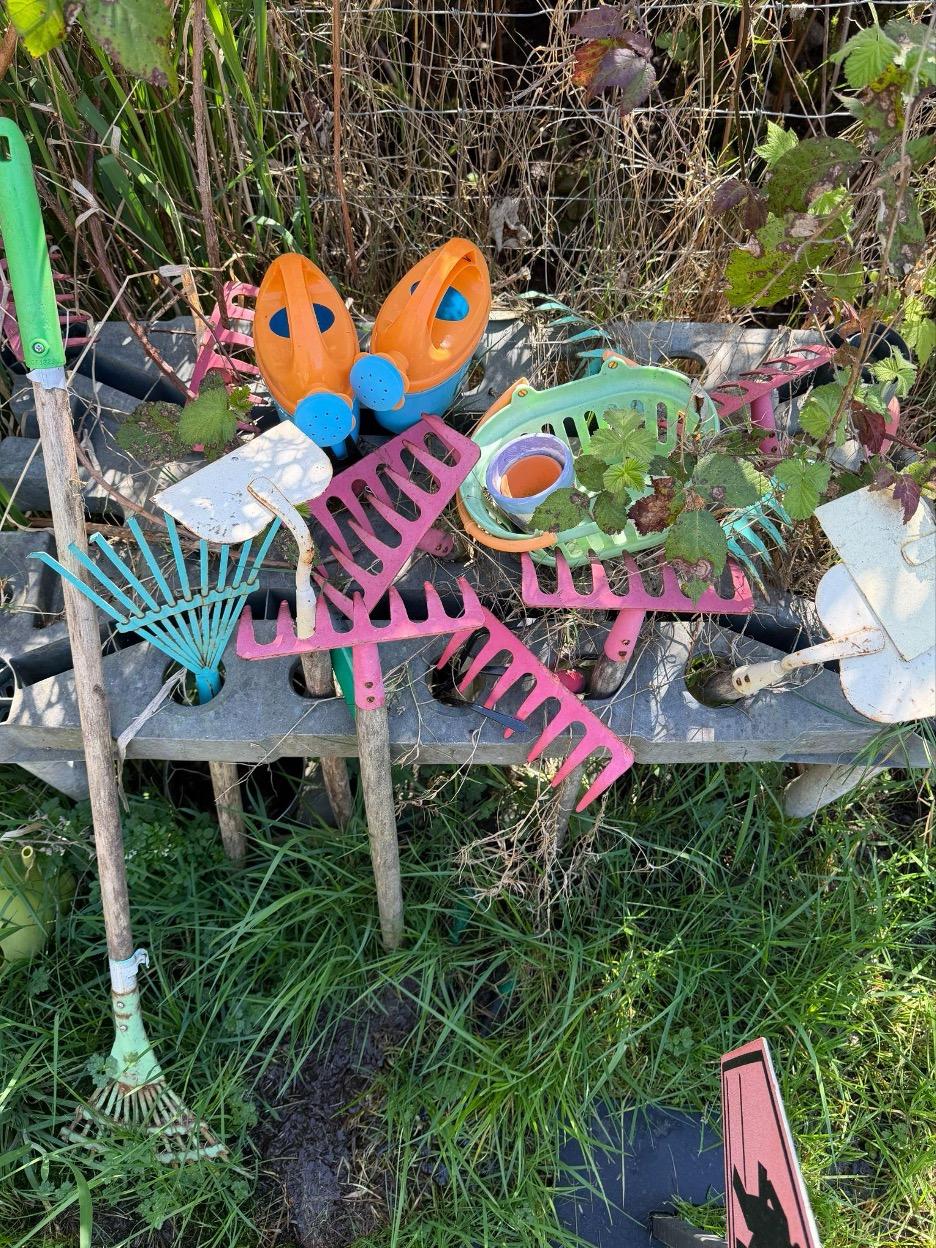
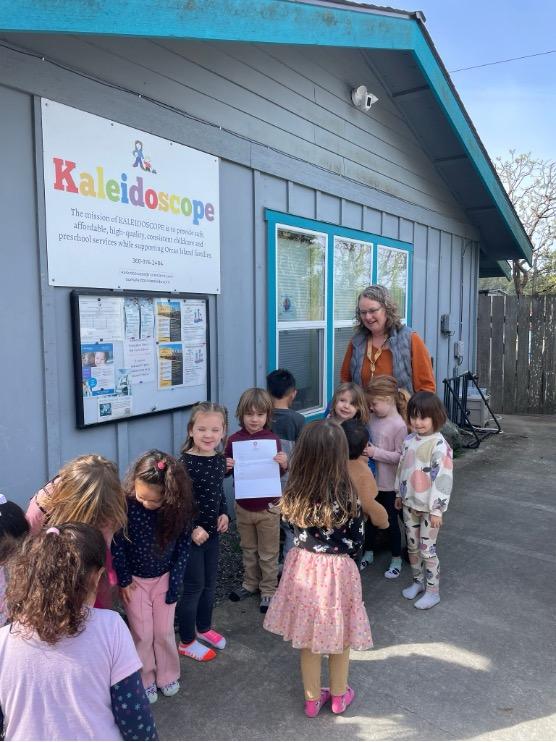
$500 Grant Awarded to Kaleidoscope Preschool
We plan to schedule a weekend spring work party for families and teachers to repair/replace our garden boxes and barrels (preschoolers and power tools are not a good combination). The children will help teachers amend the soil and prep the beds for planting during our school day. Beds will then be filled by the students with existing plants, donated seeds and starts from our classroom. Click here to see who likes eating chives.
$500 Grant Awarded to Forest Garden Project
Kaleidoscope Forest children and teachers are eager to “garden” in our forest. We will purchase barrels and soil for container gardening. By using barrels we can seek out the best sunshine spots within our forest canopy. Currently, we have 3 “classrooms” for 18 children so this project will reach nearly 60 students and the activities will be daily.
| |
UC Berkeley Garden
by Robin Sullivan
I’ve always found myself quietly drawn to botanical gardens, no matter where my travels take me. There’s something about them that invites both curiosity and calm, and I never seem to outgrow the sense of wonder they inspire.
| |
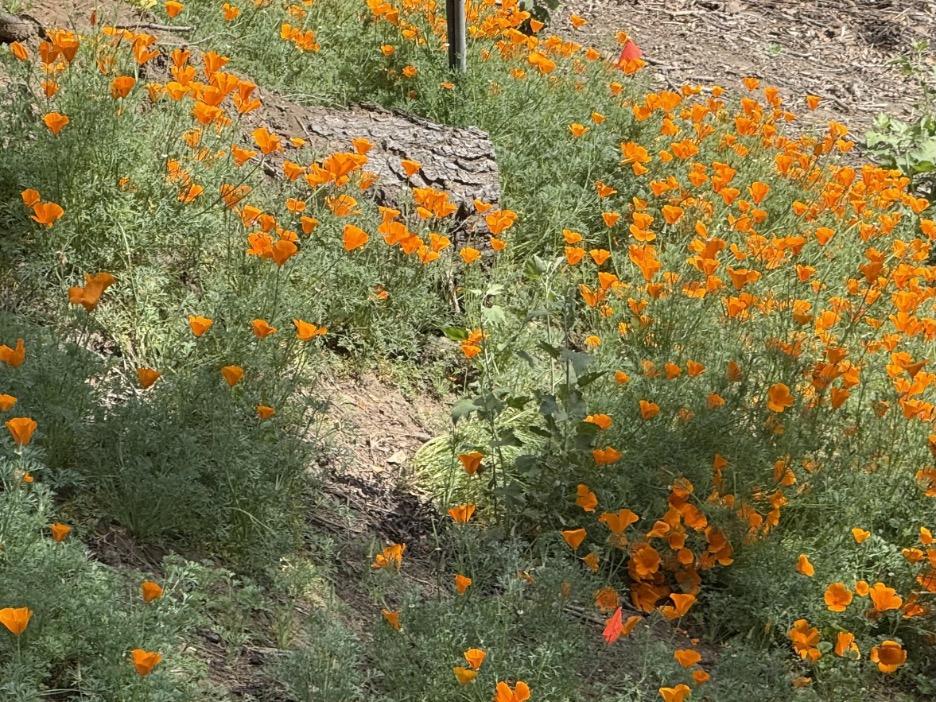
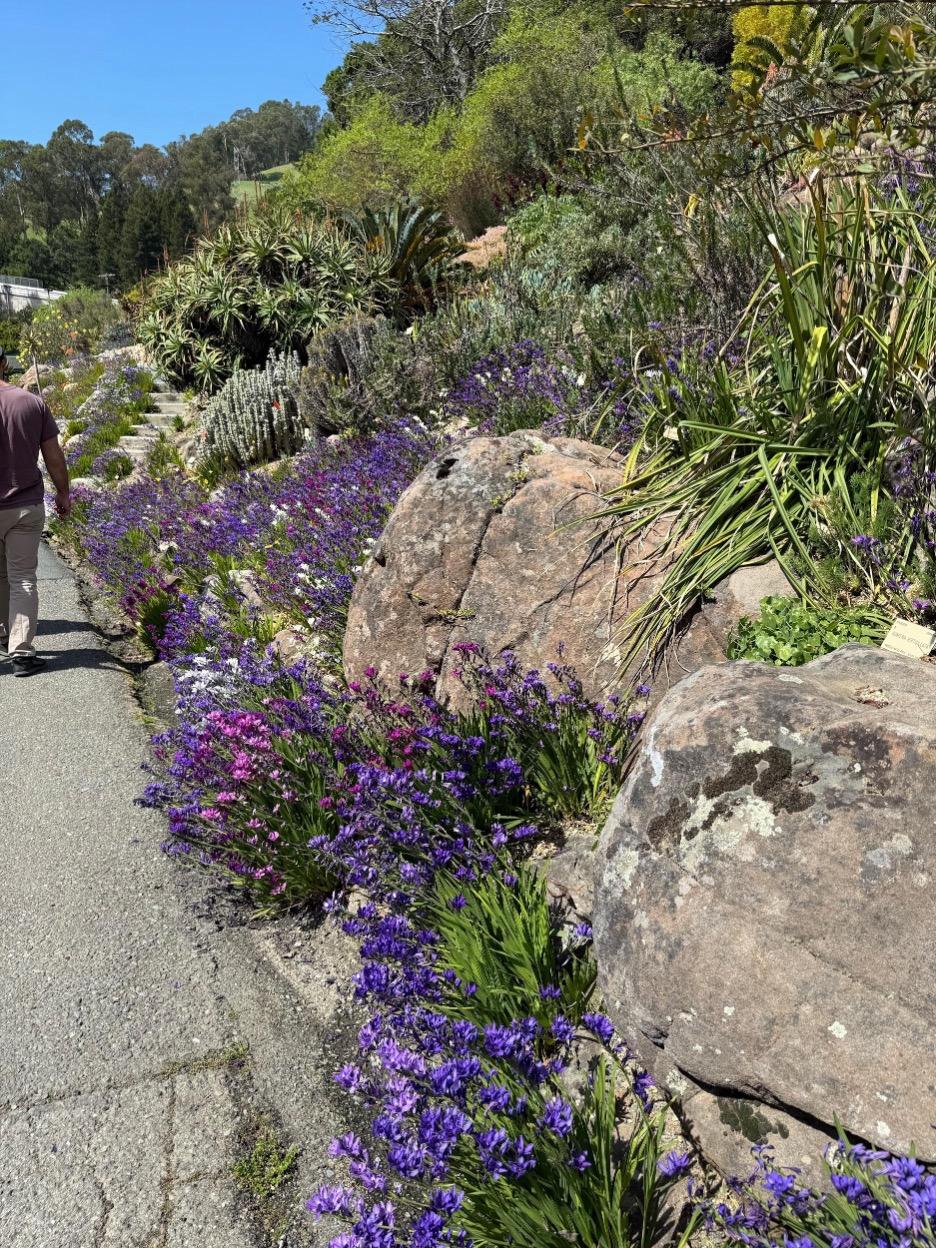
This past weekend, I was lucky enough to visit the University of California Botanical Garden at Berkeley. Technically, it’s a living museum—sprawling across 34 breathtaking acres of diverse landscape and terrain—but it’s also a place of learning and preservation, dedicated to rare and endangered species from around the globe.
The garden is thoughtfully arranged into nine geographical regions, showcasing plants from nearly every continent (Antarctica being the lone exception). As I wandered up and down the steep, winding hills, I felt as though I were traveling the world in a single afternoon. Each turn of the path brought a new climate, a new palette, a new scent drifting through the air.
| |
At one point, my friend asked me which garden was my favorite. It felt almost impossible to choose. I’m a bit old-fashioned at heart, so I was immediately drawn to the Garden of Old Roses. Who wouldn’t be? The colors were lush and romantic, and the fragrance rich, soft, and deeply nostalgic. What a sensual indulgence.
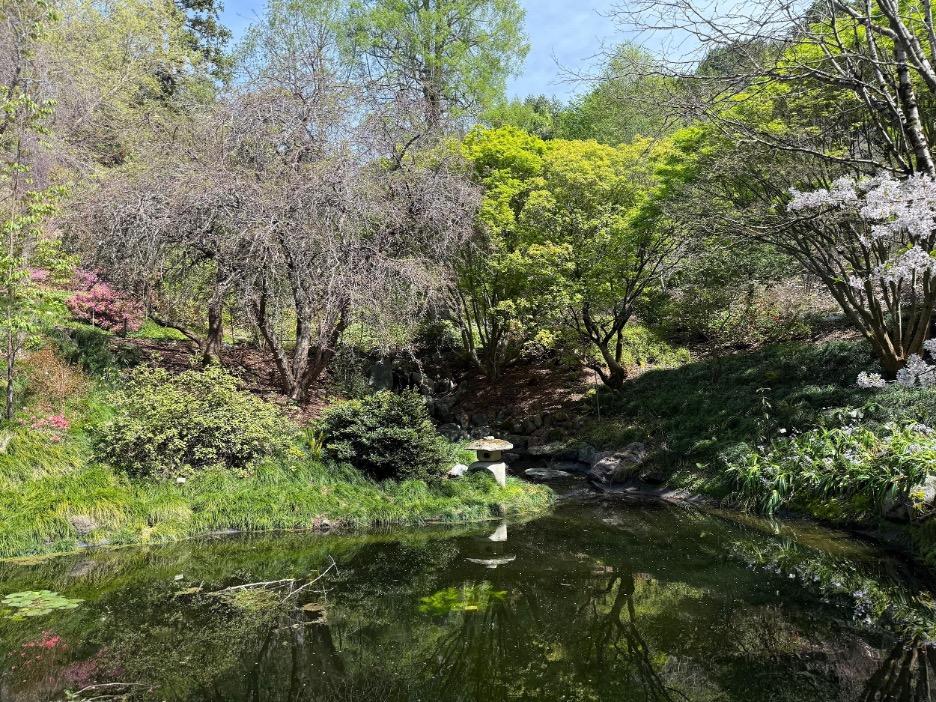
Then there were the Japanese gardens, serene and poetic, with their gentle waterfalls, delicate cherry blossoms, and even the quiet presence of newts tucked among the stones. It was a place that invited stillness.
| |
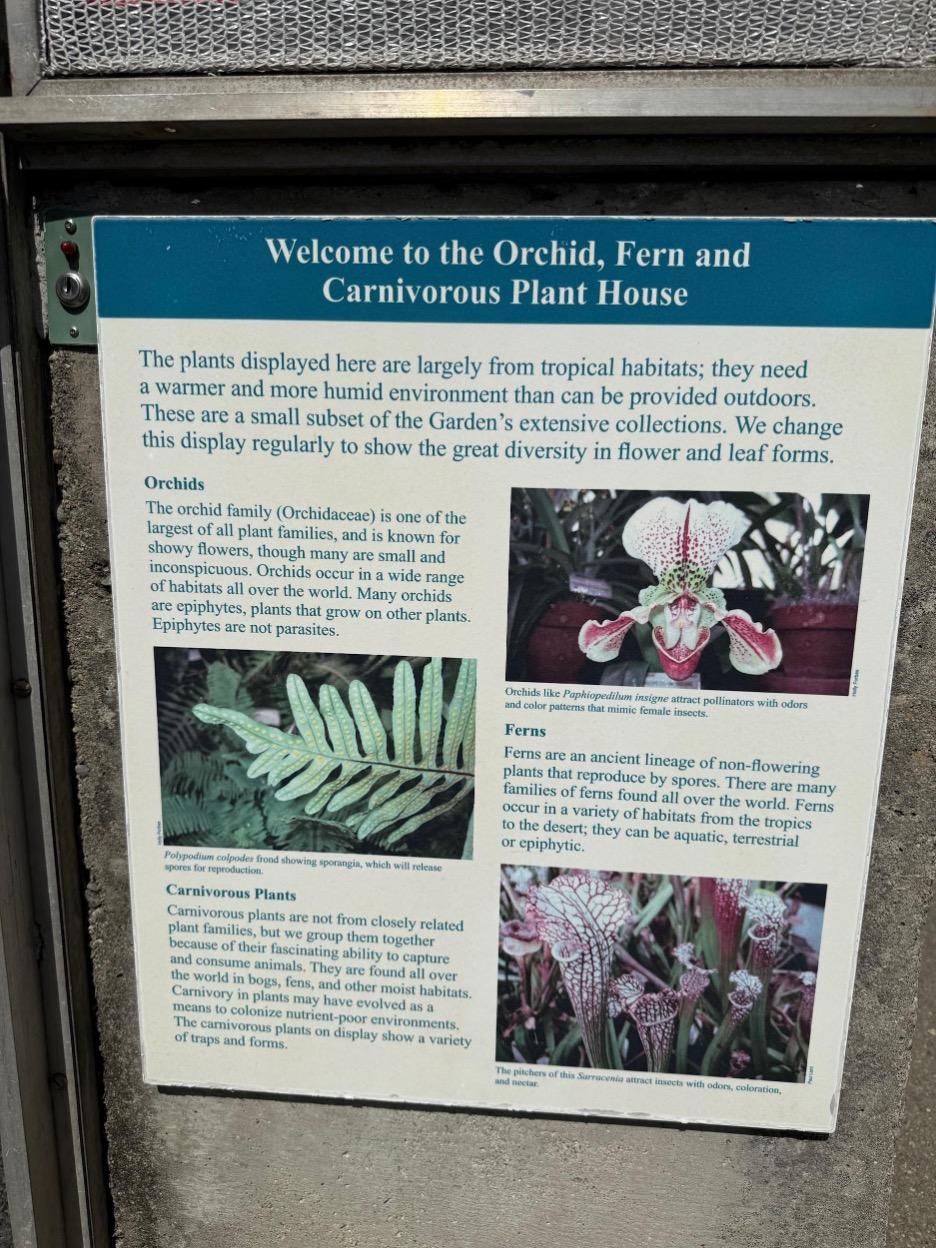
The carnivorous plant house, on the other hand, was something else entirely—alien, fascinating, and just a little unsettling. It had that delightful “little shop of horrors” energy, where beauty and danger seem to coexist in the most intriguing way.
The cactus collection transported me somewhere entirely different again. With prickly pears ripening under the sun and sculptural forms stretching skyward, I felt as though I had stepped into an old Western landscape.
| |
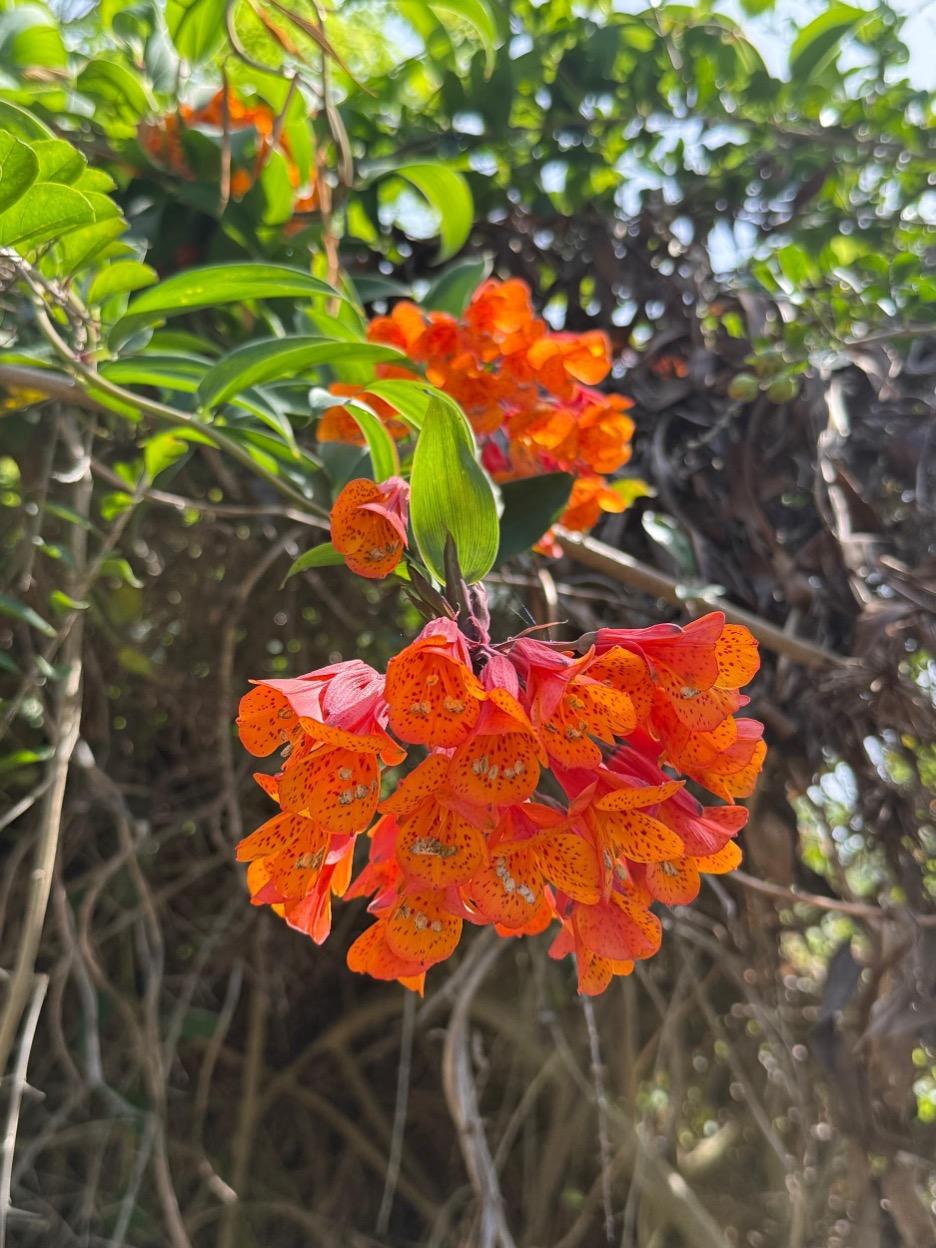
And then, just around the corner was the South African section and spring was in full celebration. The bulbs were absolutely out of control, bursting into bloom in a dazzling display. Oranges, blues, pinks, purples, brilliant yellows—it truly felt like a super bloom year. Jasmine spilled its fragrance along the paths, wrapping the entire garden in a soft, intoxicating perfume.
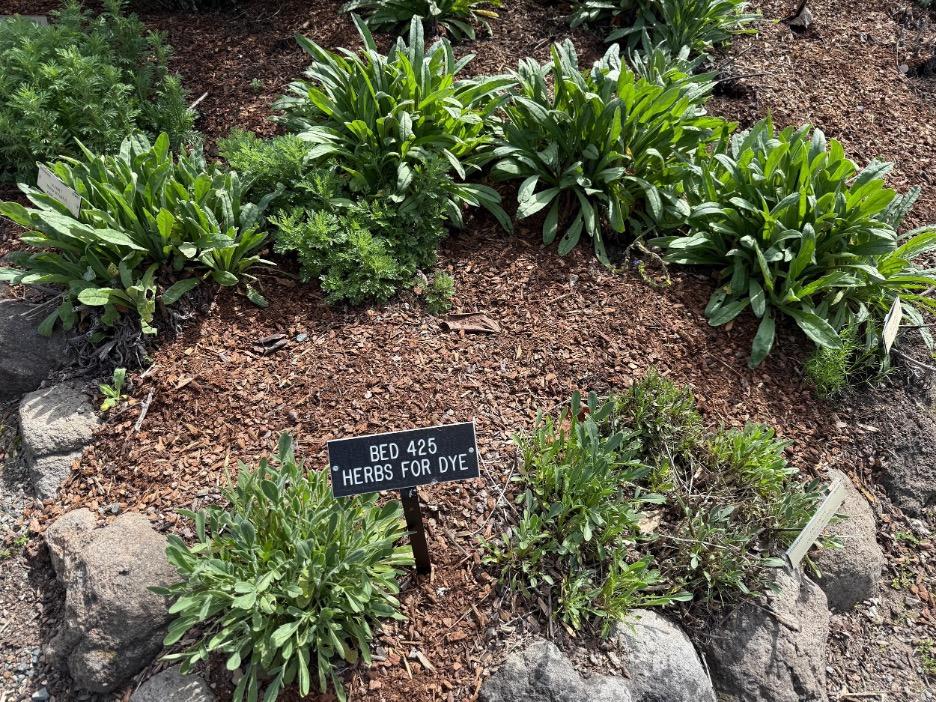
But if I really had to choose, my heart settled in the herb garden. Terraced and sunlit, it was filled with culinary and medicinal plants from around the world. I found myself lingering there, gently rubbing leaves between my fingers to release their scents—galangal, lemongrass, and what felt like dozens of varieties of oregano, marjoram, thyme, and lemon balm. Sitting there in the warmth, breathing it all in, I felt as though I were tasting an entire world of flavors all at once.
| | If you ever find yourself in the area, I can’t recommend this garden highly enough. Tucked quietly into Strawberry Canyon behind the University, it’s a spectacular and unassuming place where you can spend hours wandering, discovering, and completely losing yourself in color, fragrance, and wonder. | |
Noxious Weeds Lurking in Your Yard? |
The Trouble with Tansy
by Kristin Tolle
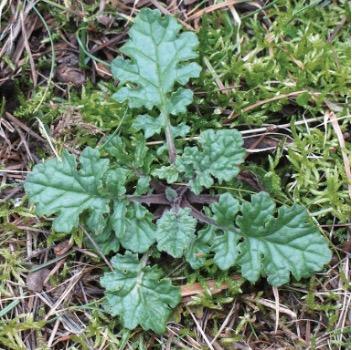
I remember the first time I saw a dainty tansy rosette early in my tenure as a Preserve Steward on Turtleback Mountain. “How cute!” I thought of its frilly leaves and burgundy stems. And not knowing what it was, I took a picture and sent it to iNaturalist for identification. Imagine my horror when it came back as a Class-B, noxious weed.
Common tansy (Jacobaea vulgaris), also known as ragwort, bitter buttons, cow bitter, or golden buttons, are highly toxic to animals and a threat to agriculture. For this reason, in Washington state, tansy is considered a "quarantined plant.” Which means it is prohibited to transport, buy, sell, offer for sale, or distribute these plants or any part thereof. This includes leaves and seeds.
During removal, it is recommended you wear gloves, since humans are not immune to tansy’s toxicity. And removal is critical. Once a ragwort blooms, the seeds remain viable for 50+ years creating a vicious cycle of repopulation.
If you find a plant already in flower, it is recommended that you bag the flowerhead (the most toxic portion) and dispose of it in a way that ensures it cannot produce seeds (burning preferably). The remainder can be left to dry out and decompose. Best of all is to remove them while they are still in the “cute” stage, as small rosettes.
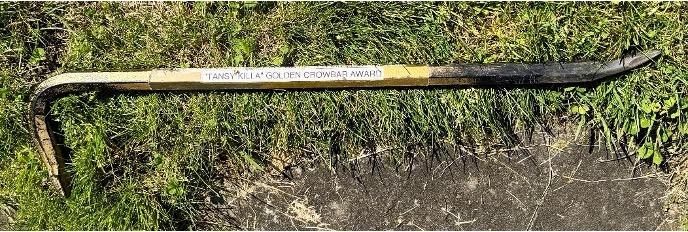
When you are hiking up Turtleback you may find rosettes carelessly tossed onto the trail or dangling, roots up, from other plants. This is to ensure they cannot re-root themselves and/or reach blooming maturity. It also means I’ve probably been up the trail ahead of you. They don’t call me the “Tansy Killa” for nothing. 😊
| For more detailed information on tansy, check out Washington Weed Board Control | | |
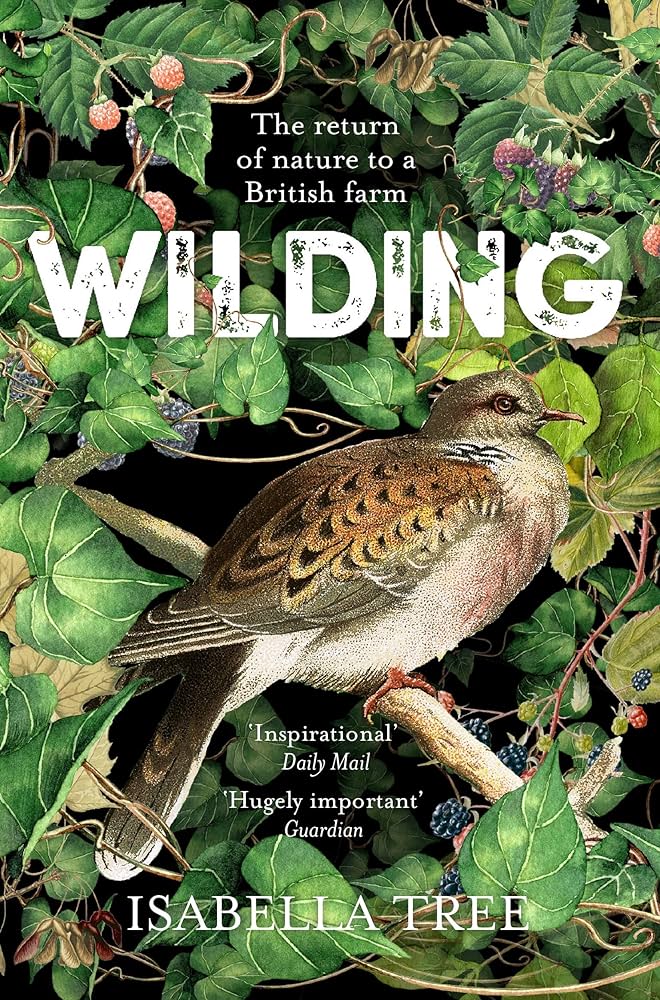
"Wilding" ~ A Book Review
Reviewed by Adrienne Walker
In 1999, Isabella Tree and Charlie Burrell, owners of the 3500 acre Knepp Estate in the UK, realized they were consistently losing money in their agricultural endeavors, despite farming subsidies and diversification. They had an epiphany: they were trying to make money growing crops on land that had been completely depleted over the last many years, to the point where, without significant amounts of fertilizers, herbicides and pesticides, and often even with them, they couldn’t make a profit. So they decided to do something unexpected and controversial: they would help their land go back to a ‘wild’ state.
| | For those interested in learning more about the book or in joining the book club, Adrienne welcomes inquiries and is happy to provide additional information directly. | | | | |
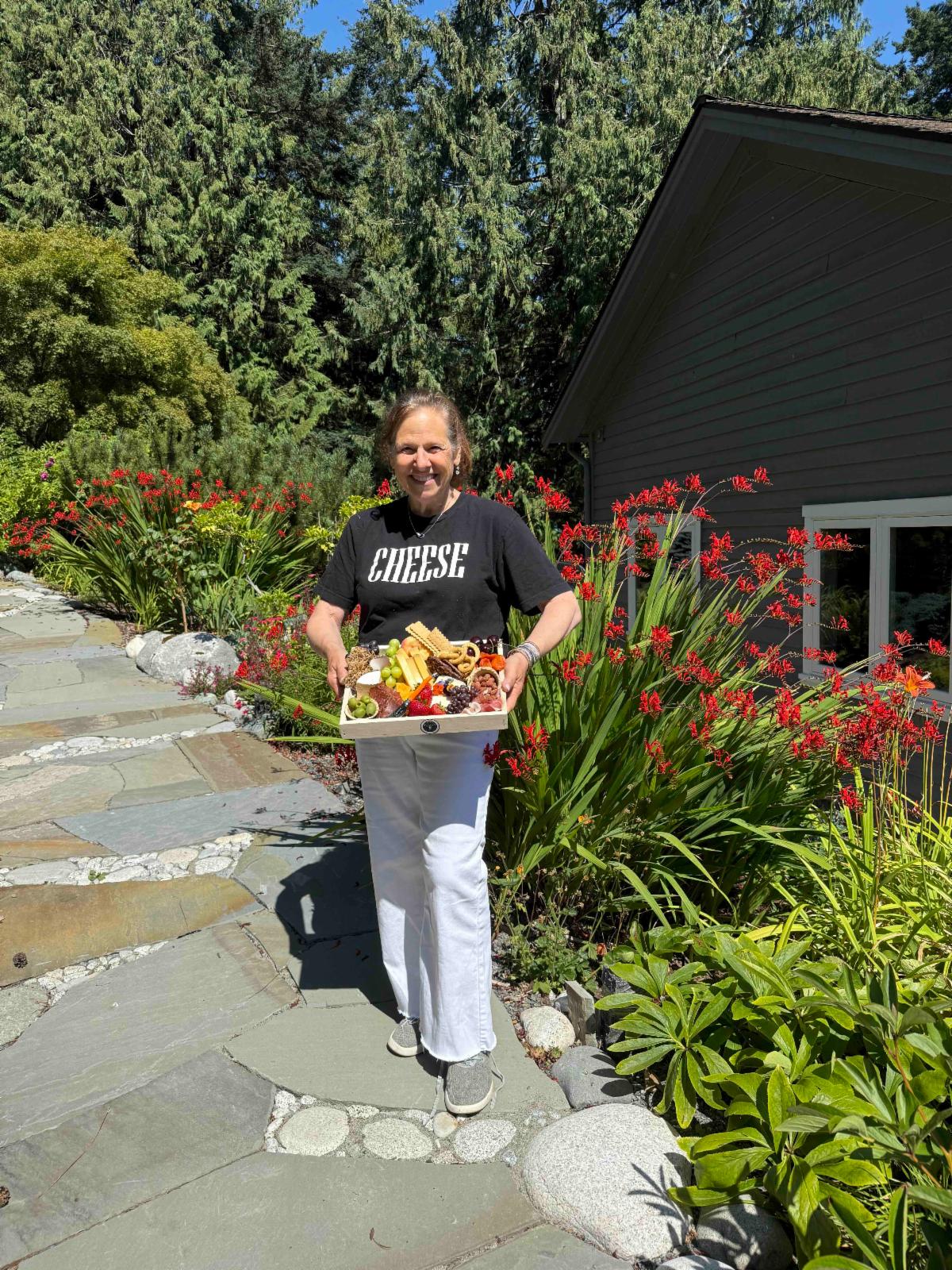
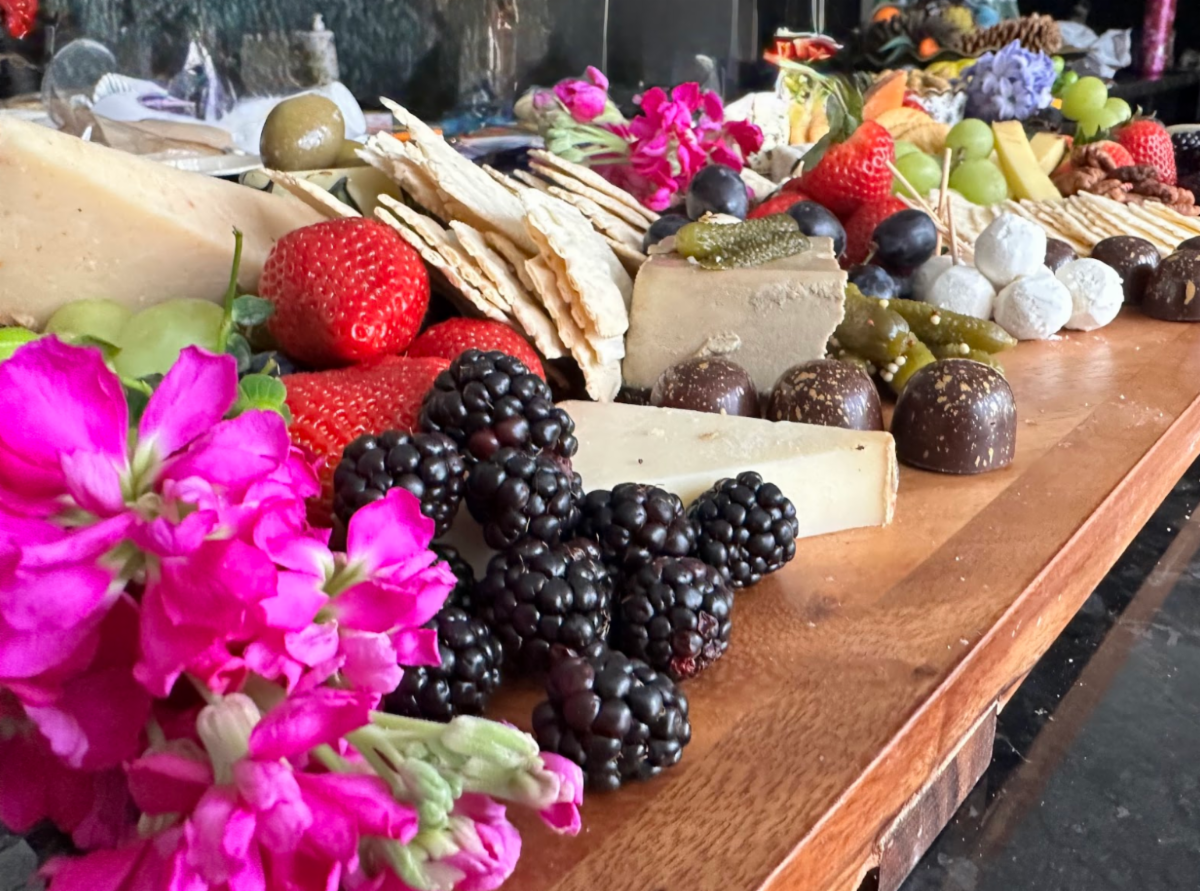
How to Use Edible Flowers in Salads and Cheese Boards
At The Goat & Co. we use edible flowers on all of our boards and tables to add joy and beauty to our presentations! Nasturtiums, Pansies, Stock, Calendula, Chamomile, Violas and Pea Blossoms are just some of our favorites.
| | |
Orcas Island Garden Club Sticker Contest
The Orcas Island Garden Club is creating a new sticker, and we’d love your artistic touch!
Whether you’re a seasoned designer or someone who just loves to doodle, we invite you to submit a design that celebrates our club’s mission to cultivate a love of
gardening through education and hands-on experiences, to inspire and empower our community to create beautiful and sustainable gardens, and to protect as well as
conserve the land as entrusted stewards.
Think blooms, pollinators, island charm or surprise us with your own creative twist. All ages and skill levels are welcome. Help us grow something beautiful together!
Prizes include bragging rights and a lovely plant for your garden.
| | |
Please submit your designs by May 31st at the Orcas Public Library Community Box c/o Orcas Island Garden Club or mail them directly to us at: Orcas Island Garden Club, PO Box 452, Eastsound, WA 98245.
If you have questions or concerns, feel free to reach out to us at CommunicationsOIGC@gmail.com
| | | | |
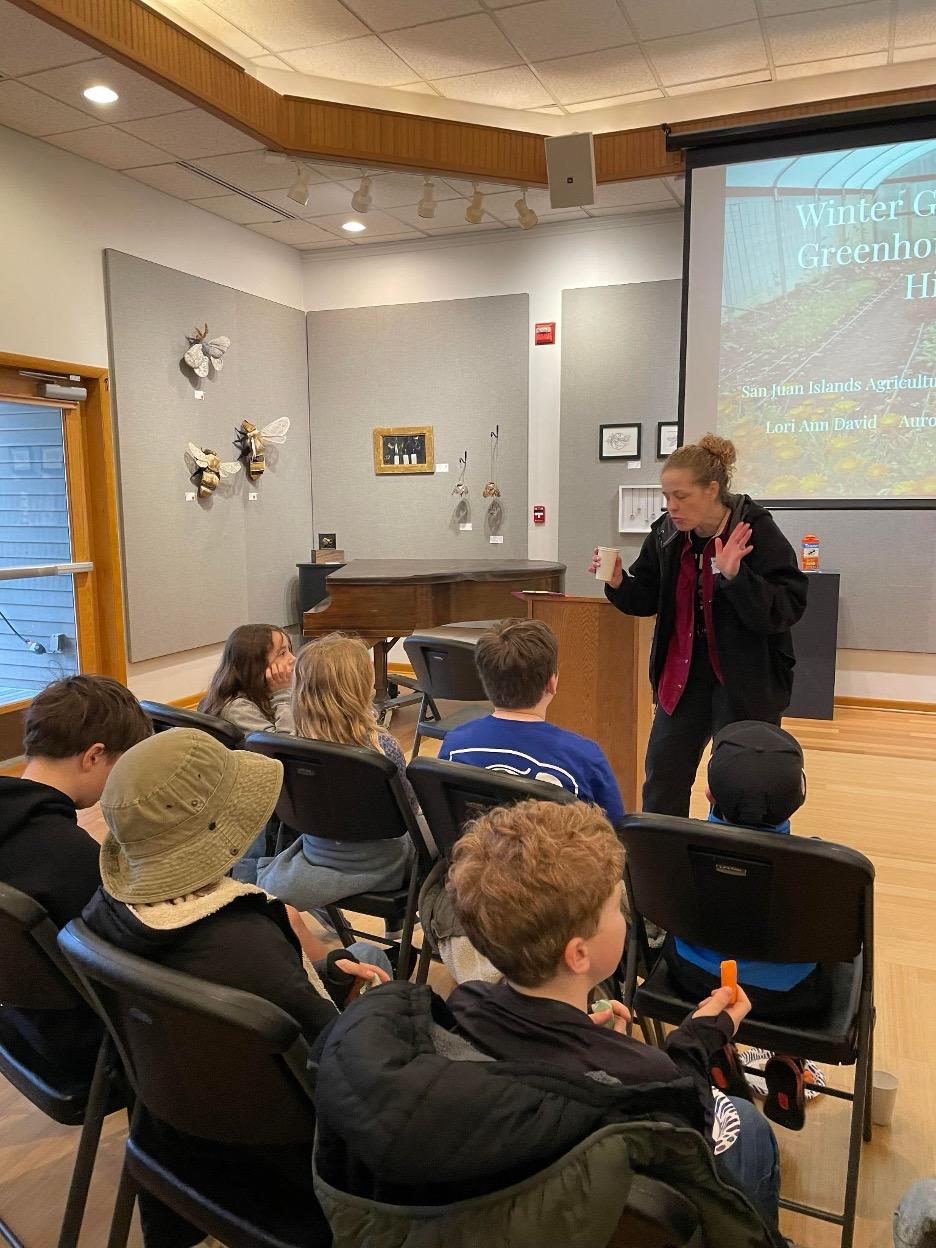
March Meeting Special Visitors
We were delighted to welcome students from Orcas Christian School to our March presentation on year-round greenhouse growing. They enjoyed cookies and juice provided by the club while learning about growing vegetables in a greenhouse environment. The students were engaged and curious, asking many thoughtful questions throughout the session.
Kallie is pictured here sharing her knowledge and speaking about greenhouse growing.
| | |
Compassionate Correspondents
by Evangeline O'Sullivan
The OIGC has created a committee for Compassionate Correspondents to send written note cards to members who are celebrating an event, need wellness wishes, or a consoling message. If OIGC members know a family or individual that would welcome a note card please communicate the need to the OIGC Co-Presidents so a card can be sent. The gesture to send cards is being made to actualize kindness, caring, and cultivate community among our Garden Club members. The closing signature for these note cards will read, “From your Garden Club Friends”, so that the recipient knows the correspondence is from our collective group, not an individual.
| | Embrace the Seasonal Rhythm | | |
The Quiet Work of Becoming
by Suzette Lamb
One of the reasons I joined the Orcas Island Garden Club and volunteered with OCPA when we moved to the island was to work on my impatience. I couldn’t think of anything more challenging for my tendency to move fast and try to make things happen than gardening: preparing soil, planting seeds, fertilizing and watering, watching the weather, and then waiting to see something happen, only to wait even longer for it to be ready to harvest. It has slowed me down and helped me appreciate the power of time and nature.
As I reflect on my life, I’m beginning to see that it’s not so different from what happens in the garden. Now in my fifties, I’m surprised that some of the seeds sown long ago, through my experiences and the investment of others in my growth, are just now starting to emerge in the soil of my psyche. Like seeds that once seemed dormant, they were quietly doing their work beneath the surface all along.
I’ve worked with and in service to others my entire career. At times I was clunky and clueless; other times I was efficient and effective. But I never felt like I had all the skills and awareness working together in an easy rhythm. Only now can I see how those life lessons have settled in and are available to me in new situations with a lot less effort.
Like a gardener walking through their growing space, noticing what needs trimming, what needs a little more care, and what is thriving on its own, there’s an ease I’ve never felt before. Not that life is any easier, but I feel more equipped to tend to what’s in front of me.
And that makes me want to keep growing, through new experiences, new projects, and new relationships, and to trust the waiting as part of the process. All things take time to root, to grow, and to become what they’re meant to be.
Wishing you patience and anticipation this spring as you tend what’s growing in your garden and in your life.
| | |
Project (Sweet) Tater
by Andy Hiester
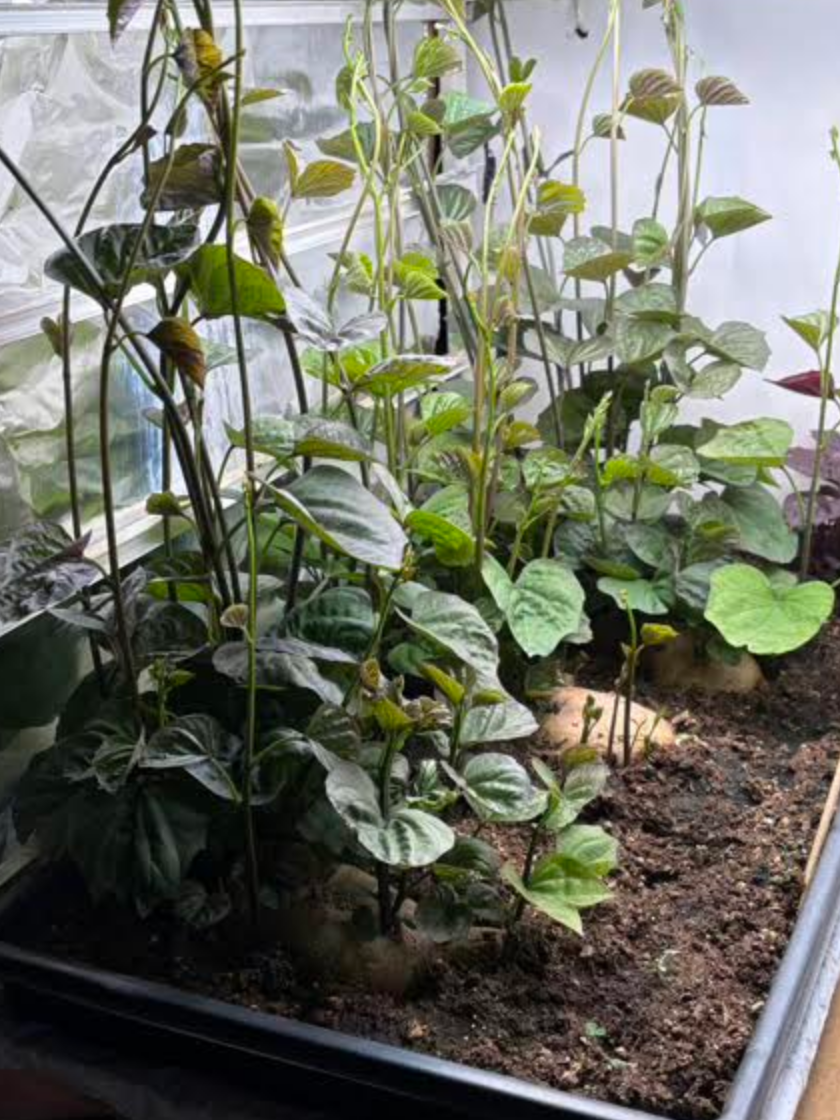
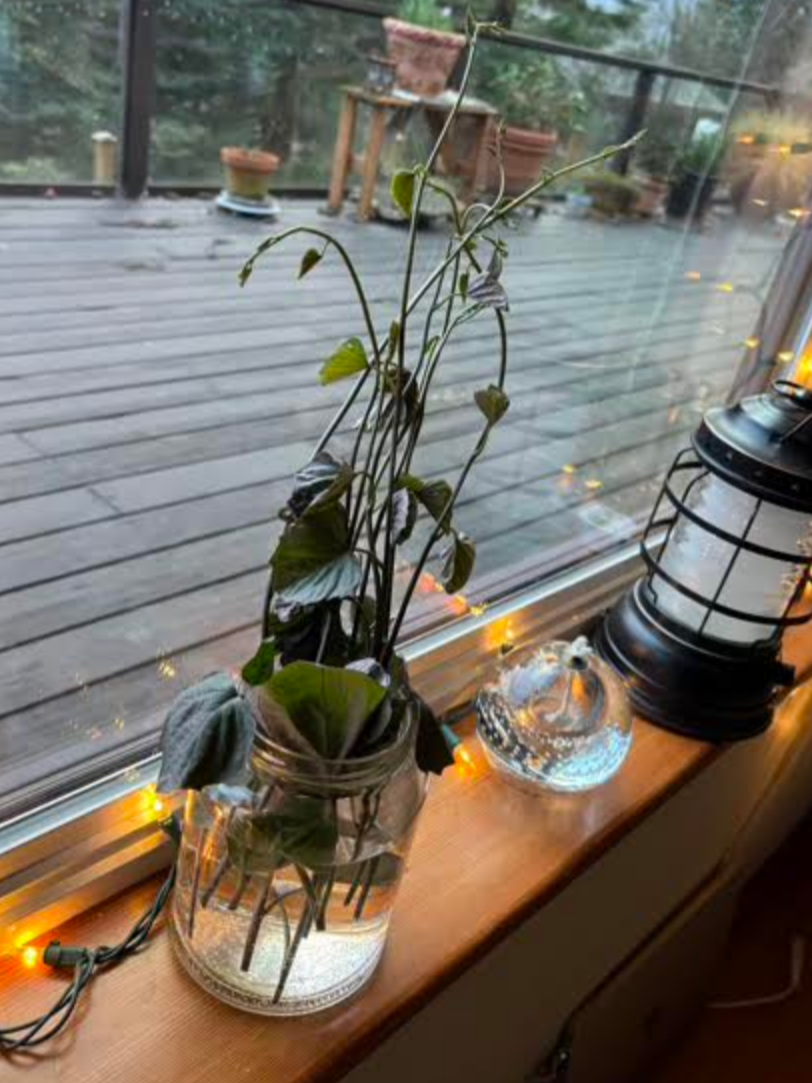
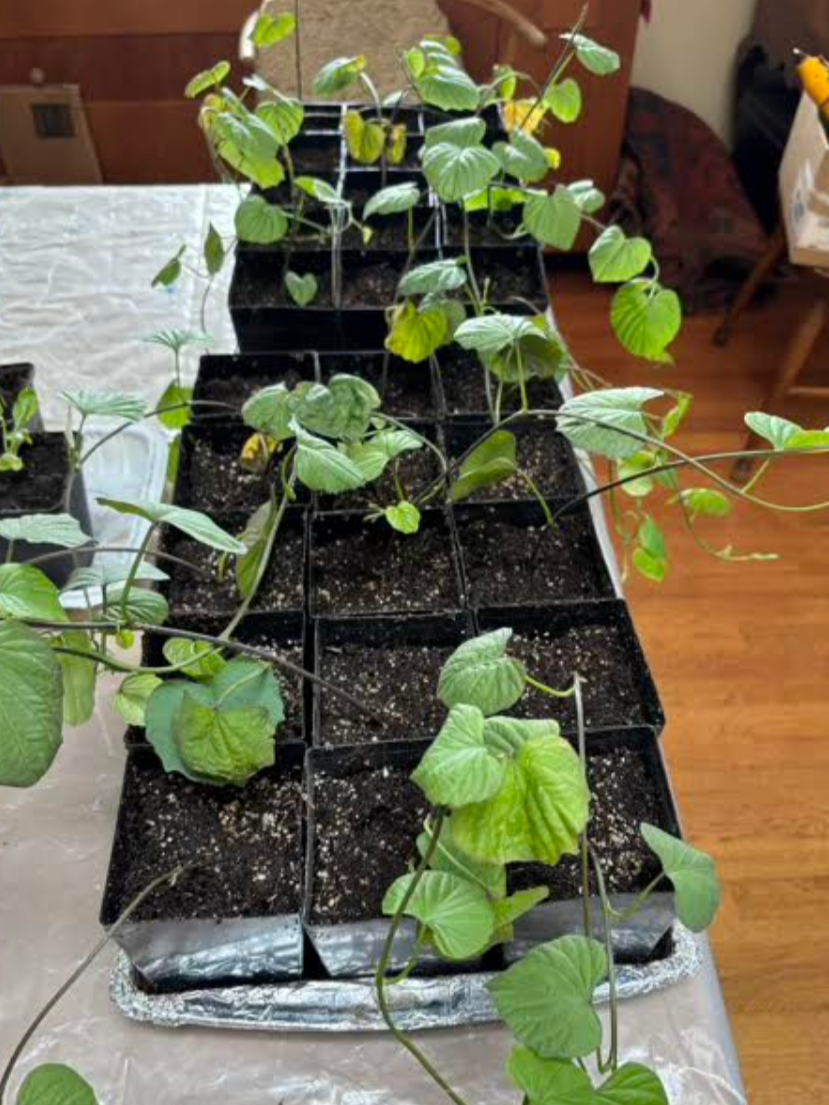
As one of a group of Islanders involved in trying to raise sweet potatos, I received several Cascade SP “roots” from WSU in early February. They were put in dirt and supplied with 12 hours light and heat mat in a DIY growspace. Slip generation started in a week; in by end of March a dozen slips were taken. In the next 3 weeks another 3 dozen slips have been taken. Mostly these slips are single vine, not bushy. The slips have formed roots in a week in plain water. As roots approach 2 inches long I have potted the slips in soil as a holding spot. Sitting in home at 65F and lowish light, waiting until field temperature will (hopefully) be ready for planting.
Observations: Fun to grow slips! Keep on coming! An organic root I purchased at food coop did not fare as well as Cascade – with about 5 slips total.
Challenges: Lots of slips, yet are they just leggy? Can they hunker OK until late May?
Looking ahead: Let’s see how these narrow vines do when finally transplanted in field. Thinking 65F soil temp? And of course, ultimately a taste test maybe late September?
Learning by growing...
| | |
Release the Bees!
by Laura Walker
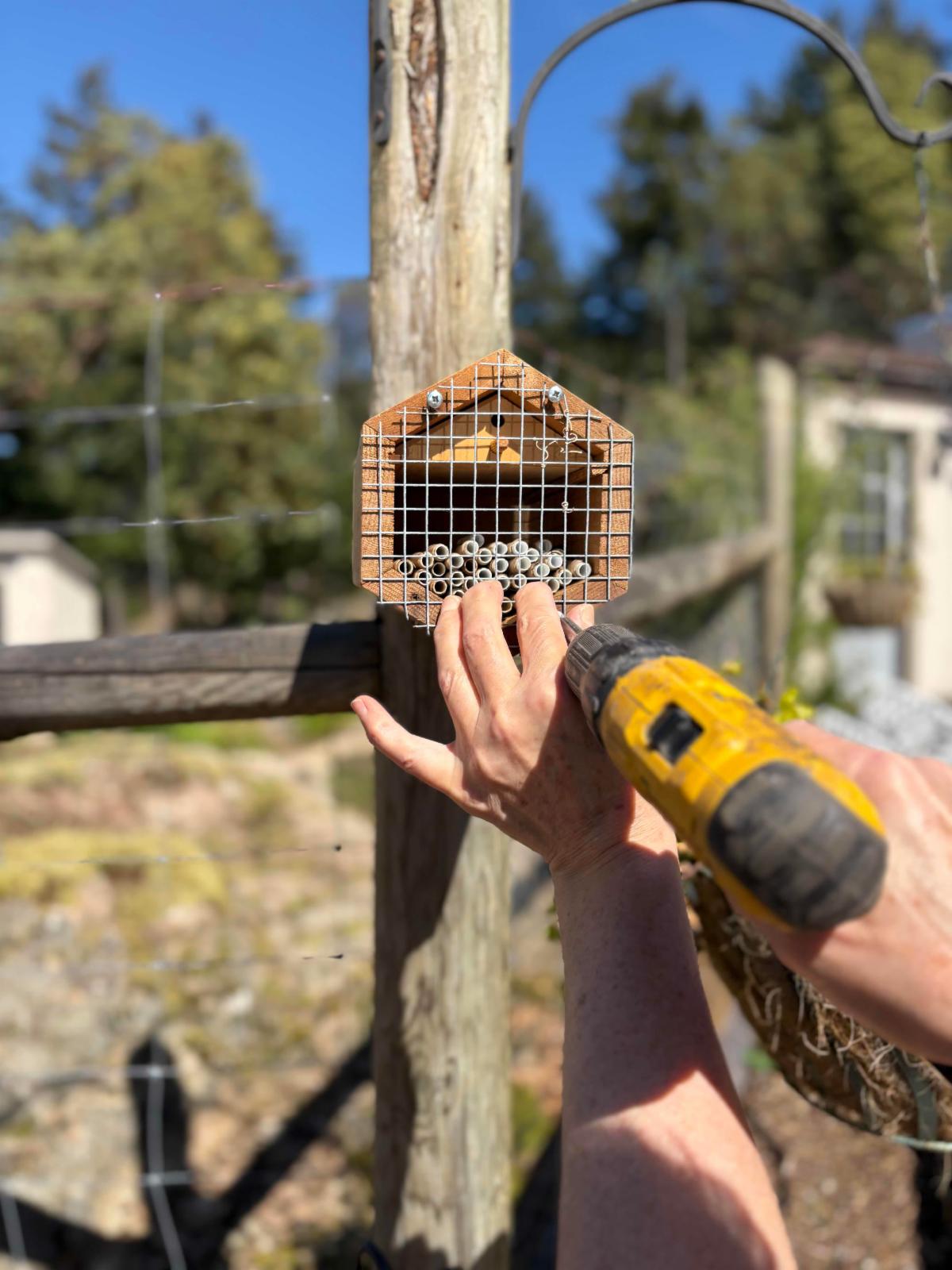
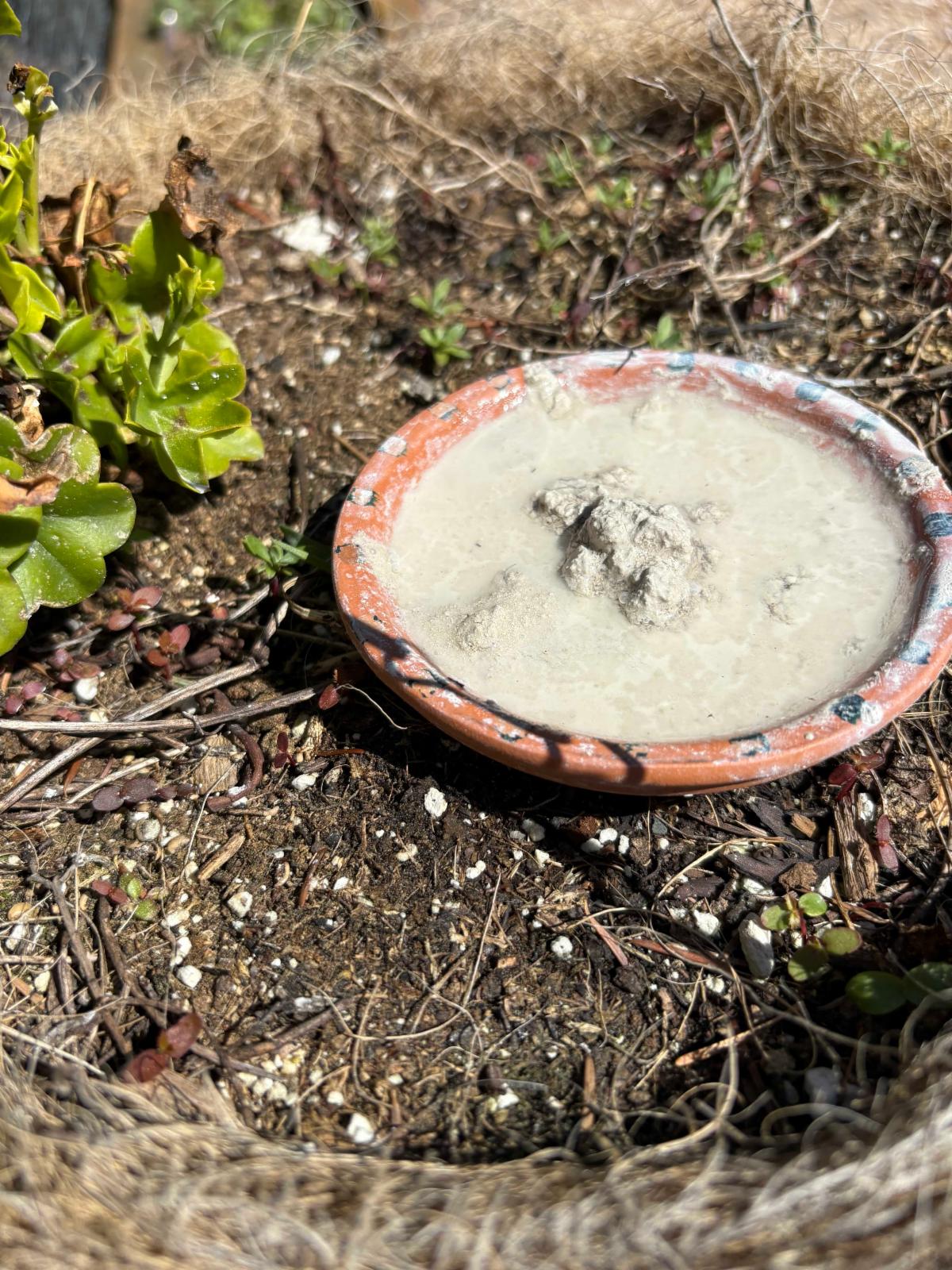
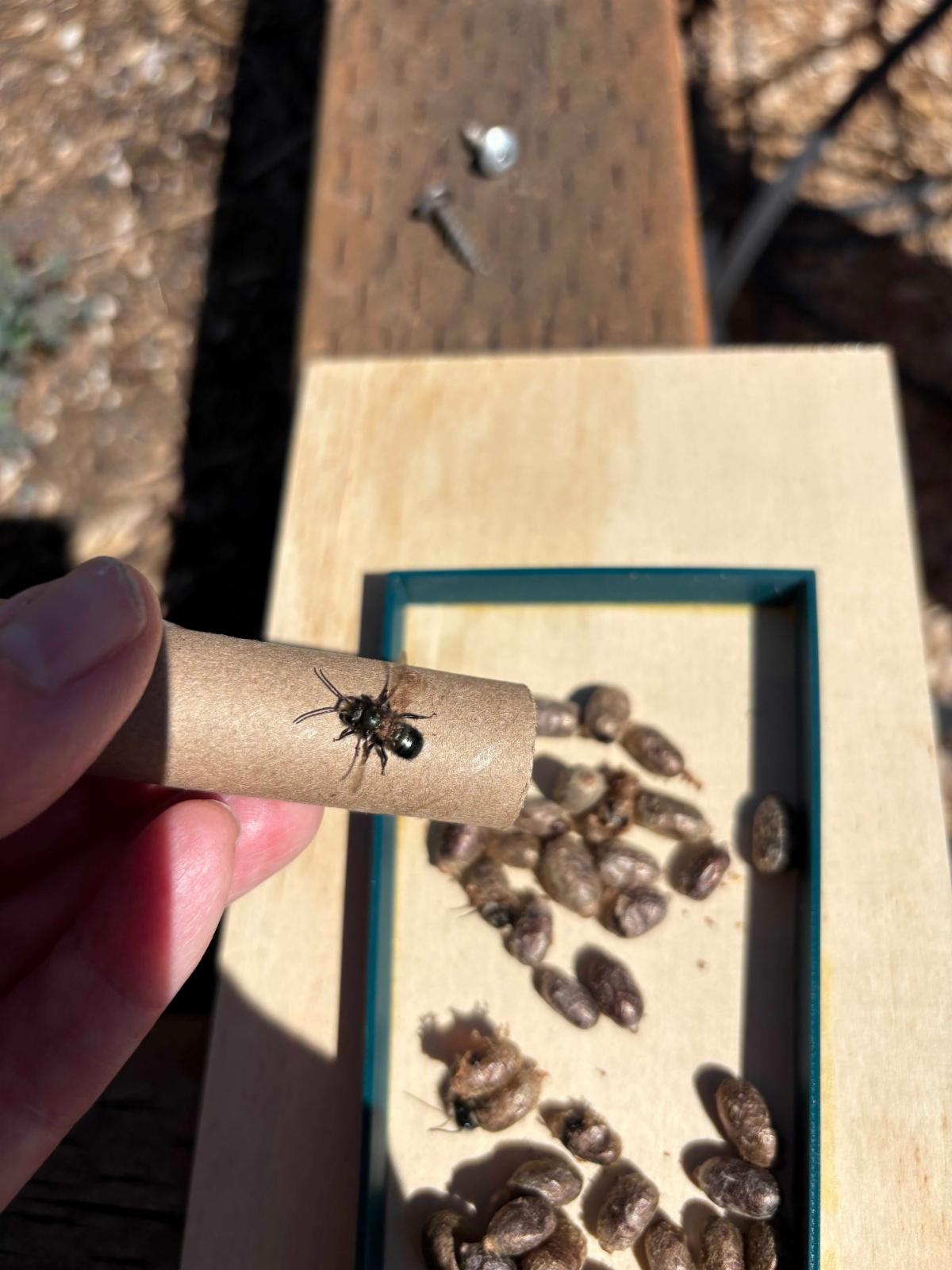
Kate Yturri and I went in together on the purchase of some mason bees from Crown Bees. They are one of many native bees on Orcas. They came in a neat little tube nestled in a Fed Ex special delivery box. They arrived this week and as the instructions stated, I put them in the refrigerator until I had their new home ready for occupancy to keep them comfortable and sleepy. An hour later, I filled a small saucer with wet clay-rich mud and placed it within a foot of their bee house. Mud is an essential element the bees use to partition and seal their nesting tunnels. Then I carefully spilled them into their little box that sits atop of the tubes. Curtis helped me attach a screen over the tubes to protect the bees to discourage hungry Northern Flickers. He said, “why did you buy flies?” and we both laughed. I can already see a couple emerge ready to start their work! It will ‘bee’ so fun to watch!
| | |
What Are Mason Bees?
Mason bees are solitary, cavity-nesting pollinators that play a crucial role in your garden's health. Known for their gentle nature and impressive pollination abilities, these bees are incredibly efficient—pollinating up to 95% of the flowers they visit.
Unlike Honey bees, Mason bees don’t live in colonies, but instead, each female builds her own nest to raise her young. By welcoming Mason bees to your garden, you're not only supporting the local ecosystem but also boosting your garden’s productivity with exceptional natural pollination. Source
| | Garden Creatures and Where to Find Them | | |
Springing into Snake Season
by Christian Oldham
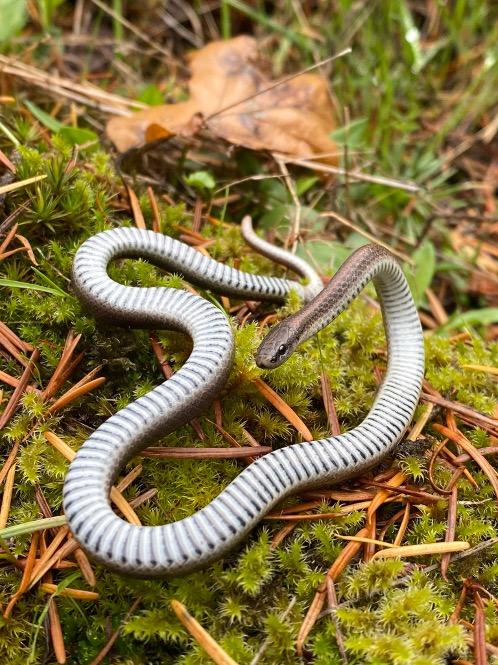
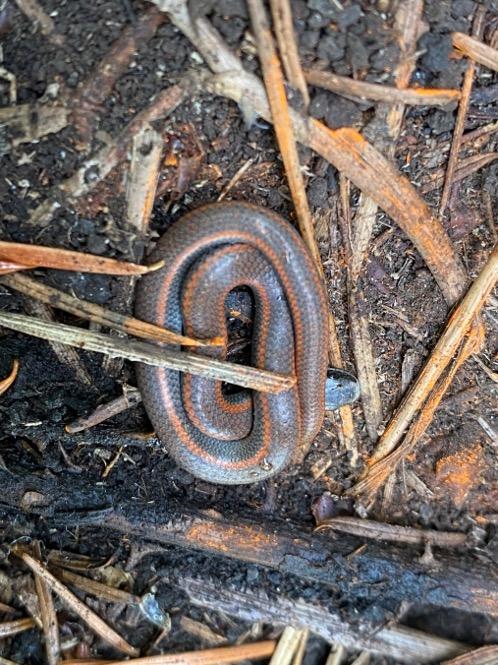
As spring progresses on Orcas, Sharp-tailed Snakes (Contia tenuis) are among the first of our native reptiles to emerge and begin their brief active period on the surface; all too quickly disappearing again as spring transitions into summer. These elusive little snakes (often about the width of a No. 2 pencil and less than 12 inches long) feed on invertebrates in and around forest edges and clearings which frequently feature Garry Oak (Quercus garryana) and rocky outcrops on south-facing slopes. Slugs, in particular, seem to be a favorite menu item (welcome news to many gardeners!). No wonder, then, that the activity of these snakes appears to be closely tied to the seasons most associated with abundant soft-bodied invertebrate availability. Often only observed under woody debris or rocks during periods of relative warmth and abundant rainfall, the diminutive Sharp-tailed Snake disappears during bouts of cool weather, as well as during the dry summers that we experience here in the rain shadows of Vancouver Island and the Olympic Mountains.
| | |
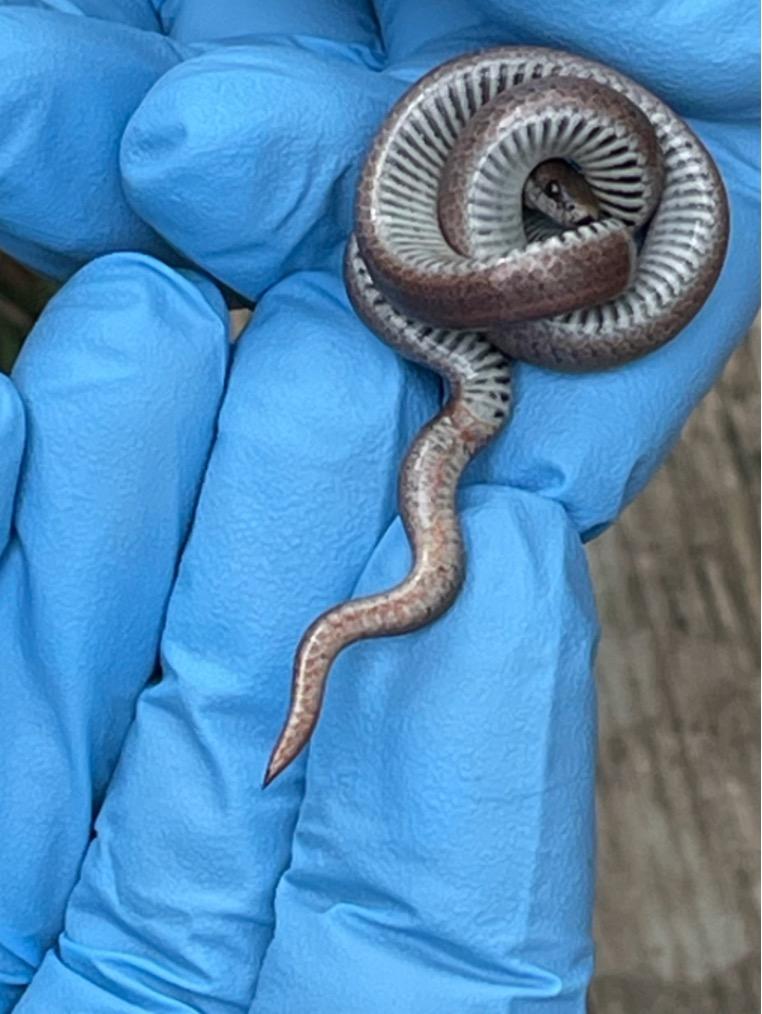
Likely retreats during the dry summer and cold winter include oftentimes abundant empty rodent burrows, which will remain warmer, humidified, and may provide sufficient invertebrate snacks to tide them over until surface conditions and food availability improve. These tunnel systems may also allow snakes taking refuge to retreat below the subterranean frost line that could otherwise endanger them during the coldest winter conditions on the surface. These snakes are quick to respond to changing conditions on the surface: midwinter false springs will often coax them to the surface for a brief window, as will mid-summer rainfall. While their activity, habitat, and diet frequently overlap with all three of our Gartersnake species, Sharp-tailed Snakes are singular in appearance: adult snakes are often brown or copper-colored dorsally, while exhibiting distinctive white and black “piano keys” on their bellies. Also, of note, is the reason for their descriptive name: the sharp spine at the tip of their tails that they will happily dig into predators. It’s also been theorized that this tail spine may aid in the consumption of invertebrates (in lieu of fingers and thumbs to wrangle defiant prey items). Neonate Sharp-tailed Snakes, which appear after hatching from eggs laid during the spring, will frequently exhibit much bolder coloration: orange or red lateral “racing” stripes that fade with age.
More information about ongoing local research into these secretive snakes can be found here
| |
Last June, Christian came to our annual picnic and shared fascinating information about these elusive creatures.
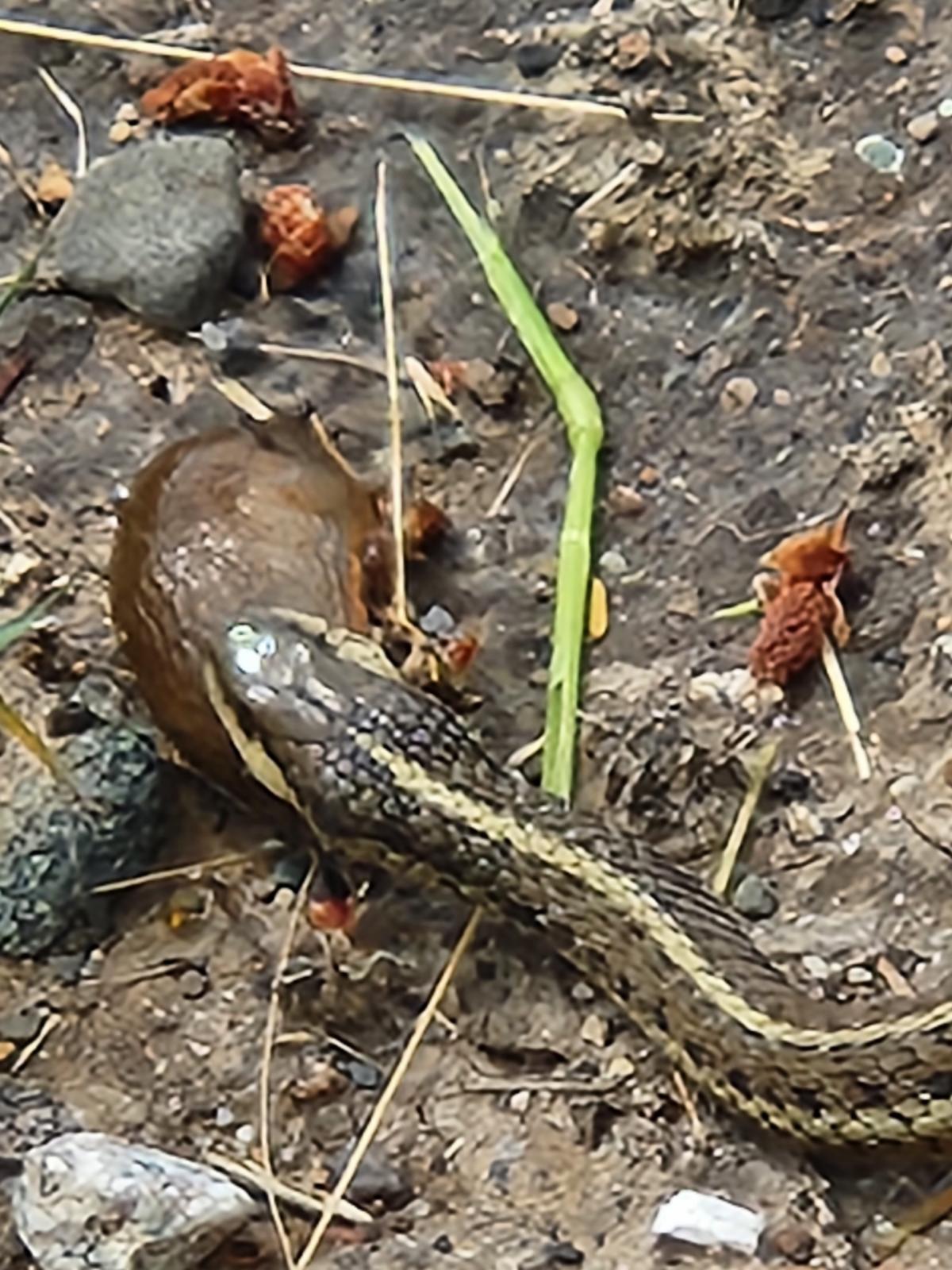
And here's proof. These snake do eat slugs. This picture was taken by Karen Johnston and she shared a quote.
"I was happy to read about snakes eating slugs, but I saw it! Making extra snake hides out in my garden so he/she brings friends!"
Karen Johnston from the Olga area
| | |
The Garden Pansy
by Mary Nash
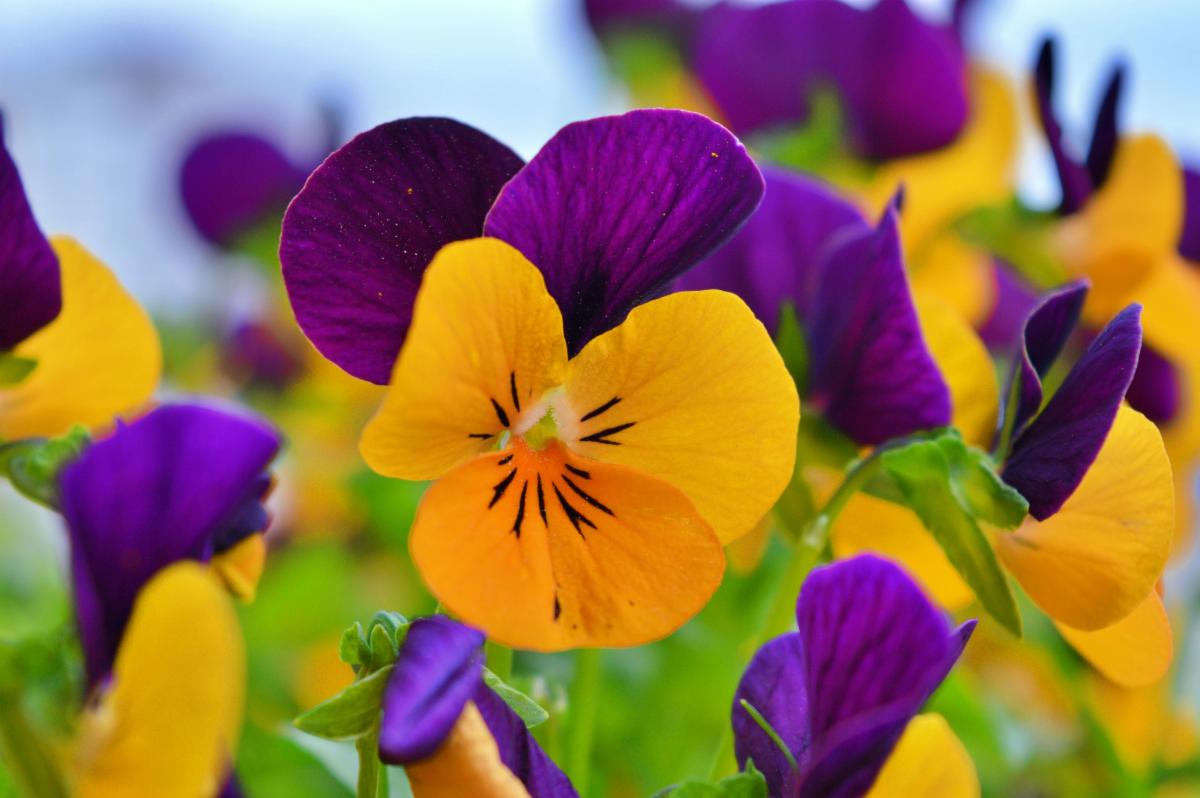
The lovely garden pansy we know today has a long and fascinating history. It began as a common European wildflower called ‘heartsease' (viola tricolor, which we know today as ‘Johnny Jump Up’). Heartsease was used in Greek and Roman times as a remedy for skin and lung conditions, and is still used today as a homeopathic and herbal remedy for similar ailments. In addition, pansies remain quite useful as an edible plant.
The name “pansy” comes from the French ‘pensee,' meaning thought. The pansy’s nodding head was thought to resemble a person in deep contemplation. The modern pansy was developed in Britain in the early 19th century. Wild violas were crossbred to create larger blossoms and more vibrant colors. In 1839, a genetic mutation with larger, dark splotches on the petals was found. This ‘sport’ was developed into the variety ‘Medora', which showed the classic ‘smiling face’ that made it a Victorian sensation. Victorians, fond of communicating through flowers, assigned rich meanings to the pansy, including secret love, devotion, memory and contemplation.
Pansies were also a frequent subject of botanical art. Even today, their cultural associations — love, thoughtfulness, and nostalgia remain strong. After ‘Medora’ was created, hundreds of varieties were soon developed and quickly spread throughout Europe. These pansies then spread to America and were popular in seed catalogs in the 1880’s. Because of this availability, and because pansies are happiest in the cool weather we Orcas gardeners grow in, it is not unlikely that some were grown on Orcas at the end of the 19th century. The pansy’s popularity remains today, whether due to its wide color spectrum, its velvety petals, or its stubborn cheerfulness in damp, cool weather, probably depends upon the individual gardener.
| | |
Yellow Island: Back to the Future
by Perri Gibbons
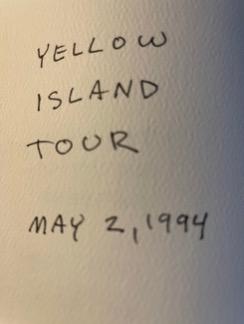
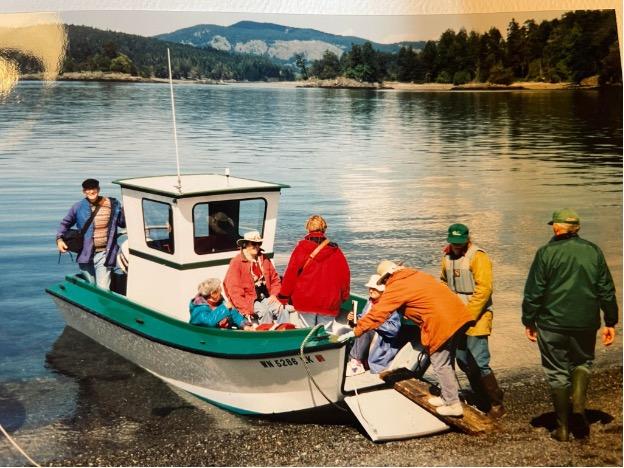
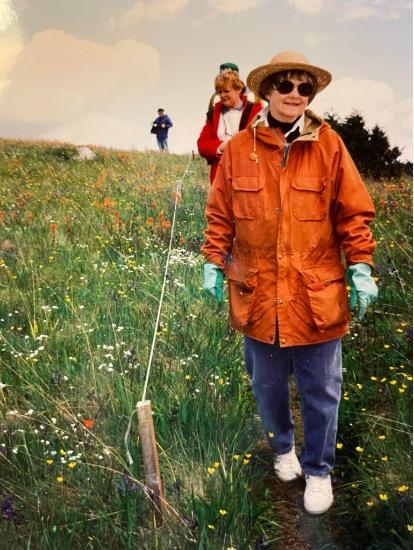
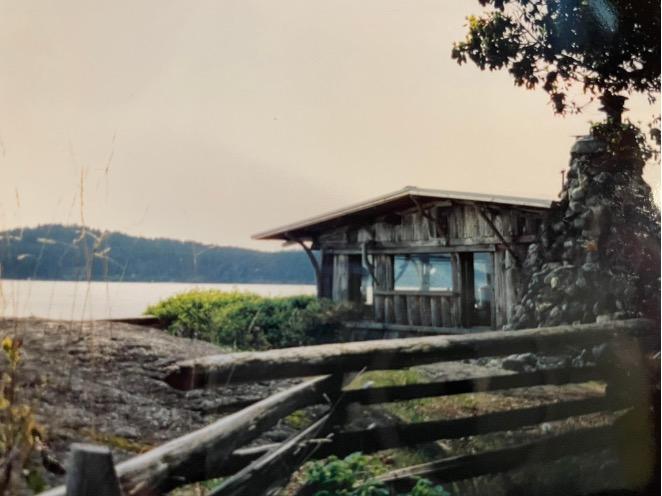
If you’re like me, you’re delighted to learn more about native wildflowers and excited by the news that, with help from the Yacht Club, we have an opportunity to view them up close in a natural, unspoiled setting. I’m so thankful for the Orcas Island Garden Club which is constantly finding new and unique events to educate and entertain its members and the community. Until I leaf through the scrapbooks and find this. Yes, 32 years ago, to the very month, our club apparently made a similar trip. There aren’t any details of the trip, but we are left with some photographic mementos. It makes me realize that as wonderful as the OIGC is today, it’s built upon a strong, solid foundation. I hope our flower immersion experience will be like Heather O'Malley's!
| | Eager explorers ready to make a day of it! | | Heather enjoying the island. | | I wonder if this old cabin still stands? | | Have some stories? photos? Share them with us! Contact: Perri Gibbons | | Member Raffle and Meeting Door Prize | | |
Thank You Market Garden!
Our thanks goes out to the Market Garden for the plant donation!
Browse their beautiful plant selection, visit Market Garden across from the Island Market.
| At each monthly meeting, all members and guests joining us in person are entered for a chance to to win a door prize! | | |
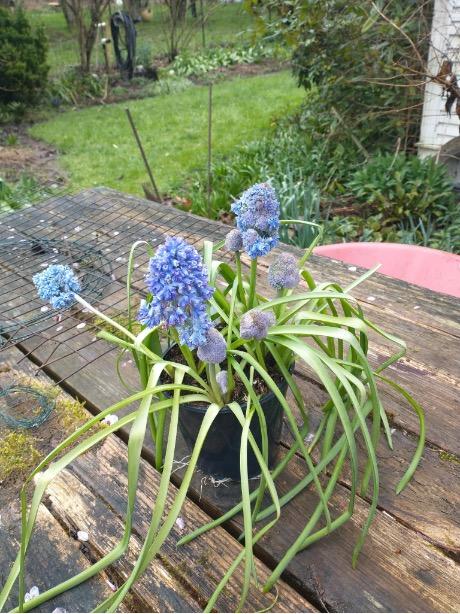
Our March lucky door prize winner was Sidney Coffelt who took home this adorable Fancy Creation Muscari!
| | |
Congratulations to Sara Jones who won the book for April, The Light Eaters by Zoe Schlanger.
Sara was delighted to receive the book!
Monthly Member-Only raffle winners are chosen at random from a list of current garden club members. Remember to renew or join the club to join in this fun contest! To see if you are an active member, contact Karen Hiller.
| | |
The Light Eaters by Zoe Schlanger
The Light Eaters is a deep immersion into the drama of green life and the complexity of this wild and awe-inspiring world that challenges our very understanding of agency, consciousness, and intelligence.
This book is our Book Club read for Friday, May 15th! We hope you join us at 1 pm at the Orcas Island Library for an insightful discussion on this book!
| | | |
Pansies
Open your eyes, my pansies sweet.
Open your eyes for me.
Where did you get that purple hue?
Did a cloudlet smile as you came through?
Did a little sunbeam bold
Kiss on your lips that tint of gold?
Tell me the mystery.
Poem by Mary Nash
| | |
Where is Miss Gardenia?
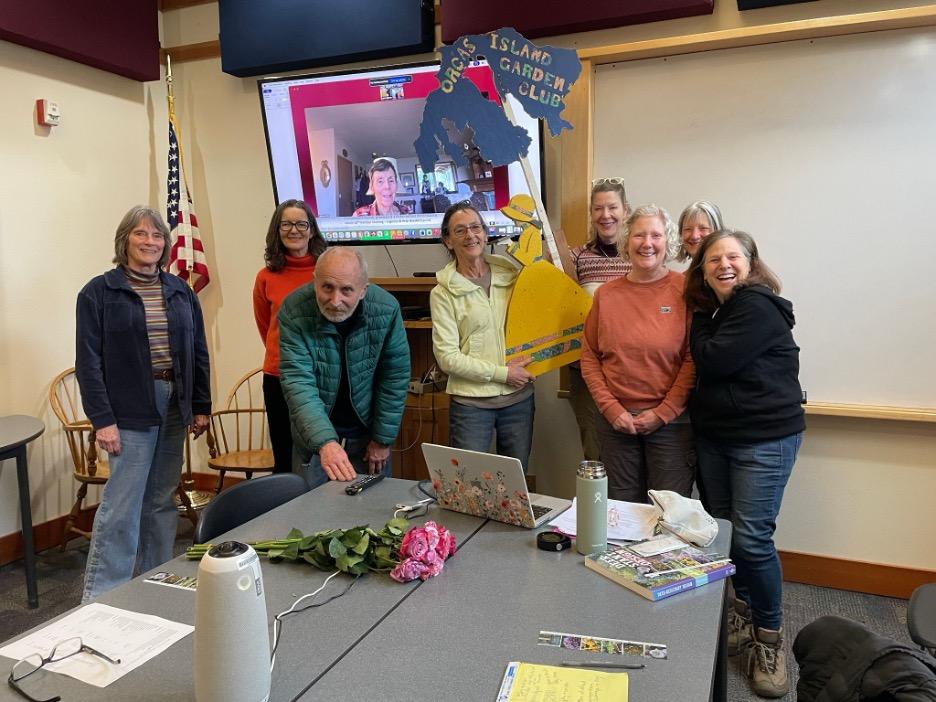
Miss Gardenia dropped in on a March 16th GC Board meeting and was impressed by the mix of diligence and dedication. This group of diverse personalities respect, value and support each other to make the club run successfully. Visitors and guests are always welcome to come to a Board meeting and you can also attend by zoom like Karen. As a board creation at the Board meeting, Miss Gardenia was anything but bored! Our good friend, Margaret stopped by to snap our picture.
“So fun to see you all! You are all too cute. (See proof of that in the attached photos.) What an awesome club. You were one of the first groups I came to know on Orcas and you abide in my heart!”
Sincerely, Margaret Payne
| | From right to left: Robin Sullivan (Co-President), Jenny Pederson (Program), Laura Walker (Co-President), Kristin Tolle (Communications), Perri Gibbons and Karen Hiller (Co Memberships), Tony Suruda (Treasurer), Adrienne Walker (Secretary) and Deb Exton (guest). Sally Hodson and Haven DePietro (Tour Co Chairs) and Abby Deskins (Newsletter) were not pictured. | | Membership Update - Here We Grow! | | 2026-2027 Membership to date: 255 | This year, we have a few free memberships available to those in financial need. Please reach out to our membership and we would love to help you. | | |
Membership Fees:
Individual: $25 / year
Couple: $35 / year
| |  | | | | |
Do you enjoy reading the monthly OIGC newsletter?
How can we make it better?
We'd love to hear your feedback, comments and suggestions.
Thank you in advance!
| | |
PRESIDENTS: Robin Sullivan & Laura Walker
MEMBERSHIP: Karen Hiller & Perri Gibbons
GARDEN TOUR: Sally Hodson, Robin Sullivan & Haven DePietro
| | | |
PROGRAMS: Jenny Pedersen
TREASURER: Tony Suruda
SECRETARY: Adrienne Walker
COMMUNICATIONS: Kristin Tolle
NEWSLETTER: Abby Deskins
| | Please contact oigcnewsletter@gmail.com if you encounter any technical issues regarding accessing the newsletter. Thank you! | | | | |