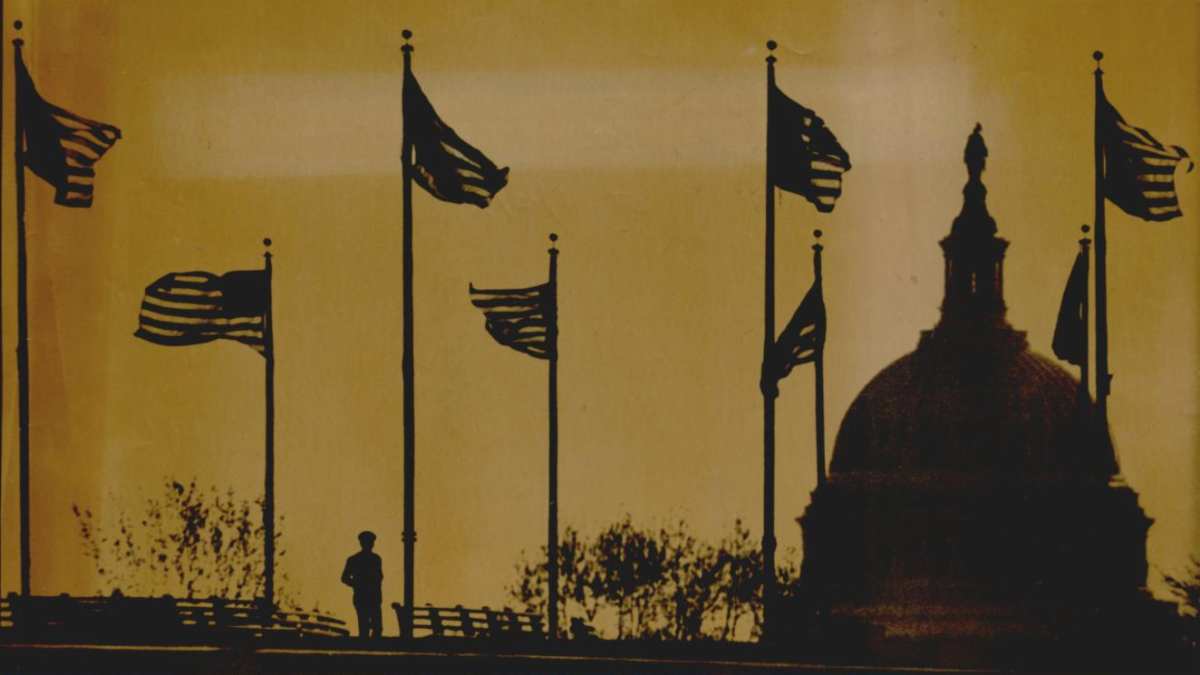
View of the United States Capitol from the Washington Monument, Washington, D.C.
Photo: Gateway to Oklahoma History; Photograph 2012.201.B1353.0639 | | Imminent Crisis Averted, but the work continues | | |
In our July 2025 newsletter, we alerted the preservation community that the federal Historic Preservation Fund (HPF) for fiscal year 2025 (October 1, 2024, to September 30, 2025) had not been released to the State or Tribal Historic Preservation Offices (SHPO/THPO). The delay had serious consequences: many Oklahoma SHPO staff members left for other positions, leaving just four full-time employees to manage the office’s entire operations/obligations. We are relieved to report that shortly after the newsletter was released, the funds were released by the federal government. The victory is thanks to your advocacy—those who made calls, sent emails, and met with elected officials. Your voices were heard, but this is not the end of the story.
Before the August recess, Congress did not pass the fiscal year 2026 budget. While the President’s proposal seeks to eliminate SHPO/THPO funding, both the House and Senate have included funding in their respective budget drafts. Though the numbers differ, this bipartisan recognition of the value of SHPO/THPO programs is a hopeful sign.
Unlike most federal programs, the HPF is not funded by income taxes or general revenue. Instead, it draws from offshore oil and gas lease revenues, a model inspired by the Land and Water Conservation Fund. This structure reinvests a portion of the revenue from natural resource extraction into cultural resource preservation, creating a rare balance between development and stewardship.
HPF dollars in Oklahoma, through SHPO allocations and National Park Service grants, help:
- Conduct Section 106 reviews (over 88,000 federal reviews in the last 35 years) to ensure that historic properties and cultural sites are considered when a federal agency takes action;
- Maintain and expand the Oklahoma Landmarks Inventory (now with over 70,000 entries) and the National Register of Historic Places (over 1,400 individual and district listings since its establishment);
- Support municipalities via the Certified Local Governments program, which has funded over $2.5 million in projects and educational opportunities from 2002 to 2025;
- Offer technical assistance for planning and financial incentives, such as the federal and state Historic Preservation Tax Incentives;
- Develop and implement statewide preservation planning through Preservation and Perseverance: Care Before It’s Gone, which helps ensure that state and local efforts for cultural heritage are aligned;
- Assist with the oversight of easements acquired with federal funds (like Wintersmith Dam in Ada), often required to protect past grant investments;
- Implement historic preservation projects across the state, like the education programming at Fort Gibson by the Oklahoma Historical Society in 2025, which the Maritime Grant Program funded;
- Working with communities on disaster preparedness plans.
These efforts preserve downtowns, revitalize vacant buildings, and protect the stories that define Oklahoma and America.
We need YOU!
From the passage of the National Historic Preservation Act of 1966 to the release of FY 2025 HPF funds, advocacy has been the driving force of progress. As we approach the 60th anniversary of the NHPA in 2026, the 50th anniversary of the federal Historic Preservation Tax Incentives, and the 100th anniversary of Route 66, your continued engagement is more vital than ever.
Stay informed. Speak up. Share why preservation matters in Oklahoma. Because the past is not just behind us—it’s the foundation of our future.
~ Lynda Ozan, Deputy State Historic Preservation Officer
| | Four Buildings By … Joseph R. Koberling, Jr. | | |
Joseph R. Koberling, Jr. was born in Budapest, Hungary, in 1900. Koberling and his family would emigrate to the United States, first taking residence in San Francisco before settling in Tulsa in 1917. While attending high school at Tulsa Central High, Koberling studied art under noted art teacher Adah Robinson. Robinson was a major influence on several notable Tulsa architects, including Bruce Goff. After graduation, Koberling attended the Armour Institute in Chicago, where he received a B.A. in Architecture in 1925.
Upon returning to Tulsa in late 1925, Koberling would begin working as the chief designer at the architectural firm of Arthur M. Atkinson. It was during this time that Koberling designed the now non-extant Medical and Dental Building in downtown Tulsa which would launch the Zigzag Art Deco style, as well as the use of terra cotta ornamentation on Tulsa Art Deco style buildings.
Throughout his career, Koberling designed numerous buildings and houses, often working solo, although he was involved in three notable partnerships: Redlich & Koberling (1929-1931), Fleming & Koberling (1933-1937), and Koberling & Brandborg (1946-1956). Koberling’s influence can be seen in numerous areas around Tulsa and the state. He would continue designing up until he died in 1991, drawing on his early art influences and collaborations with other architects, including Goff, Atkinson, and Leon Senter.
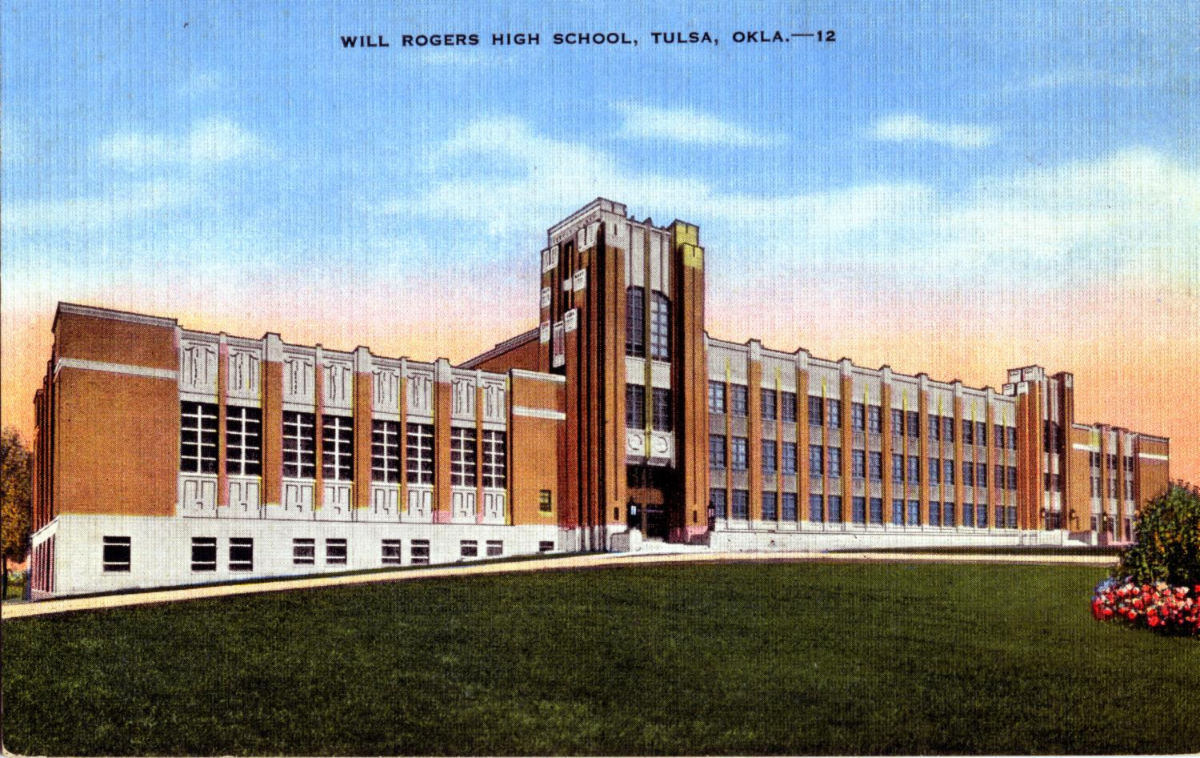
| Will Rogers High School, Tulsa.
Photo: Gateway to Oklahoma History (gateway.okhistory.org/ark:/67531/metadc1473732/) | |
Will Rogers High School. Built in 1938.
Koberling would collaborate with Leon Senter and Arthur Atkinson to design the Public Works Administration (PWA) Art Deco high school, hailed in many publications as a “model of a modern school.” Many of the intricate details can be attributed to Koberling, including the bas-reliefs carved above the doorways and the intricately decorated blue-grey panels under the classroom windows.
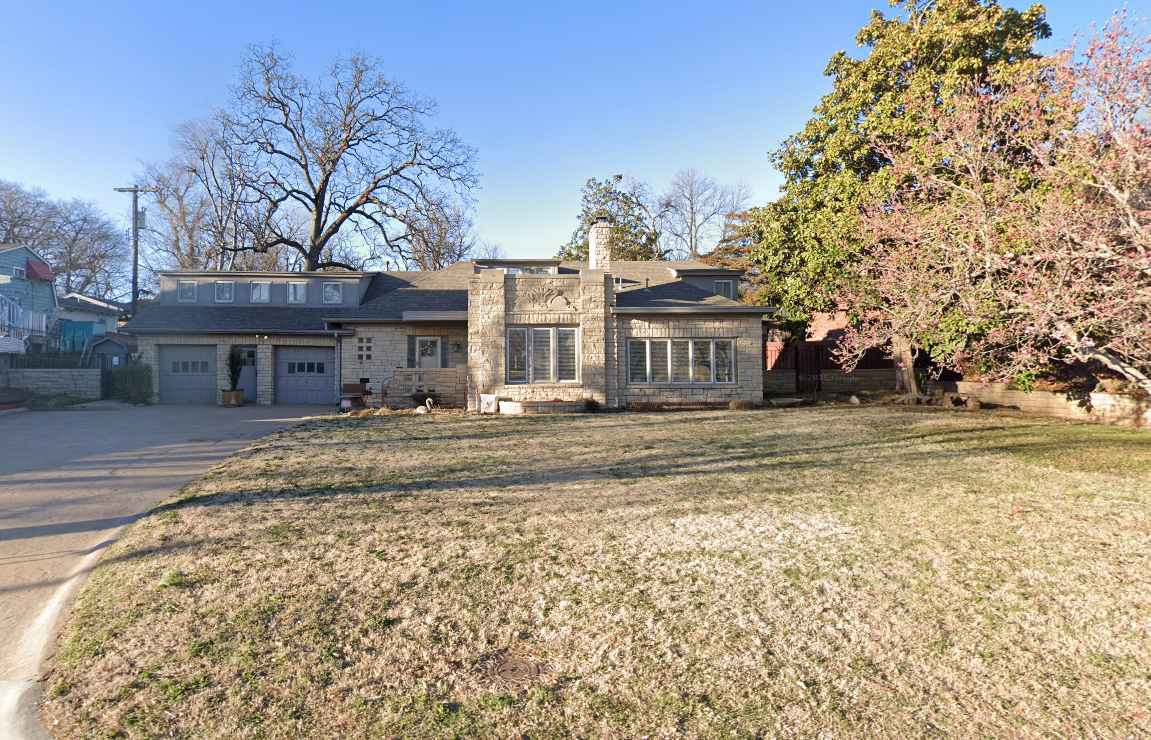
| Joseph Koberling Jr. Home, Tulsa.
Photo: Google Earth | Joseph Koberling Jr. Home. Built in 1944.
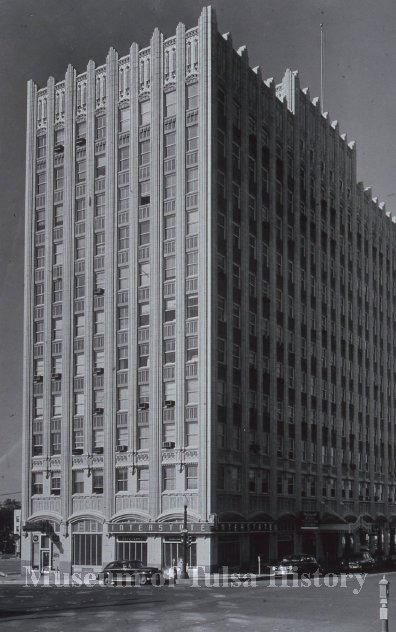
The home, located along South Swan Drive, was the home of Koberling and his family. Designed and built by Koberling, the Art Deco-designed home features many of Koberling’s signature features, including a terra cotta swan bas-relief on the façade. The Koberling home was the first home in the area to incorporate this motif, which has now become a neighborhood tradition. | Medical and Dental Arts Building, Tulsa
Photo: Museum of Tulsa History | |
Medical and Dental Arts Building. Built in 1928. Demolished in 1970.
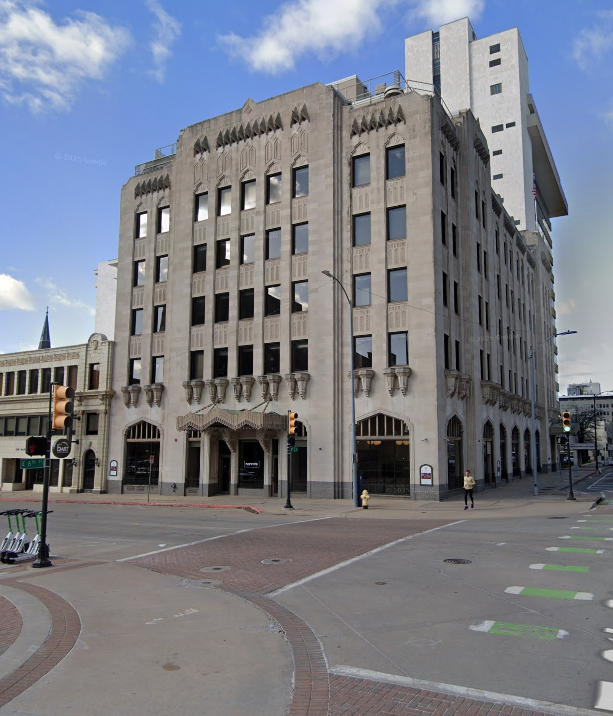
Considered Tulsa’s first Art Deco structure, the 11-story Koberling and Atkinson-designed medical building, located on the corner of 6th and Boulder Ave., stood out among the Tulsa skyline with its terra cotta exterior and decorative pilasters. After serving as the home for medical professionals for over 40 years, the building was demolished on July 12, 1970, and replaced with a parking garage.
| Public Service Building, Tulsa.
Photo: Google Earth | Public Service Building. Built in 1929. (NR# 84003443)
Listed in the National Register in 1984 for its Zigzag Art Deco architecture, the Public Service Building, located along Main Street in downtown Tulsa, reflects the tremendous growth of Tulsa from 1920 to 1930 during its heyday as the proclaimed Oil Capital of the World. Koberling designed the building after returning from Europe on a travelling scholarship, where he noted he was “repelled by the soulless architecture” of the then-contemporary German Bauhaus style. The Public Service Building became a representation of Koberling's philosophical view of Art Deco and the traditional “joyfulness of architecture.” | | Virtual learning is always a click away with the OKSHPO! | | The Oklahoma Historical Society, State Historic Preservation Office, continues to offer their 2025 Lunch and Learn and Webinar series virtually along with our Workshops. The sessions will be held via BigMarker with registration at okhistory.org/shpo/events. | | |
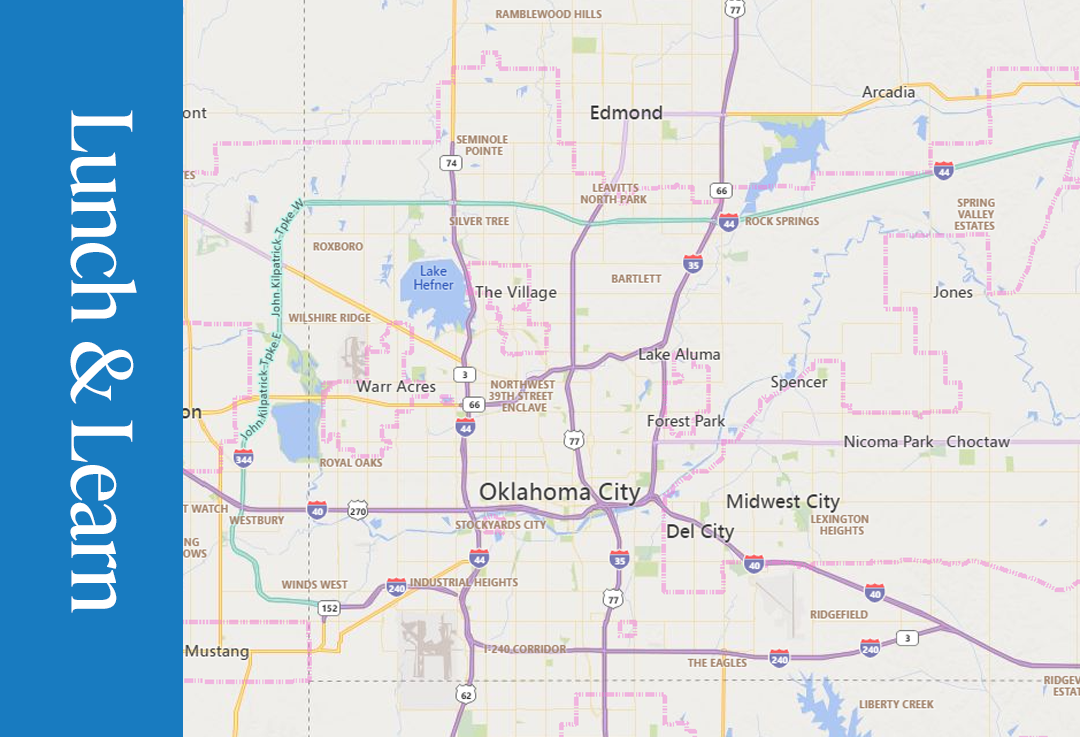
October 6 Lunch and Learn: Historic Overlay Zoning: What it is and how does it work? (12 p.m./Kathryn Friddle and Felicity Good)
| |
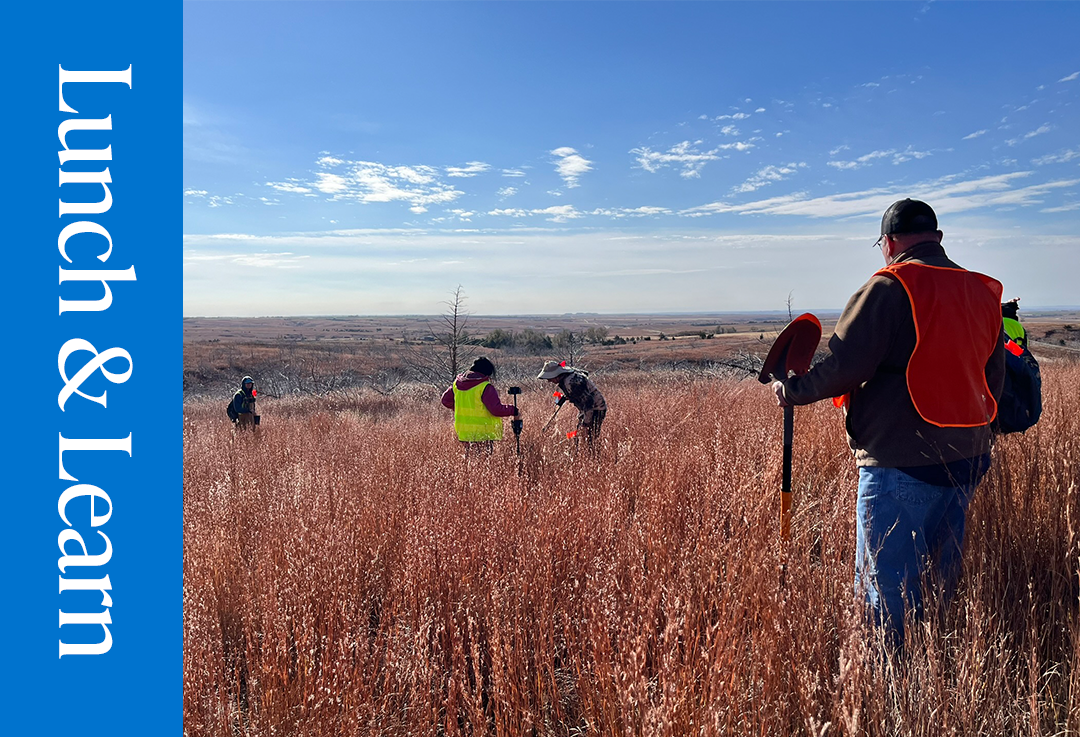
October 14 Lunch and Learn: The Battle of Turkey Springs (12 p.m./Gerry Robinson)
| | Webinar Series: Saving the Sacred | | |
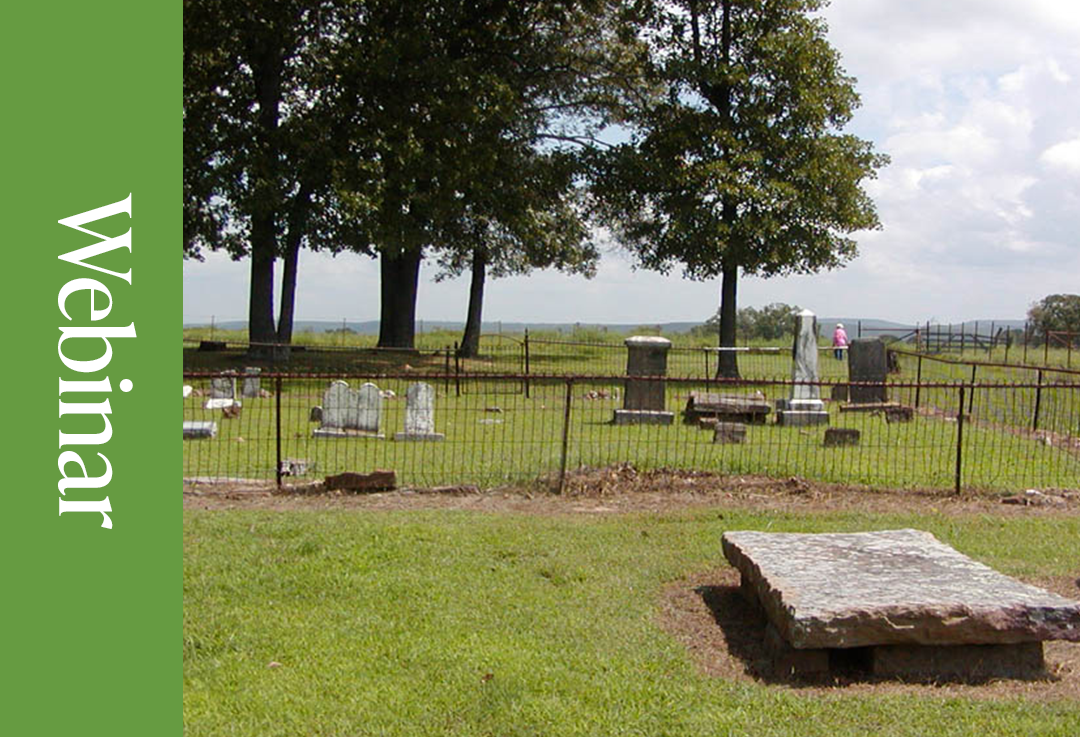
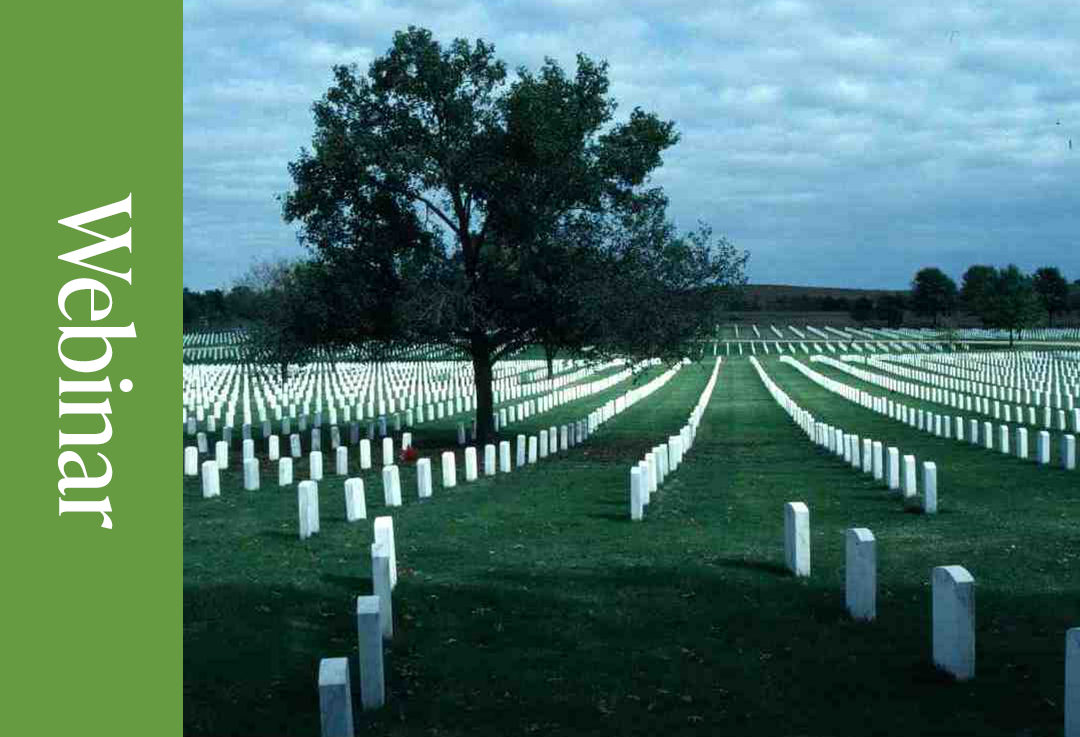
October 2 Webinar: "Cemetery Research and Recordation: Session 2" (2 p.m./Jason Harpe, Richard Grubb & Associates, Inc.)
| |
November 6 Webinar: "Cemetery Preservation and Conservation: Session 3" (2 p.m./Jason Harpe, Richard Grubb & Associates, Inc.)
| | |
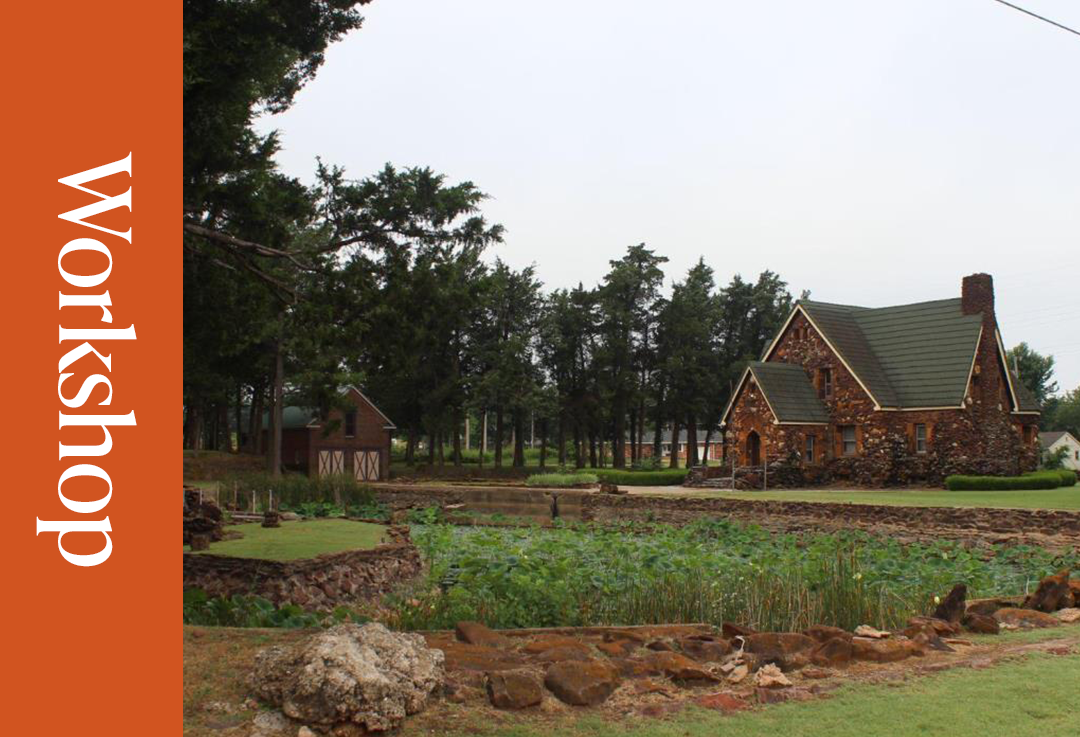
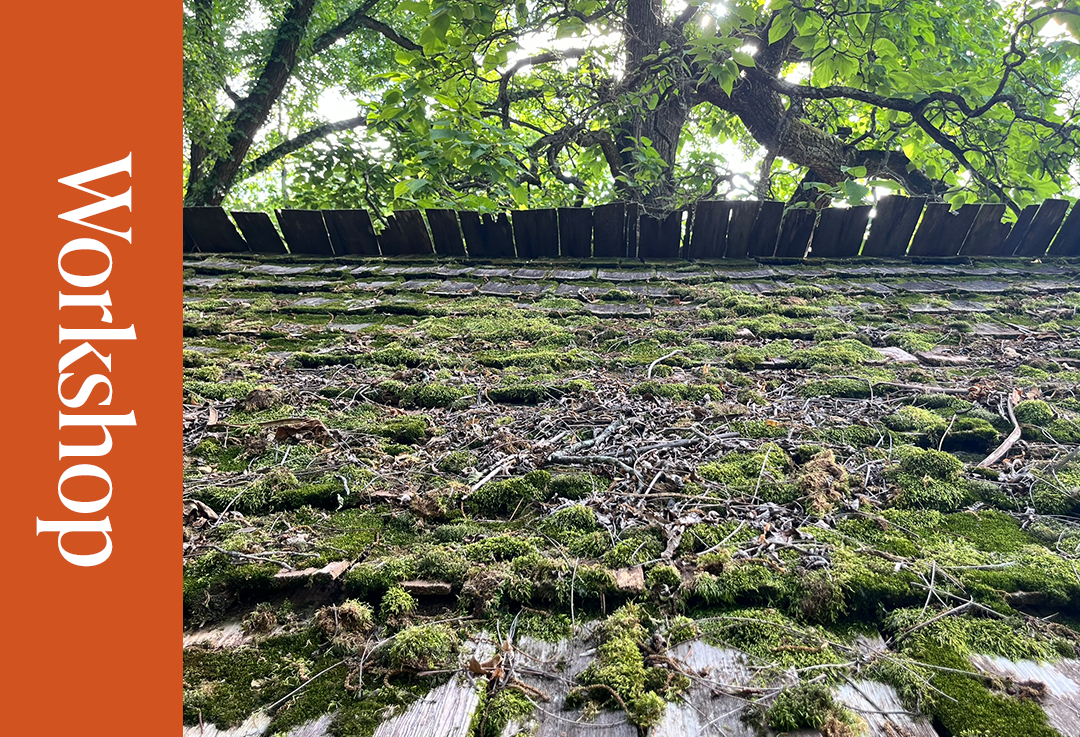
October 28 Workshop: National Register of Historic Places Overview (10:00 a.m./Michael Mayes)
| |
October 29 Workshop: Section 106 of the National Historic Preservation Act (NHPA) (10:00 a.m./Kristina Wyckoff)
| |
October 30 Workshop: Historic Preservation Tax Incentives Program Overview (10:00 a.m./Lynda Ozan)
| | |
Can’t attend a session or missed one that sounded great? Please visit the Oklahoma State Historic Preservation Office’s YouTube channel for past events at www.youtube.com/@okshpo.
For more information or to register for classes, please contact Lynda Ozan at lynda.ozan@history.ok.org or 405/522-4484.
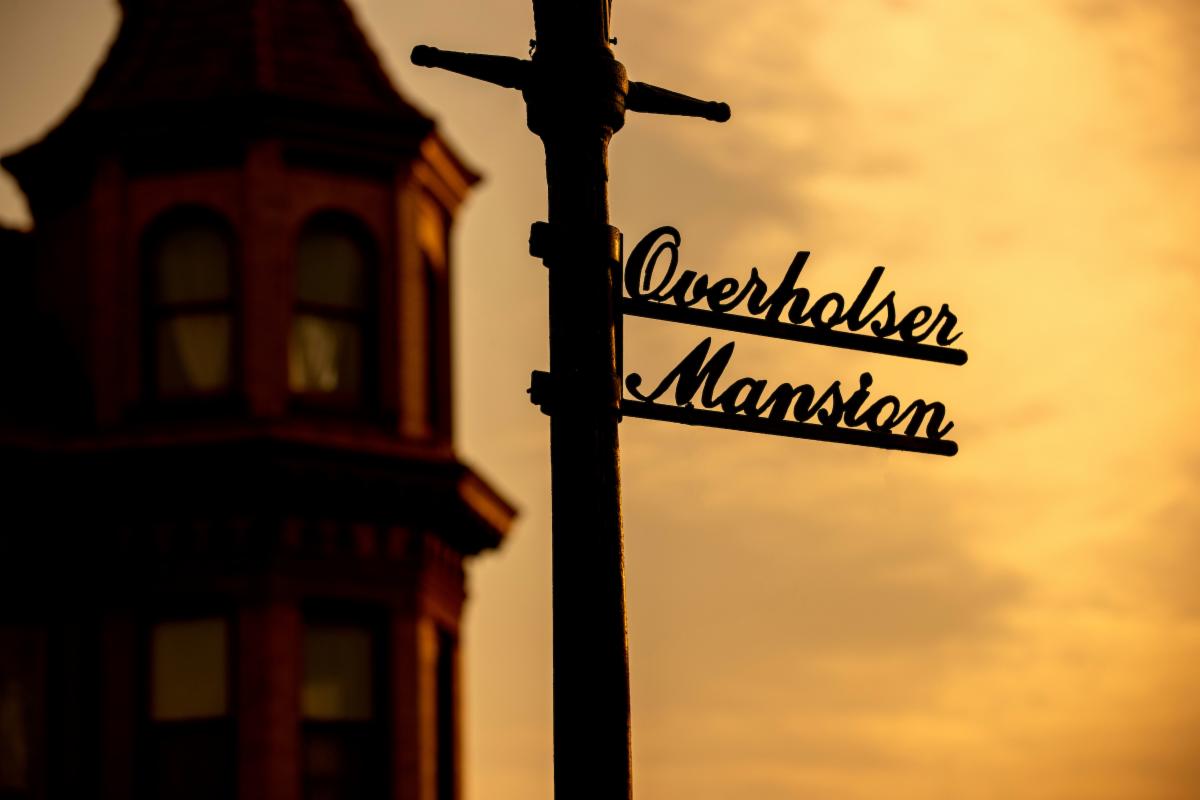
| | Events at the Henry and Anna Overholser Mansion | | |
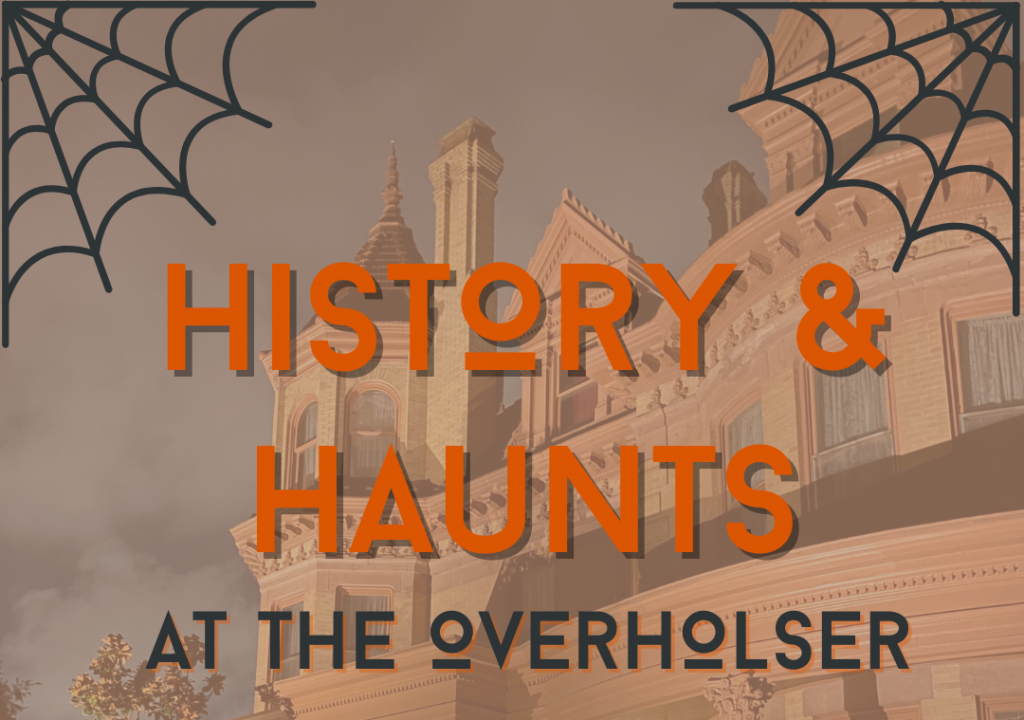
Visit the Henry and Anna Overholser Mansion during the month of October for History and Haunts at the Overholser! These evening tours at the historic home will take place on October 10, 11, 18, 24, 25 and 30, from 7 to 9 p.m.
Each evening will begin with a brief introduction in the carriage house, followed by an after-hours tour of the mansion. Visitors will see the home in its nighttime splendor, learn the history of the home and its former occupants, and discover why some say they are still roaming the halls! The tour will give time for guests to explore the historic home on their own.
Visit overholsermansion.org/history-and-haunts for more information and to purchase tickets.
| | |
OK | Preservation Advocate
October 2025
Volume 2, Issue 1
| | | | |