|
Preservation in Crisis
Historic places come in all shapes and sizes in Oklahoma. They embody the history, culture, and stories of our earliest Native American ancestors to modern times. Since 1976, the Historic Preservation Fund (HPF) has provided State Historic Preservation Offices (SHPO) and Tribal Historic Preservation Offices (THPO) across the country with funding to help preserve our nation’s historic places. The HPF is provided from Outer Continental Shelf oil and gas lease revenues not tax dollars. Most recently, our Congressionally appropriated fiscal year 2025 funding through the Historic Preservation Fund has not been released. With the call to eliminate the HPF for SHPOs and THPOs in the fiscal year 2026 budget, there is grave concern that many of these offices will not remain.
Preserving history does not happen by accident. It happens because people throughout time have fought to create laws to protect our history, to protect our communities, and to protect our resources. The Oklahoma SHPO plays a small but vital role in supporting everything from Main Street revitalization and building rehabilitations to environmental reviews and disaster recovery.
What does this mean in Oklahoma?
The SHPO is charged with the responsibility to oversee the National Register of Historic Places, Section 106 review and federal agency consultation, Historic Tax Credit review for both the state and federal programs, and coordination of our Certified Local Governments program, as well as other duties such as the Centennial Farm and Ranch program and ArcGIS mapping. With no federal funds, the Oklahoma SHPO has no choice but to reduce contracts, limit project funding, and ultimately, reduce staffing.
Despite the lack of funding, the programs, as prescribed by federal law, must carry on. However, with the reduction in staff, delays in project reviews will likely occur which could hold up development and infrastructure work. There may be missed opportunities for federal and state tax credits that revitalize our downtowns, both metropolitan and rural. It could also cause a breakdown in communication, consultation, and coordination between tribal nations, federal partners, and community members. At worst, it will mean the loss of historic places that matter to our communities, state, and nation.
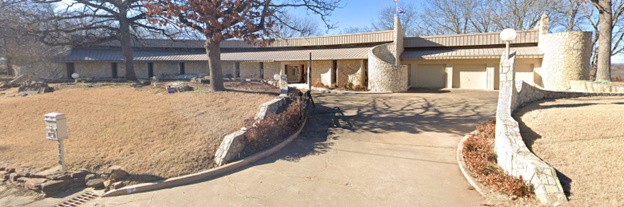
People across Oklahoma depend on the SHPO. Projects that have depended on the SHPO's participation include large-scale redevelopment such as the Mayo Hotel in Tulsa, First National Center and the Skirvin in Oklahoma City, and the Sunset and Vogue Apartments in Lawton to the smaller-scale developments such as the Hotel Dale in Guymon, Sharp’s Pawn Shop in Bartlesville, and 120 E Broadway in Ardmore. Major federal undertakings that have depended on the SHPO include the crosstown in Oklahoma City, cell towers across the state, new bank construction in Luther, and many bridge replacement projects. If the federal funding for SHPOs and THPOs is eliminated, economic and cultural values are gone.
For over 50 years the states have developed an integrated system that has worked to conserve, rehabilitate, and save historic resources. Removing the SHPOs and THPOs from the federal funding will be devastating for our country, for our state, and for our economy. SHPO staff sign up for these positions because they see the greater good; we are public servants with a clear and concise mission. We strive to collaborate with and empower communities to celebrate, preserve, and commemorate our historic resources through stewardship and public education with a focus on progress and economic stability within the state of Oklahoma.
While some staff have already moved on to other jobs (for which we are grateful), those remaining will attempt to keep the programs moving smoothly for as long as we are here. We do not know for certain how long that will be. Please be patient with those of us who remain.
Just know that none of us wanted this. This was our family, and it is no more.
~ Lynda Ozan, Deputy State Historic Preservation Officer
|