Section 106: Where we stand in 2026 | | |
Section 106 sits at the center of several major federal regulatory and legislative efforts in 2026 — efforts that could reshape how federal agencies, states, Tribal Nations, and communities work together to protect historic properties.
Congress enacted the National Historic Preservation Act (NHPA) in 1966 after decades of federally funded projects erased historic neighborhoods, archaeological sites, and culturally significant places without regard for what would be lost. Imagine how different downtown Oklahoma City might look today if urban renewal had paused to consider the historic fabric it was removing. Consider how the Greenwood neighborhood might have evolved if a highway had not bisected it. And think about the impact on Tribal Nations if their cemeteries and sacred sites had been taken into account before federal construction began.
For sixty years, the Section 106 process has endured because it helps federal agencies make better, more informed decisions while balancing preservation with development. In Oklahoma, Section 106 has rerouted a project around the Honey Springs Battlefield; given a landowner the opportunity to voice concerns about an archaeological site before a bridge replacement; and ensured that the history of World War II prisoners of war was documented before a demolition. These examples are meaningful — and rare.
| Each year, 98–99% of federal projects submitted to the Oklahoma State Historic Preservation Office (OKSHPO) require no further consideration and move forward as planned. These projects are reviewed because the federal agency determined that its undertaking has the potential to affect historic properties listed in or eligible for the National Register of Historic Places. It is important to remember that Section 106 is the responsibility of the federal agency — not the SHPO/THPO, not an opponent, and not a private citizen. If SHPOs or THPOs were “controlling” the process, we would see far more than 1–2% of projects requiring additional review. | | |
Where do we stand today?
In July, the Advisory Council on Historic Preservation (ACHP) voted to advance a Notice of Proposed Rulemaking to revise the Section 106 regulations. View the proposed rule changes. Those proposed changes are now under review by the Office of Information and Regulatory Affairs (OIRA). Once OIRA completes its review, the rule will be published in the Federal Register, opening the formal public comment period — the first opportunity for anyone to submit comments that become part of the administrative record.
At the same time, Congress continues to debate broader permitting reform, and the Senate Energy and Natural Resources Committee is examining Section 106. While lawmakers across the political spectrum hold strong views on the NHPA, further consideration of the law has likely been put on pause until after the midterm elections.
| |
Opportunity to Improve the Process
There is broad agreement that Section 106 can be improved. But meaningful reform requires understanding what actually causes delays:
- Are federal and state agencies facing staffing shortages?
- Are projects initiated late or submitted with incomplete information?
- Is coordination lacking among federal agencies and consulting parties?
These are the questions that lead to effective solutions — not reforms for reform’s sake.
Without the NHPA, there would be:
- No checks and balances between the federal and state governments
- No thoughtful planning for cultural resources in federal undertakings
- No structured way to consider Tribal Nations’ cultural resources
- No mechanism to preserve the uniqueness of communities across Oklahoma
Most projects reviewed by OKSHPO never make the news. Yet every day, the Section 106 process helps preserve Oklahoma’s history while supporting practical, forward‑looking development across the state.
| | |
A Successful Federal-State Partnership:
50 Years in the Making
| | |
For half a century, the federal Historic Preservation Tax Incentives Program—administered by the National Park Service (NPS) in partnership with the Oklahoma State Historic Preservation Office (OKSHPO)—has been the nation’s most effective tool for promoting historic preservation and community revitalization. Commonly known as the Historic Tax Credit (HTC), the program provides a 20% federal tax credit to property owners who undertake a substantial rehabilitation of a historic building for an income‑producing use, all while preserving the building’s historic character. Oklahoma is fortunate to have a state HTC (20%) that mirrors the federal program, amplifying its impact—20% federal + 20% state = 40% overall.
The HTC is the largest federal program dedicated specifically to historic preservation. Its benefits extend far beyond bricks and mortar: it generates jobs, stimulates local economies, enhances property values, supports affordable housing, and increases tax revenue for federal, state, and local governments. In Oklahoma, the HTC has been instrumental in preserving historic buildings and attracting private investment in communities both large and small.
This isn’t hyperbole—Oklahoma has the numbers to prove it. In 2025–2026, the NPS and Rutgers University conducted their annual economic impact study of the HTC. Each year, three states are selected for detailed analysis; this cycle, the study expanded to include states with 10 or more certified HTC projects. Oklahoma was one of 26 states meeting that threshold. Of those, 19 states—including Oklahoma—reported more than $100 million in qualified rehabilitation expenditures.
| | Oklahoma's Total Impacts for FY 2025 | | | Category | Impact | | Total Rehabilitation Costs | $164,400,000 | | Jobs | 1,908 people | | Income | $73,000,000 | | GDP | $97,700,000 | | Output | $164,400,000 | | Local Taxes | $2,900,000 | | State Taxes | $3,100,000 | | | |
Jobs represent both part-time and full-time employment generated across industries.
Income reflects wages, salaries, and proprietor earnings.
Output measures the value of shipments as reported in the economic census.
Taxes include revenue generated for state and local governments.
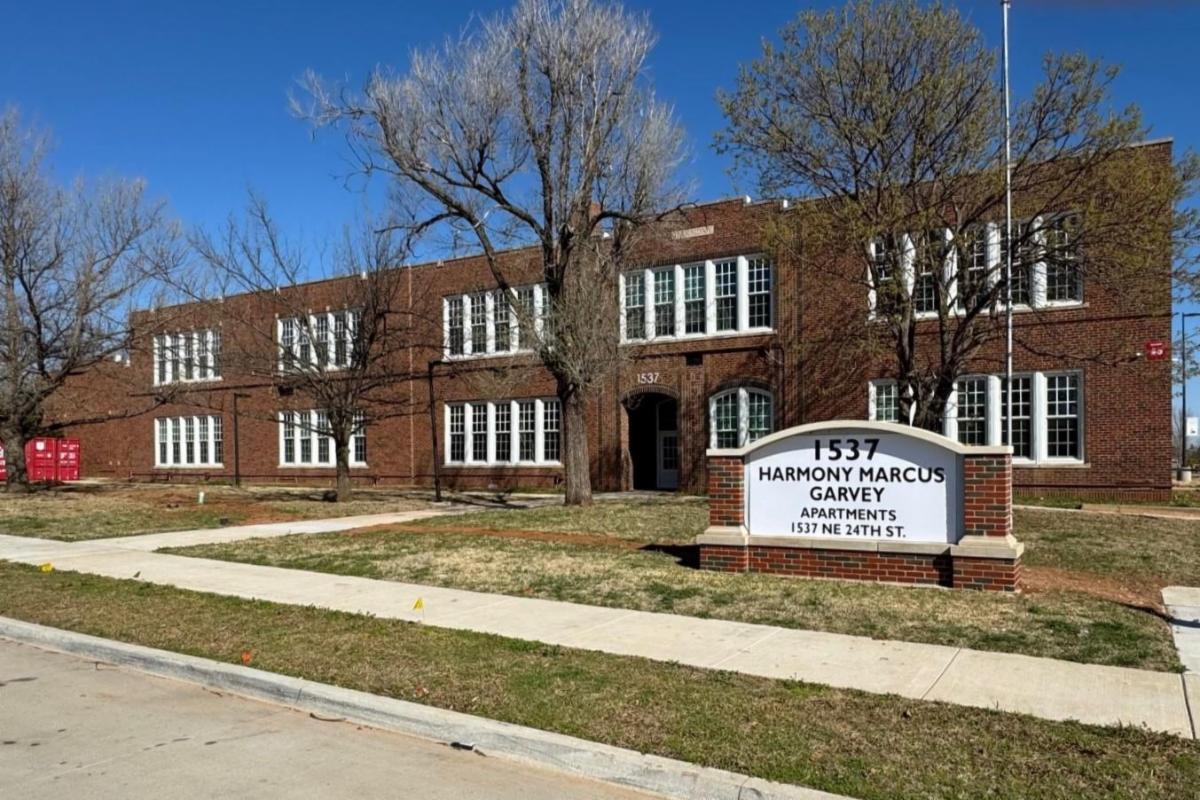
| | These numbers aren’t just impressive – they illustrate why Oklahoma’s HTC program has become a powerful engine for preservation and reinvestment. HTCs have been central to revitalizing historic districts, protecting cultural landmarks, and attracting private investment across Oklahoma. By aligning preservation goals with private‑sector incentives, the HTC serves as both a financial tool and a heritage safeguard—encouraging reinvestment while ensuring that America’s historic buildings remain part of our shared legacy. | | Harmony School, Oklahoma City, Oklahoma County. Courtesy of the OKSHPO. | | |
SHPO Seeking Input for 2027 Virtual Programming
The State Historic Preservation Office is gathering input to help shape its 2027 virtual programming lineup. Your feedback will help the SHPO identify preferred formats, relevant topics, and engaging speakers for upcoming preservation-focused sessions.
| |
2026 SHPO Calendar of Events (October-December)
It is hard to believe that we are quickly approaching the end of 2026. There are still opportunities to participate in the State Historic Preservation Office’s virtual learning sessions. Remember, there are no registration fees to attend. For more information, call 405-521-6249 or visit okhistory.org/shpo/events. Note: If you have a disability and need accommodation, call 405-521-6249 at least two (2) days before the event.
CONTINUING EDUCATION OPPORTUNITIES: Many of these programs meet the requirements for HSW hours/State of Oklahoma's Board of Governors of Licensed Architects, Landscape Architects, and Interior Designers, and for professional development hours/Oklahoma State Board of Licensure for Professional Engineers and Land Surveyors. The OKSHPO will email certificates of attendance upon request after the event, and participants will self-report or document their attendance in accordance with the policies of their respective boards.
Register online at okhistory.org/shpo/register.
Please check our website for updates at okhistory.org/shpo/events.
| | | |  | |
Historic Preservation Review Committee Meeting (1:30 p.m., Dr.
Leroy H. Fischer Boardroom, 800 Nazih Zuhdi Drive, Oklahoma City, and virtually via Teams)
SHPO Lunch and Learn: "Building Failures, Common Mistakes, and Best Practices: A Conversation with Old Home Rescue" with Morgan Reinhart and Sara Werneke (12 p.m.)
| | | | | |
SHPO Workshop: Historic Preservation Tax Incentives Program Overview (10 a.m. with Jason Tippeconnic Fox)
SHPO Workshop: Section 106 of the National Historic Preservation Act (NHPA) (10 a.m. with Kristina Wyckoff)
SHPO Closed
SHPO Workshop: National Register of Historic Places Overview (10 a.m. with Michael Mayes)
SHPO Closed
SHPO Closed
| |
Make hay while the sun shines
Stories from Oklahoma's Centennial Farms and Ranches
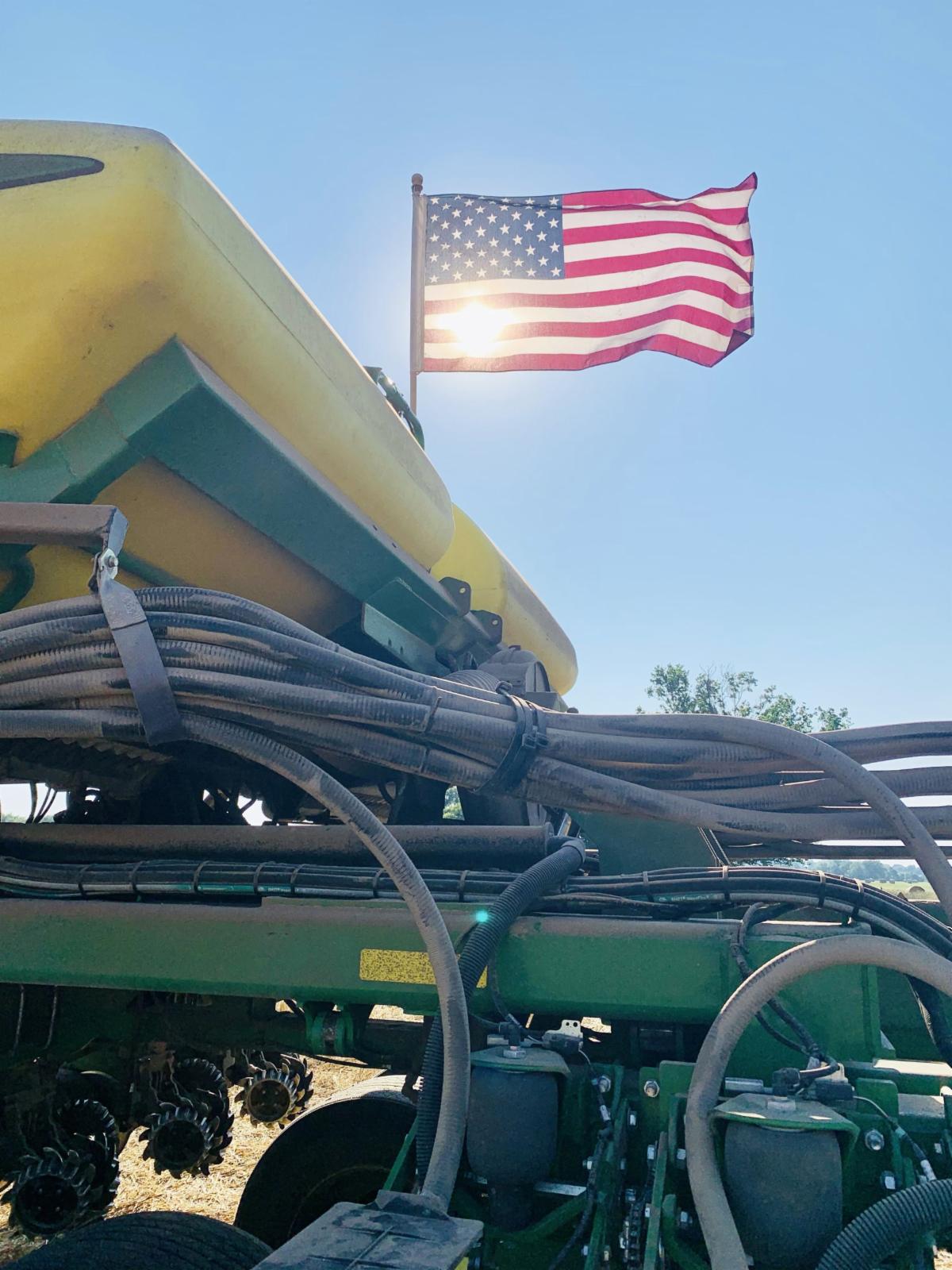
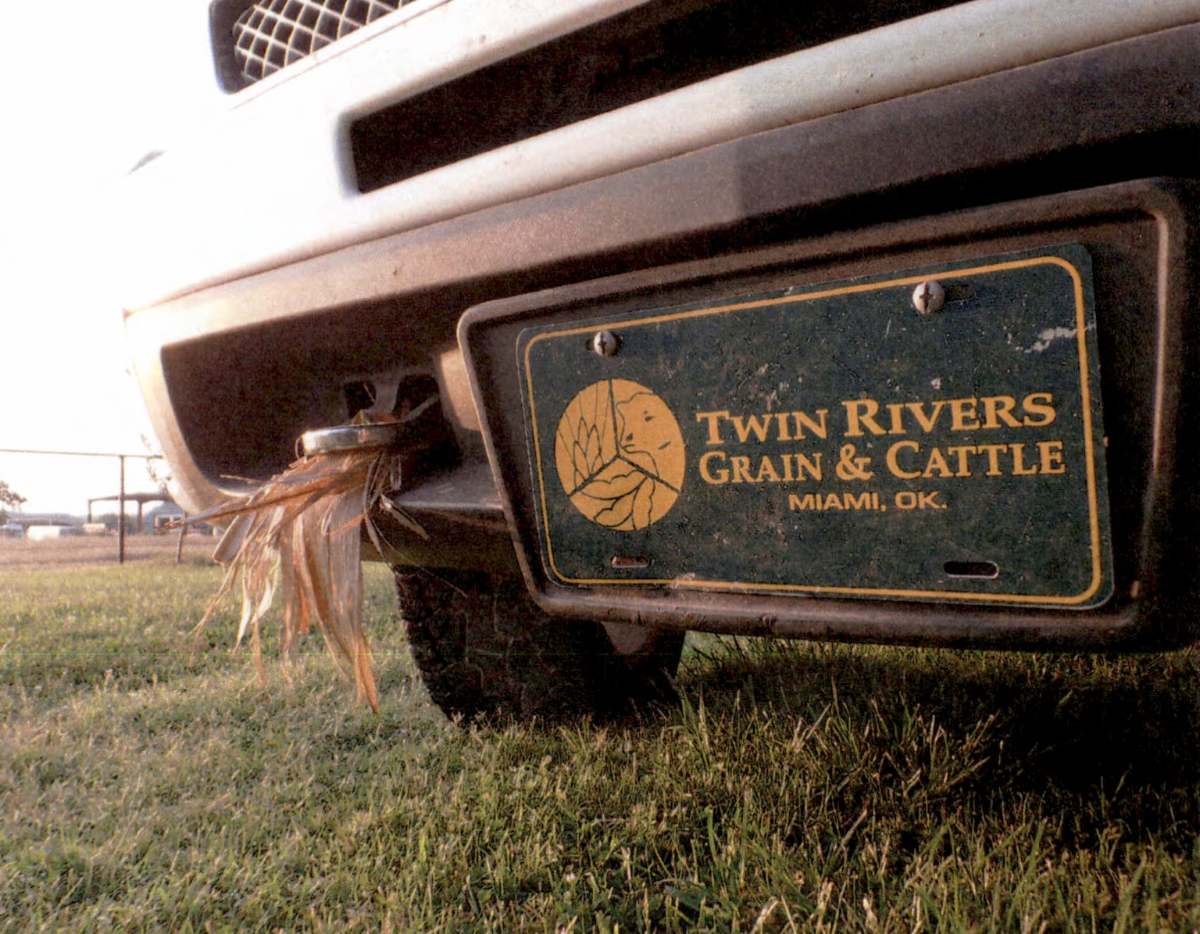
| | US Flag behind split row planter on Twin Rivers Grain and Cattle LLC property.
Image courtesy of OKSHPO/Centennial Application | |
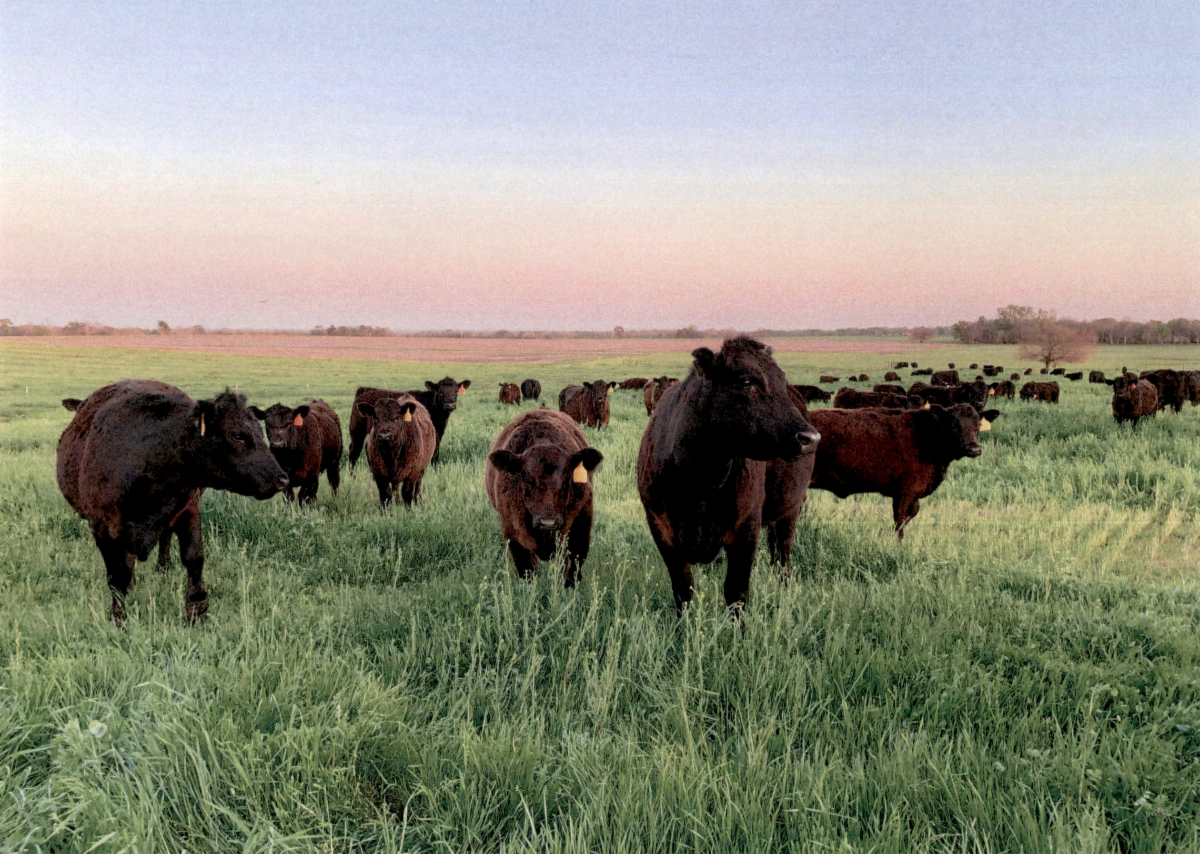
In 1918, Omalee (Lee) Kent Davis purchased the original portion of the Twin Rivers Grain and Cattle LLC farm, which is one of the Oklahoma Centennial Farm & Ranch Program's 2026 recipients.
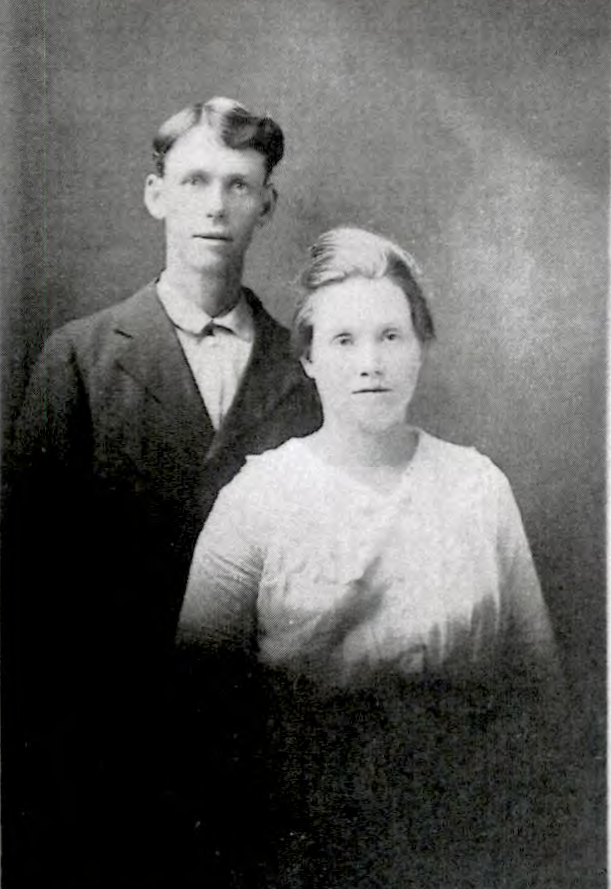
In 1887, Lee Davis was born near Ottawa, OK. He married Nora Edna Landers in 1908 at the bride's father's home, and they lived within 2.5 miles of the wedding site for over 70 years. Lee Davis was not only a farmer but was many other things—an ordained minister, a telegrapher for the Santa Fe railroad, and even a streetcar conductor in Kansas City.
| | |
Left: Omalee (Lee) Kent Davis and Nora Edna Landers Davis, 1919.
Images courtesy of OKSHPO/Centennial Application
| | Lee and Nora built their first home, a two-story rock and log home, along with a large chicken coop, barn, and outhouse. The family raised beef cattle, milk cows, and chickens, and grew tomatoes, among many other things.
Diaries from 1926 indicated Nora and the family churned and made eight pounds of butter and hulled and canned two tubs of peas at a time. They also pickled cucumbers and made sauerkraut that would ferment on the back porch. Nora made scratch rolls, pies, and noodles, buying only sliced bread from the store. For every birthday, Nora would make a homemade angel food cake.
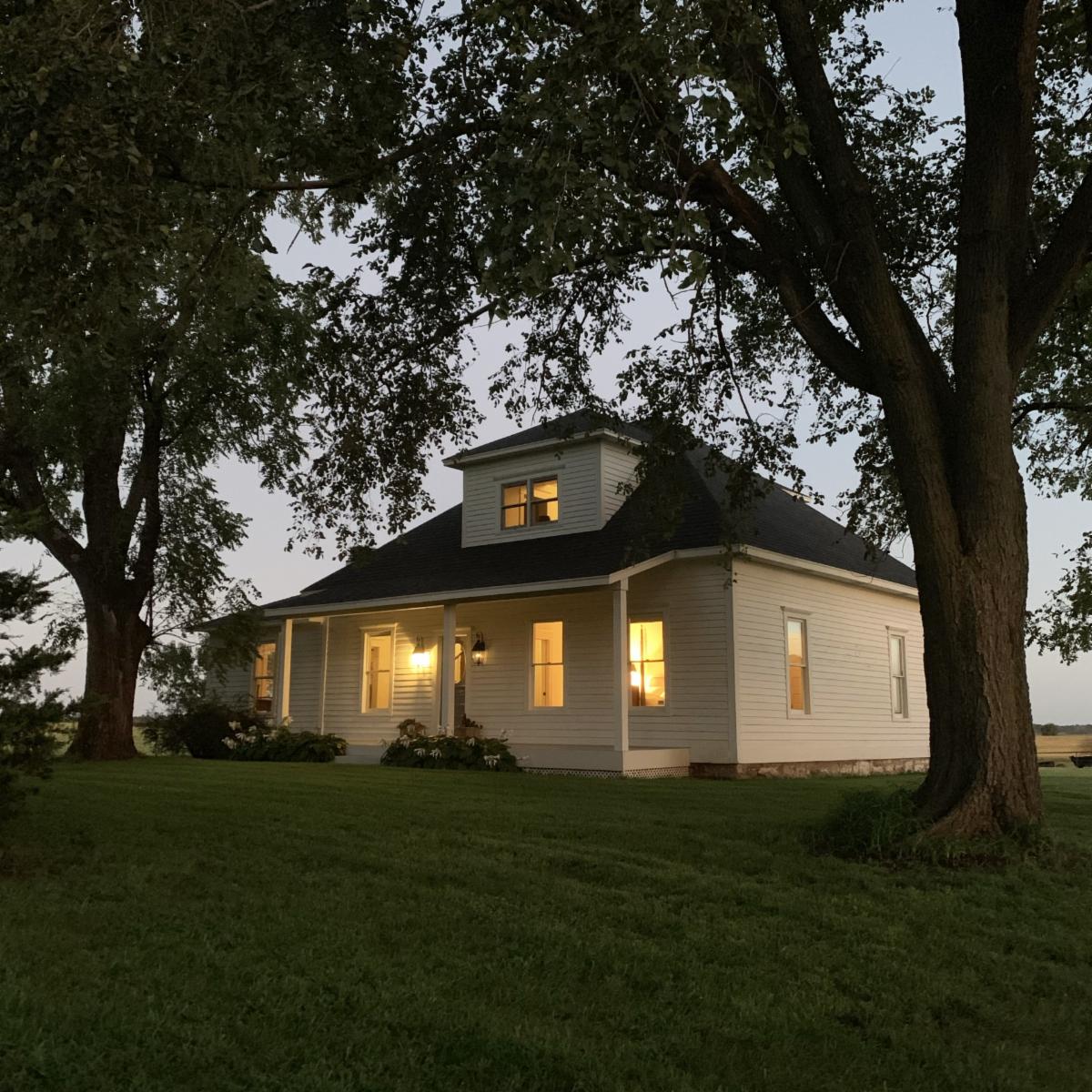
The Davis family bought their first car in the 1930s, acquired electricity and phone service in the 1940s, and finally obtained indoor plumbing in 1970. | | Twin Rivers Grain and Cattle LLC Farmhouse; Image courtesy of the OKSHPO/Centennial Application | | |
The Davis family has since restored the farmhouse, paying attention to its historic authenticity. The original baseboards, trim, hardware, and heart pine floors were restored or reconstructed, and salvaged elements were found in Oklahoma and surrounding states. Work was also done on the multi-use barn and the rock barn. In addition to the Oklahoma Centennial Farm designation in May 2026, the family also received the Historic Structures Award.
Learn more about the Oklahoma Centennial Farm & Ranch Program by visiting okhistory.org/shpo/farmandranch.
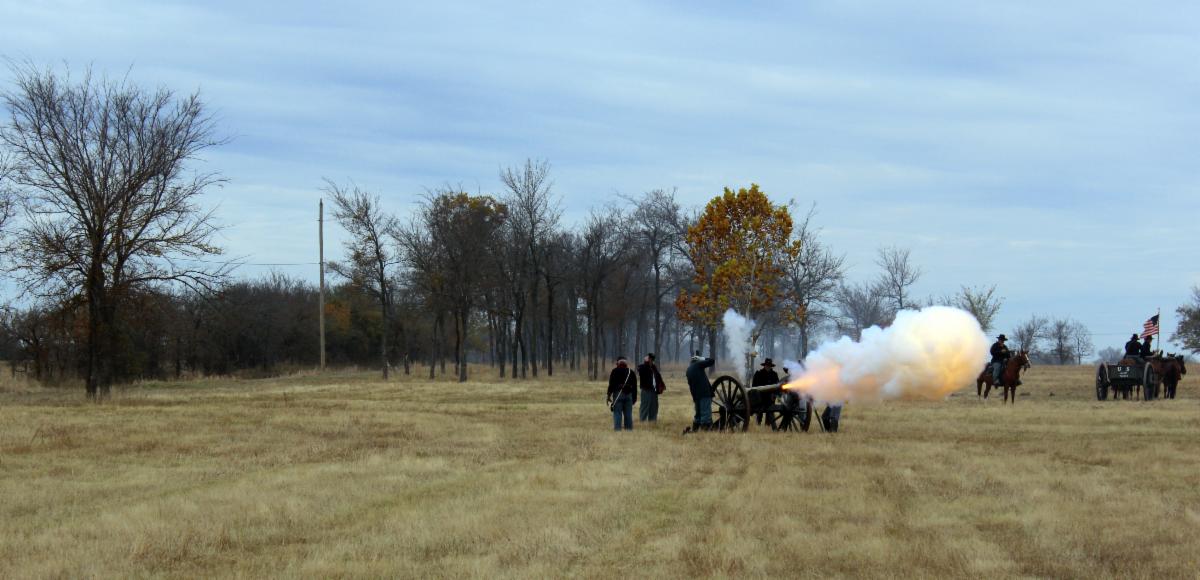
| | Masthead photo credit: Honey Springs Battlefield Re-enactment. Courtesy of Jack Ozan. | | |
OK | Preservation Advocate
October 2026
Volume 3, Issue 1
| | | | |