|
LEGISLATIVE REPORT
FEBRUARY 24, 2026
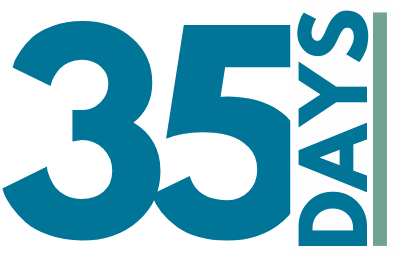
| | SECOND EDITION | SESSION'S HALFTIME SHOW: FIRST CHAMBER DEADLINES ARRIVE | | Priorities and actions for health centers this legislative session | | 2026 OREGON LEGISLATIVE SESSION SNAPSHOT | | How long is the 2026 Legislative Session? | | |
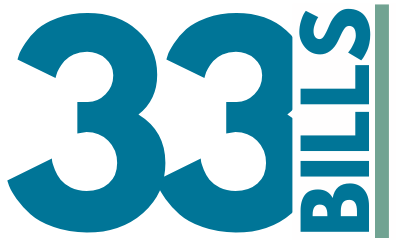
How many bills is
OPCA tracking?
| | FIRST CHAMBER DEADLINES ARRIVE | | First chamber deadlines mark the midpoint of the legislative session and require that bills be passed out of their chamber of origin to remain viable. If a bill is not moved out of its policy committee by this time, it is generally considered dead for the session. However, as is always the case in politics, there are special procedural maneuvers to keep certain concepts alive that did not quite make the cut off. One of the most typical practices is to amend a bill into another bill that still has a shot at reaching the legislative finish line. Despite all the nifty ways you can keep legislation alive, this milestone does significantly narrow the field of active legislation. During Oregon’s short 35-day session, these deadlines carry even greater weight, as the truncated timeline leaves little room for delays. | | When Politics Pause Policy: Walkouts and Ballot Battles | | |
Against this already constrained timeline, Senate Republicans engaged in a brief but strategic walkout, denying the Senate quorum and therefore preventing floor votes. The walkout stems from an ongoing dispute over a referendum (a process that allows voters to approve or reject a law passed by the legislature) related to last session’s major transportation funding package. The package included a controversial six-cent gas tax increase as well as other revenue changes aimed at raising $4.3 billion for road maintenance over the next decade.
While Republican opponents successfully referred the law to voters, the current conflict centers on when the public should be able to cast their vote. Democratic lawmakers have pushed to move the referendum to the May primary election, while Republicans have advocated for keeping it on the November general election ballot. The dispute is largely fueled by the fear that including the gas tax on the ballot in November would draw out more of the Republican voter base and jeopardize seats for Democrats.
| | |
Walkouts are often used to force negotiations behind closed doors, and since the Republican Senators returned to the building, we can assume there were some concessions made.
While the walkout was not directly related to the specific policy proposals under consideration for this session, it carries broader implications because of how it impacts the legislative process. Walkouts can significantly slow the legislature’s ability to move through its docket of bills, including those with broad bipartisan support, by halting floor votes and compressing an already short timeline. This pressure is especially acute during a short session, where lawmakers have only 35 days to advance legislation through both chambers. As a result, even brief disruptions can create procedural bottlenecks that threaten the advancement of both controversial and noncontroversial bills alike.
| | Balancing the Budget, Buying Time | | |
In the background of all this political posturing, lawmakers are still working to close the state ‘s budget shortfall. Senate Bill 1507, which would partially disengage Oregon’s tax code from certain federal tax provisions enacted under H.R.1, is expected to bring approximately $311 million back into the state. The bill has already passed the Senate and advanced out of the House Revenue Committee. Given the Democratic supermajority in the House, it is widely expected to pass and be signed into law. As one would imagine, the bill is contentious and deeply partisan. Republican lawmakers and business groups have expressed opposition, arguing that the proposal could discourage business investment and slow economic growth, while supporters have framed it as a necessary step to preserve funding for essential services.
If enacted, the additional revenue, combined with lower-than-expected agency spending trends from the last biennium, should reduce the projected budget deficit to approximately $100–200 million. In terms of state budgets, this amount is much easier to balance. Legislative leaders believe it can largely be addressed by holding vacant positions open at state agencies. On the positive side, this means that there will likely not be major programmatic cuts in this session like many had feared. However, the reality is that while this approach provides near-term stability, the fiscal challenges our state will face due to H.R.1 cannot be avoided.
| | |
In anticipation of these constraints, the Governor has directed state agencies to prepare budgets that do not require new state funding. This means that 2027 will likely be a very limited landscape for new programs, grants, or investments from state agency partners. This paints a clear picture of the environment advocates are likely to face in the 2027 session: lawmakers operating with limited financial flexibility and reduced capacity for new investments. Although SB 1507 represents an attempt to stabilize the state’s finances, it does not offset the anticipated long-term revenue losses in the state. As a result, the 2027 sessions will likely prove to be even more difficult with heightened competition for limited state resources.
While this outlook may feel daunting, moments like these also present a powerful opportunity: uncertain times can spur transformation and innovation. There is no better time than the present to strengthen your relationships with your elected officials, ensuring they understand the role health centers play in their communities. When difficult funding decisions arise, these relationships can make a difference.
| | |
The Board of Pharmacy initially reviewed our bill (HB 4131) and attached what is known as a fiscal impact. When an agency attaches a fiscal to a bill, it indicates that the agency believes implementing the policy would require additional state resources. In the current legislative environment, bills with a fiscal impact face significantly greater barriers to passage due to limited funding and competing priorities. In response, OPCA engaged in targeted advocacy with the Board of Pharmacy, and after further discussion, agency staff agreed with our assessment that the bill was unlikely to generate a huge influx of applicants. As a result, the Board has removed the fiscal impact from the bill!
In case you missed our last legislative report, here is a brief overview of what HB 4131 does.
| | |
What is the goal of House Bill 4131?
Current law limits mobile pharmacies to operating only during declared public health emergencies. OPCA is seeking legislative support to modernize this statute by allowing mobile pharmacies to operate on an ongoing basis for the following entities:
- FQHCs
- Hospitals
- Critical Access Pharmacies
- County Governments
| | | What it does: This bill sought to pause the ability of the Cost Growth Target Program to levy fines against organizations that had exceeded the predetermined acceptable amount of health care cost growth. The program is a statewide health care cost containment and accountability initiative modeled after similar programs in other states. The program is designed to monitor health care spending growth, promote greater transparency, and provide the state with a mechanism to hold payors and providers accountable for excessive increases in health care costs. | Status: This bill is not moving forward. | | OPCA Commentary: OPCA opposed the measure due to concern that this singular change to the program would weaken the State’s ability to control the growing cost of health care. OPCA believes that thoughtful refinement, revisions, or a replacement of the program is a far more appropriate path forward to preserving cost containment efforts in Oregon’s health care system. | | What it does: This bill was introduced by the Oregon Nurses Association (ONA) to protect workers who provide patients with immigration-related information and resources from employer retaliation. Under the bill, any employer interference or retaliatory action could be reported as a complaint to the Bureau of Labor and Industries (BOLI). | What the Amendment does: If adopted, the amendment would narrow the scope of the bill to protect workers who distribute materials that have been formally approved by a state agency only. | Status: This bill is currently making its way through the legislative process awaiting a vote by the full Senate. | | OPCA Commentary: As conversations around Oregon’s Medicaid program become increasingly dire, OPCA believes it is an important piece of the puzzle to see which employers are contributing to the utilization of our state’s Medicaid program. | | Status: This bill is currently moving through the legislation process, and it has a work session scheduled in Joint Ways and Means. | | |
Danielle Sobel, MPH
Policy and Regulatory Affairs Senior Director
| |
Erin Woods
Health Policy Analyst
| | |
Marty Carty
Governmental Affairs Director
| |
Dani Gehrke
Communications and Engagement Manager
| | | | |