February 2021
Published by the Oregon Office of State Fire Marshal
|
|
Oregon Invests in Preparedness and Response Systems |
|
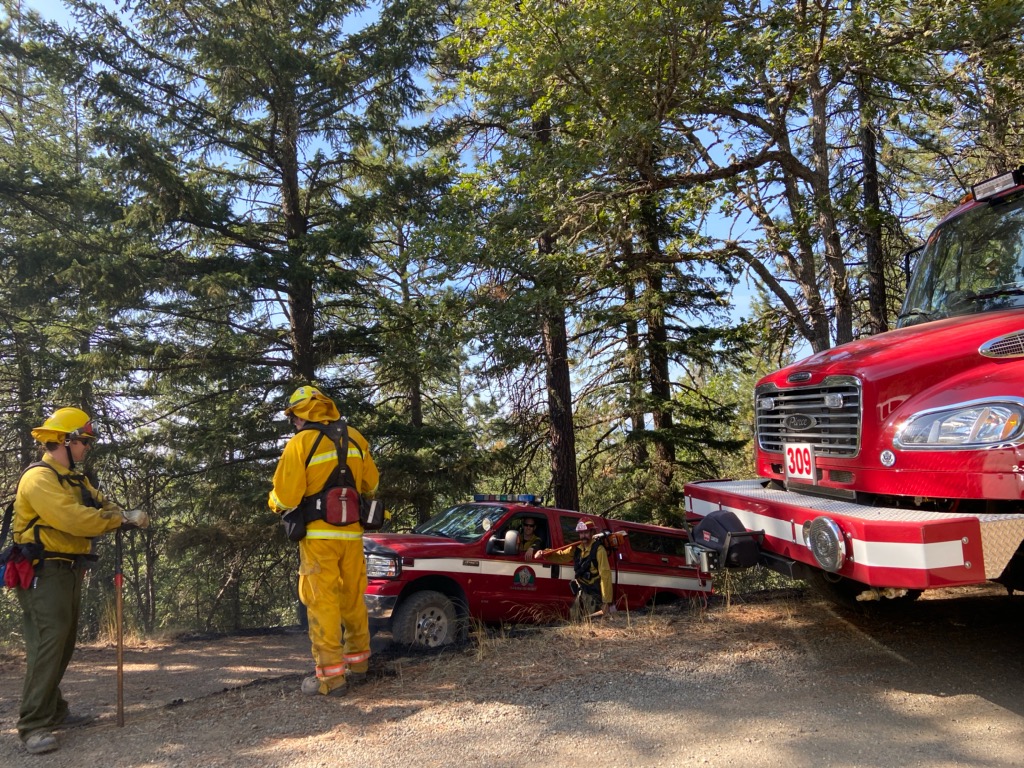
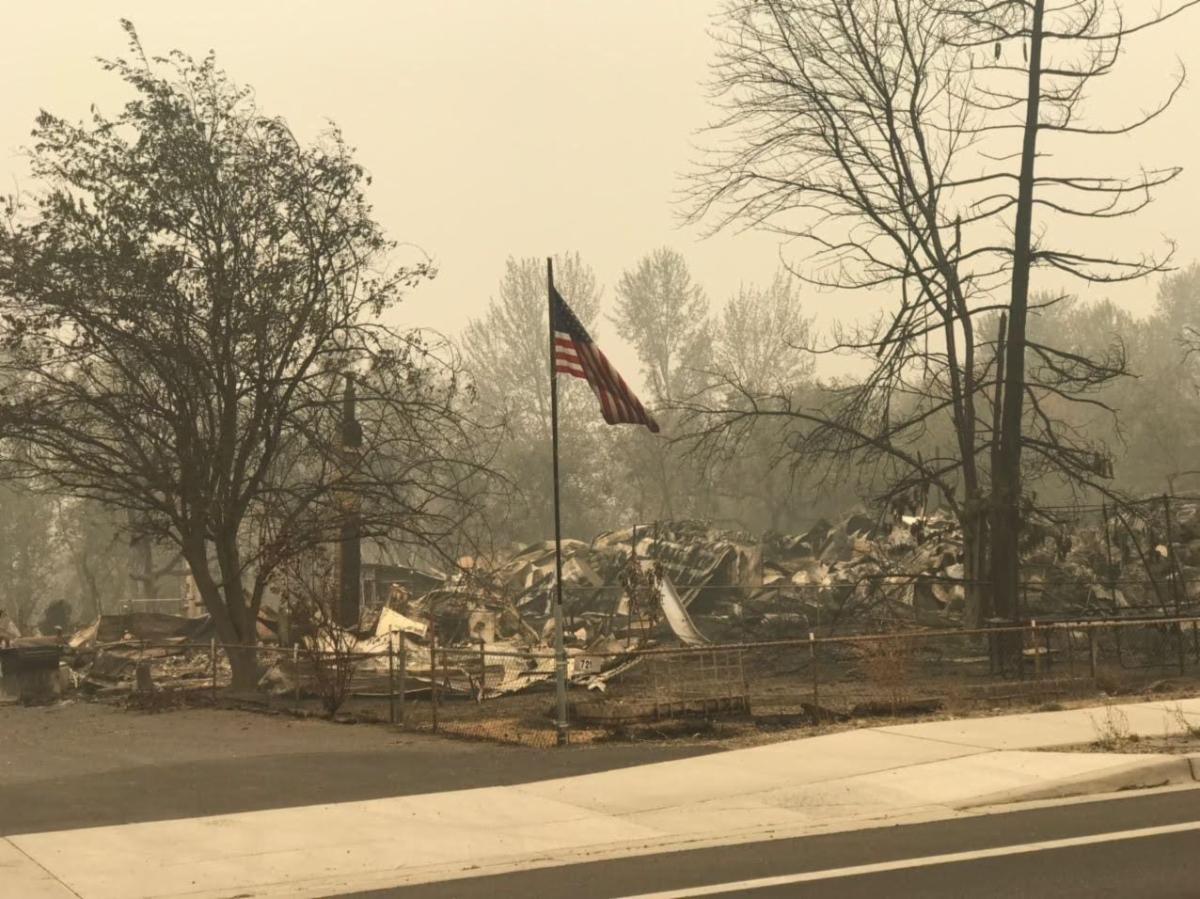
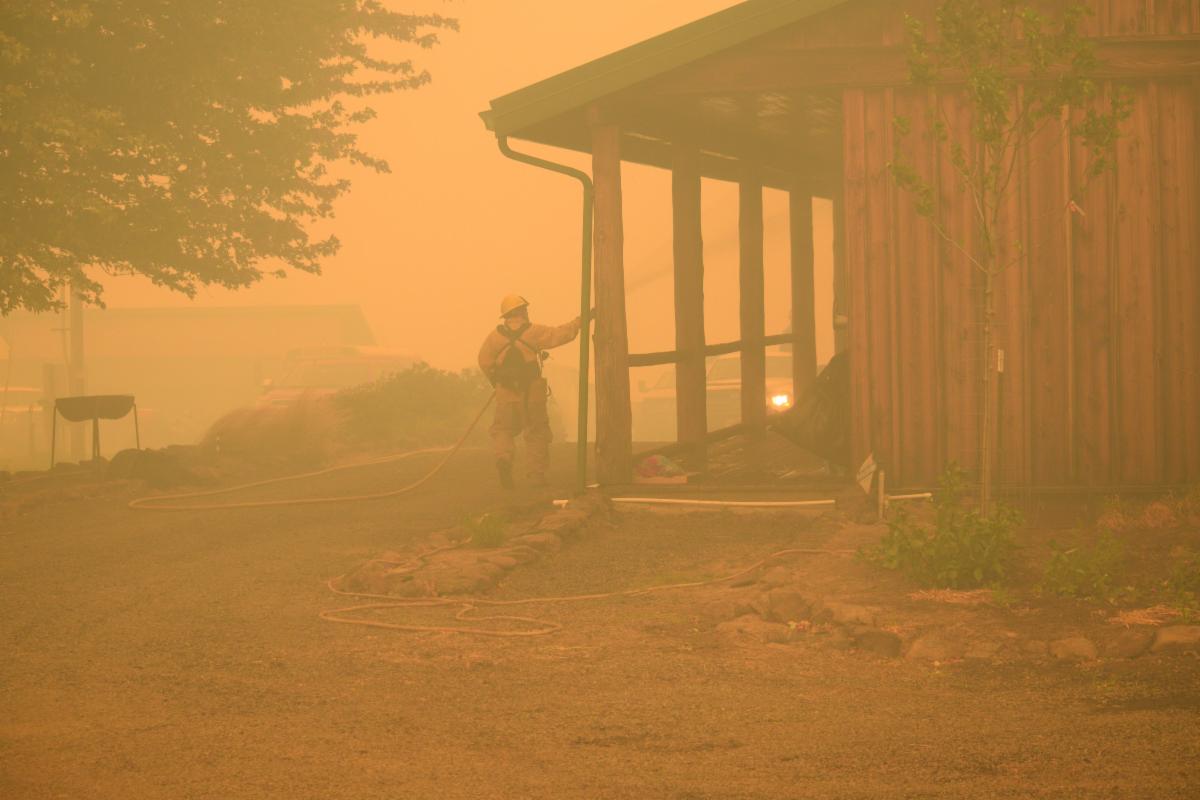
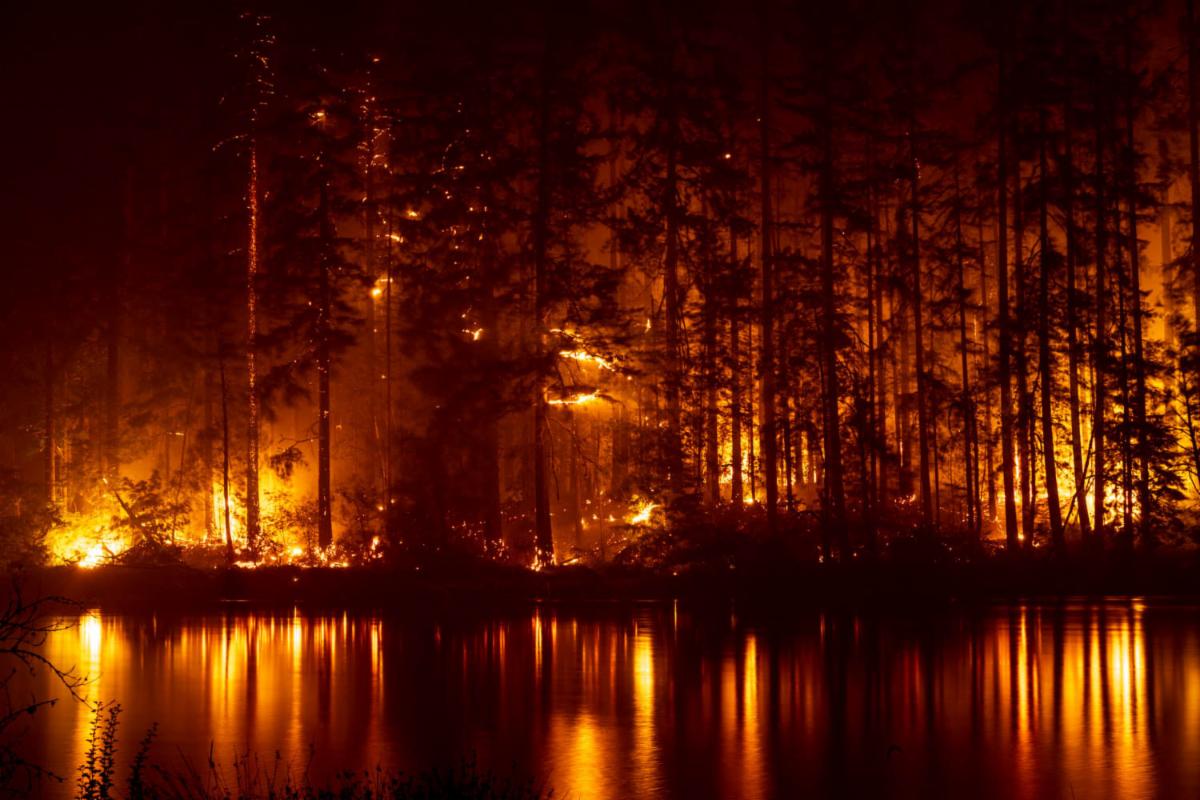
The devastating wildfire seasons of the last decade have challenged the Office of State Fire Marshal and demanded a level of response our agency is not adequately staffed for. The work that we have completed with the Fire Service Listening and Understanding Tour and the Governor’s Wildfire Council has identified adequate response, fire-adapted communities, and resilient landscapes as the tenants for a comprehensive wildfire protection system.
What is clear is that investments and modernization of the Oregon Fire Mutual Aid System (OFMAS) is necessary to adequately respond to the growing complexity of Oregon’s wildfire conditions. In January, the OSFM was awarded, through the Emergency Board, $4 million dollars in investment for suppression and response focuses. This allocation will fund 25 limited duration positions and a grant program for the Oregon Fire Service through the remainder of this biennium (June 30th). These dollars are a one-time investment, and our office will be seeking permanent funding during the 2021 legislative session to continue these new practices into a permanent ongoing process
Given this new reality and as we look to future fire seasons, these additional investments ensure that the OSFM, and the more than 300 local fire departments that we partner with frequently can adequately respond when Oregon’s communities are at risk. Of the 25 new positions, 14 will support modernization of the mutual aid system for emergency response. This includes capacity in technology, safety and planning, as well as to provide regional staff and resources to support mutual aid plans, training, and conflagration readiness and response.
|
|
Eleven new positions will implement the Fire Adapted Communities and Community Preparedness goals identified in the Governor’s Wildfire Council Recommendations and the Fire Service Listening and Understanding Tour These positions will focus on wildland urban interface data, research, and technology, as well as field positions to support prevention, education, and risk reduction work within communities.
This investment is critical to providing our first responders with the greatest potential for successful suppression and fire-control efforts by mitigating some of the conditions that have contributed to the increasingly catastrophic fire behavior we have seen in recent years.
The OSFM will be opening a grant opportunity for Oregon Fire Districts and Departments focused on investments for prevention and preparedness efforts, training, equipment, and other needs. This grant will be rolled out in Feb. with selection and awards by June. Stay tuned for details on formal process and information.
Please know that as we implement new programs and staff we will continue to lean on the advice and relationships of our fire service partners to ensure we move forward thoughtfully and intentionally. We know there will be bumps along the way, but we look forward to the work and next phases. Thank you to the many of you who advocate and support our office.
|
|
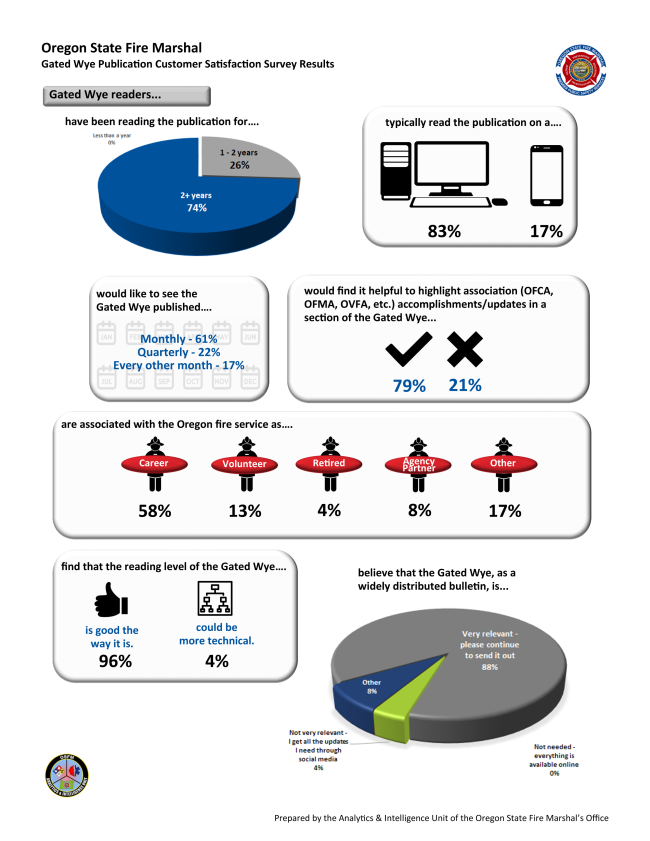
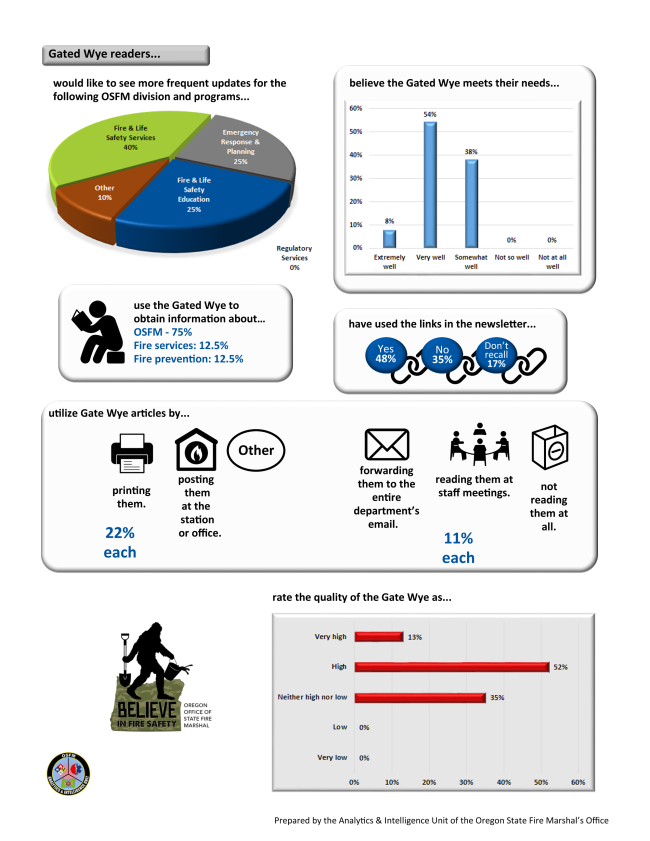
We heard from you! The Office of State Fire Marshal is proud to present the findings from our 2020 Oregon Fire Service Gated Wye survey. We appreciate all the positive feedback and we are equally interested in hearing how we can improve. Thank you to all who invested the time to help us better grasp what you would like to see in future editions. |
|
Oregon Fire Service "Spotlight" |
|
Based on the survey results, the OSFM is excited to showcase a new column highlighting the great work of the Oregon fire service. Each month a new fire agency will be spotlighted. This month we are introducing Mt. Angel Fire District with a feature article written by Chief Jim Trierweiler presenting their accomplishments. |
|
by Chief Trierweiler
Mt Angel Fire District is mostly volunteer comprised of a volunteer staff of approx. 40. We have a half-time paid fire chief, one full time office administrator, and about a half dozen part time staff personnel that job share another administrative support position.
Like most volunteer fire agencies, we struggle to find new volunteers to meet our growing needs. Our staff ranges in years of service all the way from the assistant chief at 35 years, and our recent recruits at less than one year of service. Our combined average is 9.75 years of service.
We participate with our counties conflagration deployment plan that is a rotating list set up many years ago. Last year Mt Angel had crews on conflagrations totaling 36 days. The Conflagration participation has been a huge win for our district and volunteers. Not only has participating in these conflagrations provided real life experiences and exposure to large incident management and mitigation, it has also provided a revenue stream that has allowed us to improve our wildland firefighting equipment.
|
|
In 2020, we replaced our 1988 type 6 engine with a brand-new unit that we estimate to have saved local taxpayers approximately $100k. One of our volunteer staff that owns a local autobody repair shop and committee designed and built the truck they wanted after seeing many different ones on conflagrations. Here is a picture of the truck. This engine was fully funded after earmarking funds raised by participating in the Oregon conflagration system. |
|
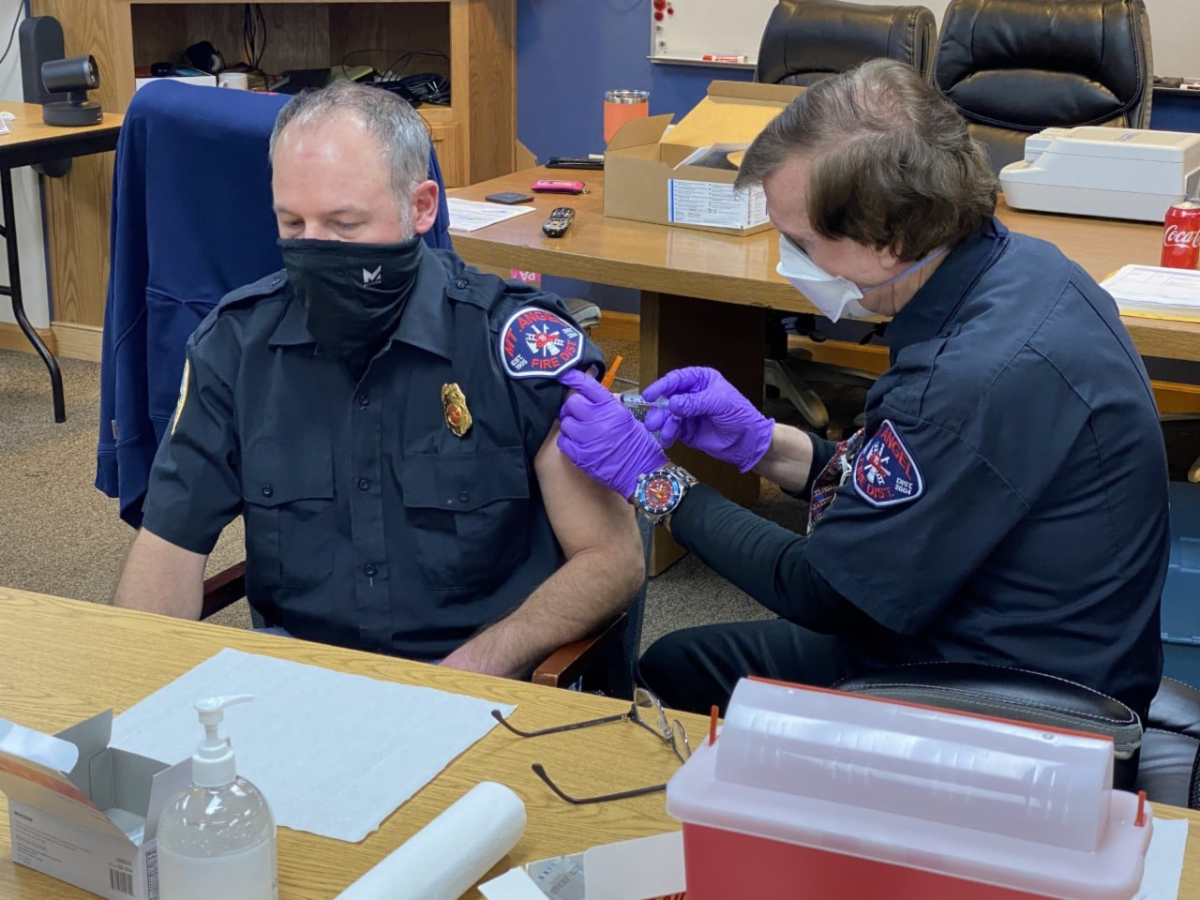
Our most recent endeavor was identifying the need to get our staff, and neighboring fire and police agencies vaccinated against Covid 19 in a county wide partnership. We took all the necessary steps to become an approved vaccinating agency with Oregon Health Authority. This has grown into a bigger program than we anticipated. It did not take long for our community to become aware that we can provide vaccines, so we are now preparing to provide vaccines into groups outside of 1a as vaccines and eligibility become available. This has been a tremendous opportunity to provide a new level of customer service to the people we serve. |
|
I began my fire service career here in Mt Angel in 1991 as a volunteer. It didn't take me long to identify that I wanted to make a career out of it. Currently, I also work for the City of Salem Fire Department as a captain. I typically work my shift work there, and on my off-shift days spend 20 hours a week here in Mt Angel as the Fire Chief. Though, being a fire chief, you really don't get the luxury of clocking in and out, rather it's an "on duty" 24/7 position. I truly enjoy these opportunities and hope to leave the fire service even better that we found it someday.
I have served on the Marion County Fire Defense board the previous three years as an alternate chief. When a vacancy as the Marion County Fire Defense board chief became known in the spring of 2020, I agreed to fill that position on an interim status. How difficult could it be, right? We were managing as best we could with Covid at that time.
Then in September we experienced our worst wildfire season, and largest fire event in modern history to impact our county. We are very fortunate in Marion County to have great fire service partners that all came together to battle those events for many days. Like one of my previous fire chiefs once said, when you have great people working for you, it will always make you shine. I am not sure how shiny I personally was during those events, but I do know we had a great team county wide that worked tirelessly.
Many lives and properties were saved. Having lived through all these extreme experiences in 2020, I agreed to carry on as the Marion County Fire Defense Board Chief for another 3 years. I mean, how hard can it be, right? HaHa! In all seriousness, having dealt with a pandemic, vaccinating our county first responders, and the historic wildfires has made our county stronger and better prepared. Knowing that, it was an easy decision and honor to become selected as the Marion County Fire Defense Board Chief.
|
|
Oregon Statewide Initiatives Discussion |
|
Oregon experienced significant fire loss in 2020, and the Office of State Fire Marshal hosted a virtual meeting in early January for fire service partners. We engaged in a think tank forum to review statewide fire data and begin the process to prioritize, strategize, and influence fire prevention efforts in the State of Oregon.
Representatives from the Oregon Fire Chiefs Association, Oregon Fire Marshals Association, and a member of the public joined virtually for a review of the Oregon fire data picture. We began to assess the need for additional data sets, identify necessary points of data clarification, and begin the efforts to strategize on new or revised programs, concepts, or initiatives.
The group reviewed information collected from National Fire Incident Reporting System (NFIRS) data as it relates to fire, Census Bureau information as it relates to Oregon demographics, and some limited global information system mapping. Additional data analysis stemming from the group’s discussion will be further analyzed and presented later this year.
|
|
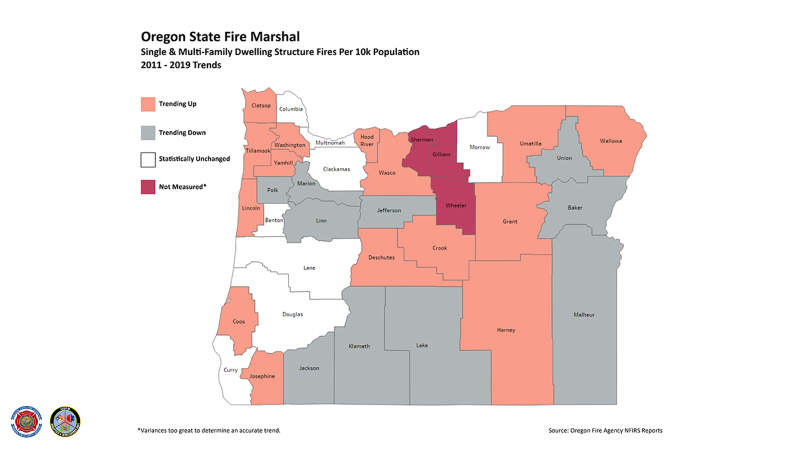
Residential Single & Multi-Family Home Fire Trends by County (2011-2019) |
|
Hazardous Materials by Rail |
|
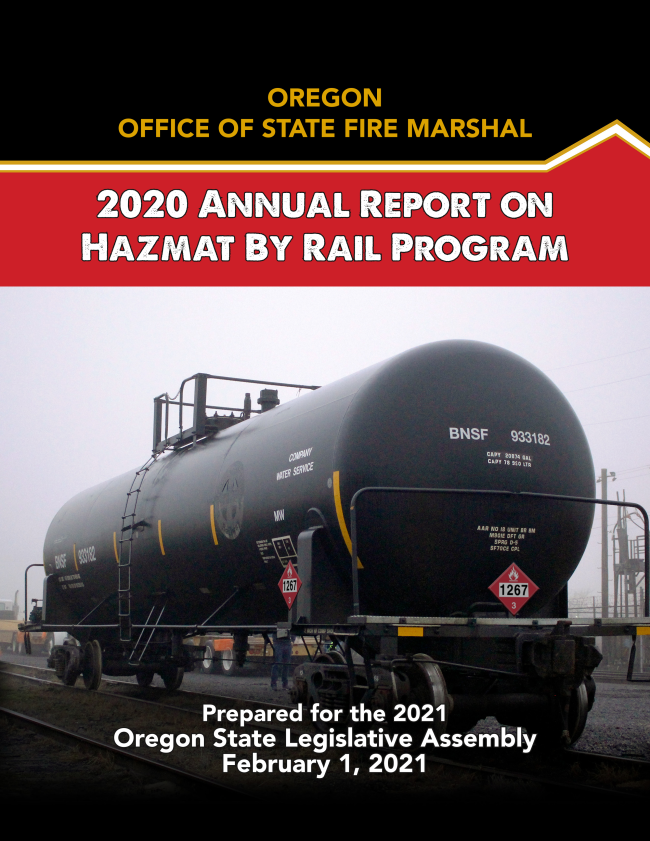
2019 Hazmat by Rail Report Now Available
Gov. Kate Brown signed legislation in 2015 relating to the safe transport of hazardous materials by rail. The law made changes to Oregon Revised Statute 453.307 to 453.414 relating to the safe transport of hazardous materials by directing the Office of State Fire Marshal (OSFM) to coordinate training, preparedness, and response planning activities with a specific focus on oil or hazardous materials spills or releases that occur during rail transport.
In part, this law mandates the OSFM to adopt by administrative rule (837-120-0520), a plan for the coordinated response to oil or hazardous material spills or releases that occur during rail transport, identify response resources (existing and needed), and to coordinate training for emergency responders.
In addition to this plan, the OSFM is required to submit an annual report to the Oregon Legislature. This report highlights significant investments by OSFM in training and response equipment throughout 2020. A new section of the report overlays the data from rail incidents, statewide commodity trends, and communities at risk to identify counties for critical program investment. A copy of the full report is available on the OSFM website https://www.oregon.gov/osp/programs/sfm/SiteAssets/Pages/Hazmat-by-Rail/2020_AR_HB3225.pdf.
For questions concerning the report, please contact our office.
|
|
Tent Use During Declared Emergencies |
|
The Office of State Fire Marshal (OSFM), in collaboration with the Oregon Fire Marshals Association (OFMA), and the Oregon Fire Chiefs Association (OFCA), developed a Joint Policy Bulletin (JPB) on tents and temporary structure use during emergencies.
This JPB was developed as a result of the 2020 wildfires and the continuance of the COVID-19 worldwide pandemic. The extent and magnitude of both disasters was swift and unpredictable, leaving affected homeowners and business owners alike with the need to use some form of temporary shelter, most commonly tents.
The intent of this document is to provide guidance and consistency to local fire officials, while working with business owners, or those offering shelter to ensure fire and life safety provisions are being met.
As identified in Oregon statute and the Oregon Fire Code (OFC), there are times when strict adherence to the OFC may not be in the best interest of the public and flexibility should be considered. When those rare occasions are identified, local fire officials have the authority to use their best judgement and implement like measures that provide an equivalent level of fire and life safety protection as outlined in this document.
It will take the utmost cooperation of business owners and local fire authorities alike, to work together and make sure these temporary adjustments and variances are carried out responsibly and safely.
Click on the below for the OSFM JPB No. 0006, Tent Use During Declared Emergencies
If you have questions or are in need of further information email osfm.flss@state.or.us or call 503-934-8256.
|
|
An earthquake early warning system, known as ShakeAlert and powered by USGS’s ShakeAlert system, is starting to test public alerting in Oregon on March 11, 2021. These alerts enable the public to take protective action before the shaking starts.
The Oregon Office of Emergency Management is hosting a series of free webinars in February. These 1-hour webinars are free to attend. Please follow this link to a registration page. Please share with your distribution lists. These webinars are not for the general public, but rather are focused on key partner groups.
Here are some brief talking points about ShakeAlert
- ShakeAlert infrastructure is already in place along most of the west coast and is operational for automatic-action systems such as water utility valve shutoffs and starting back-up generators.
- On March 11 in Oregon, the ability for the system to notify the public via Wireless Emergency Alerts (WEA) will begin. This important step allows ShakeAlert to reach the public to take protective actions to mitigate injuries, casualties, and infrastructure damage when the quake actually occurs.
- This date coincides with the 10th anniversary of the 9.0 M earthquake and tsunami in Tohoku, Japan.
- Even seconds of warning can save lives and infrastructure.
- It can also prevent cascading failures in the aftermath of an event. For example, isolating utilities before shaking starts can reduce the number of fire initiations.
|
|
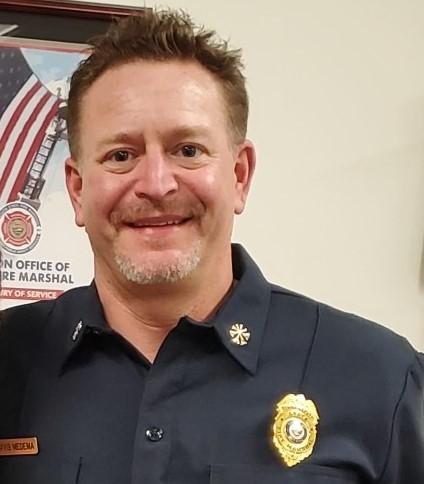
Please join us in welcoming our new Chief Deputy Travis Medema!
Travis has 26 years of service to the state of Oregon and his extensive background in executive leadership, policy, budget, and complex incident mananagment will serve our office well.
Travis' core strengths are relationships, policy, budget, legislative initiatives, fire response and management. These strengths align well with what lies before this office as we continue work with the fire service, cooperating agencies, and the legislature on improvements to our response systems and initiatives around rebuilding, community preparedness and recovery.
|
|
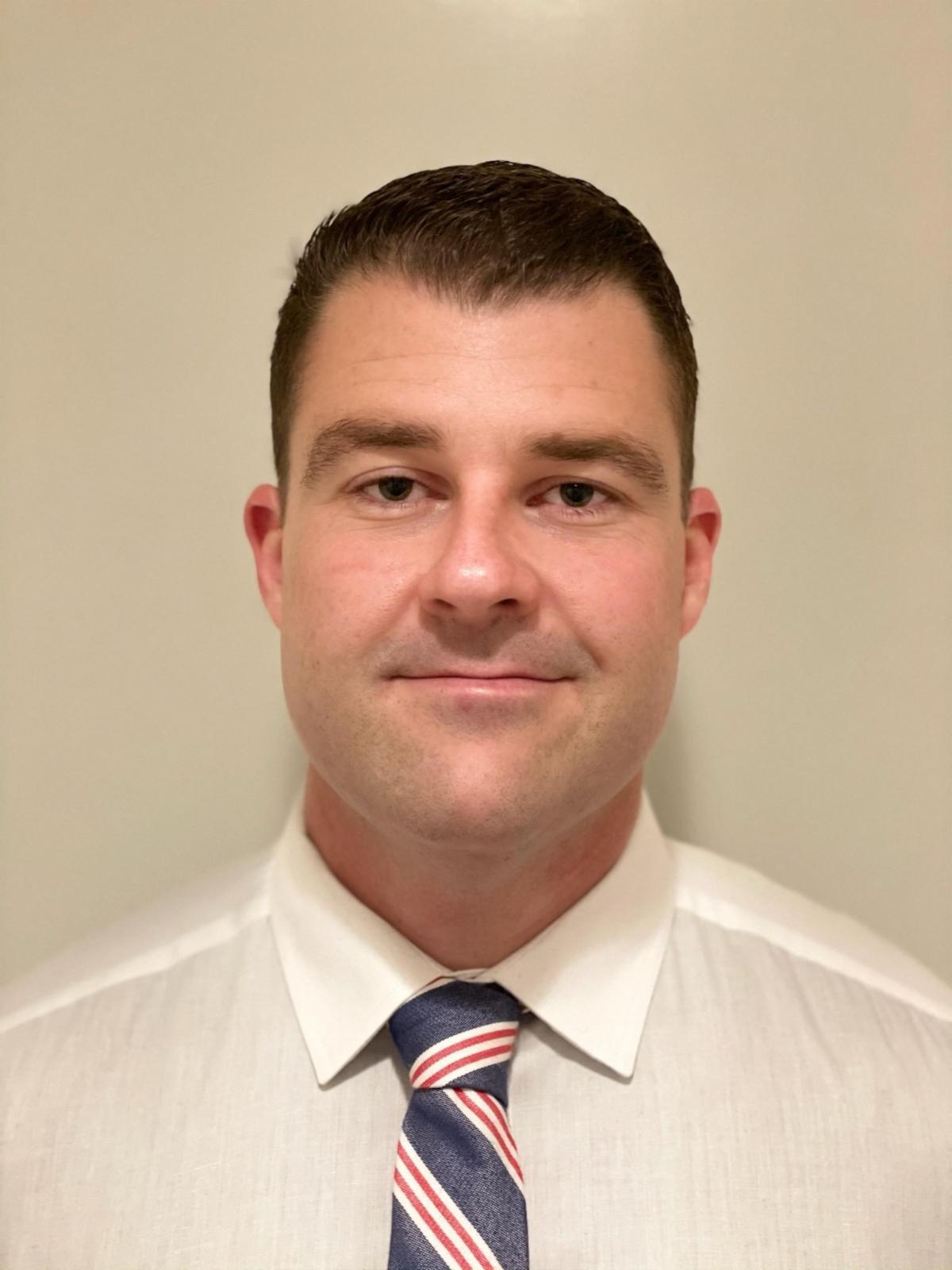
Please join us in welcoming new Deputy State Fire Marshal for Jackson and Josephine counties, Sam Lashley.
Sam comes to us from California where he brings a wealth of knowledge, training, and experience. Sam holds an associate degree in fire science and numerous certifications in fire operations, fire prevention, and fire investigation.
As a California native, Sam worked for various EMS and Fire agencies throughout S. CA, including Riverside County FD, San Bernardino County FD, and most recently, Santa Rosa City FD. Santa Rosa FD’s main station is regularly listed on the Nation’s top 25 busiest fire engines in the country, responding to around 5,000+ calls a year!
We are very fortunate and excited to have Sam join our team!
|
|
See what's happening on our social sites: |
|
|
|
|
|
|