|
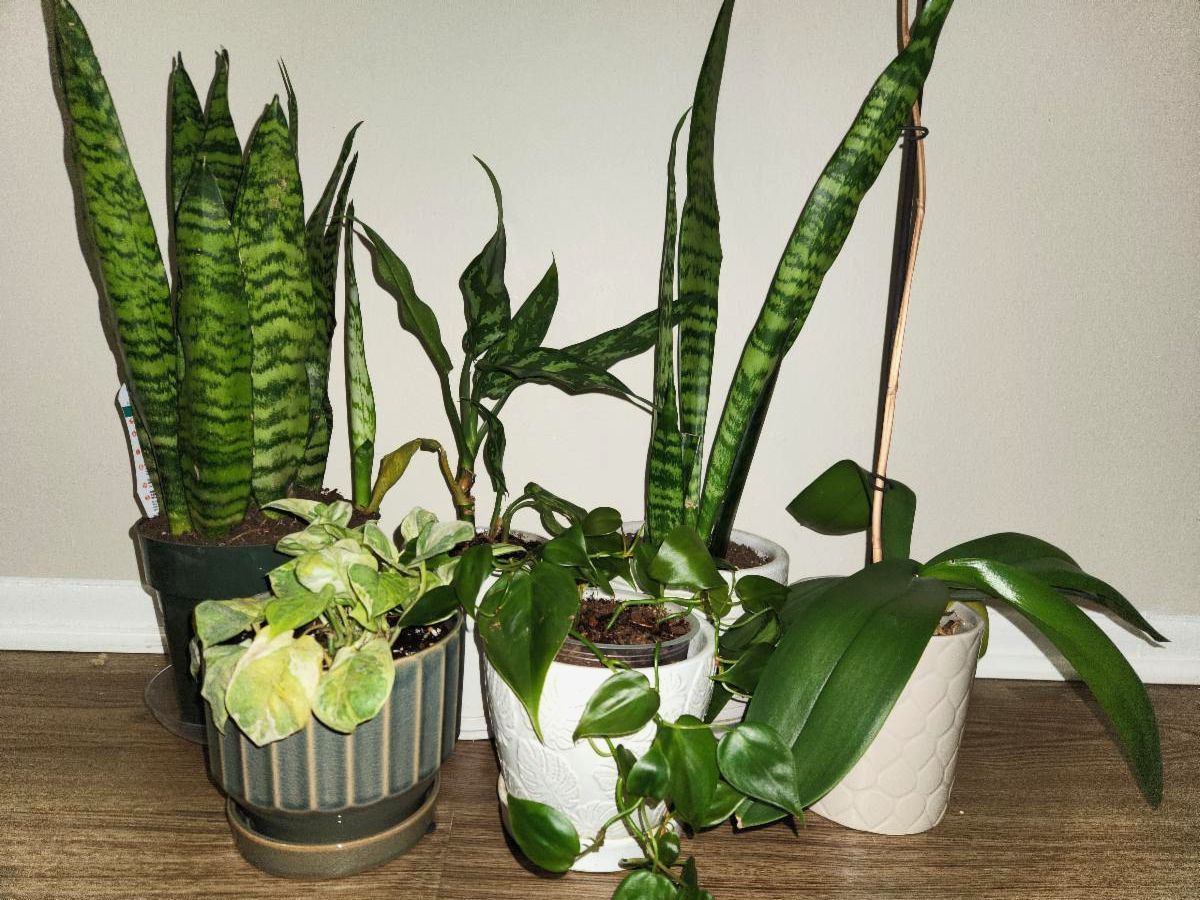
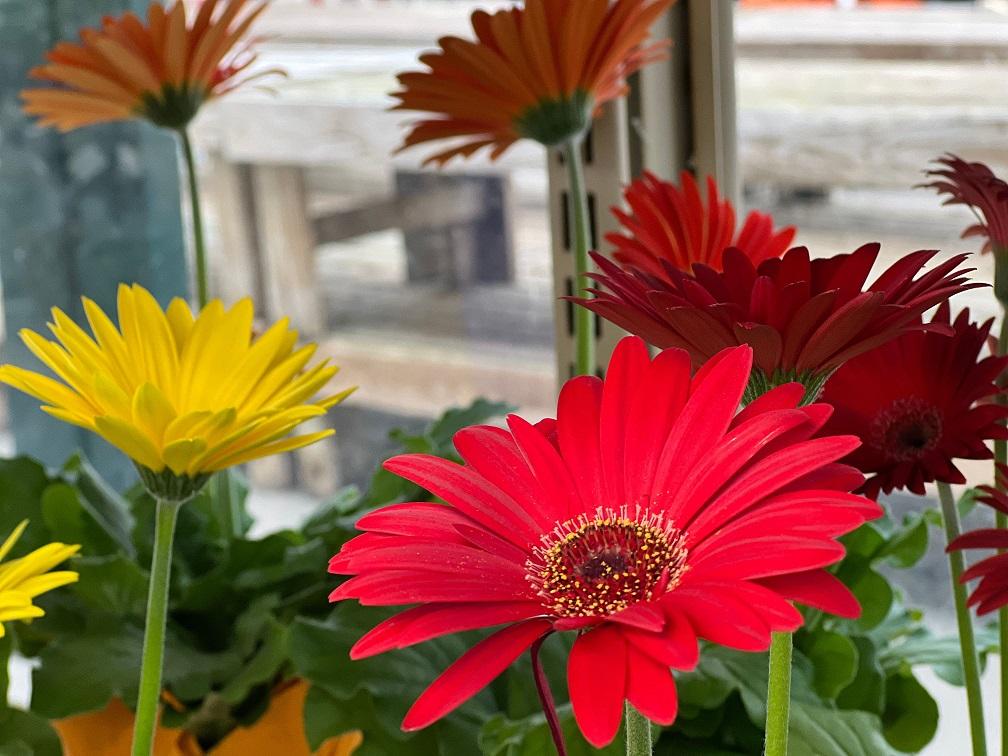
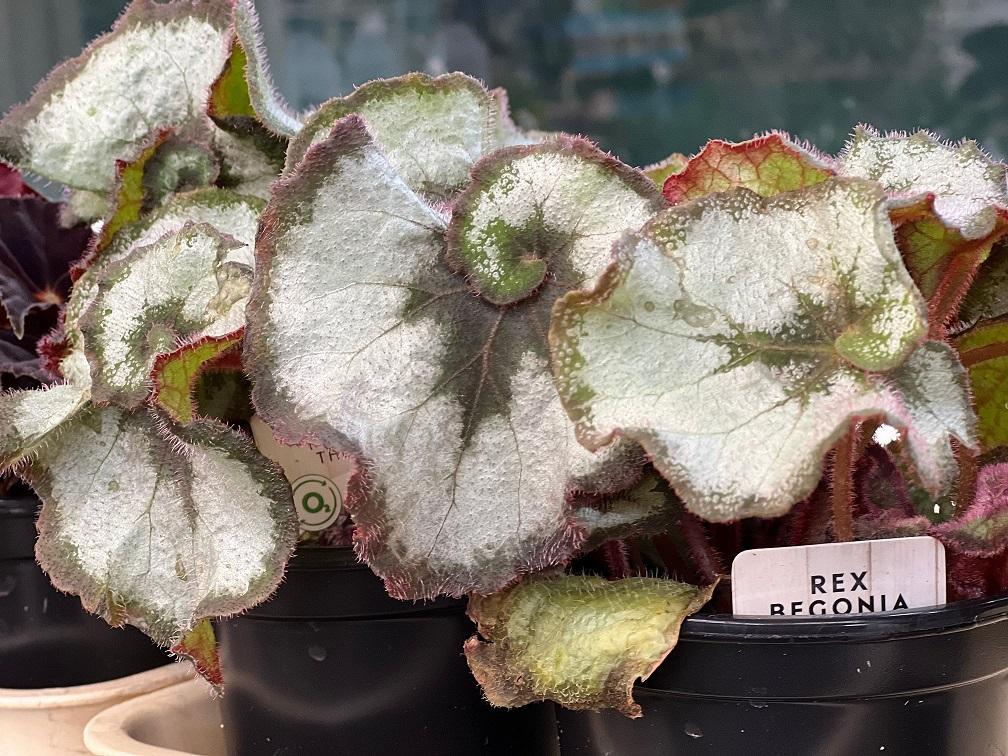
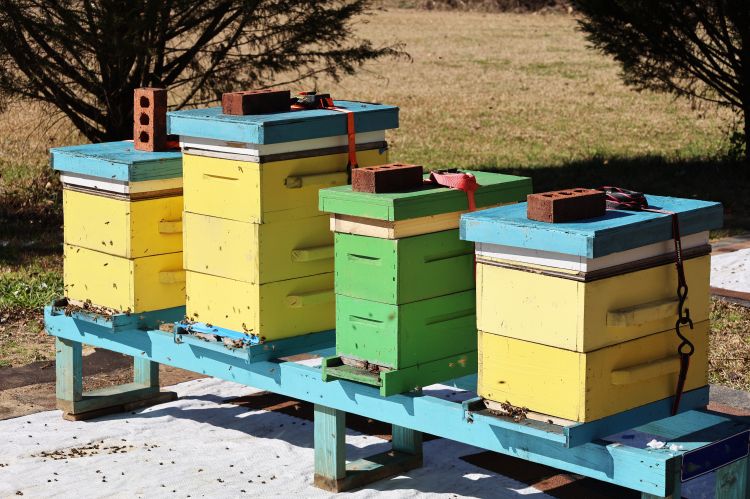
The winter provides the perfect opportunity to focus on our houseplants, bringing greenery and life indoors while the outdoor garden rests. Houseplants enhance our spaces, improve air quality, and offer a calming presence. Some great options include the Orchid (Phalaenopsis spp.), known for its elegant blooms; Pothos (Epipremnum aureum), a trailing vine with vibrant foliage; Philodendron (Philodendron spp.), a lush, fast-growing plant; Snake Plant (Sansevieria spp.), a hardy and low-maintenance choice; and Aglaonema (Aglaonema spp.), prized for its striking variegated leaves. These plants add beauty and resilience to indoor environments, making them excellent companions during the colder months.
Photo by: Melanie Fuhrmann
| |
The Oakland Gardener
February 2025
| |
|
Go Ahead: Buy the Orchid
By: Louise Sloan
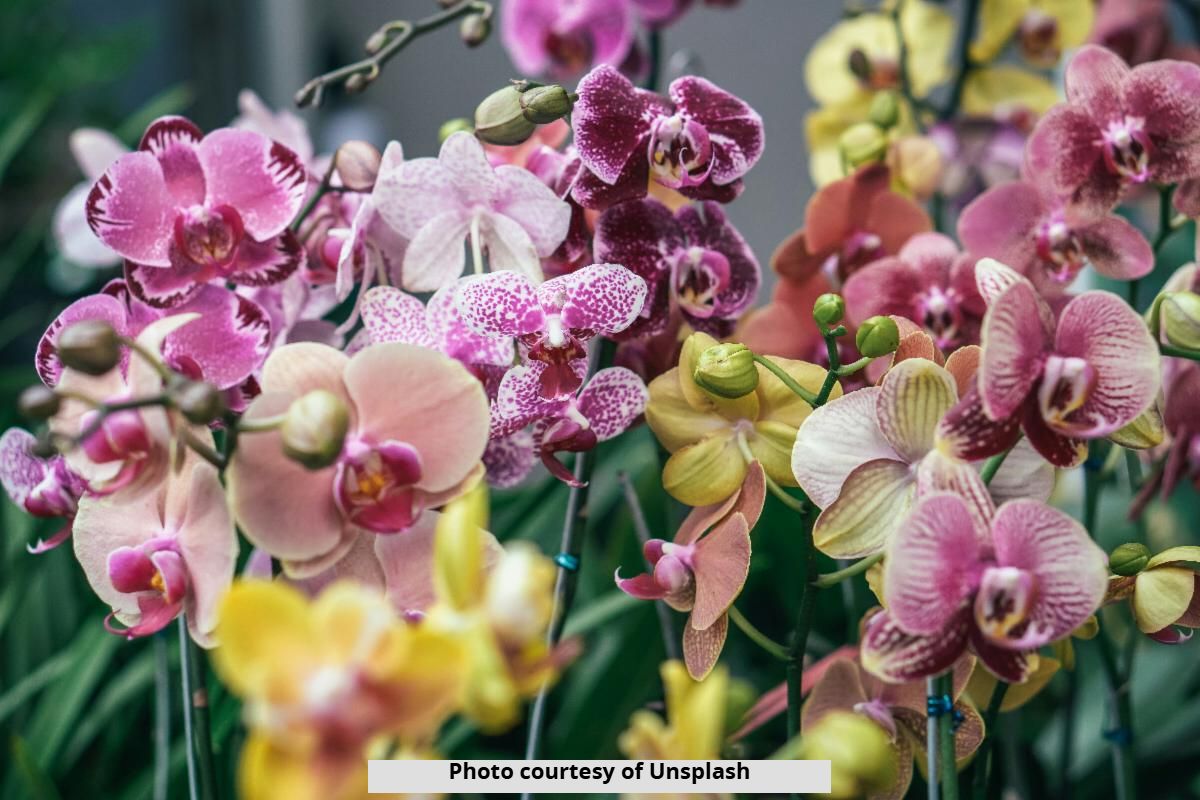
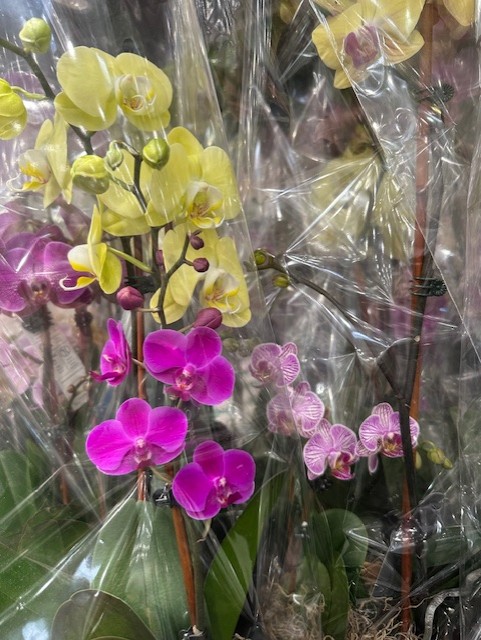
Years ago, I thought orchids were an exotic plant that only very dedicated greenthumbs could keep. During a trip to Hawaii years ago, I saw orchids for sale and purchased one for my mom, decidedly not one of the green thumbs. The shopkeeper carefully wrapped the delicate-looking flowers and I feared that the plant would not survive the trip to Wisconsin…or my mom’s less-than-great track record with houseplants. Not only did the orchid survive the trip, it lived for years happily next to her kitchen sink. In the process, it fooled everyone into thinking my mom has a gift with plants.
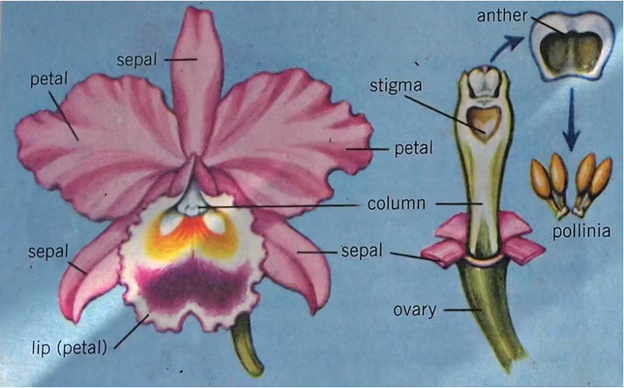
Recently, though, I’ve learned how hardy this seemingly delicate plant is. Orchids are classified in the Orchidaceae family and have existed since the Late Cretaceous Period. Orchids have been evolving since the time of the dinosaurs, and have been able to find their way to all corners of the world and all climates. Their flowers' unique shapes consist of three sepals and three petals, arranged to be bi-symmetrical. One of the petals has evolved into a lip and each specific type of orchid has a flower shape that entices the best pollinator for the job. Many pollinators, such as gants and bats help to pollinate orchids.
| |
|
(Image from American Orchid Society)
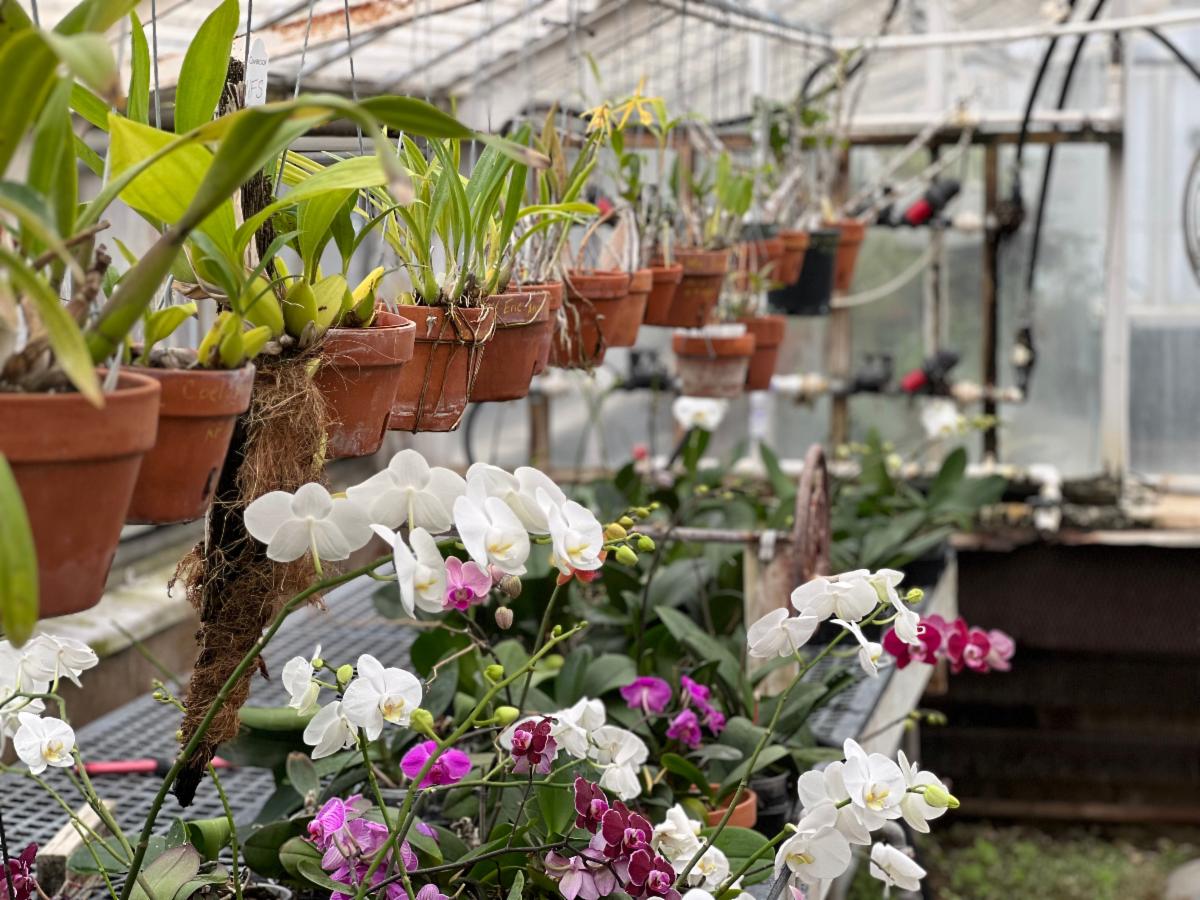
Because orchids come from a wide variety of environments, there is sure to be an orchid you can grow at home. To help narrow down the selection, consider what type of space you can create for the orchid. Ask yourself about what type of light your plant would get and whether that spot is cool, warm, dry, or humid. E. Jay Holcomb of Penn State Extension shares two types of orchids that are best suited to the average home, Paphiopedilum (or the slipper orchid) and Phalaenopsis (or the moth orchid). Slipper orchids grow in the shaded floors of tropical forests, where humidity is high. Although the humidity would be hard to replicate in our homes, an east or west-facing window would provide the correct light for a paph. Moth orchids grow on the side of trees in their native habitats in lower light levels. These orchids also like higher humidity and their temperature range is within most homes’ a/c and heating settings. The soil requirements for the two orchid types reflect their native habitats: slipper orchids like moist soil to mimic the leaf-littered ground of a forest floor whereas the moth orchids prefer well-drained with plenty of aeration. Reputable nurseries and online stores will have soil mixes and pots that will help you create the right environment for your orchid to thrive. Artificial lights can help you overcome a darker location and can be a great solution to ensure your orchid’s light needs are met.
| |
|
Falling in love with orchids is easy to do and is a passion for many. Since 1921, The American Orchid Society has brought together orchid lovers. Their website contains a wealth of information on more orchid types, the provenance of the plants, and how to care for each. This site is worthy of a new orchid grower’s time just as it is for the experienced orchid lover. Clicking through the site, I found myself wanting to add to my small orchid collection on my counter. Additionally, I’ve learned how to give my orchids care that will give them a reason to continue growing and to re-bloom.
In these dreary days of winter, adding a bright spot to the room can lift your spirits and bring a smile to your face. Since orchids are widely available now, you don’t have to wait for a loved one to bring one home from Hawaii. But by following the care suggestions of the experts, you will convince everyone of your green thumb.
| |
|
Flowers That Send a Message for Valentines Day
Article and Photos by: Jamiel Dado
With Valentine’s Day fast approaching, many of us are scrambling around to find the perfect gift for the ones closest to us. We may reach for the old standby of chocolate and red roses, which is a classic choice for a reason. However, for those of you who would like to think a bit outside the chocolate box, there are actually many different flowers that can convey a multitude of romantic (and not so romantic) gestures this year.
Although having existed since ancient times, Floriography, or the language of flowers, arguably reached its peak during the Victorian era. Deeply tied to poetry, Floriography used different botanical species to convey specific messages of intent to the receiver. Indeed, if you are looking to gift someone with something a little different this year, then this quaint and antiquated symbolic language might just be for you.
A prickly cactus is probably the last thing you would think about gifting to your significant other, but according to the Victorians, they symbolize ardent love and would be quite the romantic gesture. Couple that with some cactus candy if you really want to drive home the point.
Not all Valentine’s Day gifts need to be romantic. If you are looking for a nice gesture for a close friend, look no further than a beautiful bouquet of daisies, which symbolize innocence and loyalty. Throw in a little sage for good health and long life and your friend will know just how much you cherish their friendship.
If you are intending on gifting a boss or mentor with a nice gesture of respect, then let a nice herbal bouquet do the flattering for you. Try using thyme for courage and strength, basil for good wishes, and peppermint for warmth of feeling.
| |
As much as some of these flowers convey warm affection, there are others that you should avoid, unless you want to send a negative message. If you were to gift aloe to someone, be prepared to let them know of your bitterness. Begonias might be a tempting houseplant to give to your love, but you would be inadvertently telling them to beware. And don’t even think about giving an orange lily, unless you definitely hate them.
If roses are still your thing, then be aware that different colors hold different meanings. Although red symbolizes love, dark crimson is more suited for mourning. Steer clear of yellow roses that confess your infidelity, or you might find yourself needing a white one, symbolizing a new start.
Valentine’s Day can be difficult for those who have found themselves recently single. If this happens to be your situation, then Floriography can still express your feelings. A bouquet of dead flowers states the feeling of rejected love, while dead leaves convey sadness. Sprucing up your home with either of these will surely let everyone know how you feel about things this year.
This can be a tricky holiday to shop for. Hopefully, the Victorians can aid in your quest to find the perfect gift. Just be careful and do your research. You don’t want to give the wrong message.
| |
|
Embrace Winter: Hiking for Health, Inspiration, and Connection to Nature
By: Kelly Stanesa and Pat Wilson, MSU Extension Master Gardeners
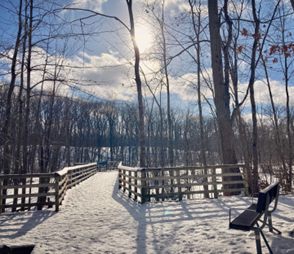
(West Bloomfield Nature Trail
Thanks for sharing your photo with us #OaklandCounty @kmw2712)
As Michigan winter settles in, gardeners often yearn for spring to get their hands back in the soil. But while the garden rests, winter offers a unique chance to connect with nature through hiking.
Fresh air in your lungs. Heart pumping as you trudge through the snow. There’s nothing better than a winter walk in the woods to boost feelings of wellness. As we start a walk and adjust to being outdoors and in nature, the long list of “have to’s” and “should do’s” running through your head disappear and are replaced with “in the moment” observations and wonderings. Now is the perfect time to get outside to breathe deeply, exercise your lungs and enjoy some peaceful mental space while communing with nature.
Why Winter Hiking?
Winter hiking provides numerous benefits that can enhance your well-being and keep you engaged with nature:
-
Reconnect with Nature – Stay immersed in the natural world even when your garden lies dormant.
-
Observe Winter Plant Life – Spot evergreens, hardy mosses, and intricate bare tree branches, gaining inspiration for your garden designs.
-
Stay Physically Active – Hiking offers excellent exercise, similar to gardening, keeping your body moving.
-
Boost Mental Health – Studies show time outdoors reduces stress and enhances mood. Walking in the woods provides peaceful mental space while communing with nature.
-
Find Inspiration – Observe how nature arranges rocks, plants, and spaces to apply creative ideas to your outdoor haven.
Where to Go Hiking in Oakland County
Oakland County and its surrounding areas offer a variety of trails perfect for winter exploration. Whether you prefer paved paths, rustic routes, or hidden nature preserves, there’s a trail waiting for you. The following is a collection of links to Oakland County maps and websites describing a vast variety of trails to get in a wonderful winter walk.
Oakland County Parks
With 13 county parks offering hiking trails, residents have ample opportunities for outdoor adventures. As of November 2024, these parks are free to Oakland County residents. Find park maps and trail details at Oakland County Parks.
Popular Trails and Nature Preserves
Oakland County Trailways
Rails-to-Trails pathways provide wide, straight routes through communities along former railway lines. Use the Rails-to-Trails Conservancy website to plan your route, view maps, and upload photos from your hikes. The Oakland Country Trail Viewer is a map showing all the local city parks and nature preserves with hiking trails. This is a one-stop shop for finding a trail in your desired hiking area.
City and Local Nature Trails
Many local communities have lesser-known trails offering a more immersive nature experience. Here are just a few:
| |
Step Outside and Explore
Michigan’s winter landscapes offer beauty, inspiration, and tranquility for gardeners and nature lovers alike. Whether you're looking to stay active, find creative inspiration, or simply enjoy fresh air, winter hiking is a perfect way to embrace the season. Bundle up, explore a new trail, and let nature prepare you—mentally, physically, and creatively—for the spring gardening season ahead.
(Cummingston Park in Royal Oak.
Photo from Royal Oak Nature Society)
| |
|
Winter Sowing
Article and Photo by: Leah Blinstrub
I love to grow things! There's nothing like a garden overflowing with produce, where I'm begging my loved ones, "Please, take just one more zucchini off my hands!" But here's the catch: I also love spending time with my three kids, playing golf with my husband, and walking my dog. My list of interests is long, and fitting gardening into the mix can be a real challenge. If you're passionate about gardening but struggle with time or space, I have a solution for you: winter sowing—the easiest and most cost-effective way to start seeds and grow strong, healthy plants.
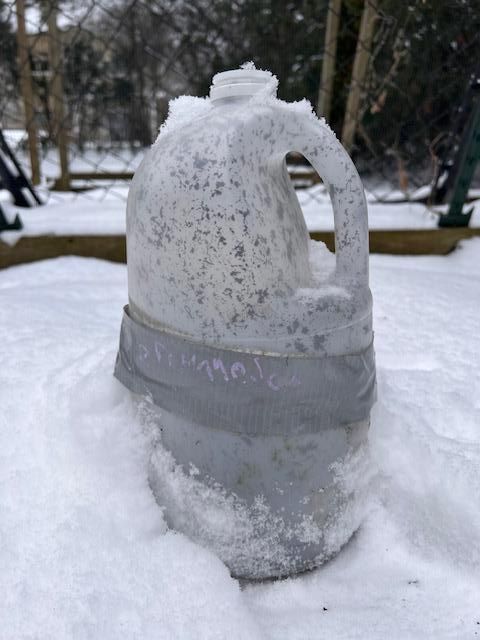
Winter sowing is a method introduced by Trudi Davidoff in 2000. It involves using recycled containers as mini-greenhouses to germinate seeds outside during the winter months. It's a simple process with just five basic steps.
1. Prepare Containers
- Find clear, recycled containers with lids or caps. Milk jugs work great, but any plastic container with a clear lid and a capacity to hold at least 4" of soil will do.
- Wash the container thoroughly, and then add several holes in the bottom, sides, and top. If the container has a cap, leave it off. The holes in the top will allow for precipitation and ventilation, while the holes in the bottom and sides ensure proper drainage.
- For milk jugs or containers like two-liter pop bottles, cut most of the way through the circumference (but not completely). Think of it as creating a hinge. It’s easiest to leave the handle of the milk jug intact and cut underneath it.
2. Fill Containers
- Fill your container with 3-4” of gardening or container soil (more if the seed packet suggests it).
- Water the soil until it’s damp, then mix it well.
- Plant your seeds according to the instructions on the seed packet, and water them lightly.
- Place the lid back on or use masking tape to secure the container shut, creating a "hinge" effect.
3. Label Containers
- Label each container with a wooden popsicle stick inside, using a permanent marker. It’s also helpful to label the outside with masking tape and a permanent marker.
- Consider documenting your planting process in a journal. Note the plant name, the type of container, and where each container is placed. Arrange the containers in rows that match your journal entries. In spring, you can re-label the masking tape for the short time you'll wait before planting the seedlings in your garden.
4. Place Containers Outside
- Choose a location that receives both precipitation and sunlight, such as a sunny spot in your yard.
5. Let Mother Nature Do Her Work
- Winter months usually provide enough precipitation, but as temperatures rise, monitor your containers for dryness. Water as needed.
- Seeing condensation on the top of your containers is a good sign that the moisture level is adequate.
- Your plants will be ready for transplanting when they reach the top of the container, are about 3” tall, or have several true leaves.
FAQ:
When should I start my containers?
In Oakland County, MI (Zone 6a or 6b), it's important not to start too early. A warm spell could encourage your seeds to germinate too soon. A good rule of thumb is to start in February, though starting from January to March will also work.
What if there’s a spring frost?
If your seedlings have sprouted and a freeze is expected, cover the containers with a blanket at night. Be sure to remove the blanket once it’s safe to do so.
What if there’s a hot spring day?
If the temperature spikes and your plants aren’t ready for transplanting, simply open the container tops to allow for ventilation. Keep an eye on moisture levels and water as needed.
What types of plants can be winter sown?
Winter sowing works well for annuals, perennials, herbs, and vegetables. Plants that require cold stratification thrive with this method, but the mini-greenhouse environment is suitable for most seeds.
For additional information, check out step-by-step, picture tutorial guides on the University of Maryland Extension and the University of Missouri Extension websites.
| |
|
The Meadow Brook Garden Club Monthly Meeting
The Meadow Brook Garden Club will meet Friday, February 28, 2025, at Meadow Brook Hall, 350 Estate Dr., Rochester MI 48309-1904.
Coffee and refreshments will be served at 9:15 a.m. with program to follow at 10:00 a.m. Join us as we welcome guest speaker Julia Hofley who will present “Entertaining in the Garden.” Julia is a garden writer and lecturer who will share new tips and tricks to successfully accomplish the balancing act of garden entertaining when you are both the cook and the gardener! You only have two hands, so careful planning is the key to keep you stress-free and able to enjoy precious time with friends and family as you gather in your garden.
Monthly meetings are held in person and are virtually live streamed. Non-members, who wish to attend virtually, please send an email, including your phone number to MBGCmembers@gmail.com to request a link that includes a link to make a $5.00 guest donation. Please submit your request no later than Wednesday, February 26, 2025. Guests are welcome in person and reservations are not required. There is a $5 non-member fee. For more information, call 248-364-6210, email MBGCmembers@gmail.com.
| |
2025 Plant Quest - Register Now!
Warm up your January with Michigan State University's annual PLANT QUEST webinar series featuring noted horticulture experts from around the county. Tailor-made for plant lovers, this four-part webinar series begins January 6. Conveniently scheduled on Monday evenings, each webinar will be offered both live or by recording for your convenience. Participants have the opportunity to join nationally known experts in an exploration of garden-friendly conifer choices, native plants to nurture, iron-clad plant combinations, and environmentally friendly gardening design.
For more information use this link: https://events.anr.msu.edu/PlantQuest2025/
| |
Cranbrook Conservatory Greenhouse | |
Looking for a great place to visit in the dead of winter? Then make a point to visit the Cranbrook Conservatory Greenhouse. This beautiful space is open year-round on Mondays and Thursdays from 11:00am - 2:00pm for you to enjoy and explore. And for a very special three days in February, they open their doors for one of the most incredible sales around! | |
- Located at 380 Lone Pine Rd in Bloomfield Hills
-
Parking available onsite, at the House & Gardens parking lot, and along Lone Pine Rd.
- Special Members only presale on Thursday, February 6th from 11:00am -2:00pm
- Public sale begins on Friday, February 7th from 10:00am-3:00pm and finishing on Saturday, February 8th from 10:00am – 2:00pm.
Don’t miss out on this exciting event! Proceeds go towards the preservation and upkeep of amazing facility!
Article and Photos by Jamiel Dado
| | |
Consider nature when designing your garden
Rebecca Krans and Sarah Rautio, Michigan State University Extension - October 18, 2024
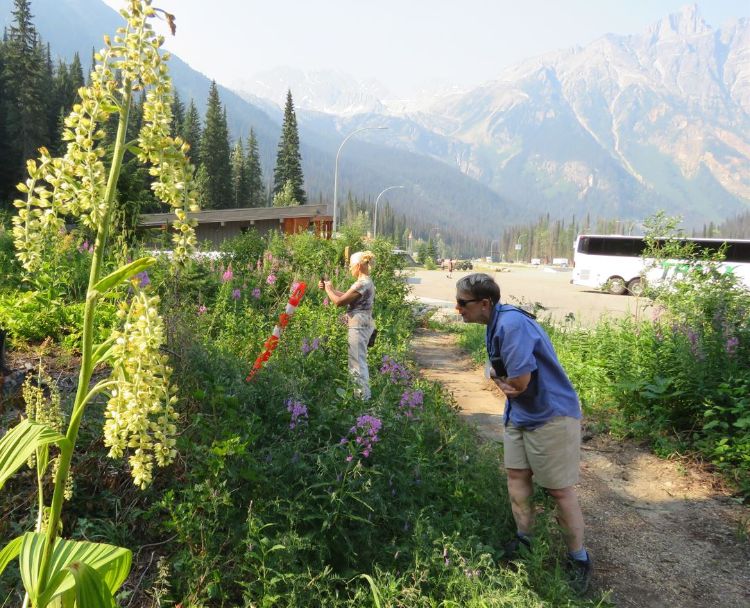
As gardeners, we all strive for beautiful gardens. Yet many may see a flowering plant and purchase it just based on its beauty, then a month later it dies due to being planted in the wrong conditions (e.g., improper soil or light conditions). During the Michigan State University Extension Canadian Garden Study Tour, participants explored some of nature’s beauty that can be brought to gardens, such as native plants that thrive in either shady or sunny conditions.
| |
|
September 17, 2024 - David Lowenstein, Ruth Marcy and Nate Walton, Michigan State University Extension
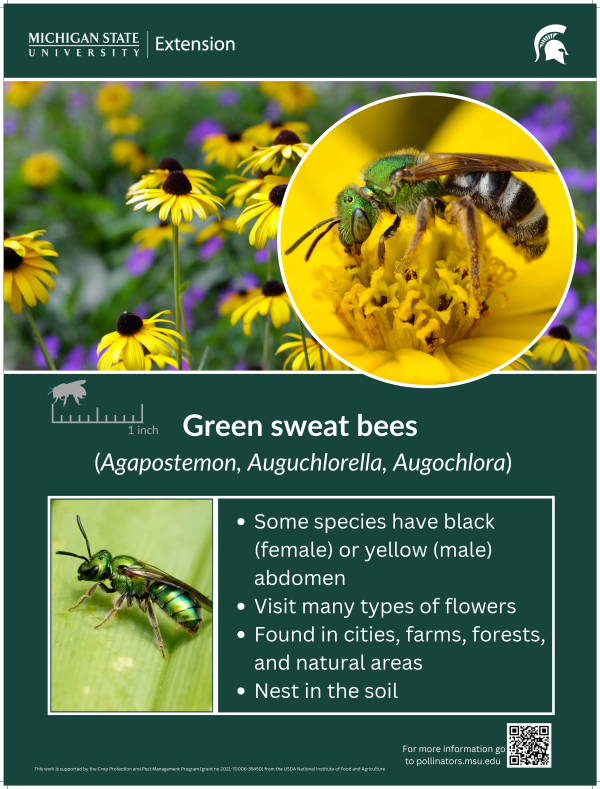
Many species of bees and butterflies visit flowers for pollen and nectar. This document describes features and behaviors unique to 5 groups of bees and 5 butterfly species. These signs can be downloaded and used in your garden to highlight common pollinators.
| | |
MSU Extension programs and material are open to all without regard to race, color, national origin, gender, gender identity, religion, age, height, weight, disability, political beliefs, sexual orientation, marital status, family status, or veteran status. | |
| | | |