macs monthly header with macs logo and graphic of medical professionals in training

The latest in substance use disorders and pain management education for healthcare providers

January 2026

Greetings,


Welcome to the January edition of the MACS Monthly newsletter!


The start of a new year is a prime time for commitment to educational goals. To learn more about medications for opioid use disorder (MOUD) and the effects of substance use in communities throughout Maryland, attend MACS's upcoming webinar this January:


  • The Role of Telemedicine in Expanding Access to Medications for Opioid Use Disorder (MOUD) Care in Underserved Areas (Tuesday, January 27, from 12 p.m. to 1 p.m.)


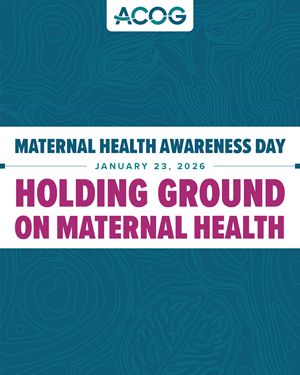
January also highlights two crucial observances that underscore our mission: Substance Use Disorder Treatment Month and Maternal Health Awareness Day (January 23).


Substance Use Disorder Treatment Month is dedicated to strengthening the treatment and recovery ecosystem. The goal is to support people contemplating or receiving help, practitioners treating substance use disorders (SUDs), and the friends and family of those with substance use conditions. By raising awareness of effective treatments, including MOUD, MACS and our partners statewide are working to eliminate stigma, encourage recovery journeys, and promote best practices like screening, intervention and treatment delivery across the healthcare system. Check out recent MACS fact sheets made by our team to stay informed about substance use trends and treatment strategies.


With Maternal Health Awareness Day on January 23, the MACS team acknowledges the importance of maternal health and the unique challenges faced by pregnant and postpartum individuals. We understand that substance use can significantly affect maternal health and the well-being of families. MACS for MOMs is a specialized program associated with MACS that assists maternal healthcare providers in delivering comprehensive support and treatment for pregnant and postpartum patients with SUDs. It is specifically designed to support these providers and have a positive impact on the well-being of families.


If you are a maternal healthcare provider and would like to learn more about how the MACS for MOMs team of addiction medicine experts, among them OB/GYNs and psychiatrists, can support you in delivering care to your pregnant and postpartum patients, contact us at 1-855-337-MACS (6227) or visit www.macsformoms.org. Together, we can improve maternal health outcomes.


Additionally, providers can access support in caring for all patients with SUDs and chronic pain by scheduling an individualized consultation or registering for an upcoming training with MACS. To learn more, call 1-855-337-MACS (6227), email macs@som.umaryland.edu or visit www.marylandmacs.org.


Explore this newsletter and the tools available on the MACS website for additional information about provider education and treatment resources.


– The MACS Team

EDUCATION

Upcoming MACS Training Opportunities

MACS Webinar

The Role of Telemedicine in Expanding Access to Medications for Opioid Use Disorder (MOUD) Care in Underserved Areas


Tuesday, January 27 | 12:00 p.m. – 1:00 p.m.


Presented by MACS Medical Director & Consultant Eric Weintraub, MD

MACS Webinar

Bridging the Gap: Practical Pain Management Across Primary and Specialty Care


Thursday, March 5 | 12:00 p.m. – 1:00 p.m.


Presented by MACS Consultant Sarah Merritt, MD


Save the date! Registration link coming soon.

Upcoming Trainings of Interest

Grayken Center for Addiction Training & Technical Assistance

The Fundamentals of Wound Care


Monday, January 12 | 10:00 a.m. – 11:00 a.m.

American Society of Addiction Medicine

ASAM Criteria 3rd Edition Skill Building Course


Friday, January 16 | 9:30 a.m. – 6:30 p.m.

CA Bridge

Ethical Considerations of Bias


Thursday, January 22 | 2:00 p.m. – 3:00 p.m.

MACS ECHO Sessions

Join our learning communities for continuous case-based discussions and didactic presentations linking expert specialist teams with healthcare providers and their practices. MACS ECHO sessions count toward the required 8-hours of SUD training for DEA license renewal or registration.

Opioid Treatment Program

Methadone Overdoses


Devang Gandhi, MD


Wednesday, January 7

12:30 p.m. – 1:30 p.m.

Maternal Health

Xylazine/Medetomidine


Christopher Welsh, MD


Tuesday, January 13

12:00 p.m. – 1:00 p.m. New time!

Substance Use Care for the General Practitioner

Sustained Recovery: Extended Release Buprenorphine to Treat OUD


Bethany DiPaula, PharmD


Wednesday, January 21

12:30 p.m. – 1:30 p.m.

Providing MOUD from a Trauma-Informed Perspective

Introduction to Trauma in MOUD


Alicia Wiprovnick, MD


Wednesday, January 28

12:00 p.m. – 1:00 p.m.

CONFERENCES & EVENTS

Maryland-DC Society of Addiction Medicine Annual Conference

Saturday, February 7

Ten Oaks Ballroom | Clarksville, Maryland

MACS exhibit table

Maryland Academy of Family Physicians Annual Meeting & Winter Refresher

Friday, February 27

The Graduate Hotel Annapolis | Annapolis, Maryland

MACS exhibit table

NEWS

Fatal Opioid Overdoses by Historical and Contemporary Neighborhood-Level Structural Racism


A recent cross-sectional study conducted in Chicago investigated the spatial link between neighborhood-level structural racism and opioid-involved overdose deaths across more than 700 census tracts. The study covered two distinct periods: pre-COVID-19 pandemic (2017–2019) and during the pandemic (2020–2022). The analysis showed neighborhoods that had been exposed to high levels of structural racism across both the past (historic redlining) and present (contemporary segregation) recorded the highest incidence rates of fatal overdoses prior to the pandemic. However, during the pandemic, the highest fatal overdose incidence rates shifted to neighborhoods experiencing high levels of contemporary segregation. These findings suggest that structural racism is a significant factor in driving disparities in the opioid epidemic.


Read more...

Stigma and Knowledge About Medications for Alcohol Use Disorder Among Treatment-Seeking Adults


A study of adults seeking treatment for alcohol use disorder (AUD) examined what factors influence whether patients intend to start medications for AUD (MAUD). Overall, participants had limited knowledge about available medications, though naltrexone was the most familiar and most positively regarded. Just over half (55%) believed that MAUD are effective for treating AUD, and stigma toward these medications was reported to be low. The study found that greater knowledge about specific medications and stronger beliefs in their effectiveness were both associated with a higher intention to use MAUD. Given the generally low awareness of these treatment options, the authors conclude that improving patient education could increase uptake of MAUD among individuals entering treatment.


Read more...

Gas Station Heroin – Tianeptine and Its Impact: A Systematic Review and Exploratory Analysis


This systematic review focused on the misuse of tianeptine, a novel tricyclic antidepressant that acts as a full agonist on the mu-opioid receptor. Despite lacking approval for medical use, tianeptine is sold in the United States online and in gas stations, hence its nickname, "gas station heroin." The review analyzed 25 case reports from North America, Asia, and Europe. Published reports found that oral ingestion was the most common route of administration, followed by intravenous use. Researchers noted a significant association between oral ingestion and overdose. Dosage and frequency of use, as well as the co-administration of other substances, varied widely across the cases. Seven of the cases resulted in death.


Read more...

GLP-1 Therapeutics and Their Emerging Role in Alcohol and Substance Use Disorders: An Endocrinology Primer


This review paper explored the potential role of Glucagon-like peptide-1 receptor agonists (GLP-1RAs) – a class of drugs primarily known for treating diabetes and obesity – in the context of substance use disorders (SUDs). The authors summarized preclinical studies that have indicated possible effects of GLP-1RAs in reducing the use of various substances, including alcohol, opioids, nicotine and psychostimulants. The review also noted that there were a limited number of randomized controlled trials that have evaluated the impacts of GLP-1RAs on substance use. The authors highlighted two critical areas needing future research: 1) basic science studies to clarify the mechanism of action of GLP-1RAs in addiction treatment, and 2) clinical studies to thoroughly evaluate the safety and efficacy of GLP-1RAs for SUDs, including their potential use in combination with other treatments.


Read more...

Holidays

MACS Phone Line Will Be Closed

January 19 – Martin Luther King Jr. Day

January Observances

Substance Use Disorder Treatment Month

National CRNA Week

January 18 – 26

Maternal Health Awareness Day

January 23

Follow us to stay connected:

Facebook  LinkedIn  X  Instagram  YouTube

RESOURCES

Maryland Task Force Recommends Decriminalization of Psychedelics to Lawmakers (WYPR)

New Overdose Data Landing Page (MDH)

“Wasping”: Insecticide Alternative to Methamphetamine (American College of Medical Toxicology)

X Share
LinkedIn Share

Follow us:

Facebook  X  LinkedIn  Instagram  YouTube