View as Webpage


SciStarter Newsletter - January 2025


Rain or shine, simply by sharing your local weather observations, you can improve weather forecasts, inform plans for extreme weather preparedness, and even learn more about cloud types. No joke...we're cirrus! ;)


Here are five citizen science projects in need of your help.


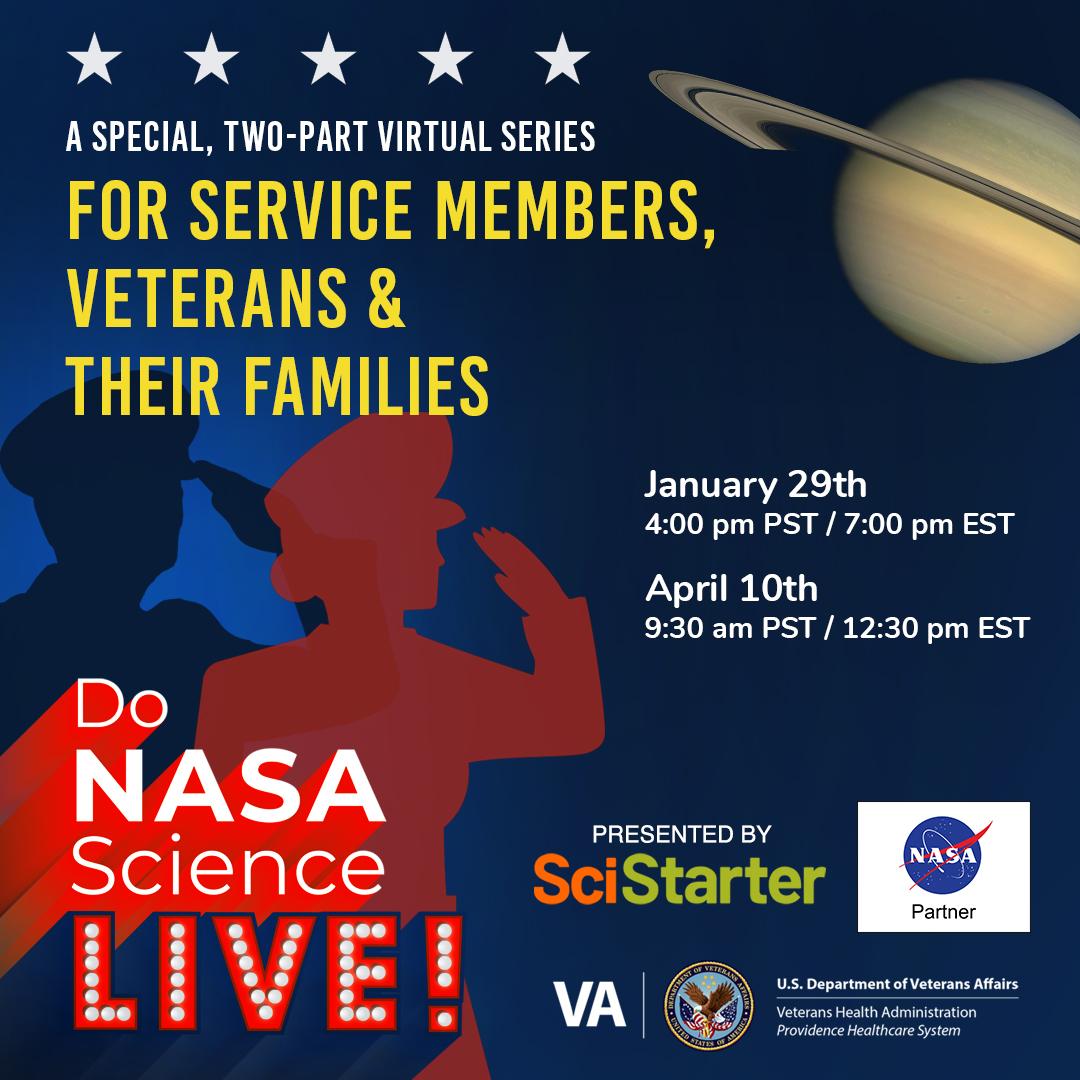
And don't miss the opportunity to tune into a special citizen science event with NASA on January 29th, designed for service members, veterans and their families. Learn more, below, or register for free, here.


Cheers!

The SciStarter Team

X Share
LinkedIn Share

Credit: Tanya Gorelova/Pexels

mPING

Meteorological Phenomena Identification Near the Ground (mPING) needs you to submit reports of the weather you're experiencing through a mobile app (remember: stay safe and don't put yourself at risk to document weather). Researchers at NOAA National Weather Service compare your reports to their radar measurements to make better weather forecasts.


Location: Global

Get started!

Credit: CoCoRaHS

CoCoRaHS: Rain, Hail, Snow Network

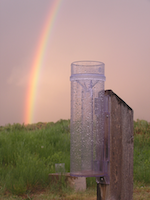
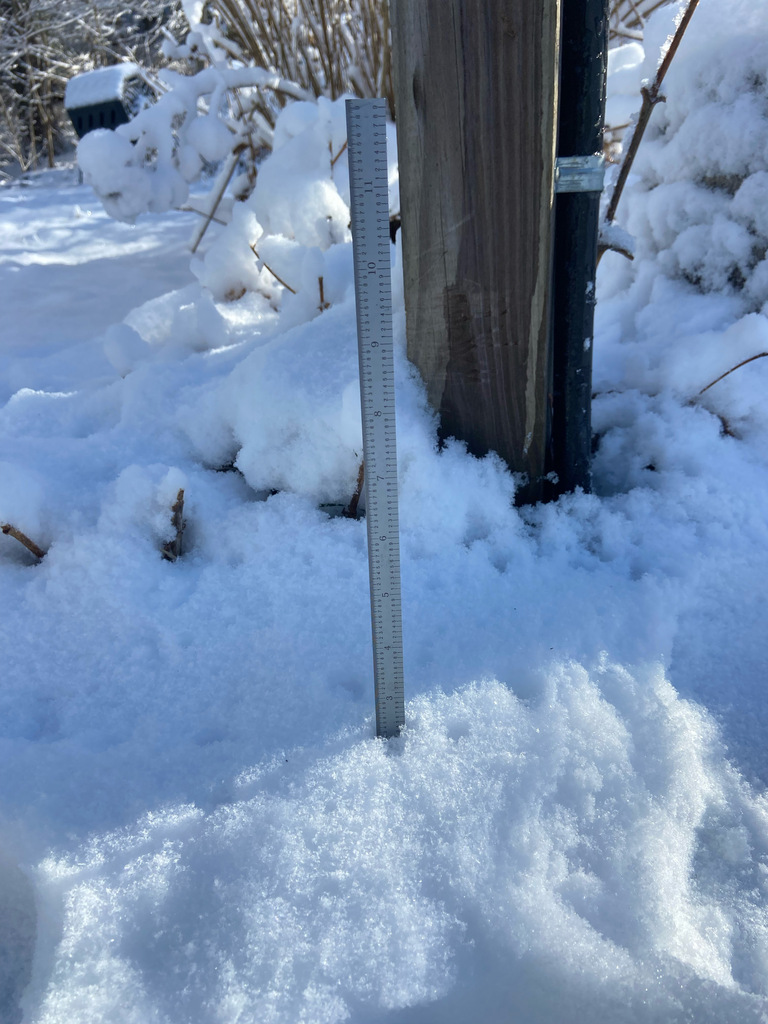
You'll need a rain gauge for this one. The project website links to where you can purchase one. Then, after registering your location, read the gauge and report precipitation measurements as often as you'd like. Daily, weekly, after storms, etc.


The data are used by the National Weather Service, emergency managers, city utilities, farmers, and others. Here's a very brief video overview. And here's a recording of a recent SciStarter LIVE featuring the CoCoRaHS project leader who talks about scientific outcomes and tips to get involved.


Location: USA & Canada

Measure and report precipitation near you.

Credit: Mountain Rain or Snow

Mountain Rain or Snow

Help scientists improve understanding of rain and snow patterns during winter storms with the Mountain Rain or Snow app. Your observations support NASA's efforts to enhance satellite estimates, hydrologic models, and water resource predictions.


Location: USA

Join NASA-supported research!

Credit: Jason Frederick/Wikimedia Commons

SKYWARN

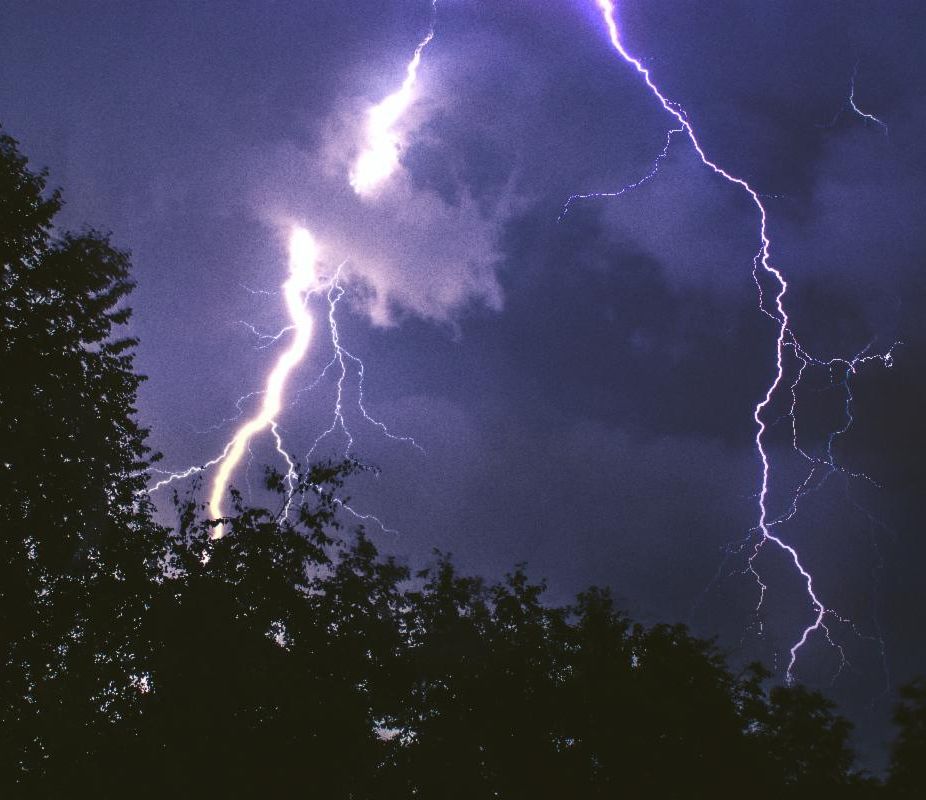
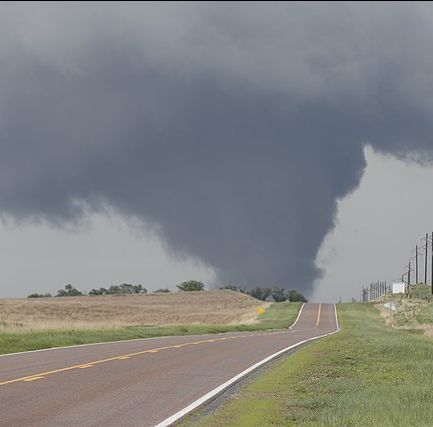
Help NOAA's National Weather Service improve severe weather forecasts by reporting real-time conditions during storms like thunderstorms, tornadoes, and floods. Take a free training to join over 350,000 volunteers nationwide who provide critical "ground-truth" data for life-saving warnings—spotters of all ages and backgrounds welcome!


Location: USA

Become a SKYWARN spotter!

Credit: Judy Donnelly/ISeeChange

ISeeChange

What you observe changing in your backyard, neighborhood, and city can help researchers understand how climate change and weather impact our communities. Your observations and block-by-block insights empower cities, engineers, and local organizations to advocate for and develop solutions to climate challenges.


Share your stories and photos of what you see and how it’s affecting you. ISeeChange will sync your stories with local weather data and trends.


Location: Global

Share your climate story! 

Credit: NASA/GLOBE

GLOBE Observer: Clouds

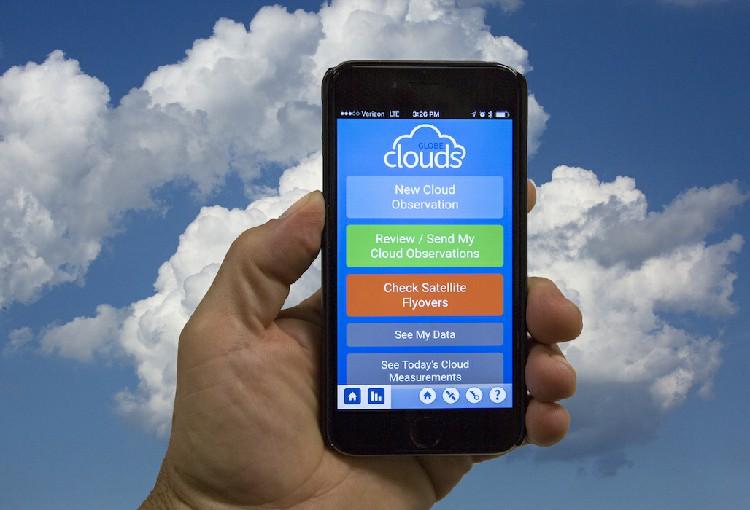
Join NASA and The GLOBE Program's GLOBE Observer: Clouds project to help scientists track changes in clouds and support climate research! Download the app, log your sky observations, and compare them with NASA satellite data to contribute to real scientific research—anywhere in a GLOBE-participating country. 


Location: Global

Help NASA track clouds.

Credit: SciStarter

Become a Citizen Science expert

Complete the free SciStarter Ambassador training module and wow your friends, family, and community with your expertise. Better yet, use the free materials to introduce them to the awesomeness of citizen science. If you want to become a Certified Volunteer Ambassador, you'll need to hurry. Applications for the current round close tomorrow, Jan. 25.

Apply here.

Special event for service members, veterans and their families.

Join NASA scientists, veterans, and the SciStarter team on January 29 to learn about NASA resources for you and two online projects we can do, together.

Register today.

Prepare for Citizen Science Month

We are less than 10 weeks away from our month-long celebration of citizen science. We are again aiming for One Million Acts of Science in April. Are you planning to host an event or program?

Find everything you need here.

SciStarter LIVE!

February 13, 2025 – Citizen Science for Your Classroom with SciStarter and Instant Wild! Attention educators, here's your chance to earn a PD certificate! Join a free webinar on February 13 at 5 PM ET to discover how learners can contribute to real-world research with projects like Instant Wild, an online conservation effort.

Register for this free event.

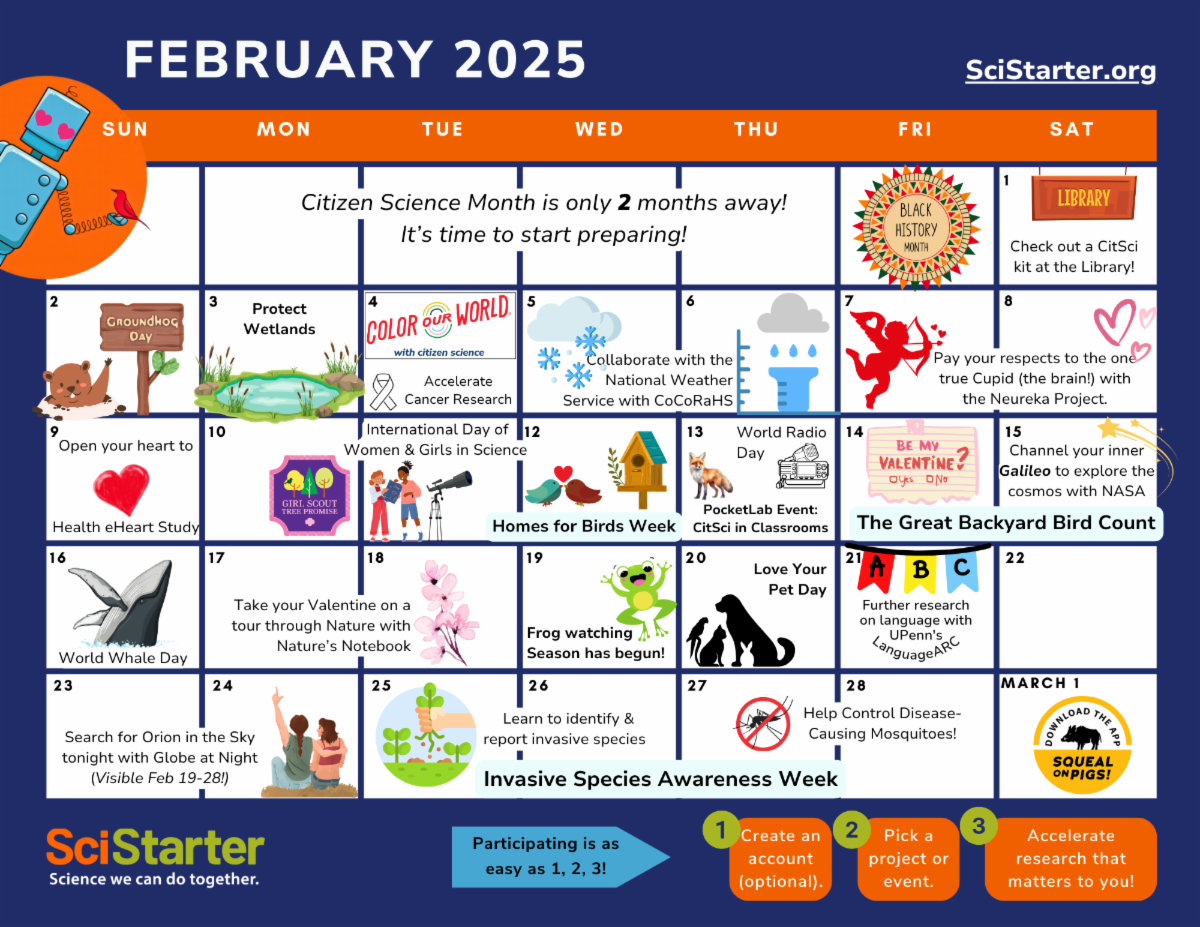
February is packed with citizen science events and programs!

View online or print the whole calendar.

New projects featured on SciStarter:


For Practitioners:


Planning activities or events for Citizen Science Month? Consider inviting a SciStarter Ambassador to help! Check out the SciStarter Ambassador Directory to see if there's an Ambassador near you. New cohorts are being added, so check back frequently.


The journal Citizen Science: Theory and Practice is looking for abstracts for a Special Collection on citizen science in Galleries, Libraries, Archives and Museums (GLAM). Learn more at their Call for Abstracts!

Facebook  X  Instagram