|
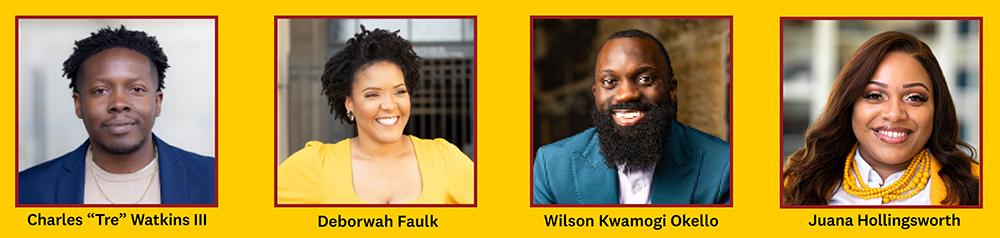
Guest Editors Ronald Hallett and Joseph Kitchen
Dear Colleagues,
We were both first-generation college students who grew up in low-income families. Attending college was an opportunity to gain knowledge, skills and opportunities to pursue career pathways that were unavailable to our families. While we both deeply appreciated the many different opportunities we were afforded to grow and develop as college students, building skills and knowledge to prepare for a future career was the primary goal. Our aspirations align with many students from low-income and first-generation backgrounds who attend college with the hope of enhancing their career prospects and creating long-term financial stability.
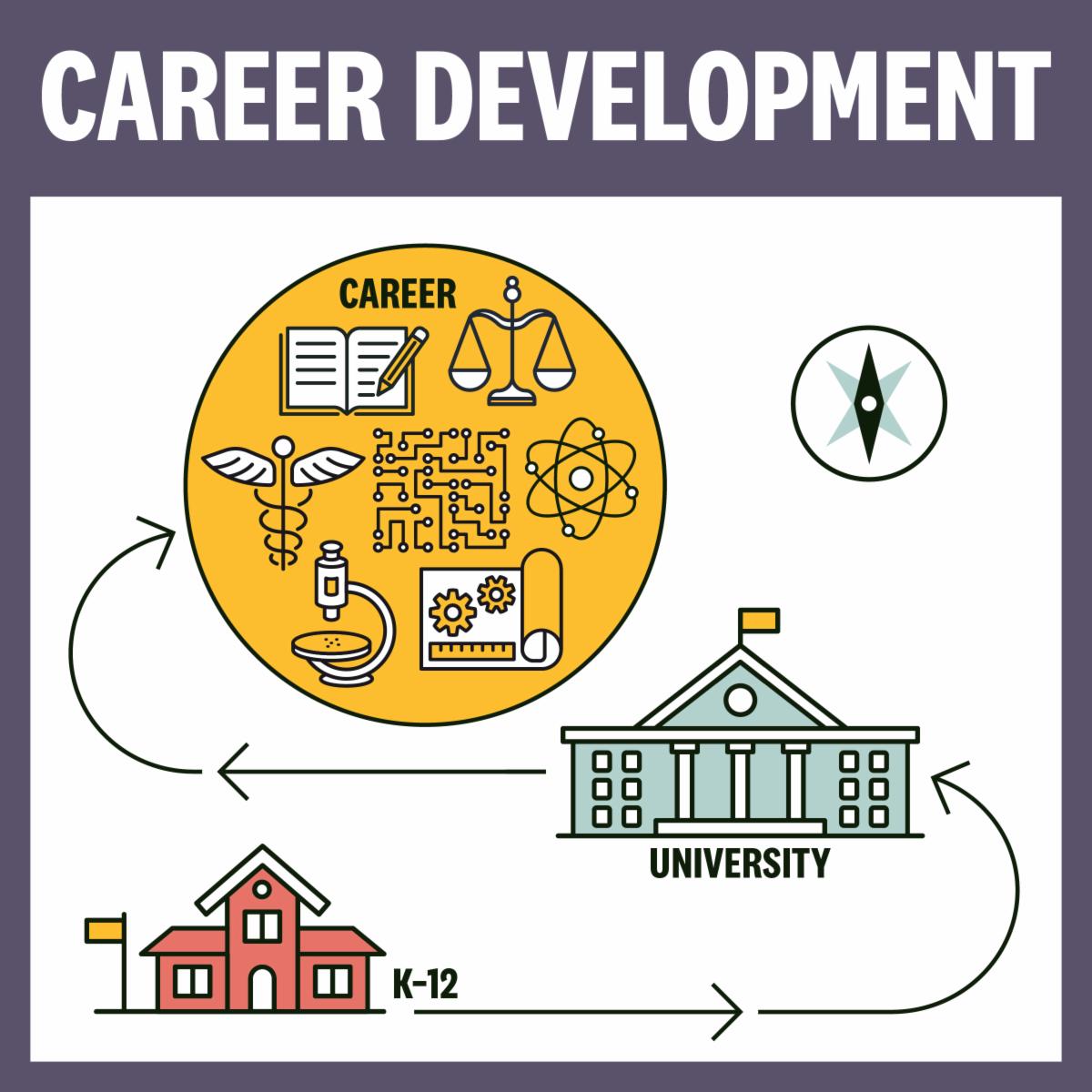
In this newsletter, we highlight research from the Promoting At-promise Student Success (PASS) project that explores effective practices for supporting low-income college students’ career development — with a focus on the importance of students’ relationships and support networks.
In the first article, we discuss how students from low-income backgrounds often go to the individuals who they have close relationships with as a primary source of career-related information — in particular, their family and friends. When low-income students had opportunities to develop close relationships with campus educators (e.g., instructors, program directors), they also sought career development and transition advice from these individuals. These campus educators can offer guidance and also serve as bridges to the campus career development resources.
The second article highlights how low-income students’ relationships with peer mentors — when they reflect effective mentoring practices — can be an important connection that institutions can leverage to effectively support career development and broker access to career development resources.
We also invite you to check out the Pullias Center's new research and practice webpage dedicated to Career and Workforce Development.
|