Oct. 2022 Program Newsletter | |
|
There has been no shortage of recent reminders that climate change is already impacting us. Here in southern Maine, one of the most tangible impacts has been drought. Two years ago, York County experienced severe to extreme drought conditions that lasted from September to December. This past summer, we had yet another drought, which coincided with the peak growing season. Most of York County was in a severe drought through the month of August and remained abnormally dry through September. The drought has had wide reaching impacts. Private wells ran dry, agricultural harvests were negatively affected, and fall foliage colors were dulled. In addition, there is concern about the upcoming Christmas tree and maple syrup crops. York County has received a federal Disaster Designation making affected business and farmers eligible for Economic Injury Disaster Loans (EIDL) as well as low interest Farm Service Agency (FSA) Emergency Loans, which can be used to alleviate the financial burden caused by the drought.
Elsewhere, hurricane season is off to a destructive start. Hurricane Fiona hit the Caribbean and Canada in mid-September, and was the strongest storm ever recorded in Canada. Less than a week later, Hurricane Ian hit Cuba and southeast Florida, causing widespread damage and destruction of homes, businesses, and infrastructure totaling more than $1 billion. One sustainably-designed community, Babcock Ranch near Fort Myers, weathered the hurricane with minimal damage, exemplifying how proactive planning and innovative design can help us adapt to climate change.
| |
The Program is keeping an eye on climate impacts as we continue to work with our communities on climate action and community resilience. Read on to learn more! | |
Kicking off the Climate Action Planning Cohort | |
|
We have officially kicked off the Southern Maine Climate Action Planning (CAP) Cohort - a group of four municipalities undertaking local climate action plans. Led by SMPDC with support from consultants ICLEI Local Governments for Sustainability and Fourth Economy, the year-long process will result in individual climate action plans for the four communities (Kennebunk, Kennebunkport, Kittery, and Biddeford). The collaborative process will facilitate information sharing, leverage collective resources, and enable regional coordination.
Current work on the CAP Cohort project includes:
- Establishing a taskforce to lead each community's CAP process
- Hosting trainings for Taskforce members
- Creating a public engagement plan for each community
- Conducting baseline assessments of climate action
- Analyzing community greenhouse gas emissions
- Conducting a vulnerability assessment for each community
| | |
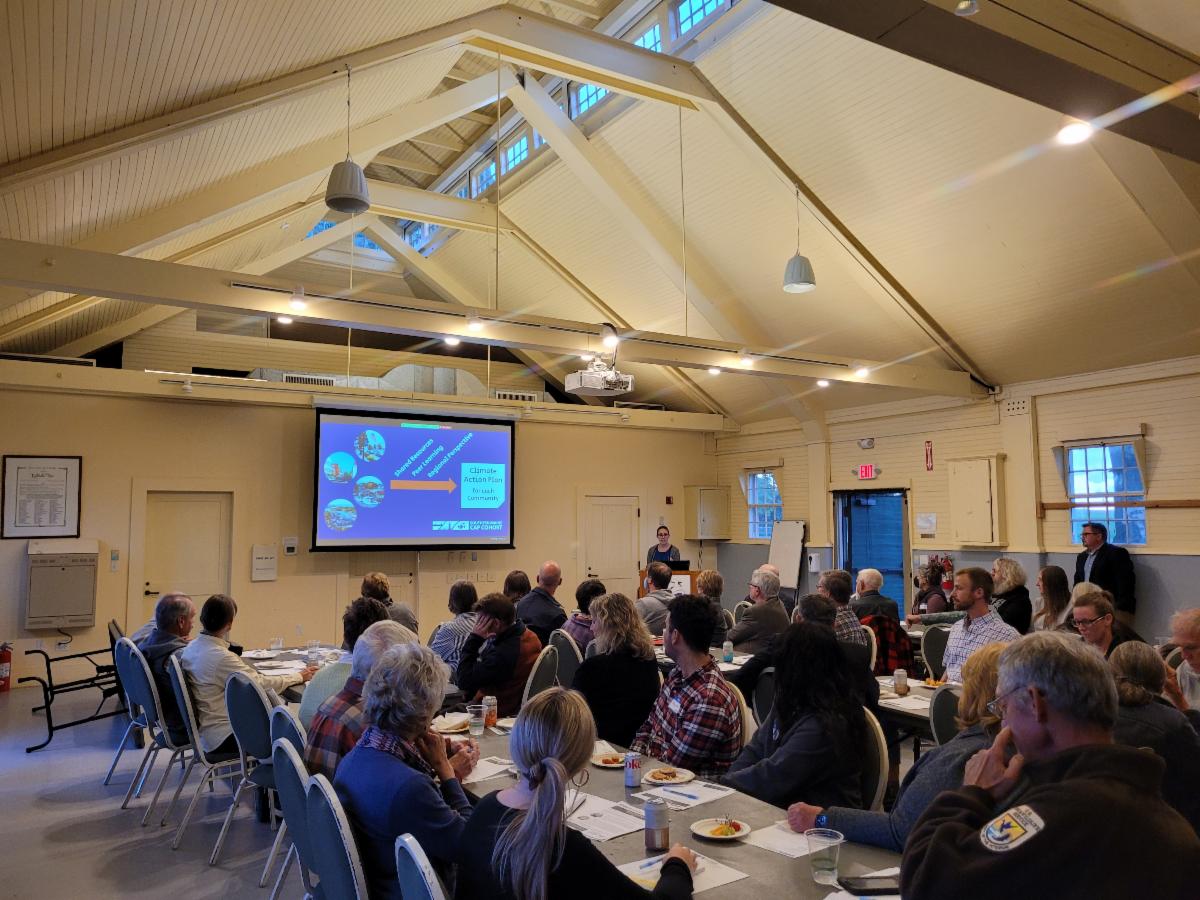
At our Regional Kickoff event, held at the Wells Reserve on September 28th, members of all four communities met, shared their visions for the future, and learned more about how to get involved in the climate action planning process. | |  |
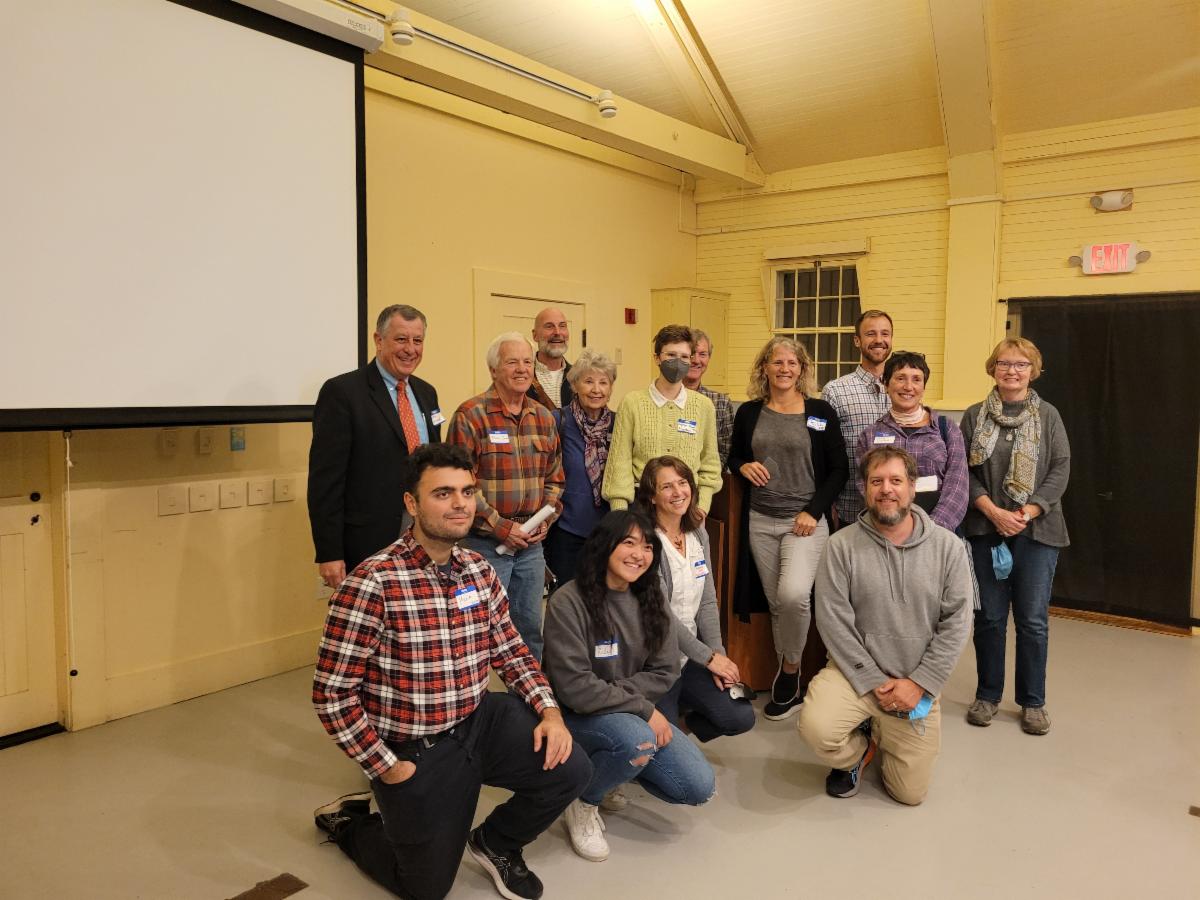
We had a great turnout at the Regional Kickoff! Here, members of the Biddeford Climate Task Force gather with other community members. | | |
Inflation Reduction Act Funding | |
|
The Inflation Reduction Act (IRA) was signed into federal law August 16th, 2022. Designed to slow inflation and stabilize the economy, it has 18 different funding programs, 11 of which are directed to local governments. These programs will fund implementation of energy efficiency efforts, GHG reduction strategies, and coastal resilience projects. Most of the programs have special provisions for low-income and disadvantaged communities.
Programs for Local Governments
- Greenhouse Gas Reduction Fund (the Green Bank) - $27 B
- $11.97 B for grants to reduce community and private sector GHGs
- Climate Pollution Reduction Grants - $5 B
- $4.75 B for grants to implement GHG reductions
- Latest and Zero Building Energy Code Adoption - $1 B
- $670 M to fund the adoption of zero energy code provisions
- $330 M for DOE assistance adopting residential & commercial codes
- Improve Efficiency, Water, Resilience of Affordable Housing - $880 M
- $837.5 M for projects that improve sustainability, efficiency & resilience
- Low Emissions Electricity Program - $87 M
- Funding for education, technical assistance, and outreach related to reducing GHGs from electricity production
- Clean Heavy-Duty Vehicles - $1 B
- $600 M to cover up to 100% of costs for replacing gasoline powered heavy duty vehicles with zero-emissions ones
- Neighborhood Access and Equity Grant Program - $3 B
- Supports building or improving complete streets, multi-use trails, regional greenways, and transportation networks
- Investing in Coastal Communities and Climate Resilience - $2.6 B
- Environmental and Climate Justice Block Grants - $3 B
| The Regional Program will continue to monitor and share information about IRA funding opportunities that can support our municipalities with priority efforts. | | |
Introducing our New Program Team Member, Julia! | | |
|
|
Julia Maine joined us last month as the new Sustainability and Resilience Specialist. Julia studied Earth and Ocean Science at Bowdoin College, and holds an M.S. from the University of Galway, Ireland in Coastal and Marine Environments.
Previously, Julia worked at Competitive Energy Services supporting the CES Maine Solar Consortium and assisting New England-based clients with their energy needs, and at the Gulf of Maine Research Institute in education and aquaculture.
In her free time, you can find her at the beach or in the mountains - or at home, sewing, and knitting.
| | |
Engaging Communities on Climate Resilience | |
|
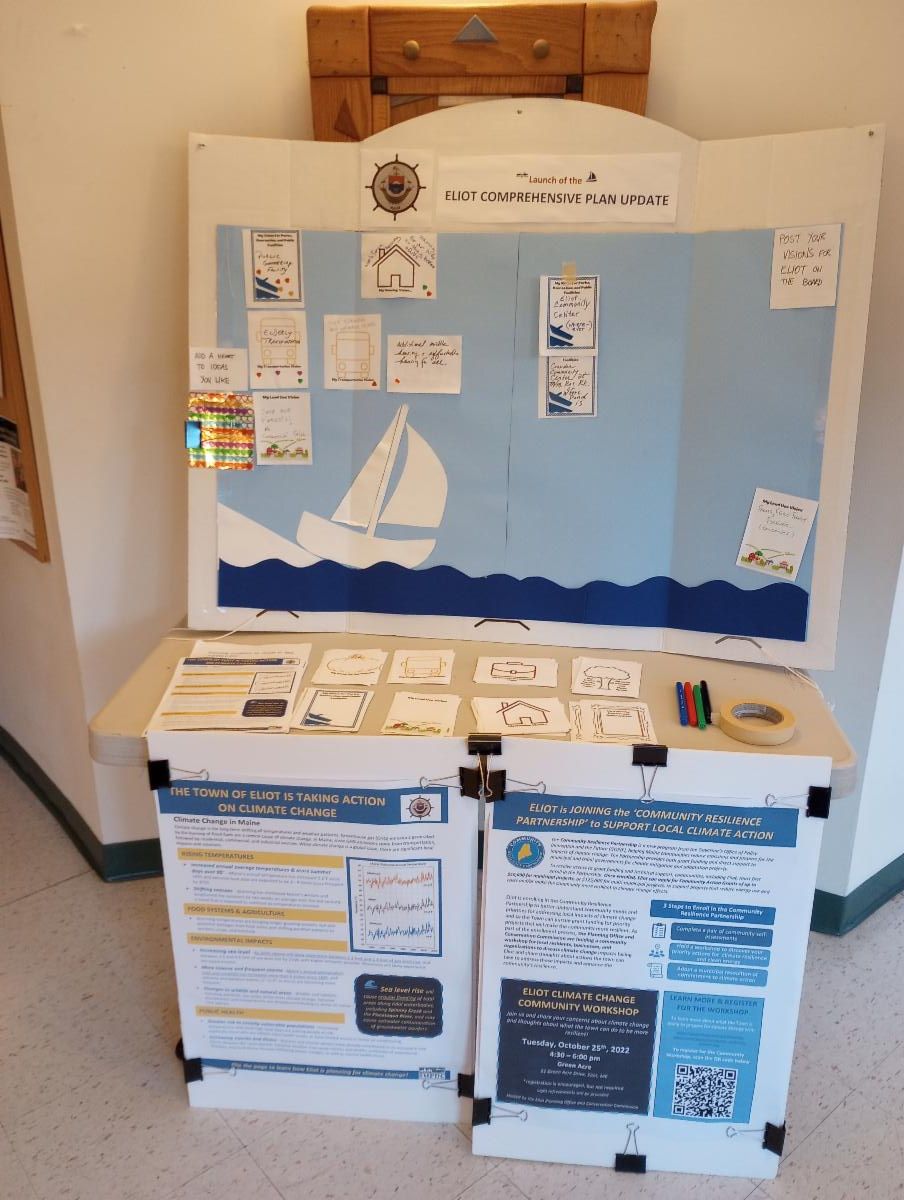
We are assisting communities with increasing their climate resilience through the Community Resilience Partnership (CRP). SMPDC received a Service Provider Grant to assist Fryeburg, Old Orchard Beach, Eliot and Berwick enrolling in the CRP and applying for Community Action Grants.
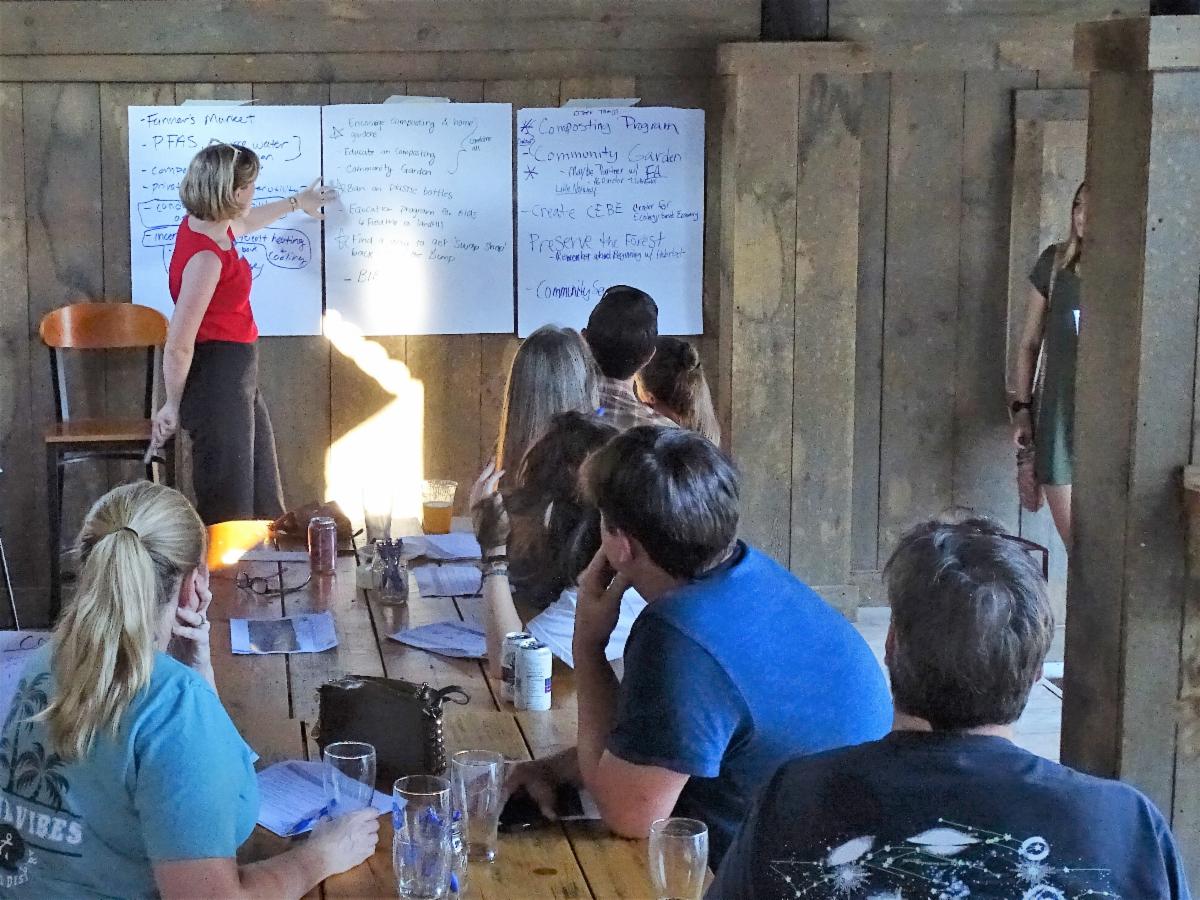
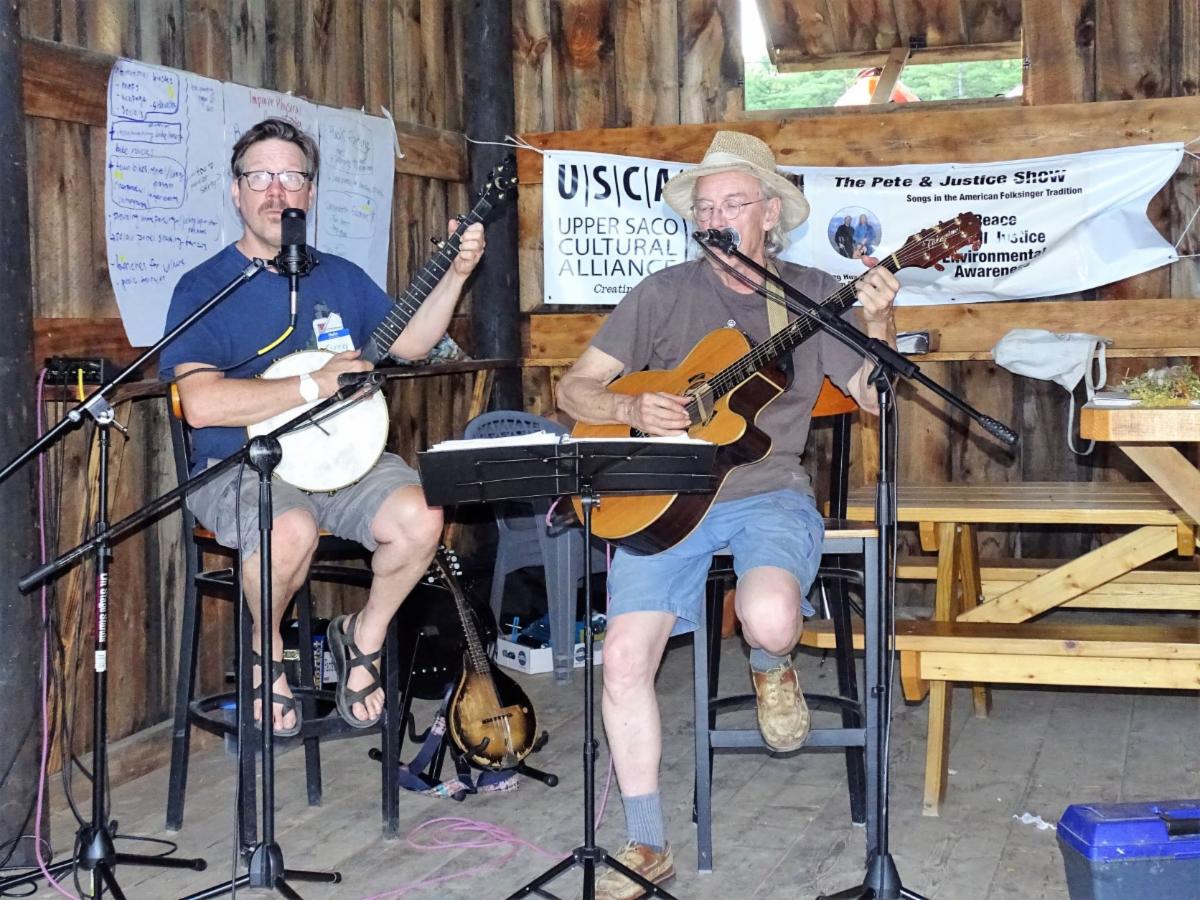
Through the Program's work with the CRP, we have been able to increase outreach and education about climate change to SMPDC communities. We have also had a lot of fun along the way, including participating in an amazing community resilience workshop in Fryeburg that included live music, woodfired pizza, and tons of great project ideas! We're looking forward to hosting more community resilience workshops with the other grant communities over the next few months.
| | |
-
Maine Beach Mapping Data Released: The Maine Geological Survey (MGS) updated its Maine Beach Mapping Program (MBMAP) viewer with data collected during the summer of 2022.
- NEEFC Workshop: Sea Level Rise & Coastal Flooding with Maine Geological Survey. As part of the Community Resilience Pilot project, Marine Geologist Pete Slovinsky shares available tools and resources to understand the current and future effects of sea level rise and flooding in coastal Maine, how small coastal towns can interpret and use this information, as well as its limitations and decision making with uncertain information.
-
Maine Stormwater Conference, November 1 and 2. The Cumberland County Soil and Water Conservation District’s Maine Stormwater Conference in Portland, Maine will celebrate the 50th anniversary of the Clean Water Act with two days of presentations showcasing innovation and embracing challenges from the past 50 years.
-
Nature-Based Solutions for Coastal Hazards, Tuesday, November 15, 8:30 AM - 4:00 PM at the Wells Reserve. This NOAA-led course prepares coastal planners and managers for planning and implementing natural infrastructure projects to reduce coastal natural hazards in their communities. Local speakers will share Maine-specific projects and knowledge.
| | |
Transportation
-
Funding for Rural Level 2 EV charging: Efficiency Maine is seeking applications for Level 2 electric vehicle (EV) chargers that are available to the public in rural communities. The goal of this round of funding is to assist rural communities in the state’s 14 northern counties (i.e., all counties except Cumberland County and York County). Applications due Nov. 17, 2022.
-
Workforce Transportation Funding Opportunity: The Workforce Transportation Pilot program aims to pursue and develop transportation solutions that connect workers with employers across Maine. The $5M program will provide competitive grants of up to $750,000 to local and regional partnerships to pilot ways to connect workers and employers through ridesharing, vanpools, and other subsidized transit options. All requests for financial assistance from this workforce transportation pilot program should be submitted electronically to MaineDOT Policy Development Specialist Ryan Neal.
Resilience
-
Hazard Mitigation Grants - DR-4627: Grants covering up to 90% of the cost for mitigation projects for the Halloween Storm Event (Oct. 30-31, 2021) in Knox, Waldo, and York Counties. Applications due Feb. 1st, 2023.
-
ME Stream Crossing Grants: $3 million to assist municipalities with stream crossing upgrades and replacements. Proposed projects must be located on municipal roads and involve upgrades of culverts at stream crossings to improve public safety and minimize flooding, improve habitat for fish and wildlife, and represent a cost effective and efficient investment. Applications due Nov. 10, 2022.
Energy
| |
Southern Maine Planning & Development Commission | Website
| |
| | | | |