|
Dear Community:
Are you caring for a loved one 60 years or older? Next week, the Center for Closing the Health Gap launches our new Caregiver Support Series – offered at three convenient times so you can choose what works best for you. Caring for a loved one is both rewarding and challenging, and often only those who share this journey truly understand its demands. This series will give you tools, resources and a supportive community of caregivers walking the same path.
As we begin this important work, we also pause today, October 10, to mark World Mental Health Day, reminding us that emotional wellbeing is essential for caregivers and for all of us. At Closing the Health Gap, our call remains clear: We Must Save Us. By lifting one another up, we protect and strengthen our entire community.
Wishing you all a blessed week ahead.
Renee Mahaffey Harris
President & CEO
| | |
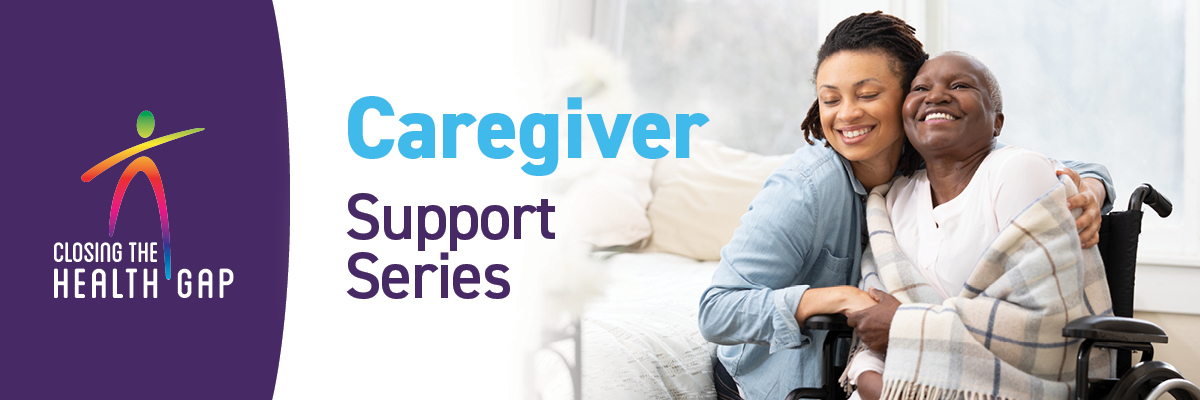
ARE YOU CARING FOR A LOVED ONE 60 YEARS OR OLDER?
Join Our Caregiver Support Series
Caring for a loved one is both rewarding and challenging. Most people cannot truly understand these challenges. Our series allows you to be in community and learn from other Caregivers like you, and give you tools to fulfill your responsibilities even better.
Click the Option Best for Your Schedule
| |
Why some federal workers aren't scared by the threat of shutdown layoffs
As the federal government appeared headed for a shutdown early last week, Jenna Norton joined a press conference outside the U.S. Capitol to urge lawmakers not to be cowed by the Trump administration's threat of mass layoffs.
"As a federal worker, I am here to tell you that every awful thing that would happen in a shutdown — shuttering programs that Americans rely on, damaging our economy, firing federal workers — all of this is already happening," said Norton, a program director with the National Institutes of Health, who spoke in her personal capacity alongside other civil servants.
Noting that the Supreme Court has largely allowed the Trump administration to move forward with its agenda, Norton called on lawmakers to step in. "Congress is the only remaining chance we have to stop the gutting of public services Americans depend on," she said. Now furloughed, Norton continues to implore members of Congress to reject a spending deal that maintains the status quo. Instead, she hopes they'll use the moment to assert their constitutional authority — their power of the purse — to take back control of government spending.
"They accepted a position of power and privilege of representing the American people," Norton said in an interview with NPR. "If they're serious about doing that, they need to stand up and represent the American people and push back against a president who wants to be king."
|
Beyond associations: from theory to interventions in health inequalities research using causal inference
One of the central goals of public health is not only to improve the health in the population overall, but also to reduce the unequal distribution of health and disease within the population. Even though a large amount of research is directed towards identifying and understanding health inequalities, much of this research is based on associations. This type of research can help to identify what groups in society are at risk of having worse health but cannot tell us how these inequalities may be reduced. In order to move beyond identifying who is at risk, we illustrate how we can combine the existing theoretical foundations with the counterfactual outcomes framework to understand how health inequalities can be tackled. We show how the Commission on Social Determinants of Health (CSDH) framework and the Diderichsen model can be translated into practice through the use of DAGs and notation. This will aid in generating more informative evidence on how certain interventions can reduce inequalities.
|
Amongst national failures on Closing the Gap, local programs are seeing success
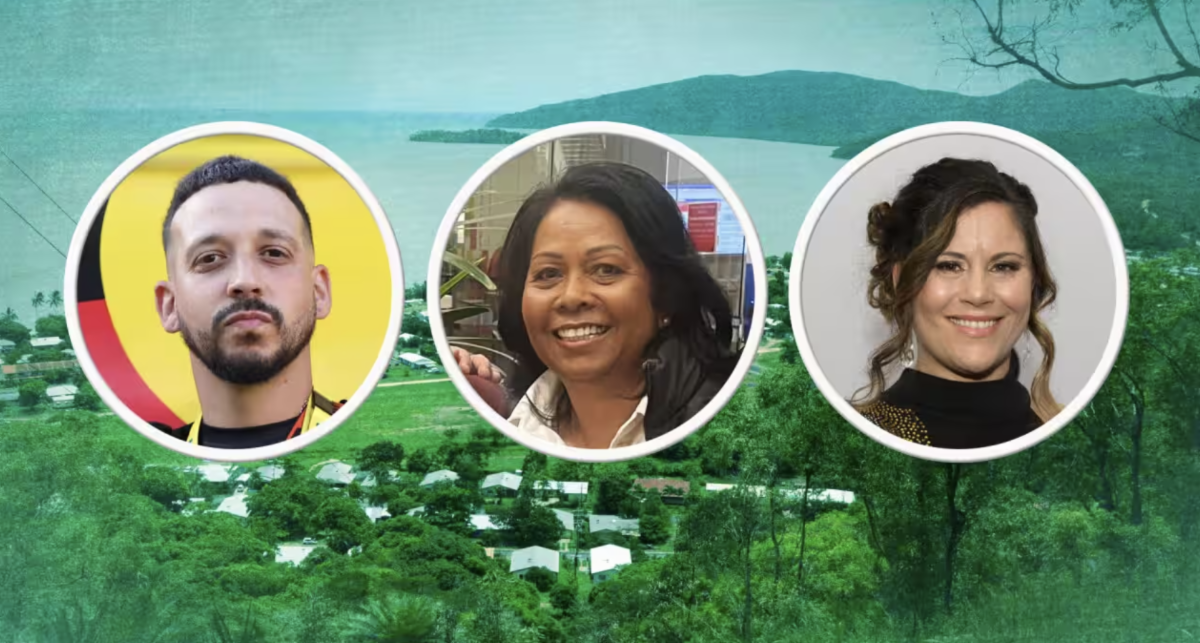
Seventeen years after Australia launched its Closing the Gap strategy, the nation remains far from its goals, with only four of the 19 targets on track. But some Aboriginal and Torres Strait Islander communities across the country are bucking the trend, quietly proving what real progress can look like when they lead the solutions.
In 'Closing the Gap', a special episode of Insight in collaboration with NITV, host Karla Grant speaks to grassroots workers and cultural and business leaders from across the country, who shared hard-won lessons from their own sectors. In Yarrabah Aboriginal Community, just east of Cairns, local programs are achieving results that the national framework has struggled to deliver. The community on Gunggandji and Yidinji Country has reduced childhood skin infections by 30 per cent, and increased school attendance well above the state average, all through locally-run initiatives.
|
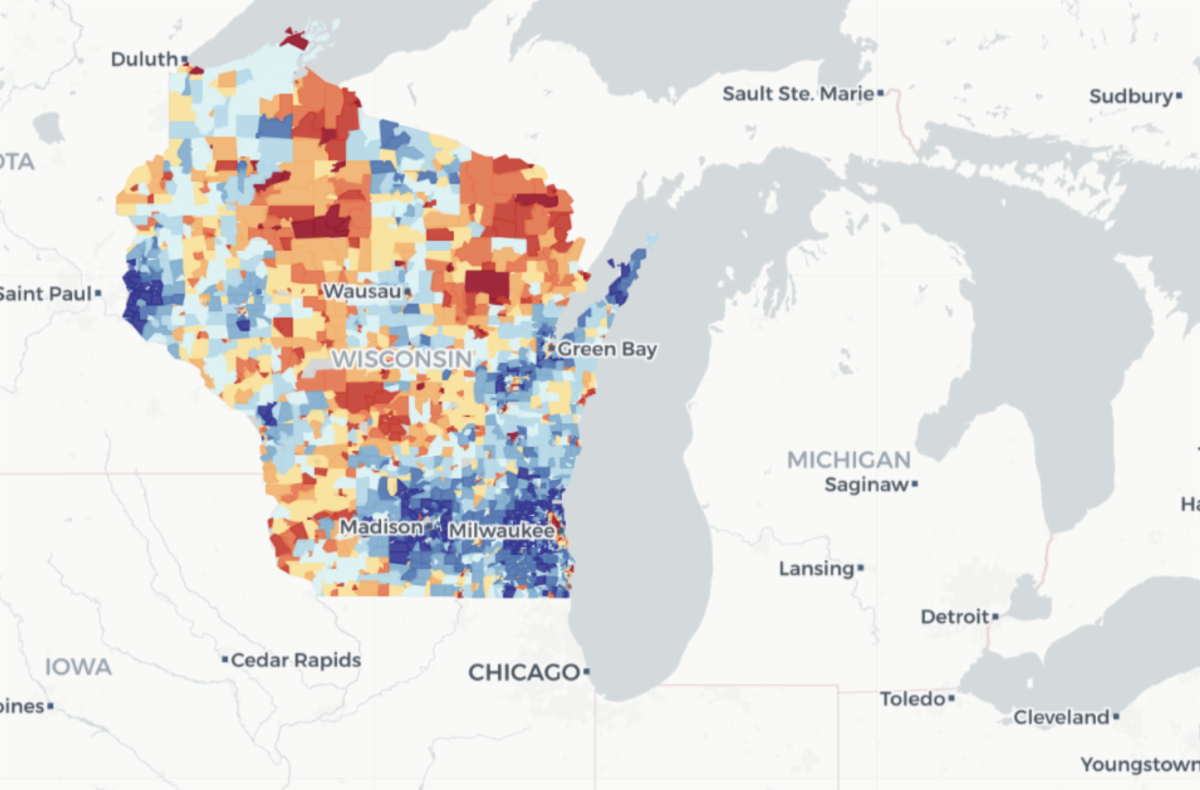
Tool developed at UW-Madison helps map health disparities nationwide
Where someone lives can shape their health, just as much as the care they receive. That’s why Dr. Amy Kind of her team at UW-Madison have developed the Area Deprivation Index (ADI). The tool maps health disparities using the impacts of income, housing, education and employment on health.
“There are lots of use case stories from across the country of community members, public health agencies, nonprofits that are trying to improve health in their own communities, using the tool to inform where they should send nurses or volunteers or different resources to try to help the people that they serve,” said Kind. ADI data is available nationwide through the online Neighborhood Atlas, by first selecting a state. Then, it will outline areas least and most disadvantaged, using a one through 10 scale.
|
A 21-year analysis of persistent disparities: Evaluating site-specific cancer mortality burden and trends among adult African Americans in the United States.
Background: Non-Hispanic African Americans (NHAA) face persistent disparities in cancer care, with higher mortality rates compared to other racial groups. These disparities reflect long-standing inequities in access to preventive care, timely diagnosis, and treatment for cancer in NHAA. We aimed to evaluate mortality burden and temporal trends in NHAA adults in comparison to non-Hispanic Whites (NHW) and Hispanic populations across multiple groups of cancer.
Methods: We conducted a retrospective analysis of adults aged ≥25 years using the CDC WONDER Multiple Cause of Death database from 1999 to 2020. Relevant ICD Codes for eight major cancer groups were included individually: breast, bone, central nervous system (CNS), skin, respiratory, digestive (GIT), oropharyngeal, and genitourinary cancers. Age-adjusted mortality rates (AAMRs) were calculated per 100,000 population for NHAA, NHW, and Hispanic individuals. Annual percent change (APC) was determined using Joinpoint regression. For NHAA populations, AAMRs were further stratified by sex and U.S. census region.
Results: From 1999-2020, we observed significant disparities in AAMR in NHAA population. (table 1) Mortality trends showed slight decline in the majority of cancer types across all racial groups (table 1). In addition, among NHAA, the cumulative AAMR across all cancer types was 384.0 in males and 235.4 in females.
|
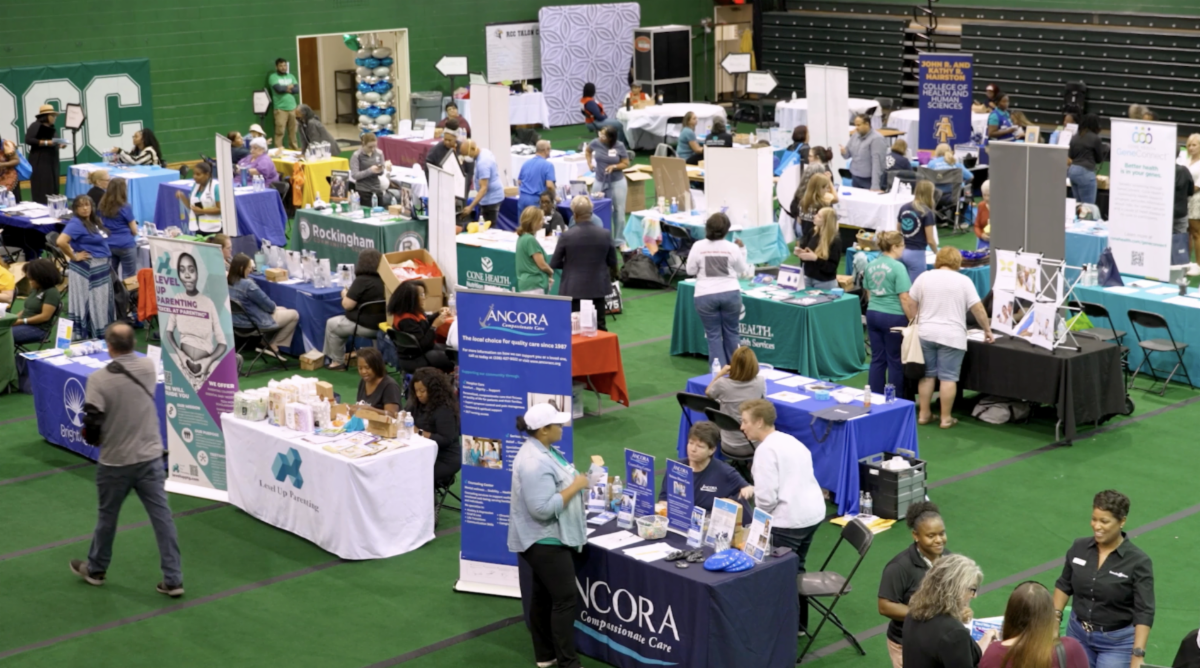
130+ Rockingham County Residents on Their Way to Building a Better You
Cone Health’s Center for Health Equity brought its signature “Building a Better You” event to Rockingham County for the first time on Saturday, Sept. 27, at Rockingham Community College. The interactive wellness event welcomed more than 130 attendees.
Building a Better You: Rockingham marked a milestone in Cone Health’s commitment to expanding access to care and resources in rural communities. Nearly 40% of attendees received free health screenings, a 12% uptick in participation when compared to “Building a Better You” events held earlier this year in Alamance and Guilford counties.
|
Racial Disparities in Clinical and Cost Outcomes Among Heart Transplant and Left Ventricular Assist Device Recipients: A Systematic Review
Although racial disparities in cardiac interventions have been studied extensively, disparities in heart transplants (HTs) and left ventricular assist devices (LVADs) have not been well-established. A systematic review was undertaken wherein 20 studies were identified for investigation, with a total of 785,486 patients. Of these, 104,356 patients were studied to assess HT and LVAD access, 332,885 patients were studied to assess in-hospital mortality rate, 346,303 patients were studied to assess organ function, and 1,942 patients were studied to assess costs associated with HT or LVAD treatment among different racial groups. Access was evaluated via the percentage of patient race within each study's population. White patients received the majority of LVADs (44,248 patients, 63.34%) and HTs (21,273 patients, 61.67%), followed by Black patients for LVADs (16,437 patients, 23.53%) and HTs (7,603 patients, 22.04%). Hispanic/Latino patients had the lowest rates of LVADs (4,071 patients, 5.83%) and HTs (3,153 patients, 9.14%). Asian patients had the highest in-hospital mortality (4,104 patients, 39.2%), whereas White patients had the lowest (84,977 patients, 36.2%). Results of cost outcomes varied, with Asian patients having the highest mean cost and Black patients having the lowest mean cost for transplantation. Racial disparities in HTs and LVADs were noted, highlighting the need for multi-faceted approaches to provide equitable access and improved outcomes.
|
WEBINAR EVENT – Inclusion Academy Culturally Responsive Care: Building Health Equity for Blacks, African and African Americans to Reduce Health Disparities
February 26, 2026, 12:00-1:00 pm
Health disparities continue to impact Black, African, and African American communities at disproportionate rates. Join us for a powerful and solutions-focused webinar that explores how healthcare professionals can take meaningful steps toward equity, inclusion, and justice in care delivery.
What You’ll Learn:
- Recognize key health disparities affecting Black, African, and African American communities.
- Identify effective strategies to reduce disparities and better serve these populations.
- Learn practical, culturally responsive steps to improve care and build trust.
This session is ideal for healthcare providers, public health professionals, and equity advocates who are committed to transforming care and closing the gap in health outcomes.
Register today and be part of the movement toward health equity!
| | | | |