Build it and they will come
Our mission is to conserve native species and habitats through
restoration, research and education. Our vision is a world where all people and wildlands are healthy and interact positively, biological diversity flourishes, and environmental challenges are met with a social commitment to solving problems with scientific principles.
And we need you to support conservation. To join us in our work,
"Life starts all over again when it gets crisp in the fall." - F. Scott Fitzgerald
|
|
|
|
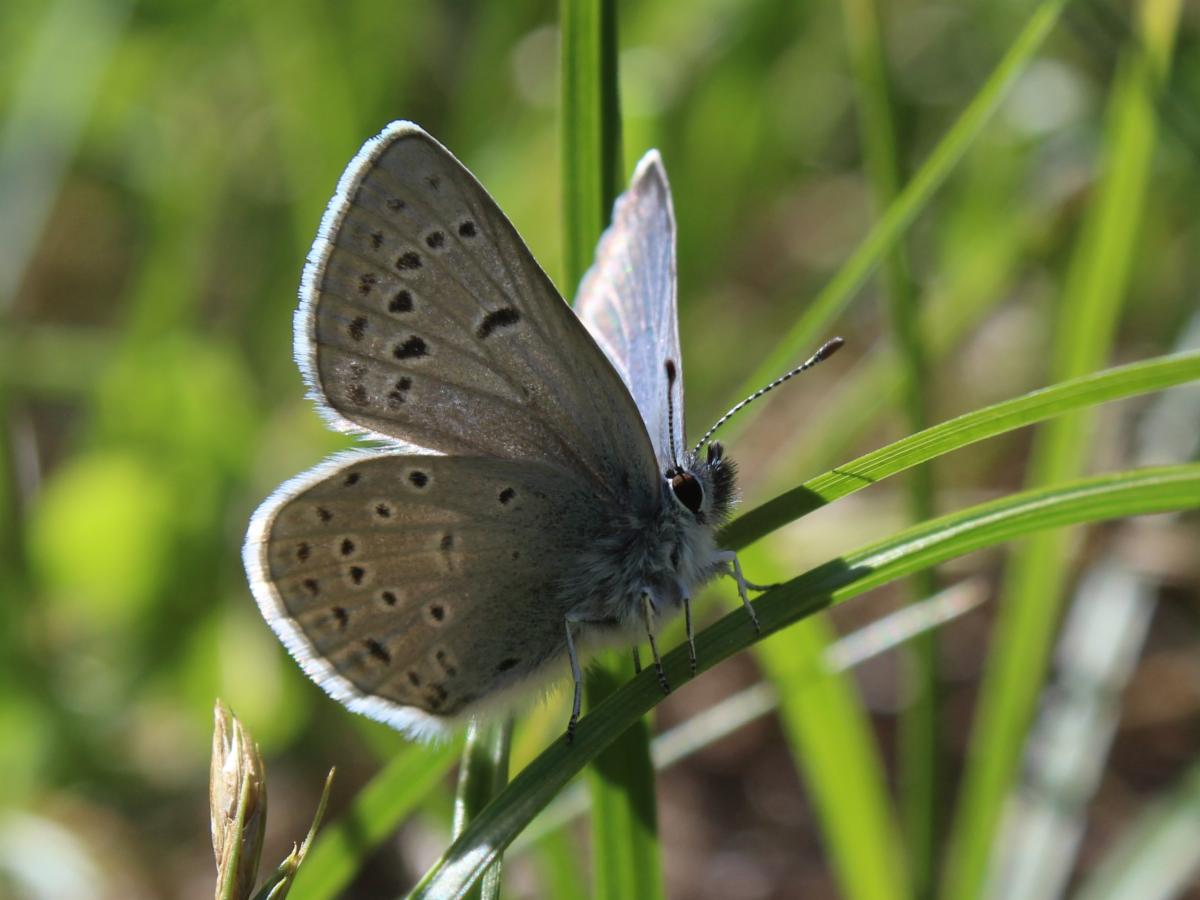
Build it and they will come: Fender’s blue butterfly seen this spring at Echo Hills Farm |
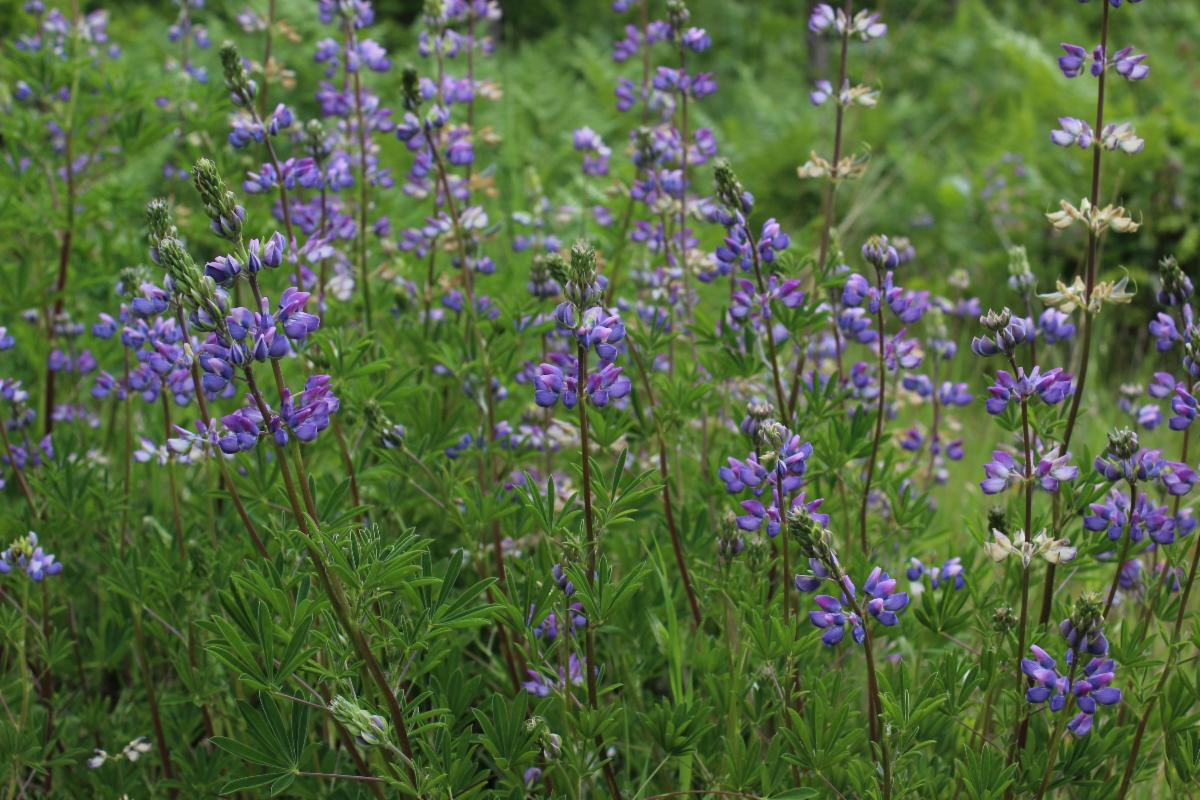
Kincaid’s lupine (Lupinus oreganus, below left) is a threatened plant species, found primarily in the prairies of the Willamette Valley, Oregon, that has become rare due to the loss and degradation of prairie habitat in our region. Kincaid’s lupine is the primary host plant for the endangered Fender’s blue butterfly.
Fender’s blue butterfly (Icaricia icarioides fenderi) is also federally listed (endangered, top left), and occurs only in the prairies and oak savannas of the Willamette Valley. Rediscovered in 1989, its existence was precarious, with a range-wide estimate of less than 4000 butterflies in 2000. Since then, dozens of land managers, private landowners and restoration practitioners have worked to restore Willamette Valley prairies, and efforts have paid off! In recent years, the estimates for the Fender’s blue butterfly population range from 14,000-29,000 individuals. Read More
|
|
|
|
Making Space for Coastal Grasslands |
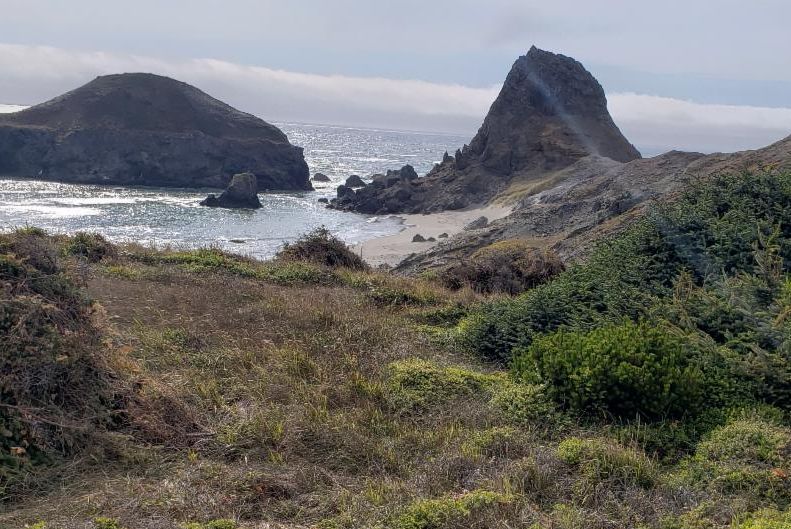
The Oregon coast is wild and rugged, with powerful erosive forces of wind and rain seasonally buffeting coastal habitats. Many coastal plants adapted to withstand the onslaught with roots that hold fast to soil and prevent erosion, tough or hairy leaves that reduce desiccation, and low statures that hug the ground to hunker out of the wind. Indigenous people used fire to maintain open headlands for visibility and to stimulate food plants. Fire and grazing animals kept the trees and shrubs from dominating and allowed native coastal prairies and grasslands to flourish. Today, coastal prairies are rare habitats threatened by coastal development and the steady expansion of shore pine (Pinus contorta) and spruce (Picea sitchensis) in the absence of regular disturbances. One example of intact coastal prairie can be found at Crook Point in Curry County, Oregon. Read More
|
|
|
|
Fire at Herbert Farm: Rekindling an age-old restoration tool |
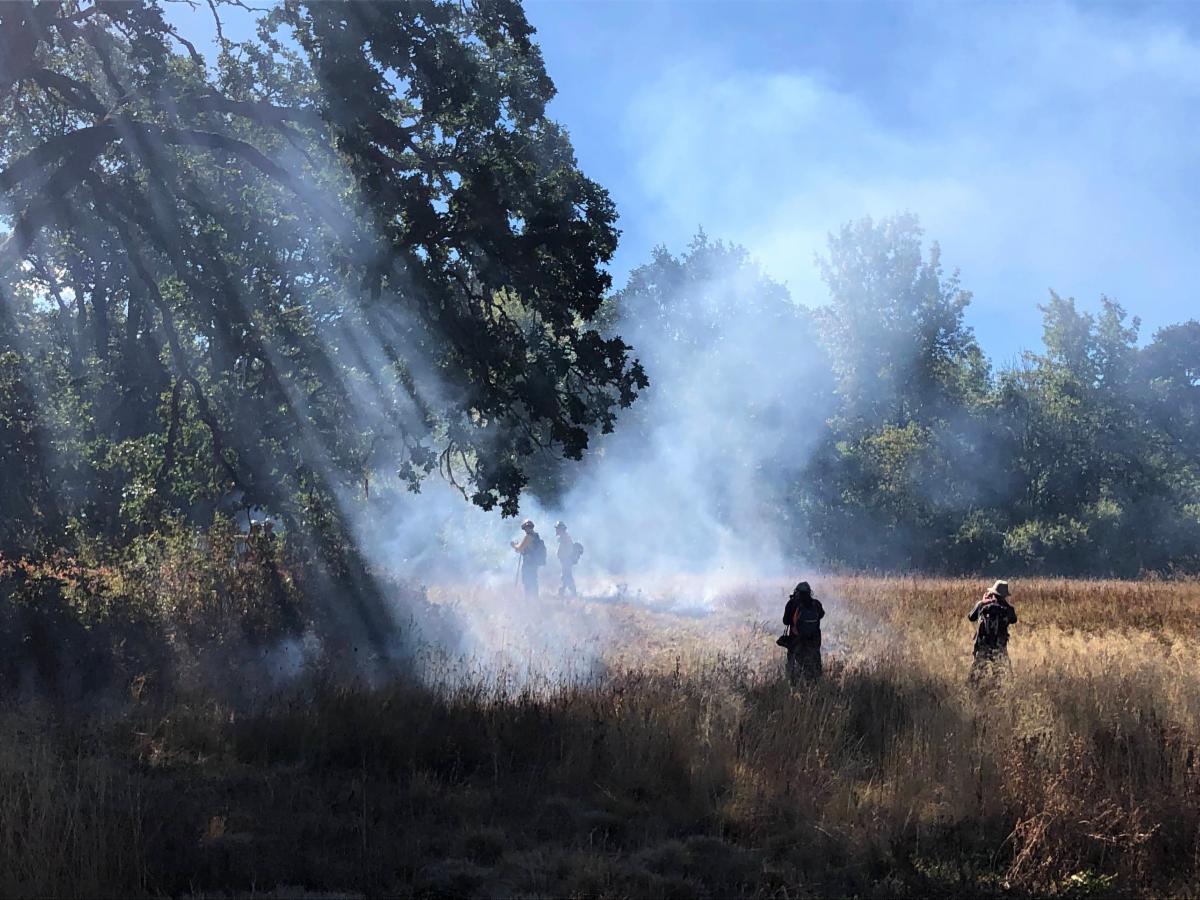
A red-tailed hawk soared overhead as we gathered at the City of Corvallis’s Herbert Farm and Natural Area where a cadre of firefighters discussed technique for a test fire. Soon, smoke billowed into the bright blue fall sky as City of Corvallis firefighters ignited the tall prairie wildflower stalks and dried grasses. A once-regular practice by native peoples of the Willamette Valley, fire is again being used to remove encroaching shrubs and grass thatch and encourage native seed germination at Herbert. Without burning, herbaceous and smaller-statured native plants become smothered by invasive plants and grasses. Over time, the lack of fire on the landscape has suppressed threatened plants that are important for butterflies and pollinators, such as Kincaid’s lupine (Lupinus oreganus) and Nelson’s checkermallow (Sidalcea nelsonii). Read More
|
|
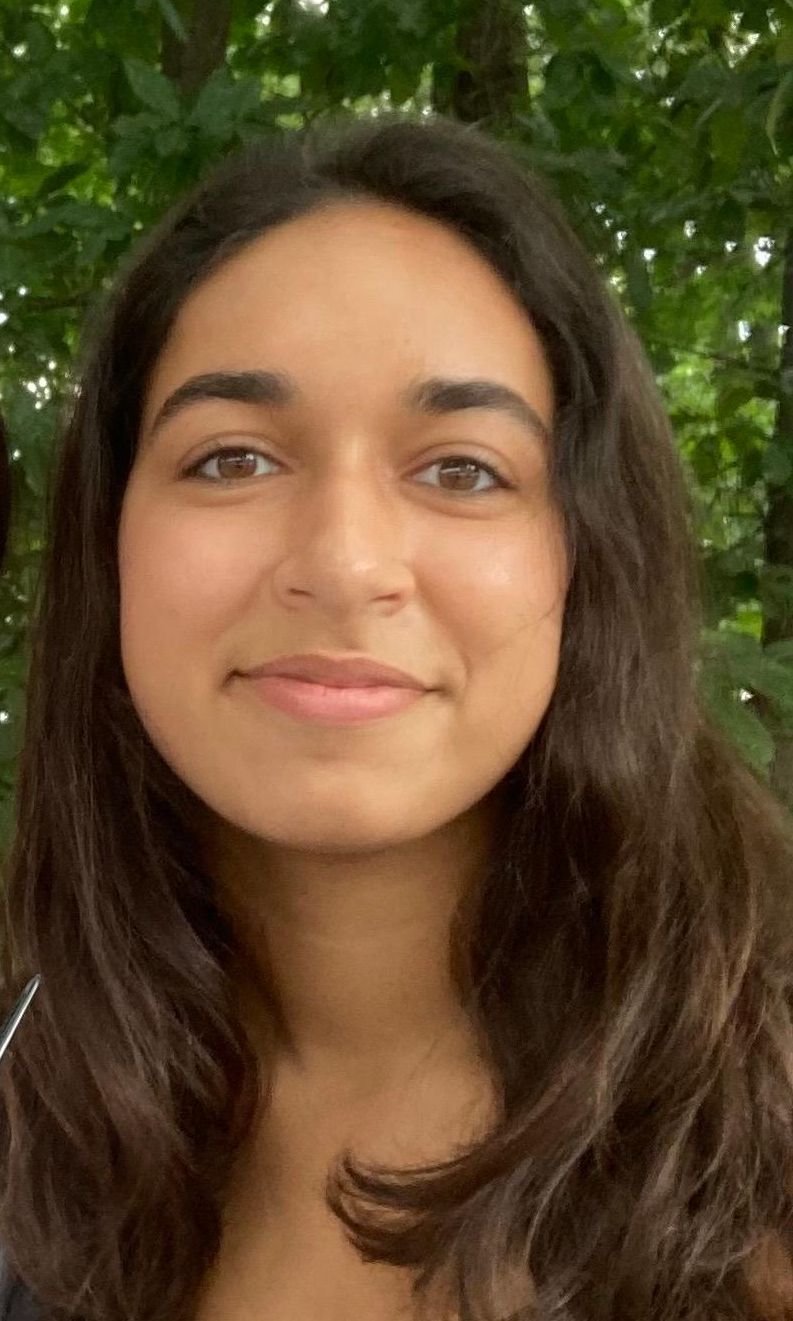
Intern Spotlight: Clara Rabbani
Building Community from Afar
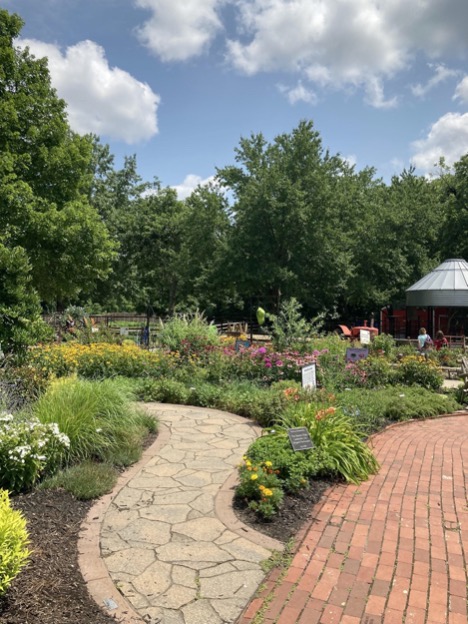
I spent this past summer interning with IAE via the University of Chicago Metcalf Internship Program and it was truly a memorable experience. I worked remotely from both my home in Kansas City, Missouri (photo below is of the Kansas City Botanical Garden), and from my relatives’ home in Aracaju, Brazil. Although my coworkers were based in Santa Fe, New Mexico, where the Southwest Office is located, it didn’t take long for me to feel the sense of community they nurtured and the impact of their work towards environmental education and conservation.
As a rising second-year student majoring in Anthropology and minoring in Environmental and Urban Studies, the opportunity to work for an institute so invested in cultural understanding and sustainable practices was rewarding. Over the 10-week period, I joined biweekly staff meetings as well as weekly individual check-ins with staff, who guided me through various projects. These sessions gave me a glimpse into the true spirit of IAE and the importance of the work being done in New Mexico.
My tasks included compiling research on the impacts of habitat fragmentation on plants and pollinators to inform endangered species conservation and policy; assembling a comprehensive “Seed Manual”, for native plant species of interest for restoration in the Southwest U.S; and developing a database on commercial availability of native plant species. Although I regretted missing the Forest Bound Conservation Education program, I was able to review content and write a glossary for the Blue Hole Cienega Curriculum, which made me feel connected to the mission of educating youth in the local community.
While I was unable to go out into the field and experience the true hands-on nature this internship typically entails, I am grateful for everyone who transformed my remote work into something meaningful and made me feel like part of the IAE community.
|
|
|
Announcements & Brief Updates |
|
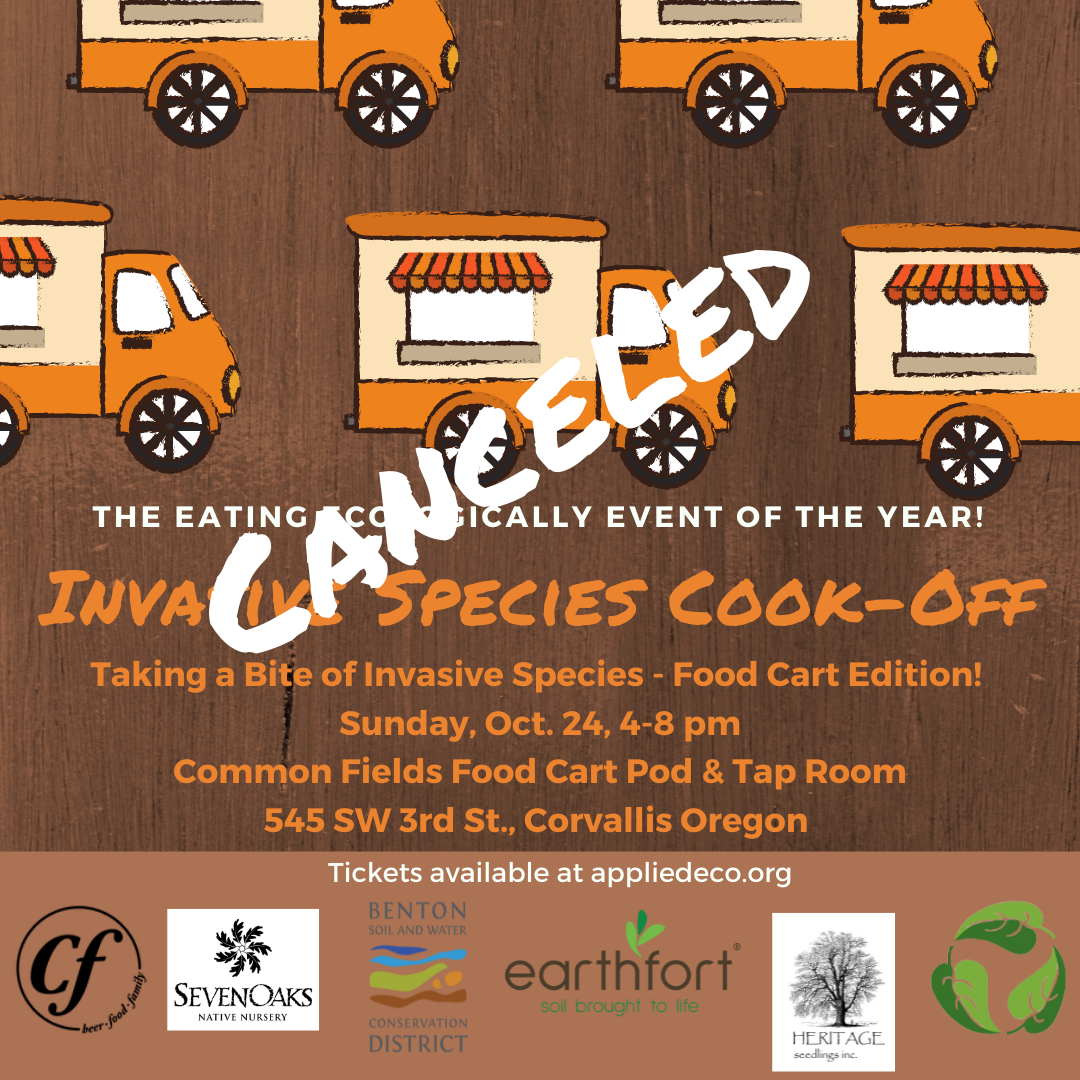
CANCELED!
The Invasive Species Cook-off
|
The Delta variant is not receding as we had hoped in Oregon. IAE has made the difficult decision to cancel this event, and re-schedule it in summer 2021. Stay safe! |
|
|
Save the Date!
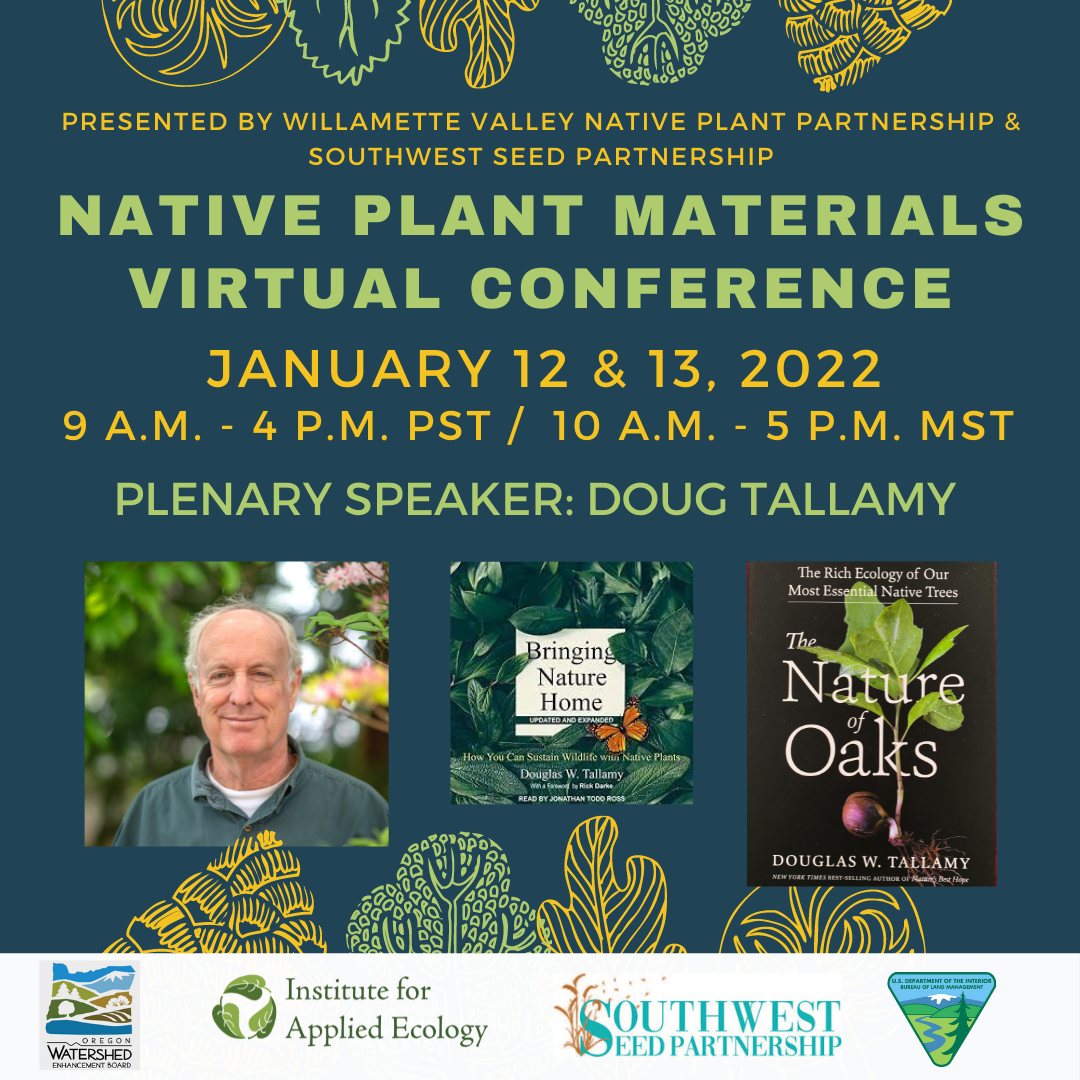
Virtual Plant Materials Conference
January 12 & 13, 2022
|
IAE is hosting a Virtual Native Plant Materials Conference on January 12-13, 2022, in partnership with the Willamette Valley Native Plant Partnership, the Southwest Seed Partnership, Oregon Watershed Enhancement Board, and the Bureau of Land Man. Author Doug Tallamy's plenary presentation will be The Nature of Oaks with panels of growers and experts from the Pacific Northwest and Southwest on a virtual platform. Stay tuned for virtual registration. We hope you’ll join us! Read More
|
|
|
Southwest Office - New Curriculum!
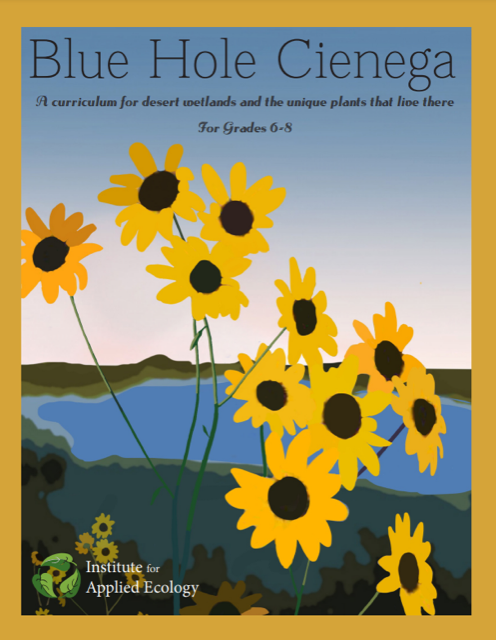
Blue Hole Cienega: A curriculum for desert wetlands and the unique plants that live there
|
This ecological curriculum for grades 6-8 uses place-based learning and activities to explore concepts in ecology, botany, and social dynamics of Blue Hole Cienega in Santa Rosa, New Mexico. Blue Hole Cienega, a spring-fed wetland in an otherwise arid region, is home to several rare plant species including the Pecos sunflower (Helianthus paradoxus) and Wright's marsh thistle (Cirsium wrightii). This curriculum was developed by IAE in partnership with the Quivira Coalition, who works with the Santa Rosa community and the New Mexico Environment Department Surface Water Quality Bureau Wetlands Program to guide wetland stewardship in Santa Rosa. Through this effort, it became clear that educating Santa Rosa youth about the unique ecosystem surrounding them is one of the most important steps towards lasting stewardship.The curriculum is part of the Wetland Action Plan funded by the New Mexico Environment Department Surface Water Quality Bureau Wetlands Program. It is available as a free download on our website.
|
|
|
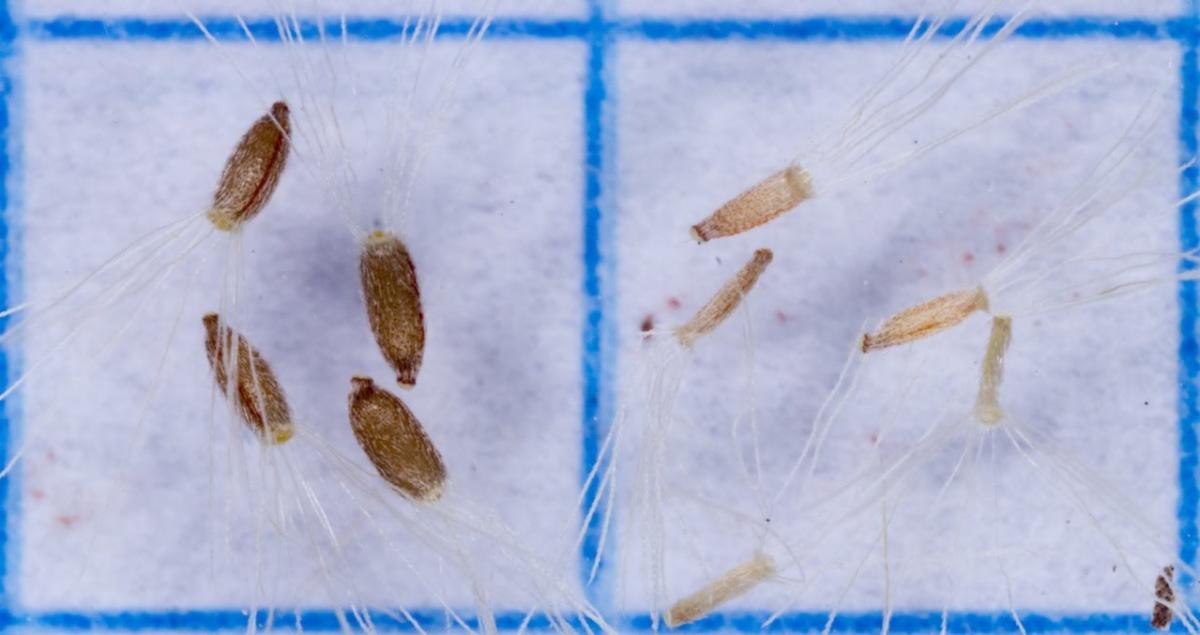
To develop an understanding of the mating system of Willamette Daisy (Erigeron decumbens) and how pollinators may be necessary for their reproduction, the Conservation Research Program is conducting a cross pollination study. After a productive season cross-pollinating Willamette Daisy in the field, we are now beginning a germination trial in the seed lab. We are looking forward to learning more about this rare plant and its pollinators.
|
|
|
|
|
Looking for an easy way to support our restoration, research and education work? IAE is proud to partner with EarthShare, a federation of leading non-profit environmental charities, making it easy for Oregonians to share the responsibility for our environmental legacy. Many workplaces can deduct from your paycheck via Earthshare; ask your employer to set up a Workplace Giving account. If you have questions, please send us an email at info@appliedeco.org. |
|
IAE Board of Directors:
Ken Bierly, President; Brandy Humphreys, Vice President; Cary Stephens, Secretary; Jack Halsey, Treasurer; Jason Bradford, Anne Bradley, Shinji Kawai, Judy Li, Carol Savonen, Sunia Yang
|
|
|
|
|
|
|