Vol. 1, No. 18 - October 23, 2015

Neuroscience, Intended and Unintended Consequences

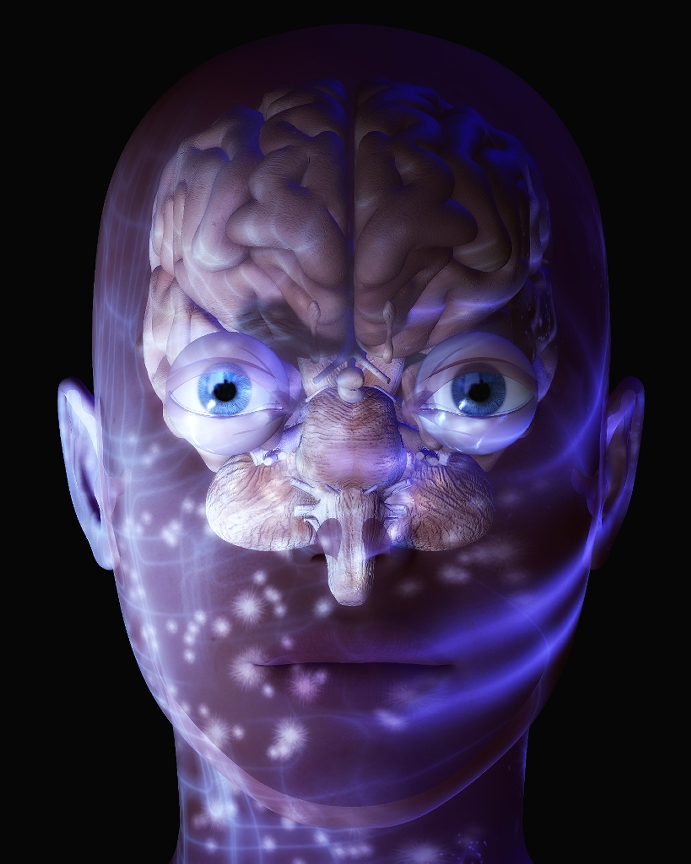
Neuroscience offers us exciting possibilities for enhancing human learning and performance. In the next decade, we are going to learn things we can't even dream of right now. But along with the dreams we may be in for some nightmares. Here's a couple of things for all of us to think about. Read more...


Read more posts on my Brain Matters Blog...


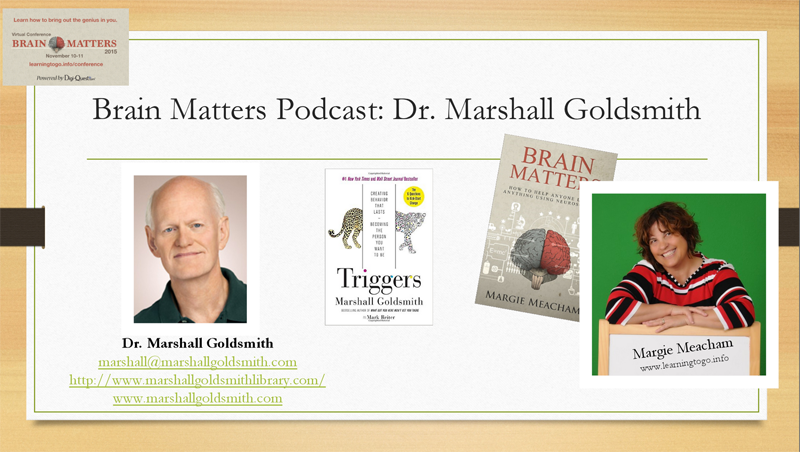
This week I sat down with our Brain Matters keynote speaker, Marshall Goldsmith, to talk about his #1 Best Selling book, Triggers: Creating Behavior That Lasts--Becoming the Person You Want to Be
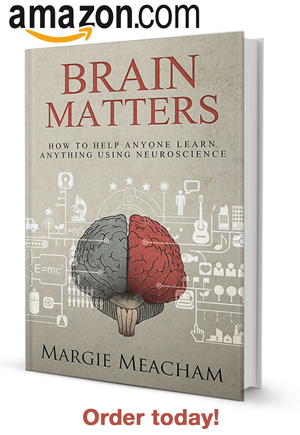
and his upcoming appearance at Brain Matters 2015. I was struck by how many unconscious triggers may be stopping us from bringing out our inner genius. If you love this podcast, buy the book and come to our online conference to ask Dr. Goldsmith any questions during his live session. Listen to Marshall's conversation with Margie... 
Facing the Skills Gap Crisis - What Can You Do to Develop Leadership Skills Now? (Or is it already too late?)
 
This week I find myself thinking a lot about a future in which neuroscience presents us with leadership challenges our future leaders will face and find myself wondering if we're prepared. Do we have enough future leaders with the critical thinking skills required to face the changes ahead for all of us? How can we accelerate the learning curve so that younger, less experienced employees are ready to lead when we need them to jump in?


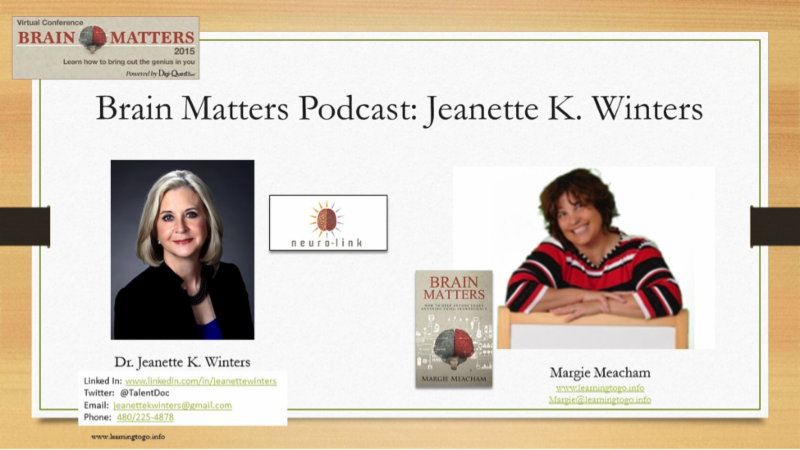
A few weeks back I interviewed neuro-coach Jeanette Winters on this subject and some of her recommendations may surprise you. You can replay the podcast here.


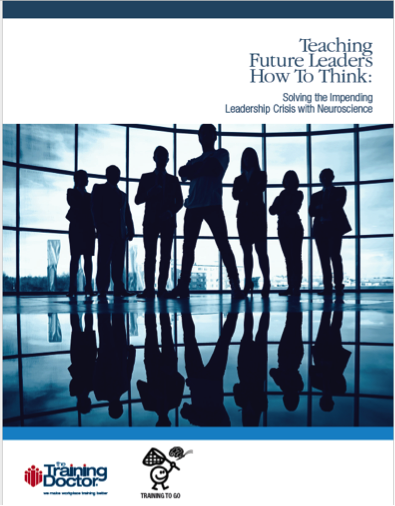
I also partnered with Training Doctor and leadership development expert Nannette Miner to write an ebook on the subject. We've developed an accelerated learning model for leaders that applies neuroscience to give new leaders the experience they need to grow critical thinking skills
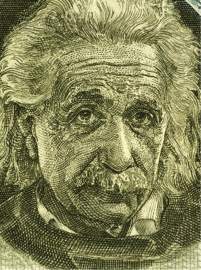
Celebrate the Einstein Centennial

One hundred years ago, an obscure technical assistant in the Swiss Patent Office published a series of papers that we now refer to as the theory of General Relativity and Albert Einstein's name became synonymous with the word "genius." After a century of reviews, tests and challenges, this theory still holds up and explains the outer world as we know it today. The entire month of November will celebrate this achievement as people from all over the world join in celebrating Einstein, science and the pursuit of knowledge.

At Brain Matters 2015, we're joining in the celebration by exploring the inner workings of genius through the lens of neuroscience. While it might not be immediately apparent, our studies of the brain today owe a huge debt to Einstein's work. We use fiber optics to manipulate neurons into expressing or suppressing certain genes. We apply quantum physics to understand the electro-chemical signaling in between neurons. We probe Einstein's preserved brain, trying to find the secret to his genius, so far to no avail.

You can learn more about Einstein's unremarkable life and remarkable career here. Check out the Einstein Centennial celebration on their homepage.



Join us at Brain Matters 2015: We've got an exciting line-up of speakers committed to this online event and we'll be featuring them in future issues of this newsletter. But don't wait to buy your ticket! We have a limited number of seats and we expect them to sell quickly!

This Conference is being provided by Learning To Go.
Powered by  Digi-Quest.com
Featured Upcoming Event:

Learning Solutions Conference and Expo 2016: Using Brain-Aware Design to Make Training More Effective (March 16-18, 2016 - Orlando)

The eLearning Guild puts on a great show full of educational opportunities and packed with networking and fun. I'll be sharing some of my tips for building learning experiences that are designed the way the brain learns - so that you can save time and have a greater impact on actual performance. Tell me more about this upcoming event...

More Upcoming Events: