|
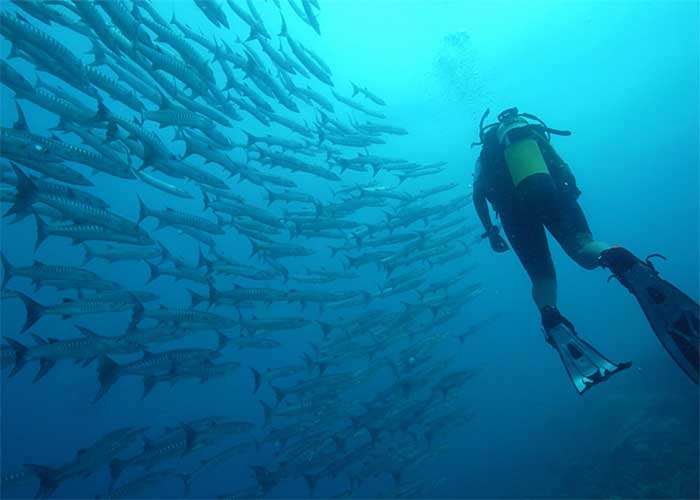
Living Planet Report Wildlife populations have fallen by 69% since 1970, and the decline is pushing our planet toward a climate catastrophe, according to a report by the World Wide Fund for Nature. The loss of biodiversity is being fueled by climate change and is placing all life on Earth at risk. The WWF's flagship Living Planet report 2022 collated from the Zoological Society of London’s Living Planet Index (LPI), a comprehensive study of trends in global biodiversity and the health of the planet analyses almost 32,000 populations of 5,230 species, and is the most detailed in its history. For more than 30 years Shark Research Institute has been a leader in the fight to save Earth's species from extinction at local, national and international forums including the Convention on International Trade in Endangered Species of Flora and Fauna (CITES). In addition to the current threats to marine life, of concern are ecosystems in Latin America, the Caribbean and the Amazon where wildlife populations have shrunk by 94%. The Amazon is fast approaching a tipping point without which the world cannot avert dangerous global warming.
Climate change and biodiversity loss are not only economic and social concerns, they are moral, ethical and environmental issues. Without further efforts to counteract habitat loss and degradation, global biodiversity will continue to decline, but if we act now we can reverse the loss with sustainable production, less consumption and strong conservation.
| |
|
More Protection for White Sharks
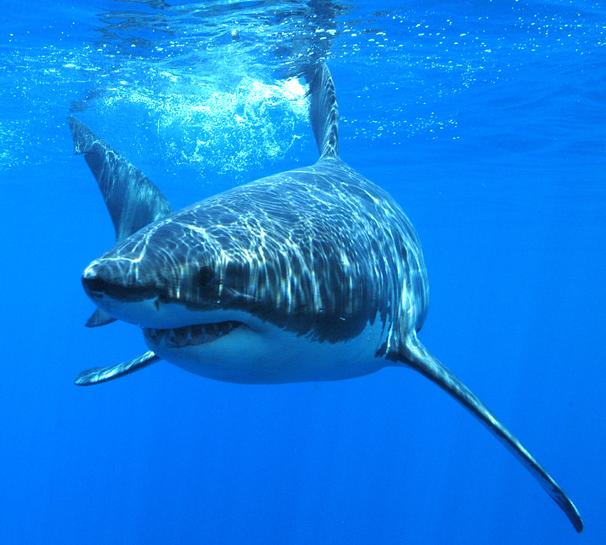
On September 19, 2022, Governor Gavin Newsom of California signed Assembly Bill 2109 into law. White sharks, already a protected species, now have even more protection in state waters.
The new rules go into effect on January 1, 2023. These rules prohibit the use of chum, shark bait, or shark lures to attract a white shark within one nautical mile of any shoreline, pier, or jetty, when a white shark is visible or known to be present. The new law also helps protect the public from unanticipated interactions with white sharks while allowing other legal fishing activities to continue, and gives law enforcement more means to protect white sharks from intentional efforts to catch or attract them.
Learn more
| |
|
Sharks on the Move
In Atlantic and Pacific U.S. waters, many marine fish species are shifting northward as the oceans
warm. Driven by climate change, fish and other marine wildlife are migrating from warmer waters toward the poles.
NOAA assessed 82 fish species, including some sharks, off the northeastern United States and found impacts of climate change vary by species. They found, in general, that sharks may be less vulnerable than other marine organisms (e.g., shellfish, salmon, or eels), and are less likely to experience changes in abundance. However, because of their extensive range, sharks have a high likelihood of shifting their distribution or expanding into new habitats to follow their prey and more favorable ocean conditions.
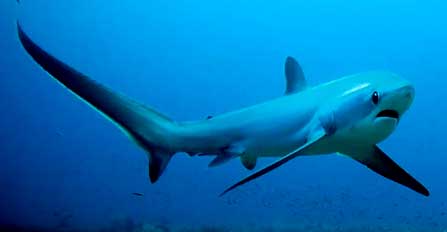
Some species of sharks and rays are moving to deeper, cooler waters as shallow coastal environments warm. Other species such as thresher sharks (Alopias vulpinus) which are common off southern California, are expected to become more common off Alaska. Along the northeastern United States, smooth dogfish (Mustelus canis) may actually gain suitable habitats but thorny skates (Amblyraja radiata) may lose habitats as the region warms.
Read more
| |
|
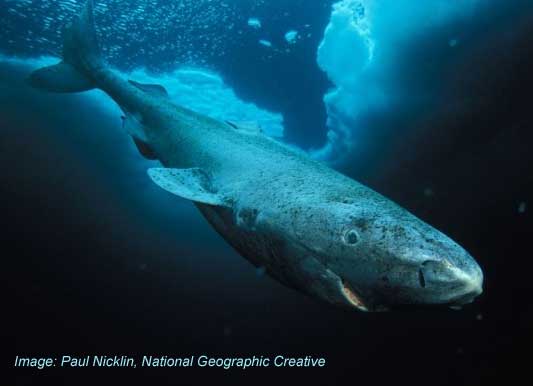
Historic Protection for Greenland Sharks
After years of denying protection, the Northwest Atlantic Fisheries Organization (NAFO), an intergovernmental organization that manages fisheries, has prohibited the retention of Greenland sharks (Somniosus microcephalus) in international waters. This ban applies to the intentional catching of Greenland sharks as well as the retention of the species as bycatch. Greenland sharks live deep in the Arctic and North Atlantic oceans, grow up to 24 feet in length, and live at least 250 years, possibly as long as 500 years.
Learn more
| |
|
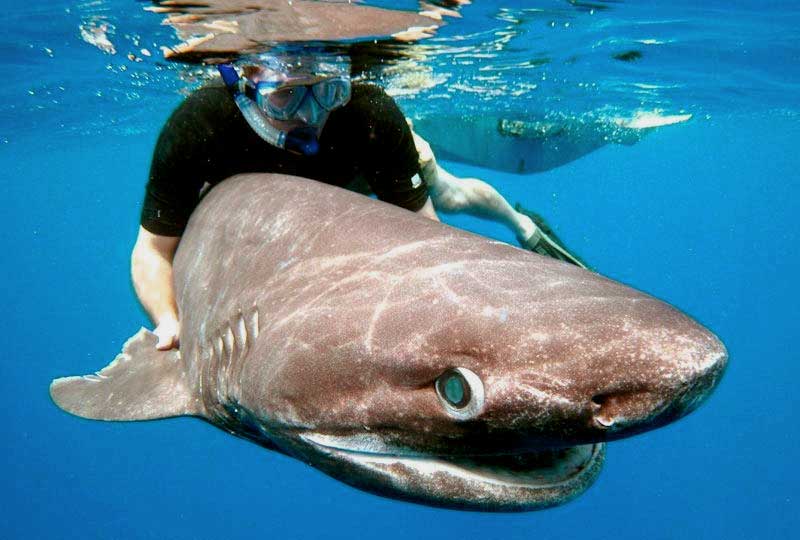
Large Sharks off the Coast of Oregon
Of the eight species of large sharks ranging in size from 10 to almost 40 feet in length found off the coast of Oregon, four are completely harmless (basking shark, bluntnose six-gill shark, Pacific sleeper, and the Pacific thresher shark). Three other species may be dangerous (white shark, shortfin mako and the blue shark) and one species (salmon shark) might pose a hazard. Between 1974 and the present, a span of 48 years, the Incident Log of the Global Shark Attack File reports only one individual sustained a fatal injury from a shark along the coast of Oregon.
Learn more
| |
|
NOAA Fisheries Monitoring Gray Whale Decline
The numbers of gray whales (Eschrichtius robustus) that migrate along the west coast of the USA has declined in numbers, down 38% from a peak of about 27,000 whales in 2016 to 16,650 this year, and they produced the fewest calves on record this year since counts began in 1994.
Many of the 600 dead whales recorded from 2019 to 2022 appeared malnourished, died after being struck by ships, were fed upon by orcas or stranded. The increase in gray whale strandings has prompted NOAA Fisheries to initiate an investigation into the likely causes, and identified several contributors.
The population has fluctuated widely before, including a drop of around 40% from the late 1980s to the early 1990s. In 1994, gray whales were removed from the list of endangered species.
Learn more
| |
|
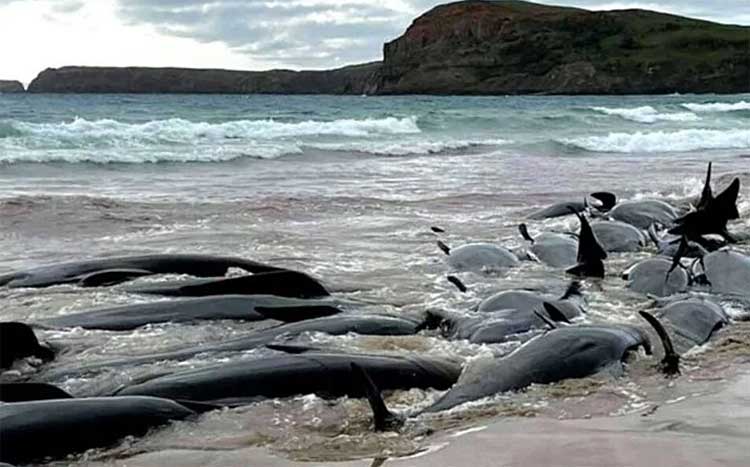
Another Mass Stranding of 500 Pilot Whales
Wednesday October 12, 2022, New Zealand authorities confirmed 477 pilot whales have died in two recent strandings, in what they call one of the country's largest such events.
The strandings occurred on the remote Chatham Islands, some 520 miles off the eastern coast of New Zealand's South Island. On October 7, 2022, 240 whales stranded on the main island, and then on Monday October 10, 2022, another group of pilot whales were found stranded on Pitt Island, about 25 miles north of the first event.
However, no rescue attempts could be made on Chatham Islands due to the area's small population, the inability to mobilize trained medics quickly, and the risk of predators close to shore which pose a threat to both human rescuers and whales.
Learn more
| |
|
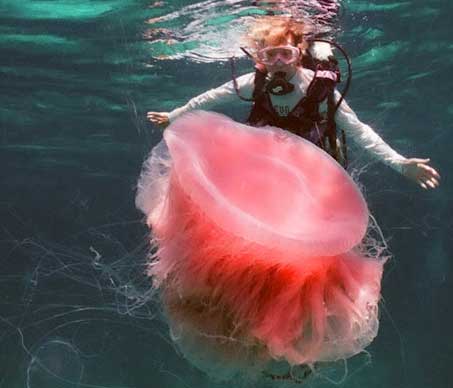
Beware the
Pink Meanie!
For nearly two months, the Florida panhandle has experienced an influx of pink meanie jellyfish
(Drymonema_larsoni). The huge pink jellyfish has tentacles up to 70 feet long and although it is not generally considered dangerous to humans, it can deliver a painful sting. These big jellyfish have a large bell and can weigh 30 to 50 pounds. Pink meanies feed on other jellyfish, such as the moon jellyfish, so you are most likely to encounter them when blooms of jellyfish are abundant.
| |
|
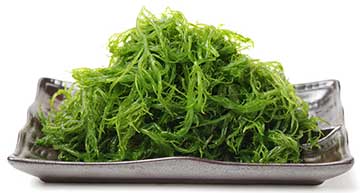
Farmed Seaweed
The fast growth of offshore aquaculture is expected to reach $85 billion in value in a few years. Seaweed is being farmed for food, animal feed, and bioplastics. Seaweed can also be used to sequester atmospheric carbon dioxide.
Some seaweeds have advantages over terrestrial crops because they are fast-growing so it is often possible to produce multiple crops per year in the same area. In most latitudes, the aquatic environment permits farming throughout the entire year. Fast growth and multiple crops per year result in a comparatively high yield per unit area. Further, since coastal waters are often rich or overenriched with nutrients, there is no need for fertilizer, which is a significant cost incurred by terrestrial farms.
Eight Asian nations produce 99% of farmed seaweed while most of the 150 countries with coasts have yet to begin seaweed farming.
| |
|
Shoes from Algae
Algae, the microscopic plants in the ocean that clear carbon dioxide from the air and provide food for millions of marine species, are now used to create biodegradable shoes. UC San Diego Students are turning algae into the substance to create soles of shoes and the soft padding on top of them where your foot goes. They’ve already sold about 1000 pairs of these shoes priced at $135 via Blueview Footwear out of UC San Diego. The shoes are available in four colors and all the materials they contain are biodegradable.
Learn more
| |
SUBMERGE Marine Science Festival
DATES: October 14 &15, 2022
TIME: 11:00AM to 3:00PM
LOCATION: Pier 84 at Hudson River Park, 555 12th Ave, New York, NY 10036
Come celebrate all things marine science during two fun-filled days, at Hudson River Park’s SUBMERGE Marine Science Festival! With live and in-Park activities led by their River Project team and STEM experts across New York, SUBMERGE brings marine science to life as you learn about NYC’s coastal waters. This interactive science festival invites the public to grow through awesome experiments, kid-approved entertainment and more!
It features a diverse array of hands-on marine science: talk shark with Dave Grant of the Shark Research Institute: meet local wildlife, and even a chance to get on the Hudson River. Registration is required for some activities; please check on Hudson River Park’s website to learn about individual program information as we get closer to the Festival date.
| |
|
Walter Munk Day
DATE October 15, 2022
TIME: 10 AM to 4 PM
LOCATION: Kellog Park, La Jolla Shores, San Diego, CA
Walter Munk was the “greatest living oceanographer,” widely recognized for his groundbreaking investigations of wave propagation, tides, currents, circulation and other aspects of the Ocean and Earth. The purpose of this event is to raise awareness of the fragility of our oceans and coastal environment. Numerous dignitaries will be in attendance, music, food, and Ocean Alley exhibitors will be offering interactive educational activities and games to engage the public and promote stewardship of the ocean.
| |
|
Friday Harbor Film Festival
DATES: October 21 to 23, 2022
LOCATION: Friday Harbor, Washington, USA.
Join film lovers in scenic Friday Harbor, WA for three days of documentaries, filmmaker Q&As, Opening Night Gala Honoring Filmmakers, Filmmakers Forum, and special awards.
There will also be a showing of Leslie Chilcott's film Watson, an action-adventure film that paints a portrait of Captain Paul Watson, co-founder of Sea Shepherd and the recipient of FHFF’s 2018 Lifetime Achievement Award. He has spent over 40 years fighting to end the destruction of the ocean's wildlife and its habitat. The film blends contemporary interviews with Captain Paul Watson, archival clips of dramatic encounters, and spectacular underwater nature footage.
Learn more
https://www.fhff.org/
| |
|
Notes
Searching for a Unique Gift for someone special (or for yourself? Consider adopting a tiger shark cataloged by SRI's team in Hawaii.
SRI Headquarters will be closed November 14-25/26. SRI staff and scientists will be attending the Convention on International Trade in Endangered Species in Panama, supporting the listing of more shark and ray proposals.
Amazon.com is offering an opportunity to generate donations to the Shark Research Institute at no extra cost to you. Simply start your shopping at smile.amazon.com/ch/22-3110087, confirm "Shark Research Institute, Inc." as your charity of choice, and Amazon will make a donation to our organization.
You may join or renew your membership in the Shark Research Institute, or make a donation of any size at https://www.sharks.org/donate
Note: All donations are tax-deductible from U.S. federal income taxes as
charitable donations and help fund our field research, advocacy and education programs.
| |
Please share this free weekly newsletter with your friends and family to help grow our audience. All they need to do to receive the newsletter is simply sign up on our website’s home page (https:www.sharks.org)
We all have a lot of work ahead to protect sharks and the ocean,
and combat climate change while there is still time.
| | | | | |