MONTHLY RESOURCES FOR THE MEP | | |
How YOU Would Support José
Thank you for your responses, incorporated in the examples below, to our first Student Scenario Challenge. We are happy to hear that you are incorporating the scenario into staff trainings!
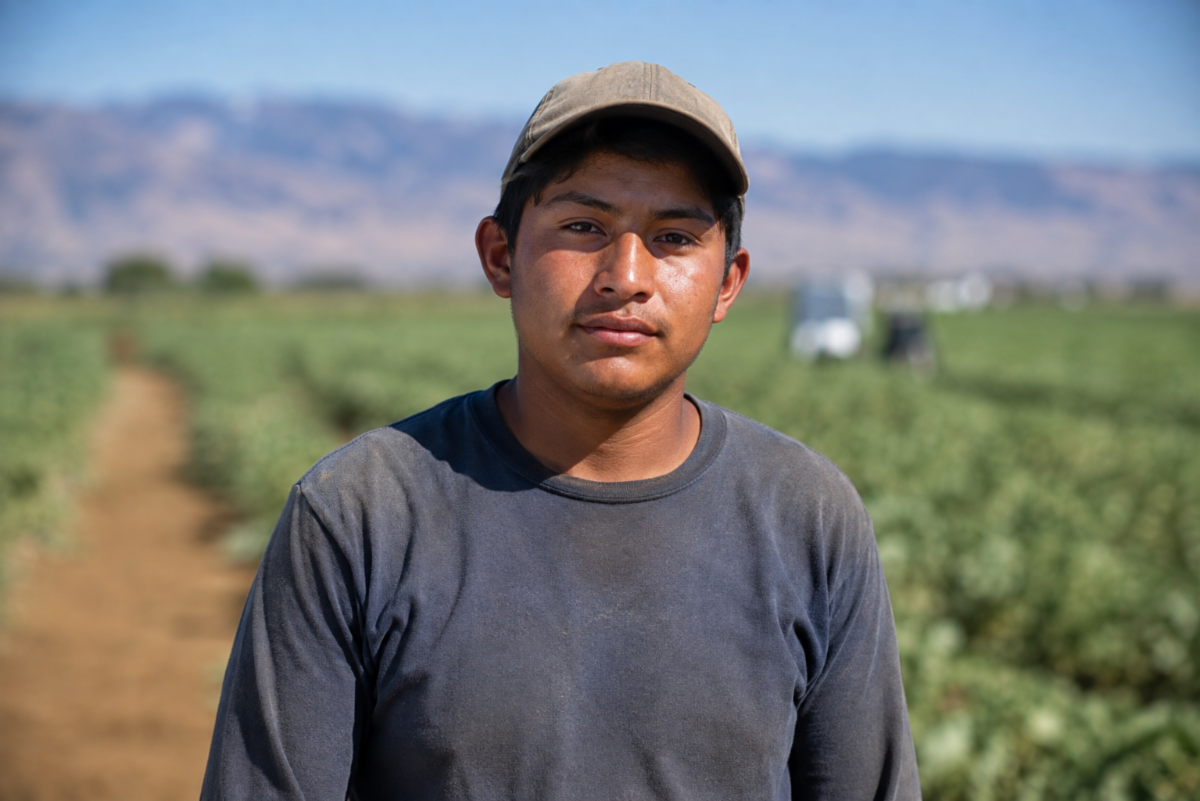
Our student José is 20 years old and in the United States on a nine-month H-2A agricultural work contract. He completed 4th grade in Mexico and has limited reading and writing skills in Spanish. José understands that learning English is important for workplace safety, daily living, and future H-2A opportunities.
Considerations as you plan instructional support for José:
- 10–12-hour workdays, six days a week (with Sundays typically his only day off)
- access to Wi-Fi is unreliable
- instruction primarily in-person
Begin to address José’s needs by crafting a flexible, individualized instructional plan that:
- respects José’s demanding work schedule
- focuses on English skills he can immediately use in his daily life and workplace
- is highly practical and delivered using low-literacy strategies - including visuals, modeling, repetition, real-life objects, oral practice, role-playing, and hands-on activities
- has lessons that prioritize workplace safety vocabulary, communicating with supervisors and coworkers, numbers, signs, transportation, shopping, healthcare, and other survival English skills
- prioritizes goal setting activities with José to include establishing small, achievable goals.
- includes progress monitoring
- includes his service provider planning for and regularly adjusting instruction based on his progress, interests, and immediate needs
The following iSOSY instructional resources would benefit José:
| | |
Standing Strong Together:
Stop Bullying in Its Tracks
October is National Bullying Prevention Month. This is the perfect time to remind everyone that bullying is never acceptable, and no one deserves to be bullied or to face it alone.
Simply said, bullies use repeated, unwanted behaviors to hurt, threaten, embarrass, or exclude someone. It often happens at school, at work, in communities, housing areas, during transportation, and online.
The smart – and often the most effective - course of action is to stop bullying before it even begins.
-
Talk about respect early and often. Differences in language, culture, work, clothing, religion, and traditions should be treated with dignity.
-
Create a trusted adult network. Make sure everyone, children and adults alike, can name at least two adults they can contact at school, at home, or in the community.
-
Know local norms. Ask schools and employers for their bullying, harassment, and complaint policies in a language you understand.
-
Build connections. Get to know teachers, neighbors, faith or cultural groups, worker centers, libraries, and community programs.
-
Learn (and teach) safe bystander actions. Those who see bullying can stand beside the targeted person, get help, document what happened, or report it. No one should confront someone when it feels unsafe.
-
Model respectful behavior. Avoid insults and stereotypes, correct harmful language, and praise all who include or defend others safely.
-
Check in regularly. Short, routine conversations make it easier for children and adults to speak up before a problem grows.
Remember: Speaking up is a sign of strength. Everyone deserves to learn, work, travel, and live without fear. A caring adult, coworker, teacher, or community member can help stop bullying—and no family has to face it alone.
| | |
In May 2026, New York MEP student “Yareth” became the first in the pilot program to earn her High School Equivalency Diploma! Yareth came to the United States four years ago in the middle of 11th grade. "I was scared because it was a new life," she explains. It was difficult for her to learn English while trying to adjust to her new classes. "I tried very hard," she says. She was an honor roll student, but did not pass the NYS Regents Exam in English Language Arts for graduation. "I was so disappointed," she recalls.
When Yareth learned about the GED, she decided, "It's now or never." She enrolled in the AZTEC GED Pilot Program offered by her regional NYS-MEP program center. In an area with limited GED resources, the program provided a real pathway forward by combining computer-based independence with local educator support. Yareth passed the Language Arts Exam in May and recently received her High School Equivalency Diploma in the mail. "I was so very, very happy, " she says, adding that everyone in her family cheered when the diploma arrived. Yareth is now planning to enroll in college.
| | | | |