The Wyoming Health Council works to ensure that all people can access safe, unbiased, high-quality sexual and reproductive health care. | |
|
Parents and guardians are important educators in their children's lives. And while they want to be good educators, many may not understand how to do the job well, especially when it comes to discussing healthy relationships and sexuality. These conversations are important. Recent statistics show that while teen pregnancy rates are decreasing, sexually transmitted infection rates among teens are increasing.
Quick Tips!
Talk to your children often and set the tone early!
- The easiest time to send a signal of being “askable” is when they are very young. This can mean explaining to a toddler why his/her body is different from their brother or sister. It can also mean helping them understand what healthy friendships, and eventually healthy relationships, are and what they are not.
For those parents who have not had an early chat with their now pre-teen children, it’s not too late!
- Start by discussing an event in the news or TV. Ask your pre-teen’s opinion about it. Share yours. At some point in the conversation say very clearly, “You know we haven’t talked about this kind of stuff much before, but I want to change that”.
Learn More!
Tips For Talking About Sexual Health
| |
Let's Talk Month: Planned Parenthood on Consent and Boundaries
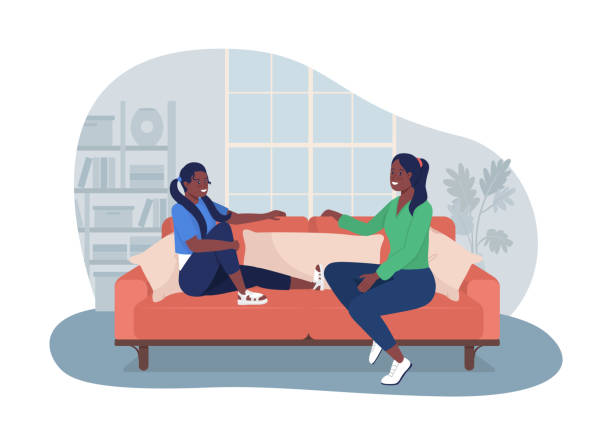
When you’re ready to talk to your kid about the importance of creating boundaries, you may wonder if it’s the right time to kick off those conversations.
Short answer: Yes, you can do it right now!
As part of Let’s Talk Month — an annual October campaign to foster continued conversations between youth and adults about sex education — we had a chat with our friends over at Planned Parenthood.
Julia Bennett, MPH, Planned Parenthood’s director of digital education and learning strategy, drilled down on the importance of sex education that incorporates consent and boundaries as a foundation.
Bennett says that sex education gives young people age appropriate, medically accurate information and answers to their questions about sex and relationships without being judged.
Access to this info is proven to positively impact people’s lives, including lowered rates of STI transmissions and less reported instances of bullying and IPV.
| |  |
|
How to Talk About Sex With Your Parents
For some of you, the last thing you want to do is talk about sex with your parents, but even if you’re not sexually active, opening the door for talking about sex is essential, because you never know when you (or even a friend) may need help in the future. Plus, there's nothing to be ashamed of, so it's better to be comfortable talking about it sooner rather than later. If you ARE sexually active, then you should try to talk to your parents —as long as you feel like you're not putting yourself in any danger or harm.
“It’s important to start the conversation long before you need to have it,” says Dr. Justine Shuey, a board-certified sexologist and sexuality educator. “Then when something happens, you already open the door to the conversation and it will be easier to talk about.”
| | |
Cultural Norms When It Comes to "The Talk"
Research shows that parent-adolescent communication about sex can protect against risky sexual behaviors in teens. So what happens to those who, by cultural nature, do not receive such warnings?
Know a teen of Latino or Asian immigrant parents? Did you know that you might be the ONLY person who talks to them about sexual development? It’s true. As a child of Korean immigrants myself, it was culturally painful and taboo to discuss the already sensitive topic of sex out loud, let alone with my parents. Even as a 30-year old woman with two kids of my own, the thought of having this conversation with my parents still makes me cringe.
Blame the parents? Partly, but really, it’s cultural. The National Longitudinal Study of Adolescent Health found that Latina and Asian mothers were less likely to talk to their children about sex than other ethnicities. Although family relationships are vitally important to Asian Americans, ironically, dialogues on sensitive topics such as sexual feelings, intercourse, pregnancy, HIV, and drugs are rare in families. Instead, these types of messages may be conveyed in indirect, implicit, and nonverbal ways easily understood by their Asian American children. Of course, this research is not the case for every single Asian American or Latino you work with, as families may vary on levels of acculturation, but it is something to keep in mind as you work with young teens of this ethnic background.
| | |
Breast Cancer Awareness Month | |
|
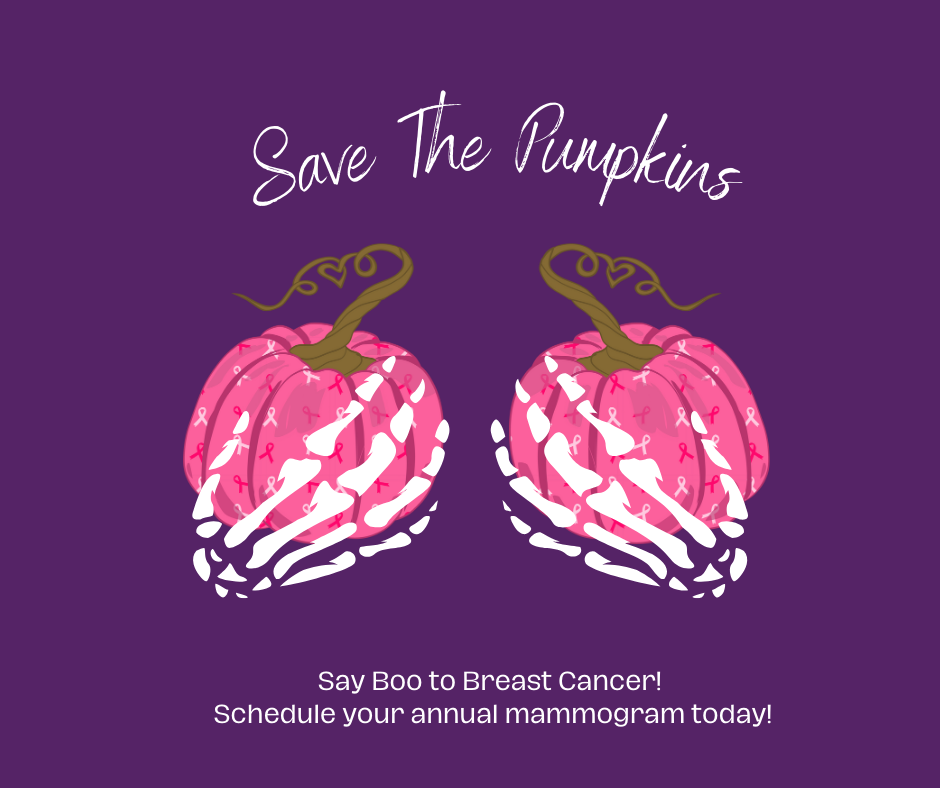
Breast Cancer Awareness Month, held in October every year, aims to promote screening and prevention of the disease, which affects 1 in 8 women in the United States every year and 2.3 million women worldwide.
October can feel different for each of us — some wear pink to celebrate, some quietly observe the month, some feel grief, and some feel unseen or misunderstood. We want to normalize it all.
More information is provided by Breastcancer.org.
Find Support in you area at American Cancer Society
| |
 | |
Metastatic Breast Cancer Awareness Day October 13, is nationally recognized in the United States as Metastatic Breast Cancer Awareness Day. About 30% of early-stage breast cancers eventually metastasize (spread to parts of the body away from the breast), and the day is intended to drive awareness of the need for more research about metastatic disease.
Metastatic Breast Cancer: Prognosis and Survival Rate
If your doctor has made a diagnosis of metastatic breast cancer, this means that the cancer has advanced to what’s known as stage 4.
Stage 4 breast cancer refers to cancer that’s spread beyond the breast tissue and local lymph nodes into other areas of the body.
To understand the prognosis, or outlook, for stage 4 breast cancer, it helps to know something about the process of metastasis. When cancer “metastasizes,” it has spread beyond the part of the body where it originated.
In the case of breast cancer, receiving a stage 4 diagnosis may mean the cancer has reached organs outside the breasts, like your bones or your lungs. In this article, we’ll go over what to expect when it comes to metastatic breast cancer, from prognosis to treatment.
| | |
 | |
Men’s Breast Cancer Awareness Week In 2021, U.S. President Joe Biden designated October 17 to October 23 Men’s Breast Cancer Awareness Week. Although breast cancer is much more common in women, breast cancer affects men, too.
About 2,710 American men this year are expected to be diagnosed with breast cancer, and about 530 are expected to die from the disease. But lack of awareness and stigma can be barriers to detection and care. Some men, trans men, and non-binary people choose to call their cancer chest cancer.
Advocating for Male Breast Cancer Awareness
There’s no doubt that breast cancer is well known and highly advocated for, but in my experience, one of the most difficult challenges I faced was the lack of understanding when it came to men who have breast cancer. That’s why I’m such a strong advocate about my journey with stage 2 breast cancer, in the hopes that it can help someone else who may be struggling with the same issues and facing similar disparities when seeking out the proper treatment and care.
I want to empower other men who receive this rare diagnosis so they can see how I tackled the cancer head-on and came out on the other side a changed person, with a lot to give back to the breast cancer community. I want to offer all of the support, knowledge, and advice that I can, as well as tips for prevention and discussing the disparities not only amongst male breast cancer patients, but Black cancer patients as well.
| | |
Breast self-exams aren’t recommended anymore. Here’s why.
Q: Should I be doing breast self-exams? Why aren’t they recommended now?
A: You should alert your physician if you notice new changes to your breasts such as dimpling, rash or a lump. But teaching breast self-exams isn’t advised anymore because it hasn’t been shown to prevent breast cancer deaths.
In 2009, the United States Preventive Services Task Force (USPSTF) officially recommended against teaching breast self-exams — a practice that had been widely touted in public health campaigns for years before the guidelines. Those decades-old campaigns are ingrained into many of our memories. I recall cards in the locker rooms at the gym growing up that instructed women on breast self-exam technique.
So it may come as a surprise that they’re no longer recommended.
This doesn’t mean women (and men) should not familiarize themselves with their breasts — even if teaching regular breast self-exams hasn’t been shown to affect mortality.
| | |
|
The Confusing World of Breast Cancer Screening for Transgender People
Navigating breast and chest health as a trans or non-binary person can be far from straightforward.
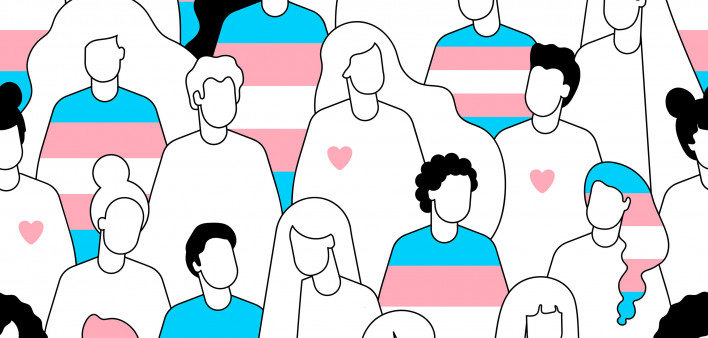
Cisgender women are easily the largest gender demographic affected by breast cancer, but transgender men, trans women, and non-binary people (along with cisgender men) can also develop the disease. When it comes to screening and early detection, however, transgender and non-binary people are almost totally out of the picture. Although screening guidelines for cisgender women are frequently changing and can be difficult to follow, the situation is even worse for transgender and non-binary people. Guidelines do exist specifically for transgender people, but because the data backing them is scarce, the recommendations are not well known — even among doctors — and differ dramatically between sources.
The screening guidelines for transgender men and non-binary people who are assigned female at birth (afab) are largely based on the guidelines for cisgender women, but the impact of top surgery on the need for breast cancer screening is debated among physicians. Guidance for transgender women and non-binary people who are assigned male at birth (amab) are based on even less data and are mostly influenced by length of time on estrogen, which can increase breast cancer risk.
| |
|
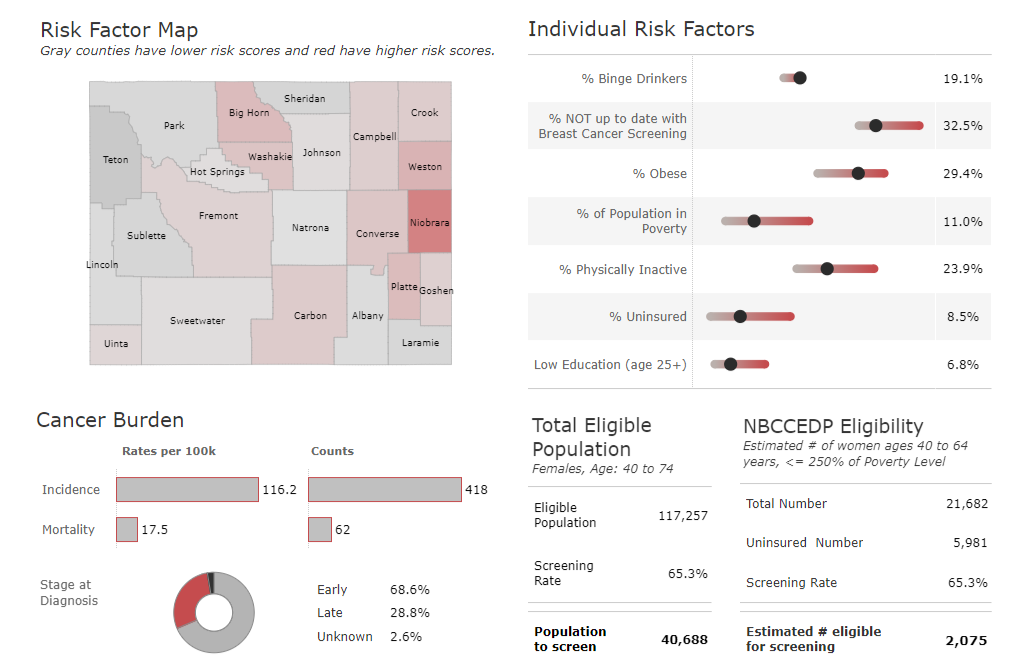
Breast Cancer in Wyoming
Click on map image for more info!
| |
The Wyoming Cancer Program provides applications for breast and cervical cancer screenings! Check out their website for more information! | |
|
LGBTQ History Month was created in 1994 by Rodney Wilson, a high school history teacher in Missouri, who wanted to give students better access to LGBTQ history as well as more role models with whom they could identify.
In 1995, a resolution passed by the General Assembly of the National Education Association included LGBTQ History Month within a list of commemorative months. October was selected to coincide with National Coming Out Day (Oct. 11), which was already established, and the anniversary of the first march on Washington for gay and lesbian rights in 1979.
LGBTQ History Month is a way to encourage schools, media, and other institutions devoted to sharing knowledge to amplify the important stories of the LGBTQ community.
This year’s events are more important than ever. At a time when attempts are being made to erase the community through anti-LGBTQ bills—banning books about LGBTQIA+, eliminating access to health care for trans individuals and youth, or keeping some from public spaces by enforcing antiquated gendered dress codes—it is imperative that as a community, of both queer and trans people as well as allies, we educate ourselves about who we are and where we came from!
| |
 |
The Queer Victorian Doctors Who Paved the Way for Women in Medicine
In an era when women were discouraged from entering the work force, these women forged ahead in a profession normally exclusive to men.
In the mid-19th century, Sophia Jex-Blake struggled against constant roadblocks as a woman trying to earn a medical degree—so she decided to establish a school of her own.
Founded in 1874, the London School of Medicine for Women was the first and only place a woman could earn a medical degree in the UK for many years. Between its opening and 1911, the number of women doctors in the country skyrocketed from two to 495. Jex-Blake was also the first woman M.D. to practice in Scotland. The hospital she established in Edinburgh provided women doctors with jobs and women patients with high-quality care for 80 years.
While Jex-Blake’s legacy as a medical pioneer is well established, one aspect of her personal biography is commonly left out—her romantic partners were women. And Jex-Blake was far from the only notable lesbian in the medical movement.
| |
|
16 Queer Black Trailblazers Who Made History
From 1960s civil rights activist Bayard Rustin to Chicago's first lesbian mayor, Lori Lightfoot, Black LGBTQ Americans have long made history with innumerable contributions to politics, art, medicine and a host of other fields.
“As long as there have been Black people, there have been Black LGBTQ and same-gender-loving people,” David J. Johns, executive director of the National Black Justice Coalition, told NBC News. “Racism combined with the forces of stigma, phobia, discrimination and bias associated with gender and sexuality have too often erased the contributions of members of our community."
| |
|
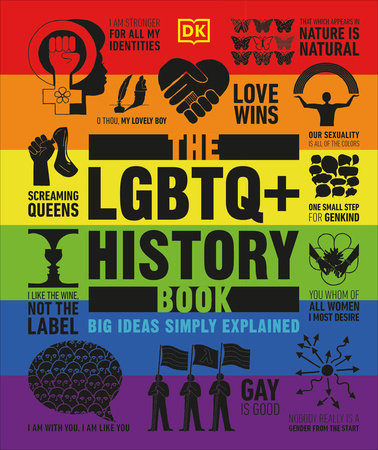
The Queer History Book List
Discover these nonfiction books about queer history that honor the history of the LGBTQIA+ movement in the U.S. and point to a more liberated future.
| |
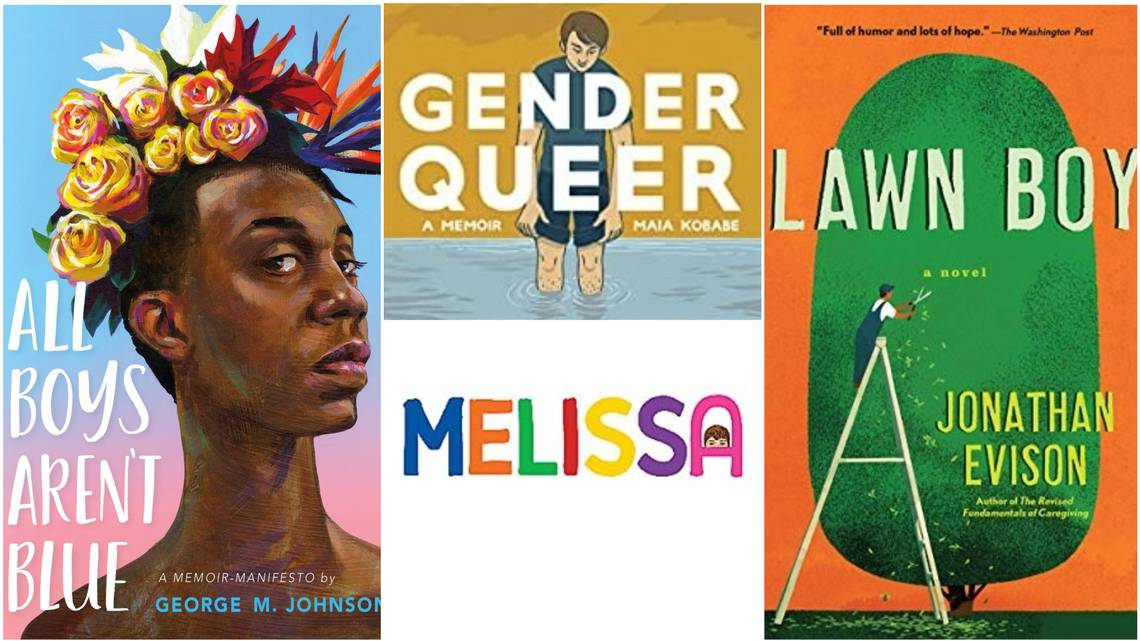
Banned Book Reading List
Books provide needed outlets for LGBTQ+ individuals and allies to explore personal identity and to build systems of support based on representative and informed sources. The last two years have seen unmitigated attacks on LGBTQ+ content in public school libraries, with 26% of banned books featuring LGBTQ+ characters and themes. This month, and every month after, PEN America pushes back against the removal of books that center LGBTQ+ stories and authors, and will continue to fight against the forces that seek to undermine LGBTQ+ expression. All students deserve to see themselves in every kind of story, from the pages of an elementary school picture book to those of a high school’s history textbook. LGBTQ+ expression is free expression.
| |
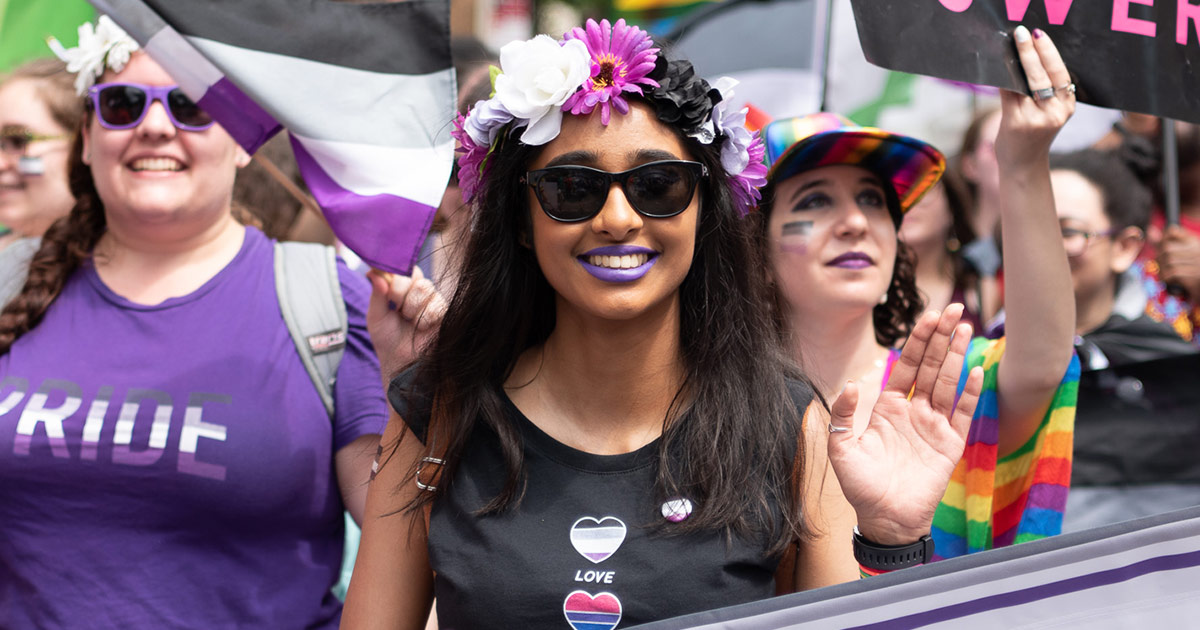
More LGBTQIA+ Days To Celebrate This Month! | |
|
International Lesbian Day
October 8
9 Questions Every Lesbian or Bisexual Woman Should Ask Their Doctor, Say Experts
Lesbian and bisexual women face unique realities in healthcare and therefore can be more vulnerable to certain medical conditions. Here's how experts say you can navigate the system to optimize your wellness.
| |
|
Intersex Awareness Day
October 26
What Intersex People Want You to Know About Sex
Sex should be about fun, fulfillment and connection. But for intersex people who have sex characteristics that don’t fit cleanly into binary male or female categories, there can be extra obstacles. Some intersex people have enlarged clitorises or smaller penises, extra body or facial hair, atypical breast development, or can’t have penetrative sex. Even though intersex people make up about 1.7% of the population, many endosex people aren’t educated about our bodies. They try to follow their usual routines around sex that don’t always work for us.
| |
|
Asexual Awareness Week
Oct 24-30
What Does It Mean to Be Asexual?
If you identify as asexual, you may experience a little sexual attraction or none at all. You may experience other forms of attraction. Asexuality is a label that can mean different things to different people.
| | |
|
National Coming Out Day
October 11
National Coming Out Day is meant to bring attention and support to members of the LGBTQIA+ community and the many ways they choose to share their identifies with the world!
Being as open and honest as possible with your doctor, nurse, or counselor about your sexual orientation, gender identity, and sexual behaviors can help them know what's needed to give you the best care possible.
| | |
|
Nursing Care For LGBTQ+ Patients: Tips and Resources
Providing compassionate healthcare to members of the LGBTQ+ community requires an understanding of basic terms and definitions, along with an awareness of the various barriers LGBTQ+ patients often face when seeking competent, inclusive healthcare.
Nursing professionals can improve their competency and create an inclusive healthcare environment by educating themselves on the needs of LGBTQ+ populations.
| | |
|
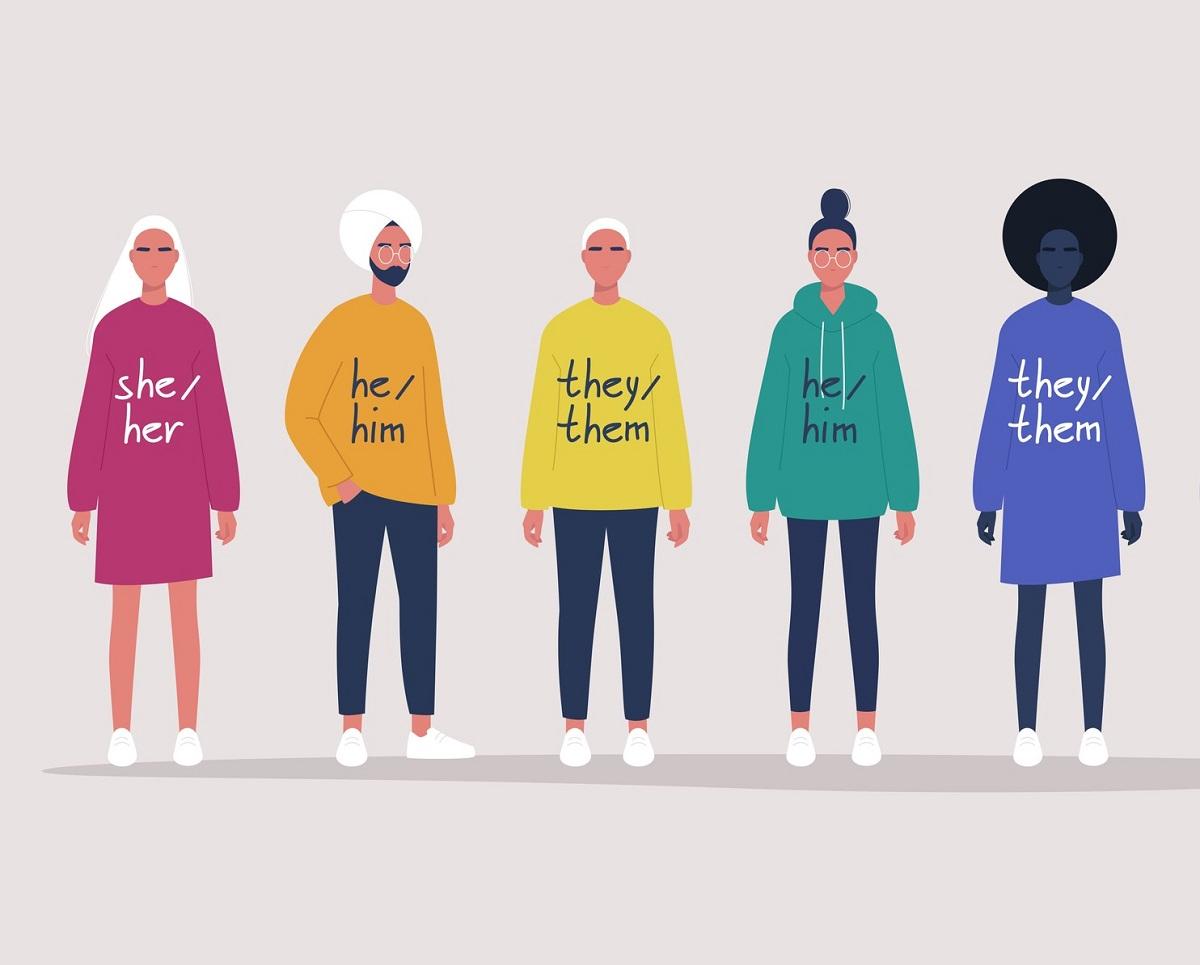
If You Are LGBTQ, Keep These 7 Things in Mind When Seeing Your Doctor
Choosing a doctor who is right for you is an important decision for everyone, especially those with particular needs or concerns. People who identify as part of the LGBTQ community (lesbian, gay, bisexual, transgender, queer) may have unique physical and mental health needs, making a supportive provider even more essential.
We talked with UNC Health family medicine physician Rita Lahlou, MD, MPH, about what to consider if you’re LGBTQ and looking for a primary care doctor, as well as how to work with your healthcare providers most effectively.
Here are seven things to keep in mind.
| | |
National Herpes Day
October 13
| |
|
Herpes Awareness Day was created to start a conversation around herpes, encourage people to get tested if they experience symptoms, and let people know about the range of options to treat their symptoms. It was also created to promote a healthy discourse around the virus’s actual impact on people’s lives.
Herpes is one of the oldest sexually transmitted diseases on the planet but the stigma and shame that’s often attached to it today is relatively new. In the 1980s, TIME magazine labeled herpes “the new sexual leprosy,” which kicked off the cultural notion that having herpes is something people should feel ashamed about and that this disease primarily impacts people who are promiscuous or unclean.
In reality, having herpes is common (like really common) and doesn’t indicate anything about a person's lifestyle, values, or cleanliness. It also most often doesn’t necessitate big changes in a person’s everyday life or sex life. And it certainly shouldn't impact their self-worth or feelings of joy, happiness, and connectedness with others.
Let’s all do our part to learn more about what it means to live with herpes, debunk persistent myths and, most important, bust the stigma attached to this common condition.
| |
|
How to Have Safe Sex With Genital Herpes
If you’ve recently received a genital herpes diagnosis, chances are you’re worried about what it means for your sex life. Thanks to decades of stigmatization and misinformation (and anemic sex education in the United States), people often assume that the STI will cause near-constant, painful, and hyper-contagious symptoms that can make hooking up feel risky or uncomfortable.
Take a deep breath though: Having fantastic sex with herpes just requires some extra awareness and planning. Here’s how to feel like your old, hot self again—and get back to getting down.
| | |
|
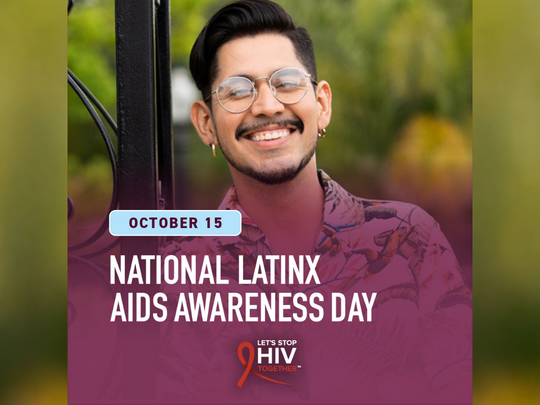
National Latinx AIDS Awareness Day
October 15
| |
|
Facts About HIV Risk in Latinx Communities
Unique factors influence infection rates in Hispanic/Latino populations
HIV, human immunodeficiency virus, affects every community differently, and, in the United States, people of color are disproportionately affected. This is true of the Latinx community, which accounts for 24% of all new HIV infections despite representing only 18% of the U.S. population.
Compared to Whites in the United States, Hispanic/Latinx people are four times more likely to get HIV and two to three times more likely to die as a result of the disease. Higher rates of poverty, unequal access to healthcare, and racism largely account for the disparity.
Read more to learn about Latinx Communities and HIV, Men Who Have Sex With Men, Latinx Women, Contributing Factors and more.
| | |
Domestic Violence Awareness Month
Reproductive & Sexual Health
Intimate partner violence can directly impact reproductive and sexual health—increasing risk for unintended pregnancies and abortions, miscarriage, and sexually transmitted infections.
With one in four women at risk for abuse in her lifetime, domestic violence is more common than other health complications addressed by reproductive health providers. Yet women are rarely asked about their experience with abuse or given information about the links between violence and their health.
Working with reproductive health care providers, FUTURES Without Violence, provides tools to screen for and respond to violence as well as training and education on the links between reproductive health and domestic and sexual violence.
| | |
|
National Domestic Violence Hotline
Call: 1-800-799-SAFE (7233)
Text: Text START to 88788
Or Chat live on www.thehotline.org
| |
Public comment on the possible benefits and implications of requiring private plans to cover over-the-counter (OTC) preventive products without a prescription
The U.S. Departments of Treasury, Labor, and Health & Human Services issued (PDF) a formal request for information in the Federal Register seeking public comment on the possible benefits and implications of requiring private plans to cover over-the-counter (OTC) preventive products without a prescription. The RFI focuses on the coverage of OTC products that would fall under the preventive services benefit established by the ACA, with a specific focus on contraception precipitated by the approval of Opill, the first OTC daily oral contraceptive approved by the FDA this past July. The RFI poses questions under several topic areas: access to and utilization of OTC preventive products; implementation issues; health equity; and, economic impacts.
Comments will be due on December 4. Please consider submitting your own comments. It will be critical to ensure that the administration is considering the impact of their actions on safety-net providers and on low-income, uninsured, and underinsured individuals interested in accessing OTC products.
| | | |
|
Electronically. You may submit electronic comments on this regulation to https://www.regulations.gov. Follow the “Submit a comment” instructions.
2. By mail. You may mail written comments to the following address ONLY: Office of Health Plan Standards and Compliance Assistance, Employee Benefits Security Administration, Room N–5653, U.S. Department of Labor, 200 Constitution Avenue NW., Washington, DC 20210, Attention: 1210–ZA31.
| |
|
The Wyoming Health Council is looking for Statewide Advisory/Information & Education (I&E) Members!
We need members from Northern, Eastern and Western regions Wyoming!
If you are interested or know someone who is, fill out the application below, or find it on WYHC.ORG today!
We would love to have you!
| |
|
Happy Halloween!
Get creative and educational At Work this year!
| |
WYOMING HEALTH COUNCIL
111 S. Durbin, Suite 200
Casper, WY 82601
Call Us: (307) 439-2033
| | | | | |