The Wyoming Health Council works to ensure that all people can access equitable, inclusive, high-quality, and affordable reproductive and sexual health care. | |
|
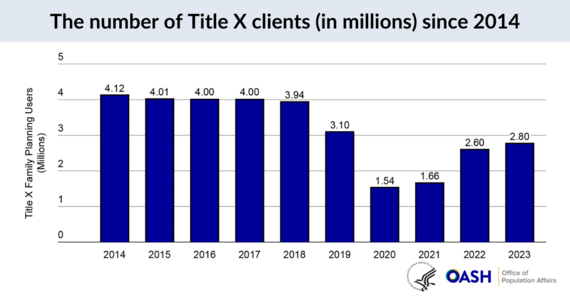
The Office of Population Affairs (OPA) is releasing the Family Planning Annual Report (FPAR) 2023 National Summary. This FPAR presents data from grant recipients in the Title X family planning program (Title X) to monitor and report program performance. Title X grant recipients served nearly 2.8 million clients in 2023, a 7% increase from 2022.
“The Family Planning Annual Report shows our nation’s steady progress in continuing to rebuild the Title X network,” said Clare Coleman, President & CEO of the National Family Planning & Reproductive Health Association (NFPRHA). “Following a series of politically motivated attacks over the last decade on top of a multi-year global pandemic, our network of family planning providers remains tenacious and strong, but we have to do more to meet the demonstrated need for publicly funded family planning and sexual health care.”
"The Title X program has received flat funding from Congress for a decade, leading to a devastating decline in people served by Title X-funded health centers. Since 2013, when Title X-funded sites served 4.6 million patients, the nation’s family planning program has been targeted for elimination several times and endured ideological attacks that drove roughly 1,000 health centers from the network. Since 2021, the Title X provider network has been rebuilding, and the 2023 data show that slow progress continues to be made. At a time when restrictions on sexual and reproductive health care continue to escalate, funding patient-centered, high-quality birth control and sexual health services made possible by the nation’s family planning program should be a national funding priority,” Coleman concluded.
| |
Key findings from the 2023 FPAR
In 2023, Title X continued to rebuild the network and expand access to diverse clients nationwide.
- Title X provided services to 2.8 million unique clients in 2023, a 7% increase from 2022 and an 80% increase from 2020.
- Title X grant recipients hosted 4.3 million family planning encounters at 3,853 service sites across 50 states in the United States, the District of Columbia, Puerto Rico, the U.S. Virgin Islands, Guam, American Samoa, the Northern Mariana Islands, the Federated States of Micronesia, and Palau.
| |
- Title X played a critical role in providing affordable family planning and preventive health services to clients in families with low incomes and those without private insurance.
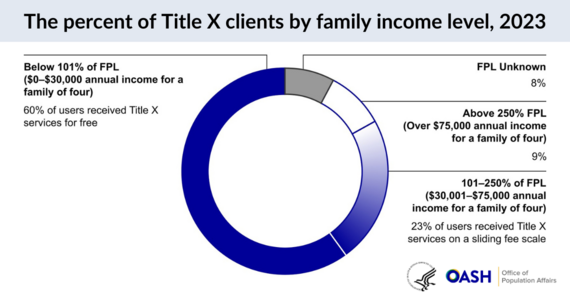
- There is no charge for Title X services to people with family incomes below 100% of the most recent federal poverty level (FPL) guidelines, and services are discounted on a sliding scale for people with family incomes between 101-250% (for example, $30,001 for a family of four) of the FPL.
- 60% of clients had family incomes below 101% of the FPL and received services for no charge.
- 23% of clients had family incomes between 101-250% of the FPL and received services at a discounted rate.
- 27% of Title X clients were uninsured, more than three times the national uninsured rate for U.S. adults (8%).
- 67% of the clients who paid with some form of health insurance relied on public insurance.
| |
- Title X grant recipients provided care to a diverse group of clients. Of the 2.8 million unique family planning clients served in 2023:
- 85% (2.4 million) were women.
- 48% (1.3 million) identified as a race other than White.
- Nearly 36% of clients identified as Hispanic or Latino.
- 19% of clients reported a limited proficiency in English.
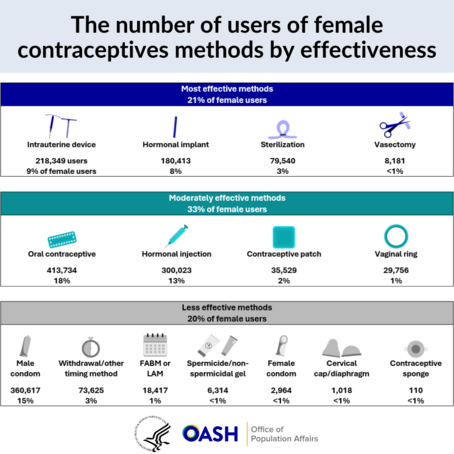
- The Title X program provided clients access to a wide range of contraceptive methods to meet individual needs and allow clients to choose the method that works best for them. 72% of all clients reported using a contraceptive method for family planning:
- Nearly 71% of the 2.4 million female clients reported using a contraceptive method.
- 53% of the 419,128 male clients reported using a contraceptive method.
| |
- Title X was an essential resource for STI and HIV testing and cancer screening.
- Title X providers performed 1,343,403 chlamydia tests, 1,567,115 gonorrhea tests, 734,879 syphilis tests, and 984,375 confidential HIV tests.
- Title X providers conducted 461,085 cervical cancer screenings (Pap tests) for female clients.
- Title X providers leveraged additional public and private funding sources to deliver services.
- Title X funding accounts for 17% of grant recipients’ total revenue, with the remainder coming from third-party payers like Medicaid and other public and private insurance (56%), and other small federal grants and state and local governments (27%).
- Title X funding makes it possible for providers to leverage other funding sources and provide additional services, serve more clients, and improve overall infrastructure and quality of care.
| |
 | |
Breast cancer rising among younger women and Asian Americans, report finds
Even as death rates from breast cancer have fallen, rates of new diagnoses continue to tick upwards, according to an American Cancer Society report.
The new report shows that breast cancer mortality has decreased by 44% since the late 1980s. Rates of breast cancer, however, have increased by 1% every year since 2012. In younger women, rates have increased at a faster clip — by about 1.4% every year since 2021.
“That is very alarming because we know that screening only starts at age 40,” said Dr. Sonya Reid, a breast medical oncologist at Vanderbilt University Medical Center, who was not involved with the report. “It’s not just one racial or ethnic group affected, we are seeing it across the board, so it’s hard to link it to ancestral or genetic factors alone.”
Still, the report showed differences among groups. Among Asian American and Pacific Islander women under 50, breast cancer diagnoses have increased by 50% since 2000. Breast cancer rates in AAPI women younger than 50 are now higher than those in Black, Hispanic and American Indian and Alaska Native women of the same age group. In 2000, AAPI women under 50 had the second-lowest rates of breast cancer.
| |  |
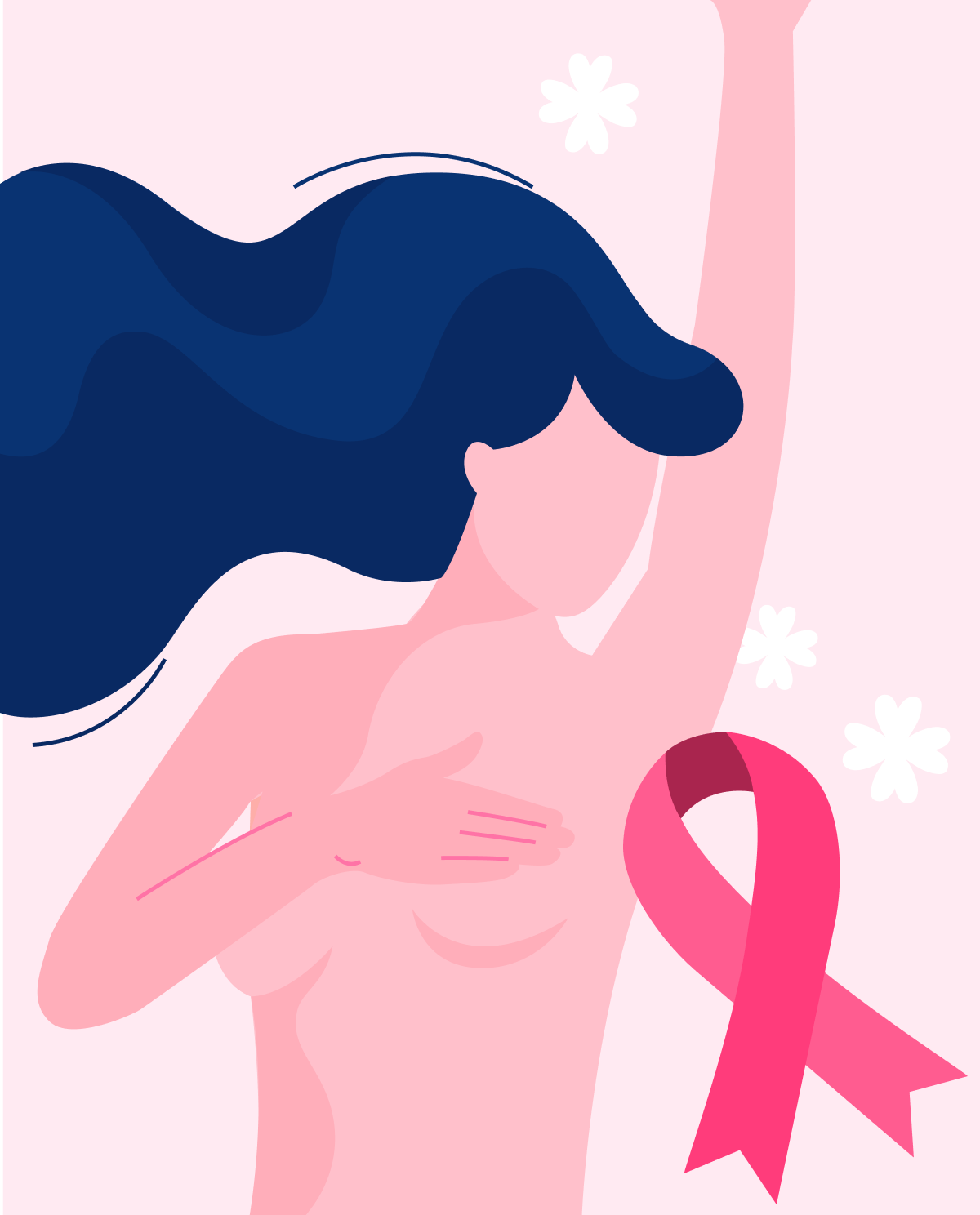 | |
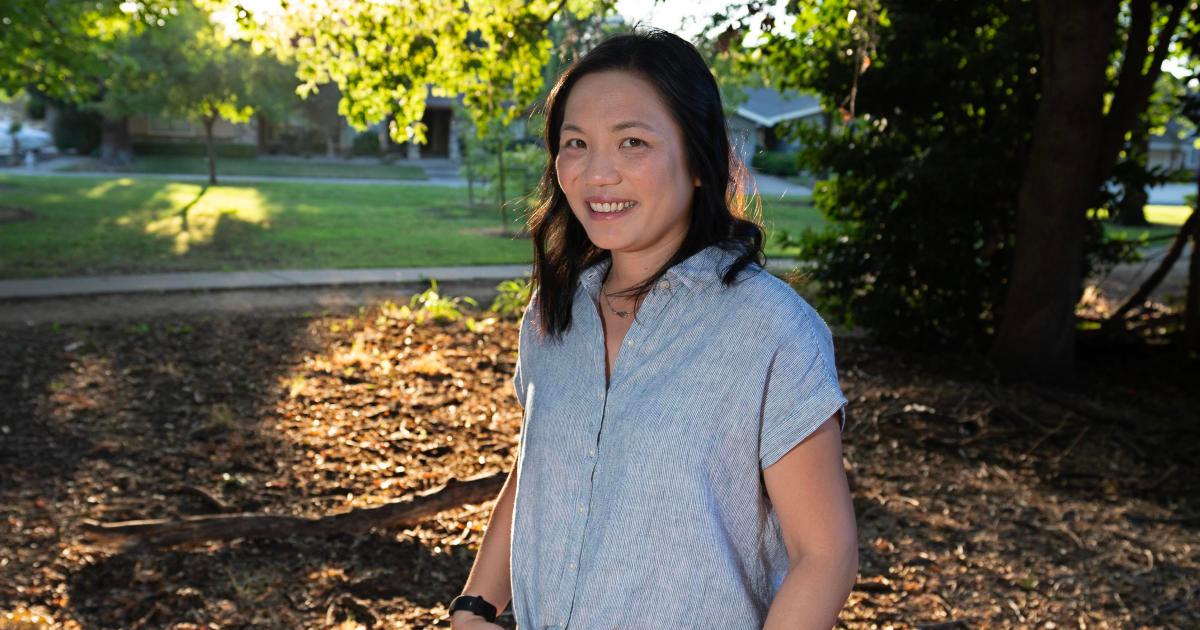
Many women find their own breast cancer. So why are breast self-exams no longer recommended?
I will never forget the moment I discovered my own breast cancer.
I was in the shower, rushing to get to work, daydreaming about an upcoming vacation, when I felt it: the tiny pebble lodged firmly in my right breast. I just stood there, not breathing, under the water. Would I lose my breasts? Would I get to see my daughter grow up? Finally, after fearing it for so long—knowing the history of breast cancer on both sides of my family, being hyperaware of the one-in-eight risk for all women—I knew my turn had arrived.
After a battery of tests, a diagnosis, and many decisions, I wound up having a double mastectomy. But at least I had found the cancer early. Because the mammogram I’d had on my dense breasts less than a year before had not.
So I was surprised to learn, only recently, that breast self-exams are no longer recommended as a screening tool by most experts—including the National Cancer Institute, the National Comprehensive Cancer Network, the American Cancer Society, and the United States Preventive Services Task Force
(USPSTF)...“These sources are not saying that it shouldn’t be done,” he notes. “They are saying that they can’t find randomized, prospective evidence [the gold standard for effective research] that it helps, and that’s a very different statement.” That’s partly because mammograms and other screening techniques, including sonograms and MRIs (both of which are recommended for the vast number of women with dense breasts), are so effective in finding “very, very tiny little lesions” that cannot be felt—and the fact that they’ve been clearly shown to make a difference in terms of both survival and outcome.
| | |
|
The theme for LGBTQ+ History Month in 2024 is "Medicine – #UnderTheScope"
This is a fantastic opportunity to explore the contribution of LGBT+ people to advances in medical science, but also to reflect on the community’s relationship with the world of medicine, such as the history of the AIDS crisis, the medical treatment of trans people and LGBT+ people’s contributions to the NHS.
Quick Facts
The United States celebrates LGBTQ+ History Month in October!
October. LGBT History Month was created in 1994 by Rodney Wilson, a high school history teacher in Missouri. In 1995, a resolution passed by the General Assembly of the National Education Association included LGBT History Month within a list of commemorative months. October was selected to coincide with National Coming Out Day (Oct. 11), which was already established, and the anniversary of the first march on Washington for gay and lesbian rights in 1979.
In the United Kingdom (UK) LGBTQ+ History Month is celebrated in February!
LGBT+ History Month in the United Kingdom was first celebrated in February in 2005. The month is celebrated in February to commemorate the partial decriminalization of male homosexuality in England and Wales in 1967. The celebration of LGBT+ History Month in the UK was started by Schools Out, a UK organization which campaigns for LGBT+ equality in education. They first celebrated the month in February 2005 in response to the growing need to recognize and celebrate the contributions and achievements of the LGBT+ community in the UK.
| |
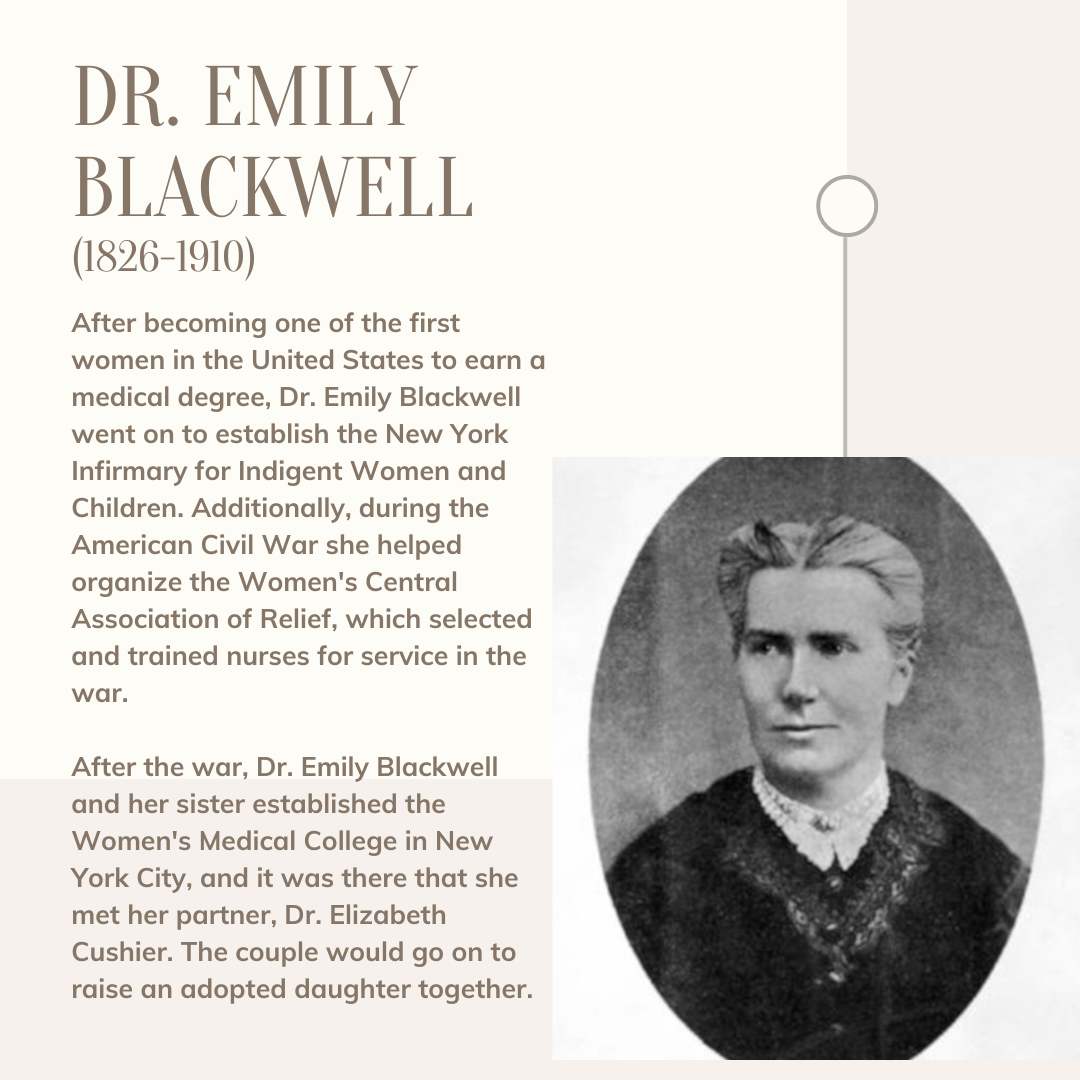
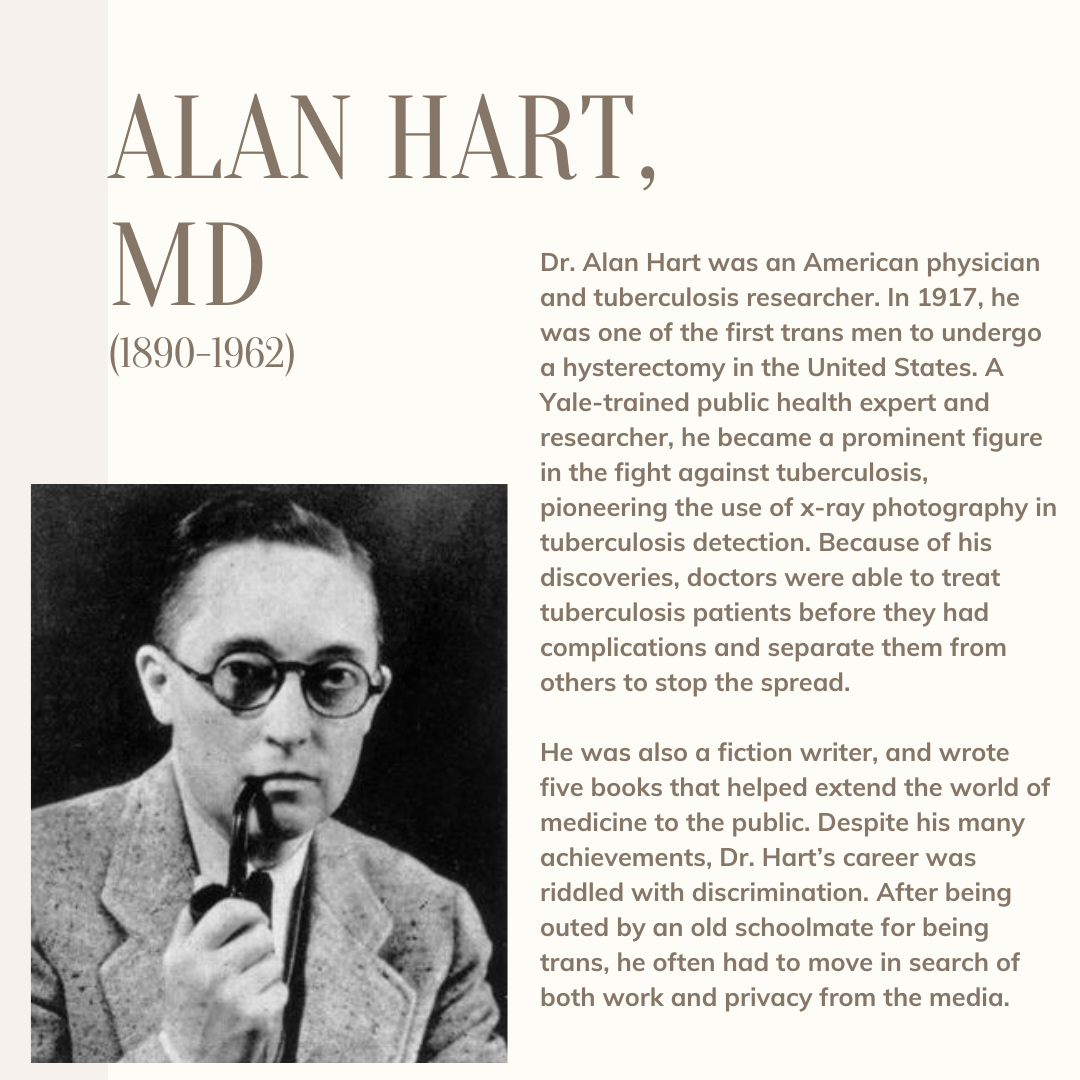
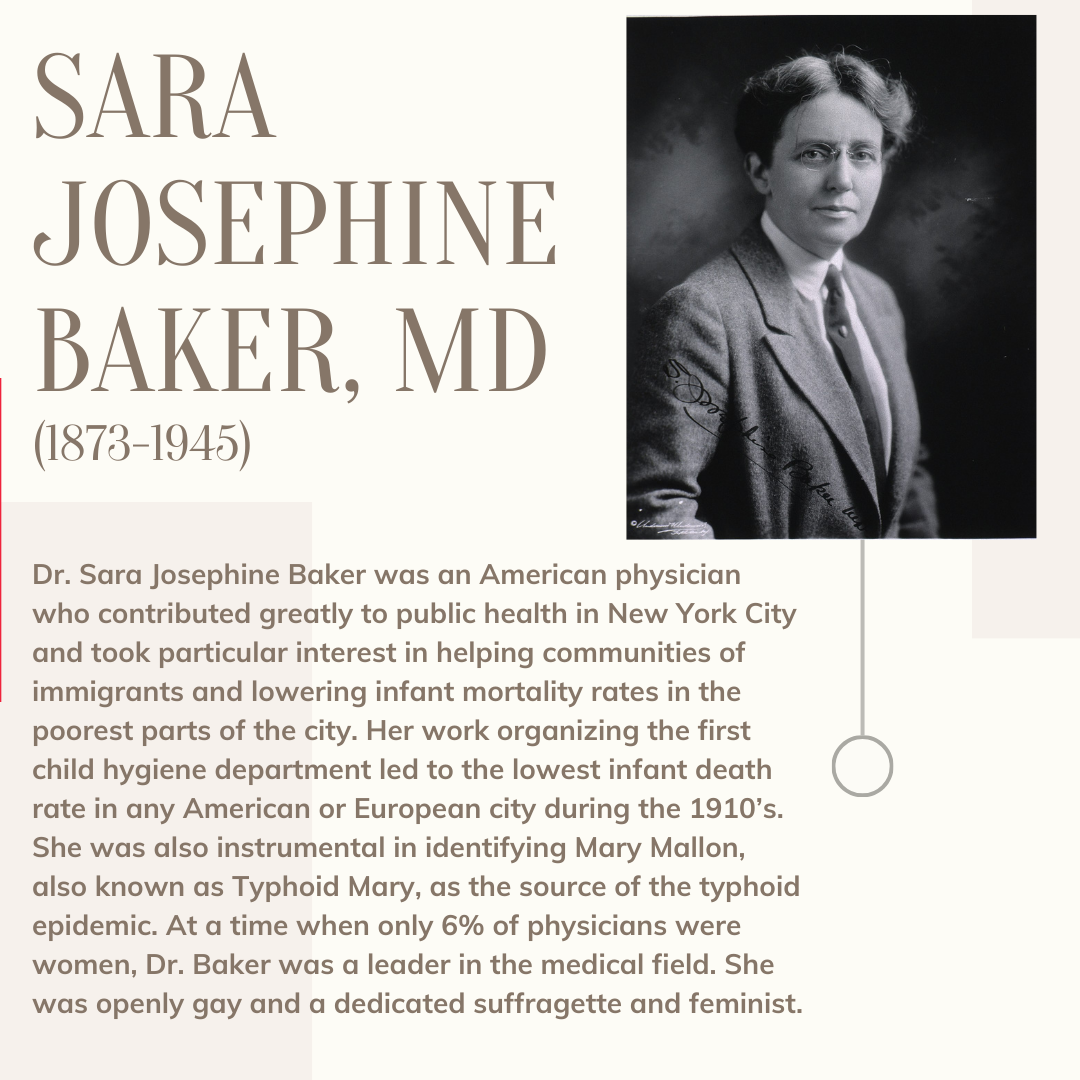
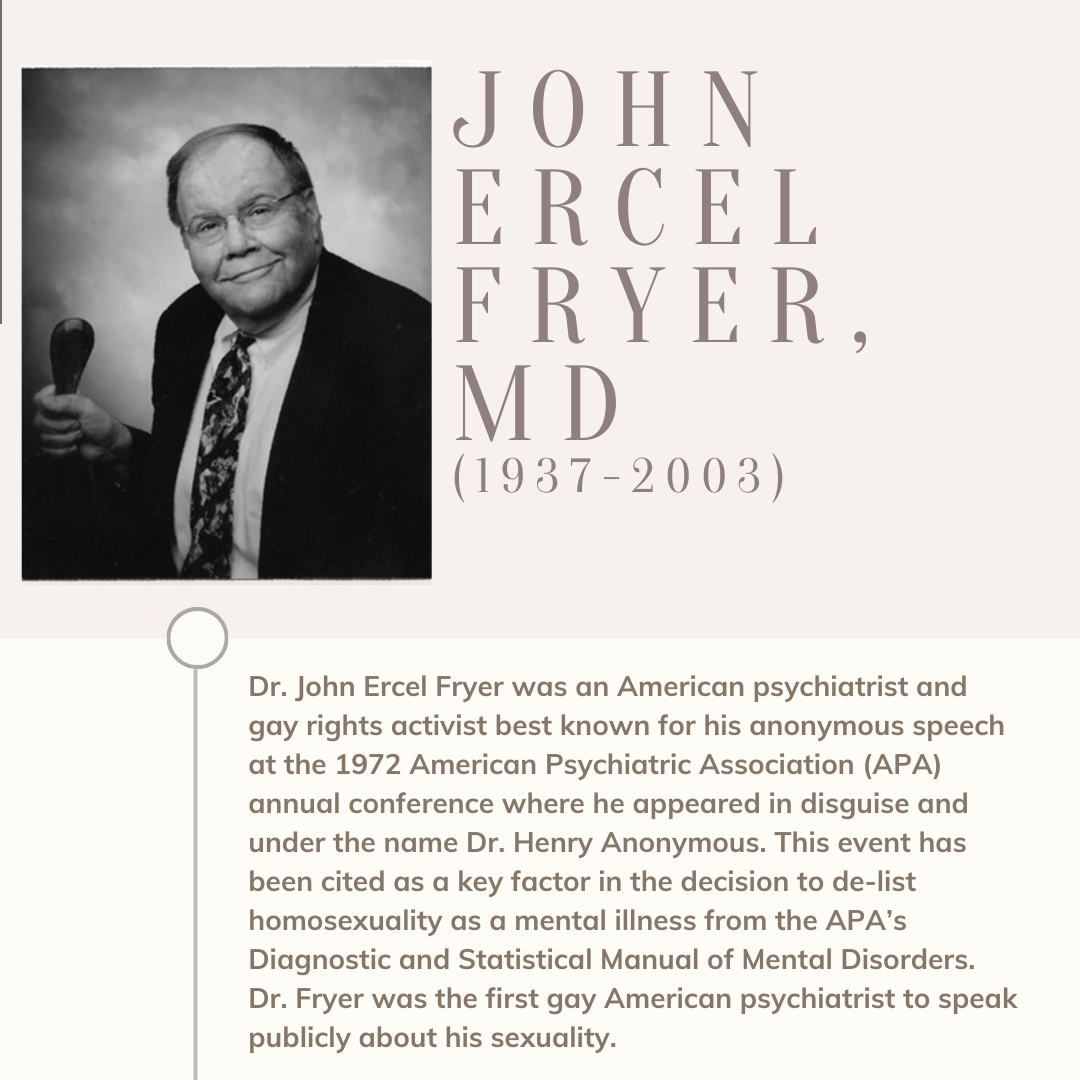
Check out these LGBTQIA+ Historical Figures in Medicine | |
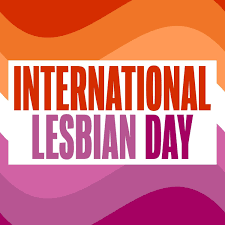 | |
International Lesbian Day
Oct 8
International Lesbian Day is an annual observance to recognize the accomplishments of the lesbian community and to raise awareness about the challenges and discrimination that this community faces. This day was introduced to bring attention to the rights and needs of the lesbian community. It also helps to promote acceptance and understanding of the lesbian community.
............................................................
Yes, lesbians can get STIs too: What to know about safe sex as a queer woman
Ever been taught about the HIV risk for lesbians? Know what a dental dam is? If you’re a lesbian or a bisexual woman, chances are that most of your sex education has been cobbled together by hasty Google searches or asking your friends.
A common myth surrounding lesbian sex is that you can’t catch sexually transmitted infections (STIs). This couldn’t be more wrong. STIs can affect anyone of any gender or sexual orientation, and there are still risks for women who have sex with women (WSW).
| | |
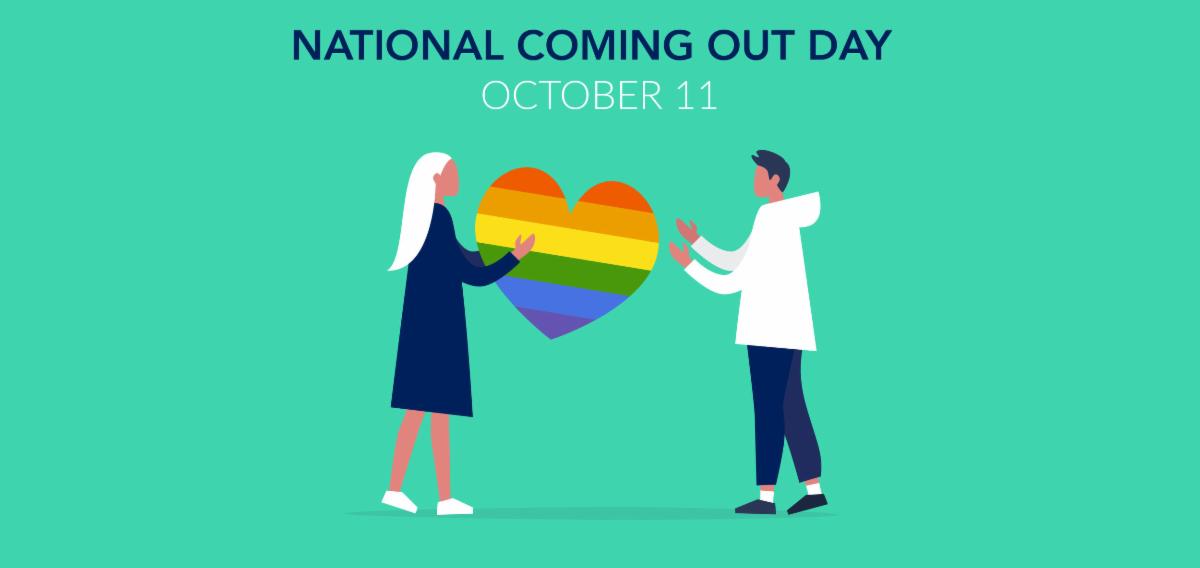 | |
National Coming out Day Oct 11
National Coming Out Day was celebrated for the first time in 1988 on the anniversary of the Second National March on Washington for Lesbian and Gay rights, which took place in Washington, D.C. on October 11, 1987.
...........................................................
Advice on How To Come Out as Gay or Queer
So you want to come out, but don't know where to start?
There are not many absolutes that can be said about coming out but there are a few. First things first, there is no right way to come out; everyone's experiences and journeys are different. Secondly, never come out for anyone but yourself. This is about you, your feelings and your authentic self.
As far as resources go, the courage of those who came out before us paved the way for many wonderful organizations to provide support and love during your journey. The Trevor Project has an in-depth handbook exploring what coming out might mean to you, while providing you with tools and answering some common questions. The Human Rights Campaign also has resources to help you live openly.
| | |
 | |
Asexual Awareness Week
Oct 24-30
Sara Beth Brooks, an educator and storyteller founded Ace Week in 2010 when she discovered asexuality and realized that it was something she identified with. She aspired to use her organizational skills and activism experience to support the ace community . The week is a time to raise awareness and promote education about asexuality, which is a sexual orientation where a person experiences little to no sexual attraction. Asexuality is not a choice, and it's different from abstinence or celibacy, which are personal choices.
............................................................
What Does It Mean To Be Asexual?
Someone who is asexual experiences little to no sexual attraction.
Sexual attraction, in basic terms, means you find a specific person sexually appealing and want to have sex with them.
Asexual people, who might use the term “ace” or “aces” for short, typically don’t experience sexual attraction or want to pursue sexual relationships with other people.
That said, being asexual means different things to different people. Some people might only experience sexual attraction in very limited circumstances. For example, someone who is demisexual — which some say falls under the asexual umbrella — experiences sexual attraction only when they experience a deep connection.
To put it another way, they might only feel sexually attracted to people in the context of a loving romantic relationship.
Some people might not experience any sexual attraction and still choose to have a sexual relationship.
To put it simply, everyone has a different experience with being asexual, and there’s no single way to be asexual.
| | |
 | |
Intersex Awareness Day
Oct 26
October 26, 1996 marks the anniversary of the first public demonstration by intersex people in the United States. Members of the now defunct Intersex Society of North America and their allies arrived in Boston, MA at the annual conference of the American Academy of Pediatrics.
Intersex Awareness Day is an international day of grass-roots action to end shame, secrecy and unwanted genital cosmetic surgeries on intersex children. The day also provides an opportunity for reflection and political action.
........................................................
FAQ: Intersex, Gender, and LGBTQIA+
Intersex people are born with differences in their chromosomes, genitals, or reproductive anatomy, compared to the usual two ways that bodies develop. Most children with intersex anatomy, regardless of how their bodies look, are raised in either male or female gender roles. And many intersex people do grow up with a gender identity that aligns with how they were raised: male or female. This means that intersex people can be cisgender. (“Cisgender” means someone is the gender that was assumed for them at birth.)
Intersex people may also grow up to realize that the gender they were raised as was wrong for them. In this way, a person can be both intersex and transgender.
| | |
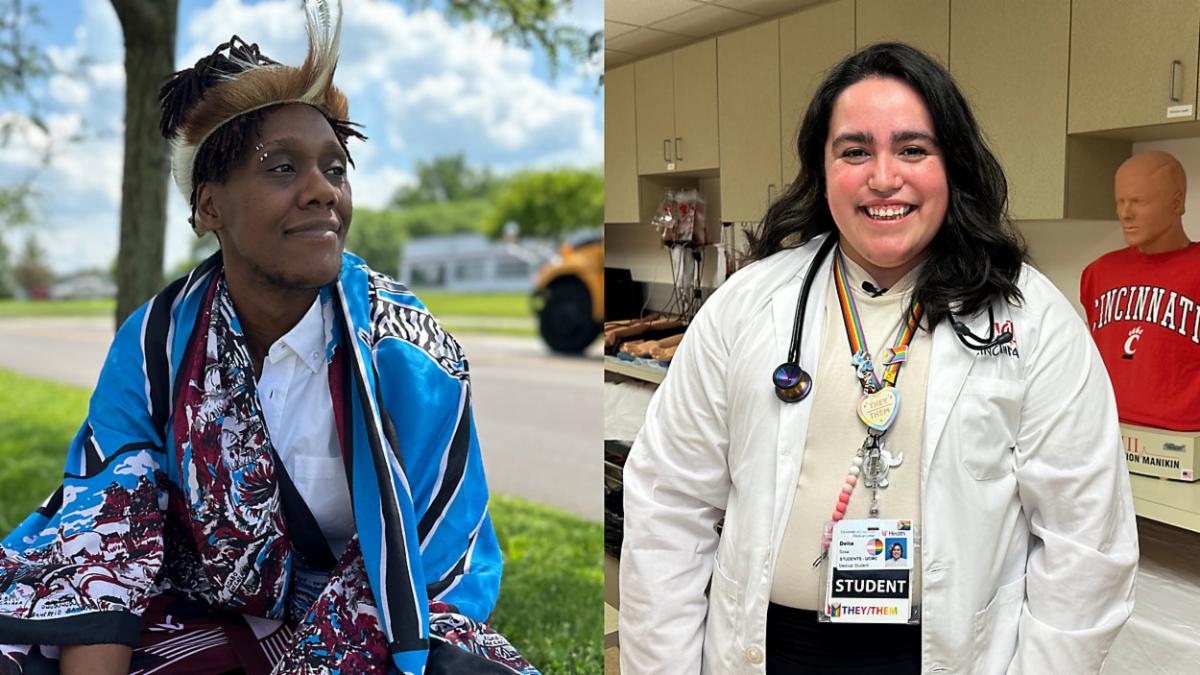
Two-spirit and intersex people explain they/them pronouns and intersex people explain they/them pronouns
She, her, he and him are the typical pronouns we hear everyday to reference someone's gender.
But what if you don’t feel like those fit who you are? Or what if you’re born with characteristics of both?
“I am not the typical female, not the typical male,” said Delia Sosa, a medical student at The University of Cincinnati. “I just fall somewhere between.”
“My son, sometimes he calls me mom, sometimes he calls me dad,” said India “Indalo” Holley, a resident of Dayton.
Sosa and Holley are two very different people, from different cultures, and cities in Ohio, but who both use they/them pronouns as “they” is considered gender-neutral.
“They/them fits me more because that embodies my whole authenticity,” Holley said. “It's a combination of masculine and feminine.”
Assigned female at birth, Holley was adopted and raised by Native American parents. They’re what’s known as "two-spirit,” a term used in Native American culture to define someone who isn’t male or female, but embodies both masculine and feminine souls.
In Cincinnati, Sosa is what’s known as intersex, which is a term used to describe someone born with a combination of male and female biological traits.
Sosa said some intersex traits are noticed birth, while others don't show up until puberty or later in life. Sosa said they found out they were intersex by accident when they began growing a full beard and went to a doctor for testing.
| | | |
|
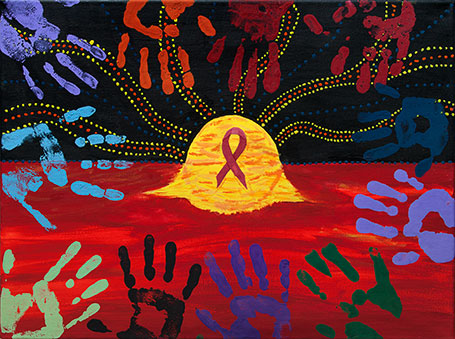
Native American and Indigenous Focus Day
Oct 12
| |
 | |
Implementation Science for HIV Prevention and Treatment in Indigenous Communities: A Systematic Review and Commentary
We identified 31 studies, revealing a consistent emphasis on cultural tailoring of services to Indigenous communities. Common barriers to implementation included stigma, geographic limitations, confidentiality concerns, language barriers, and mistrust. Community involvement in intervention development and delivery emerged as a key facilitator, and nearly half of the studies used community-based participatory research methods.
HIV remains a significant public health challenge in Indigenous communities across the Americas and the Pacific. Reported rates of HIV diagnosis are disproportionately high for Indigenous peoples in Australia, Canada, Aotearoa/New Zealand, and the United States (US). In the U.S., between 2017 and 2021, annual HIV diagnoses among American Indian/Alaska Native (AI/AN) people increased by 16% and diagnoses among Native Hawaiians and other Pacific Islanders increased 55%; diagnoses decreased for all other racial and ethnic groups. AI/AN people also have the shortest survival time after diagnosis among racial and ethnic groups in the US, reflecting inequities in access to testing and treatment uptake.
The findings underscore the importance of community engagement, the need for interventions developed within Indigenous communities rather than merely adapted, and the value of addressing the social determinants of implementation success. Aligned to these principles, an indigenized implementation science could enhance the acceptability and reach of critical HIV preventive and treatment services in Indigenous communities while also honoring their knowledge, wisdom, and strength.
| | |
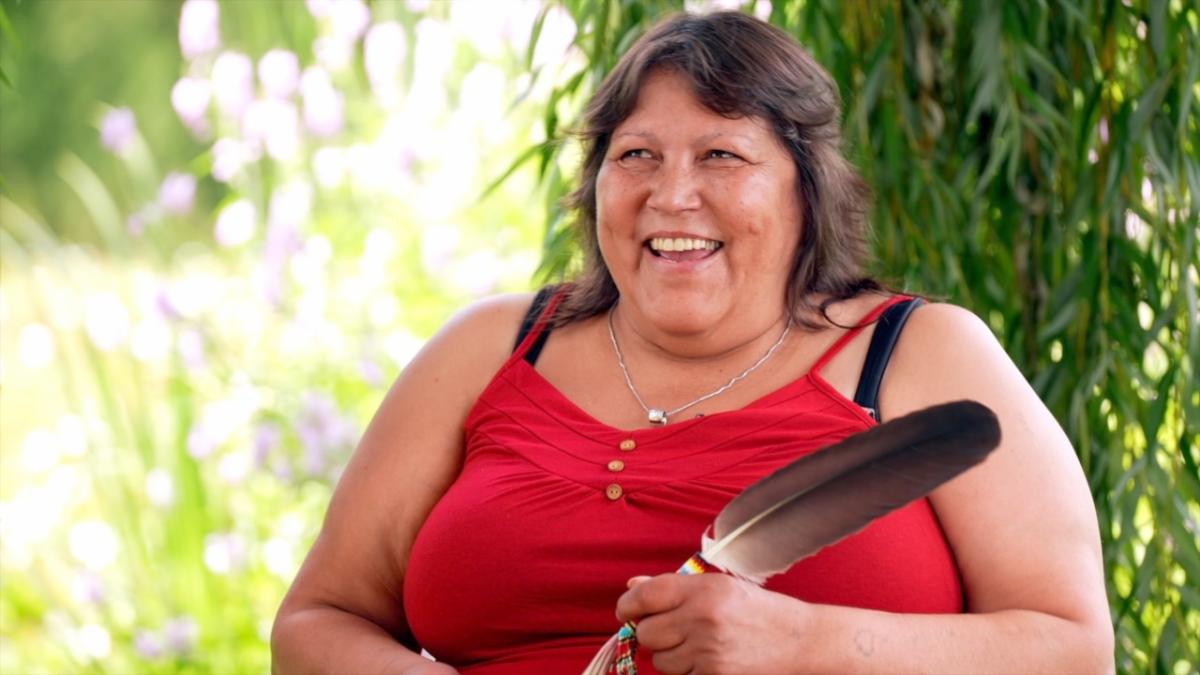 |
“Two eyed seeing”—embracing both Indigenous and western perspectives in healthcare
Nel Wieman and Unjali Malhotra call for a “two eyed seeing” approach to healthcare, informed by both Indigenous and biomedical knowledge
In Canada, genocidal policies and systems have devastated Indigenous peoples’ determinants of health.1 For example, as a consequence of the Indian Reserve System many Indigenous peoples live in isolated areas with limited or no access to healthcare, education, or employment opportunities. Furthermore, the colonial legacy of anti-Indigenous racism is prevalent across Canada, including its healthcare systems, so many Indigenous people fear accessing healthcare services.
One way to make healthcare more equitable and effective for Indigenous peoples is to incorporate their knowledge, beliefs, values, practices, medicines, and models of health and healing alongside those of western medicine in delivering healthcare. Known as “two eyed seeing,” this approach to healthcare sees from one eye with the strengths of Indigenous knowledge and ways of knowing, and from the other eye with the strengths of western knowledge, respectfully embracing both.5 Two eyed seeing acknowledges that Indigenous methods and treatments are as valid as those used in mainstream medicine, and it allows Indigenous peoples to be partners in their own healthcare.
| | |
|
More Teens Are Reporting That A Partner Has Threatened Their Reproductive Health
New data from the National Domestic Violence Hotline (NVDH), also known as The Hotline, shows that twenty-four 13- to 17-year-olds called about reproductive coercion in the year before June 2022; in the next year, that number rose to 44.
The volume of calls is not huge, but The Hotline’s operators say they show the impact of the end of a federal right to abortion — and that they may be just the tip of the iceberg, since stigma, access to a computer or phone, and safety concerns impact survivors’ ability to contact The Hotline.
Marium Durrani, the vice president of policy at the National Domestic Violence Hotline, told The 19th that these new data points about young people and reproductive coercion underscore not only the prevalence of teen dating violence, but of the real-world reverberations that the Dobbs ruling has had on intimate partner violence.
| |
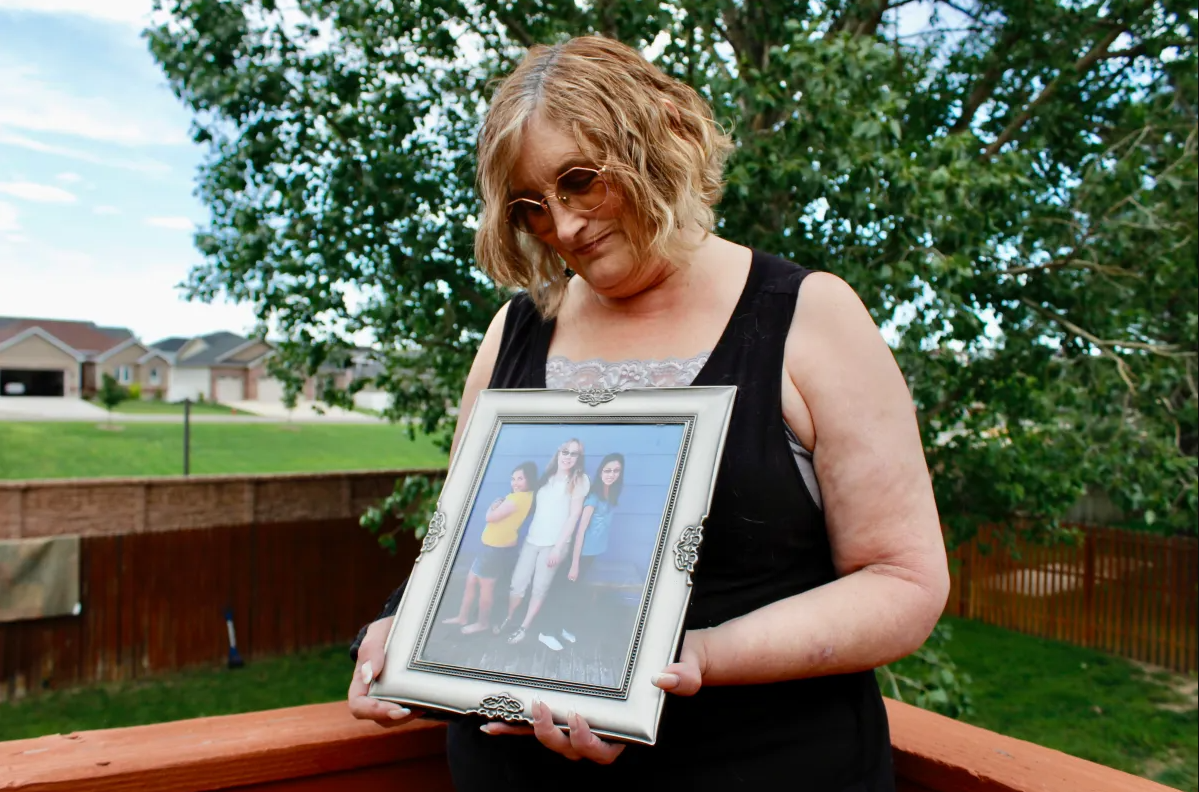 |
A mom lost her daughter to domestic violence. Now, she’s losing faith in the law.
Almost 10 years after her child’s murder, Debbie Richardson says Wyoming is failing to protect victims amid increasing violence against women.
“She was my only daughter,” Debbie said. “She was my baby.”
The murder received considerable attention. But in the 10 years since Crystal’s death, Debbie said, that attention has yet to result in any significant changes to state law or policy that could help prevent domestic violence, especially when it comes to gun deaths.
The problem may be getting worse, too. The most recent research from the Violence Policy Center, a national gun control advocacy group, shows Wyoming has the third highest rate in the nation of women murdered by men — a significant jump from the state’s typical position between the middle and bottom half of states.
“I just wish there was better laws to protect these people,” Debbie said. “They’re so afraid to leave. And what I really feel bad about is Crystal left, and she still got killed.”
| |
Addressing Teen Dating Violence in Schools
Experts say it's important to teach teens to recognize healthy and unhealthy relationships.
Relationships are a core part of everyday life, especially for young people. As they move through their teens, some students begin to explore romantic relationships. While this can be an exciting and happy time, risks are also involved.
According to the Centers for Disease Control and Prevention, about 16 million women and 11 million men who report experiencing intimate partner violence say it first happened before they were 18. These include instances of physical violence, sexual violence and stalking.
Youth who are female, LGBTQ or unsure of their gender identity are all at a higher risk of experiencing youth intimate partner violence, also known as teen dating violence, the CDC says.
| |
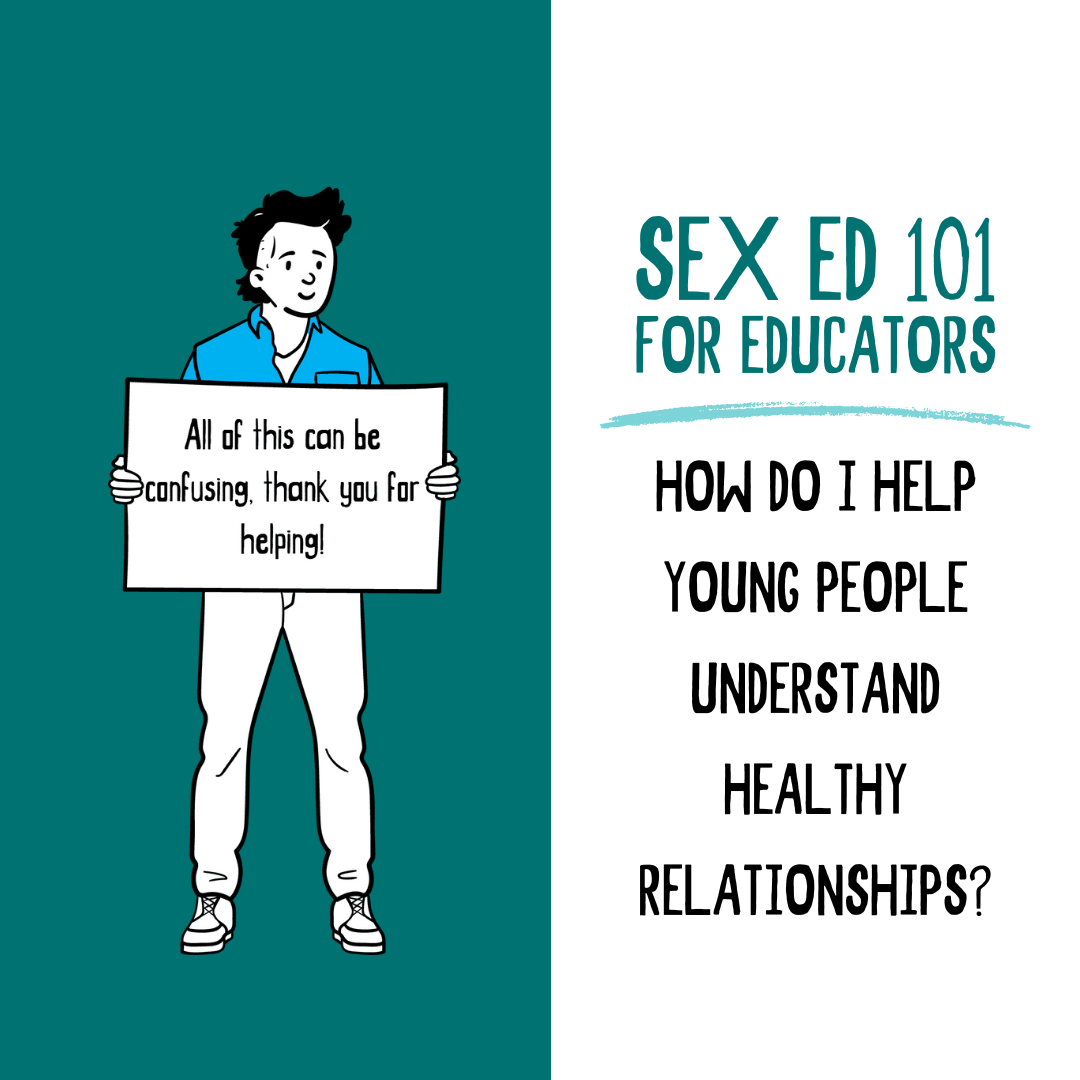
How do I help young people understand healthy relationships?
Healthy relationships, whether they are romantic, sexual, friendship, familial, or otherwise, can look many ways depending on what makes the people in them feel cared for and supported. Dig into the characteristics of healthy relationships to learn more about how we can talk to young people healthy relationships. As a sex educator, your job is not to necessarily tell them what’s right and wrong in relationships. Your job is to uphold universal values (e.g., dignity, respect, equality, safety, etc.) and probe learners to think critically about whether certain values, behaviors, and situations are healthy. Practice using open-ended questions and interactive strategies to encourage their thinking.
| | |
|
Counseling Adolescent Clients to Resist Sexual Coercion Training Guide
This training guide is designed to support facilitation of an interactive discussion about Counseling Adolescents to Resist Sexual Coercion. The full training guide consists of a PowerPoint slide deck with talking points and an associated discussion guide. It may be tailored and modified for any particular setting.
| | |
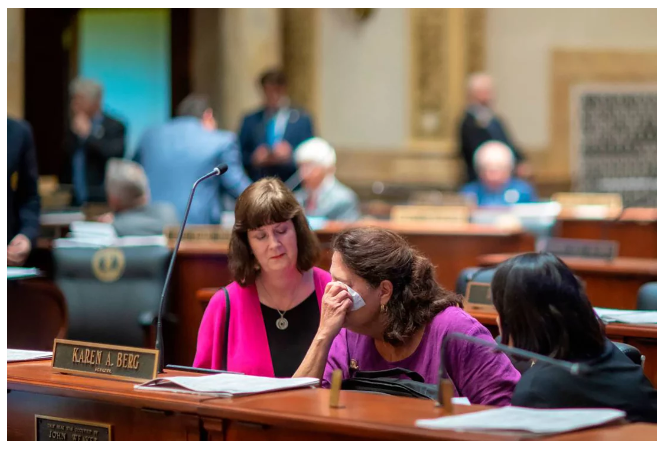 |
More trans teens attempted suicide after states passed anti-trans laws, a study shows
“We found a very sharp and statistically significant rise in suicide attempt rates after enactment of the laws,” she says. A small rise was seen in a state soon after laws were enacted, followed by a sharper rise two or three years later. Among 13-17 year olds, two years after a law took effect, the likelihood of a past-year suicide attempt was 72% higher than it was before passage.
Nath notes a randomized control trial would not be possible for this kind of research, since you can’t randomly assign someone to live in one state or another. Instead, they analyzed the survey data for each state over time, comparing rates before and after laws were passed. The analysis took months, she says, and controlled for a variety of potentially confounding factors in order to isolate the impact of these laws on past-year suicide attempts.
“To see these numbers after everything was taken into account and the model still held — it's terrifying,” she says.
This study is the first of its kind, Nath adds. “These findings demonstrate that — regardless of a person's political beliefs — if you live in a state that has passed an anti-transgender law, transgender, nonbinary young people in your home state are significantly more likely to attempt to take their own life,” she says. “This is the reality for these young people, and it's not acceptable.”
Associate
Professor Brittany Charlton of Harvard Medical School, who wasn’t involved with the study, finds it impressive.
“This study is just so important,” she says. “It's contributing to the growing body of evidence that demonstrates that these discriminatory anti-LGBTQ policies have harmful effects on health.” It does so convincingly, she says, with a large sample size and strong research methods.
| |
|
Suicides Among Kids Ages 8 to 12 Are Rising, Especially Among Girls
The kids are not alright. New data shows a troubling 8% annual increase in the number of American children ages 8 to 12 who died by suicide, with the sharpest increase seen among girls.
Suicide has now become the fifth leading cause of death among both male and female preteens, report a team led by Donna Ruch, of Nationwide Children's Hospital in Columbus, Ohio.
Ruch works at the hospital's Center for Suicide Prevention and Research. Her team published its findings July 30 in the journal JAMA Network Open.
Rising rates of suicides among children have set off alarm bells for experts in recent years.
"In 2021, the National Institute of Mental Health convened a research roundtable series to address the rising rates of suicides in preteens, defined as youths aged 8 to 12 years," Ruch's group noted.
They said that, until now, there's been little good data on suicides among preteens.
| |
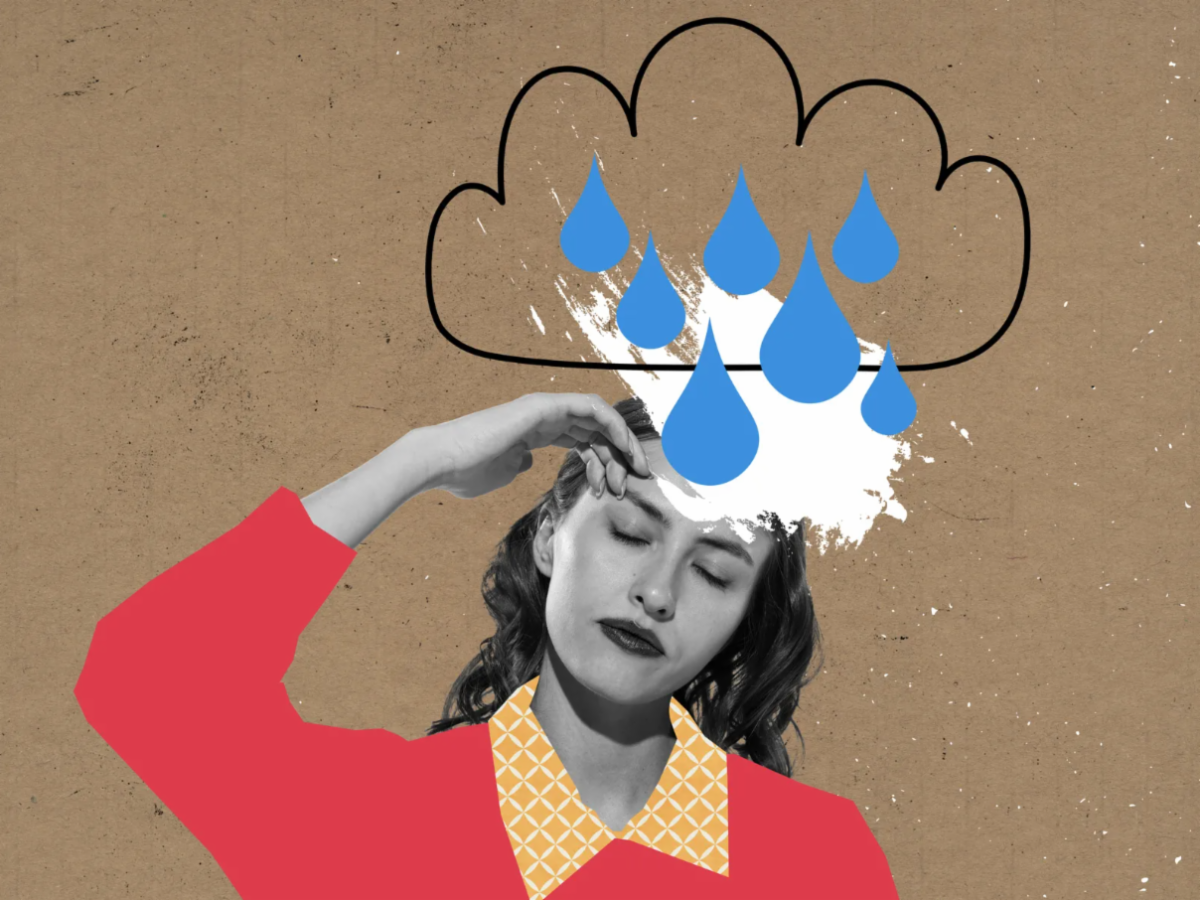 |
10 Things to Try When You’re Too Depressed to Get Out of Bed
People who’ve been there share what actually helps on their worst mornings.
If I had to describe my relationship with my bed, I'd say it’s…complicated. It’s my favorite place to rest and recover when the world and my feelings are too much—yes, bed rotting is a legitimate form of self-care—but it can also be a bona fide mood ring. The more time I spend in it, the longer it’s been since I’ve made it, the nastier the sheets are, and the worse I’m doing. And, of course, if I’m struggling to get out of it in the first place—well, that’s a pretty normal day for a lot of us with depression.
There are a bunch of reasons why this condition can make clawing yourself out of bed feel like an Olympic sport. For one, fatigue and sleep disturbances (including insomnia or sleeping too much) are common symptoms of depression. Add feelings of worthlessness, hopelessness, and emptiness to that list—along with a loss of interest in things you used to enjoy—and impossible mornings aren’t exactly surprising. Not to mention all the usual reasons many of us, depressed or not, aren’t exactly raring to vault from sleep into our daily routines—hi, dark mornings, packed to-do lists, and the general state of the world. It’s a wonder we can get up at all some days.
| |
October 13 is Herpes Awareness Day, an opportunity to raise awareness around the causes, risks, and treatment of different types of herpes infections, particularly genital herpes. Perhaps more importantly, it’s a chance to debunk myths around the disease, start conversations about what it really means to have a genital herpes infection and, hopefully, destroy the stigma around the disease that impacts nearly 1 out women between the ages of 14 and 49. | |
How to Have Safe Sex With Genital Herpes
There’s a ton of misinformation around this super-common STI—but a diagnosis doesn’t spell doom for your hookups.
If you’ve recently received a genital herpes diagnosis, chances are you’re worried about what it means for your sex life. Thanks to decades of stigmatization and misinformation (and anemic sex education in the United States), people often assume that the STI will cause near-constant, painful, and hyper-contagious symptoms that can make hooking up feel risky or uncomfortable.
Take a deep breath though: Having fantastic sex with herpes just requires some extra awareness and planning. Here’s how to feel like your old, hot self again—and get back to getting down.
Understanding herpes is key to having good sex after your diagnosis.
Some people have wild beliefs about herpes—like that if a person has sex with someone with the condition, it’s immediately passed on to them. (Not necessarily true, as we’ll learn in a bit.) A good number of people even think herpes can be lethal. (Wrong—except in exceptionally rare cases, like when babies contract it at birth.)
Sound information goes a long way when it comes to calming down, feeling confident, and setting the record straight in conversations with partners. Adrial Dale, a North Carolina–based man in his 40s who was diagnosed with herpes in 2005, tells SELF that when you have your facts straight, “herpes gets reframed as a simple skin condition,” rather than a source of shame.
So on to the basics...
| | |
|
Come explore the impact of Something Positive for Positive People (SPFPP), a 501c3 nonprofit dedicated to supporting individuals living with herpes. We focus on navigating the complexities of stigma and relationships associated with the virus, offering holistic approaches and resources.
Our Mission Our mission is to
provide stigma-free communication skills and resources to sexual health service
providers, including therapists, nurses, sex educators, and public health professionals. We advocate for integrating the experiences of those living with herpes into broader sex education and STD prevention efforts, ensuring a
comprehensive and empathetic approach to sexual health and wellness.
| | |
|
SexELDucation
The sex education you deserve, free of shame and stigma.
Emily L. Depasse, MSW, MEd, is a leading sex educator specializing in sexually transmitted infections, with a focus on herpes education and empowerment.
| | |
|
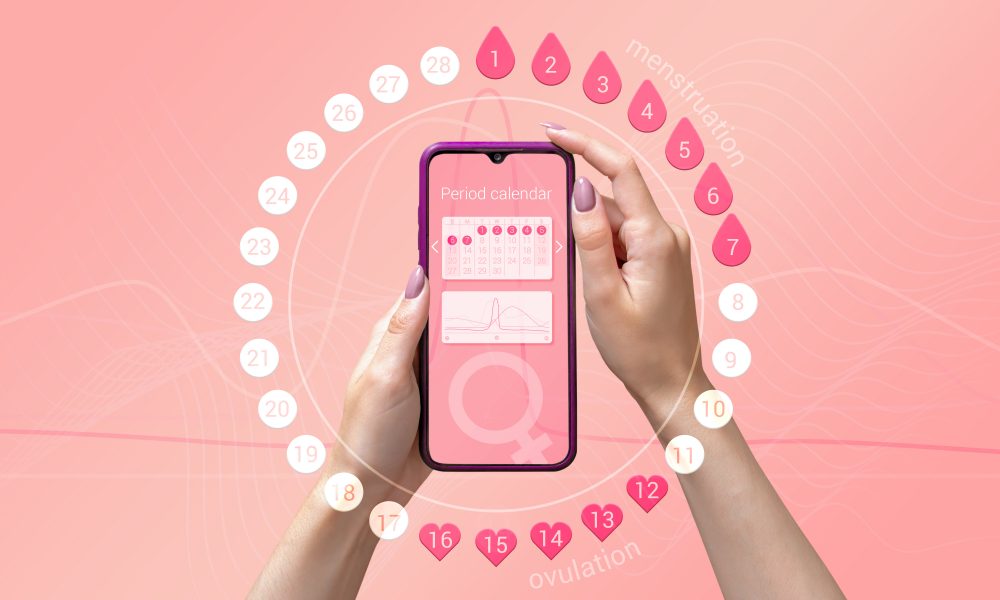
Can I Trust My Period-Tracking App? Here's What It Can Tell You-And What To Watch Out For
As many as 50 million people now have a record of their menstrual cycle on their personal devices.
But how much should we rely on our period tracker for reliable and accurate information about menstruation and fertility?
Some apps are free, and some make you pay. All are part of a booming industry known as “femtech”. But evidence about the apps’ accuracy and quality suggest they don’t always help us better understand our bodies.
Here’s what period-tracking apps can – and can’t – tell you about your cycle.
| | |
 | |
Teens Say They Learn More In School About Frogs' Bodies Than Their Own
Sriya Srinivsan stopped menstruating for nearly three years and had no idea why. She went online for answers, and the search results frightened her so much that she stayed silent about the problem instead of asking relatives or teachers for help...
Research indicates that teenagers throughout the United States would welcome changes to menstruation education. “State of the Period 2023” — a study commissioned by the period underwear company Thinx Inc. and the advocacy organization PERIOD: the Menstrual Movement — found that 78% of teens agree that menstrual health education should be a part of a school’s core curriculum. Yet 78% of teens also say they learn more about the inner workings of frogs than of women’s bodies. Seventy-six percent of teens say they would appreciate frank communication about their menstrual cycles but feel that periods are a verboten topic at school. The study found that Hispanic and lower-income students were most likely to say that they have experienced stress related to managing menstruation at school and that society teaches people to be ashamed of having a period. Public relations firm SKDK surveyed 1,020 teenagers between the ages of 13 and19 and 1,050 adults between the ages of 20 and 50 online September 5-10, 2023.
“Menstrual health education is something that has been lacking for years — for centuries,” said Damaris Pereda, national programs director for PERIOD. “Often, people only learn what their family or people in their community may share with them. Often, menstrual health education is not taught in schools or not taught extensively in schools; it’s kind of mentioned. And all of this has really contributed to the continued stigma we see.”
| | |
WIN that costume contest this Halloween! | |
WYOMING HEALTH COUNCIL
111 S. Durbin, Suite 200
Casper, WY 82601
Call Us: (307) 439-2033
| | | | | |