“Success is a journey, not a destination”.
By this point in our lives, I think many of us have come to know and appreciate the Truth in this old maxim.
One of the things that has kept me, personally, happily working with Power Flow for the last twelve years (when my average tenure with most previous companies was less than three years), is the commitment shared by everyone in the organization to consistently deliver high quality, reliable, products to our Customers.
Yes, they are expensive. As a sales rep though, I find it much easier to defend a high price for a quality product than to try to find excuses for inferior quality, no matter what it costs. Plus, I DO sleep a lot better at night!
The other thing I’ve learned about success is that there are NO shortcuts on that journey. If you want to consistently deliver the quality and reliability that sets you apart, you HAVE to do the tedious, painstaking, “grunt work”.
Case in point:
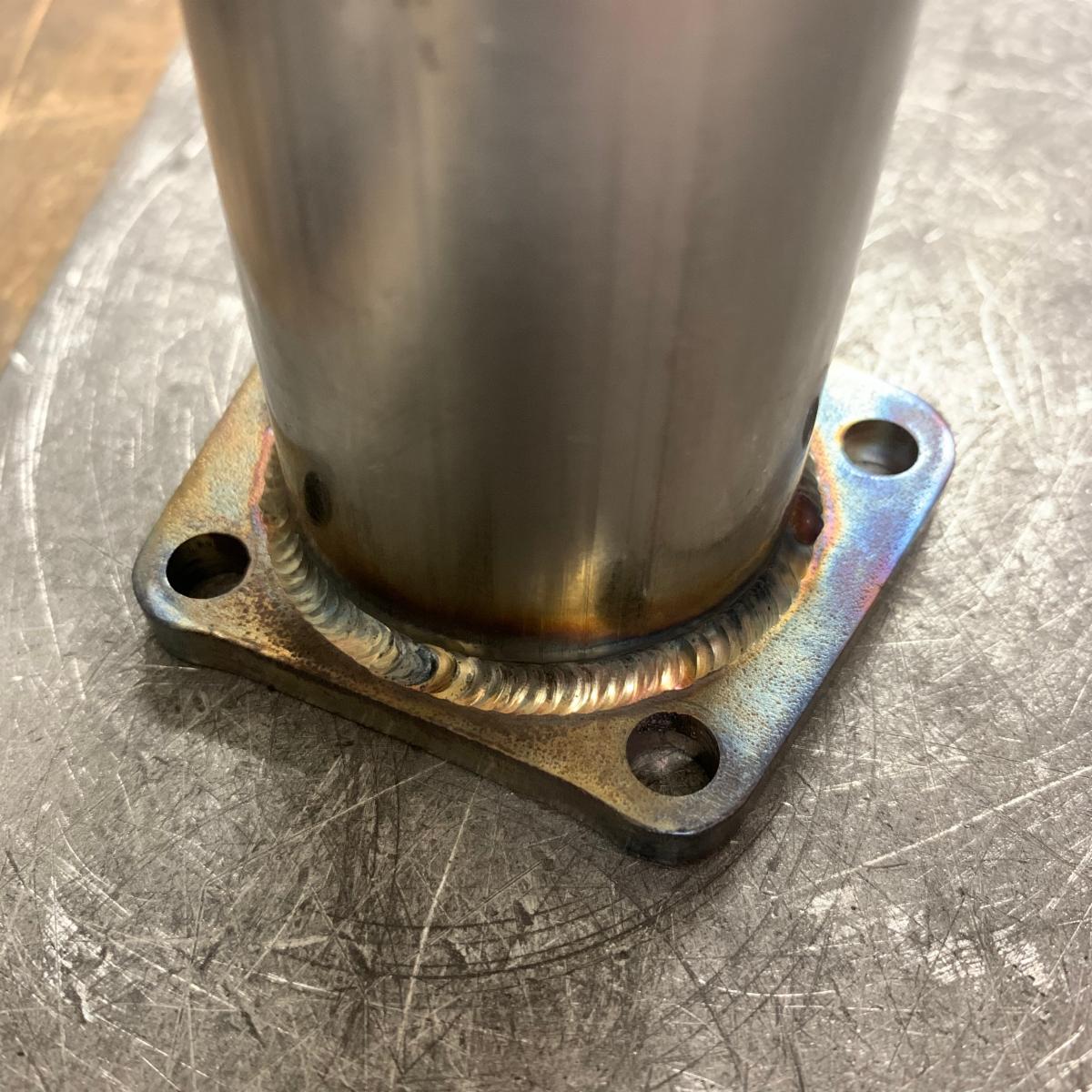
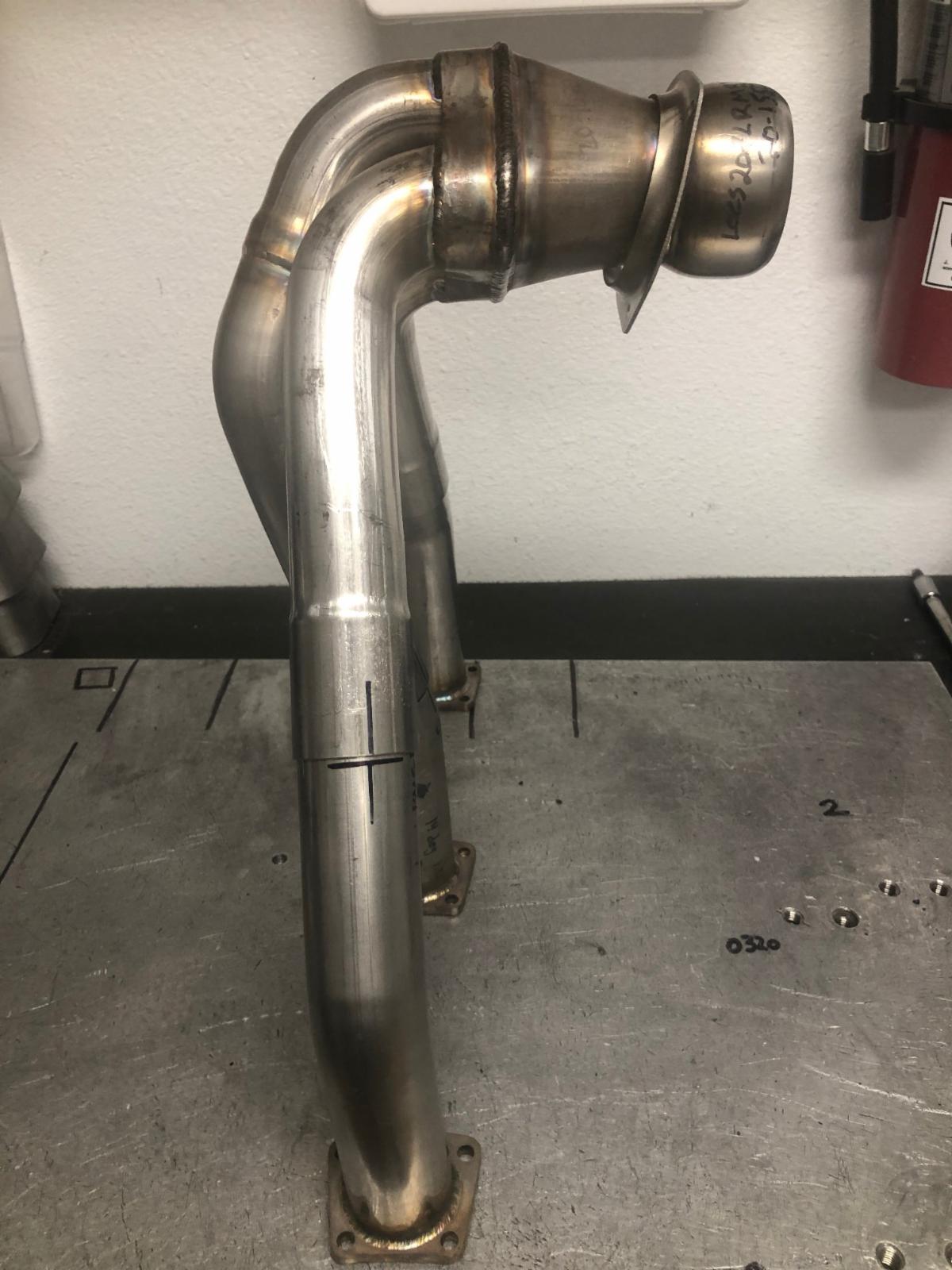
As we have been fabricating and assembling the individual components for our first batch of PMCF systems, our shop techs and engineers found numerous instances where the methods utilized in the production process bore little or no resemblance to the corresponding engineering specifications. Those specifications were a crucial part of our purchase of the LEES assets. Their glaring deficiencies could have easily jeopardized our ability to consistently produce products to our own high standards.
For the sake of expediency, many companies might have simply turned a blind eye to those discrepancies and plunged ahead. Power Flow made the conscious decision to carefully research each deficiency, determine the standardized practice which would consistently yield the best result, and then document the resulting changes in conformance with the FAA’s exacting standards.
Of course, this process was neither quick nor cheap. Getting to the root cause of each problem, coming-up with an effective solution, and then documenting that change was a long and labor-intensive process. Truth be told, it has also been one of the major factors contributing to the delay in our deliveries.
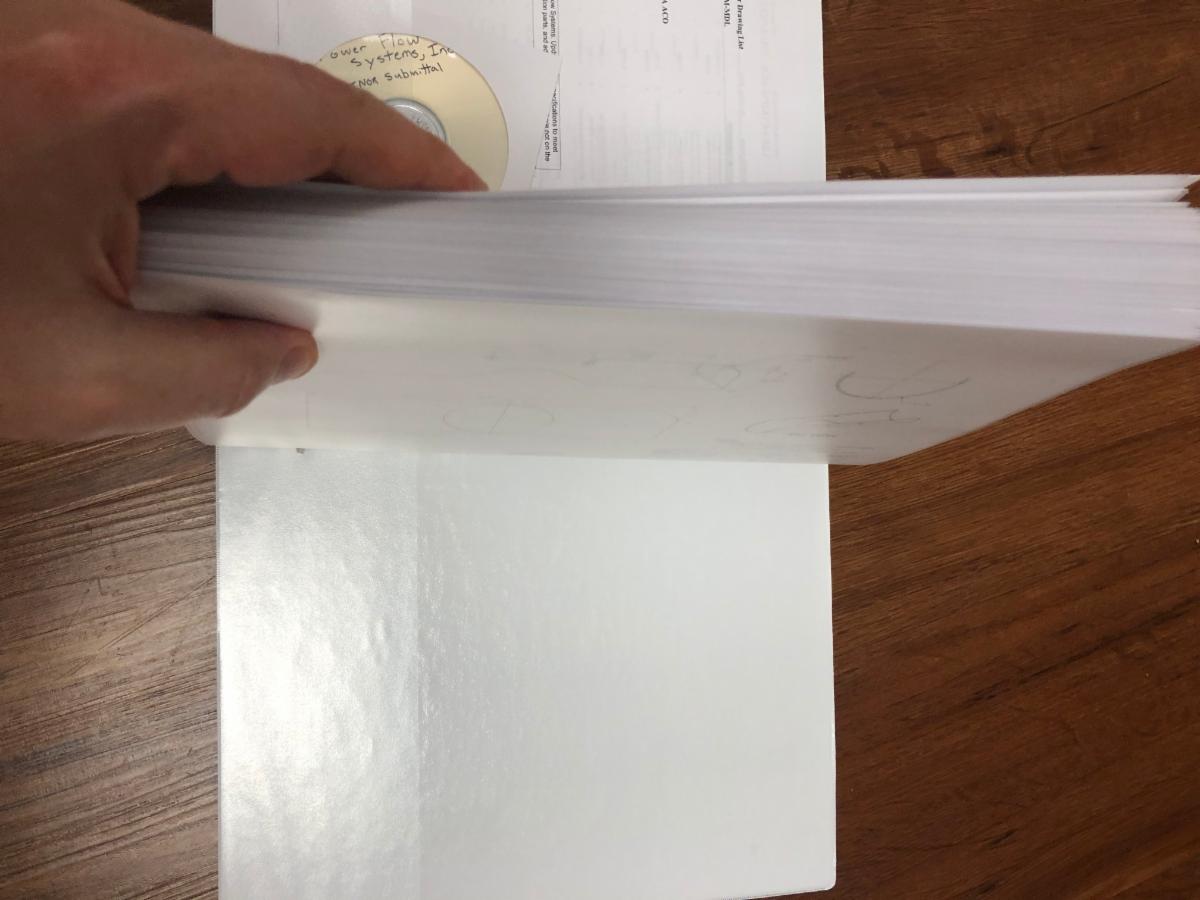
As shown below, we submitted over 40 well-documented engineering changes to the FAA as part of our process to obtain Parts Manufacturing Approval for the new systems.