U52 Bridge over Skagit _1_.jpg
scl_logo_white_horiz_transparent.png

SKAGIT RIVER HYDROELECTRIC PROJECT

OCTOBER 2022 RELICENSING NEWS

This newsletter provides updates about the federal relicensing of the Skagit Hydroelectric Project. More information is available on the project website or by emailing the project team at scl_skagitrelicensing@seattle.gov.

Keeping Skagit Scientists Safe During Fire Season

In the Summer 2022 issue of this newsletter, we touched on some ways Seattle City Light is planning for increased wildfire risk in the face of climate change. Wildfire is a natural and important component of a healthy forest ecosystem, but it does present risks. Throughout September and October, we’ve seen real-life examples of the impact wildfires can have on land, wildlife, facilities, and people in and around the Skagit Hydroelectric Project.


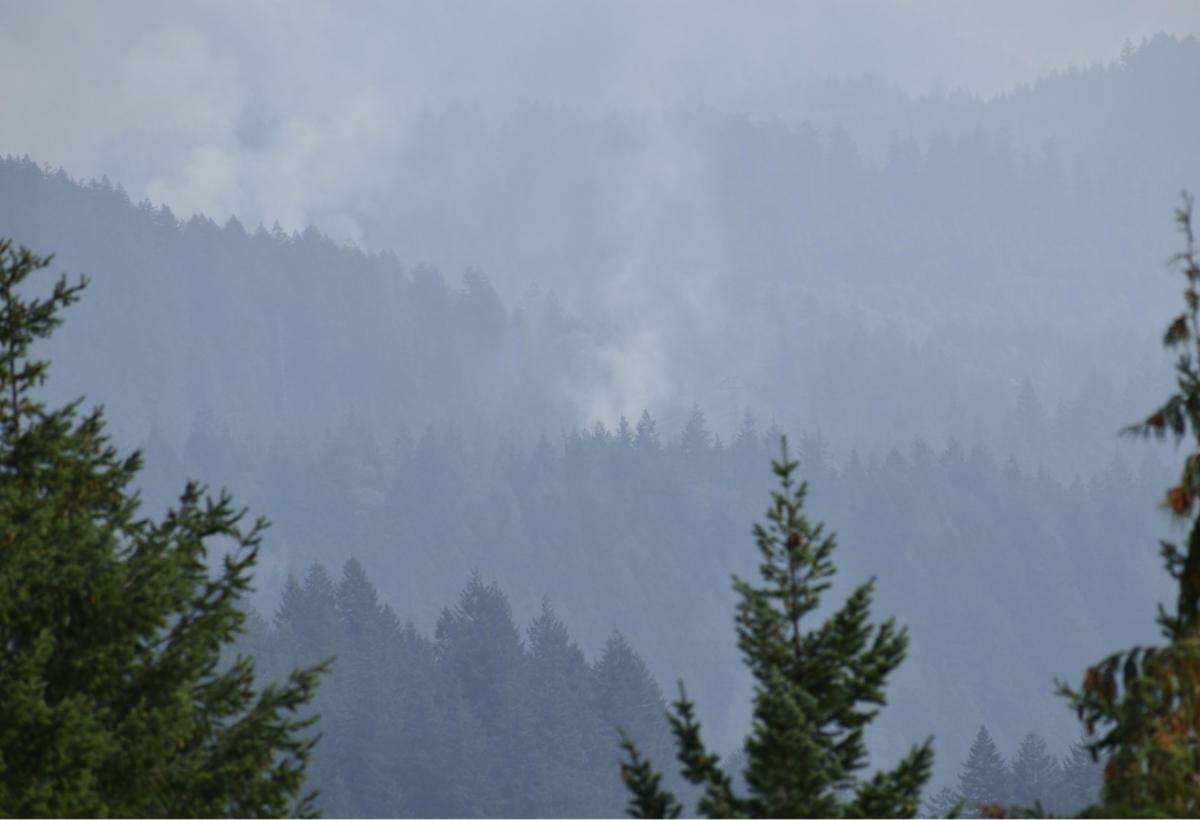
In early September, the Bolt Creek fire near Highway 2 ignited and quickly grew to thousands of acres in size. Within a few days, residents of Index, WA and surrounding areas were told to evacuate. While the flames didn’t travel as far north as the Skagit Project, the smoke did. It merged with smoke from two other fires north of the Project and air quality in and around the North Cascades quickly reached “very unhealthy” levels.


The 33 studies being conducted as part of relicensing require significant numbers of scientists, often working in very remote areas within the North Cascades. City Light is committed to ensuring the safety and well-being of each one of these field scientists. As smoke from Bolt Creek and neighboring fires began to create unhealthy conditions, the decision was made to evacuate a team of cultural resources researchers. The team skillfully navigated the logistical challenges of evacuating from a remote location on Ross Lake until conditions were safe for them to resume their work.


Wildfire risk management is an ongoing issue at the Skagit Project. As we write this update, the Bolt Creek wildfire and other smaller fires are continuing to send smoke into the area and create other potential hazards. We are deeply grateful to the many people and organizations who help us manage this risk, keep people safe and minimize unwelcome consequences.


You can learn more about City Light’s efforts to protect people and the planet from wildfires, including voluntarily developing a wildfire risk reduction strategy, in this Powerlines blog post by Ronda Strauch, City Light’s Climate Change Research and Adaptation Advisor. 

Smoke from the Bolt Creek Fire, September 2022

Strengthening Education Through Collaboration

Seattle City Light’s collaborative relationship with License Participants is critical to the relicensing process, but it's not the only important collaboration happening in the Project area. This summer, City Light welcomed two groups of students to the Project to learn about everything from river ecosystems to the relicensing process itself.


NOAA Fisheries Interns

College interns with NOAA’s Fisheries Scholars and Interns program spent part of their summer studying the relationship between river ecosystems and the marine environment. You can read about one intern’s experience on the program’s website.      


Future Rivers Institute

Graduate students in the University of Washington’s Future Rivers Summer Institute spent time in the North Cascades learning about the relicensing process and the many participants involved. Future Rivers is a National Science Foundation Research Traineeship that aims to provide graduate students with a better understanding of the physical, biological, and social dynamics of freshwater ecosystems through in-depth, innovative training and opportunities. 

Photo credit: @FutureRivers via Twitter

The Skagit Project's Role in Flood Prevention

As we head into flood season in western Washington, we wanted to take another look at the Skagit dams’ role in flood protection. Seattle City Light manages the dams of the Skagit Project with four key considerations in mind: floods, fish, recreation, and power.

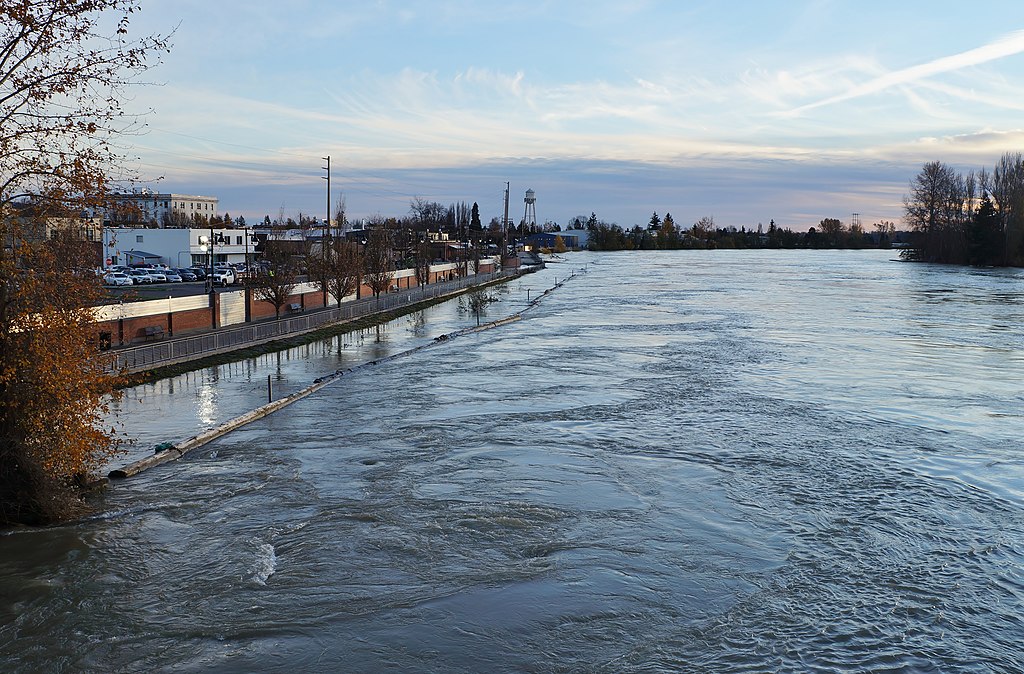
Skagit River flooding in downtown Mount Vernon, Nov. 2021. Photo credit: SounderBruce, CC BY-SA 4.0 via Wikimedia Commons

City Light works closely with partners to protect people, property, and the environment from the devastating impacts of flooding. This includes the U.S. Army Corps of Engineers, which takes control of Ross Dam operations when river flows are predicted to exceed 90,000 cubic feet per second at the Concrete gauge on the Skagit River. The Army Corps manages flood control at Baker Dam and Skagit Dam simultaneously and controls about 60% of the flow in the Skagit River at Mount Vernon.


Thanks to careful management of water storage behind Ross Dam, the Skagit Project has made a difference during some significant weather events. Last November, for example, an atmospheric river brought heavy rainfall to the area and caused the Skagit River to rise nearly nine feet above flood stage. It could have risen much higher were it not for the Skagit and Baker dams which, thanks to planning and foresight, held back enough water to keep the Skagit River from rising another eight feet. Ross Lake is already drawn down significantly below the flood curve this year, providing a good buffer for flood season.


Learn more about how the Skagit Project contributes to flood protection in this blog post

SKAGIT PROJECT PRIORITIES


Protection against flooding: Dams can reduce flooding by holding back water during heavy rains. City Light plans ahead by providing flood storage behind Ross Dam for when it is needed most. When heavy rains come, that storage helps to protect people, property, and fish from flooding.


Fish: Water flows must be carefully managed to support salmon and steelhead spawning, incubation, and fry protection.


Recreation: City Light works to ensure reservoirs are refilled each spring with enough water to allow for water recreation during the summer months.


Power: In years with normal rainfall, flows should be sufficient to supply about 20 percent of Seattle's power needs. 

Learn More

City Light's Hydroelectric Resources

BoundaryRainbow2.jpg

Learn more about the Skagit River Hydroelectric Project and other City Light hydroelectric resources.

Skagit Tours and Recreation

SkagitBoatTour.jpg

Explore the Skagit River and the beauty of the North Cascades.

Skagit Relicensing Project Page

RossLake.png

Learn more about the relicensing process, including the library of public documents.

OUR MISSION

Seattle City Light provides our customers with affordable, reliable and environmentally responsible energy services.

City Light Website | Powerlines Blog

Facebook  Twitter  LinkedIn  YouTube