- Welcome Director of Finance & Administration
- Partners Tour Our Rainwater Projects in the Mark West and Mill Creek Watersheds
- Rainwater Harvesting in Action at Helen Putnam Regional Park
- Sonoma County’s Forestry Takes a National Stage
- Join Us for Ag Heritage Series: Tour of Santa Rosa High School Farm
- Winterization on our Working Lands
- Gualala RFQs, Soil or Water Test Analysis, NRCS Updates, and more!
| | | | |
Welcome Director of Finance & Administration
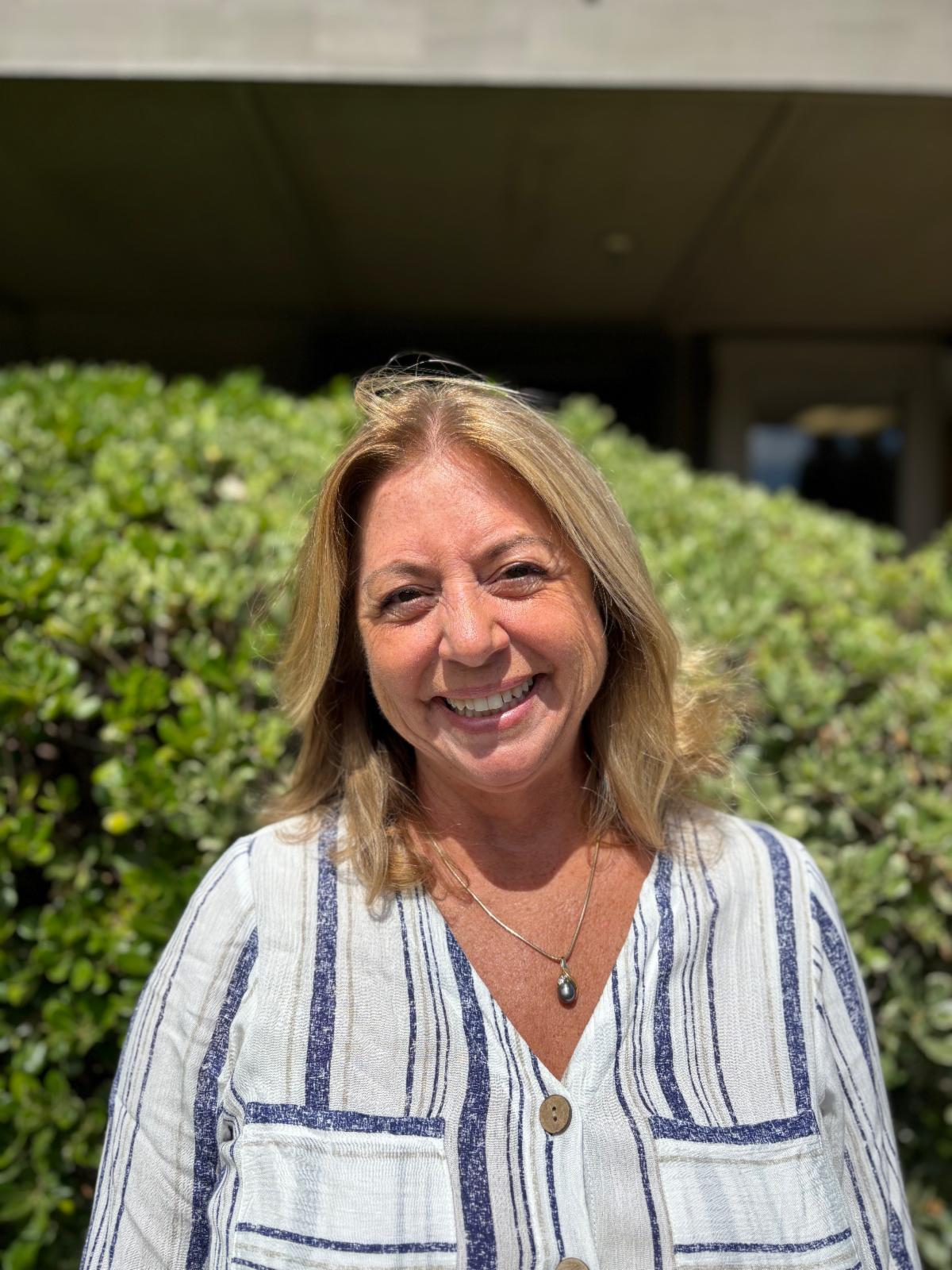
We are very excited to welcome Karen Scalabrini as our new Director of Finance and Administration. Karen will oversee accounting, compliance, human resources, and administrative operations, ensuring the organization’s financial health and efficiency.
With over 25 years of experience in finance and operations across government and nonprofit sectors, she is passionate about supporting mission-driven organizations focused on environmental conservation and community resilience. Karen is also dedicated to her community, volunteering with her local FFA to support youth education in agriculture and serving as president of a local mutual water district. A lifelong resident of Sonoma County, she holds a BA in Business Management/Accounting from Sonoma State University. Outside of work, Karen enjoys spending time with her family, relaxing at the lake, traveling, gardening, and cooking, all while maintaining a deep connection to the place she calls home.
Karen shared that, “I'm excited to be part of this amazing and collaborative team. I look forward to supporting our staff and strengthening our financial foundations to ensure conservation success for future generations.” Welcome to the team, Karen!
| | | | |
Partners Tour Our Rainwater Projects in the Mark West and Mill Creek Watersheds
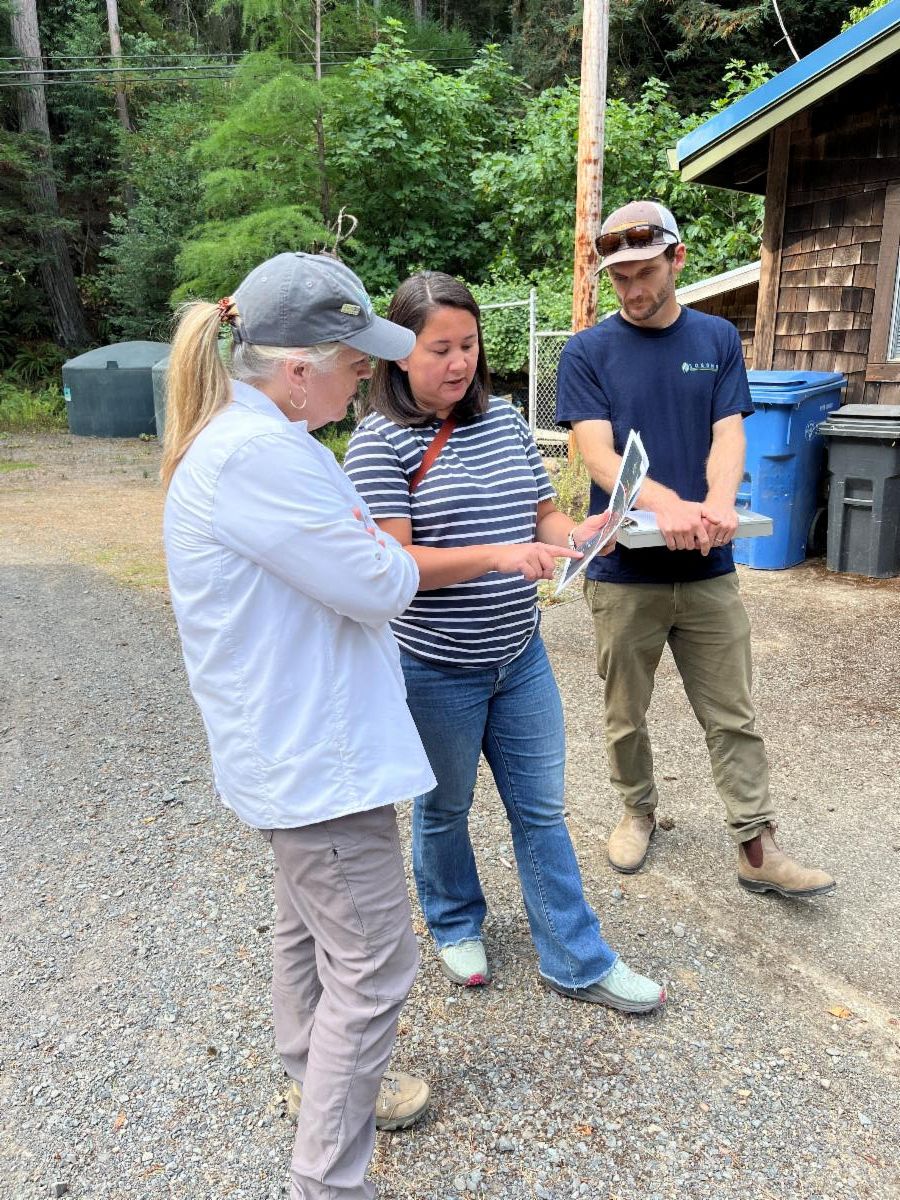
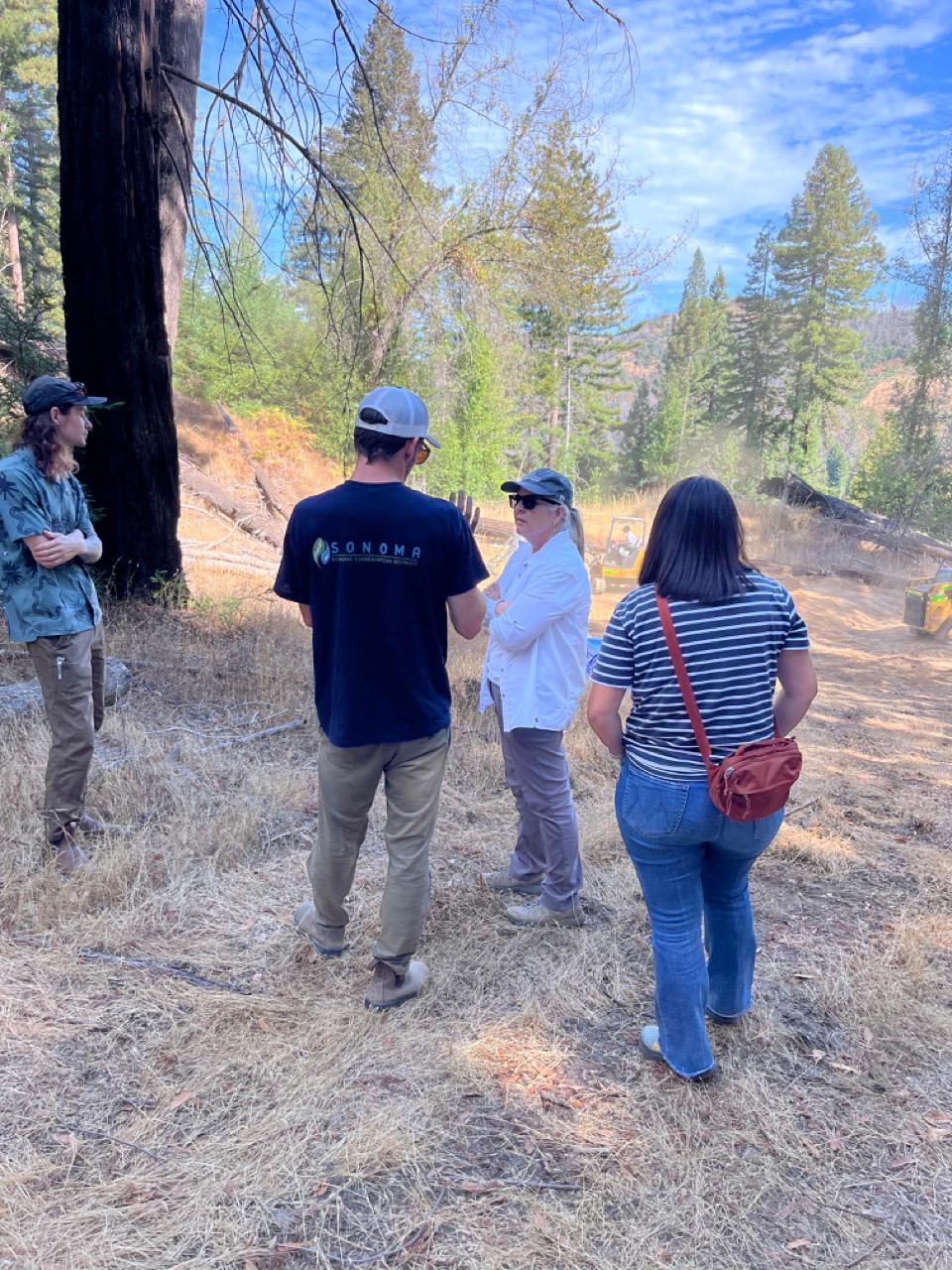
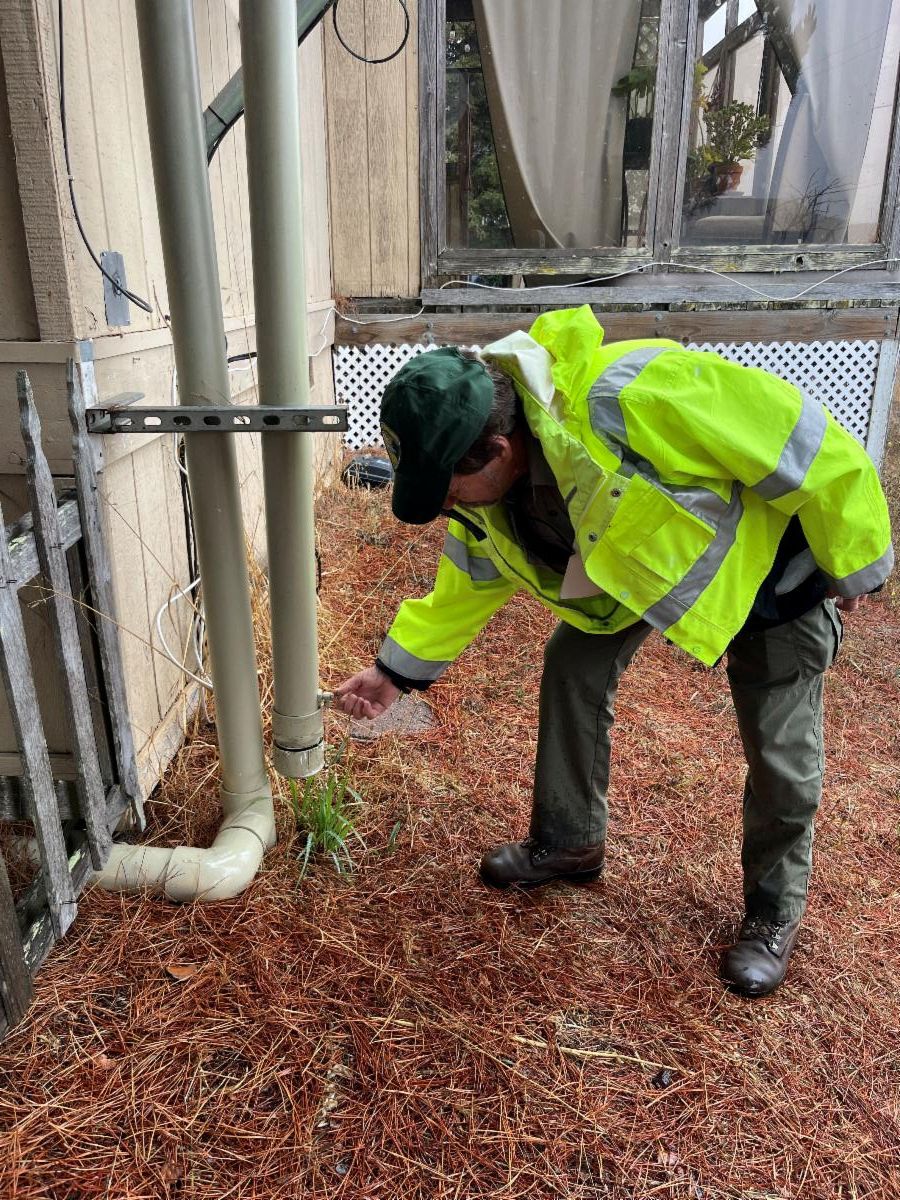
This fall, our Water Resource Team led members of Trout Unlimited (TU) and the Water Conservation Board (WCB) on a tour of several water catchment tanks that we built in the Mark West and Mill Creek watersheds. Installed over the last few years, these rainwater catchment tanks are designed to improve streamflow and support critical habitat for coho salmon and steelhead trout.
During the tour, the group visited two sites in Mill Creek and one in Mark West Creek, where they saw both projects under construction and completed ones that were already collecting rainwater from the recent rains. Two of the tanks, completed in fall 2024, filled throughout last winter and provided a valuable water source for homeowners throughout this past spring, summer, and early fall. The stored water was used for landscaping and gardening, reducing the water demands for the creeks during the dry season. This minimizes how much water is being drawn from each of the creeks. Collectively, these two tanks alone have captured over 50,000 gallons of rainwater.
This type of water conservation—known as forbearance—plays a key role in supporting native fish habitat. By reducing diversions from creeks, springs, and shallow wells during the driest months, rainwater storage systems help maintain consistent flows and stable stream conditions that salmon and steelhead rely on for migration and spawning. Even small increases in summer baseflow can make a meaningful difference for juvenile fish who live in some of these watersheds over summer.
The projects showcased during the tour serve as an inspiring example of how collaboration and innovation can create tangible benefits for both people and wildlife. Funding for these rainwater tanks was provided by WCB, and TU continues to support implementation and monitoring.
| | | | |
Rainwater Harvesting in Action at Helen Putnam Regional Park
Our Mill Creek and Mark West watershed rainwater tanks aren’t the only ones filling up from recent rains! Earlier this year, we completed the installation of two new tanks at Helen Putnam Regional Park, in partnership with Sonoma County Regional Parks. This fall, our team hosted Operations and Maintenance training for six park staff to ensure they’re prepared for seasonal upkeep — and we even got to experience a first flush together! A first flush is a system that diverts debris and sediment from rooftops before rainwater enters the tank.
Rainwater tanks typically require maintenance in both spring and fall — after the rainy season and before it begins again. As of now, the tank near the bathroom is full! This stored rainwater will be used for fire protection and for watering livestock, which are expected to arrive on-site as early as December.
Funding for this project was provided through the Sonoma County Parks Foundation.
| | | | |
Sonoma County’s Forestry Takes a National Stage
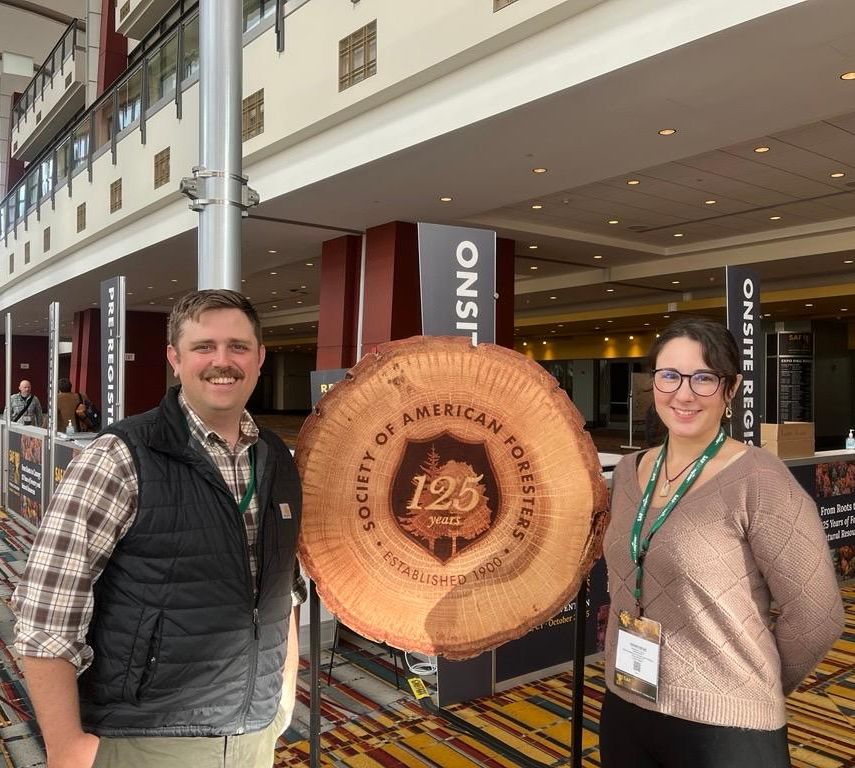
The RCD’s Director of Forestry, Jason Wells, and Forestry Project Manager, Genevieve Tarino, attended the Society of American Foresters (SAF) National Conference from October 22–26 in Hartford, Connecticut. This year’s conference was themed "From Roots to Canopy: 125 Years of Forestry and Natural Resources."
On Saturday of the conference, the team presented how forestry in Sonoma County shares many of the same challenges as urban environments—such as managing highly fragmented landscapes and predominantly private ownership. These factors require extensive education, planning, and coordination across multiple scales. If you’d like to learn more about this work, please reach out to gtarino@sonomarcd.org.
| | | | |
Join Us for Ag Heritage Series: Tour of Santa Rosa High School Farm
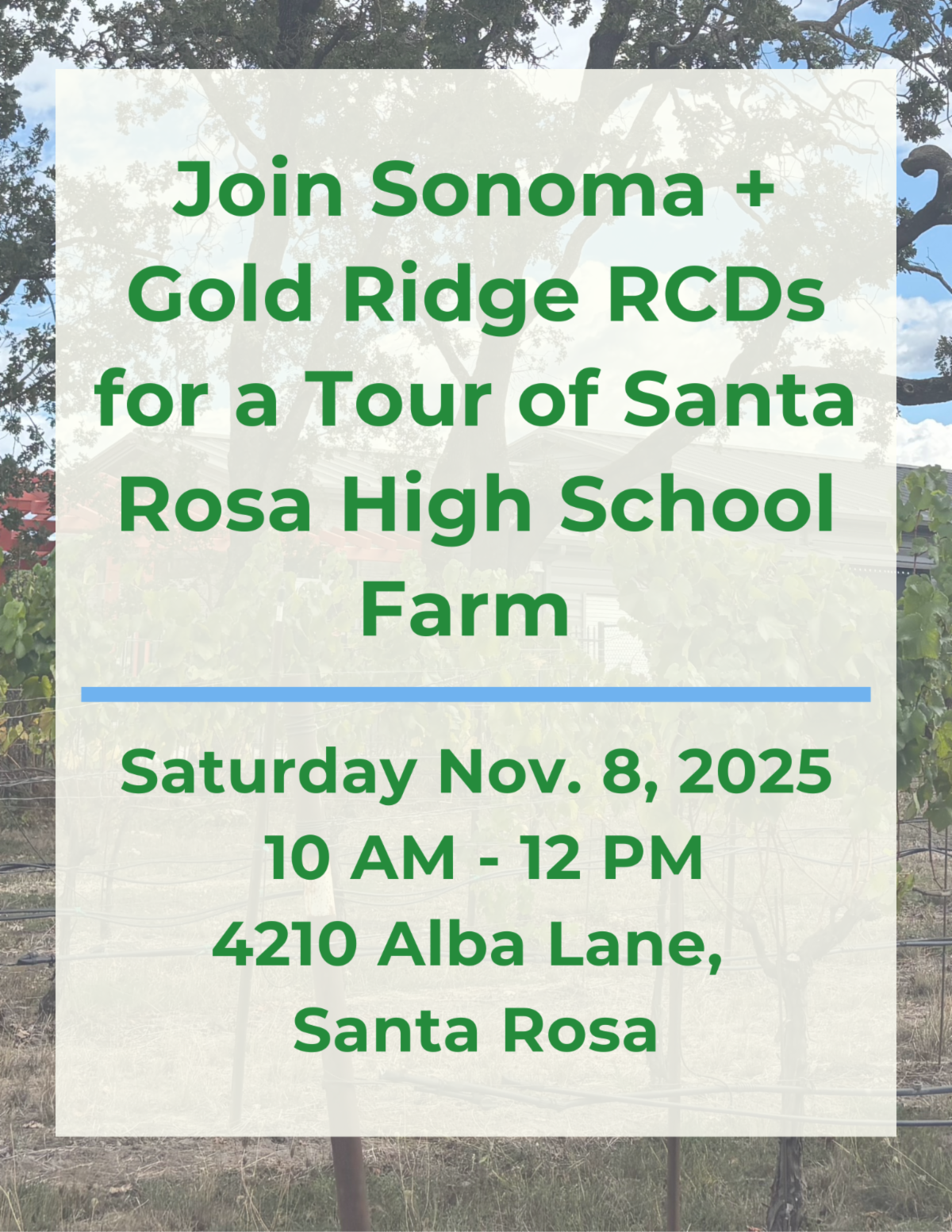
We are very enthusiastic to be partnering with Santa Rosa High School (SRHS) Agriculture Program and Future Farmers of America (FFA) to celebrate the heritage of the high school farm on Alba Lane and vision what the future could hold, both for the property and for students.
The Heritage Series event will be on Saturday November 8th. We will begin with coffee and pastries at 10 am, with the tour starting at 10:30 am. After the tour, you can meet current SRHS students, check out their kid zone activites, and chat with Sonoma and Gold Ridge RCD partners. The RSVP is below. We can’t wait to see you there!
| | | | |
Winterization on our Working Lands
Fall has officially arrived in Sonoma County – the leaves are changing color, the weather is cooling, and the first rains of the season are here. As we ease into the rainy months, now is the perfect time to prepare your property for the winter weather. In preparation, our Agricultural Team has put together a few simple checklist items you can do to prepare your land, equipment, and local waterways.
-
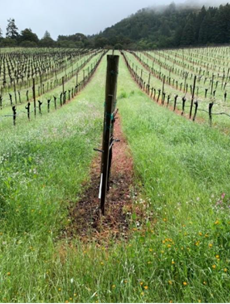
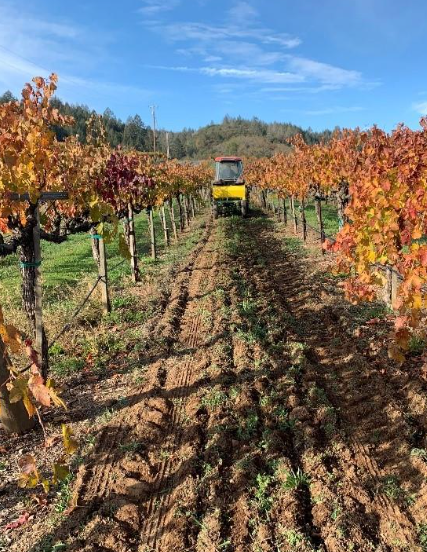
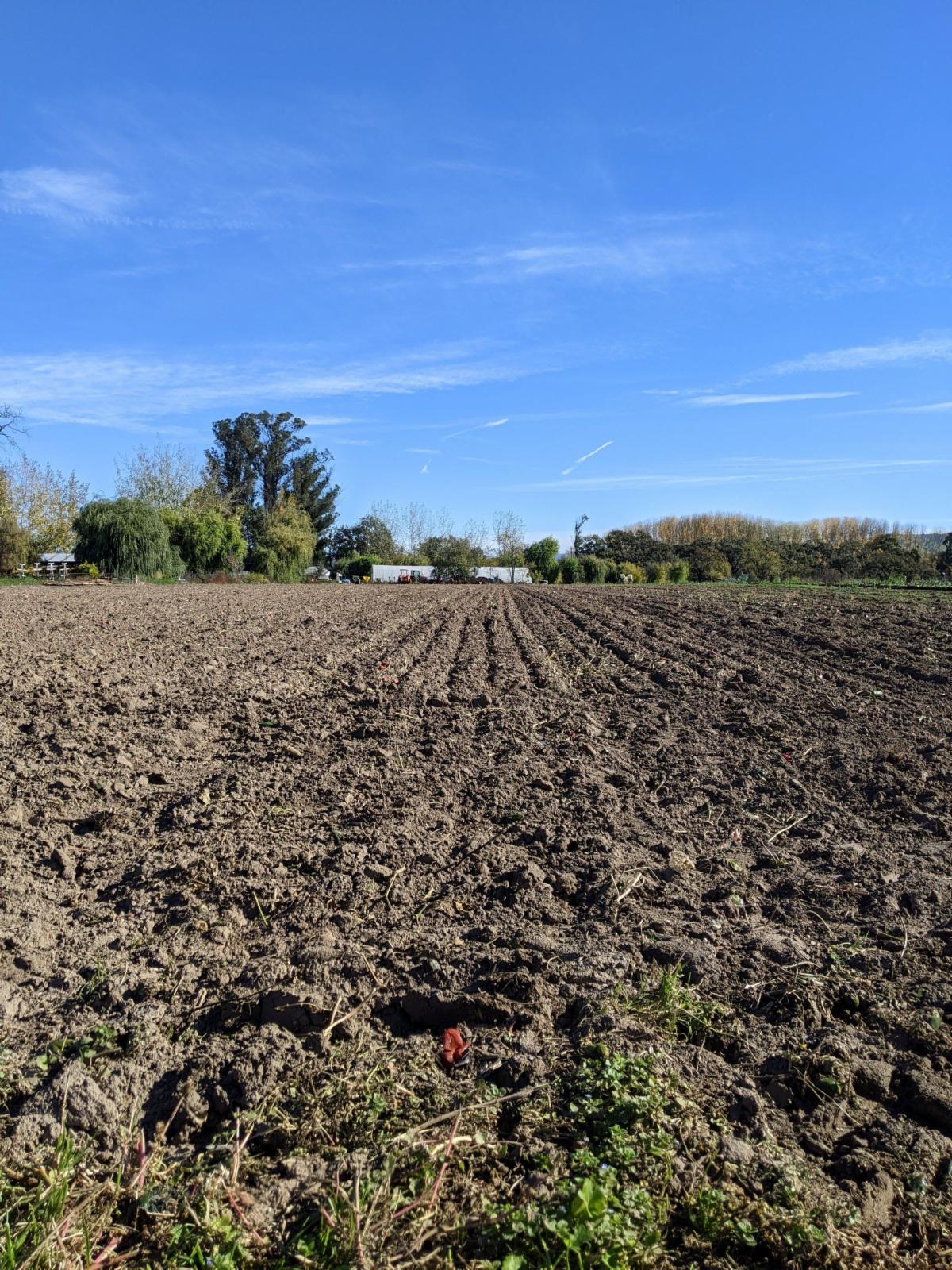
Get your cover crop established. Early fall storms followed by warm, sunny days are ideal for planting cover crops. These plants help protect soil from erosion and improve infiltration during heavier winter rains. Focus on bare areas and ensure good soil contact by tamping down seeds.
-
Winterize your irrigation and equipment. If you’re done irrigating for the year, clean and drain your system before frost events occur. Store fertilizers and chemical containers in a dry place, off the ground, to protect soil and water quality.
-
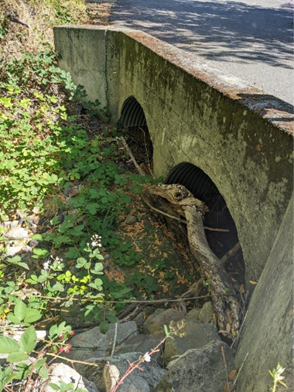
Clear culverts and ditches. Check that culverts, drain inlets, and ditches are free of debris so stormwater can flow easily. Make sure there’s no erosion at the outlets and that the interior of each culvert is intact. Sediment buildup can impact water quality and downstream fish habitat.
-
Watch for erosion. After early storms — and when it’s safe to do so — inspect areas where water tends to flow or pond. Mark small erosion spots with flags or stakes so you can monitor them over time. Keep straw wattles, bales, and shovels on hand for quick fixes.
-
Maintain seasonal roads. Installing water bars on unpaved seasonal roads helps divert runoff and prevent ruts. To determine spacing, divide 1,000 by your road’s slope percentage. Avoid driving on roads or fields right after storms to prevent compaction and damage.
The following helpful guides are also available on our website:
Groundwork: A Handbook for Small-Scale Erosion Control in Coastal California
Slow It. Spread It. Sink It. Store It! A Homeowner’s and Landowner’s Guide to Beneficial Stormwater Management
Introduction & Installations of Wattles
If you notice an erosion issue this winter, give us a call or send us an email at info@sonomarcd.org. Our team offers free technical assistance site visits to help identify solutions and keep your property — and local ecosystems — in great shape all season long.
| | | | |
Gualala Request for Qualifications
We, on the behalf of California Water Boards, are seeking qualifications from consultants or firms with experience in rural road design and engineering, watercourse crossing and design, erosion and sediment control, hydrology, fisheries, and/or geology to serve on a technical advisory committee. Applications are due Friday, October 31st.
| | | | |
Calling all Ag Producers – GSA Survey
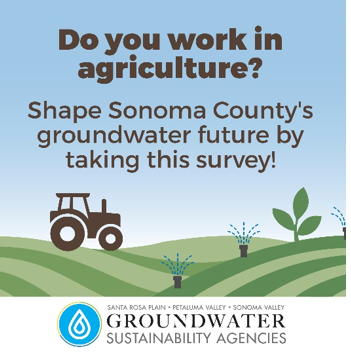
If you are a producer within the Sonoma Valley, Santa Rosa Plains, or Petaluma Valley Groundwater Basins, the Groundwater Sustainability Agencies (GSAs) would like your input on a survey. The goal of the survey is to gather feedback to support the GSAs in shaping future groundwater policies and programs.
This survey can be taken by any agricultural property owners, farmers, processors, and other groundwater users and entities that support agriculture. Your feedback will be used to inform potential changes to existing policies and programs, and/or the development of new policies and programs that support sustainable groundwater management practices, with the goal of creating programs that are practical, effective, and aligned with the needs of the agriculture community.
The 22-question survey is linked below.
| | | | |
FREE Soil or Water Test Analysis Help
Do you need help interpreting results from a soil or irrigation water test?
For a limited time, Sonoma RCD is offering free analysis of your agricultural water and/or soil tests. Lab test results from January 2024 through January 2026 are eligible. The RCD will provide producers with a short summary of test result analysis and recommendations
If interested, please contact Brett at bleduc@sonomarcd.org.
| | | | |
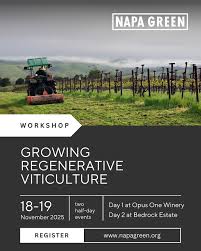
Growing Regenerative Viticulture
Napa Green
November 18 - 19
9 am - 2 pm
$81.88
Please note this event is at waitlist only capacity as of right now.
Join Napa Green for an inspiring two-day deep dive into regenerative viticulture, designed to equip growers with practical strategies for building soil health, enhancing agroecosystem resilience, and producing exceptional quality grapes. This event is for anyone interested in growing their leadership.
| | | | |
NRCS California’s Conservation Funding Assistance Deadline for Producers
Due by: November 21, 2025
NRCS has federal assistance opportunities for agricultural producers, including through the Environmental Quality Incentives Program (EQIP), the Conservation Stewardship Program (CSP), and the Agricultural Conservation Easement Program (ACEP). While NRCS accepts applications for these programs year-round, interested applicants should apply no later than November 21, 2025, for the application cutoff period.
| |
Conservation at Work with LandSmart®
| | | | |