October 2026 Newsletter

Resources for Families with Young Children

In This Issue:

Growing Communication Through Everyday Moment

Supporting Speech and Language Development at Home

💛Parent Corner & Activity

💭📆 Upcoming Events


A Message From Your Child & Family Counselor


Growing Communication Through Everyday Moments

Dear Families,


This past month I hosted a parent workshop on speech and language development. One of the most important things I hope families can take away from the workshop is that supporting speech and language development does not have to feel like another task added to your day.


Children learn to communicate through their relationships and through the everyday moments they share with the adults who care for them. Mealtime, bath time, getting dressed, riding in the car, reading together, and even putting toys away can all become opportunities for language.


We do not have to constantly ask children questions, correct their words, or turn play into a lesson. Sometimes the most powerful thing we can do is slow down, observe what has their attention, join them, and respond.


Sincerely,

Elizabeth Medellin

Gentle Reminders


  • Model words naturally by describing what your child is seeing, doing, and experiencing.


  • Give your child time to respond by slowing down and leaving space between your words.


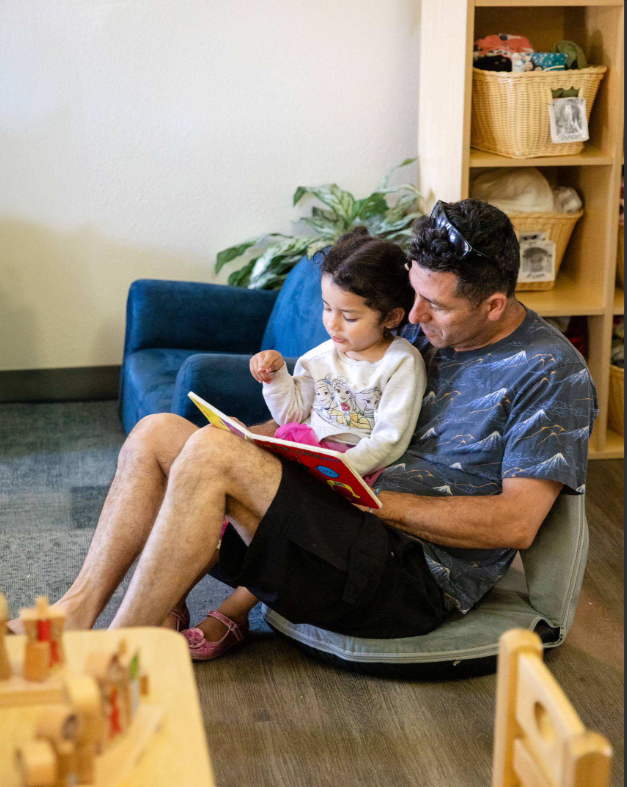
  • Enjoy books, songs, play, and everyday routines together as opportunities for connection and language.


Contact Info

Email:

elizabeth@childlane.org


Phone:

(562) 247-0658


Supporting Speech & Language Development at Home

Communication begins long before a child says their first word.


Babies and young children communicate through:

  • Eye contact and facial expressions
  • Sounds and gestures
  • Pointing and reaching
  • Body movements
  • Showing or bringing objects to an adult
  • Words and short phrases
  • Conversations and storytelling as their language develops


Language grows when children experience back-and-forth interactions with caring adults. Think of communication like a game of catch. Your child sends you a message, a look, sound, gesture, word, or action and you then respond. Then you give them time to respond again. These simple exchanges help build the foundation for later language, learning, relationships, and social-emotional development.


Small Changes that Make a Big Difference

FOLLOW YOUR CHILD'S LEAD

Notice what your child is already interested in and talk about that.

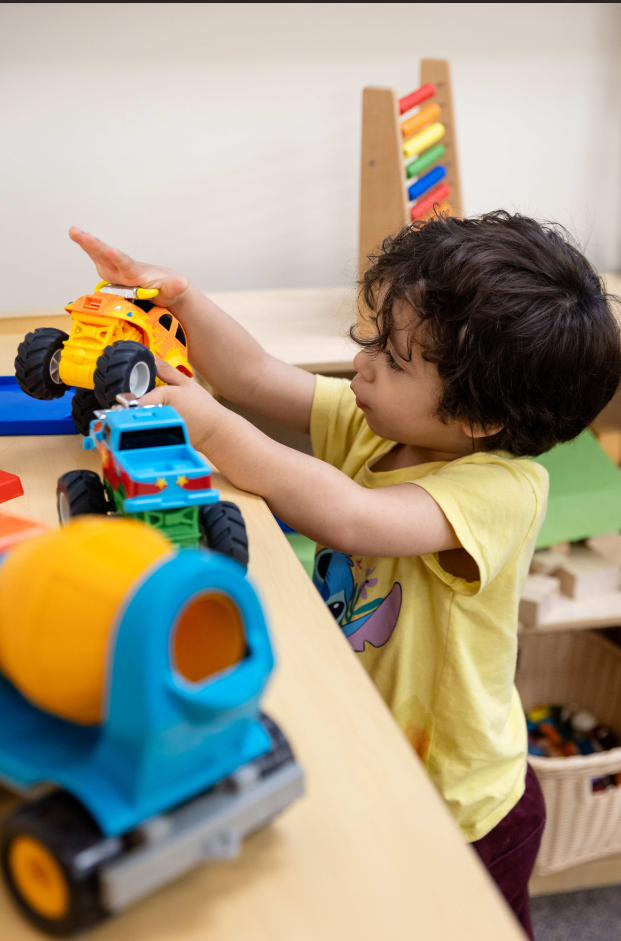
If your child is pushing a truck, you might say:

“The truck is going fast!”

Instead of directing the play somewhere else, enter the activity your child has already chosen.


TALK ABOUT WHAT IS HAPPENING

You do not need to quiz your child.

Instead of:

“What color is this?”

Try:

“You found the red ball.”

Instead of:

“What is the dog doing?”

Try:

“The dog is running!”

Children hear more useful language when adults describe what they are experiencing.


ADD ONE MORE WORD

If your child says:

“Dog.”

You can respond:

“Big dog!”

If they say:

“Car go.”

You might say:

“The car is going fast!”

You are modeling the next level of language without requiring your child to repeat you.


PAUSE AND WAIT

Young children often need more time to process language and organize their response. After you say something, try quietly counting a few seconds in your head before speaking again. That little pause can create space for a look, gesture, sound, or word.


Activity

Talk, Play, and Expand

Some of the richest opportunities for communication happen when adults observe first. Children are more likely to communicate when they feel safe, interested, and connected to the person interacting with them.


Activity

Choose something your child already enjoys:

  • Toy animals
  • Cars or trucks
  • Blocks
  • Dolls
  • Pretend food
  • Bubbles
  • Books
  • Outdoor play


Try It

1. OBSERVE

Spend a moment watching before joining.

Ask yourself:

What is my child interested in right now?


2. JOIN

Move close and participate in what your child is already doing.


3. DESCRIBE

Use simple language.

“You built a tall tower.”

“Pop! The bubble popped!”


4. EXPAND

Add a little more language to what your child communicates.

Child: “Baby sleep.”

Adult: “Yes, the baby is sleeping.”


5. WAIT

Pause and give your child time to take another turn.


Why It Helps

This activity supports:

  • Vocabulary
  • Back-and-forth communication
  • Joint attention
  • Listening
  • Turn-taking
  • Social connection
  • Pretend play
  • Longer phrases and sentences


And most importantly, it helps children experience communication as something enjoyable and connected to the people they love.


When Should I Be Concerned?

Children develop communication skills at different rates, and there is a wide range of typical development.


At the same time, families know their children best.

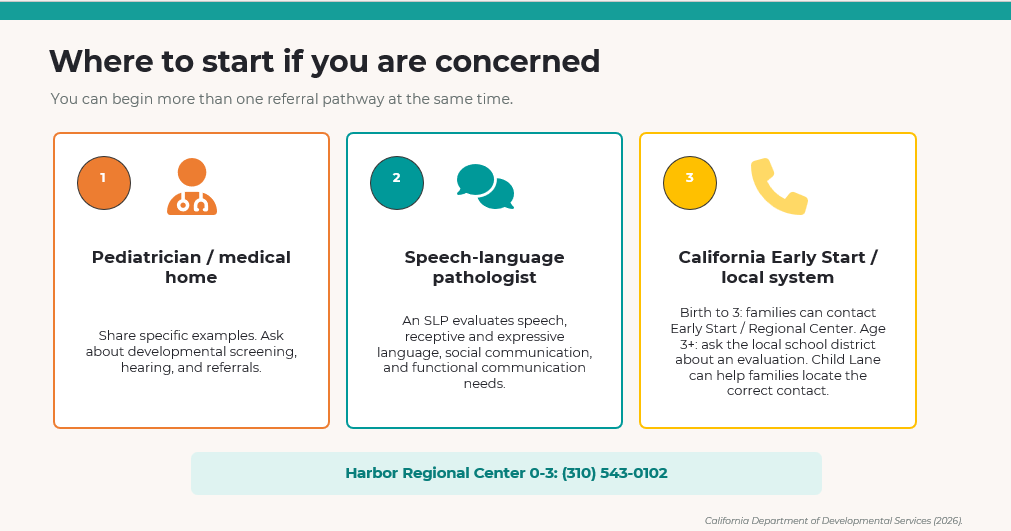
Consider talking with your child's teacher, pediatrician, or Child & Family Counselor if you have concerns about:


  • Your child's ability to communicate wants or needs
  • Limited use of gestures, sounds, words, or phrases
  • Difficulty understanding language
  • Speech that is difficult for others to understand
  • Losing communication skills they previously used
  • Becoming frequently frustrated when trying to communicate
  • Concerns about hearing
  • Low ASQ results
  • Any part of your child's development that simply does not feel right to you


Families do not have to wait until a concern becomes severe before asking questions.


Upcoming Community Events

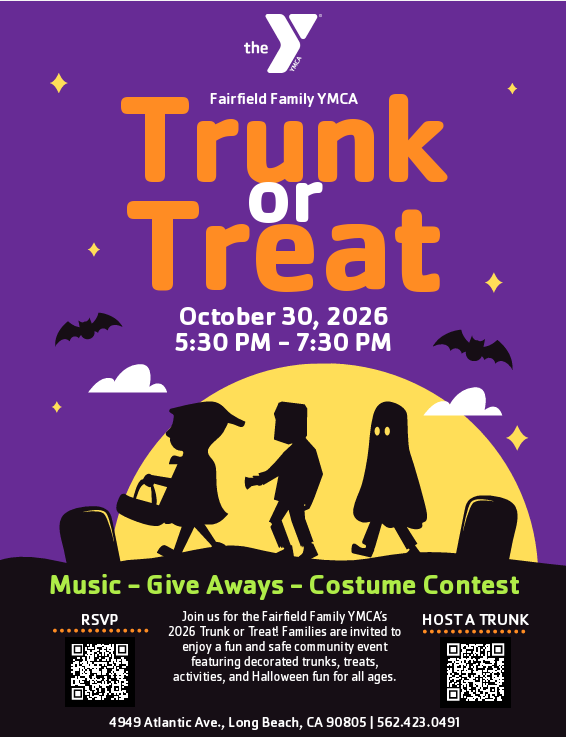
Trunk or Treat Event


Fairfield YMCA

4949 Atlantic Ave

Long Beach, CA 90805


October 30, 2026

5:30 p.m.-7:00 p.m.


Pumpkin Patch


Camp Fire Long Beach

7070 E Carson St, Long Beach, CA 90808, USA


Saturdays & Sundays

October 3,4, 10, 11,17 & 18

12:00p.m.-6:00 p.m.

Dia de los Muertos Festival


Downtown San Pedro

6th & Mesa

San Pedro , CA 90731


October 25, 2026

3:00 p.m.-9:30 p.m.