|
Communication begins long before a child says their first word.
Babies and young children communicate through:
- Eye contact and facial expressions
- Sounds and gestures
- Pointing and reaching
- Body movements
- Showing or bringing objects to an adult
- Words and short phrases
- Conversations and storytelling as their language develops
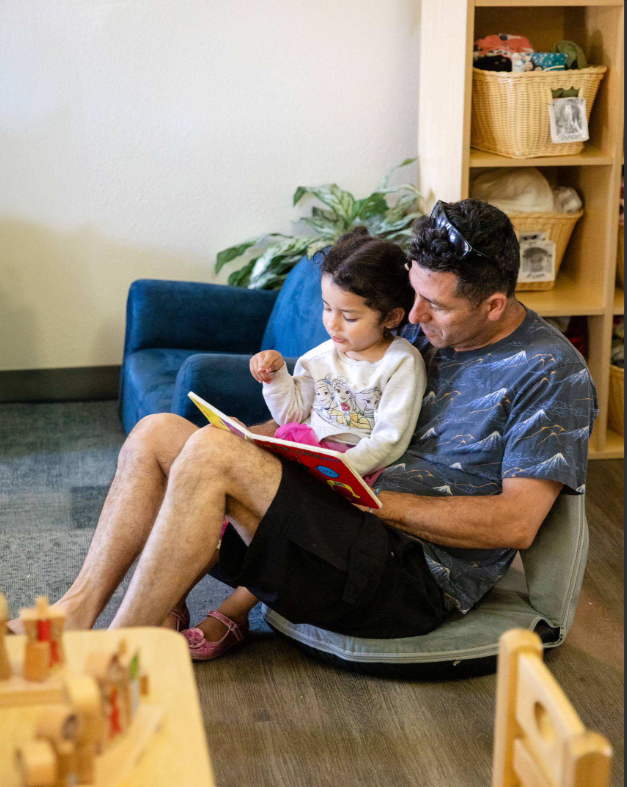
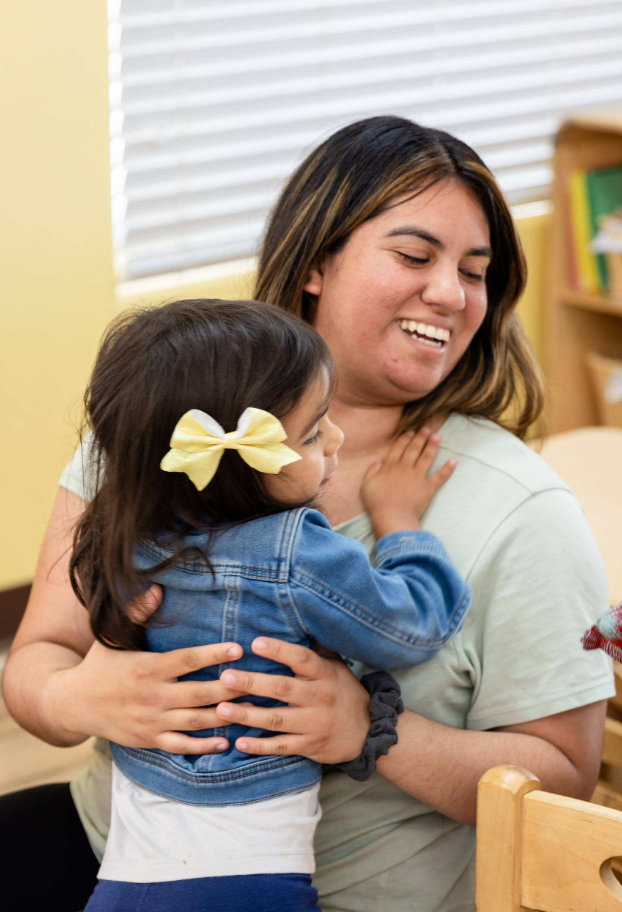
Language grows when children experience back-and-forth interactions with caring adults. Think of communication like a game of catch. Your child sends you a message, a look, sound, gesture, word, or action and you then respond. Then you give them time to respond again. These simple exchanges help build the foundation for later language, learning, relationships, and social-emotional development.
Small Changes that Make a Big Difference
FOLLOW YOUR CHILD'S LEAD
Notice what your child is already interested in and talk about that.
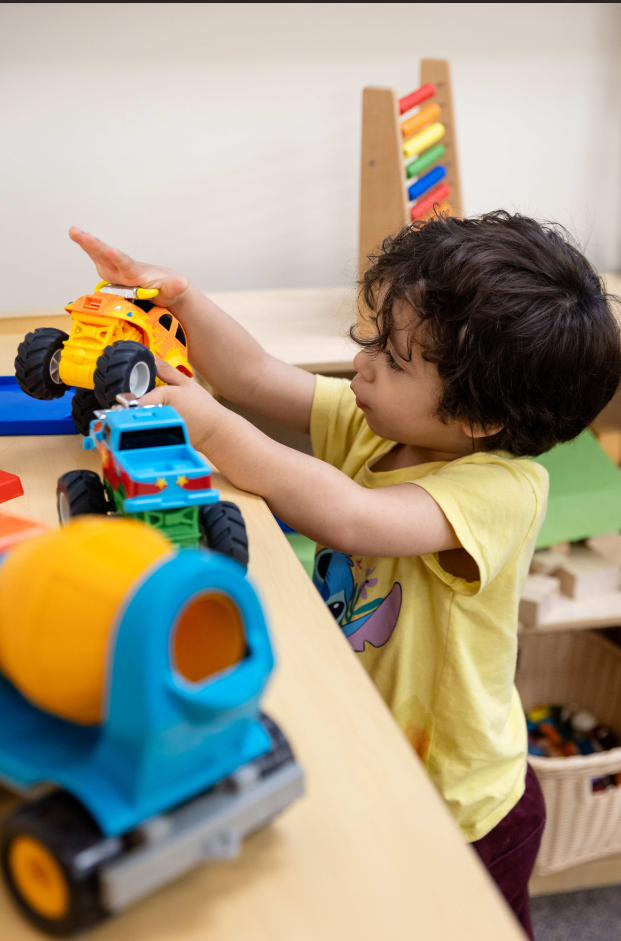
If your child is pushing a truck, you might say:
“The truck is going fast!”
Instead of directing the play somewhere else, enter the activity your child has already chosen.
TALK ABOUT WHAT IS HAPPENING
You do not need to quiz your child.
Instead of:
“What color is this?”
Try:
“You found the red ball.”
Instead of:
“What is the dog doing?”
Try:
“The dog is running!”
Children hear more useful language when adults describe what they are experiencing.
ADD ONE MORE WORD
If your child says:
“Dog.”
You can respond:
“Big dog!”
If they say:
“Car go.”
You might say:
“The car is going fast!”
You are modeling the next level of language without requiring your child to repeat you.
PAUSE AND WAIT
Young children often need more time to process language and organize their response. After you say something, try quietly counting a few seconds in your head before speaking again. That little pause can create space for a look, gesture, sound, or word.
|