|
Are you not happy with your color analysis system?
I would love to teach you "Custom" color analysis even if you first learned a seasonal category system. I personally switched from a seaonal system to "custom" 35 years ago.
Seasonal Color System vs. Stoltz Image Custom Color System
The realm of color analysis has long intrigued those passionate about personal style and fashion. Two prominent methods in this field are Seasonal Color System and Custom Color Analysis. While both aim to identify the best colors suited to an individual's unique coloring, they differ in approach, methodology, and execution. This comparative review delves into the nuances of each, providing a thorough understanding of their respective merits and drawbacks.
Seasonal Color Systems
Seasonal Color System is a well-established method of color analysis that divides the color palette into four seasons: Spring, Summer, Autumn, and Winter. Each season is characterized by a specific set of hues that complement the natural coloring of individuals within that group. The analysis involves an examination of skin tone, eye color, and hair color, determining which season an individual belongs to and which colors best enhance their natural beauty.
Methodology
The seasonal color method relies on draping—placing various colored fabrics near the face—to observe how the colors interact with one's complexion. This process is conducted by trained consultants who have a keen eye for subtle shifts in appearance and can accurately classify individuals into the appropriate seasonal category.
Benefits
The primary advantage of a Seasonal Color System is its simplicity and market longevity. The seasonal system is intuitive and easy to understand, making it accessible to a wide audience. Clients receive a pre-packaged set of color swatches that serve as a practical guide for future wardrobe choices.
Drawbacks
However, the seasonal color method has its limitations. The rigid categorization into four seasons may not account for the unique nuances of every individual's coloring. They determine whether an individual is cool or warm. Some people may find themselves straddling the lines between seasons or feeling misrepresented by their assigned palette. Also, the seasonal system was originally created for the Caucasian population, therefore it does not accurately account for other ethnic groups. Moreover, the reliance on consultant interpretation introduces a degree of subjectivity that can vary from one professional to another.
Custom Color Analysis
Custom Color Analysis offers a more individualized approach, tailoring the color palette to the specific needs and preferences of the client. This method eschews the seasonal system in favor of a bespoke selection of colors derived from a comprehensive assessment of the client's unique personal coloring. An individual’s all over temperature may be cool, warm or neither - classified as neutral.
Methodology
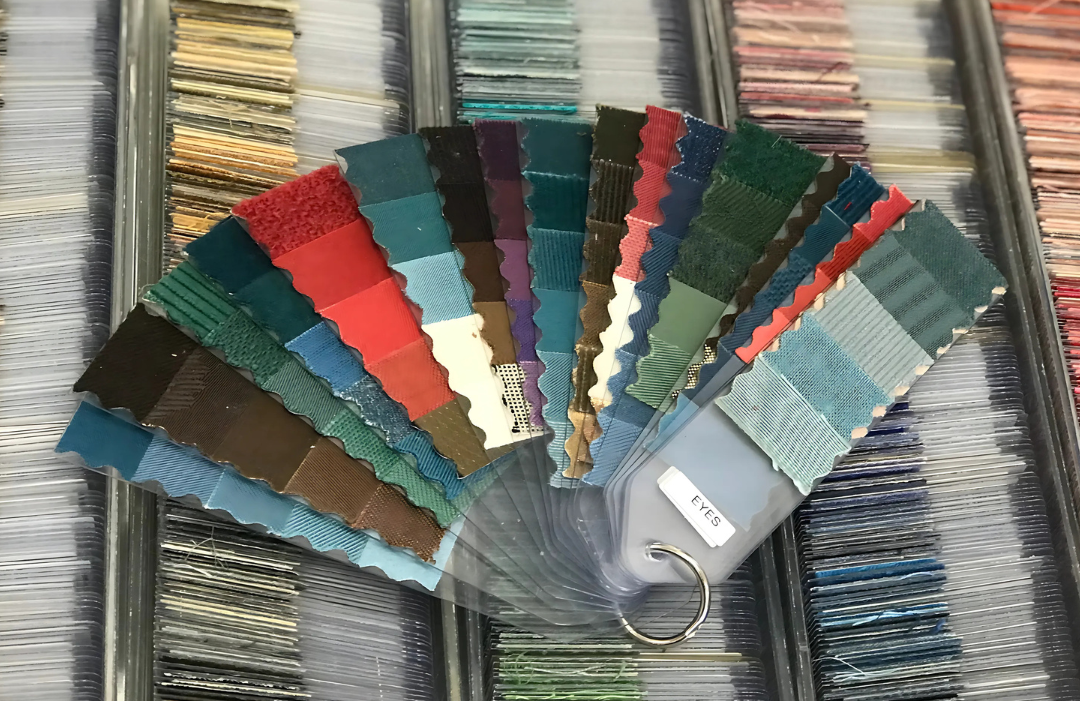
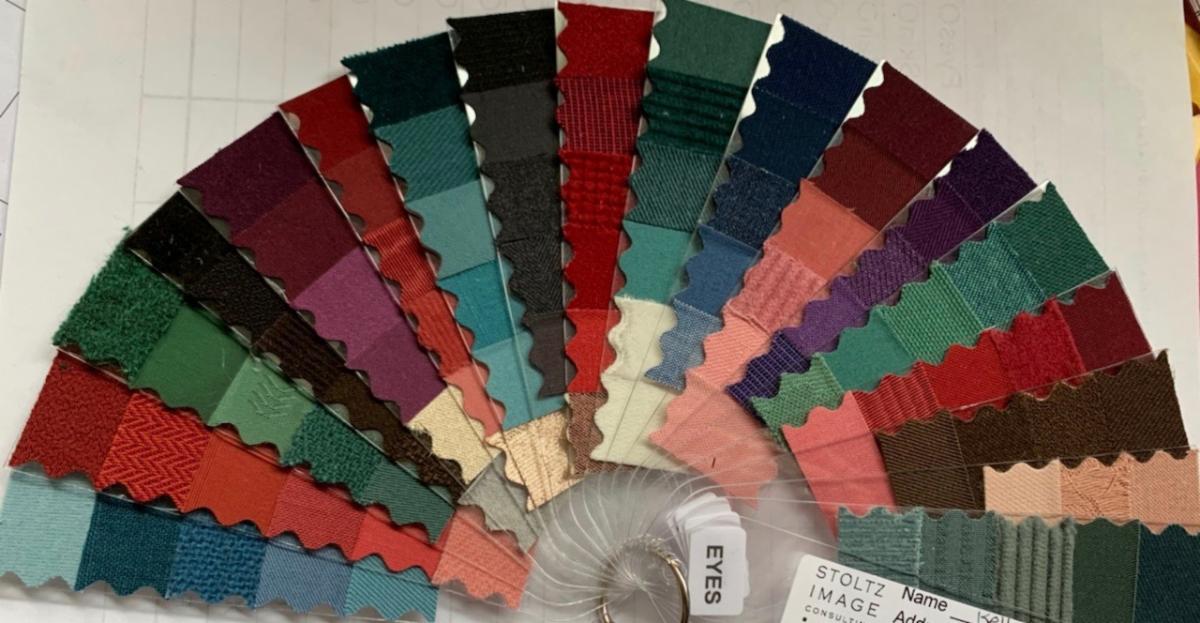
Custom Color Analysis typically involves a detailed examination of the client's skin undertones, eye color, and hair color. This allows for a nuanced understanding of the individual's coloring and the creation of a personalized fabric palette that reflects their distinct aesthetic.
Benefits
The bespoke nature of Custom Color Analysis is its greatest strength. By focusing on the individual's unique characteristics, this method can provide a more accurate and flattering selection of colors. The selection of colors is objective, reducing the likelihood of misclassification. Since the colors are selected based on the eye, skin and hair colors, it is accurate for all ethnic groups and coloring. Clients receive highly personalized recommendations, resulting in a more cohesive and satisfying wardrobe.
Drawbacks
The main drawback of Custom Color Analysis is its training time. The personalized approach requires a higher level of expertise.
In conclusion, by understanding the differences on the two color analysis systems, individuals can make an informed decision, leading to a more confident and vibrant expression of their unique aesthetic.
|