|
Creating a livable Larimer County | | |
Reflections on aging well from a Blue Zone
By Wendy Abbott, PAFC Board Member
(Editor's note: This is the first of three articles on Wendy’s Blue Zone trip to Ikaria, Greece.)
Blue Zones fascinate me. They consist of several places around the world where people tend to live longer, healthier and happier lives. I first heard of Blue Zones while studying gerontology and working in healthy aging research at Colorado State University several years ago. This is where I began learning about the negative effects of ageism and how many other cultures embrace positive perspectives on growing older. Still, the concept felt inaccessible until I spent 11 days immersed in the culture of the Greek island of Ikaria. One of five original Blue Zones, Ikaria’s population lives an average of eight years longer than Americans with virtually no cases of dementia.1
My interest is both professional and personal. I teach healthcare providers effective dementia care and advocate for people living with dementia and their families. My mother lived with Alzheimer’s for more than a decade. I often ponder how her lifestyle could have influenced the onset of her disease. What if she had maintained her social groups, kept attending her gym, eaten more brain-healthy foods, or had a less pessimistic view of aging? Of course, a health span that flirts with 100 years of age can’t be guaranteed, but Ikaria opened my eyes to aging well as a way of life rather than a checklist of habits.
The shared principles of Blue Zone populations (Power 9®) fall into four general categories: `
· move naturally
· have the right outlook
· eat wisely, and
· connect.
On Ikaria, the locals didn’t discuss these principles; they just lived them.
Organic movement was incorporated into work and play at all ages—from walking hills and stairs as a daily routine to traditional dancing at any social event.
Conversation and intentional connection with others were also woven into the day, but not via text or over lunch with a laptop.
Meals were slow, locally sourced, and prepared with pride.
Old and young were engaged in routine family and community life. Regardless of occupation or age, people went about their day with purpose.
As I reflect on my experience, I’m eager to impart what I’ve learned in a tangible, actionable way. While we can’t recreate a Greek island along the Front Range, I can offer some insights to embrace and adapt for our society.
In next month's article, I justify eating weeds in Ikaria—and share other revelations.
1 Dan Buettner, “Lessons From the Blue Zones: There Is No Silver Bullet (or Magic Pill) for a Long, Healthy Life,” American Journal of Lifestyle Medicine 19, no. 7 (May 1, 2025): 1052–1062, https://doi.org/10.1177/15598276251334310.
| | | | |
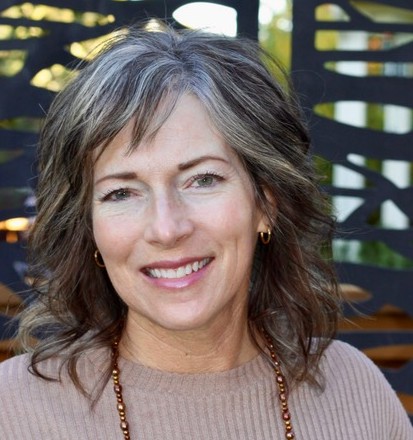
Wendy Abbott is a dementia educator and healthy aging specialist and is a member of the PAFC board. She works at Centennial Area Health Education Center (CAHEC) serving NE Colorado. In June 2026 she traveled to Ikaria, Greece as part of her graduate certification in gerontology through Kansas State University.
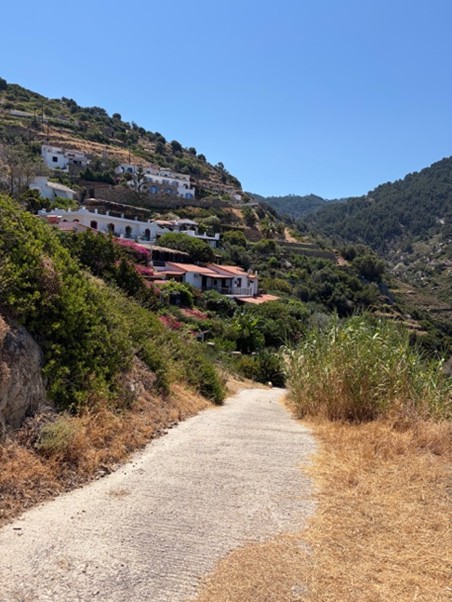
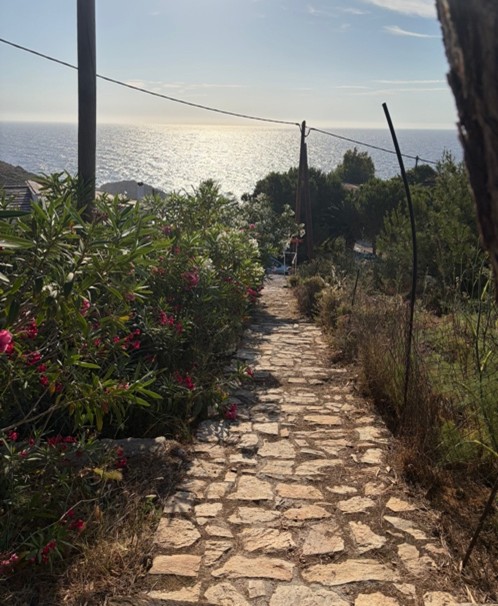
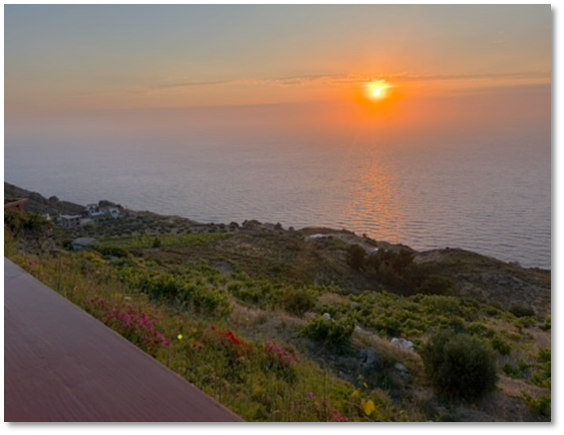
| | | View of Nas village on Ikaria from beach below. | | Path to beach from Nas village. | | Sunset on the Aegean Sea from the patio of Tsantiris Winery, Ikaria. | | |
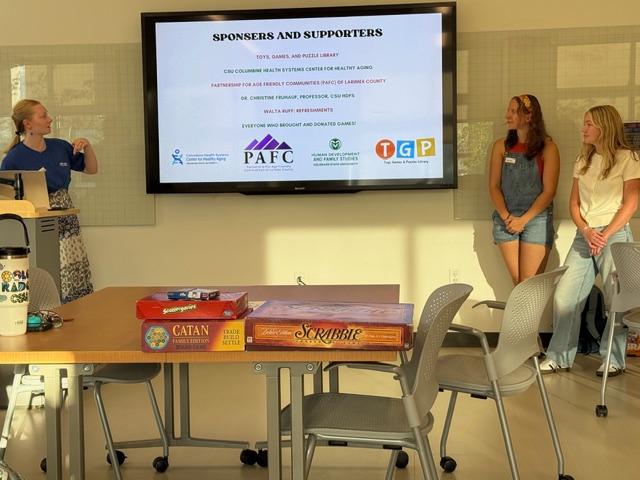
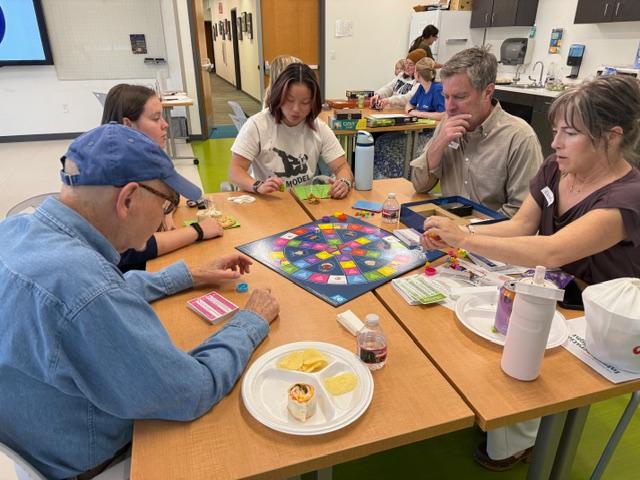
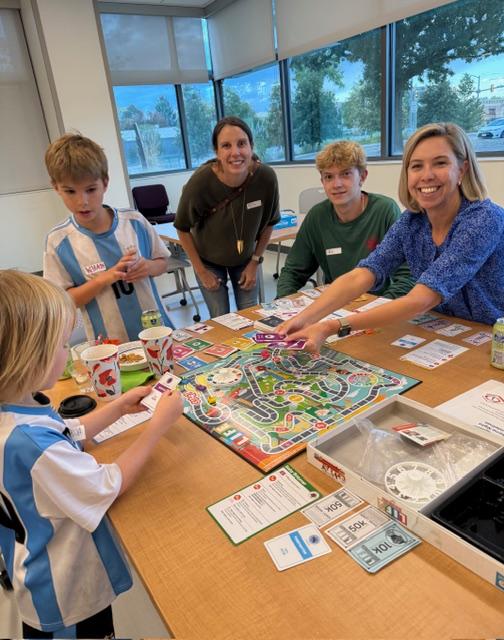
CSU Healthy Aging Club Hosts Intergenerational Game Night
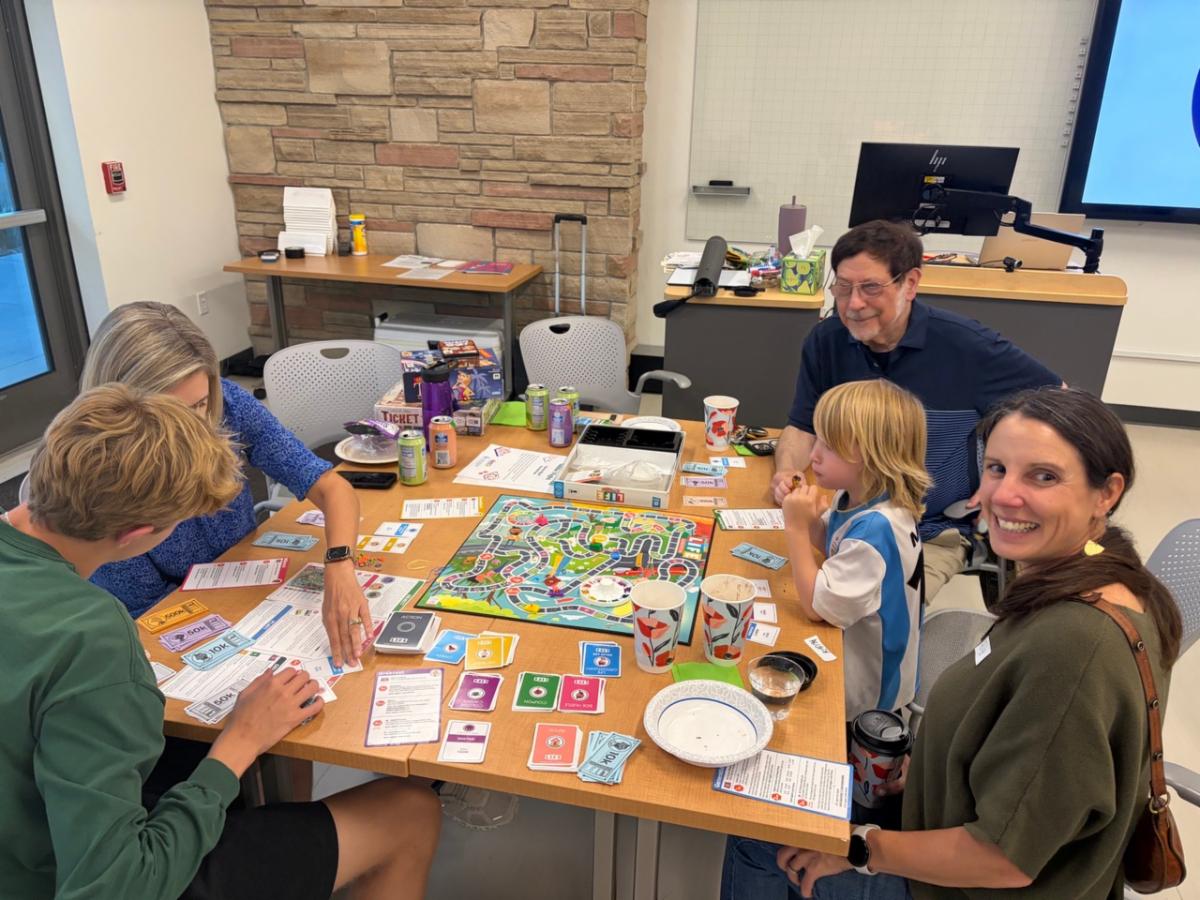
The fall event, courtesy of Dr. Nicole Ehrhart, was recently held at Colorado State University Center for Healthy Aging’s beautiful facility, 151 W. Lake Street. In attendance were about two dozen participants from ages 5 and 9 (courtesy sons of Dr. Allyson Brothers) to several folks in their 80’s. First-time player Paul Overmeyer, an octogenarian who regularly attends monthly game nights with a group of seniors, expressed how much fun he had sitting beside and across from a delightful table of vibrant younger participants. He said he “cannot wait’ for the next CSU event. PAFC was represented by three Board members: Wendy Abbott (and husband Jim), Kiersten Chuven (and 17 year old son Eli) and Myles Crane, Board Chair.
| | |
L to R are CSU Healthy Aging Club Officers: Kayla Radovich (President,) Kaylee Giese (Financial Officer) and Keira Kohlmann (Secretary)
| | Board member Wendy Abbott (R) and husband Jim on her right. | | Board member Kiersten Chuven (R), her son Eli (on her right), Dr. Ally Brothers, center, and her sons. | | Board Chair Myles Crane, top right, with Dr. Brothers and Kiersten Chuven. | | |
PAFC at Fort Collins Senior Expo
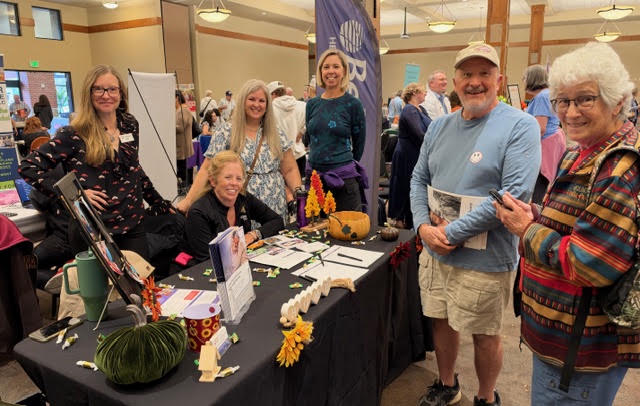
Thank you Kristi Remick, PAFC Board Member for inviting PAFC to share exhibit materials at the table of SENIORS Helping SENIORS where Kristi serves as Business Development Manager.
| | |
L-R are: Kristi Remick (PAFC Board), Dr. Kim Hayes (PAFC Board), Kristy Wygmans (PAFC Executive Director), Kiersten Chuven (PAFC Board),
Joe Glomboski (FC Senior Advisory Board, and Cherrie Thornton (PAFC volunteer).
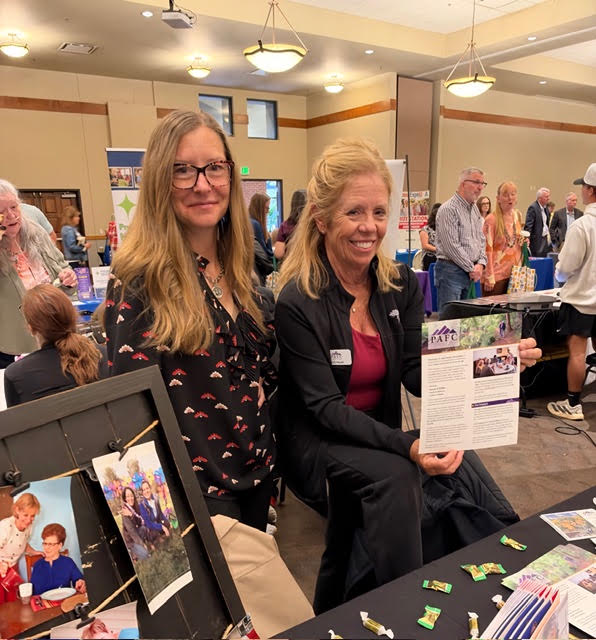
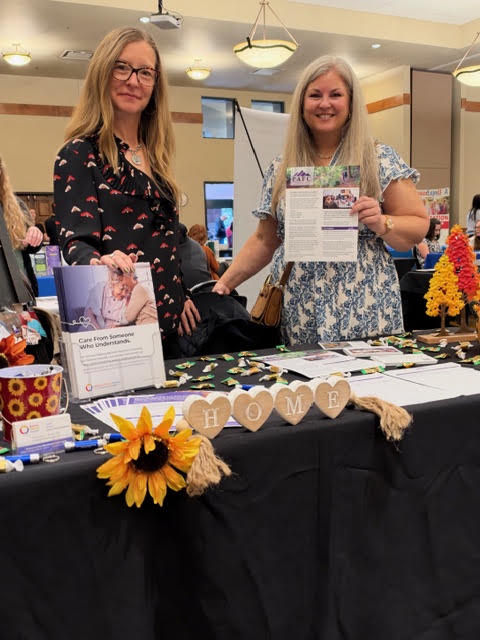
| | Board members Kristi Remick and Dr. Kim Hayes. | | Kristi and Executive Director Kristy Wygmans. | |
PAFC Holds Second Pilot AI Workshop
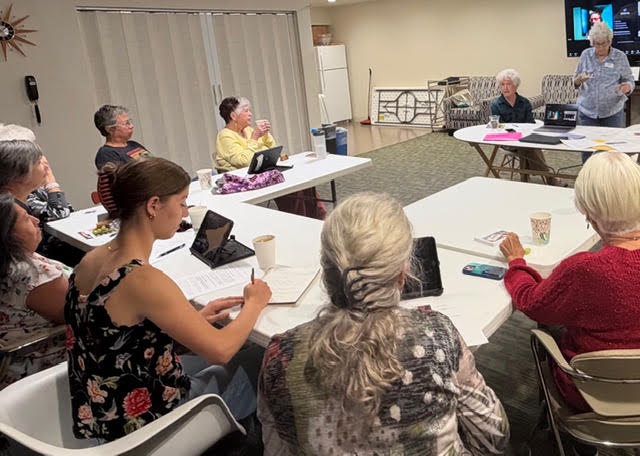
Sixteen volunteers recently participated in PAFC’s second pilot project on a summer-like Saturday morning.
Our goal was to develop a small group workshop that is effective in helping folks understand how to safely and effectively use AI to seek out appropriate resources and opportunities for older adults. Four teams of people worked with three different AI platforms to learn how to successfully query and retrieve needed information.
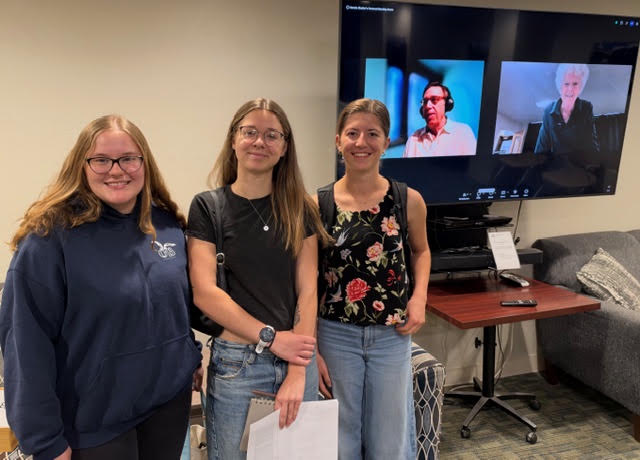
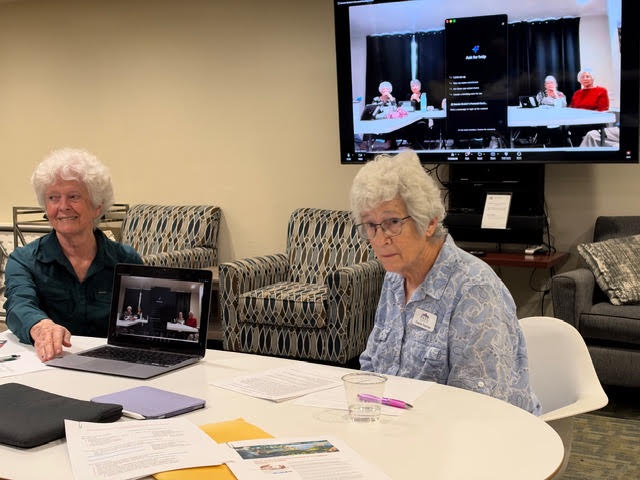
Below are photos from the workshop led by Dr. Bonnie Shetler, PAFC Immediate Past President, Board member and Chair of the Culture of Aging Priority Group, Cherrie Thornton, longtime community volunteer and Culture of Aging Priority Group member and Michael G. Frey Colorado AARP technology trainer.
Thanks to Poudre Valley REA for their generous donation of the tablets that were used in the workshop to help advance this valuable project.
| | CSU Student volunteers plus Michael Frey and Bonnie on screen | | Bonnie Shetler and Cherrie Thornton | | | |
PAFC at Housing Colorado Annual Conference
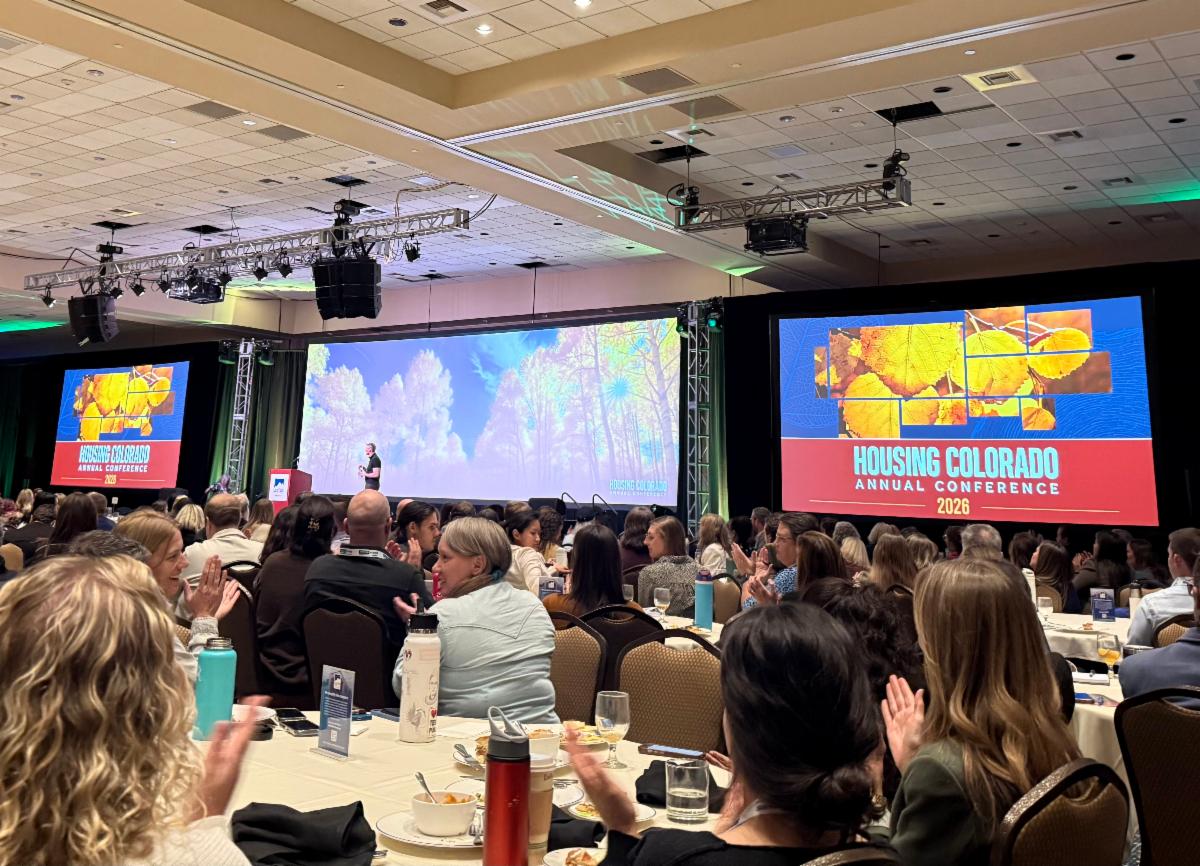
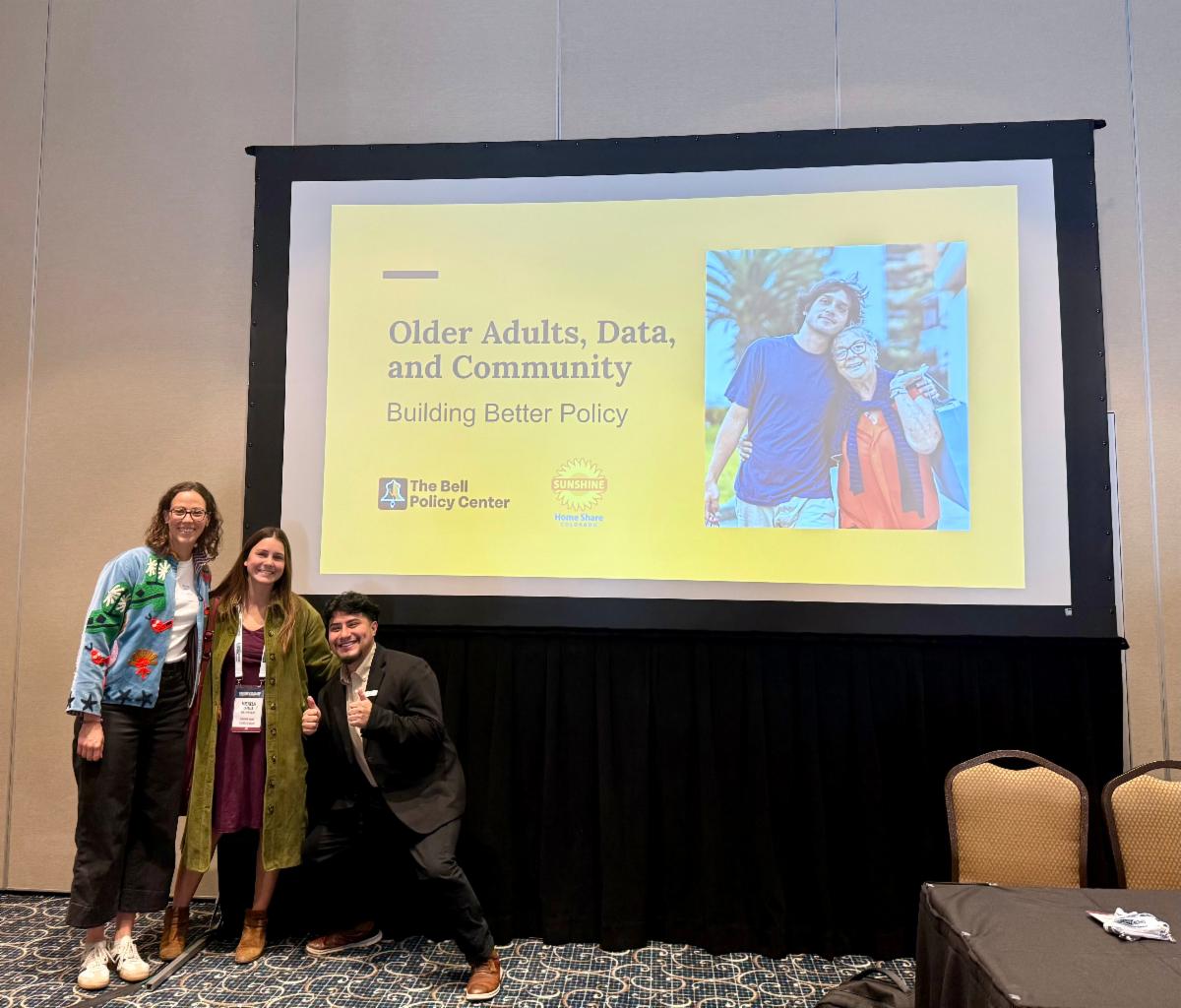
We are incredibly grateful to have received a scholarship for our Executive Director, Kristy Wygmans, to attend this year’s Housing Colorado conference in beautiful Keystone, Colorado. It was an invaluable opportunity to connect with industry leaders and bring fresh, actionable insights back to our community. Kristy's favorite takeaway: “Have the audacity to believe that we can do better tomorrow!”
| | A full house at the recent annual Housing Colorado conference. | | A session on older adults by The Bell Policy Center and Sunshine Home Share Colorado. | |
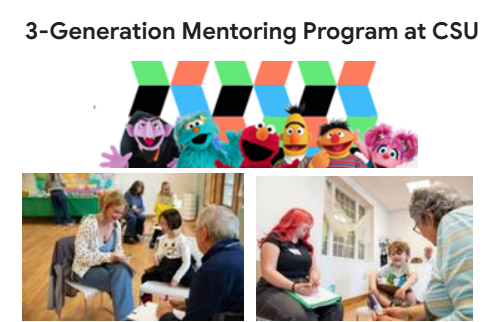
CSU’s 3G Mentoring triads meet once a week at CSU’s Early Childhood Center.
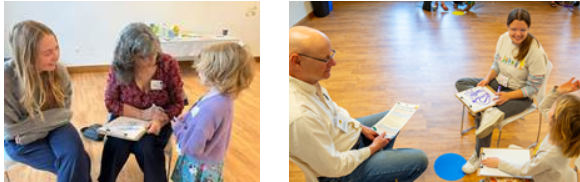
Every week at CSU's Early Childhood Center, a preschooler, a CSU undergraduate, and an older adult sit down together. They watch a short Sesame Street clip, then share stories about making friends or learning to be patient.
Over time, something wonderful happens. The child opens up to their two older friends and learns new skills. The student grows more confident leading the session. The experienced adult finds new purpose and belonging. And everyone finds joy and gains a place where they matter.
|
This innovative program launched this spring with the Sesame Workshop Alumni Network, which provides the curriculum, training, and mentoring toolkit. Read the CSU article about the program.
If you are interested in participating as a volunteer in this intergenerational program during Spring 2027, complete the online form.
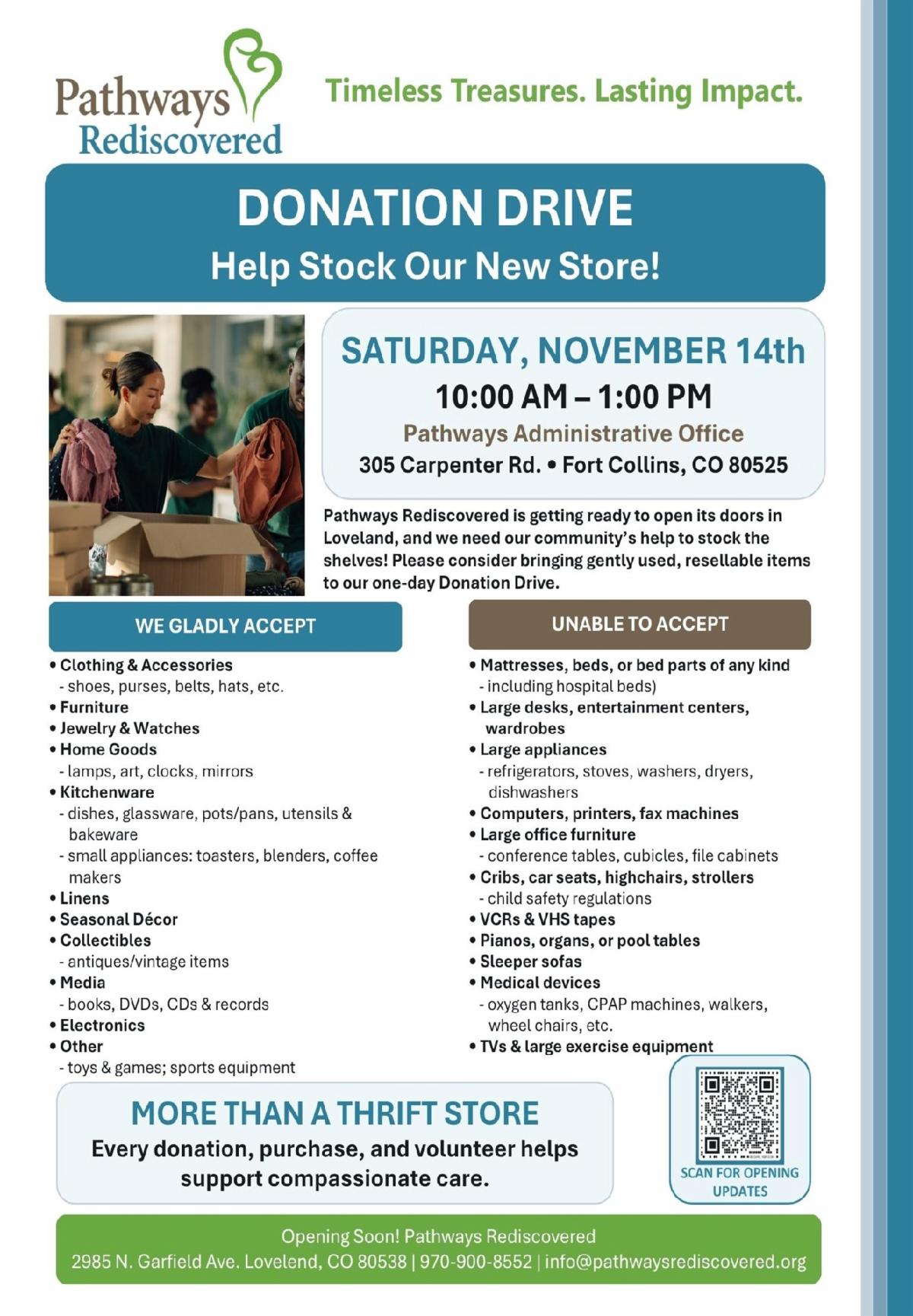
| | Help stock Pathways' new store on November 14th | | |
Mark your calendars for PAFC's biggest fundraiser. Colorado Gives Day is Tuesday, December 8th. Early giving begins November 1st. An early donation will count towards the overall funds donated on December 8th, which will help PAFC reach our goal and incentives offered through Colorado Gives.
| | |
Fall Energy Savings Tips
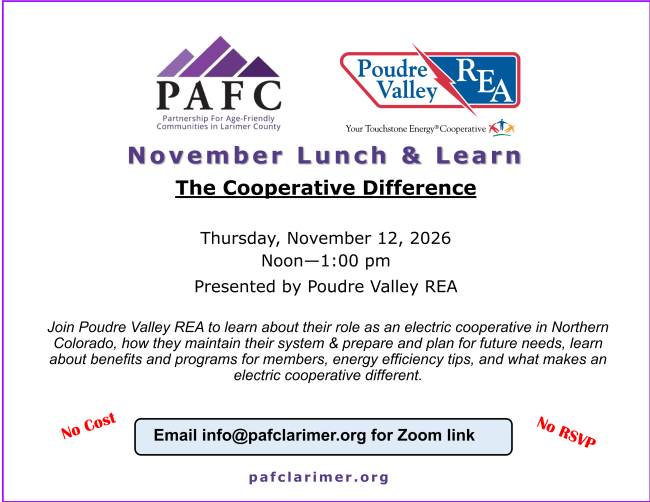
Fall in Northern Colorado means changing leaves, the shortening of days, and the cooling of temperatures. Some easy changes in your day-to-day life can help you save energy and help keep your energy bill low.
One of the first things you should do is weatherize your home. A well-insulated home can significantly reduce energy consumption and heating costs. Seal up air leaks around doors and windows with weatherstripping or caulking.
Another great way to reduce energy usage is to adjust your thermostat. As weather gets milder outside, now is the perfect time to adjust your thermostat a few degrees, helping you save while still staying comfortable. A programmable smart thermostat can help automatically adjust your home’s temperature throughout the day.
Before you click on your heating system, take some time to optimize your heating system. This can include replacing your filters, cleaning and dusting vents around your home, or scheduling an HVAC tuneup with a certified technician.
Now is also a good time to check your appliances. Many electronic devices continue to draw power even if they’re turned off, so be sure to unplug them when not in use. Additionally, small countertop appliances, like slow cookers, tend to use less energy than cooking meals on the stovetop.
Click Here To Find More Ways To Save
| | |
The Intermountain West Ozone Exchange
by Aaron Hull, Mobility Planner NRFMPO and PAFC Mobility Priority Group
The Intermountain West Ozone Exchange is a grassroots effort to bring together people who live, work, study, and make decisions in ozone-affected communities across the Intermountain West. Hosted by the North Front Range Metropolitan Planning Organization and the Pikes Peak Area Council of Governments, the event is underway from October 26–28, 2026, in Loveland, Colorado, providing a space to learn from one another and discuss ozone attainment challenges.
Researchers, planners, elected officials, industry representatives, community members, and environmental organizations will explore the “why” behind ozone and what the science means for local communities. Sessions will cover ozone formation, wildfire smoke, transportation planning, attainment strategies, public communication, and the region’s unique atmospheric and geographic conditions.
Participants from across the Intermountain West were invited to ask questions, share perspectives, and better understand the air quality challenges facing our communities. Learn more at ozoneexchange.org.
Stay tuned for the next PAFC newsletter, where the NFRMPO will share highlights, key takeaways, and results from the Intermountain West Ozone Exchange.
| | | |
A Day in the Gift Shop
by Lynn Kloss
I’ve been to many hospital gift shops over the years. I’m not sure when they transformed into such unique places to shop. Sixty years ago, as a candy striper, I don’t remember our local hospital having a gift shop. In recent years, I’ve visited these charming places as a patient, a visitor, an employee, and a volunteer. Currently I volunteer at a local hospital gift shop, filling in for volunteers who have to miss a shift. I wasn’t aware until I began this engagement that many of these gift shops are run by volunteers.
The profits of the particular gift shop I volunteer for are managed by a volunteer committee, along with hospital employees, and are used to fund patients’ services and offer scholarships for local students.
Continue reading here
| | | We'd love to get your thoughts on our blogs. The comment section is at the bottom of each blog. Let us know what you think! | | | | |