|
Reviewing our impact
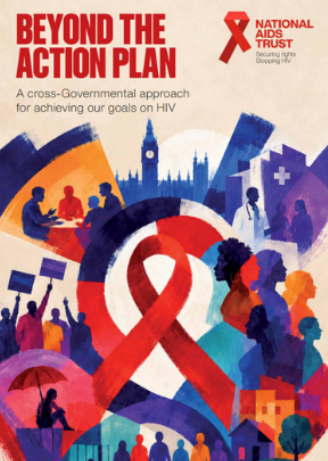
Our 2025/26 Annual Review is almost ready for release. It will be formally launched at our AGM at the end of this month, and pulling together all the information is always an interesting exercise. This year in particular has given us food for thought, given the Government's renewed HIV Action Plan published at the end of last year. Their plan outlines how they aim to reach the 2030 goal of an end to new HIV transmissions. This includes strategies around expanding opt-out HIV tests in emergency departments, scaling up home and digital testing and, very happily, the provision of free formula milk for the infants of mothers & birthing parents who choose to formula feed. They also focus on re-engagement in care, which means finding ways to reach and support those who are currently unable to fully engage in managing their HIV health.
At The Food Chain, we know that one of the main barriers to people's ability to engage is poverty and isolation. If you have no money to top up your Oyster card, you can't travel to your appointment. If you can't afford data on your phone, you can't engage with digital services or download your NHS app. If you have no food in your cupboards, taking your medication slips down your priority list.
We hear these stories every day. From people living in unstable or unsafe housing ("I am not in a safe space for taking my meds"), living in poverty ("I was only eating one meal a day... I felt like taking my own life"), experiencing poor health ("Before I wasn’t able to cook due to the stroke, I used to get ready meal") or low mental health ("When I'm not hungry I can think straight and feel less depressed and miserable.")
Food insecurity is symptomatic of broader socioeconomic disparities, usually rooted in structural discrimination, stigma and societal marginalisation. We regularly see these barriers in our community: the average weekly household income for our Service Users is £145 (mean) or £100 (median), where the lowest UK poverty line is £296. 9% of our cohort have no recourse to public funds. This translates directly into inequity in health outcomes - 18.5% of our Service Users have a detectable viral load, compared to 2% across the UK.
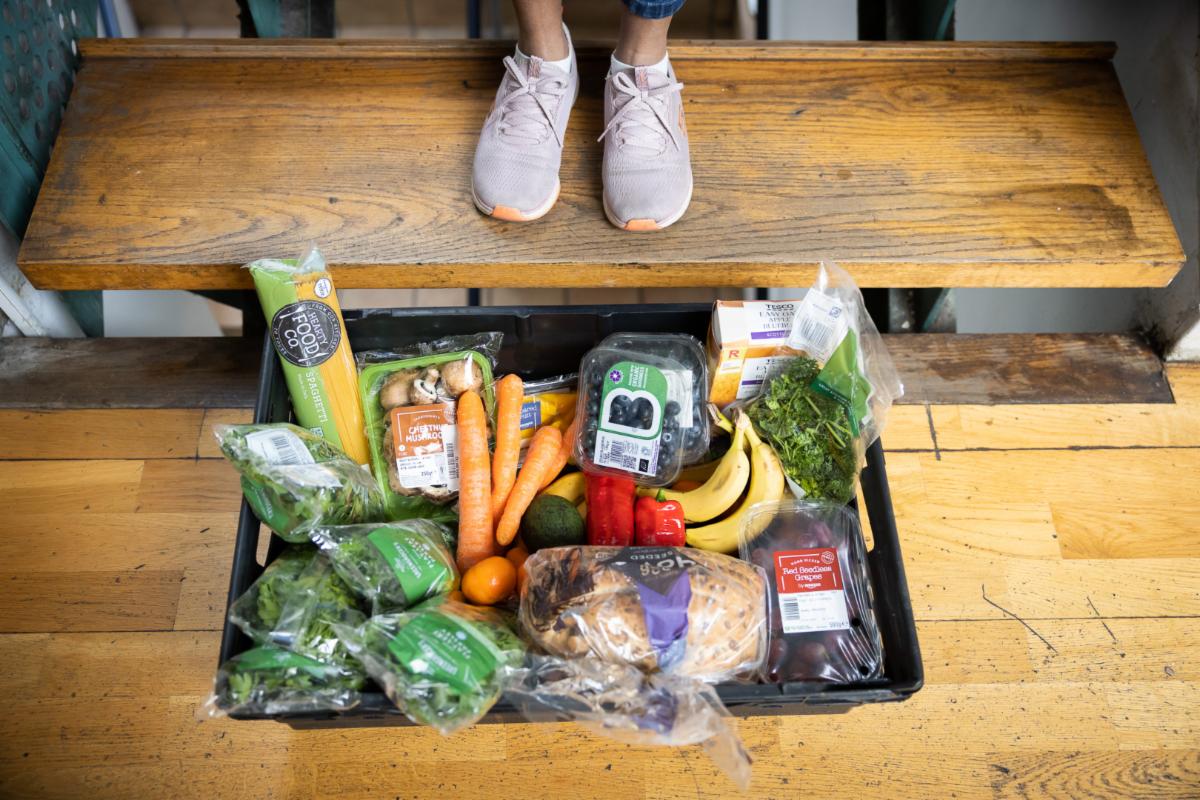
This is why food is still a vital link in the journey towards the 2030 goals. Ensuring people have enough food - and the right food - to enable them to take their medication and manage their own health is, and should remain, a priority. When we do this, we remove a source of stress ("I have been able to balance my finances better without having to think about having enough money to spend on food"), re-establish those little freedoms of choice that can be taken for granted ("I don't have to make that choice between food or formula milk"), and support medication adherence ("I'm now taking my medications every day").
No matter what challenges we face as an organisation (and there have been a fair few this year!) The Food Chain's mission - to feed the fight against HIV - is as important now as it ever was. We want those who are marginalised in our society to be valued, heard, and feel able to take agency over their own health. For us, the first step in this is simple: a full belly.
|