October Advocacy Update


Threats to Section 106 Mount: Why it Matters

Today marks the 60th anniversary of the National Historic Preservation Act (NHPA), which established Section 106, requiring federal agencies to consider the effects of federally funded or permitted projects on historic properties and provide opportunities for communities to participate in the review process. Today Section 106 faces threats on two fronts, sweeping amendments proposed by the Advisory Council on Historic Preservation (ACHP) and new permitting reform legislation in Congress.


The ACHP’s proposed changes would give federal agencies more discretion over when and how they notify and consult the public, narrow the historic properties and impacts they consider during review, and weaken communities' opportunities to participate in decisions. Meanwhile, the Senate’s permitting reform proposal, known as the Bipartisan American Affordability and Jobs Act of 2026 (S.B. 5653), would rewrite Section 106 itself, threatening to further narrow the scope of review and diminish the public’s role in the process.


Together, these efforts threaten a core principle of the NHPA that communities deserve a voice before federally connected projects alter the places that matter to them. Section 106 does not guarantee that every historic property will be preserved, but it provides an opportunity to identify historic resources, evaluate potential impacts, and explore ways to avoid, minimize, or mitigate harm before irreversible decisions are made.


The Preservation Alliance stands with the growing national coalition of preservation organizations, Tribal Nations, and community groups calling on the federal government to uphold Section 106. We believe the process can be improved, but changes that undermine transparency, consultation, and meaningful public participation are not the answer.


Urge your Congressional representatives to oppose efforts that would weaken Section 106.

Washington Square West Historic District Update

On Oct. 7, the Court of Common Pleas once again reversed the Washington Square West historic district, after vacating a similar ruling in March. At that time, the Preservation Alliance filed a motion to intervene and was formally recognized as a party to the case, allowing our attorney to submit an appellee brief and participate in oral arguments held on Oct. 1.


We appreciate Judge Hall’s careful consideration of this case, but we are disappointed by the court’s decision. Washington Square West is one of Philadelphia’s most historically and culturally significant neighborhoods, and its designation is supported by a deep historical record and a careful public process. The district tells important stories about Philadelphia’s architectural development, LGBTQ+ history, Black history, and civic life. Those stories deserve recognition and protection.


In response to the ruling, the City of Philadelphia filed an appeal. Because of that appeal, the court’s reversal is currently stayed, meaning the historic district remains in effect while the case moves through the Commonwealth Court. We remain committed to working with the Washington Square West community, the City of Philadelphia, and preservation partners to protect the neighborhood’s historic character. 

Taking Preservation to Capitol Hill 

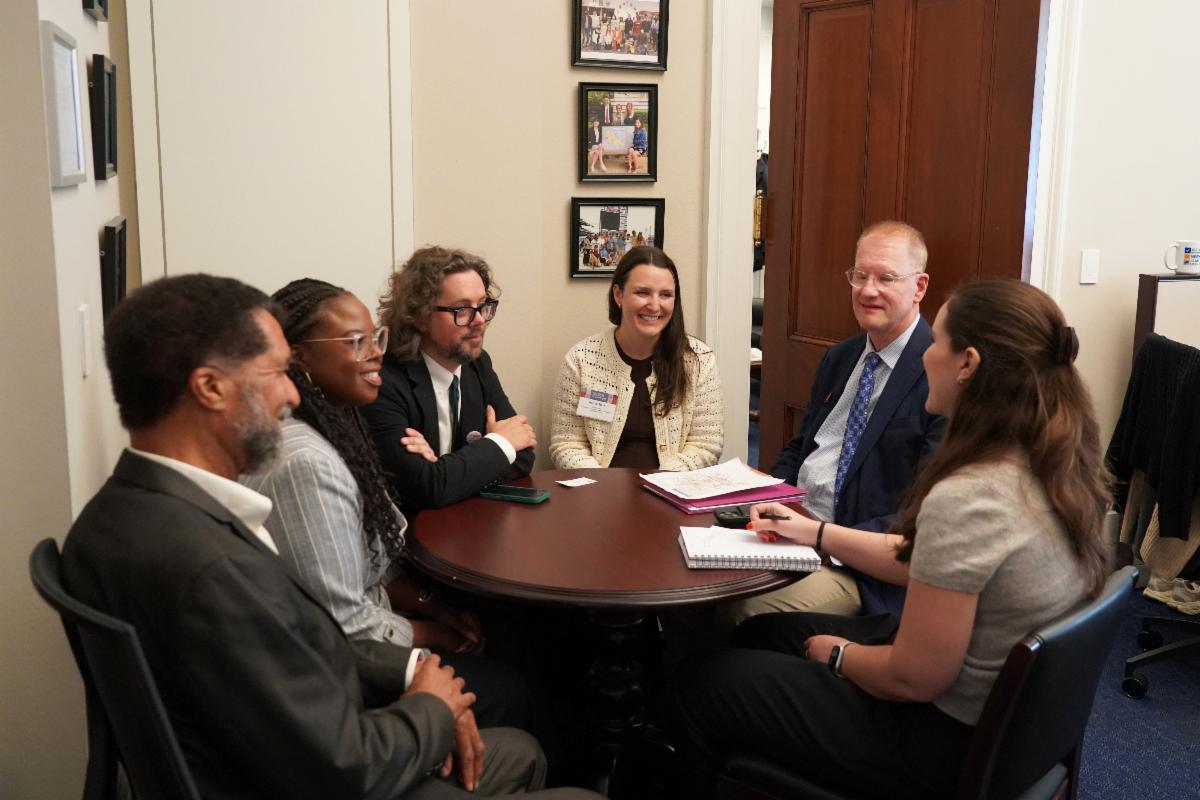
As part of the National Trust for Historic Preservation’s National Preservation Summit last month, the Preservation Alliance coordinated meetings between conference attendees and Pennsylvania’s congressional delegation. Our team met with nine congressional offices, including both U.S. Senate offices. We discussed the importance of the federal historic tax credit, increasing funding for the Pennsylvania State Historic Preservation Office, and ongoing threats to weaken Section 106 of NHPA.


One of our key asks was for members of Congress to speak out against proposed changes to Section 106. We’re grateful to Representatives Madeleine Dean, Dwight Evans, and Brian Fitzpatrick for signing a Dear Colleague letter opposing the proposed changes.

Reuse Plan for Shawmont Station Advances

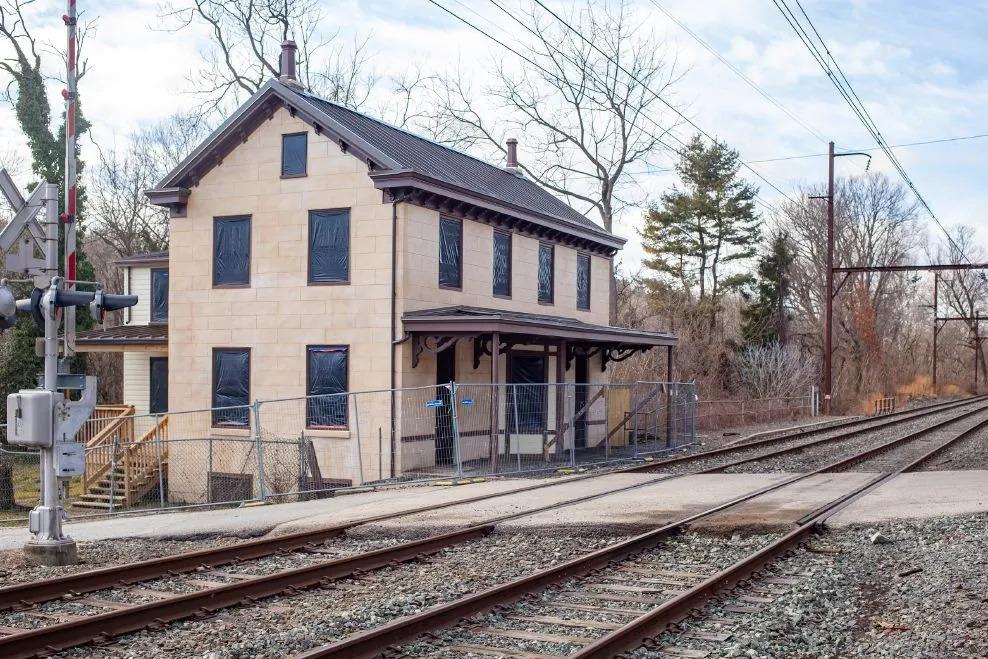
Plans to give Shawmont Station a new life as a museum and community center are moving forward. The station is widely recognized as one of the country's oldest surviving passenger railroad stations. Built in 1826 as a summer country house, the Wissahickon schist building was converted to a railroad stop in 1835. After years of vacancy and deterioration, it was added to the Philadelphia Register of Historic Places in 2008, protecting it from demolition.


SEPTA completed a $1 million exterior restoration in 2023 to stabilize the historic structure. Now, SEPTA has proposed leasing the property to the City of Philadelphia for $1 per year. Under the plan, the City would sublease the station to the Historic Shawmont Station Society, which would operate a museum and community center. The proposal requires City Council approval to move forward with a vote expected soon

Historic Tax Credits at Work

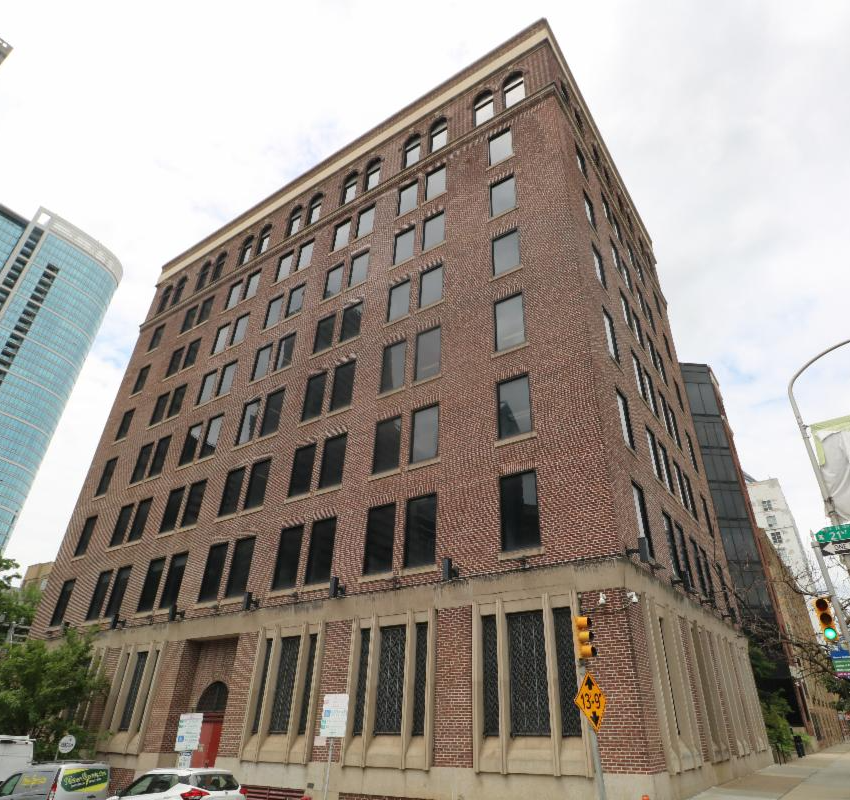
A recent Philadelphia Inquirer story highlights how historic tax credits can help make ambitious adaptive reuse projects possible. MMPartners is converting the former Jewish Community Services Building at 2100 Arch Street into apartments, using both federal and state historic tax credits.


The Preservation Alliance advocates for strong historic tax credit programs at both the federal and state levels. At the state level, we co-lead the Pennsylvania Historic Tax Credit Coalition, which successfully advocated in 2024 to increase the program’s annual funding from $5 million to $20 million. We are now urging the General Assembly to increase the maximum award per project from $500,000 to $1.5 million, allowing the program to support larger and more complex rehabilitation projects.


The progress we’ve made strengthening this catalytic program is helping make projects like 2100 Arch Street possible. We’ll continue working to expand these incentives so more historic buildings across Pennsylvania can be rehabilitated

Advocating for the Academy of Natural Sciences

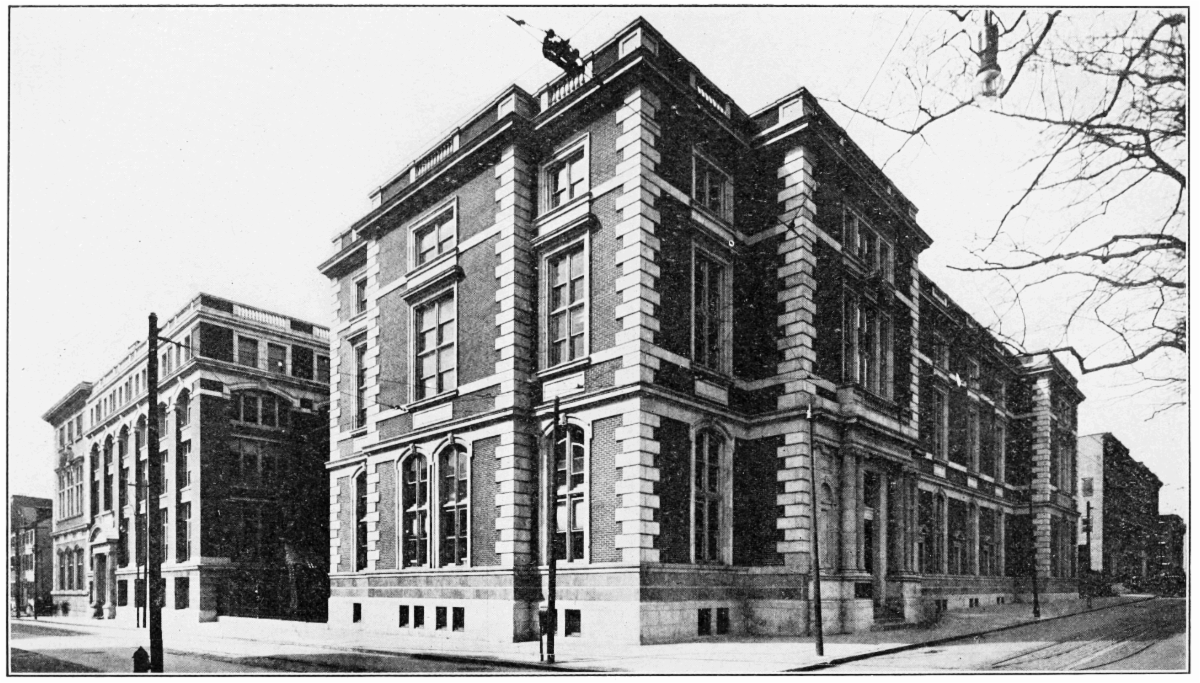
As the future of the Academy of Natural Sciences is considered, the Preservation Alliance is urging decision-makers to include the preservation of its historic building in the conversation. Founded in 1812, the Academy is the oldest natural history research institution in the United States.


Our Executive Director has been invited to testify before City Council’s Committee on Legislative Oversight at a hearing on the museum’s closure, now scheduled for October 26. Our testimony will highlight the building’s historical significance, from its 1876 opening to its continued role as a cultural landmark on the Benjamin Franklin Parkway.


Although the National Park Service determined the Academy eligible for the National Register of Historic Places in 1983, the building is not currently listed on the Philadelphia Register of Historic Places, which provides the City with regulatory authority to review proposed alterations and demolition. The Preservation Alliance has engaged an architectural historian to prepare a nomination for consideration by the Philadelphia Historical Commission.


As the Academy navigates an uncertain future, we believe understanding the institution's significance can help guide decisions about its next chapter.

Fall Speaker Series


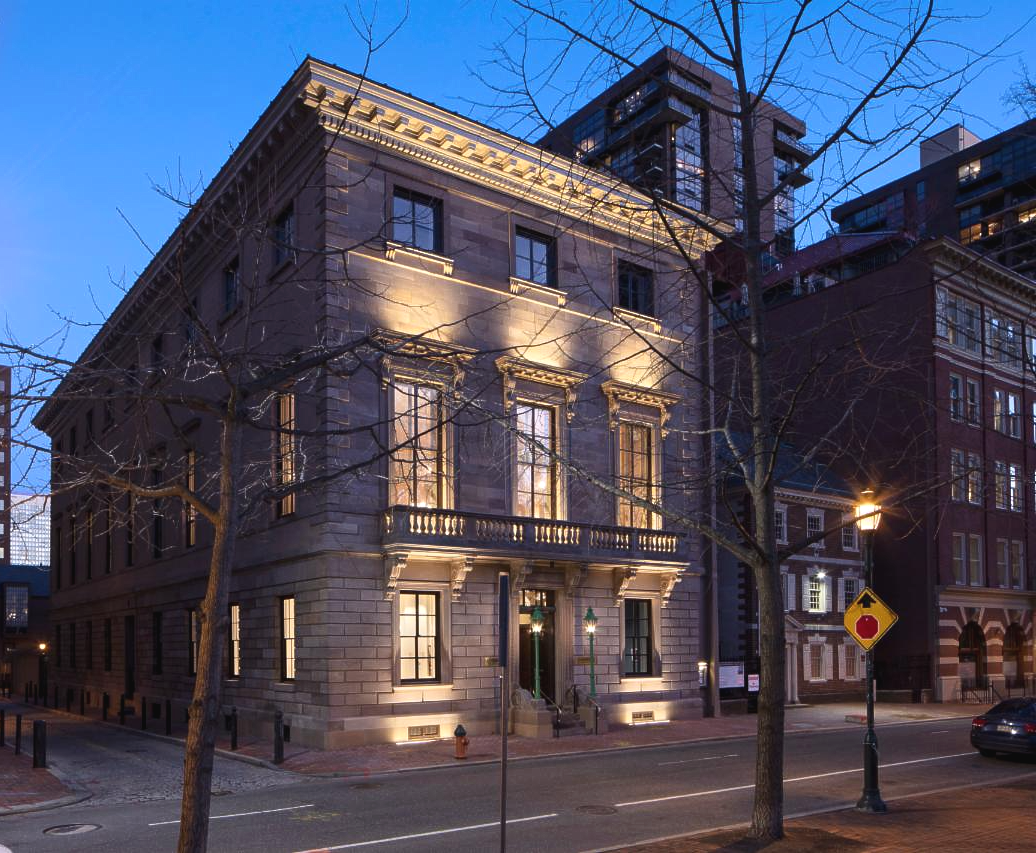
Join us for four engaging presentations from September to December at The Athenaeum of Philadelphia. Learn from renowned historians, professors, and national leaders.


Register Now

Connect with us on social media!
Facebook  Instagram  LinkedIn