Brownfields Buzz
Your hub for brownfields spotlights, tools, events, news, and more!
October 2026
| | What Happens Before a Brownfield Becomes a Success Story? | | |
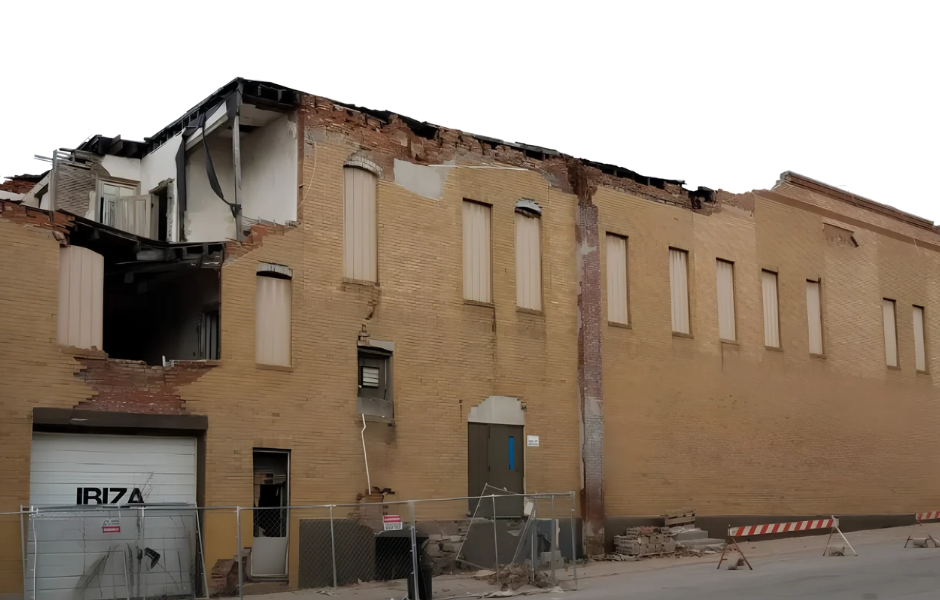
When we hear about a successful brownfield redevelopment, we often see the finished product: a new community park, a bustling restaurant, affordable housing, or a revitalized downtown property. But what about all the work that happens before the ribbon-cutting?
Brownfields redevelopment can be a slow, meandering process, often marked by unexpected challenges and setbacks. Behind many successful projects are years of planning, partnerships, environmental assessments, and problem-solving. While these early steps may not make headlines, they're essential to turning underused properties into opportunities for local economies and residents.
It starts with understanding the site. Before a property can be redeveloped, communities often need to investigate its history, identify potential environmental concerns, and determine whether contamination is present. Site inventories and environmental assessments help communities better understand their properties and make informed decisions about next steps.
| |
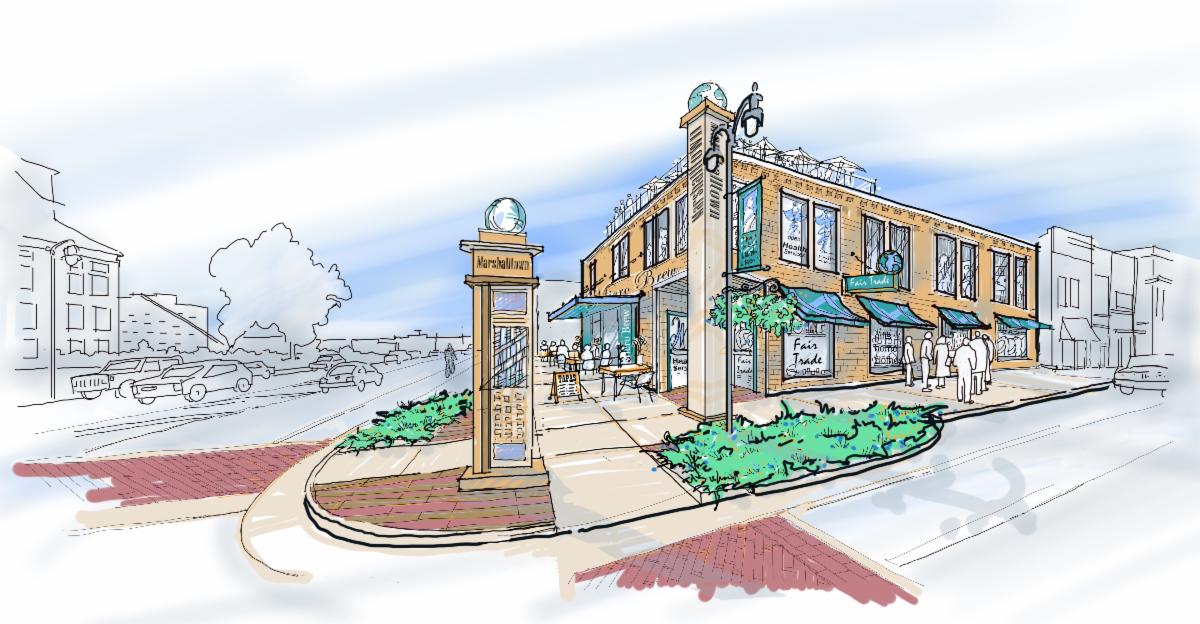
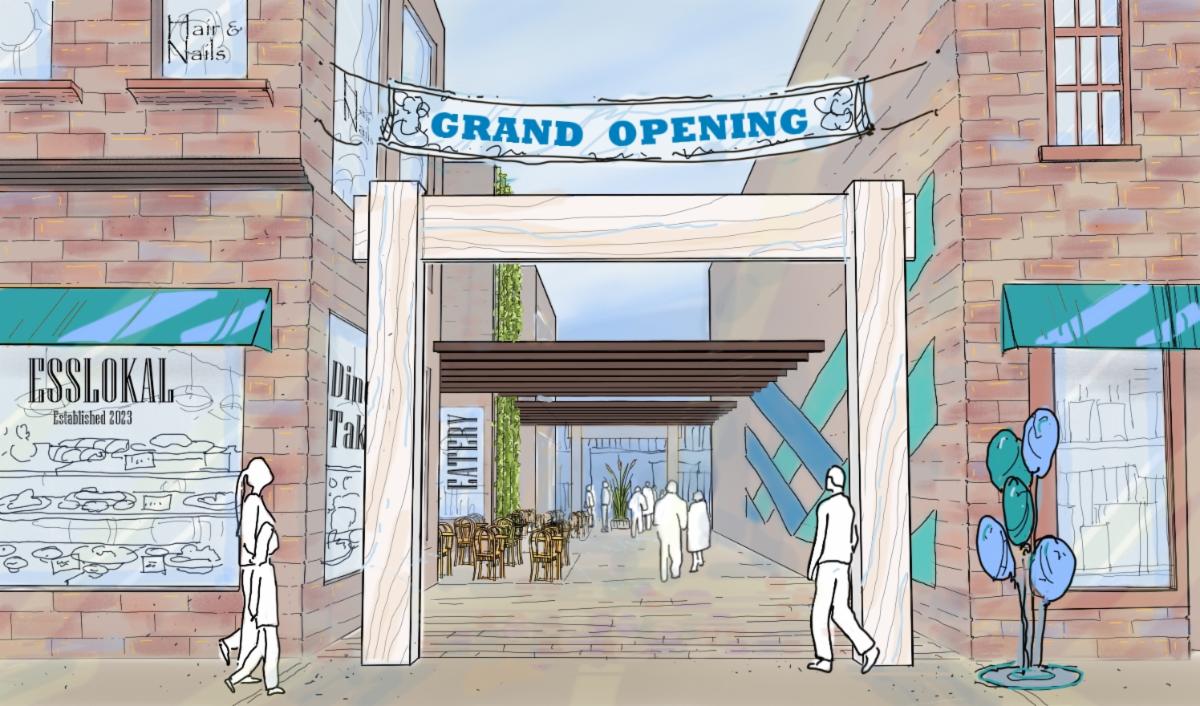
Then comes the vision. What could the property become? Community engagement, market studies, and reuse planning help identify possibilities that align with local needs, priorities, and resources. A successful redevelopment project addresses potential contamination and also creates something that benefits the community.
Finally, there's the path forward. Securing funding, building partnerships, navigating cleanup requirements, and coordinating redevelopment activities can take considerable time and effort. Each step brings a project closer to becoming a reality, but determining the best path forward isn't always straightforward.
That's where technical assistance can make a difference. KSU TAB provides free assistance to communities navigating the brownfields process, from identifying and assessing sites to exploring funding opportunities and planning for reuse. Our team offers a wide range of expertise and technical support to help communities at every stage of the process. For greater insight into the assistance we provide, visit our Services page or use the map on our Project Examples page to learn more.
The next time you see a brownfields success story, remember: the transformation began long before it became visible.
|
| |
EPA Brownfields Grant Guidelines Expected Soon — Stay Tuned for Tailored Resources | | |
The EPA’s FY2027 ARC Grant guidelines are expected to be released soon. Once they’re available, KSU TAB will follow up with resources and technical assistance designed to help communities understand the guidelines, prepare strong applications, and navigate the grant process.
Resources and support will include:
-
TAB EZ Update — Our free grantwriting tool will be updated to align with the FY2027 ARC Grant guidelines and help applicants develop their proposals step by step.
-
Grant Resource Documents — Quick-reference materials with essential contacts, helpful hints, and other information to support applicants throughout the process.
-
Regional Office Hours — Opportunities to connect directly with KSU TAB staff, ask questions, and get guidance specific to your application.
-
Grant Application Reviews — KSU TAB staff will review draft applications and provide feedback to help applicants strengthen their proposals before submission.
| | Brownfields Grant Deep Dives: Bring Your Draft, Ask Questions, and Strengthen Your Application | | |
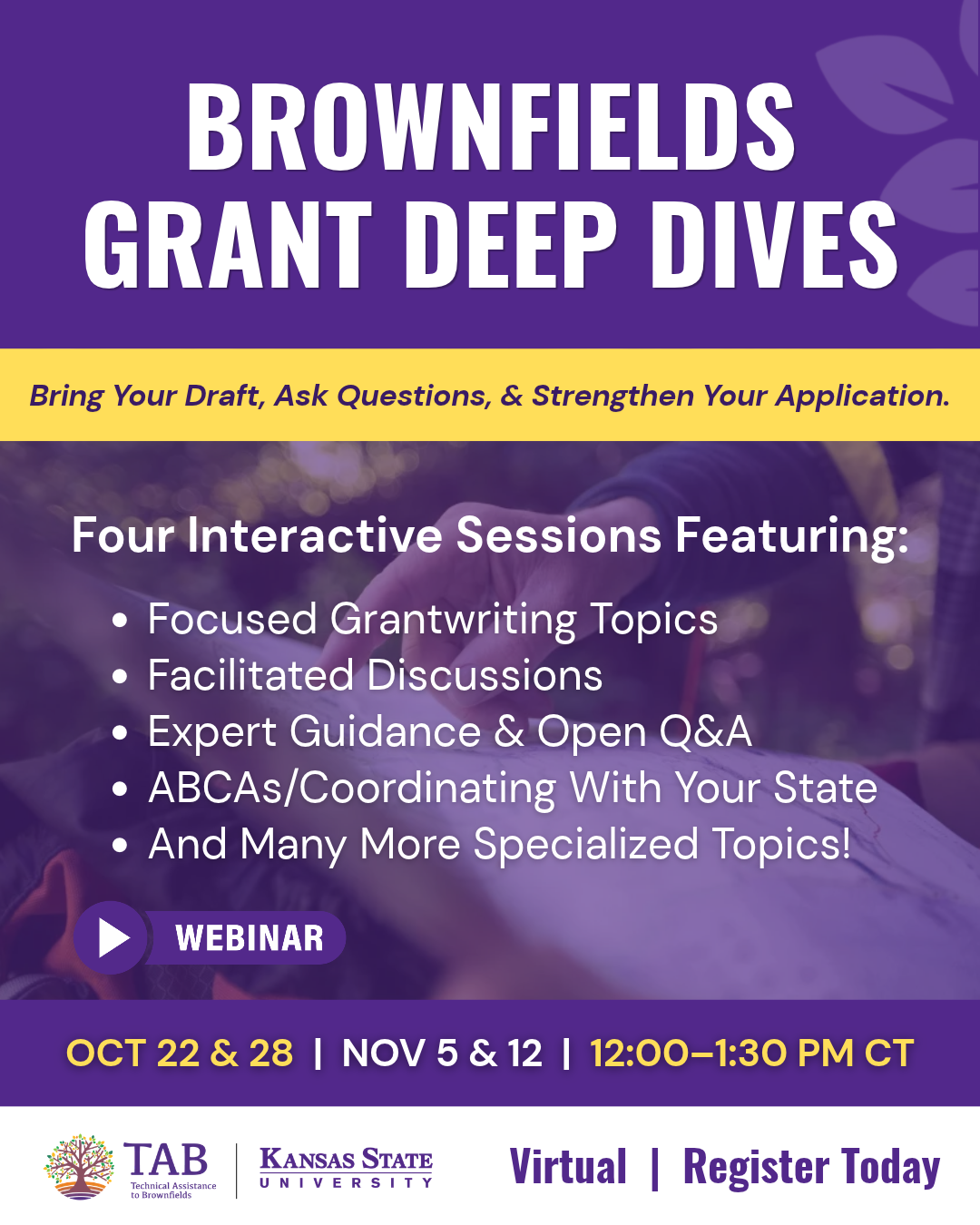
Working through a tricky section of your EPA Brownfields grant application? Join KSU TAB for Brownfields Grant Deep Dives, a four-part virtual series designed to help applicants tackle specific grantwriting challenges and strengthen their proposals.
Each 90-minute session will explore two grant-writing topics through presentations and facilitated discussions, giving participants opportunities to ask questions, receive expert guidance, and connect with fellow applicants. Sessions will conclude with an open Q&A focused on grant strategy and application challenges.
Upcoming Session | 1:00 – 2:30 p.m. Central on Zoom:
October 22: Target areas, priority sites, and geographic boundaries; identifying project partners and formalizing coalition partnershipsOctober 28: Cleanup eligibility and multi-site cleanups; ABCAs and coordination with state agencies- November 5: Developing budgets and documenting calculations; finding matching funds for Cleanup and RLF grants
- November 12: Programmatic capability and past performance; designing and marketing an RLF program
Bring your draft grant application and your questions!
| | Missed a Webinar? Catch Up Anytime! | | |
From Landfill to Landscape: Reimagining Riverfront Park for Restoration, Recreation, and Connection | |
What could the future of Kansas City's Riverfront Park look like?
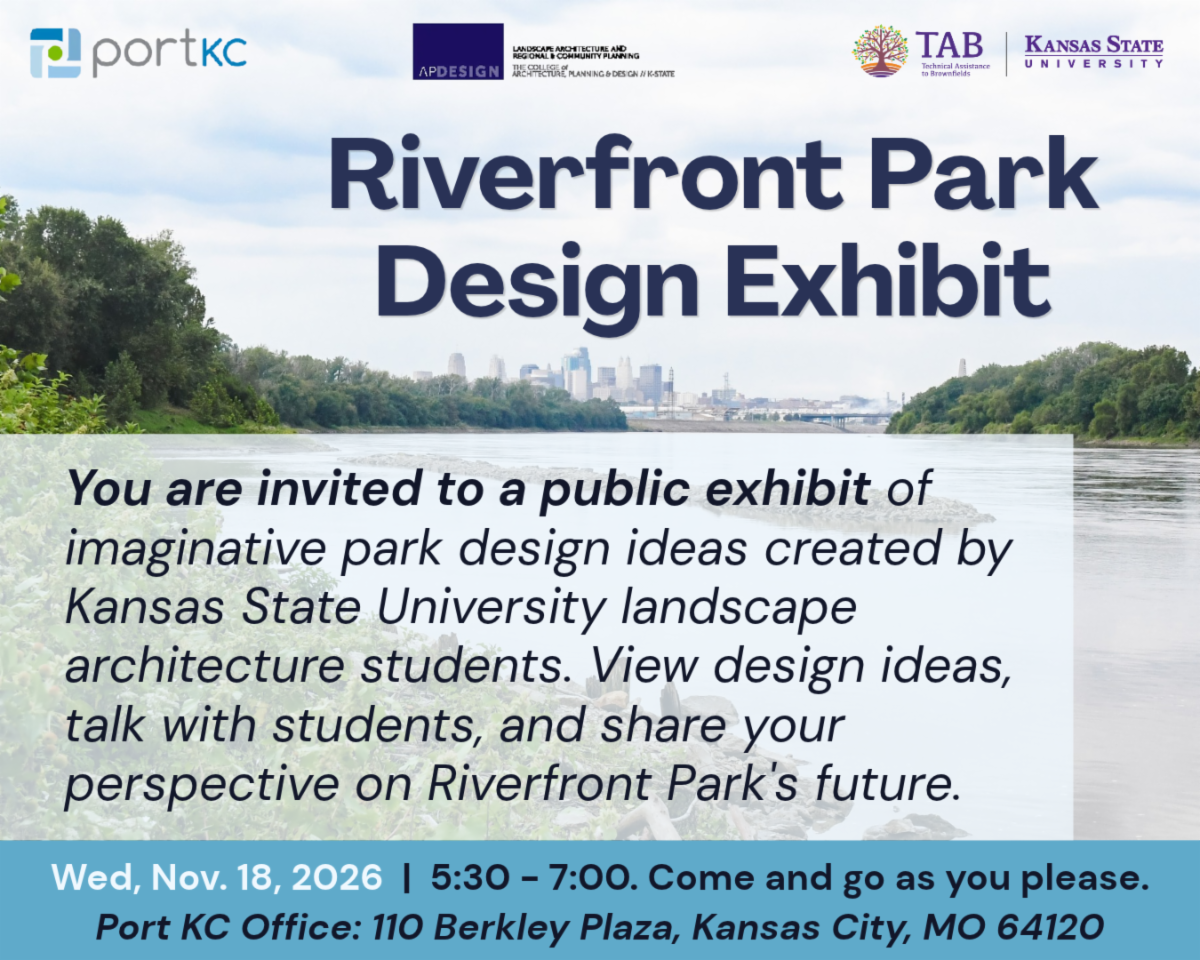
Join Port KC, KSU TAB, and Kansas State University landscape architecture students for Landfill to Landscape, a public exhibit showcasing six imaginative design concepts for Riverfront Park, a former landfill located in the Missouri River floodway.
Developed through a rigorous design process, the concepts explore opportunities for ecological restoration, nature-based recreation, and a more connected riverfront destination. Attendees are invited to view the designs, speak with students, and share their perspectives on the park's future.
Event Details
Date: Wednesday, November 18, 2026
Time: 5:30–7:00 p.m. (come and go as you please)
Location: Port KC Office, 110 Berkley Plaza, Kansas City, MO 64120
Come explore what's possible for Riverfront Park and help shape the conversation about its future!
Event details or Port KC: Lindsey Nelson, Inelson@portkc.com
Technical Assistance to Brownfields: Jacob Rohter, irohter@ksu.edu
K-State Landscape Architecture: Blake Belanger, belanger@ksu.edu
|
Perfect Pitch Returns to Brownfields 2027: Apply Today! | |
Step up to the mound and pitch your community’s redevelopment project at the 2027 National Brownfields Training Conference!
Three selected organizations will present their brownfields projects to a panel of redevelopment experts and a live audience, competing for first, second, and third place and tailored support to help move their redevelopment efforts forward.
Along the way, redevelopment experts will provide feedback and strategies, while the audience will weigh in on special awards like “Most Likely to Succeed.” Each participating community will leave with a customized technical assistance package, continued support from its regional Technical Assistance to Brownfields (TAB) provider, and a place in the Perfect Pitch Hall of Fame.
Who should apply?
Brownfields practitioners representing a redevelopment project that has moved beyond the initial assessment phase and could benefit from expert guidance, technical assistance, and a fresh approach to overcoming project challenges.
Applications are due November 30, 2026, at 11:59 p.m. PST.
Applicants must be available to participate in the Perfect Pitch Competition at the National Brownfields Training Conference in Salt Lake City, May 25–28, 2027.
| | Mark Your Calendars for Brownfields 2027 | | |
The National Brownfields Training Conference will return May 25–28, 2027, in Salt Lake City, Utah. Hosted by EPA and ICMA, the conference is the nation's largest event focused on the intersection of brownfields redevelopment, land revitalization, and economic growth.
Registration is expected to open in Fall 2026.
Visit gobrownfields.org for conference updates and additional information.
| | |
|
Follow your KSU TAB Team on LinkedIn and Facebook!
Visit our website at www.ksutab.org.
| | | | | |