Cancer News Digest, October 2024

Visit our website

CFC #11967

We're in the News

Cancerous toxins found in black plastic food containers and toys

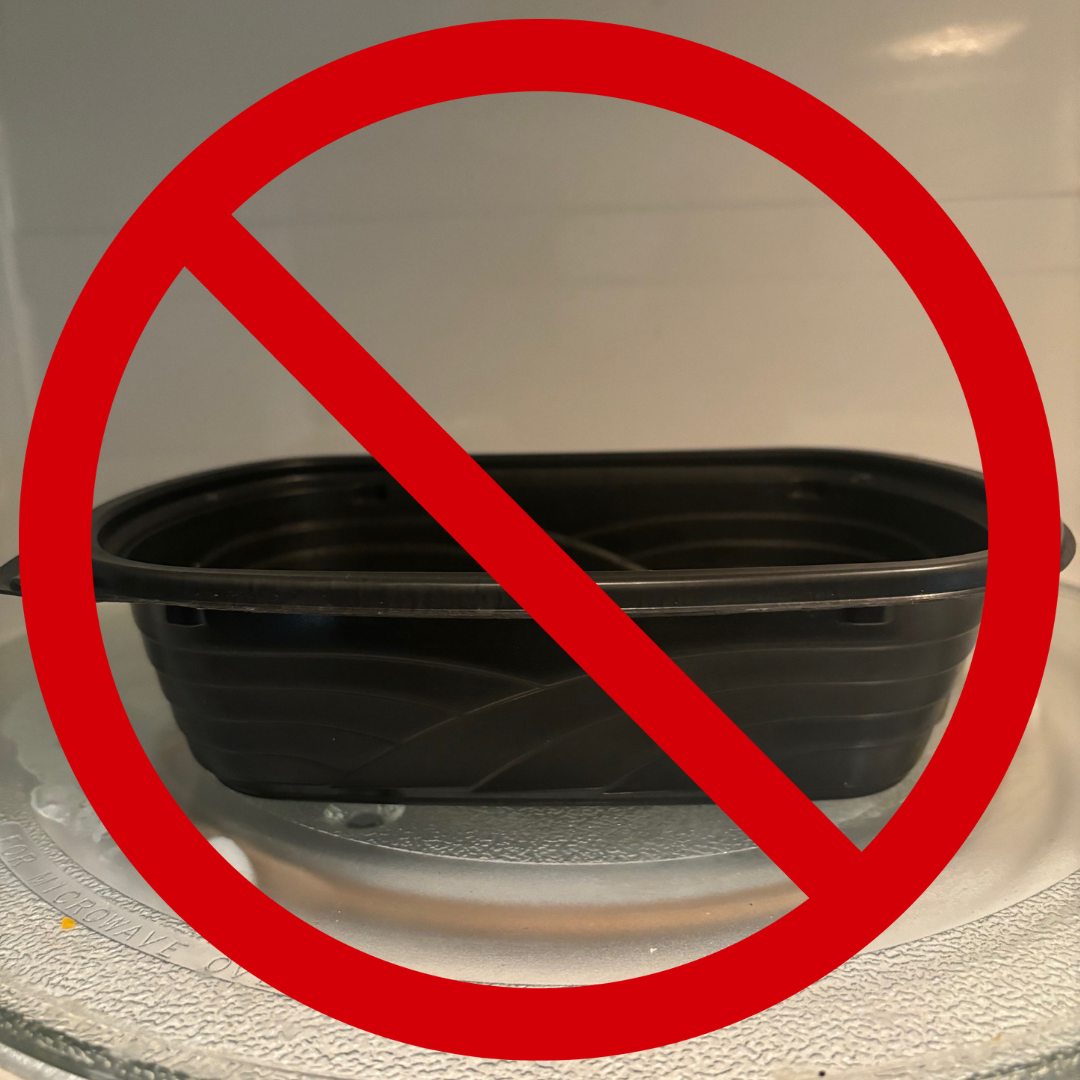
Ever wonder why so many plastic food containers and utensils are black? Improper recycling of electronics such as television cables, is exposing consumers to toxins in black plastic products. These plastics then show up in everyday products like black plastic take-out containers, food utensils, and toys. New research published in the journal Chemosphere found hazardous flame retardants in 85% of these products that they sampled. These flame retardants increase the chances of developing cancer.


This new research tells us that plastic recycling is not as safe as the public has been led to believe. NCHR president Dr. Diana Zuckerman told The Defender, "the public has been misled about the effectiveness and safety of recycling plastics." To combat these issues, Dr. Zuckerman says "the FDA and EPA need to scrutinize the safety of all plastic products used with foods, instead of the vague reassurances the agencies have been offering." 


This research also reminds everyone not to microwave anything in a plastic container -- even if it says it is "microwave safe," because that "safe" description applies to the container not melting, not to the safety of the person eating the food in the container. Rather than educating consumers to ignore claims like "microwave safe," new policies are needed to protect consumers from hazardous materials in plastic products that are clearly intended for food. Read NCHR's article on microwaving plastic here and the article in The Defender here.

Will the new head of FDA's Device Center focus more on patient safety?

The FDA announced this week that Dr. Michelle Tarver, a 15-year FDA veteran, will be the new director of the agency’s medical device division. This appointment comes after her predecessor, Dr. Jeff Shuren, stepped down amidst a major conflict of interest scandal.


Our president, Dr. Diana Zuckerman, told The New York Times that we believe she will lead the FDA to focus more on the safety and effectiveness of medical devices and  “making sure that patients understand the risks and benefits” of specific devices.  However, other patient advocates criticized Dr. Tarver for not providing better warnings to Lasik patients as the agency had previously proposed. 

Read The New York Times article here.

News You Can Use

Recent trends in breast cancer rates


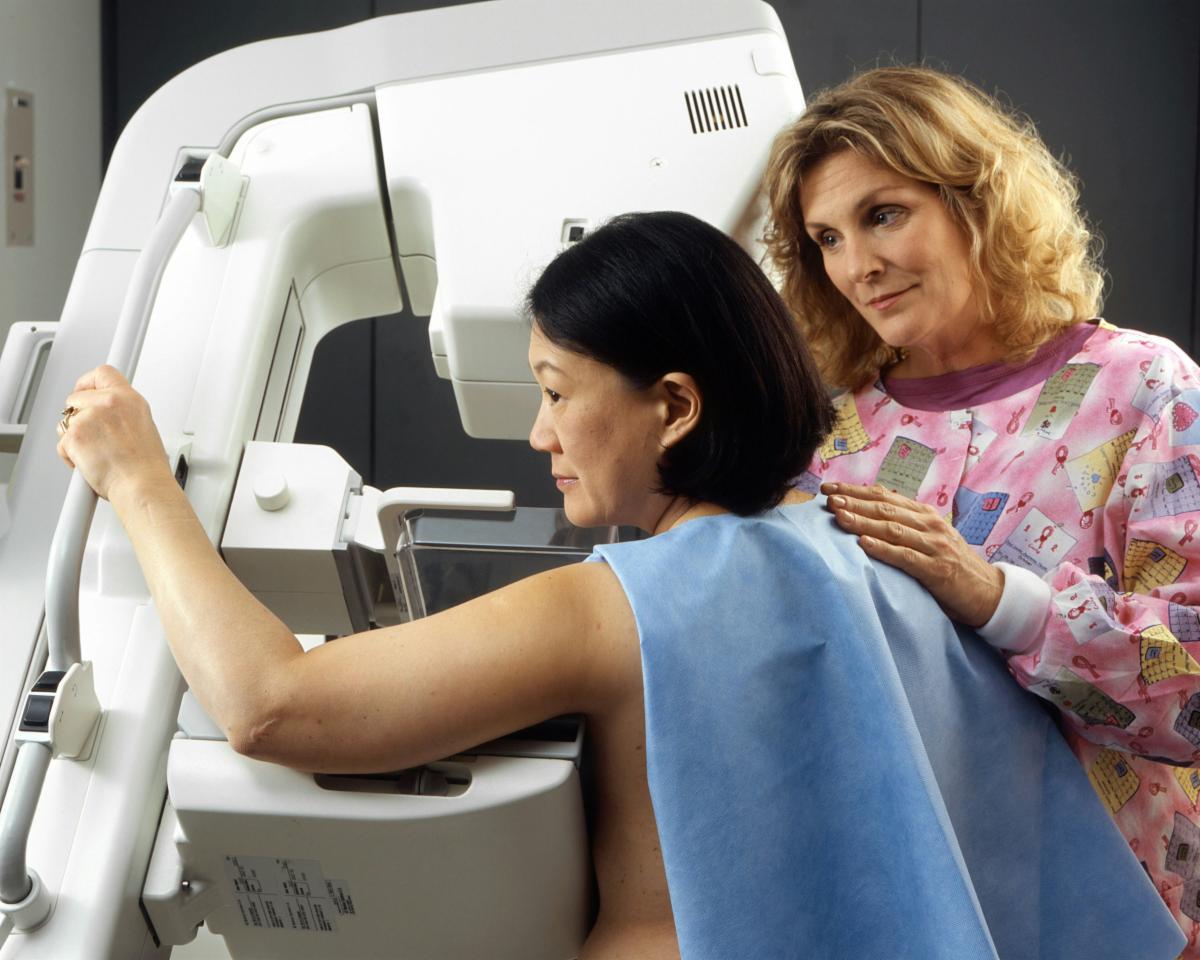
October is Breast Cancer Awareness Month so lets think about the progress that has been made and the need to do more. Thanks to advances in treatment and early screening, the rate of breast cancer deaths has fallen by 44% over the last few decades. However, the number of new cases of breast cancer has gone up 1% every year between 2012 and 2021. Researchers have found that the last 20 years have seen an increase in breast cancer diagnoses in women under 50. Black women continue to be the group that is most likely to die from breast cancer. What are the societal and structural failures that are leading to this inequity? Read the CNN article on the topic here and the CA: A Cancer Journal for Clinicians research here.


EPA to withdraw approval for cancer-causing fuels


A recent investigation by ProPublica explained the EPA's decision to withdraw approval for Chevron's plastic-based fuels and noted ways in which the EPA had failed to protect human health. The EPA's decision came after the investigation by ProPublica that showed the EPA knew that one of the fuels had a cancer risk that was more than 1 million times higher than the agency would usually consider safe.


The fuels were originally approved as part of a 'climate friendly' initiative as alternatives to petroleum. But this approval ignored the fact than one of the fuels was expected to cause cancer over their lifetime in 1 in 4 people that worked with it. The EPA claims that the approval was made 'in error'. Even though the agency knew of these health risks at the time of approval, the approval documents did not acknowledge them or suggest strategies to prevent harm. The EPA failed to protect the environment and human health when they approved these fuels. Read the article in ProPublica here.


Does drinking alcohol increase cancer risk?


Rather than providing health benefits, new research links the consumption of alcohol -- even moderate consumption -- to an increased risk of developing cancer. 


In an alarming trend, the number of adults under 50 who develop breast and colorectal cancers has been increasing over the past few decades. The overall survival rates for cancer is improving, but the number of cases of several cancers are rising inexplicably. The striking increases in cancer in younger adults has led researchers to take another look at major risk factors and make updated recommendations. 


The American Association for Cancer Research found that nearly 40% of cancer cases could possibly be prevented. They recommended reducing alcohol consumption and adding cancer-specific warning labels to alcohol packaging. Consuming more alcohol increased the risk of six types of cancer, including liver, breast, and stomach cancers. There are other potential causes for the increase in cancer cases, but the clear takeaway is that even moderate alcohol consumption does more harm than good. Read The New York Times article here and our web article here.


Info You Can Use

Can aspirin prevent cancer?

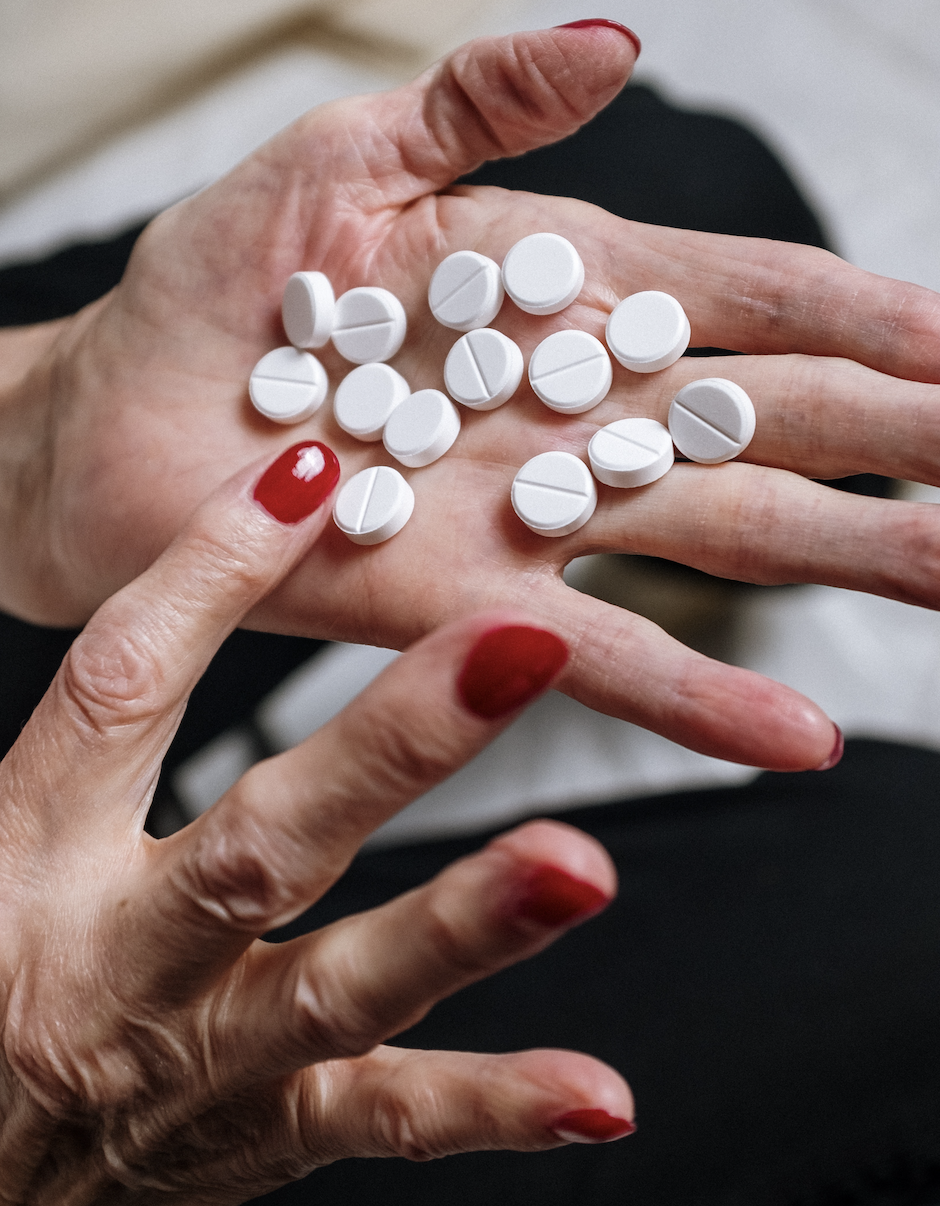
Can a daily "baby aspirin" prevent cancer as well as heart disease? A new study published in the Journal of the American Medical Association studied tens of thousands of men and women over a period of 10 years and found that daily low dose aspirin reduced the chances of developing colorectal cancer, especially among women and men with the unhealthiest habits. Unhealthy habits were measured in terms of smoking, alcohol use, lack of exercise, and BMI. The evidence for preventing other types of cancer is inconsistent and there are risks of taking daily aspirin, so it is important to decide if the benefits outweigh the risks for you. We have updated the article on our website so that you can have all the facts. You can read it here.

Follow Our Instagram!

Check us out!

Did you know that artificial turf and rubber playground surfaces contain carcinogens? Are your children or grandchildren getting exposed when they play? Follow us @safe.to.play
Instagram  
@safe.to.play
 

Connect With Us!
 

Cancer Prevention and Treatment Fund

Facebook: @CancerPreventionAndTreatmentFund


LinkedIn: www.linkedin.com/showcase/cancer-prevention-&-treatment-fund/

Facebook
729101_linkedin_icon image
Donate

Your Contribution Can Make a Difference


We do not accept any funding from drug companies, device companies, chemical companies, or other sources that could influence our work and compromise our integrity. That's why so many people turn to us when they need help. Donations of any size are greatly appreciated (and tax deductible.)


Please consider giving to the Cancer Prevention and Treatment Fund online or by mail to the address below.

To sign up for these monthly updates, click here.
Cancer Prevention and Treatment Fund | 1001 Connecticut Ave NW, Suite 1100  
Washington, DC 20036 | www.stopcancerfund.org
CFC# 11967