October E-News

JOIN US IN NANAIMO!

October 23-25, 2026

Coast Bastion Hotel, Nanaimo, BC

EARLY BIRD PRICING END TODAY!


Are you interested in serving on the BCHPA Executive?


Nominations are now open for the following positions: 


• President (2 year term)

• Second Vice-president (2 year term)

• Treasurer (no term limit)

• Canadian Honey Council Representative (2 year term)

• Director at Large (2 year term)


Role Descriptions - HERE


Contact the Nomination Chair - Barry Denluck

Barry@BarrysBees.ca


Call for Applications: Apiary Inspector

North Okanagan-Shuswap Region

BC Ministry of Agriculture and Food – Apiculture Program

Auxiliary Position (BCGEU)


The Apiculture Program is seeking an experienced, motivated beekeeper to join our Apiary Inspection Team in the North Okanagan-Shuswap region. Inspectors support honey bee health, provide education to beekeepers, and help protect provincial agriculture through responsive regulation.


CLICK HERE FOR MORE INFORMATION


Research Updates

Fueling thermogenesis: an individual-level thermography assay reveals that sucrose ingestion promotes thermogenesis in honeybees

Summary: A new individual-level thermography assay shows that thermogenesis in honeybees depends on sucrose ingestion in a threshold-like manner, regardless of whether bees are nurses or foragers.

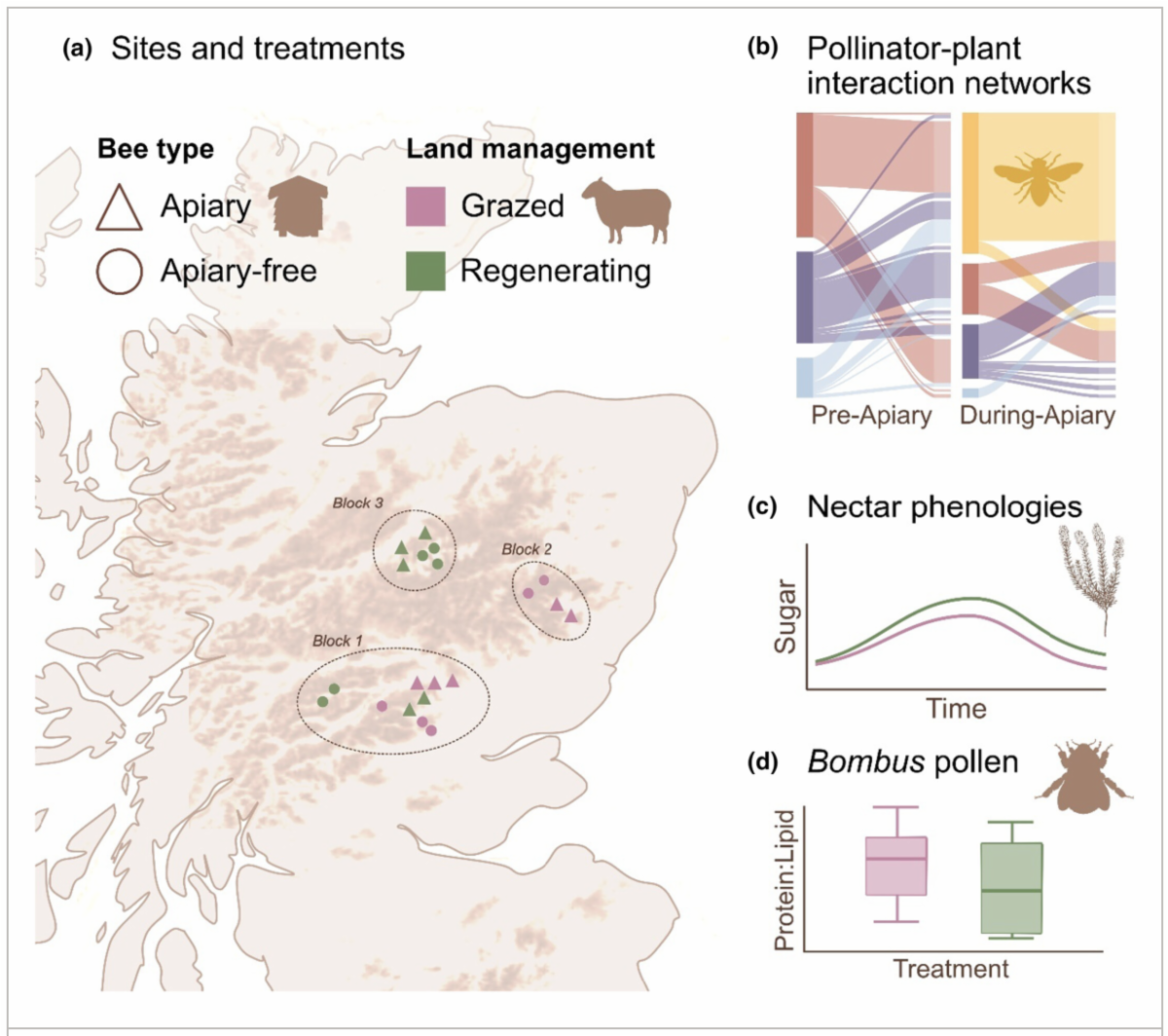
Heathland pollinator communities are more strongly influenced by land management than by honeybee competition

Apiaries had modest impacts on heathland plant-pollinator communities, likely buffered by the abundance of Calluna vulgaris which provides 91% of landscape nectar during hive introductions. We recomm...

Controlling Varroa destructor infestations in managed honeybee colonies limits virus spillover into wild pollinator communities

Abstract. Given recent pathogen-mediated pollinator declines, there is concern regarding virus spillover from managed honeybees to wild pollinators. While

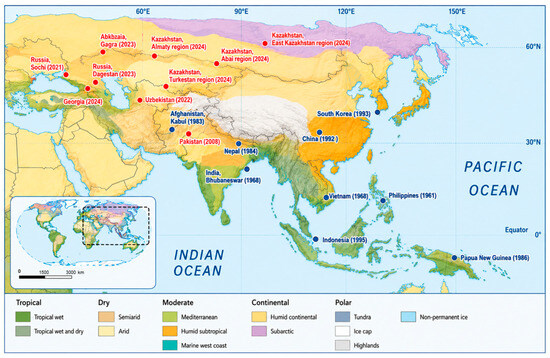
Persistence, Seasonal Dynamics, and Regional Differentiation of the Parasitic Mite Tropilaelaps mercedesae in Apis mellifera L. Colonies Under Non-Endemic Climatic Conditions

Tropilaelaps mercedesae is an emerging parasite of Apis mellifera L. that is expanding beyond its traditional tropical range, yet its ecology in temperate regions remains poorly understood. This study investigated the establishment, seasonal infestation dynamics, morphometric variation, and virus carriage of T.

Bees in the News

CA Researchers Identify Odors That Repel Honeybees From Pesticides

Researchers have identified chemical compounds that can safely repel honey bees from pesticide-treated crops.

From the TTP

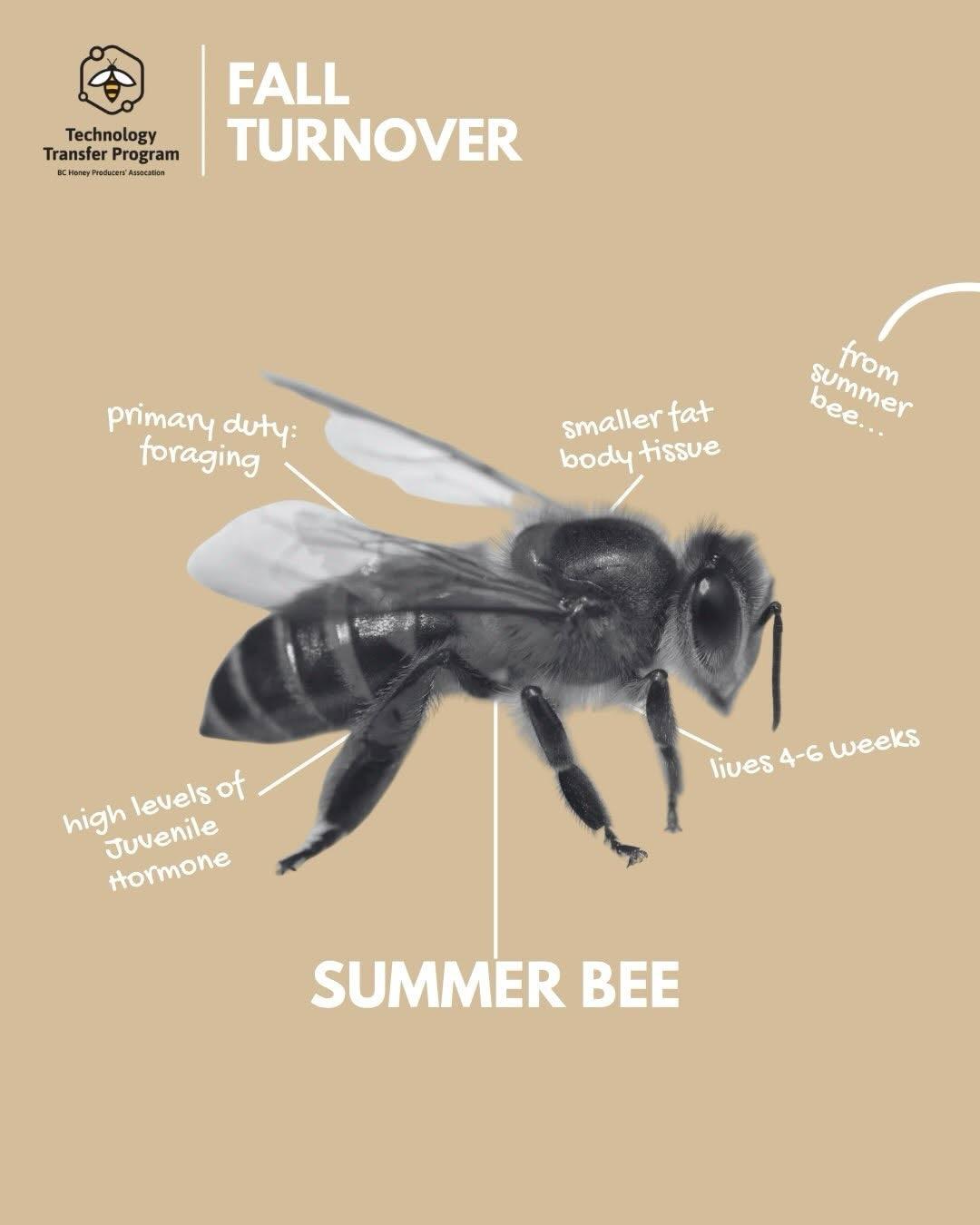
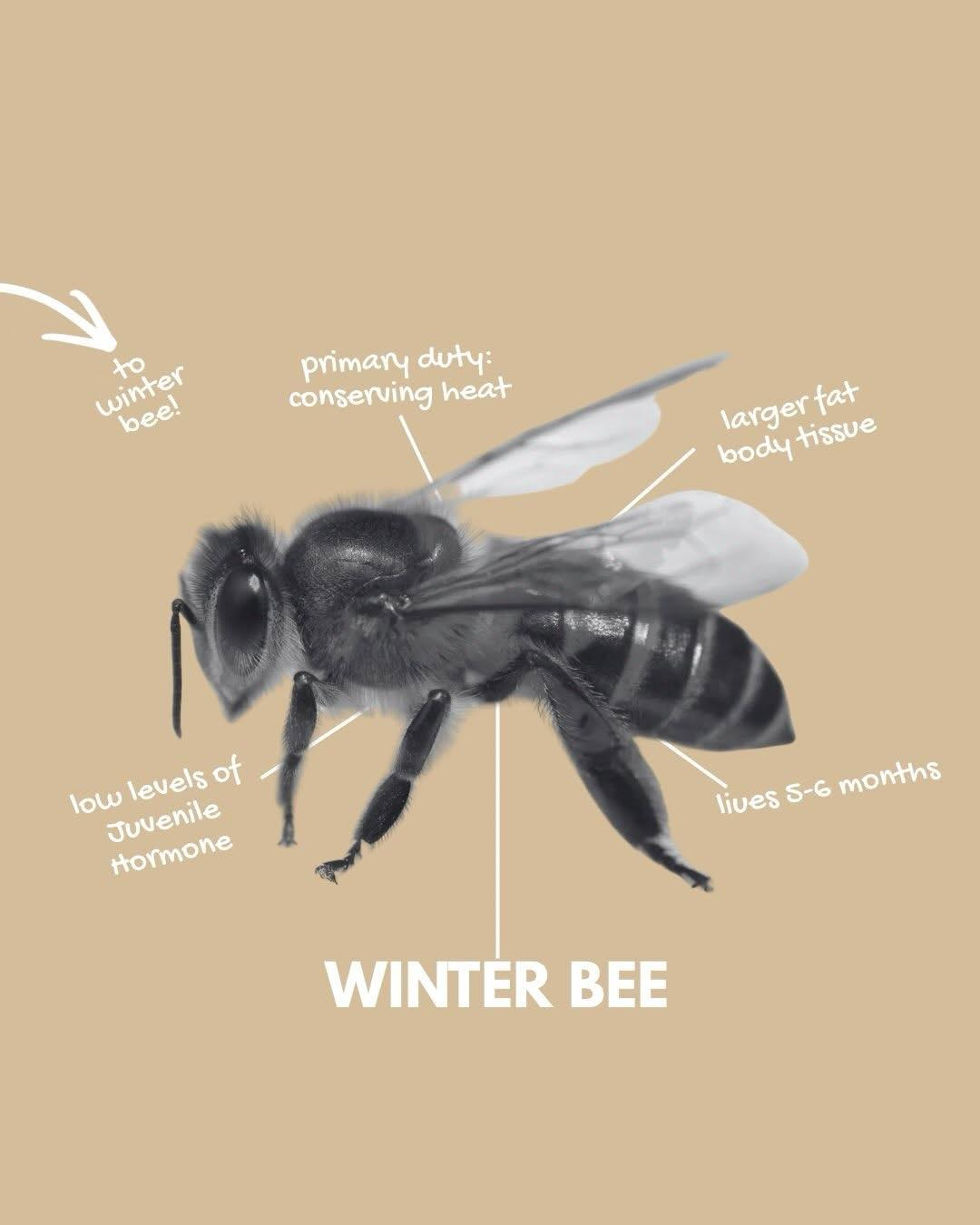
It’s the fall turnover! Since early August, the queen has been laying eggs that will develop into winter honey bees. These differ significantly from their summer sisters, having longer lifespans, different physiological development, and different duties.

For more information on winter honey bees and how they differ from summer honey bees, click the link in our bio or visit ttp-bchpa.ca/winterbeebiology.


Facebook  Instagram

Just for Fun