PO Box 187
116 N. Main Street
Culver, IN 46511

www.lakemax.org

Our Mission:

The preservation of an ecologically healthy Lake Maxinkuckee and its watershed

Up, up, and away! (Away with Phragmites)

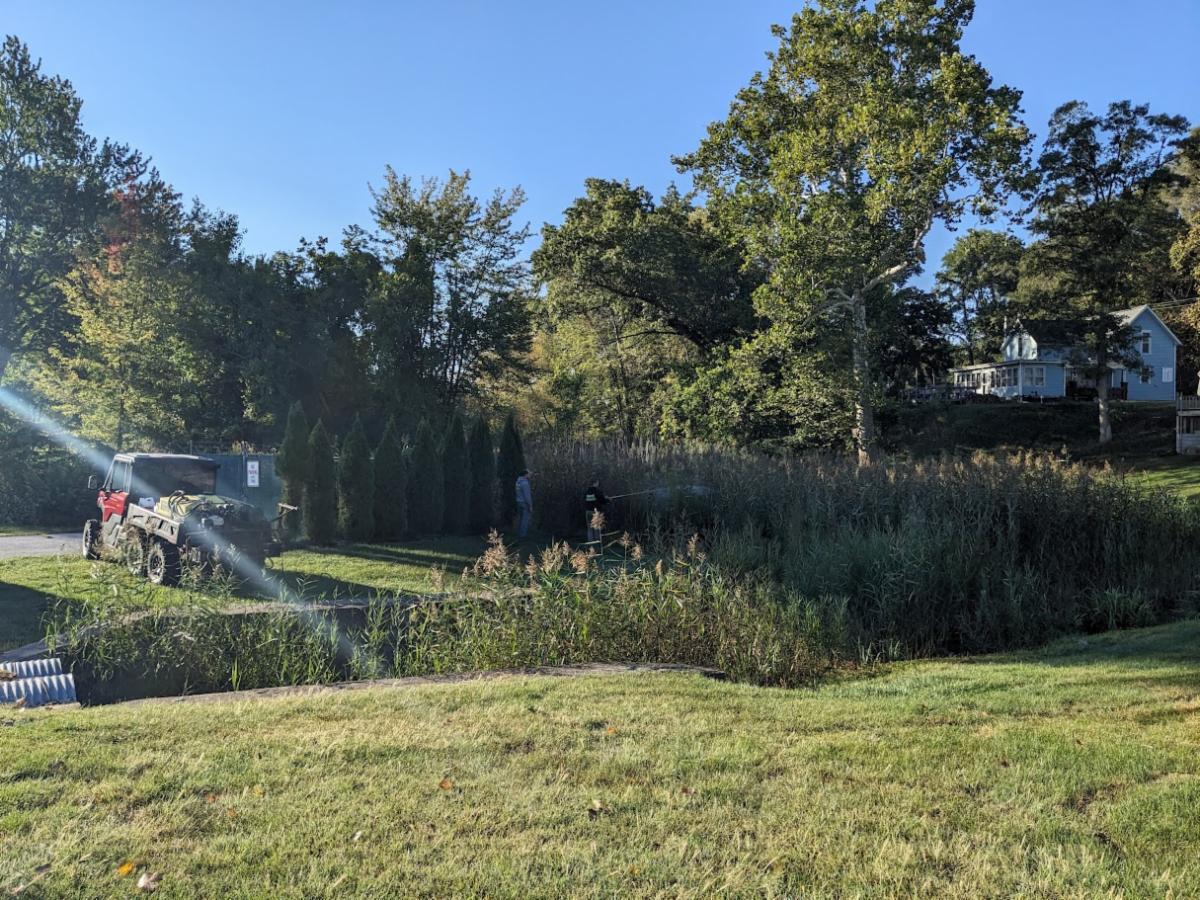
LMEF is continuing to partner with homeowners at the outlet of Lake Maxinkuckee to tackle a stand of Phragmites, an invasive wetland species. Just downstream of the weir (where the lake level is set), this patch of grass has potential to clog up this area and restrict flow.

We again hired a contractor to spray an approved herbicide on the plant. Fall is when it is transferring resources back to its roots, an optimal time to apply.

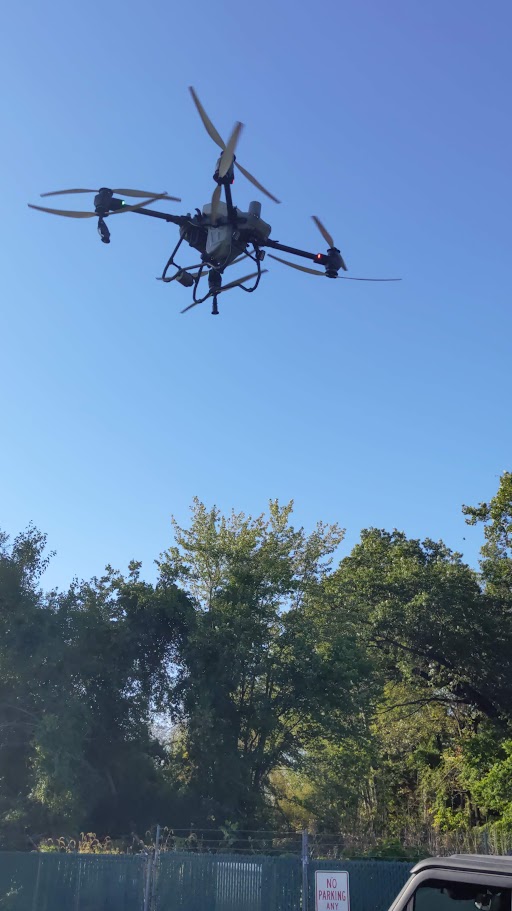
Edges of the patch were hand-sprayed to avoid any collateral damage. A drone was used to treat the rest of the patch from the inside.

As someone who came up the ecological ranks lugging backpack loads of herbicide through muck and mire, I am grateful that technology has enabled us with these tools that improve on precision, safety, and cost.

We are continuing to carefully assess the impact of invasive species across the watershed.

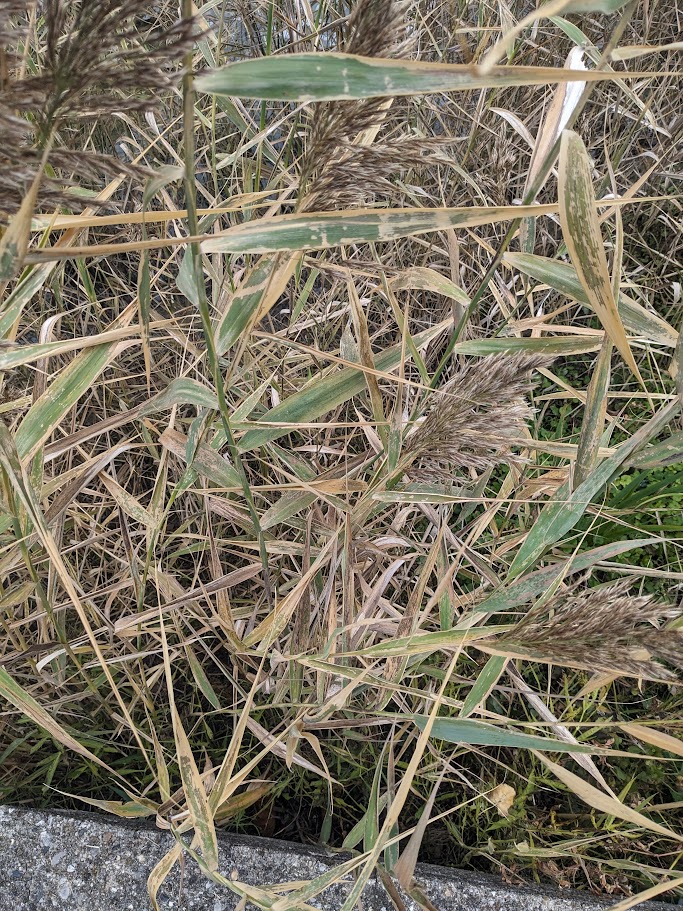
The photo below was taken one week after application. I was happy to see the plant already suffering the effects of the herbicide.

One step closer to a happy wetland plant community!

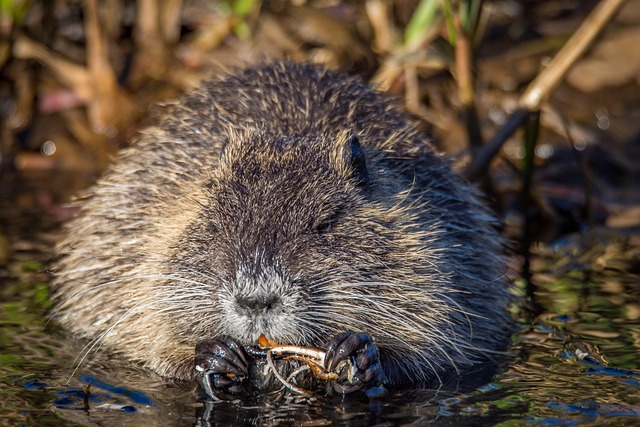
Photo credit: Sven Lachmann via Pixabay

"Muskrats may be key to solving invasive aquatic plant problems, study finds"


Julia Belden wrote a recent piece on a new study that found the areas around muskrat lodges were cleared of invasive cattails such that native plants could be re-established.


Reading this, I was unaware that muskrat populations nationally were actually in decline from 1970 - 2012. They are not an uncommon sight around Lake Maxinkuckee today, although perhaps not as common as Evermann and Clark described in 1920.


One interesting note from their entry on Maxinkuckee Muskrats includes, "In the first days of January, 1905, a broad crack formed in the ice from Long Point to the Norris boathouse. On January 4, a Muskrat was seen at the edge of this crack about 1,000 feet from shore eating mussels. It would dive through the crack and after a little while reappear with a mussel."

Read the full study here.

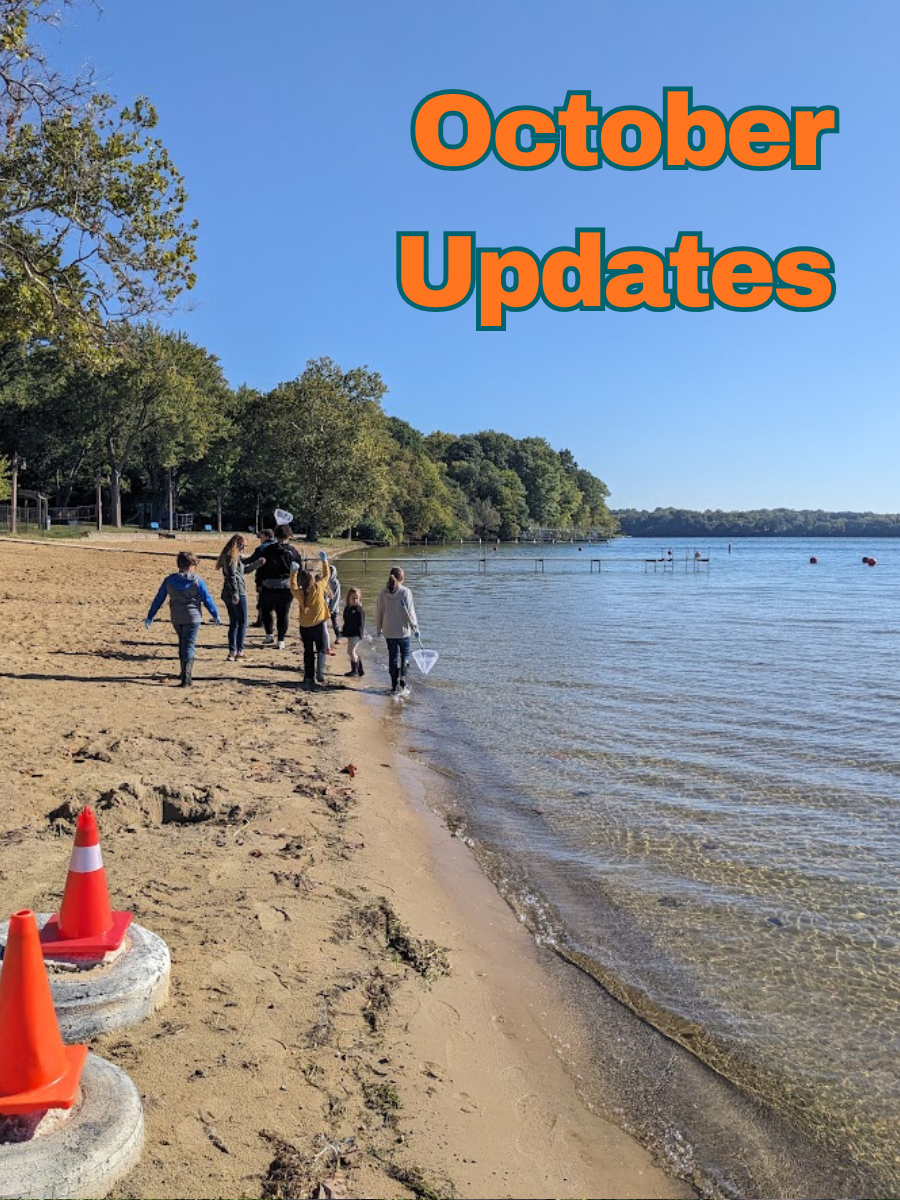
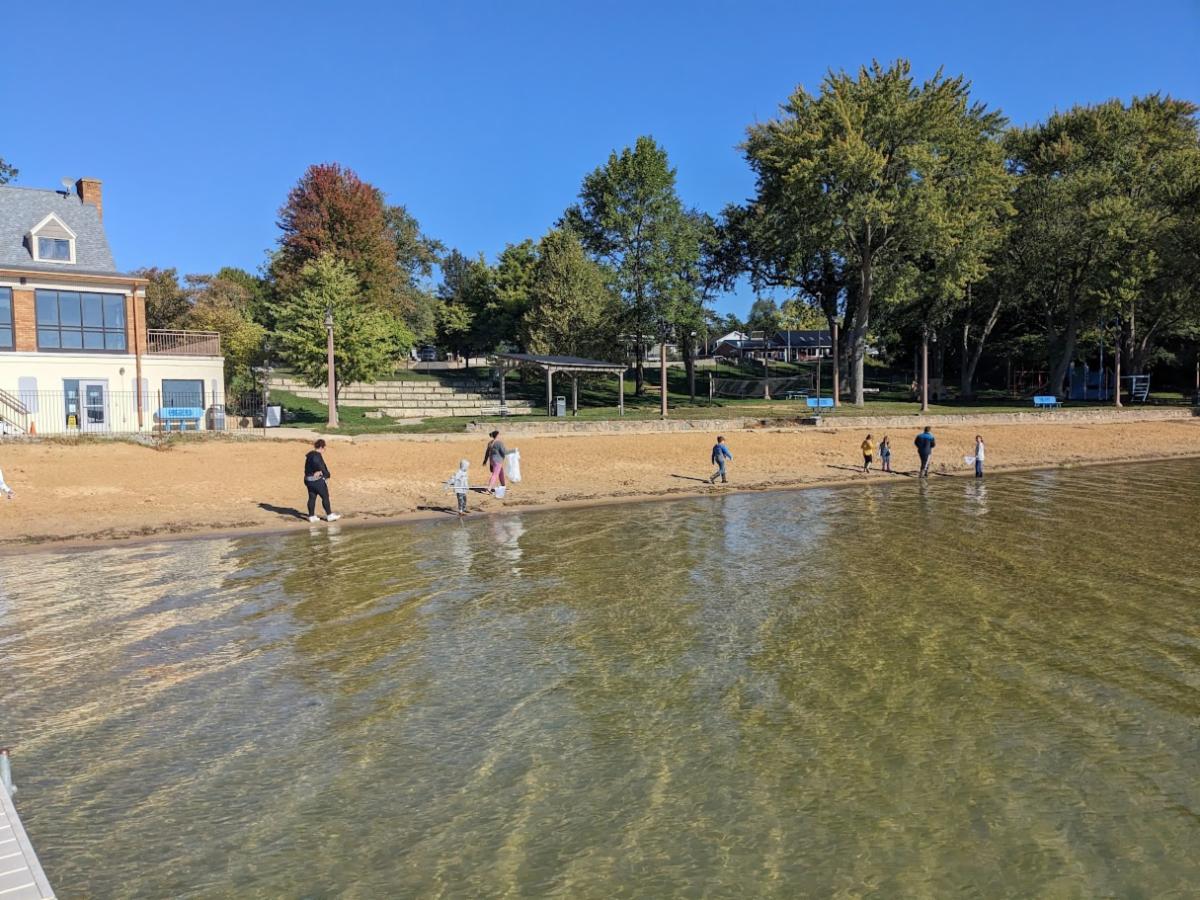
We had a beautiful, cool morning of service with the homeschool group from Culver-Union Township Public Library!


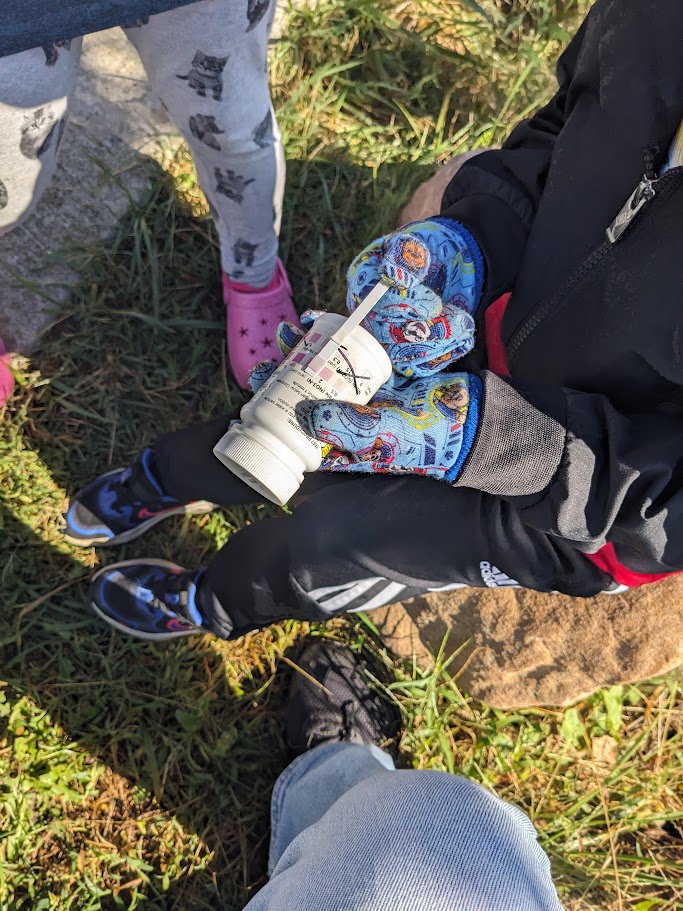
We started by learning to think like scientists... making observations, asking questions and finding ways to get to answers. How does this water flow directly out of the earth? What chemicals are in it, and why does it matter?


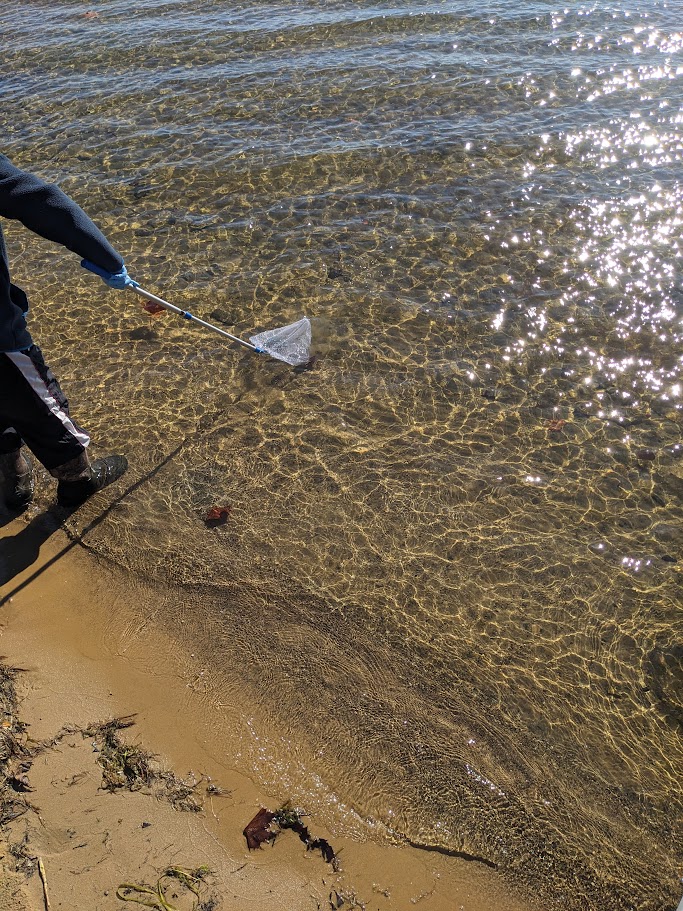
We finished by scouring the beach and piers for trash. Findings of fish, footprints, shells, and erosion stimulated further discussion... leading to more questions and hypotheses.

We checked nitrate levels at the spring by the lighthouse. 2.0 parts per million is more than we'd like to see, but is consistent with previous observations.

Dip nets helped get those hard-to-reach pieces of trash!

From the blog...

NEW water law

A new Indiana law is in effect, regulating "interbasin transfers". What does that mean for our lake? Click here to learn more...


eSign Up to Receive Lake Max Messages

Articles Concerning the Lake and Watershed

Facebook  Instagram