Greetings!, 


Read on to explore how the Southwestern Medical District Transformation team is shaping a greener, healthier future as we highlight recent progress, ways to get involved, and share the latest things we are learning and applying.

Harry Hines is the backbone of the Southwestern Medical District. It’s where patients, families, and visitors first arrive and are welcomed into care. The task of transforming the district’s main thoroughfare is no small one, and we are grateful to have several collaborating teams working to reimagine a two-mile stretch of Harry Hines.


As interdisciplinary teams come together to uplift the public realm, modernize infrastructure, create civic gathering space, improve safety, and enhance tree canopy and vegetation, we maintain the mindset that this is one big team, project, and vision. While we may have different funding sources and scopes, we are committed to an integrated project approach that maximizes efficiencies, coordinates delivery, and will feel seamless in the way that the public realm investments are ultimately experienced and enjoyed by the SWMD community.


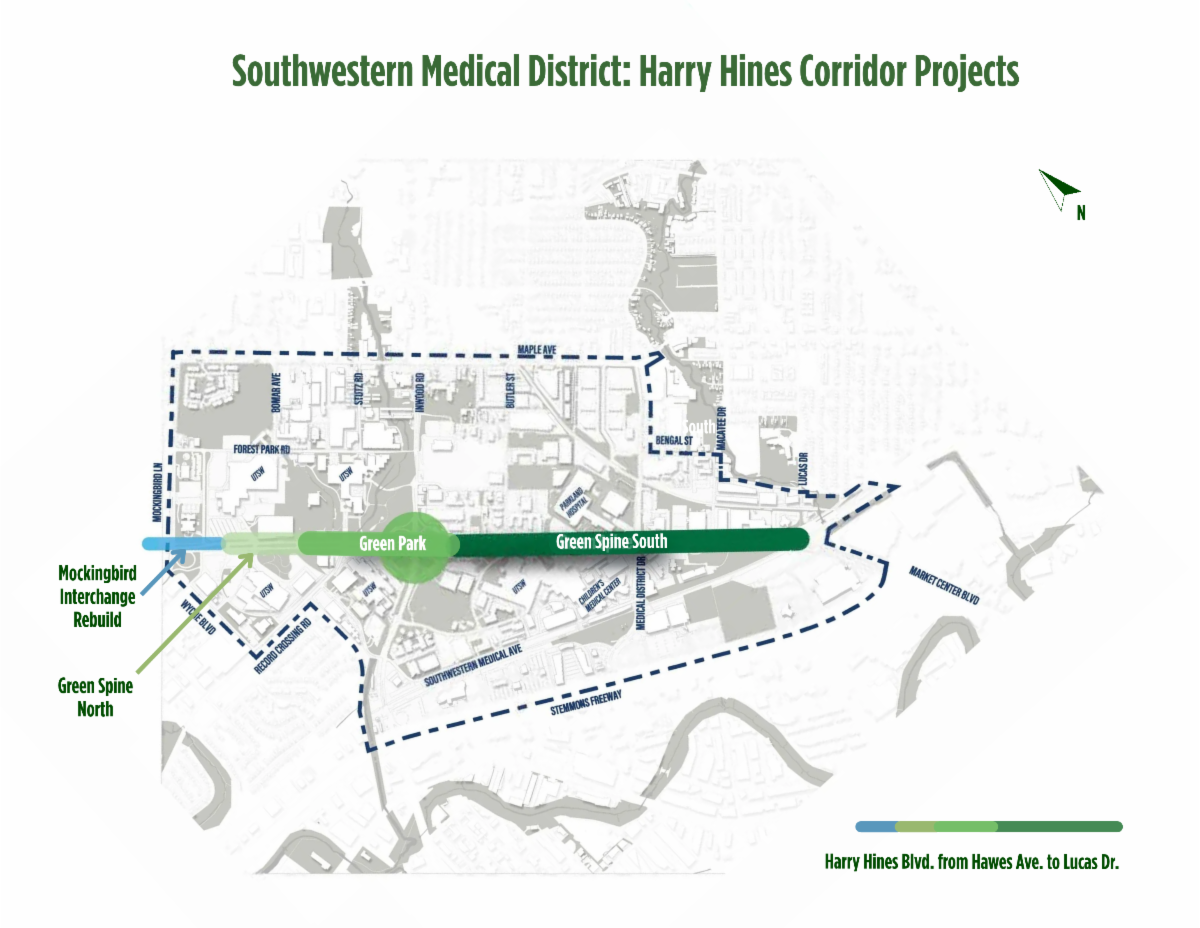
The map demonstrates how these improvements are spatially sequenced and connected across the corridor. While described below from north to south, project delivery will occur on separate schedules.


At the district’s northern gateway, the City of Dallas, in partnership with lead consultant AECOM, is redesigning the Mockingbird/Harry Hines interchange. This effort will support critical access to SWMD destinations, including the adjacent Children’s Health new Dallas pediatric campus. The reconfigured interchange will support traffic volumes while accommodating multiple modes of travel. Moving south along the corridor, Texas Trees, in partnership with the City of Dallas and landscape architect Field Operations, begins its work just north of Paul M. Bass Way, where we’ll transform Harry Hines Boulevard into a linear parkway. At the heart of the District, the Harry Hines/Inwood interchange will reimagine antiquated transportation infrastructure as the new Green Park, a civic green space with associated streetscape improvements. The Green Spine then continues south of the park, where Phase I engineering consultant Jacobs has joined the project team to advance the corridor’s southern segment, concluding near the district's southern boundary at Lucas Drive.


Shoutout to Kris Johnson, Capital Improvement Projects Administrator with the City of Dallas Department of Transportation and Public Works and project manager for the Harry Hines Corridor Projects. Thank you for your leadership and commitment to delivering these complex

projects with excellence, efficiency, and thoughtful coordination.


Texas Trees recently participated in a design coordination workshop hosted by Jacobs, bringing together the Harry Hines Corridor project partners to align on utility coordination, traffic management, environmental review, and next steps toward the forthcoming Phase I 90% design

milestone. The discussion reinforced a shared commitment to delivering safe, welcoming, and accessible public spaces while maintaining critical district operations during construction.


We were honored by the positive feedback received during the workshop, including recognition of Texas Trees' longstanding leadership in advancing the Green Spine and Green Park initiatives. We are grateful to the many partners whose collaboration continues to strengthen this

transformative effort.

The City of Dallas Department of Transportation & Public Works and the Texas Department of Transportation will present the proposed corridor improvements as the cohesive ā€˜Harry Hines Boulevard Multimodal Improvement Program’ to interested stakeholders and community members and gather public comments at a hybrid Public Hearing on November 5th at 6:00 PM at the Arlington Park Recreation Center (1505 Record Crossing Rd, Dallas, TX 75235), with virtual attendance options available. Public comments will be accepted through November 23rd, 2026.

We are working with Kimley-Horn, Field Operations, and UT Southwestern to advance the UTSW Connector Study in support of our design for the Green Park. It will be necessary to relocate the .65 mile private campus connector because its current path intersects with the Green Park’s new infrastructure. The relocation presents a unique opportunity to upgrade the facility – which sees about 20,000 monthly passengers – and to explore how to thoughtfully connect its course to accommodate controlled access to the future park. 


Also to advance the Green Park, we are in the early stages of collaboration with a specialty structural engineering firm that is evaluating the pedestrian bridge design at a more detailed level. We are excited to continue shaping what the pedestrian bridge will become. The bridge represents connectivity where it has never been before, and it has a special opportunity to become an iconic landmark in the District and the City of Dallas, while also offering sweeping views of the transformation in its entirety. 

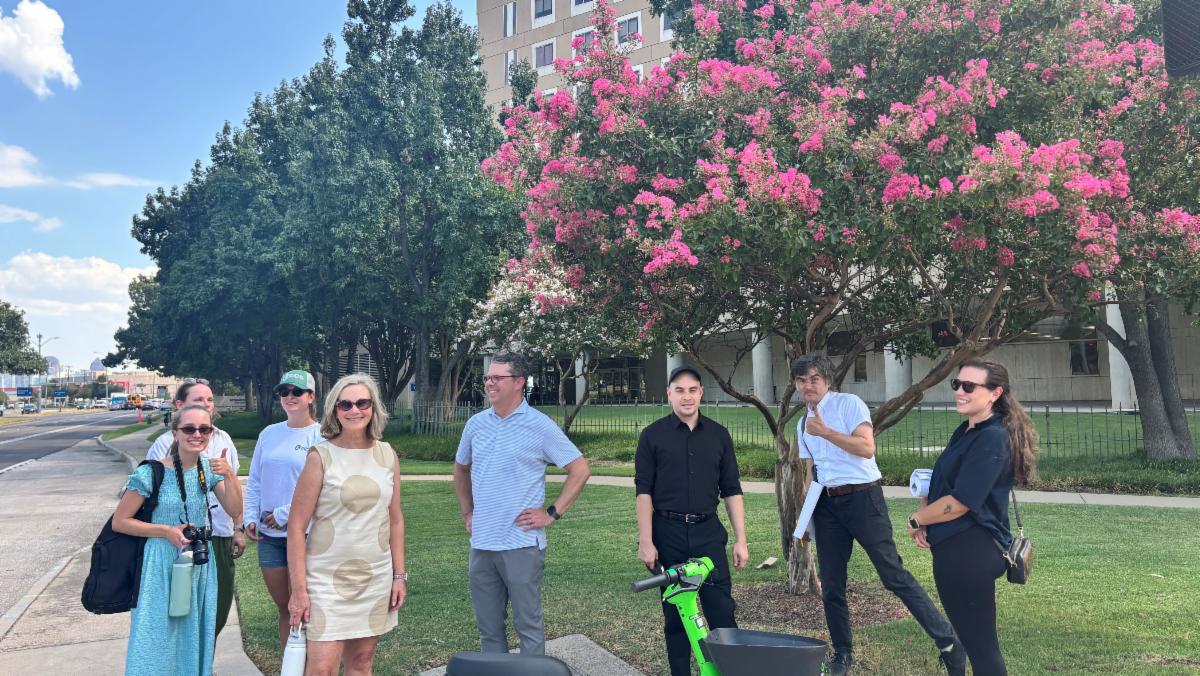
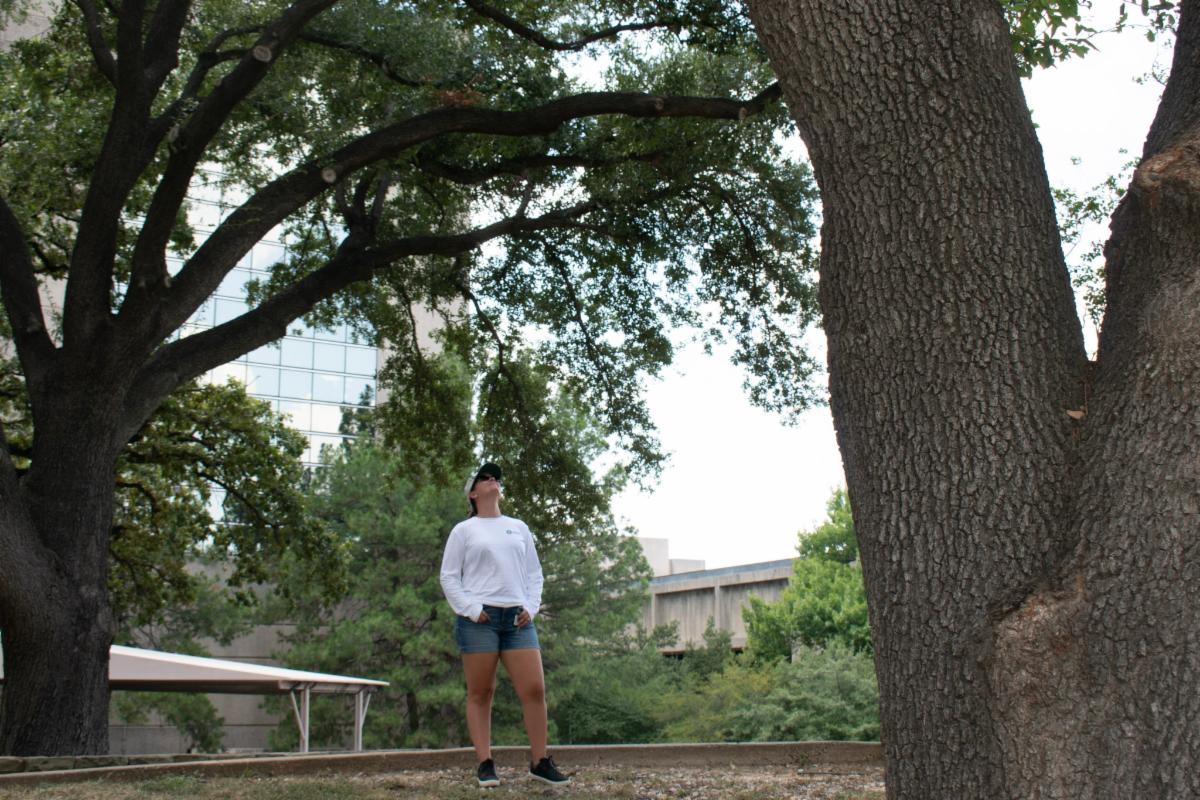
Our team loves doing site visits! Tactile and detailed visual observation is incredibly valuable — there’s something about getting your hands in the soil, squinting through the sunshine filtering through the tree canopy to get a closer peek, and touching the tree bark that makes us feel extra connected to the work.


When our Landscape Architects, Field Operations, were recently in town, we took to Harry Hines Blvd. for a site visit along the Green Spine North project area. We were joined by Texas Trees Planting Program Lead and expert arborist and urban forester, Tara McCain, who helped us to closely evaluate existing conditions and tree health.

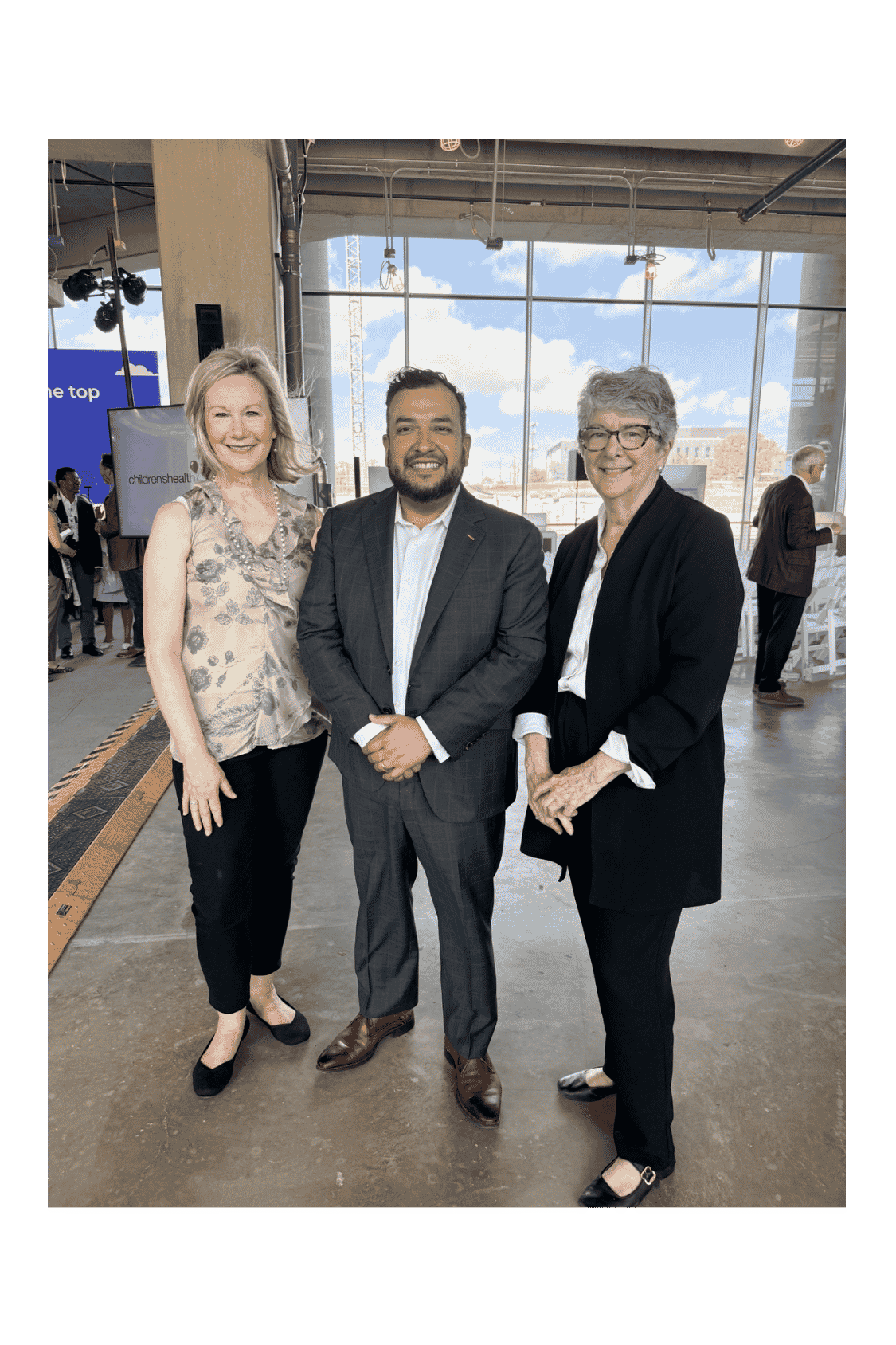
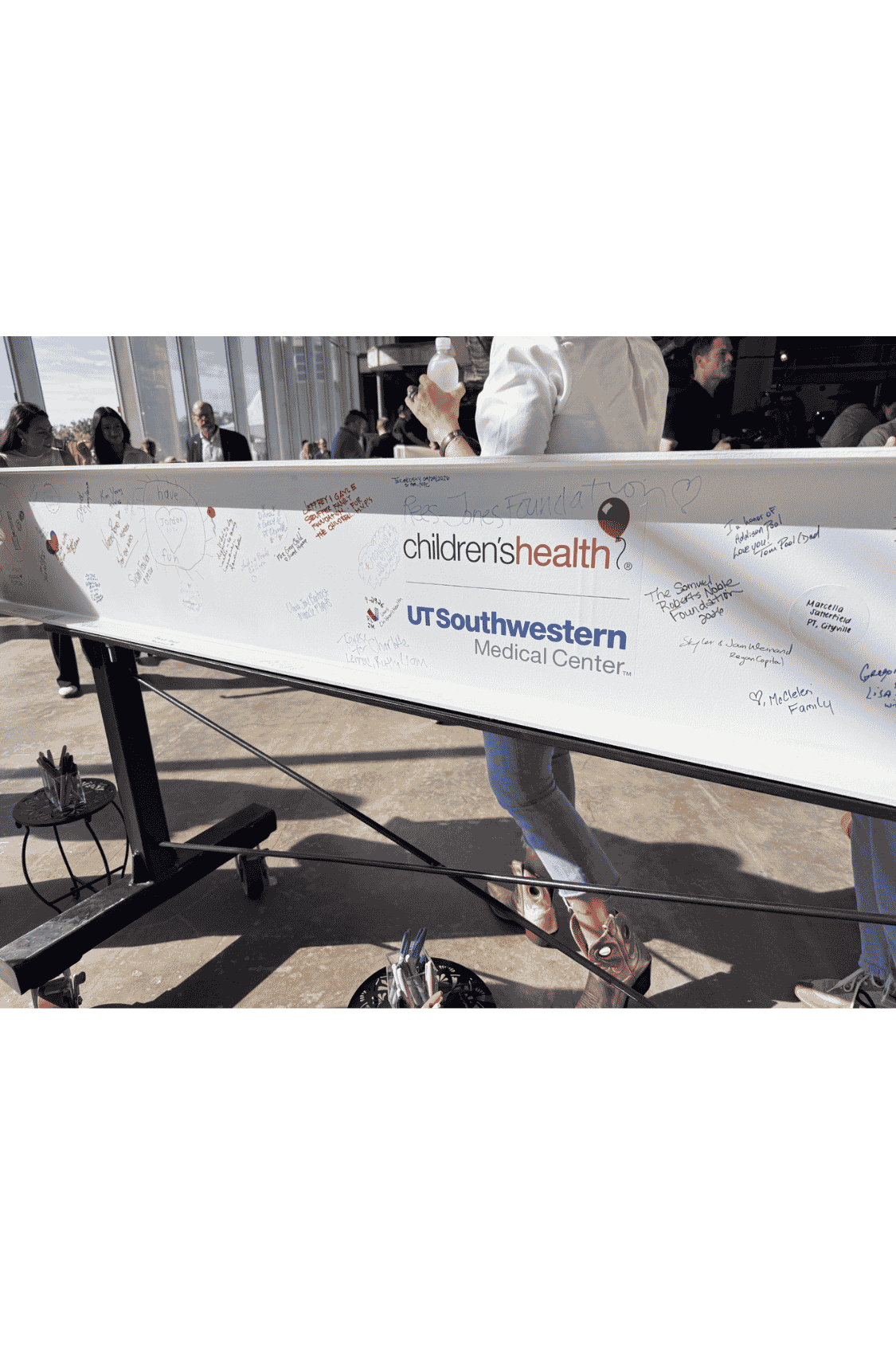
Our team was delighted to celebrate a major construction milestone at the topping out ceremony for the Moody Children’s Hospital at the new Dallas pediatric campus! It is incredibly inspiring to see this campus come to vibrant life. We especially appreciate the extraordinary amount of attention to detail in the new hospital’s design. At a design session we attended earlier in the year, designers highlighted features such as floor-to-ceiling windows that integrate, ā€˜The Perch’, a feature that ā€˜bumps out’ of the main room layout in patients’ rooms, allowing a child or family member to come face-to-face with beautiful panoramic views to the campus landscape and Dallas beyond, and ā€˜Seek and Finds’, spaces of hidden discovery that spark curiosity and exploration throughout the larger building.


We’re inspired by similar principles in our approach to landscape design for the Green Spine and Park and cannot wait to see all these projects come together in unison for one healthier, greener district. 


It was also great to see several familiar faces at the event, including Mayor Pro Tem Jesse Moreno (District 2), and we were honored to sign our names on the final beam and watch it ascend to the top of the 12-story tower for installation.


In other great news, we are thrilled to welcome Isaac Middleton into our broader team of 

collaborators bringing to life the SWMD Transformation! Isaac is the first-ever CEO of Southwestern Medical District, Inc., the nonprofit organization founded in 2006 by Children’s Health, Parkland Health, and UT Southwestern to support institutional missions, coordinate growth and development, and implement mutual district priorities. In his role, Isaac will play a key role in implementing the Southwestern Medical District Master Plan as well as coordinating with local officials, community stakeholders, and other public and private partners. The wealth of experience he brings to this role will make a true difference in the delivery of our project and in the broader advancement of the Medical District. Welcome to the Southwestern Medical

District, Isaac! Learn more by reading the press release.

Image Credits: University of Virginia Press

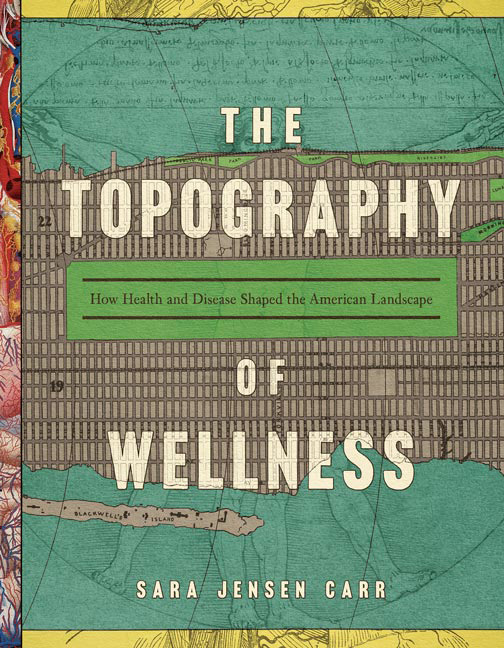
Lannie is reading The Topography of Wellness


She shares, ā€œWhat I appreciated about the Topography of Wellness is the way it traces how changing public health challenges have shaped our cities, and the essential role the design professionals have played in responding to them. It reinforces that design is not simply about aesthetics or function; it can be a powerful instrument for advancing public health. The SWMD Transformation Project carries this work forward through a distinctive model that brings data, design and a broad group of partners together to improve health and quality of life within the district and across the broader region.ā€

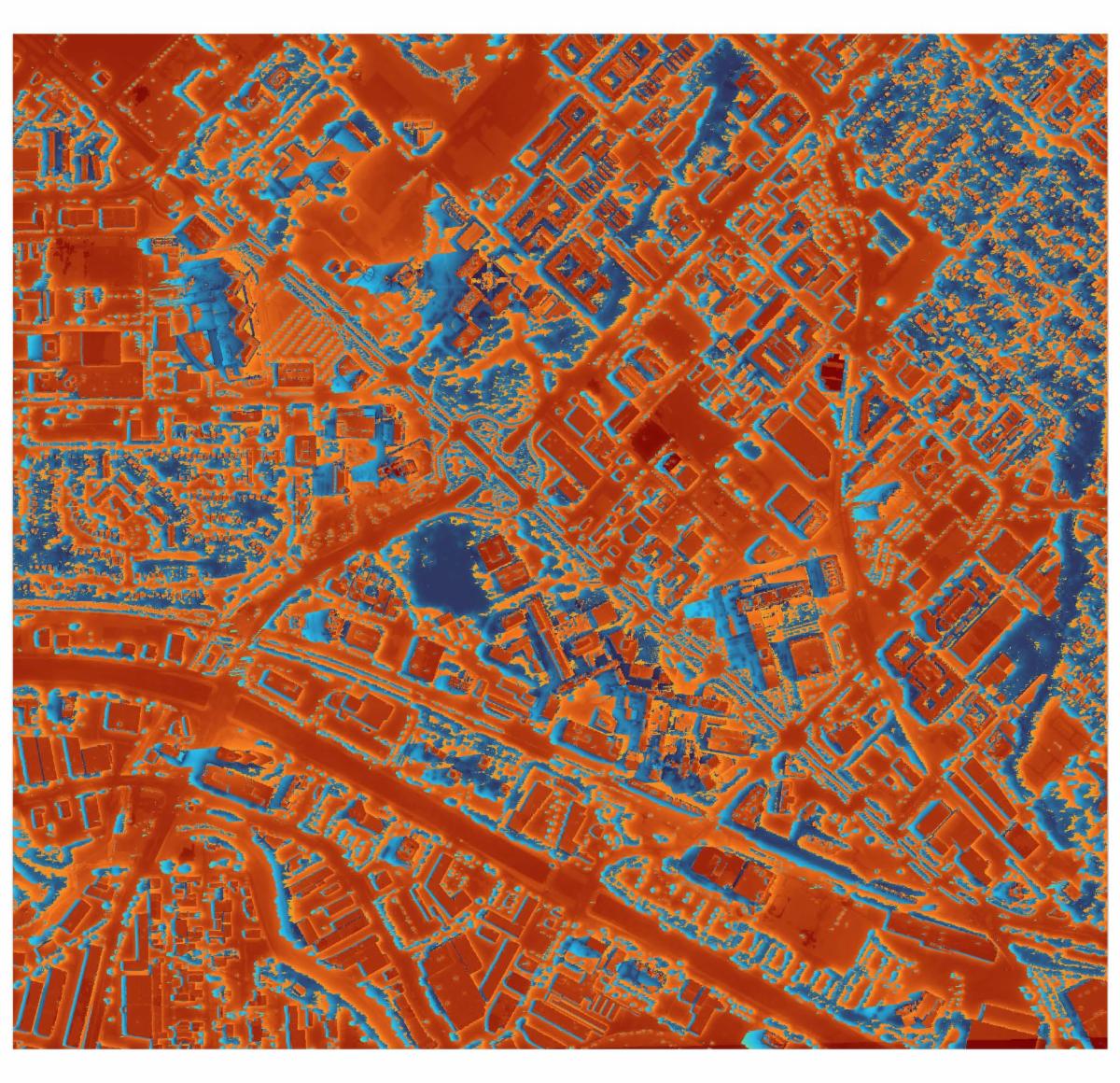
Harry Hines Blvd. Heat Map, Image Credits: Texas Trees Foundation

In Defense of ā€œSlow Researchā€ in Urban Planning


This piece from Berkley Planning Journal makes a compelling case for taking the long route. Professor and urban transportation researcher Marcel Moran describes the benefits of two separate research efforts: one where he took the time to explore every intersection in his city via Google Maps satellite imagery and another where he visited every bus stop on foot, strengthening his data collection efforts by providing a cohesive picture of local urban infrastructure with plenty of fascinating, detailed observations to accompany it. In a time when two polar realities are true: task automation is easier than ever before, and busy professionals’ time always seems to be in low supply, Moran’s perspective on the beauty of deeply engaging with the task at hand, and the joy of the unexpected, yet rewarding, encounters and detours along the way, is refreshing. 

Image Credits: Nature and Health Alliance

Nature and Health Report | Nature and Health Alliance


The Nature and Health Alliance, a network of researchers, practitioners, and advocates committed to exploring and promoting the crucial connections between nature and health, partnered with REI Cooperative Action Fund and Texan by Nature to release the American Nature and Health Survey Report, providing a national snapshot of how people interact with nature. We love how this report captures a range of cultures, geographies, and perspectives to dig deeper into perceptions and barriers influencing time in nature. We hope the thought-provoking questions at the end of each chapter inspire you as much as they’ve inspired us! 

Thanks so much for reading! Have an idea, question, or want to connect further in the meantime? To reach our team, drop us a line at swmdproject@texastrees.org.