X Share This Email
LinkedIn Share This Email
 

Monthly News & Updates


October | 2024

Introducing the Alliance Learning Series: Professional Development for RCCA Members


We’re thrilled to announce the Alliance Learning Series, a brand-new webinar initiative that will provide RCCA members with valuable professional development opportunities throughout the year. 


Starting this October, our monthly webinars will be held on the third Wednesday of each month at 1:00 PM EST / 10:00 AM PST. These sessions will cover a range of essential topics that directly impact rural community colleges and the communities they serve.


Each session not only delivers expert insights but also offers a platform for collaboration. By joining these webinars, you'll have the opportunity to engage with fellow community college leaders, share challenges and solutions, and build a network of peers dedicated to improving the future of rural education. These discussions will help us all strengthen our strategies for tackling the unique issues we face.


From fostering democratic engagement to supporting rural student success, each session will offer insights from experienced presenters who are leaders in their fields. Whether you’re interested in workforce development, reskilling, entrepreneurship, or strategies for strengthening your institution, the Alliance Learning Series has something for everyone.


This series is just the beginning of RCCA’s expanded commitment to offering ongoing learning and professional growth for our members. Keep an eye out for registration details, and don’t miss out on this exciting new benefit!

We're excited to kick off the "Alliance Learning Series," a monthly webinar series running from October through May. Each session is scheduled for the third Wednesday of the month, from 1-2 PM EST.


We're hosting our first webinar on October 16, and you won't want to miss it! Luis Sanchez from the Madison-Lincoln Initiative will present "The Role of Community Colleges in Fostering Democratic Engagement."


Our discussion will focus on the vital role community colleges play in promoting democratic engagement. Luis will provide insight into strategies for empowering students, strengthening civic participation, and building more informed communities. This is a valuable opportunity to learn how community colleges can be catalysts for positive change in our democracy.


This webinar is FREE, and we encourage you to join us for an engaging and thought-provoking discussion.


Access the Alliance Learning Series Webinar

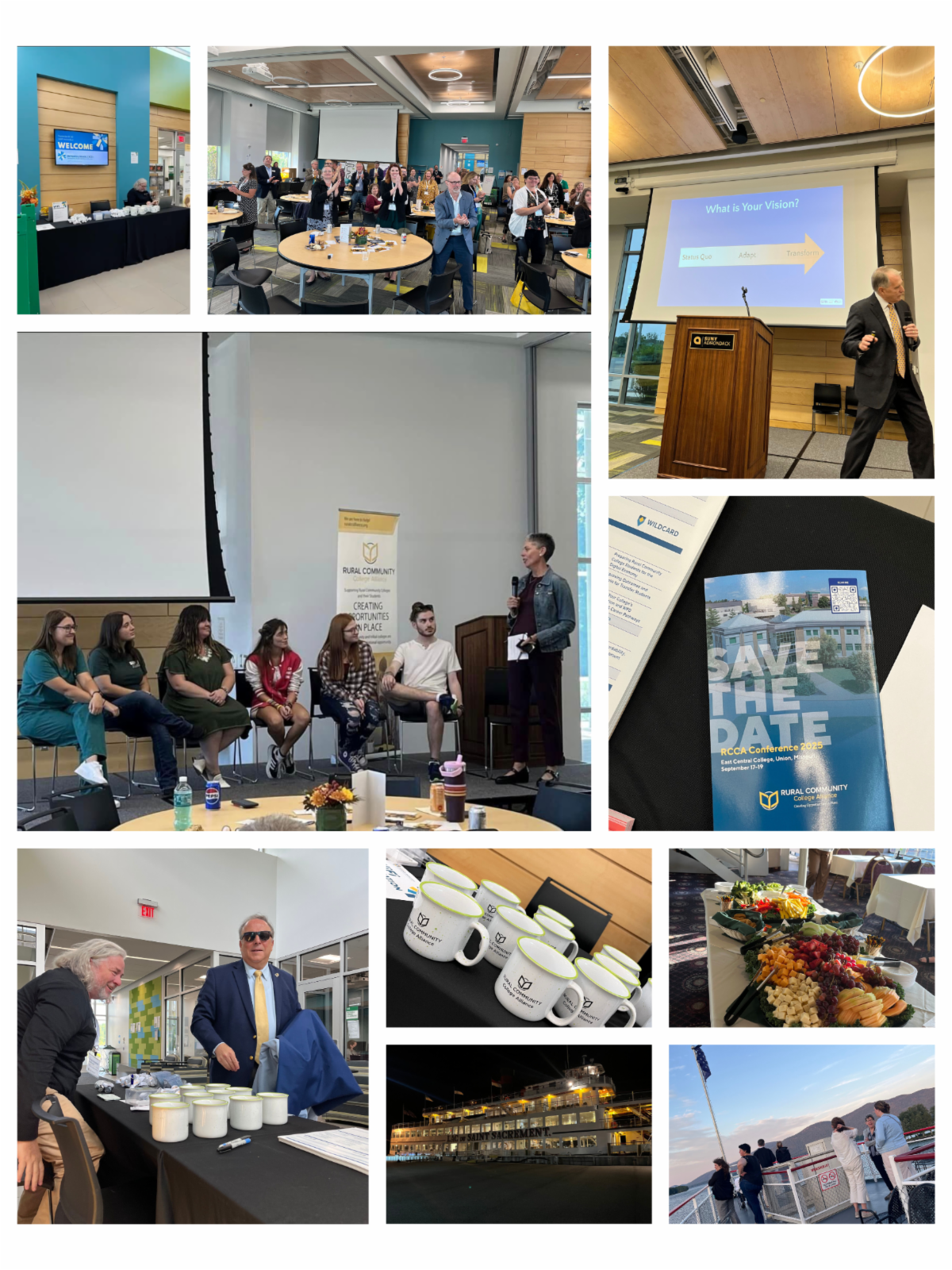
The 2024 RCCA National Conference was a great success, bringing together rural community college leaders for collaboration and innovation!


We are thrilled that the 2025 conference will be hosted by ECC, taking place September 17-19. We can't wait for you to join us for another exciting opportunity to connect, learn, and advance rural education together. See you all at ECC next year!

Untitled Design

ECC President Elected Chair of RCCA!


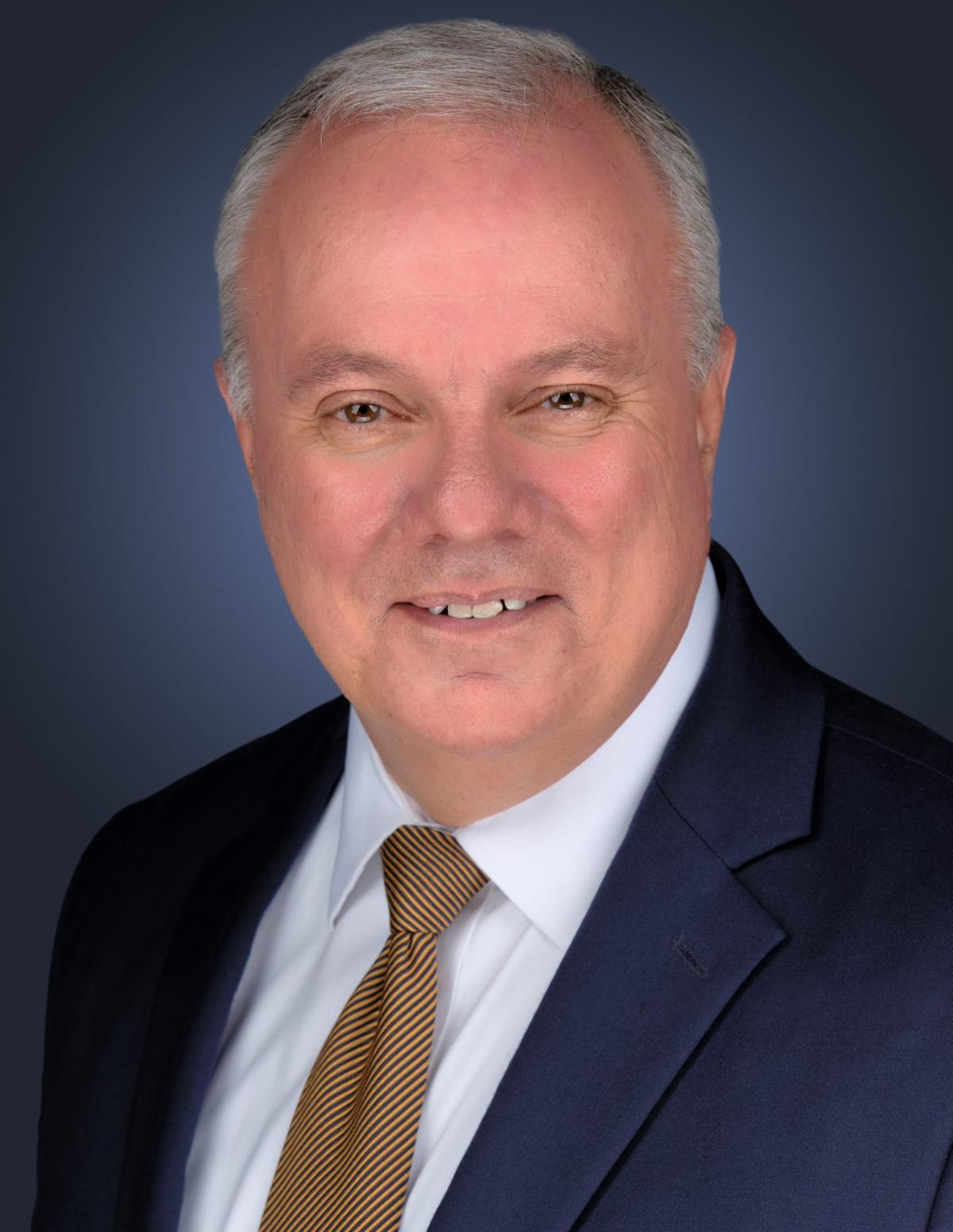
Big congratulations to Dr. Jon Bauer, President of East Central College, for being elected Chair of the Rural Community College Alliance (RCCA) Board of Directors!


Dr. Bauer was selected during the RCCA’s 2024 Annual Conference at SUNY Adirondack and will serve a two-year term.


As Chair, Dr. Bauer is ready to advocate for the unique needs of rural-serving colleges across the country. He shared, "I'm honored to lead this incredible group. Rural community colleges play a vital role in our regions, and I look forward to championing their success."


Looking ahead, East Central College will host next year’s RCCA Annual Conference in September 2025. Stay tuned for more updates!


Read the press release 

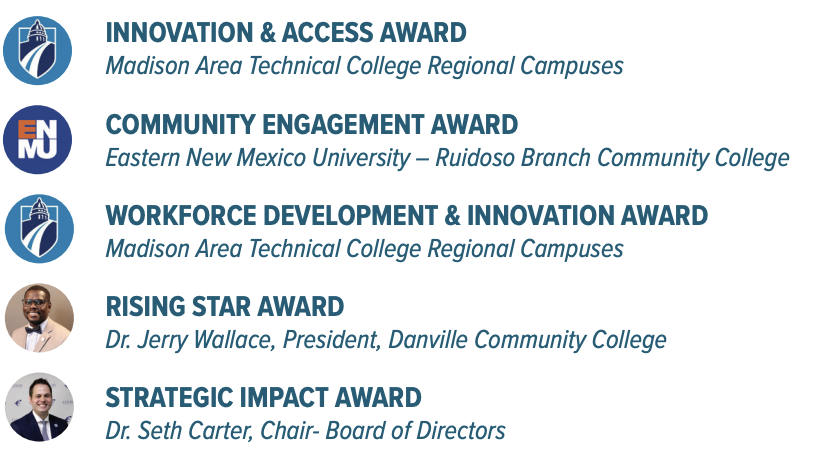
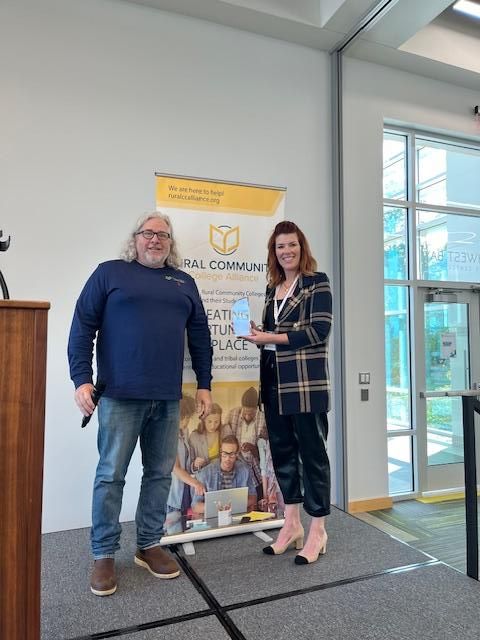
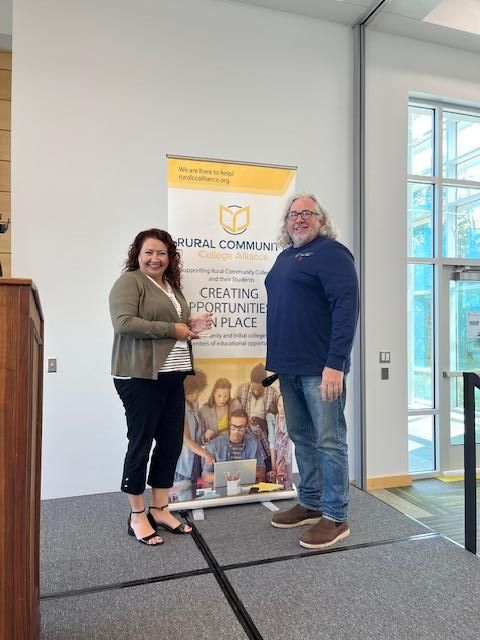
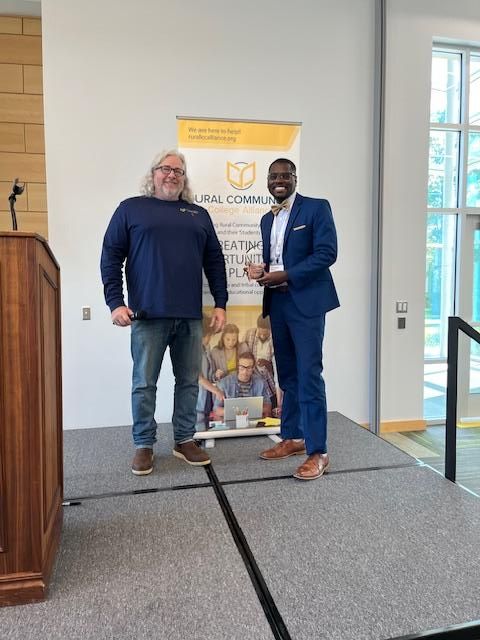
Congratulations to the RCCA 2024 National Conference Award Winners!

Nebraska Community Colleges Join Forces to Support Workforce Training


According to New Power Nebraska and the American Clean Power Association, the state of Nebraska sits at #12 nationally for its share of electricity from renewables. This means that there is 22 billion gallons of avoided water consumption; 9.6 metric tons of CO2 emissions avoided, that is taking more than 2 million cars off the road; and nearly 1/3 of all electricity produce in Nebraska comes from clean power.  


Nearly 2,500 jobs in Nebraska are “powered” by renewable energy and the number is forecasted to increase steadily as more and more renewable projects come on-line in the state. The six public community colleges created and received a federal planning grant to create the Nebraska Investment in Clean Energy Project (NICE) to improve the career pipeline for Nebraska learners and support the rural underserved locations, where renewable energy projects are growing the fastest.  


The objectives for Project NICE are to develop clean energy education pathways, curriculum and modules for wind energy, energy technology, clean manufacturing, and building trades. Within the state, certificate, diplomas, and Associate of Applied Science credentials in Wind Energy, Energy Technology, Energy Generation Operations and Solar Power Technician are available at one or more of the colleges.


 Although each of the six community colleges have some type of energy related curriculum, there are some inconsistencies and most definitely opportunities to collaborate to create economies of scale for the industry. Nebraska has less than 2 million people and more than 2/3 of the population are centered around Omaha and Lincoln. Four of the six community colleges serve rural areas and are considered rural community colleges; the two urban colleges serve some rural areas while being primarily focused on their much larger communities. Collaborations like this are essential to meeting industry demands and planning for the careers of the future. 


Moreover, industry partners are critical to this work. Several employers are working with the faculty to identify the skills, knowledge and abilities that are needed today and forecasted for tomorrow. Plans are evolving to create (1) career pathways from our high school dual enrollment opportunities into the academic and workforce programs throughout the state; (2) apprenticeships and new earn-and-learn experiences; and (3) upskilling and worker trainer to support the new technologies that are being introduced in our building trades and our manufacturing operations. 


Within a rural state, we know that we can be more effective together, than addressing the needs in the emerging clean energy field as individual colleges.


Leah Barrett is the President of Northeast Community College in Norfolk, NE. Northeast has had a Wind Energy AAS since 2014 and is excited to be the lead institution for the NICE Project.


Raising Up: A Student Parent Film Series

Report: Rural America at risk of losing another generation of young workers


A new report examines the tech barriers to career advancement for workers in rural communities and ways to address them

Access the full report 

A Focus on Improving the FAFSA® Experience: Updates, actions, and a path forward for the 2025–26 cycle


The U.S. Department of Education has made significant strides in simplifying the FAFSA process, implementing the FAFSA Simplification Act and the FUTURE Act for the 2024-25 application. These changes aim to ease the financial aid application process for low- and middle-income students.


Despite initial technical challenges and delays in processing, the Department has received over 14.9 million FAFSA forms as of September 2024, showing a major recovery in submissions. Partners from across the U.S. have been pivotal, with over 750,000 applicants receiving support through 10,000 FAFSA workshops and events. Improvements are underway for the 2025-26 FAFSA cycle to ensure an even smoother experience.

Read the full white paper 

U.S. Department of Education Releases Framework for 2025–26 FAFSA Testing Period and Interest Form for First Beta Period


The U.S. Department of Education has released its framework for the 2025-26 FAFSA testing period, set to begin on October 1, 2024. This phased testing approach aims to ensure the stability of the FAFSA process before it becomes widely available on December 1, 2024.


The Department will conduct several beta tests, beginning with community-based organizations (CBOs) to troubleshoot issues with students and contributors filling out the FAFSA form. By incorporating diverse student populations and institutions, these tests will build confidence in the FAFSA system, benefiting millions of families seeking financial aid for higher education.


Read the full article 

Connecting with Gen Z Through Course Design

This newsletter feature explores how Sadé Lindsay, an assistant professor at Cornell University, connects with Gen Z students through a thoughtfully designed course structure. By incorporating tools like reading notes, in-class polls, and centralized communication platforms, Lindsay provides the structure and incentives this generation needs to thrive.


Her approach emphasizes fostering independence and critical thinking, offering low-stakes assignments to encourage learning from failure. As professors adapt to meet the unique needs of Gen Z, Lindsay's strategies offer a model for success in the classroom.

Read the full newsletter feature

Resources and Opportunities

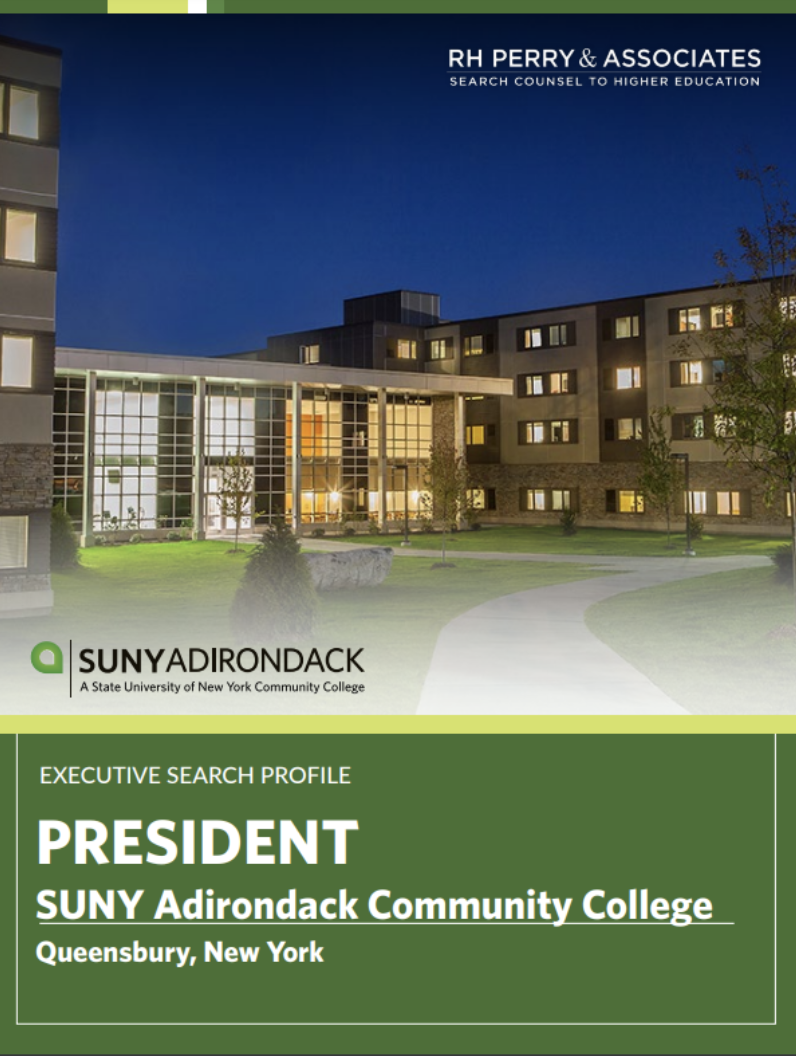
SUNY Adirondack Community College Board

of Trustees seeks confidential nominations and expressions of interest for the College’s next President. The successful candidate will build upon the strong reputation of the College and its critical role in the primarily rural communities it

serves.


Located in the upstate New York Adirondack

region, the next President will lead a vibrant, stable institution to greater heights as it continues to provide innovative quality educational programs and services to residents of Warren, Washington and Saratoga counties in northeastern New York State. 

Read full job description

Since 2017, over 500 presidentially declared natural disasters have impacted communities across the U.S., including schools and education institutions. The U.S. Department of Education (ED) plays a crucial role in supporting recovery efforts, ensuring schools can continue offering critical services like education, mental health counseling, and nutrition.


ED's Disaster Recovery Unit (DRU) and other initiatives provide resources for K-12 and higher education communities to rebuild and maintain operations post-disaster. These efforts help restore a sense of normalcy for students, staff, and families, emphasizing the importance of swift recovery and reopening after disasters. Explore more ED resources on disaster recovery at their dedicated page.

Read the full article
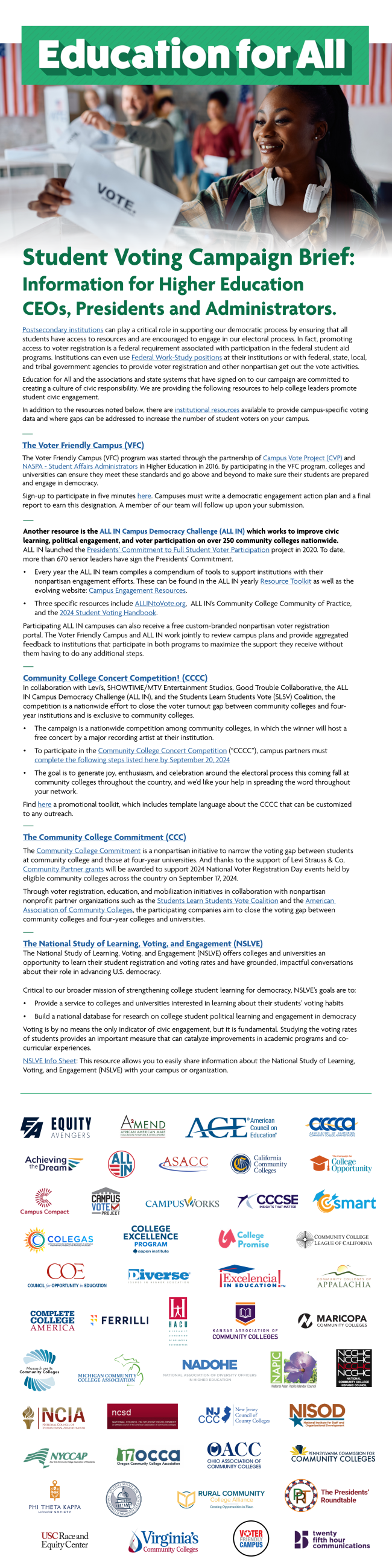
 View interactive student voting campaign brief

Important Dates


Follow the RCCA Facebook Page

Facebook