|
CM: This is your twelfth season! How lucky are we? How have you grown as an artist over the past years with Ballet Idaho?
MB: I was a fresh-out-of-school ballerina with limited professional experience when Peter Anastos hired me as an apprentice. I was much less confident in my ability as a dancer then. I remember being very nervous before performances or even important rehearsals or auditions. I’ve had an abundance of remarkable experiences in the last 11 years and now have a much better understanding of what I have to offer and what I am capable of accomplishing. I feel more grounded and level-headed from the knowledge I’ve gained from previous tasks. I’m grateful for all the enriching opportunities I’ve been given here. The creativity and risk-taking in this art form is what makes it so beautiful. An artist begins their journey by studying technique, and of course, that never goes away, but the research and investigation that happens in a creative process requires an understanding of one’s gifts and abilities.
CM: You have a pivotal (and truly terrifying) role in Dani Rowe’s Dreamland, one that you are reprising from 2019. Can you talk about this role and the movement that makes it so electrifying?
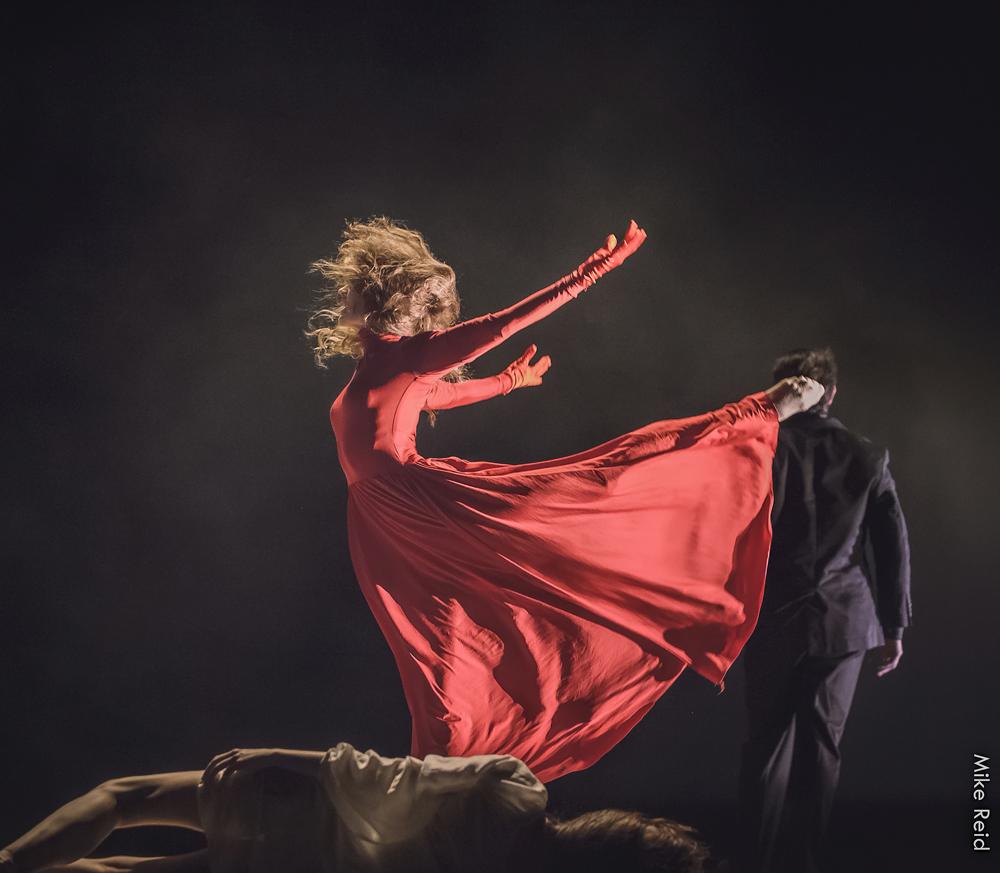
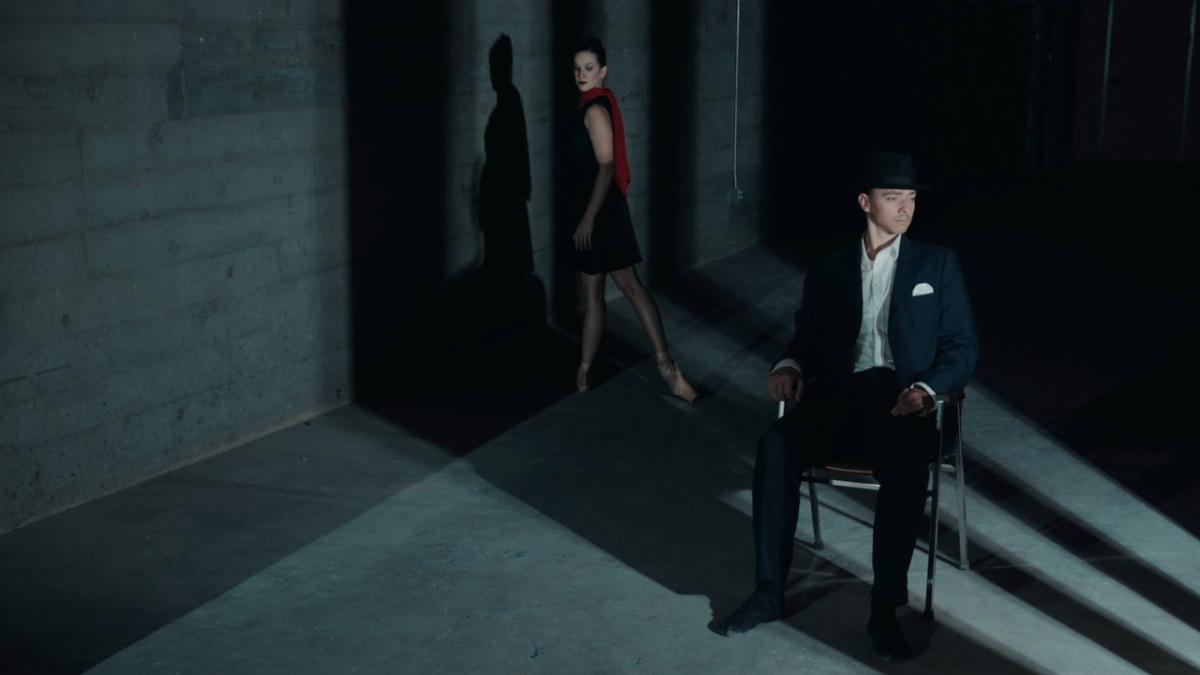
MB: Dreamland was created on the company in 2019, and I believe it was the first time most of us had worked with Dani Rowe. This inspiration for the piece is based on a recurring nightmare. I start the ballet with a solo of jerky, demonic gestures all done to the sound of wind, and the sound of my breathing. When this was originally choreographed, all the movement was set with “monster noises.” The scary noises I make during the solo is probably not heard past the 2nd or 3rd row but it changes with the way the movement comes out. The use of breathing is a theme throughout the piece. When the entire company is inhaling and exhaling in unison, you feel a larger-than-life energy flooding the stage. It’s powerful and I’d like to think that we will remember that feeling long after we retire.
CM: What would be your ultimate dream role (or have you already danced it?)
MB: My dream role is, and probably always will be, Juliet, from Romeo and Juliet. The balcony scene, bedroom pas de deux, and death scenes…all so gorgeous. Unlike many other classical leads, the role of Juliet welcomes a vast range of interpreters and often favors drama and naturalistic action over showy feats of strength.
On that note, I feel extremely grateful to have played the title role in a premiere of Cleopatra. I have worked for a company called Terpsicorps for 3 summers now, and this year, we did a new, full-length ballet about the life of the Queen of the Nile. The ballet opened with the death of her father and being crowned at 18 and ended with her lover dying in her arms and then her tragic suicide. Lying on stage after the death scene and hearing the other dancers dancing around me is not something everyone gets to experience in this career. It’s something that you hold dear to your heart. Learning about the queen and what motivated her was such a fun journey. I have always found the storytelling part to be the biggest reason for loving dance. Even if there isn’t a narrative to the work, I want the audience to feel the human behind the choreography. That’s what I feel drawn to when I watch any performing artist.
CM: What is the strangest thing about being a professional dancer, something most people wouldn’t know?
MB: My family thinks it’s funny when I say things like "oh, I wish I had a short torso like her, or her arches are so insane, wish I had feet like that." We all want our knees to go backward and for our legs to be extra long. Dancers want silly bodies.
Another thing some people might not know about dancers is that we all wear custom leotards every day. And we go through about three outfits a day. It’s a lot of laundry. On a full rehearsal day, I come in and take class, change into fresh dance clothes, rehearse, change into normal human clothes, go to lunch, change into dance clothes, rehearse, then I change into my teaching outfit, teach ballet, and then go home. So that’s a pile of sweaty custom dancewear coming home with me every night.
CM: What advice would you give to one of your students who wants to be a professional dancer?
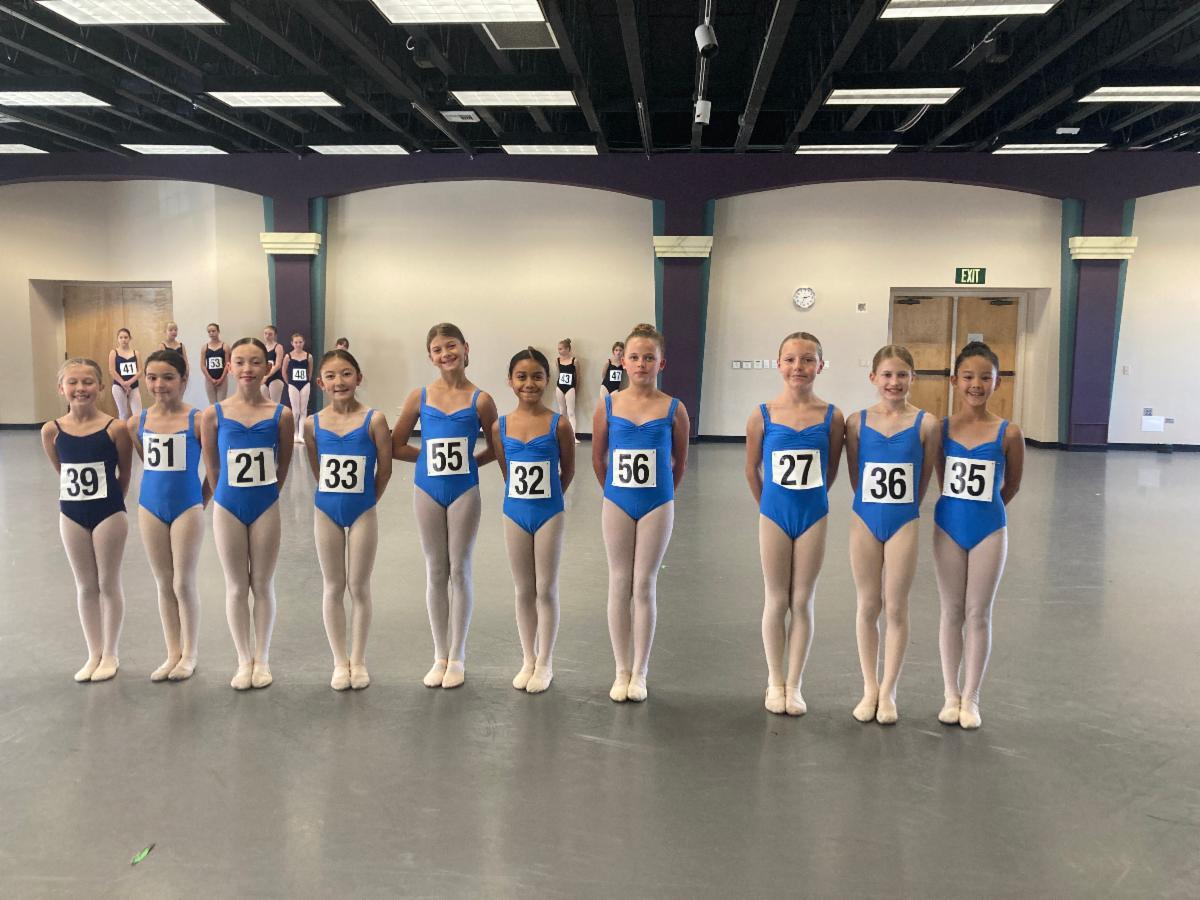
MB: My advice to all young dancers is to train with intention. Work smart and be okay with where you are today. Set goals for yourself but be realistic with your expectations. Trying to look “perfect” in a certain position can be very dangerous; dancers start to force things and then the mechanics of the step no longer work. It’s important to stay honest with how you’re working. Don’t judge what it looks like in the mirror right now. Just keep working smart and hard, you’ll get there. You’re not aiming for perfection today.
My second piece of advice is to explore other styles of movement. Even the most classical ballet companies in the world expect their dancers to perform contemporary and modern choreography.
CM: Can you tell me something non-dance related that you love to do?
MB: Over the last couple of years, my husband and I have gotten into golfing. We’re still bad enough to always enjoy ourselves on the course, expectations are low but we’re having a good time learning together. We also like playing pickleball, camping, and traveling whenever possible. Last February we went to Spain and last summer we went to Italy and Croatia.
On the weekends when I’m not teaching, I like seeing live music downtown, checking out a cute cocktail bar, or having friends over; I love hosting.
|