Hi there,

Our latest program has provided us the opportunity to dig into the history along the banks of the North River, and what we found was historic. 


The North River Community was established in 1861


We recently uncovered information that places settlement of the North River Community in 1861, the first year of the Civil War.


Settlers came from both east and west to the North River, with the community’s heritage originally coming from Bermuda and other Caribbean islands, as boat workers would port in Wilmington, New Bern, and Beaufort.


Up until the 1950’s, there were even still junkanoo celebrations, a Caribbean past time.

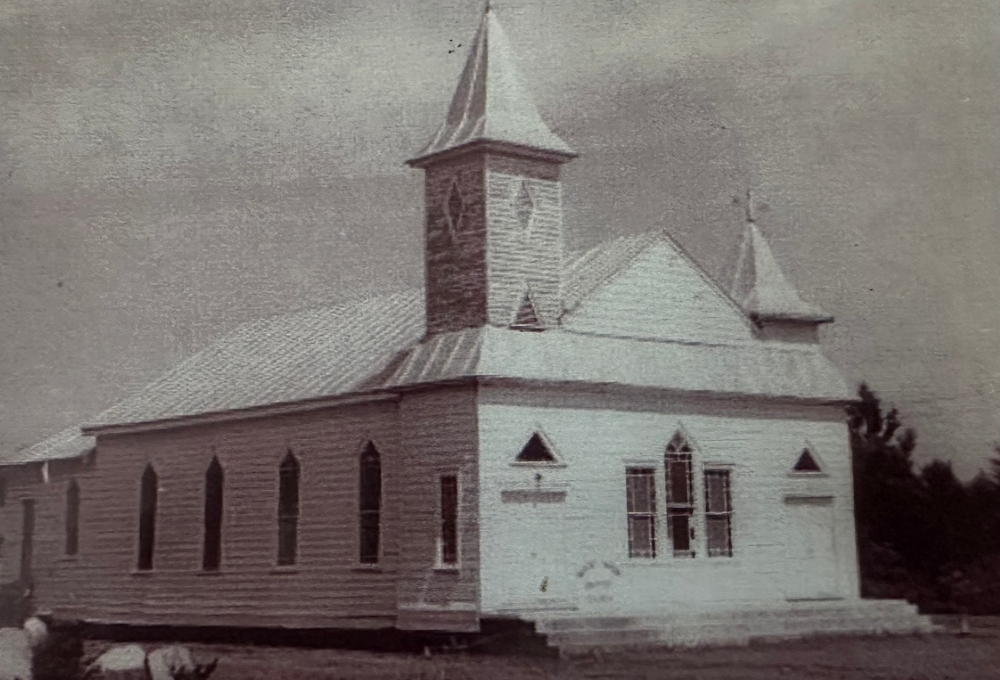
Previous Mount Tabor Missionary Church located on Merrimon Road. We found this photo in a 2002 church bulletin.

Oral history from Lighthouse's Justin Wallace


Lighthouse’s community resilience organizer, Justin, is a descendant of the original North River settlers, and has much oral history to share.


Justin’s family came to North River from Little Washington, and his great great grandfather was from Bermuda. In the early 1900’s, his family walked from west to east along 101, the only road at the time, and his great great aunt, Jessica, sadly died on the journey at only 3 years old. She is buried in an unknown location along 101. 


Today, when we can order almost anything from a smartphone, it’s hard to imagine the world our ancestors lived in not that long ago. We can easily forget how difficult and dangerous life could be, and what it must have taken to find a place where they could put down roots, survive, and build a future.

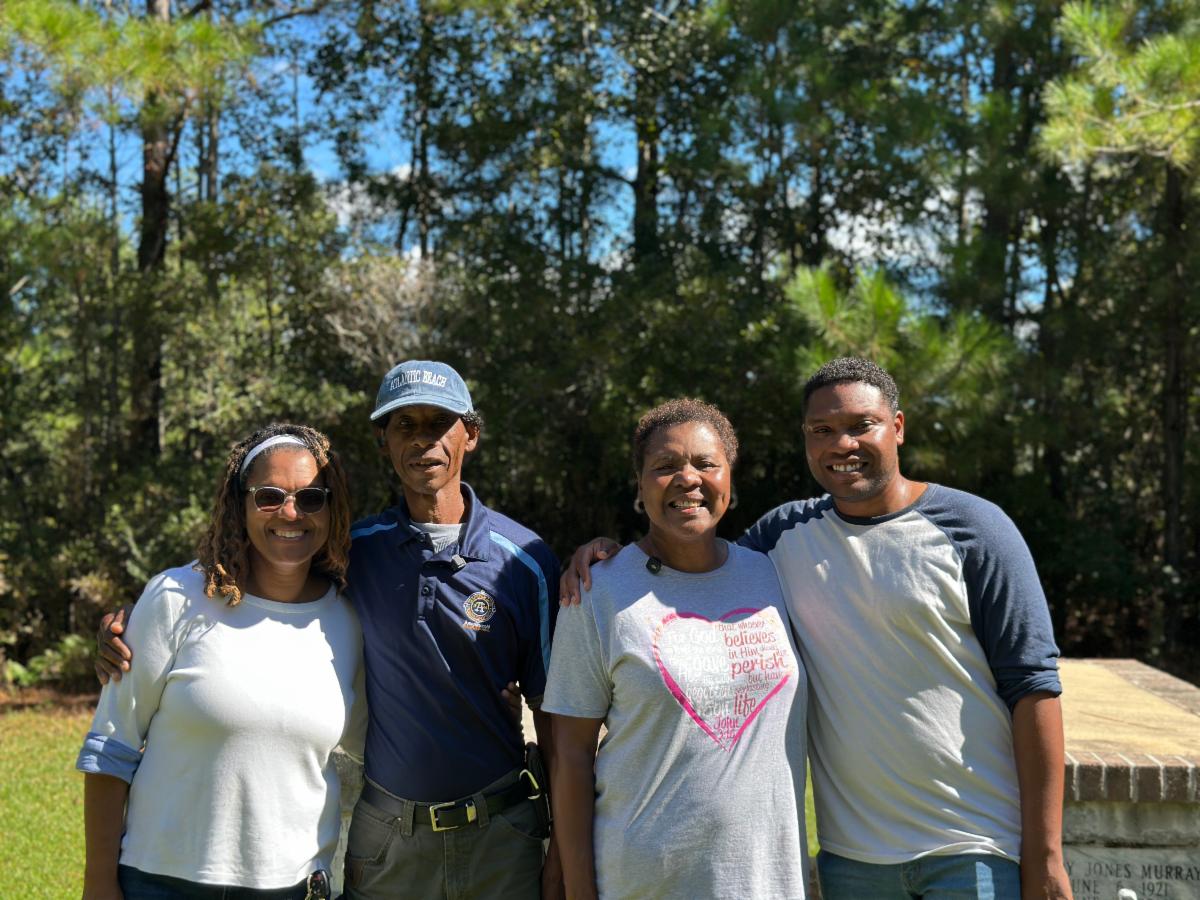
Descheca Wallace, Roy Murray, MaryAnn Monroe, and Justin Wallace

The original community’s geographic footprint would have been two to three times its current size. There are likely many reasons that the community’s size was reduced, but we are very aware of how one reason stands out.


Part of the reason that community lost historical land is due to a legal status known as heirs’ property


Heirs’ property is a legal status that is given to an asset, typically a piece of land or real estate, when the title owner dies without a will. Technically, any remaining heir has a claim to the property upon the title owner’s death, but the status does not prove ownership to an individual, entity or business, like a will or a deed would. Instead, this status leaves the property and the remaining family members in a precarious, challenging, and often expensive position to secure the title. 


Many of us know the painful history of heirs’ property in our own backyard and across the South. But for those of you who may not be familiar with the heirs’ property status, it is the primary cause of Black land loss according to the USDA, reducing Black land ownership 90% since 1910. It’s been a more common property status for African Americans as the result of limited access to legal services during Jim Crow.

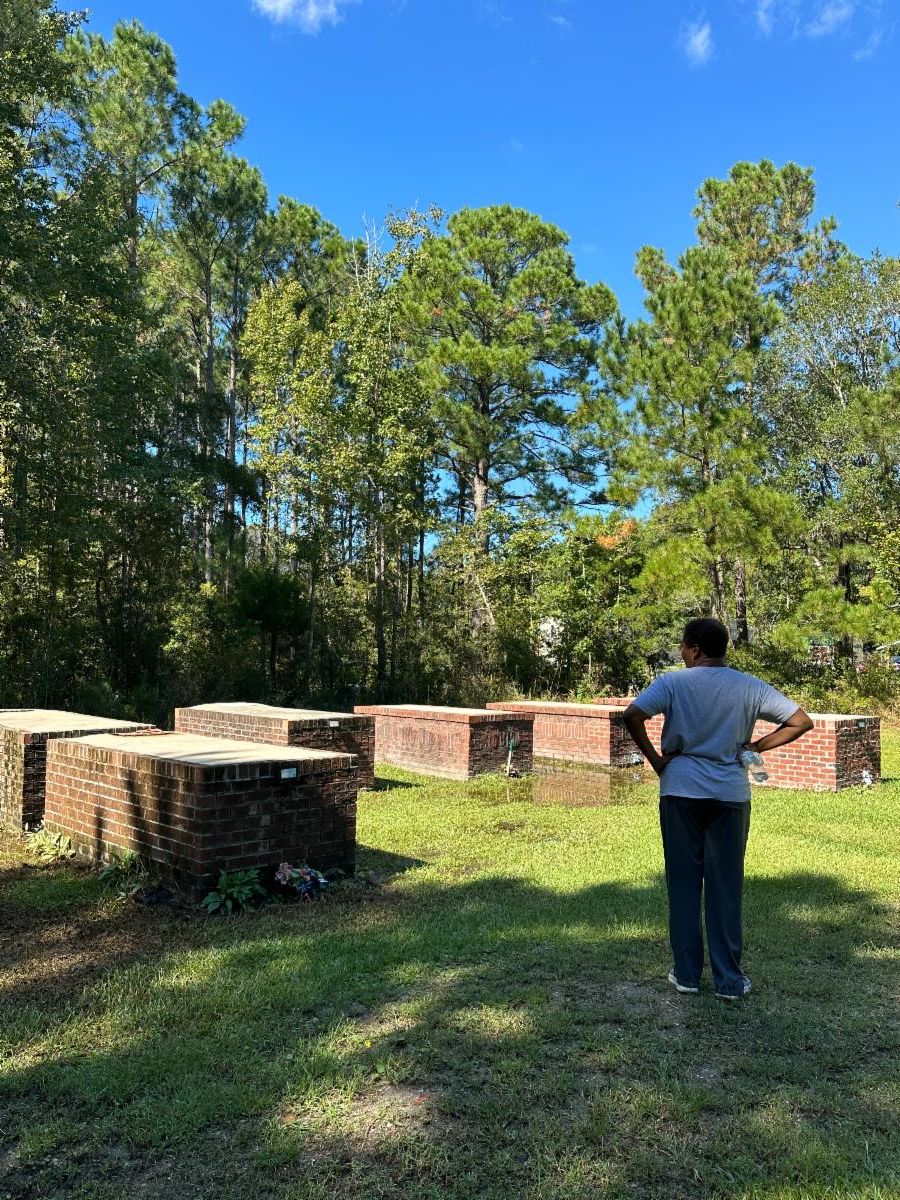
MaryAnn Monroe stands in front of the gravesite on her family's land.

Approximately 300 acres is incorrectly titled in these communities


We recently concluded our heirs’ property assessment, and have discovered approximately 300 acres of incorrectly titled land across North River, Laurel Road and Merrimon. We know several families who are heirs to land that is still titled in the deceased relative’s name. 


As we embark on our sustainable forestry and farming initiative, resolving untangled titles is the first step. But with rising costs, access to lawyers is out of reach for some families. 


Help us reach our Land Retention Fund goals!


We will be launching our Land Retention fund to support legal expenses for heirs’ property owners this week, and we hope that you will consider a contribution to support the passing on of this historical land to future generations.


👉 Help us reach our legal fund goal here!


Thank you for being a part of this journey. We appreciate you!


The Lighthouse Team