|
What It Comes Down To
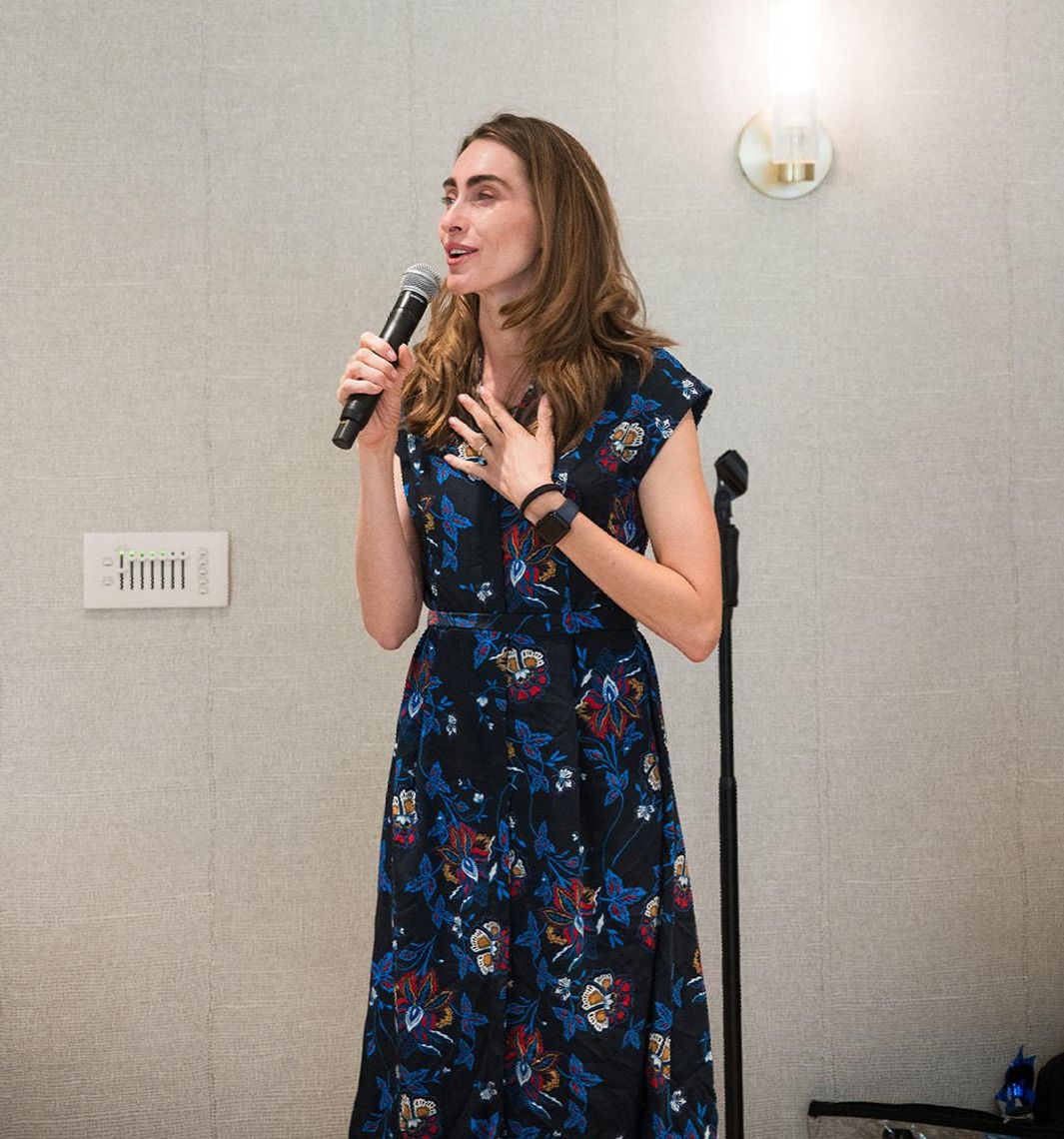
by Claire Louge, Executive Director
| |
I was recently at a leadership forum focused on the impact of AI at work. It featured panels of leaders from different sectors.
A panelist began a discussion suggesting AI was eroding the critical thinking skills of workers. Another panelist concurred, and added that those skills are developed in school, so AI in education was a deeper concern. Another panelist agreed that education is influential, but said that ultimately, parents are responsible for developing critical thinking in their children.
The panelists all agreed: AI may be shriveling our critical thinking skills, but building critical thinking skills in children is a parent’s responsibility.
The panel moved on.
I wish they hadn’t stopped there.
| | |
What Makes Hope Possible?
by Sierra Morse, Communications and Marketing Strategist
| | |
What Makes Hope Possible?
Hope is easy to talk about in broad terms. At the Hope Horizons Regional Institutes, I found myself asking a more practical question:
What makes hope possible when families are navigating trauma, recovery, family responsibilities, and changing systems of support?
| | | |
Poll: Arizona Voters Support Updating Funding Model
for Early Childhood Programs
| | |
First Things First, an initiative passed by Arizona voters in 2006, is the state's only public funding source dedicated exclusively to early childhood, supporting child care, parenting programs, family resource centers, health screenings, and early educator training.
But its tobacco-tax-based funding is shrinking as vaping and other nicotine product usage grows, with revenues down nearly a third since inception.
A new poll of likely 2026 voters found about 8 in 10, including strong majorities of Republicans, Independents, and Democrats, support updating the funding model to include vaping and other nicotine products.
Arizonans of all parties agree: protect the systems that help young children and their families thrive. Read the Early Childhood Policy Brief from FTF to learn more.
| | H.R. 1: Changes to Medicaid in Arizona | | |
H.R. 1, the federal law also known as the "One Big Beautiful Bill Act," is changing Medicaid — from who's eligible for coverage to new work requirements. Changes are phased in from 2025 through 2032.
Some of the biggest changes for AHCCCS members over the next three months include:
- Loss of coverage for certain immigrants, beginning today, October 1, 2026
- Some adults ages 19-64 will need to show they’re working, going to school, volunteering, or that they qualify for an exemption, starting January 1st, 2027.
- Some adults ages 19-64 will need to renew their AHCCCS coverage twice each year instead of once, starting January 1st, 2027.
| | Want more details? Watch our recorded webinar with Kat Willard, Community Affairs Officer at AHCCCS, to learn more about the federal changes and how your organization can partner with AHCCCS on the new Keep My AHCCCS campaign. | | | | Recording Passcode: JRf=49P& |
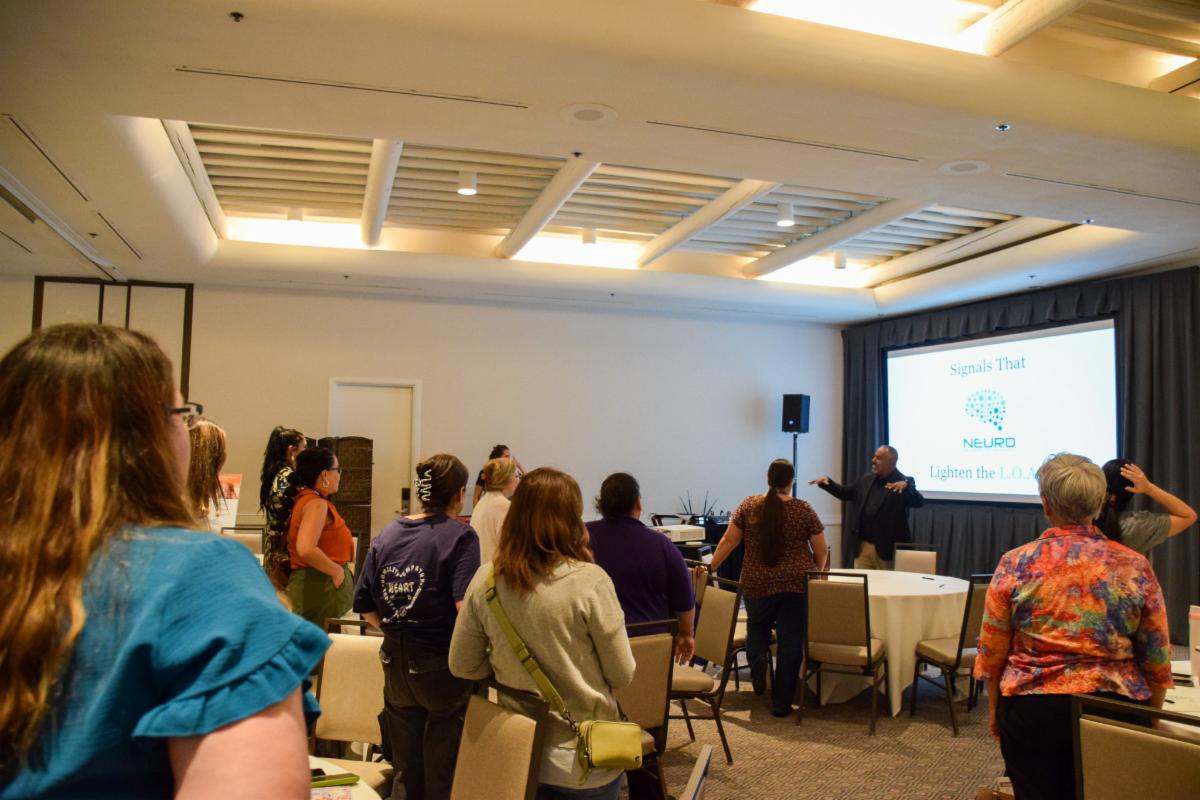
| Zooming Out with Prevent Child Abuse America | | Our friends at Prevent Child Abuse America have two opportunities for you to learn, connect, and take action this October. Prevent Child Abuse America created the “Zooming Out” Speaker Series to support building a Primary Prevention Ecosystem. These learning sessions provide a deeper understanding of the contexts, environmental factors, and trends that impact the work. | | |
Zooming Out on Purpose
October 7, 11:00 am AZ time
Facilitated by Maryam Abdullah, PhD, developmental psychologist and the Parenting Program Director at the Greater Good Science Center, this interactive session shares the science of purpose across the lifespan. Learn how purpose develops, how it benefits adults and children, and practical steps to cultivate it in yourself, your team, and the families you work with.
| | |
Zooming Out: The Science of Happiness
October 22, 11:30 am AZ time
Join Bryce Fuemmeler, Senior Researcher on Human Flourishing at Vanderbilt University, to explore the science of happiness and how to turn research into action. Learn what helps individuals, families, and communities thrive, and how it connects to the Blueprint for Family Well-Being, a shared vision for helping children and families flourish.
| | |
As a 501(c)3 organization, Prevent Child Abuse Arizona is eligible to receive bequests. Please contact Molly Peterson at molly@pcaaz.org if you would like to discuss including Prevent Child Abuse Arizona in your legacy.
Prevent Child Abuse Arizona can only accept donations from individuals, businesses, and foundations located in the State of Arizona.
Tax ID #86-0832901
| |
Prevent Child Abuse Arizona is dedicated to strengthening families and protecting children through collaboration, education, and advocacy. The organization provides research-based prevention services, education and training to help promote strong families and safe, healthy children. For more information, visit pcaaz.org.
| | | | |