| USDA Center for Faith
October Newsletter | | | | Message from Steve Messeh
Director, USDA Center for Faith | | | Please click below to view a special message. | | |
Hello to our friends and followers and welcome to this month’s newsletter.
Across America, the strongest and most lasting solutions don’t come from Washington alone. They rise from the ground up—in the communities that know their own strengths, challenges, and opportunities best.
That’s why at USDA we are committed to supporting local leadership and community-based solutions. Whether it’s strengthening food security, investing in rural opportunity, expanding access to nutrition programs, or creating pathways for the next generation, real progress happens when we listen first and partner deeply with the people closest to the work.
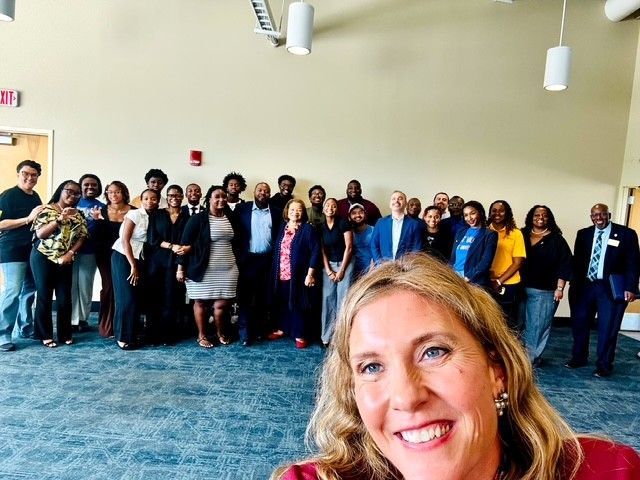
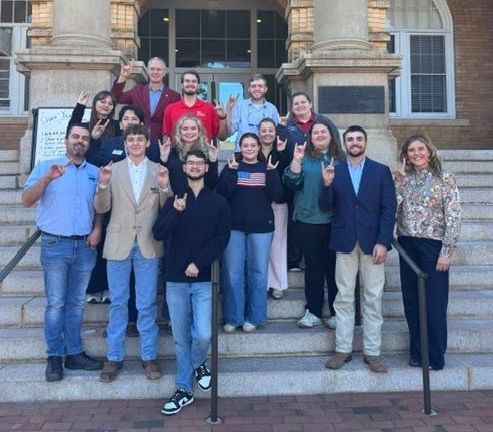
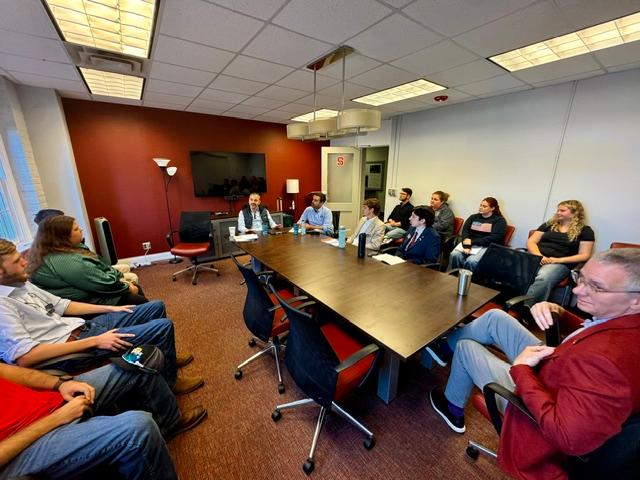
I was reminded of this recently during our youth listening sessions at Fort Valley State University in Georgia, and NC State in Raleigh, North Carolina. Young people there spoke with clarity, honesty, and hope about the future they want to build in their hometowns. They shared both the barriers they face and the vision they carry for stronger communities. Their voices reinforce what we already know: lasting change takes root when we trust local wisdom and invest in the partnerships that make progress possible.
This is the heart of our work at the Office of Partnerships and Public Engagement/Center for Faith. We exist to help connect federal resources with the faith communities, nonprofits, and neighborhood leaders who are already serving on the front lines.
Thank you for the work you do every day to strengthen the places we call home. Together, let us keep building a better tomorrow for the generations that will come after us.
Yours in partnership,
Steve Messeh, Director
USDA Center for Faith
To get the latest news, please sign up for the USDA Faith Center newsletter
| | | Message from Dr. Alveda King
Senior Advisor on Faith and Community Outreach, USDA Center for Faith | | | |
As Halloween approaches, families and communities are reminded of the importance of kindness, fellowship, and care for one another. While costumes, celebrations, and treats may mark the season, we should also remember neighbors who may be struggling—especially those who are uncertain where their next meal will come from.
Our faith calls us to see every person as created with dignity and worthy of compassion. Food security is not merely a matter of supply; it is a matter of justice, community, and love. No child should go hungry, and no family should have to choose between food, housing, medicine, or other basic needs.
This season, let us turn celebration into service. We can donate nonperishable foods, support local food banks and community kitchens, check on elderly or vulnerable neighbors, and ensure that children can participate in Halloween festivities with joy and dignity. Even small acts of generosity can bring light to someone facing a difficult season.
May we remember that the greatest gifts are not only those placed in a treat bag, but also the gifts of compassion, faith, and faithful action. Let us work together to build communities where every family has access to nutritious food and every person knows that they are valued.
May this Halloween season be filled with safety, joy, gratitude, and a renewed commitment to caring for one another.
Blessings
Dr. Alveda King, Senior Advisor on Faith and Community Outreach
USDA Center for Faith
To get the latest news, please sign up for the USDA Faith Center newsletter
| | | Good News - America is Growing Again | | | USDA Announces $180 Million Seed Sovereignty Initiative to Strengthen U.S. Agricultural Security | | |
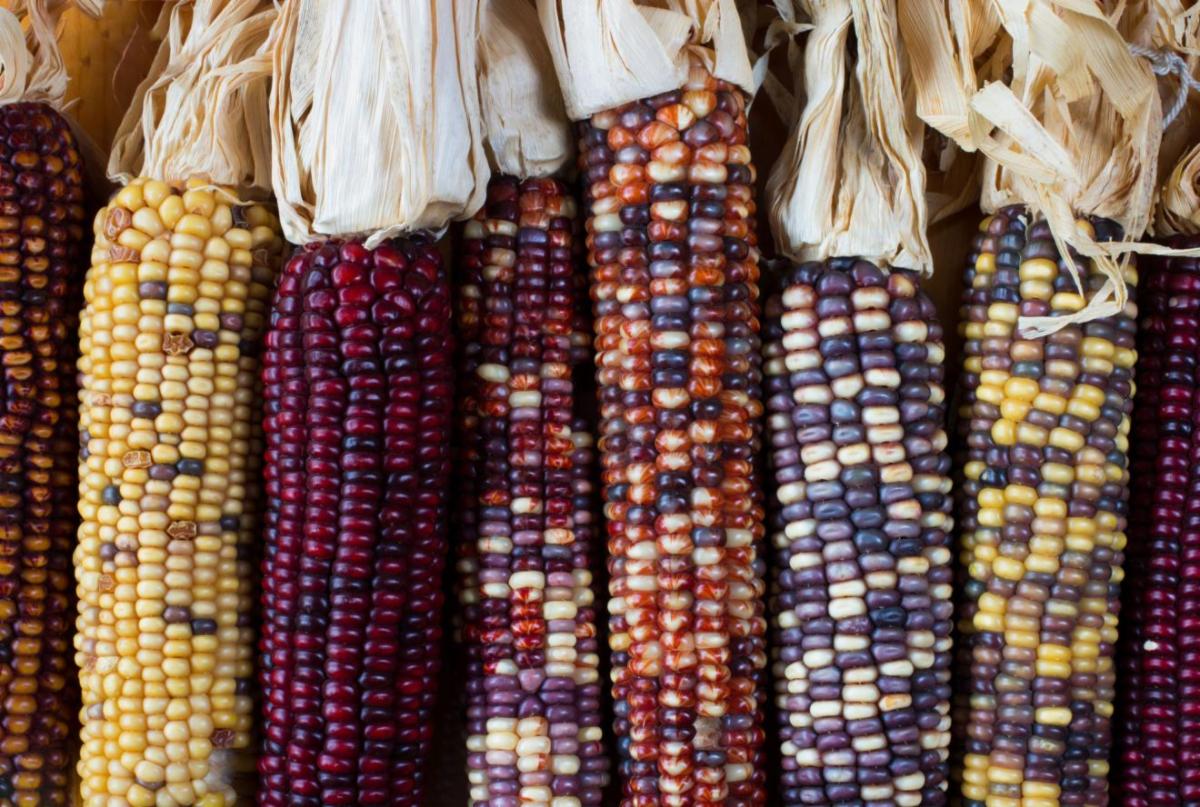
USDA announced a $180 million investment to launch the U.S. Department of Agriculture’s (USDA) Seed Sovereignty Initiative, a major effort to both strengthen U.S. agricultural security by protecting the plant genetic resources that underpin American agriculture and enable breakthroughs in U.S. agricultural innovation.
This initiative will provide much-needed investments in USDA’s Agricultural Research Service (ARS) National Plant Germplasm System (NPGS), which houses more than 600,000 accessions representing over 16,000 species. Using this funding, USDA will sequence collections of major crops to unlock the tremendous potential of the plant genetic resources the United States holds and identify critical gaps.
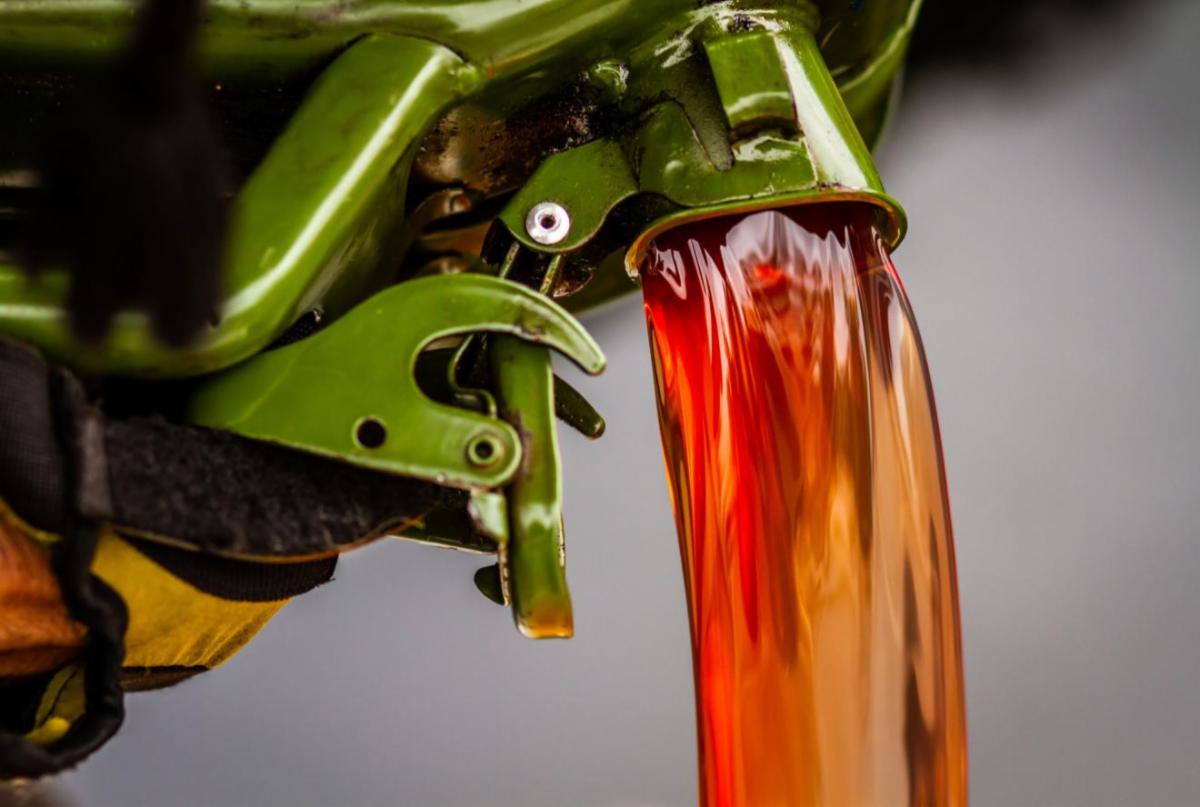
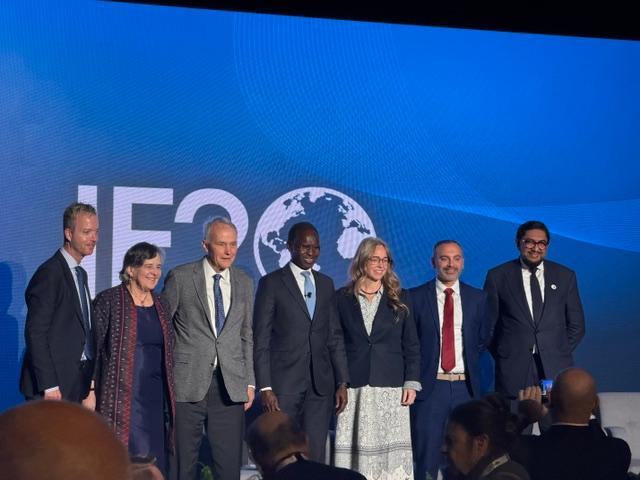
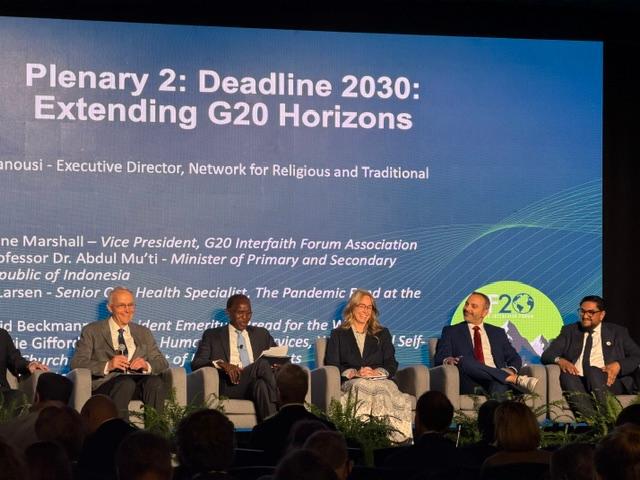
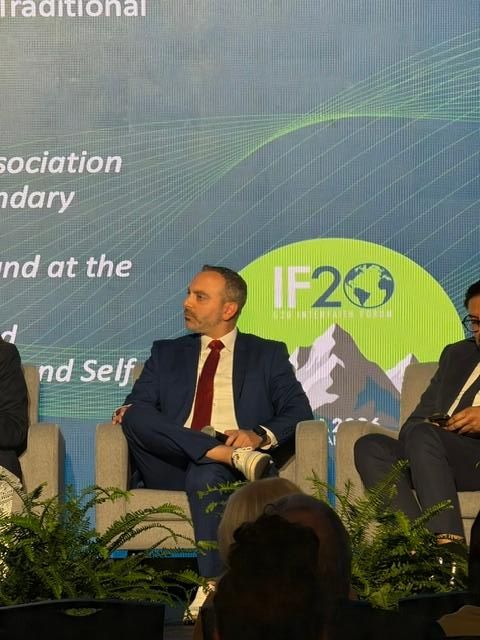
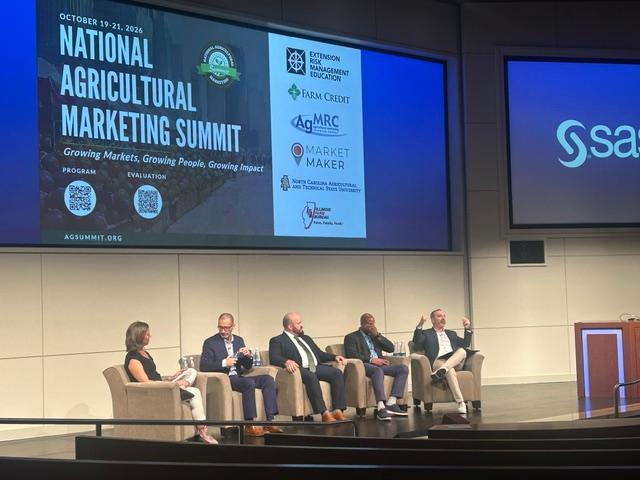
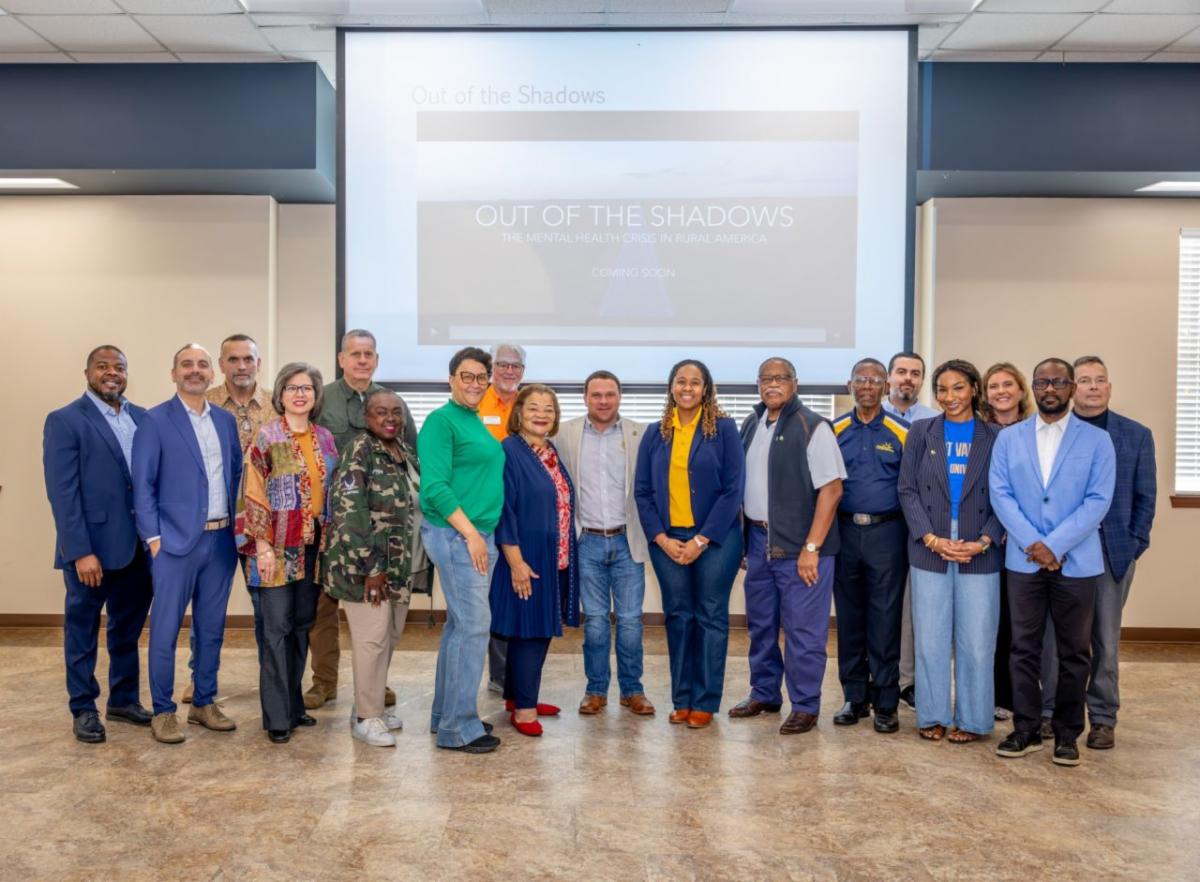
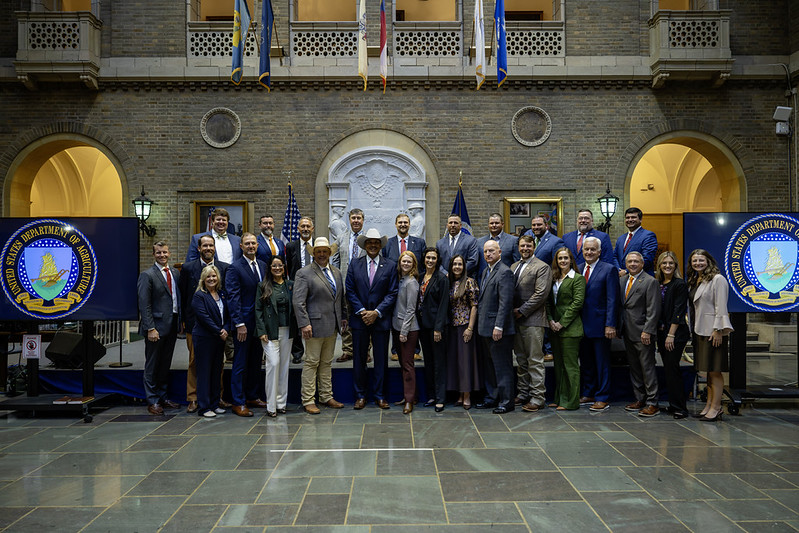
| | USDA Highlights the Ways Cooperatives Support Trump Administration Priorities During National Cooperative Month | | USDA issued a proclamation to recognize October 2026 as the Department’s 62nd anniversary of National Cooperative Month. During Cooperative Month, USDA will highlight ways the Department is investing in cooperatives and creating stronger and more resilient communities. Supporting cooperatives strengthens farmer profitability, expands market access, encourages innovation, creates jobs in rural communities, and reinforces the America’s role of leadership in agriculture, food production, and farm security. | | Secretary Rollins Releases Statement on President Trump Dyed-Diesel EO Signing | | USDA issued a statement on President Trump’s new executive order to provide relief for our farmers and ranchers by lifting taxes on dyed-diesel. Today’s action expected to represent approximately $640 million in combined federal and state savings across about 224.6 million harvested acres. | | USDA Office of Partnerships and Public Engagement and Center for Faith Provide Plenary Remarks at the G20 Interfaith Forum | | Director Steve Messeh of the USDA Office of Partnerships and Public Engagement and the USDA Center for Faith provided panel remarks at the G20 Interfaith Forum in Salt Lake City, Utah. The panel focused on the needed role of faith-based organizations and communities in achieving the Sustainable Development Goals, part of the United Nations 2030 Agenda for Sustainable Development. | | USDA Office of Partnerships and Public Engagement and Center for Faith Lead Plenary Panel at the National Agricultural Marketing Summit | | Director Steve Messeh of the USDA Center for Faith provided plenary panel remarks at the National Agricultural Marketing Summit in Raleigh, North Carolina. The panel focused on Mission Ready Markets, highlighting efforts to integrate local and regional foods into military supply chains to improve the performance of active-duty service members, the health and wellbeing of military families, and that offer economic benefits to small family farmers across America. | | USDA Office of Partnerships and Public Engagement and Center for Faith Hosts Farm Stress Roundtable at Fort Valley State University | | The USDA Office of Partnerships and Public Engagement and the Center for Faith hosted a farm stress roundtable discussion in collaboration with the Georgia Department of Agriculture and Fort Valley State University. Partners from across the region highlighted local efforts and partnerships to address this important issue and ensure that farmers and farm families are cared for. Thank you to Commissioner Tyler Harper for co-hosting the discussion. | | USDA Office of Partnerships and Public Engagement Hosts Youth Roundtables at Fort Valley State and North Carolina State Universities | | The USDA Office of Partnerships and Public Engagement and the Center for Faith hosted youth listening sessions at both Fort Valley State University in Georgia, as well as North Carolina State University in North Carolina. The roundtable discussions convened groups of students focused on agriculture and food science disciplines to listen to needs and challenges, discuss professional development opportunities in agriculture, and to highlight innovative ideas from the next generation. For more information about USDA youth programs visit https://www.usda.gov/farming-and-ranching/agricultural-education-and-outreach/youth-agriculture. | | USDA Office of Partnerships and Public Engagement Hosts Tennessee Agricultural Delegation | | Bruce LeVell, Director of Public and Private Partnerships at USDA hosted a delegation from the State of Tennessee to highlight USDA programs and resources, answer questions about needs and challenges, and discussing pressing issues facing the farm and food sector today. Thank you to Commissioner Andy Holt for co-hosting the roundtable discussion alongside Deputy Secretary Stephen Vaden. | | | The Future Generation of Leaders in Food and Ag | | | |
4-H: Beyond Ready
Next week is National 4-H Week! 4-H is America’s largest youth development organization—empowering nearly six million young people with the skills to go beyond the expected.
USDA’s National Institute of Food and Agriculture (NIFA) Division of Youth and 4-H is home to the 4-H National Headquarters. 4-H programs in science, healthy living and civic engagement are backed by a network of 100 public universities and a robust community of 4‑H volunteers and professionals. Through hands-on learning, youth build not only confidence, creativity and curiosity, but also life skills such as leadership and resiliency to help them thrive today and tomorrow.
| | |
FFA Grant and Scholarship Opportunities
Through a variety of grants and scholarships, the National Future Farmers of America Organization provides financial assistance to individual members, FFA chapters and advisors. These funds are intended to remove financial barriers to participation in FFA activities. Learn more about these funding opportunities.
| | | Message from Alex Cordova
Deputy Director, USDA Center for Faith | | | |
Greetings Partners,
As Halloween approaches, communities are preparing for a season filled with creativity, fellowship, and shared traditions. It is also a meaningful time to recognize the farmers, producers, schools, military personnel, and local partners who help strengthen our food system.
Farm-to-school programs connect students with fresh, nutritious foods while teaching them where food comes from and why local agriculture matters. These programs support farmers, enrich classroom learning, and help children develop healthy habits that can last a lifetime.
Local and regional foods also have an important role in military supply chains. When military installations and institutions source food from nearby producers and regional distributors when practical, they can help strengthen agricultural communities, support resilient supply networks, and provide service members with high-quality, nutritious meals. Building these connections requires coordination, dependable infrastructure, and attention to food safety and mission requirements—but the potential benefits reach far beyond the dining table.
Halloween offers a special opportunity to celebrate these connections. Whether children are enjoying locally grown apples, families are visiting a fall harvest event, or communities are collecting food for neighbors in need, the season reminds us that food brings people together.
This Halloween, let us celebrate not only with treats and traditions, but also with gratitude for those who grow, prepare, transport, and serve our food. By investing in farm-to-school programs and resilient local and regional food systems, we help create healthier communities, stronger economies, and a more secure future for all.
Thank you for your partnership,
Alex Cordova
Deputy Director, USDA Center for Faith
USDA Center for Faith
To get the latest news, please sign up for the USDA Faith Center newsletter
| | | USDA Programs and Resources | | | The USDA Center for Faith collects and shares information about available grants from USDA and federal partners. These are selected based on relevance to our faith partners, but are not all inclusive of our offerings. Please visit grants.gov for a comprehensive listing. | |
Community Facilities Direct Loan Program and Guaranteed Loan Program
Community Facilities Direct Loan Program
USDA Rural Development provides affordable funding to develop essential community facilities in rural areas. Projects include fire and rescue stations, town halls, health care clinics and hospitals.
Application deadline: Open Year Round
Community Facilities Guaranteed Loan Program
USDA Rural Development provides loan guarantees to eligible lenders to develop essential community facilities (CF) in rural areas. Examples of community facilities include health care facilities, buildings like town halls, and public safety facilities such as fire departments.
Application deadline: Open Year Round
| | |
USDA National Institute for Food and Agriculture seeks applications that focus on critical and urgent solutions in rapid response to weather and disaster impacts on the Nation’s food and agricultural systems and that clearly describe short-term deliverables (within 3 months of award receipt), including a plan for their adoption/use. Application window: Within 45 days of weather event or disaster
| | |
On-Farm Labor Housing Loans
USDA Rural Development provides low-interest loans to borrowers to develop or rehabilitate rental housing for very-low- to moderate-income farm laborers. Application window: Open until funds are depleted.
| | |
Environmental Quality Incentives Program
High Tunnel Initiative
The Environmental Quality Incentives Program (EQIP) is the flagship conservation program of USDA’s Natural Resources Conservation Service (NRCS) to help farmers, ranchers and forest landowners integrate conservation into working lands. EQIP provides technical and financial assistance to agricultural producers and forest landowners to address natural resource concerns, such as improved water and air quality, increased soil health, drought mitigation and much more.
This particular EQIP initiative encourages producers to use High Tunnel Systems (aka “hoop houses”) to extend their growing season and protect plants from severe weather. Learn more and find your local service center at the link below.
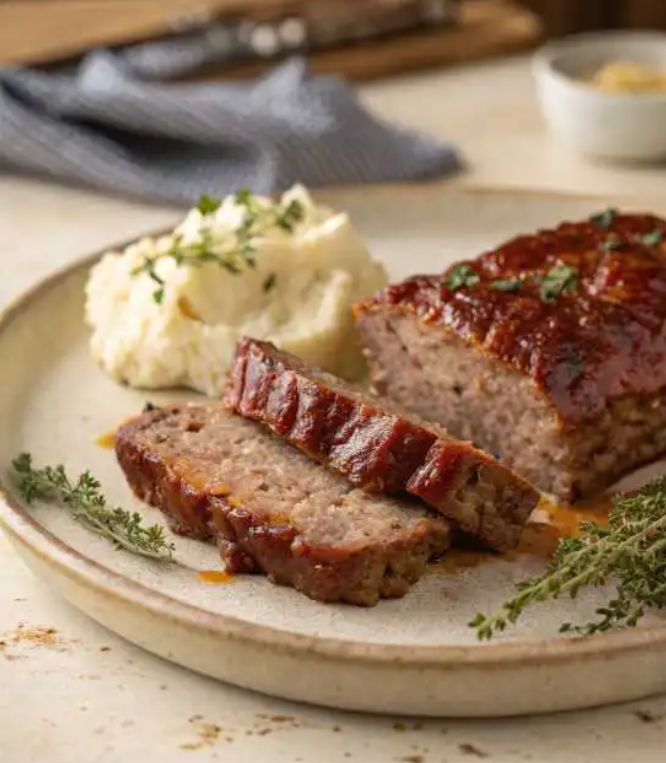
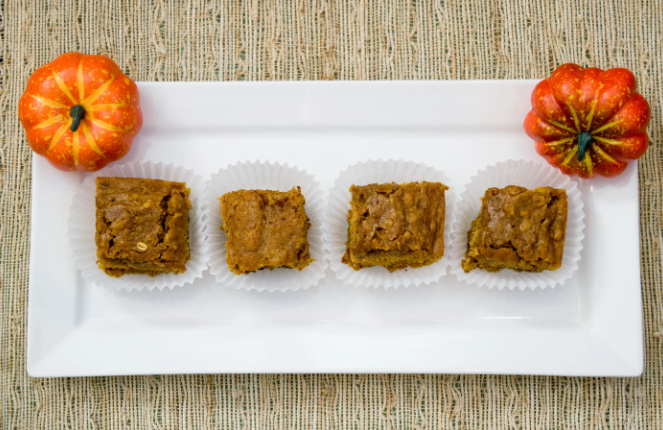
| | This collection of thrifty favorites can help celebrate the season by using fresh, whole foods without breaking the bank. | | |
Glazed Meatloaf
This family favorite is flavored with onion, garlic, and thyme and then coated with a tangy sweet and savory glaze.
Please visit the USDA Food and Nutrition Administration's website for additional recipes to support healthy families.
| | Connect With Partner Centers | | |
Center at the U.S. Department of Justice
Phone: 202-305-7462
Email: partnerships@ojp.usdoj.gov
Center at the U.S. Department of
Health and Human Services (HHS)
Phone: 202-358-3595
Email: partnerships@hhs.gov
Website: www.hhs.gov/partnerships
Center at the U.S. Department of Housing and Urban Development (HUD)
Phone: 202-708-2404
Email: faith@hud.gov
Website: https://www.hud.gov/hud-partners/center-for-faith
Center at the U.S. Department of Education (ED)
Phone: 202-205-9655
Email: edpartners@ed.gov
Website: https://www.ed.gov/about/ed-offices/os/cf
Center at the U.S. Department of Commerce
Phone number: 202-482-2924
Email: faith@doc.gov
| |  | |
Center at the U.S. Department of Labor
Phone: 202-693-6017
Email: faith@dol.gov
Website: www.dol.gov/agencies/faith
Center at the U.S. Department of Homeland Security (DHS)
Phone: 202-646-3487
Email: infofbci@dhs.gov
Website: www.dhs.gov/faith
Center at the U.S. Department of Veterans Affairs (VA)
Email: VACF@va.gov
Website: https://department.va.gov/center-for-faith
Center at the U.S. Small Business Administration (SBA)
Email: kailyn.sanderson@sba.gov
Website: https://www.sba.gov/faith
| | | | | |