September 2025 Newsletter | | National Voter Registration Day is September 16, 2025 | | | | |
National Voter Registration Day | |
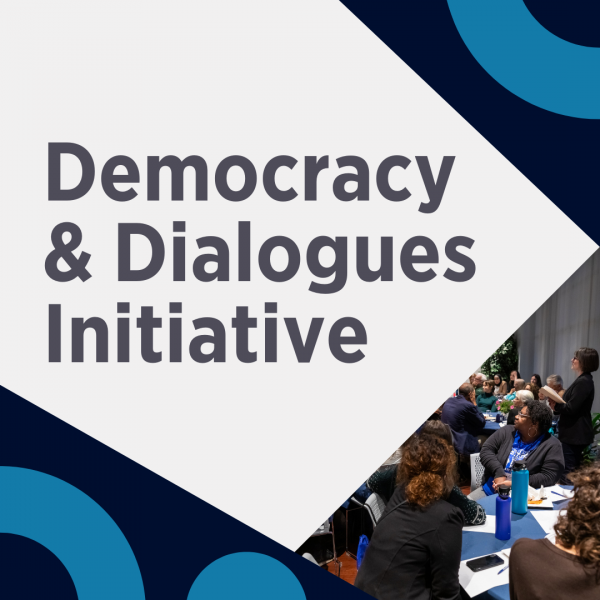
The Connecticut Democracy Center, in partnership with UConn’s School of Public Policy, Dodd Human Rights Impact’s Democracy and Dialogues Initiative, the Office of Community Outreach, and 100% Democracy, invites you to National Voter Registration Day
The event invites the public to register to vote, confirm voter status, and take part in a day of conversation and community.
Program highlights include:
-
Roundtable Discussion: “Voting, Voice, and Visibility” with Miles Rapoport, Executive Director of 100% Democracy and Evelyn Mantilla, Connecticut Director of 100% Democracy. (11:15 am - 1:05 pm)
- Experience Connecticut’s Old State House: A Self-Guided Tour: Explore the evolution of voting rights in Connecticut, from the 1818 Constitution to 20th-century suffrage and civil rights milestones.
- Old State House Farmers Market: Fresh produce and Connecticut-made goods in the Main Street Courtyard.
Storrs campus students needing transportation to the Old State House, please register below. The shuttle will leave from outside of South Garage on Jim Calhoun Way at 10am and return at 2:00pm from the Old State House. Space is limited and available on a first-come, first-served basis.
Click here for more information.
| | | | | | |
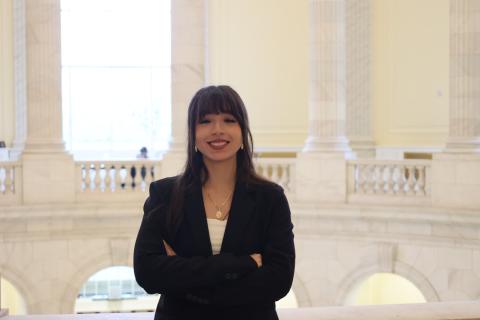
UConn Student Named to 2025 Newman Civic Fellows Cohort | Katherine Gutierrez '28, Newman Fellow '25 | |
The Newman Civic Fellowship is a yearlong program that recognizes students who stand out for their leadership potential and commitment to creating positive change in communities. Fellows are nominated by Campus Compact member presidents and chancellors, who are invited to select one exemplary community-committed student from their campus each year.
Through the fellowship, Campus Compact provides these students with learning and networking opportunities that help to nurture their development as civic leaders. Programming emphasizes personal, professional, and civic growth that can empower them to collaborate effectively across disciplines and create large-scale positive change. The cornerstone of the fellowship is the Annual Convening of Newman Civic Fellows, which offers intensive in-person skill-building and networking over three days. The fellowship also provides fellows with pathways to apply for exclusive opportunities, including mini-grants to help fund scholarships and post-graduate opportunities.
From President Maric
Katherine Gutierrez is a sophomore majoring in political science and human rights who aspires to a career as an immigration attorney. A first-generation college student, Katherine takes pride in her Mexican heritage and sees herself as an agent for change. She is passionate about immigration issues, having spent the past several years advocating for immigration reform and DACA recipients. At the University of Connecticut, Katherine has aggressively sought opportunities to deepen her knowledge of immigration issues while continuing to engage with the community in meaningful ways. She currently serves as an intern in the Washington, DC, office of U.S. Rep. Jim Himes (D-CT) through UConn’s Honors Congressional Internship Program. She has conducted research on how immigrant mothers talk to their children about immigration under the direction of Prof. Sarah Rendón García in UConn’s Department of Human Development and Family Sciences. And last year, she participated in an experiential learning program in Arizona focused on the border, immigration, and social justice. In every instance, Katherine has demonstrated a firm commitment to issues and policies she cares about. As a Newman Civic Fellow, Katherine seeks to strengthen her leadership skills by gaining critical civic engagement expertise and pursuing opportunities to advocate for better, more just immigration policies.
-Dr. Radenka Maric
Katherine's Personal Statement
My passion for immigration reform stems from my lived experiences as a daughter of immigrant parents. Growing up, I witnessed the adversities they faced and eventually realized other families were experiencing the same adversities – or worse. After becoming more aware of the vulnerabilities immigrants face, I decided to take action. I joined an organization in my community called Alcanzando el Mismo Sueño that advocated for immigrants and DACA recipients. We held protests and invited a lawyer to come educate our community on their rights and help them make emergency plans. After watching the lawyer alleviate some of the tensions my community was experiencing, I was inspired to do the same. Since then, I’ve made it my mission to learn about the different ways I can help immigrants and other minorities who are underrepresented. At UConn, I’ve participated in an experiential learning program in Arizona where we learned about the current immigration system from firsthand experiences. Through UConn, I had the privilege to intern in the U.S House of Representatives. This experience enhanced my knowledge of the inner workings of Congress and reinforced my belief that meaningful reform must come through sustained, collective efforts. As a Newman Civic Fellow, I look forward to developing the leadership and policy skills needed to relaunch Alcanzando el Mismo Sueño and create the foundation that will allow me one day to contribute meaningfully to immigration reform.
-Katherine Gutierrez
Read more here.
| | | | |
Community Engagement Workshops | | |
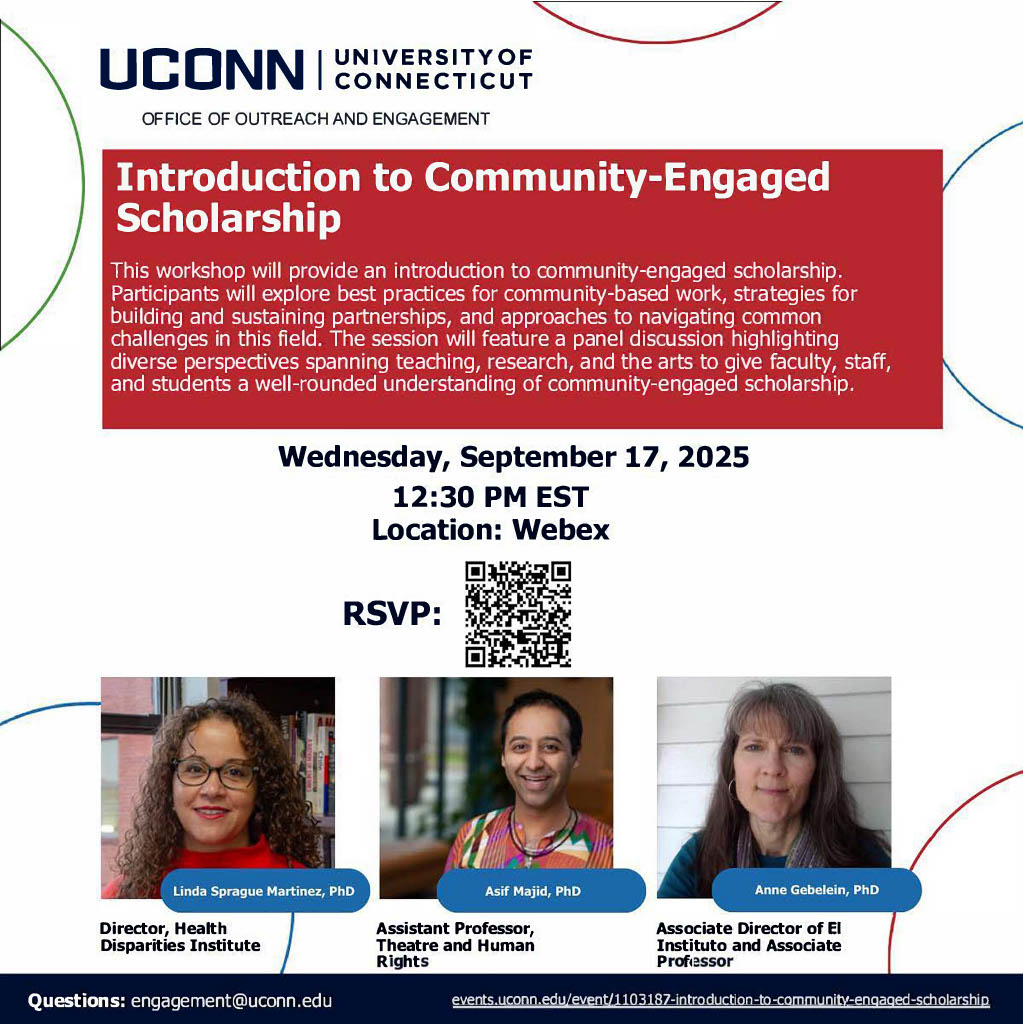
This workshop will provide an overview of community-engaged scholarship. Participants will learn about best practices in community engagement work, how to develop and sustain community-university partnerships, and how to navigate some of the challenges associated with this work.
Register
| | |
This workshop will guide participants in the development and implementation of effective community-campus partnerships. By the end of the workshop, participants will develop a list of partnership principles that fit the needs and work of their particular unit and discuss how to use the principles to navigate challenges in community-university partnerships.
Register
| |
This workshop will go over best practices in community partner compensation. Participants will learn why compensation is essential to reciprocal partnerships, examine ethical and equitable frameworks, and receive guidance on how to compensate community partners at UConn.
Register
| | |
This workshop explores various models and approaches to community-engaged teaching and learning. It covers strategies for building reciprocal partnerships with communities, preparing students for meaningful engagement, and guiding them in reflecting on and deepening their learning through experience. Participants will learn about the services provided to support faculty in developing and teaching community-engaged learning courses and to departments seeking to increase community engagement in their curricula.
Register
| |
This workshop will focus on ethical dilemmas that may arise while conducting community-based research. Participants will learn how to navigate these issues and how to work with the Institutional Review Board.
Register
| | |
This workshop will provide a broad overview of community-engaged scholarship and how faculty who engage in community-based research and teaching can make the best case for their promotion and tenure. This workshop would include a panel of faculty from different disciplines who have received PTR.
Register
| | | | |
Organizational Change: Exploring the Processes and Practices Used by Change Agents at HSIs
| |
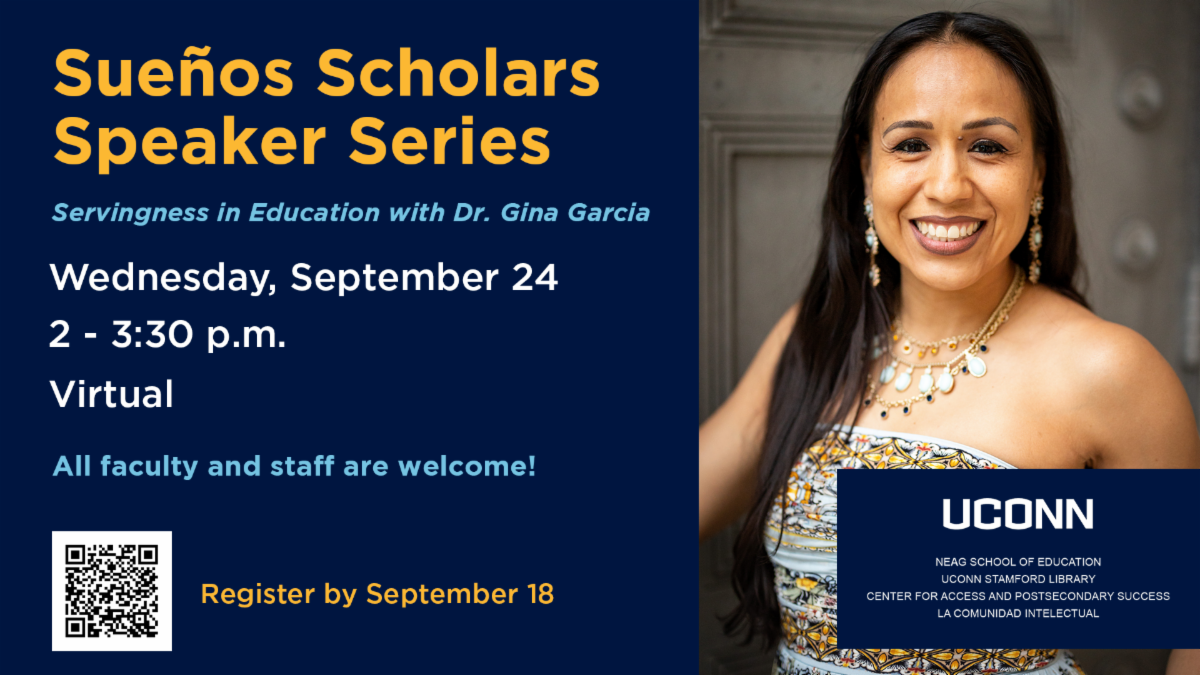
This keynote offers timely insights on how colleges and universities can move intentionally toward becoming Hispanic-Serving Institutions (HSIs) that center justice, equity, and meaningful change. Dr. Gina Garcia will share findings from her upcoming book (expected 2026), based on research with 32 change agents at 29 HSIs across 8 states. Grounded in emergent strategy, this keynote offers practical tools and a hopeful vision for institutional transformation.
Please register using this link..
| | | | |
Applications Open for 2025-2026 Service Learning Fellows Program | | |
Service learning is a long-established pedagogical practice that works with community partners to combine classroom learning with hands-on service in the community.
Faculty members accepted into the program will have the opportunity to engage in an intellectually stimulating environment where they can exchange ideas with a diverse group of colleagues and learn from the experiences of fellow participants. By the end of the program,
faculty will have a revised or new course syllabus along with the tools and resources necessary to implement a service-learning course effectively.
The Faculty Fellows program provides an opportunity to deepen understanding of community-engaged teaching and learning while collaborating with like-minded faculty dedicated to student learning and community engagement. Participants will receive topic-specific readings and materials before each workshop and will have access to individualized support.
Applications for the 2025-2026 cohort are due for review by the Service Learning Committee and Anne Gebelein, the Service Learning Faculty Coordinator.
Please use this link to apply.
| | | | |
Krimerman Community Engagement Grants | | |
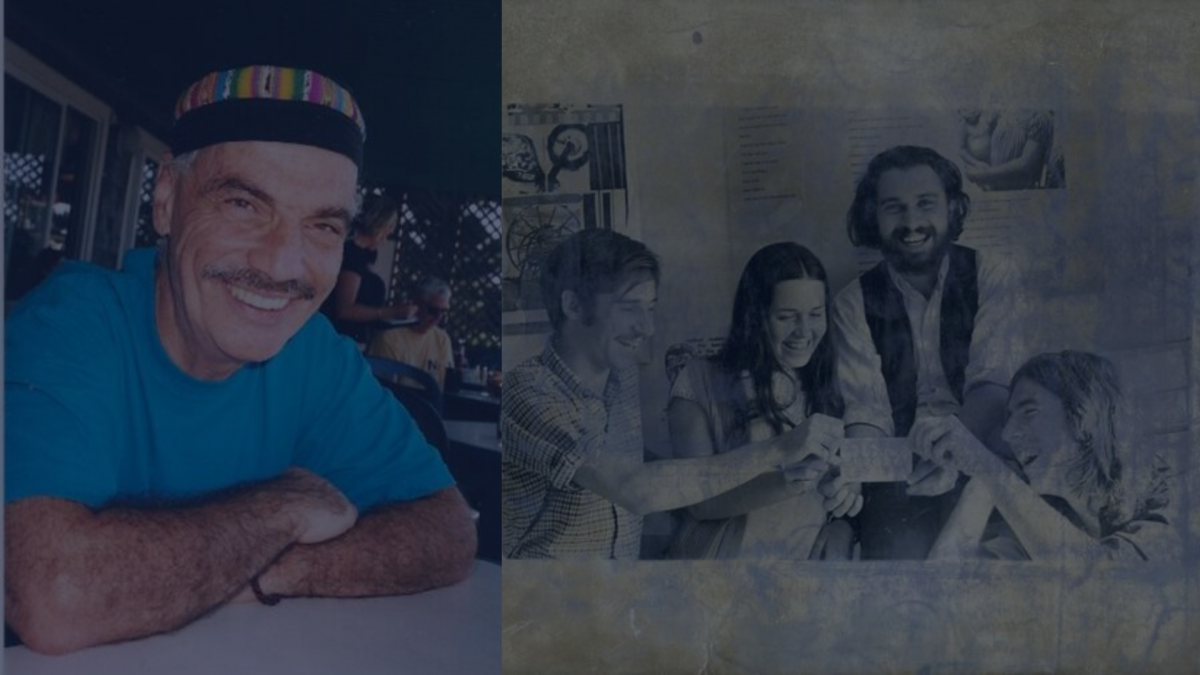
Krimerman Community Engagement Grants represent the legacy of Professor Leonard I. Krimerman. Professor Krimerman led the creation of the University of Connecticut Inner College, an alternative approach to higher education, in the late 1960s and early 1970s. Learn more about UConn’s Inner College Initiative here.
This grant program was created by UConn Alumni who were transformed by Professor Krimerman’s education programs. Krimerman Community Service Grants supports student-led projects that have direct involvement with the community and may include, but are not limited to, the following types of activities:
- Direct learning in which students are in direct contact with community members or organizations, such as working onsite at an agency or tutoring in an adult literacy program.
- Indirect learning in which students engage with a cause or a community need through means that do not necessarily involve constant contact with beneficiaries, such as designing a study, developing information materials, or creating a website.
- Civic action or advocacy in which students work to affect change in public policy, such as presenting at a town safety meeting or a legislative public hearing.
In this first iteration of the program, each grant will be $500. Therefore, we encourage applicants to use these funds in the initiation, completion, or advancement of student independent projects.
Eligibility:
- Be an undergraduate student at the University of Connecticut.
- Be in and retain a good academic standing at the time of the application and during the project.
- Have at least one semester left after the semester they apply.
- Be supported and mentored by a UConn faculty who will actively support the project.
Timeline:
Applications for Spring 2026 will be accepted until Friday, October 10th, 2026. Students and their project advisors will be notified of the awards by November 1st , 2026. By the end of the Spring Semester, awardees are required to submit a project profile in video or another visual format at the conclusion of the project.
Evaluation criteria: The selection committee will evaluate nominations based on the degree to which students articulate (1) how they have designed and will implement the project independently; (2) propose meaningful interactions with community partners; and (3) demonstrate a clear need for funding to complete a project.
Funding Categories: Funding categories are open to any items that are needed to support initiation, completion, or advancement, such as: transportation, materials, hosting meetings or creative exhibitions, data collection, etc.
| | | | |
Change Grant- Funding for Social Impact Projects | | |
UConn undergraduates in all majors can apply for up to $4,000 to support community service, applied research, advocacy, or social innovation projects that represent the legacy of the UConn Co-op’s commitment to public engagement, innovation, and social impact.
Projects need to be student-designed and/or student-led. Applications are accepted from individuals and from small groups (no more than three people) who will be working collaboratively or co-leading an initiative.
Fall Semester Submission Deadlines:
- September 30, 2025
- October 31, 2025
For more information on the Change Grant program eligibility, timeline, and application process, please visit https://ugradresearch.uconn.edu/change.
For more information, contact: Melissa Berkey at melissa.berkey@uconn.edu
| | | | |
|
This is a small, cohort-based program focused on cultural humility and intercultural growth. Over the course of three months, participants will engage in virtual sessions and independent work, building a space for shared learning and honest reflection. The curriculum comprises ten modules that cover topics such as understanding yourself, bridging differences, and creating systems of support. Participants will also take the Intercultural Development Inventory (IDI) and use their results to guide their learning.
- The group is limited to 20 people, and registration is open until September 15, 2025. The program costs $175. UConn is a Campus Compact member.
Register now
| | Campus Compact Upcoming Events & Deadlines | | | | |
Engagement Scholarship Consortium (ESC) Professional Development Opportunities | | The Engagement Scholarship Consortium offers webinars, online professional development, and networking opportunities throughout the year for faculty, practitioners, graduate students, and university leaders. These opportunities are offered exclusively to individuals affiliated with ESC member institutions, and UConn is a member institution. | | | | |
Employment and Internship Opportunities in
Community Engagement
| | |
Join VAW Global Health Alliances on a trip abroad to serve communities in need by providing accessible healthcare.
As an intern, you’ll assist in healthcare outreach, gain hands-on experience, and develop skills that are valuable across all majors—such as teamwork, leadership, cultural competence, and communication. You’ll also have the chance to practice Spanish in real-world situations and experience full immersion by living with host families in small groups. *Spanish knowledge NOT required!
This is a unique opportunity to make a lasting global impact while broadening your personal and professional perspective.
If you’re interested in learning more, click the link below to fill out the interest form.
https://forms.gle/xG8wytKi9CsPLGfC6
For more information, contact: Sienna Brigance at sienna.brigance@uconn.edu or 772-882-5766
| | | | |
Award Opportunities for Graduate Students | |
Nominations are now being accepted for the AAC&U 2026 K. Patricia Cross Future Leaders Awards.
The K. Patricia Cross Future Leaders Awards recognizes graduate students who show exemplary promise as future leaders of higher education and who are committed to academic innovation in the areas of equity, community engagement, and teaching and learning.
Eligibility
All doctoral-seeking graduate students who are planning a career in higher education are eligible to be nominated, regardless of academic discipline. Graduate students in fields where the master’s degree is the terminal degree (such as the MFA in art) are also eligible. Students must be nominated by a faculty member or administrator and must hold student status in January 2026.
Nominations must demonstrate the students’ exemplary promise as future leaders and their current commitments to equity, innovations in teaching and learning, and community engagement as integrated components of their graduate work. In general, nominees who are already senior-level leaders in higher education are not strong candidates for this award, as it is designed to recognize future leadership potential.
All nomination materials must be submitted electronically no later than 11:59 p.m. ET on October 3, 2025.
For more information, contact Kathryn Enke at 202-888-4647 or kenke@aacu.org.
Learn more about this award.
| | | | |
#Community Engagement - UConn Today |
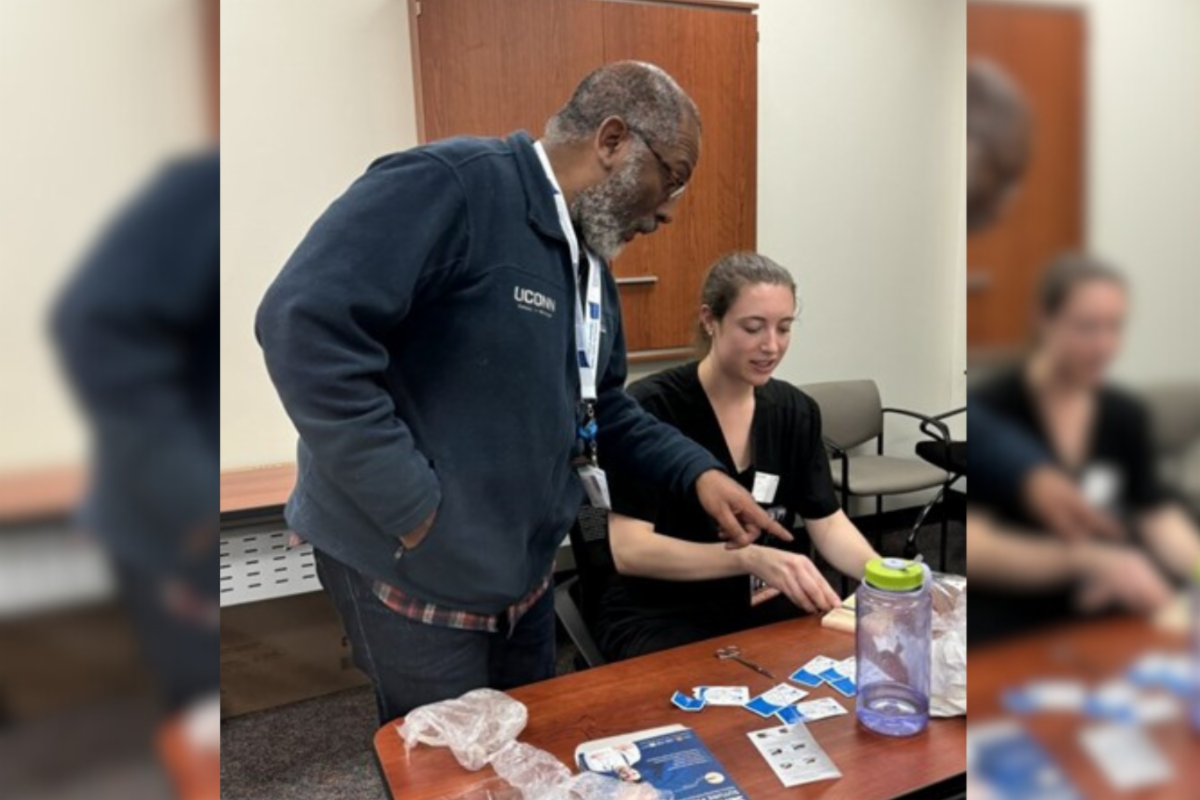
Continuing Education for Health Professionals and Students at the Right Time, Right Cost, and Right Here!
The CT AHEC Network provides free continuing education training to more than 160 health care providers annually. “The mission of continuing education is a vital component of AHEC’s mission, giving frontline providers access to the information they need to manage the ever-evolving environment they work in day to day,” says Alerte. CT AHEC is celebrating 28 years in operation at the University of Connecticut’s School of Medicine.
“We know clinicians are busy and require flexibility in accessing continuing education sessions. Our CT AHEC Network utilizes a variety of platforms, from in-person to virtual to hybrid, to deliver high quality training by our amazing content experts,” says Petra Clark-Dufner, director, CT AHEC.
Training programs include in-person conferences, asynchronous on-line modules on CT AHEC’s Primary Care Career Advising and Mentoring (PCCAMP) site, hybrid sessions focused on screening and responding to suicide in collaboration with the Veteran’s Administration and the Community Health Center Association of CT, as well as offering targeted on-line synchronous educational offerings during UConn’s Primary Care Week.
In addition to the training programs for working health professionals, CT AHEC Network Training programs extend to high school, college, and health profession students. “These programs are vital to ensuring growth in the health care profession pipeline,” says Clark-Dufner. “The hands-on programs and activities in particular allow students to engage with other health care providers and the communities.”
Read more here.
| | | | |