|
Prevention Network Newsletter
October 2026
|
|
Looking Ahead to FY27
October 1 marks the beginning of fiscal year 2027 for Prevention Network and many organizations receiving state or federal prevention funding. A new fiscal year brings renewed goals, new reporting periods, and opportunities to strengthen programs and partnerships.
Throughout FY27, Michigan nonprofits and coalitions should monitor new funding opportunities, changes in state and federal requirements, emerging prevention trends, and evolving community needs. Organizations should also track progress toward their goals, document outcomes, communicate successes, and adjust strategies when data show that a different approach may be needed.
As FY27 begins, Prevention Network remains committed to providing resources, training, technical assistance, and connections that help prevention professionals and community partners strengthen their work across Michigan.
| |
Prevention Network is Hiring!
Prevention Network is seeking a Program Coordinator to join our team and support the Michigan Higher Education Network and other prevention initiatives across Michigan.
Interested in helping strengthen prevention efforts and build healthier communities? Review the full position description and application information below.
View the Job Posting and Apply
| |
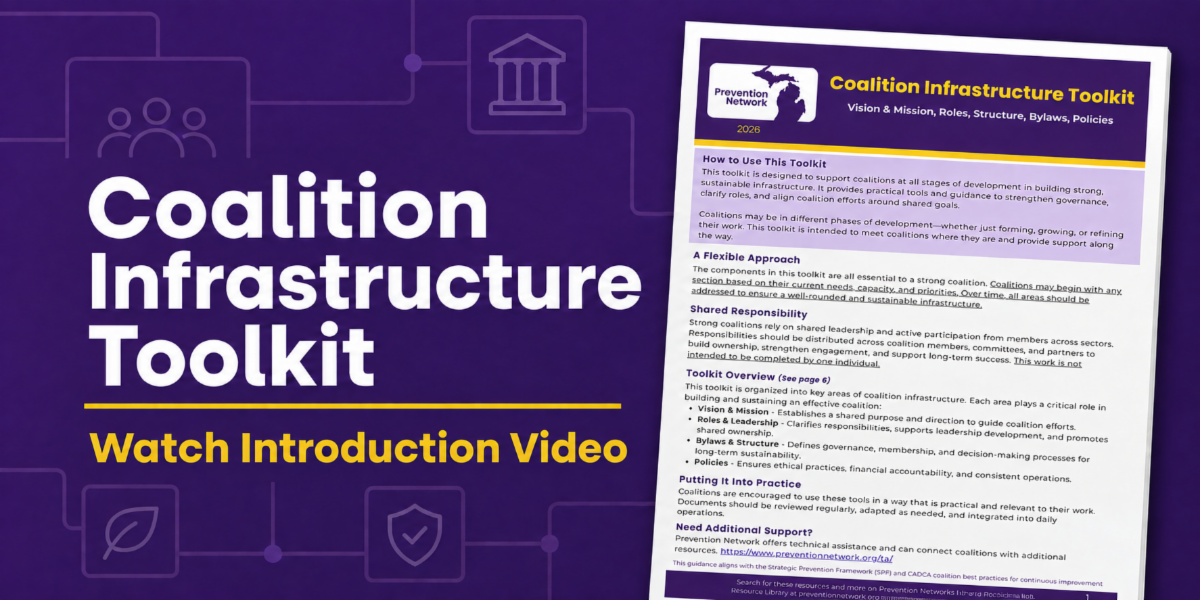
Coalition Infrastructure Toolkit Introduction Video
Take a few minutes to discover how the Coalition Infrastructure Toolkit can help your coalition clarify its purpose, strengthen leadership and member roles, improve bylaws and policies, and build a more sustainable foundation.
Get started by downloading the toolkit and watching the brief introduction video. You can also request technical assistance by creating a free Prevention Network membership account to access additional resources in the Resource Library Hub.
Download the toolkit and follow along, watch the introduction video, or visit the C3 webpage.
| |
Emerging Synthetic Opioid Raises National Concern
Public health officials are warning about cychlorphine, an emerging synthetic opioid detected in the illicit drug supply across the United States. It has been found alone and mixed with fentanyl, stimulants, and counterfeit pills. Cychlorphine may not be detected by fentanyl test strips or routine hospital drug screens, making exposure difficult to identify.
If an opioid overdose is suspected, give naloxone, call 911, and remain with the person until help arrives. A negative test result should never delay an overdose response.
Learn more about cychlorphine and emerging drug threats.
Sources: Office of National Drug Control Policy and American College of Medical Toxicology.
| |
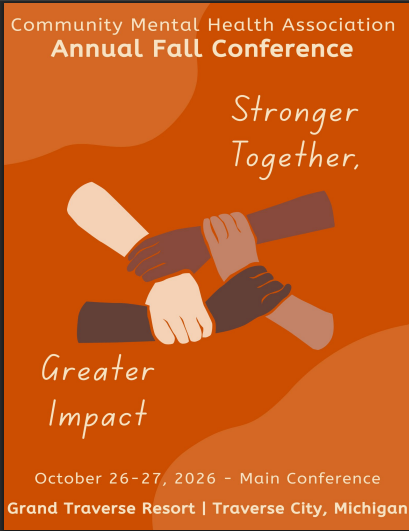
CMHA Annual Fall Conference: Stronger Together, Greater Impact
The Community Mental Health Association of Michigan’s 2026 Annual Fall Conference, “Stronger Together, Greater Impact,” will take place October 26–27, 2026 at the Grand Traverse Resort in Traverse City. The conference brings together approximately 700 professionals, leaders, board members, advocates, and partners from across Michigan’s public mental health and substance use disorder systems to exchange ideas, explore innovative practices, and strengthen services throughout the state.
A limited number of scholarships are available for individuals who receive services and their family members. Scholarships cover conference registration fees only. The deadline to submit a scholarship application is Friday, October 9, 2026.
View conference information and registration |
Apply for a scholarship
|
Fentanyl: A Decade of Death
Fentanyl continues to drive overdose deaths across the United States. An illustrated feature from the DEA’s Get Smart About Drugs website examines the rise of fentanyl and its devastating impact on individuals, families, and communities.
The story highlights how fentanyl may be mixed with other illicit drugs or pressed into counterfeit pills without a person’s knowledge. It reinforces the importance of prevention education and honest conversations about counterfeit pills and illicit drug use.
Explore “Fentanyl: A Decade of Death”
Source: DEA’s Get Smart About Drugs. Original reporting published by inewsource.
| |
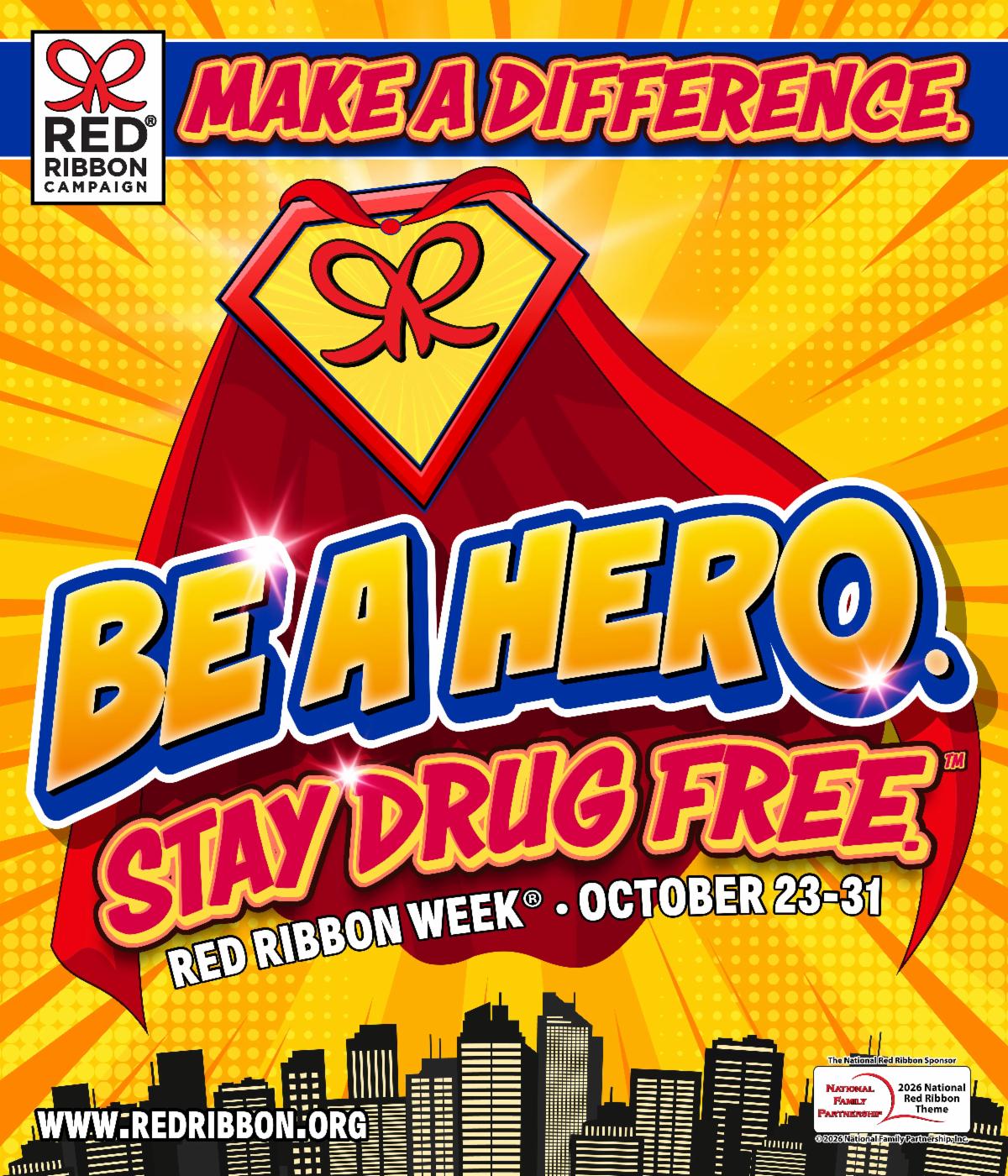
Red Ribbon Week - October 23-31, 2026
Red Ribbon Week®, observed October 23–31, 2026 is the nation’s largest and longest-running drug-use prevention campaign. This year’s theme, “Make a Difference. Be a Hero. Stay Drug Free.™,” reminds us that choosing a healthy, drug-free lifestyle is an act of courage and leadership. Prevention Network encourages schools, families, coalitions, and communities across Michigan to participate by educating young people, promoting healthy choices, and showing how everyday decisions can positively influence others.
Visit the Red Ribbon Campaign to explore campaign ideas and resources, learn more about the 2026 theme, or access the DEA’s Red Ribbon resources.
|
Healthy Michigan Plan Work Requirements Begin January 1, 2027
Beginning January 1, 2027, certain adults ages 19–64 who receive Medicaid through the Healthy Michigan Plan will be required to work or participate in other approved activities to maintain their coverage. Many members may already meet the requirement through employment, school, or another qualifying activity. Exemptions are also available for individuals who meet certain criteria, including pregnancy, caregiving responsibilities, disabilities, serious health conditions, mental health or substance use disorders, and temporary hardships.
Healthy Michigan Plan members are encouraged to confirm their coverage, keep their contact information current in MI Bridges, report applicable changes, and promptly respond to any information requests from the Michigan Department of Health and Human Services.
MDHHS has also developed a Community Partner Toolkit with educational resources, outreach materials, and tools to help organizations communicate these upcoming changes.
Learn More and Access the Community Partner Toolkit
| | National & Michigan Updates | | |
Federal Funding Announced for Prevention, Crisis Response, Treatment, and Recovery
The U.S. Department of Health and Human Services, through the Substance Abuse and Mental Health Services Administration, has awarded $383.4 million to strengthen prevention, treatment, recovery, and crisis-response services nationwide.
Of the total funding, $252 million will support the 988 Suicide & Crisis Lifeline, suicide prevention initiatives, and mobile crisis services. This includes funding to improve state, territorial, and Tribal responses to 988 calls, texts, and chats; expand services for populations at increased risk of suicide and overdose; and establish or enhance community-based mobile crisis teams.
An additional $81.4 million will support substance use treatment and prevention programs. These investments include funding for rural emergency medical services training, rural opioid technical assistance, Tribal prevention and response programs, community overdose prevention, treatment services for pregnant and postpartum women, and treatment and recovery support for youth, young adults, and families.
The awards also include funding for programs focused on preventing youth overdose and underage drinking. Additional investments will help communities expand access to opioid overdose reversal medications, strengthen statewide recovery networks, and provide education about privacy requirements related to behavioral health information.
Another $50 million will support mental health programs, including trauma-informed services in schools, integrated physical and behavioral healthcare, family support networks, early diversion programs, and community-based services for children, youth, young adults, and families.
These investments are intended to strengthen local systems, expand access to services, and help communities respond more effectively to prevention, treatment, recovery, and crisis-response needs.
If you or someone you know is struggling or experiencing a crisis, call or text 988 or visit 988lifeline.org.
Learn More About the HHS/SAMHSA Funding Awards
| |  | |
New MDHHS Resources: Recreational Nitrous Oxide Misuse in Michigan
The Michigan Department of Health and Human Services (MDHHS) has released new resources to raise awareness about the growing health concerns associated with recreational nitrous oxide misuse in Michigan.
Nitrous oxide, sometimes referred to as “laughing gas,” “whippets,” “balloons,” “Galaxy Gas,” or “NOS,” has legitimate medical, dental, and culinary uses. However, recreational products are widely available in stores and online and may be marketed in ways that make them appear legal or low risk. Repeated or heavy recreational use can lead to serious health effects, including neurological symptoms, mental health concerns, and other medical complications.
Recent data from the Michigan Poison and Drug Information Center (MiPDC) show an increase in adverse medical encounters associated with nitrous oxide misuse. From January 2024 through May 14, 2026, 112 poison center cases involving intentional recreational nitrous oxide misuse causing injury were identified. Of those cases, 99 individuals presented to a hospital, including 38 hospital admissions and 10 ICU admissions. Nearly half of reported cases resulted in medically significant outcomes.
To help increase awareness, MDHHS has released two new resources:
The provider bulletin includes additional Michigan data, information on recognizing recreational nitrous oxide products and potential health effects, as well as considerations for screening, patient education, and clinical care.
Please share these resources with your networks, partners, and communities to help increase awareness of recreational nitrous oxide misuse and its potential health risks.
Additional resources
Nitrous oxide education
Data and surveillance
Provider and partner tools
| | Find Upcoming PTTC Trainings
for Prevention Professionals | | New Resources in the Library Hub | |
Join Our Network -
By joining our *no-cost* network, you will have exclusive access to:
- A resource library filled with handouts, toolkits, templates, videos, and more
- Watch YouTube membership tutorial
- A forum to network with other coalitions
- A map of other coalitions across the State.
Here’s how to use it:
-
Go to https://www.preventionnetwork.org/resource-library/
- Type a keyword into the search bar (try a topic, program area, or content type).
- Open a resource to view, download, or save for later.
Whether you’re building a training, writing a grant, or looking for ready-to-use tools, the right resource is only a few clicks away.
| | |
Prevention work is challenging, and none of us can do it alone. It takes a dedicated team working together to create meaningful change. Prevention Network is honored to support Michigan’s prevention community and help build healthier communities across the state.
Do you value Prevention Network’s newsletters?
A donation of $66 supports the costs of sending communications like this newsletter for one month.
| | |
Prevention Network is a statewide not-for-profit that aims to cultivate healthy communities across Michigan by providing substance misuse prevention resources, technical assistance, and support to all 83 Michigan counties. We strive to bridge the gap between research and practice for the enhanced effectiveness of local prevention efforts.
We are comprehensive in our makeup, embracing a variety of viewpoints and methods of approach in dealing with substance misuse prevention and related problems. We serve a diverse set of community groups, professional and volunteer, whose autonomy we respect. We provide support through which their effectiveness can be increased and common goals can be identified and achieved.
The following are current programs under Prevention Network:
| | | | |