Working to reduce plastic use in Missouri

"The Great Rivers State"

We can break free from plastic, Missouri!


Check out upcoming engagement opportunities, take action for plastic-free baby food, recent news and research describing a variety of impacts, webinars to watch, and special features, including plastic-free to-go cups.


Here's your October Plastic Awareness news!

Featured Events

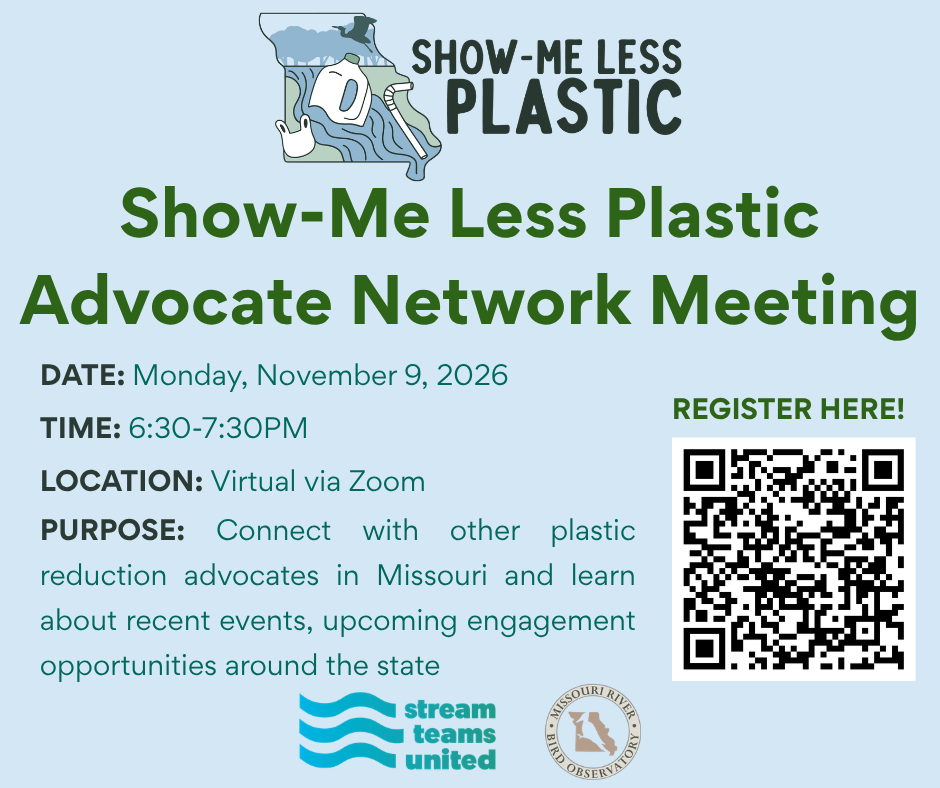
November 9: Show-Me Less Plastic Advocate Network Meeting


Location: Virtual via Zoom

Date: Monday, November 9, 2026

Time: 6:30 - 7:30 PM


Register here!

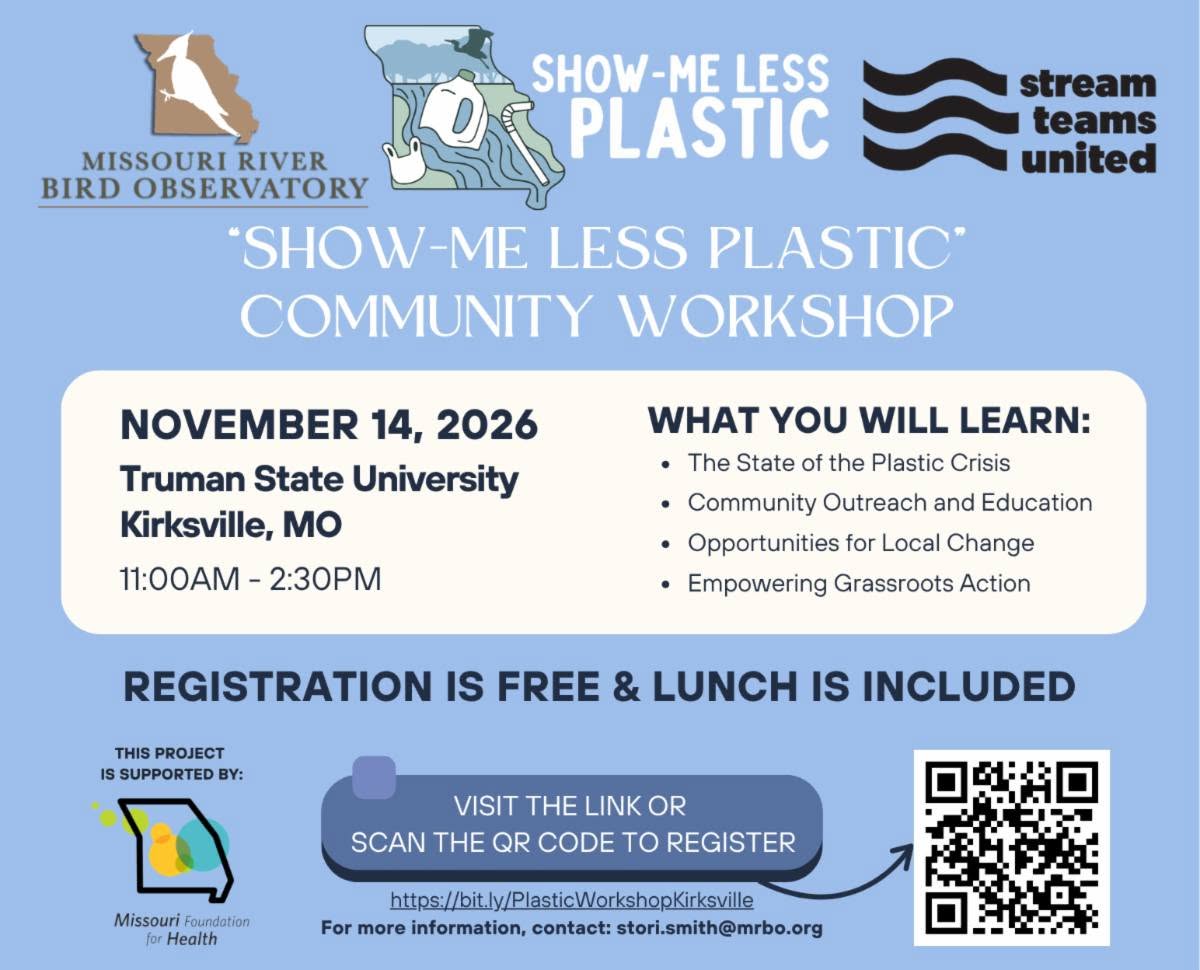
November 14: Kirksville Community Advocacy Workshop


Location: Truman State University, Student Union Building, Activities Room 3200, 901 S. Franklin Street, Kirksville, MO 63501

Date: Saturday, November 14, 2026

Time: 11:00 AM - 2:30 PM


RSVP here!

NOW through November 30: Screenings of Microplastic Madness FREE for K-12 Schools


Microplastic Madness is an uplifting, inspiring, award-winning documentary following the story of NYC 5th graders tackling plastic pollution in their school and community.


Sign up here!

Take Action this Month

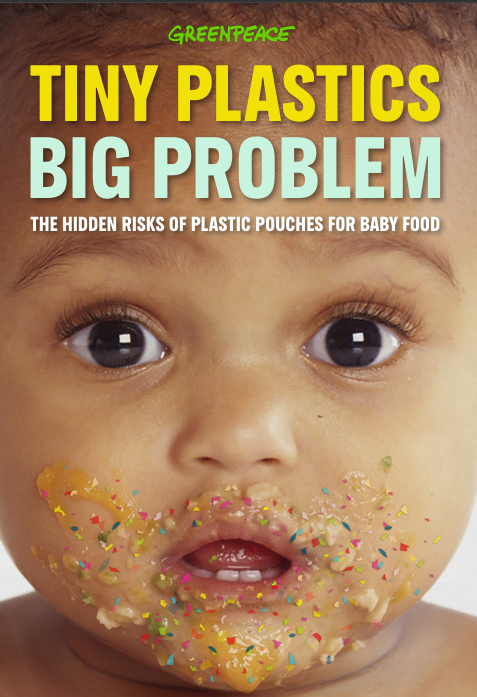
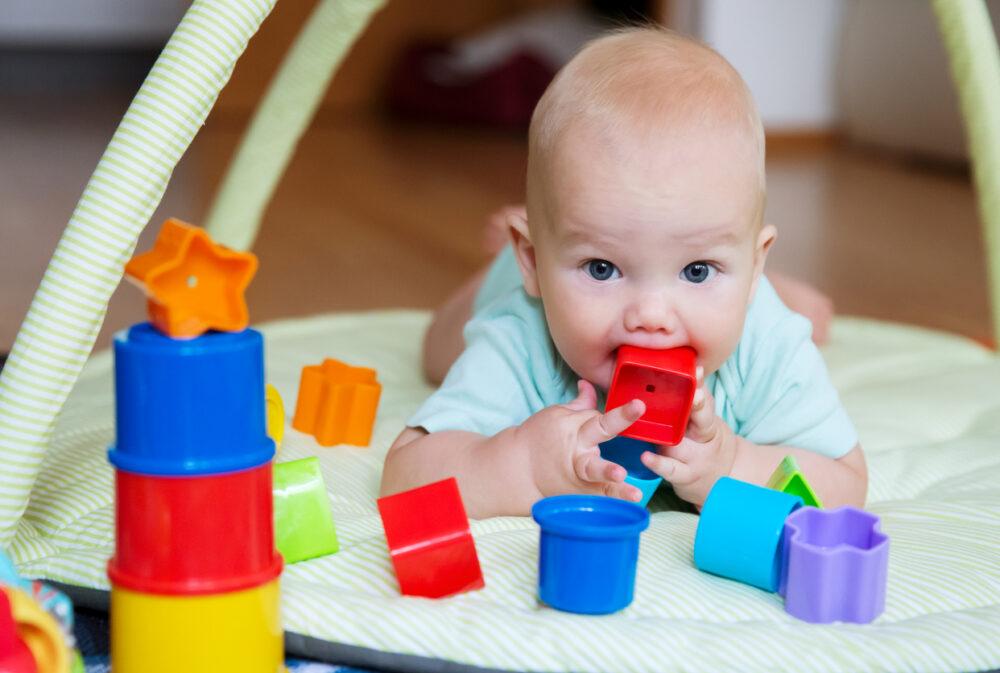
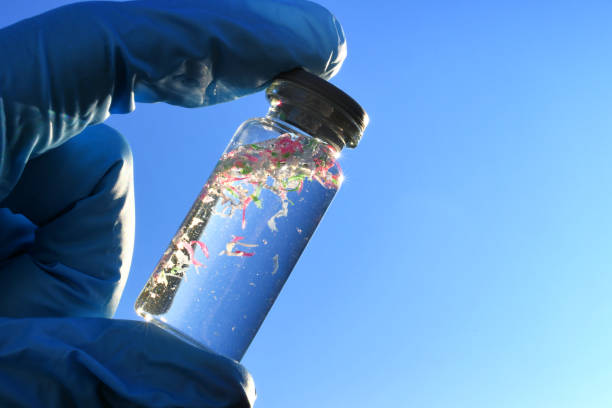
Greenpeace International examined Gerber baby food pouches and found an estimated 5,000+ microplastic particles in each pouch.


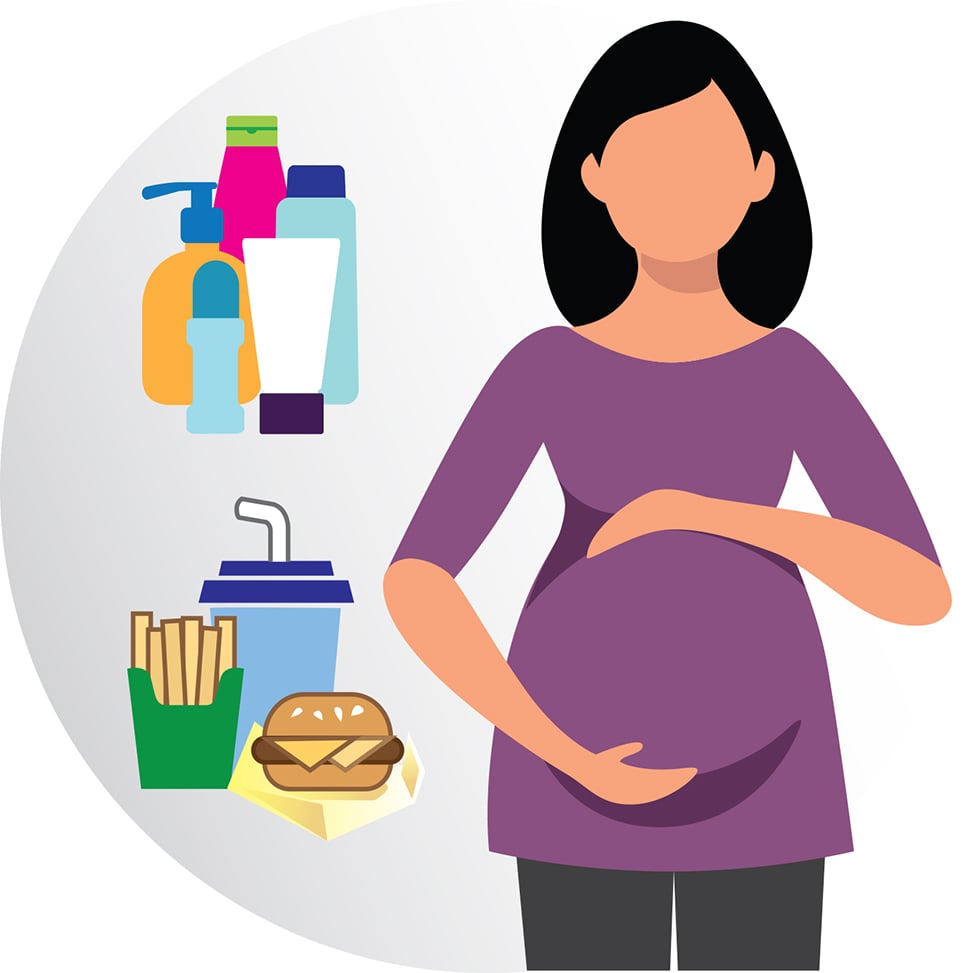
Plastic packaging leaches chemicals into the food it touches, including chemicals linked to hormone disruption, developmental delays, metabolic disease, and fertility issues later in life.


Tell Gerber that microplastics do not belong in baby food!

Plastics in the News

Chemicals Linked to Breast Cancer Are ‘Ubiquitous,’ Study Shows

Inside Climate News


The more scientists look for chemicals that can increase breast cancer risk, the more they find.

Hormone-disrupting chemical mixtures linked to excess childhood weight 

US Right to Know


Children exposed during pregnancy and early life to combinations of chemicals that disrupt hormones...

Opinion: Before We Put More Plastic Under Our Kids, We Need to Stop and Think

Pasadena Now


There is something we need to rethink about the way we build playing fields for our children.

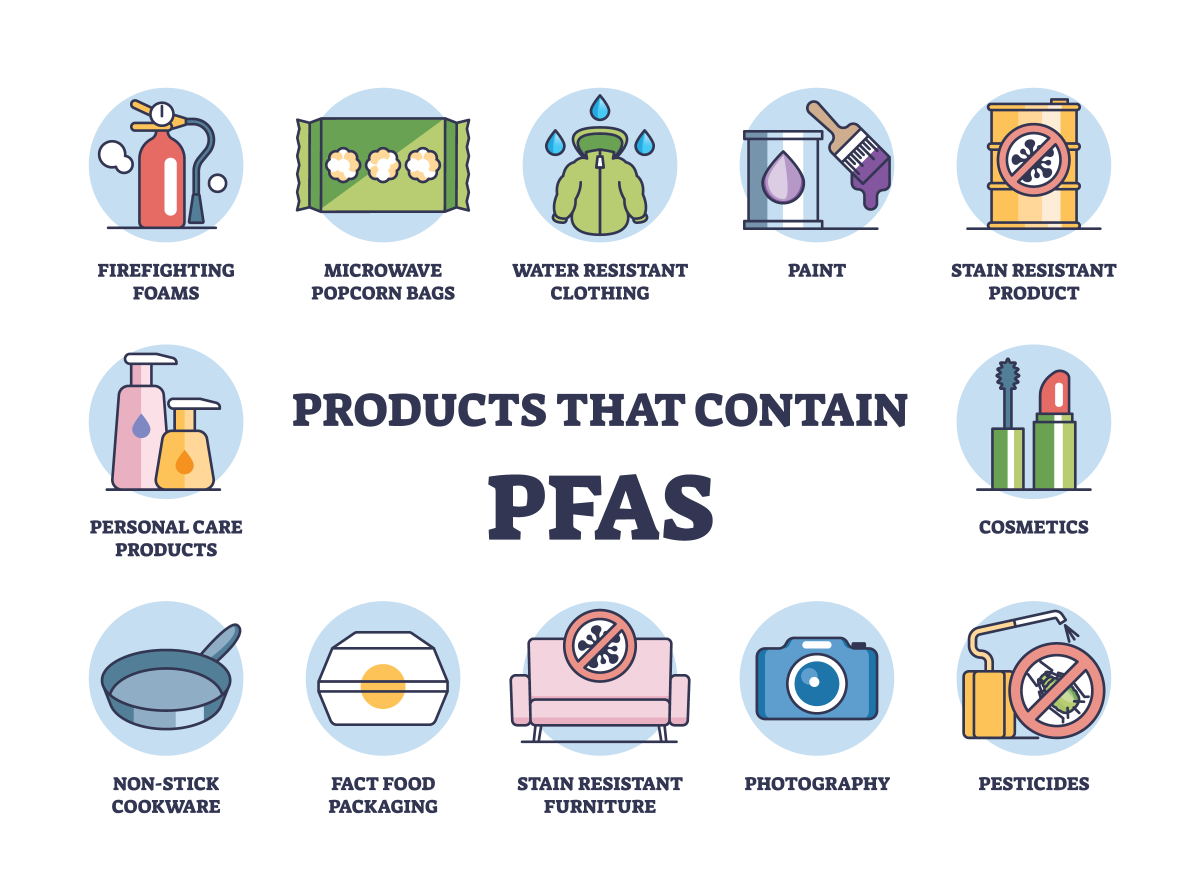
PFAS may raise blood pressure during pregnancy. Who is at risk?

Northeastern News


Say no to sushi and steer clear of raw sprouts. Skip Bikram yoga. And keep your hands off that cat litter box. Pregnancy comes with a list of...

Babies exposed to microplastics and hormone-disrupting chemicals through formula, plastic bottles, infant feeding supplies

US Right to Know


Babies may consume millions of microplastics and traces of harmful chemicals through infant...

5 Simple Swaps to Reduce Microplastic Exposure in Your Kitchen

Food and Wine


As studies continue to investigate the impact that pervasive microplastics can have on human health, many of us are...

Scientists Uncover Hidden Risks of Biodegradable Plastics Through Fish Blood

Newswise


Biodegradable plastics are increasingly used as environmentally friendly alternatives to conventional plastics.

Do Chemicals and Microplastics in Dancewear Impact Your Health?

Dance Magazine


It’s a perfectly forgettable scenario for a dancer: You pull on your leotard, tights, and warm-ups, head into the studio,...

Industry Knew for Decades That Microplastics Could Infiltrate Human Bodies

YaleEnvironment360


The chemical industry has known for decades that ingested microplastic particles can reach vital organs, an investigation has found.

Recent Research

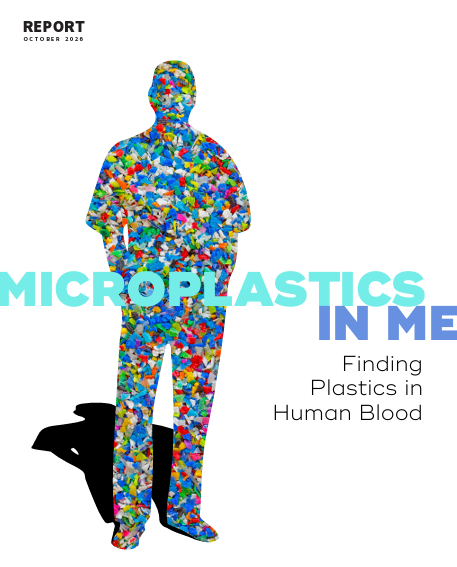
Microplastics in Me: Finding Plastics in Human Blood

October 2026


The report demonstrates microplastics contamination in human blood in 96% of the individuals tested. This is the first group of publicly identified...

How Microplastics React With Water

October 2026


Plastics have become an integral part of our modern society, largely because they are generally regarded as...

Endocrine Disruptors, Gut Microbiota, and Type 2 Diabetes

October 2026


Genetic and lifestyle factors alone cannot explain the rising global burden of type 2 diabetes mellitus (T2DM). Growing evidence implicates...

Prenatal Endocrine Disruptor Exposure and Early Childhood BMI

October 2026


Exposure to non-persistent endocrine-disrupting chemicals (EDCs), including phenols and phthalates, has been linked to...

Upcoming Webinars and Trainings

November 5 at 6:00AM - Plastic Pollution Action Dialogues: Implementing Extended Producer Responsibility hosted by United Nations Environment Program


November 5 at 8:00AM - A Level Playing Field: The Future of Plastics Recycling in Europe hosted by Reloop


November 17 at 1:00PM - Reducing EDC Exposures: From informed consumers to policy solutions hosted by Collaborative for Health and Environment


November 18 at 6:30PM - Zero Waste Task Force Meeting hosted by Westchester (NY) Alliance for Sustainable Solutions


November 25 at 6:00AM - Plastic Pollution Action Dialogues: The role of product design to reduce plastic pollution hosted by United Nations Environment Program


December 3 at 12:00PM - Forecasting 2027: What New Members and New Priorities Mean for Policymaking in Missouri hosted by Missouri Foundation for Health


December 15 at 6:00AM - Plastic Pollution Action Dialogues: Unlocking finance and investment opportunities to scale up innovative, transformative, and outcome-driven solutions hosted by United Nations Environment Program

October Spotlights

Plastic Free Product


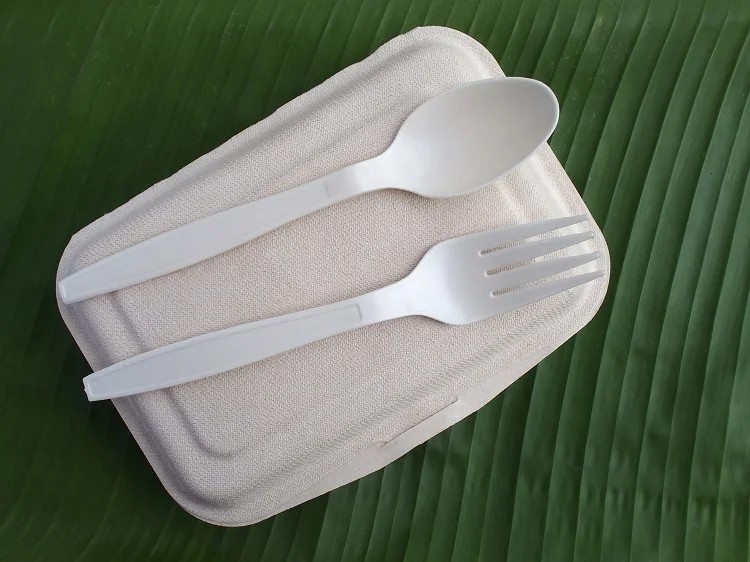
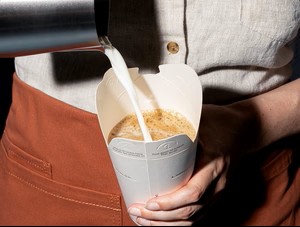
Reusables will always be the gold standard for sustainability, but that doesn’t mean disposables should be thoughtless. Nothing's goal is to fill the gaps in the most responsible way possible — using high-quality, non-toxic materials that don’t stick around longer than they should. Learn more about Nothing's plastic-free cups, straws, and accessories here!

Podcast Pick


Each September, Climate Week brings scientists, advocates, and changemakers to New York City to discuss a variety of climate related topics. In this episode of The Indisposible Podcast, Upstream CEO Crystal Dreisbach and policy fellow Mai Li Spencer share their takeaways on circularity, plastic pollution, reuse infrastructure, and how it all went down during Climate Week.

Featured Facts


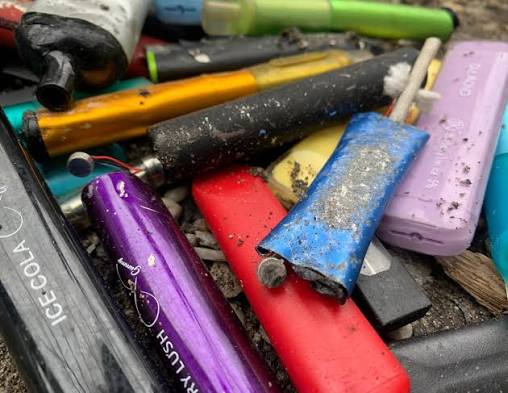
When you are walking on most any street, highway, park, or beach, you will probably see small plastic e-cigarettes, also known as vape, devices littering the community. New research from Beyond Plastics explores the single-use plastic waste implications of this growing form of trash.

In Case You Missed It

September 8 - Bioplastics featuring Doun Moon of GAIA hosted by BYO US Reduces


September 16 - Bio-Based Materials: Hype, Hope or the Future? hosted by Be Waste Wise


September 22 and 23 - 2026 Plastics and Human Health Symposium hosted by NYU Langone Health and the Food Packaging Forum


September 24 - Safe to reuse: health & safety as competitive advantage for reusable packaging hosted by Zero Waste Europe


September 29 - It’s Elementary: Measures to Reduce Food Waste in K–12 Public Schools hosted by Environmental Law Institute


October 6 - How to Cut Holiday Waste featuring the Center for Biological Diversity hosted by BYO US Reduces


October 8 - Summer of Reuse: How we worked with event organizers to bring reusables to events and festivals across the country hosted by Bold Reuse


October 14 - Unwrapped: How to Get Plastic Off Our Food hosted by Plastic Pollution Coalition


October 21 - Zero Waste Task Force Meeting hosted by Westchester Alliance for Sustainable Solutions


October 22 - Science for Public Health Policy: Understanding correlation & causation hosted by Collaborative for Health and Environment


October 26 - Plastics & PFAS hosted by Sierra Club Massachusetts

Sign Our Petitions!

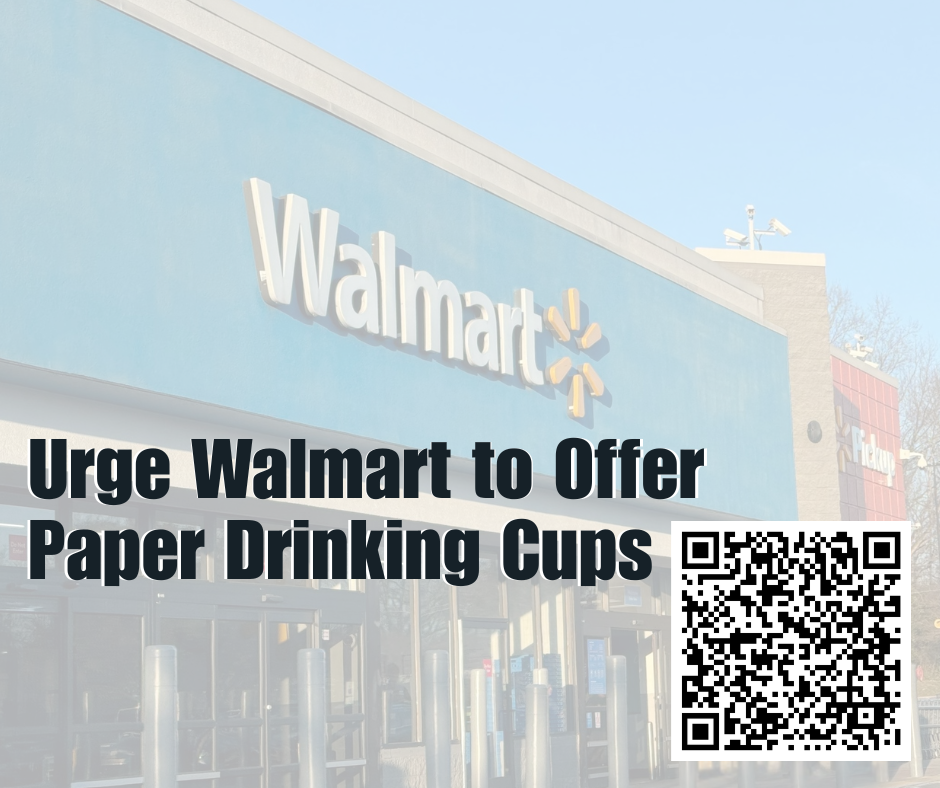
Ask Dollar General and Walmart to offer paper drinking cups!

Sign the Dollar General petition!

Sign the Walmart petition!

Connect with Our Team!

Interested in being part of the solution to plastic pollution in Missouri? Fill out this brief interest form or scan the QR code to connect with our Plastics Team!

Check out our plastics website at: https://www.streamteamsunited.org/show-me-less-plastic.html

Beyond Plastics' Ask a Scientist Tool

Do you ever wonder about various aspects of plastics and plastic pollution? Beyond Plastics science director, Trisha Vaidyanathan, PhD is here to shed some light on these questions in her monthly column, “Ask a Scientist.” Submit your question(s) here!

X Share This Email
LinkedIn Share This Email

Follow us on

Facebook  Twitter  Instagram