OCTOBER RIVERSCAPE

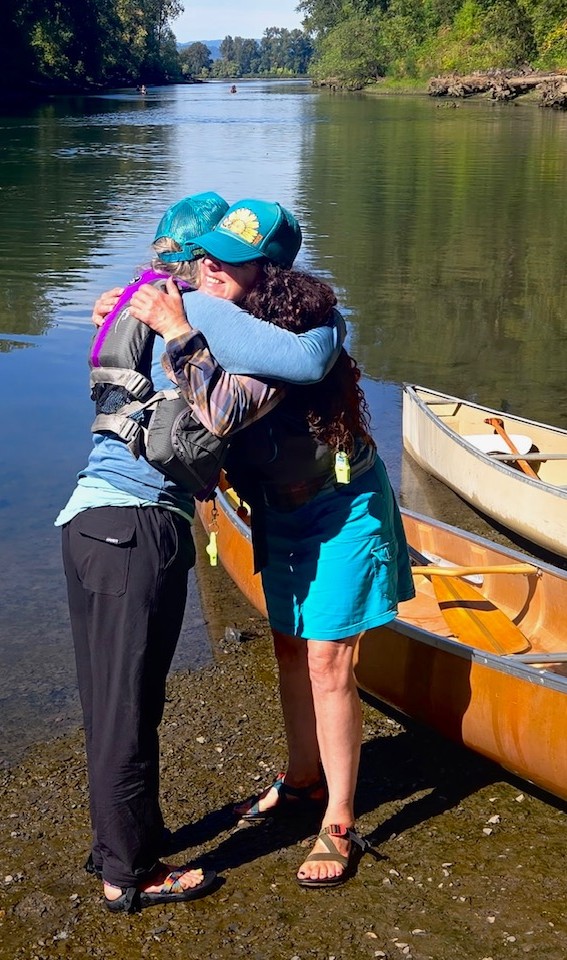
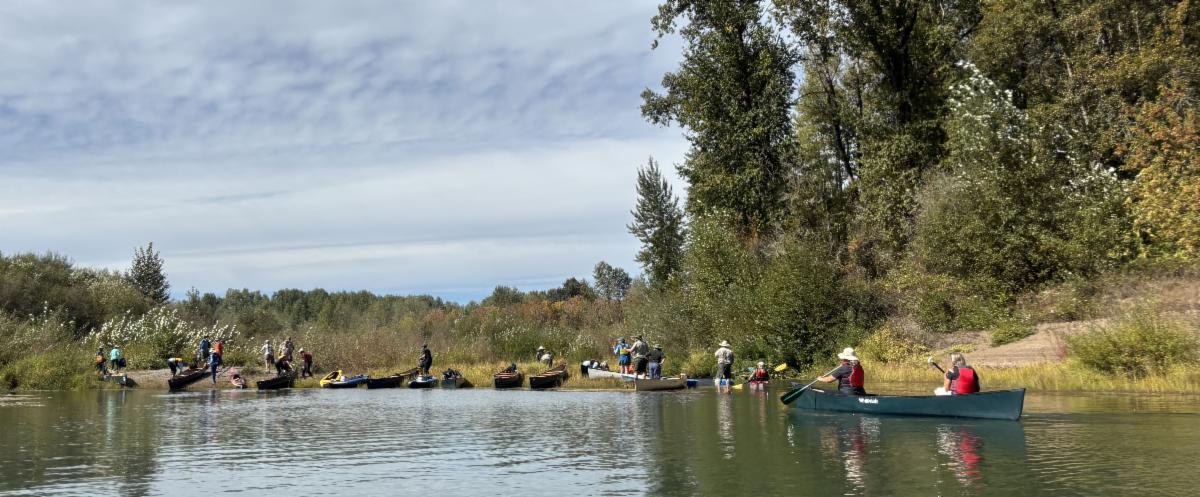
Above: Your WRK co-directors, Michelle Emmons (center-left) and Heather King (center-right) prepare to launch for a paddle with Willamette University students on day seven of 187 Miles of Wonder.


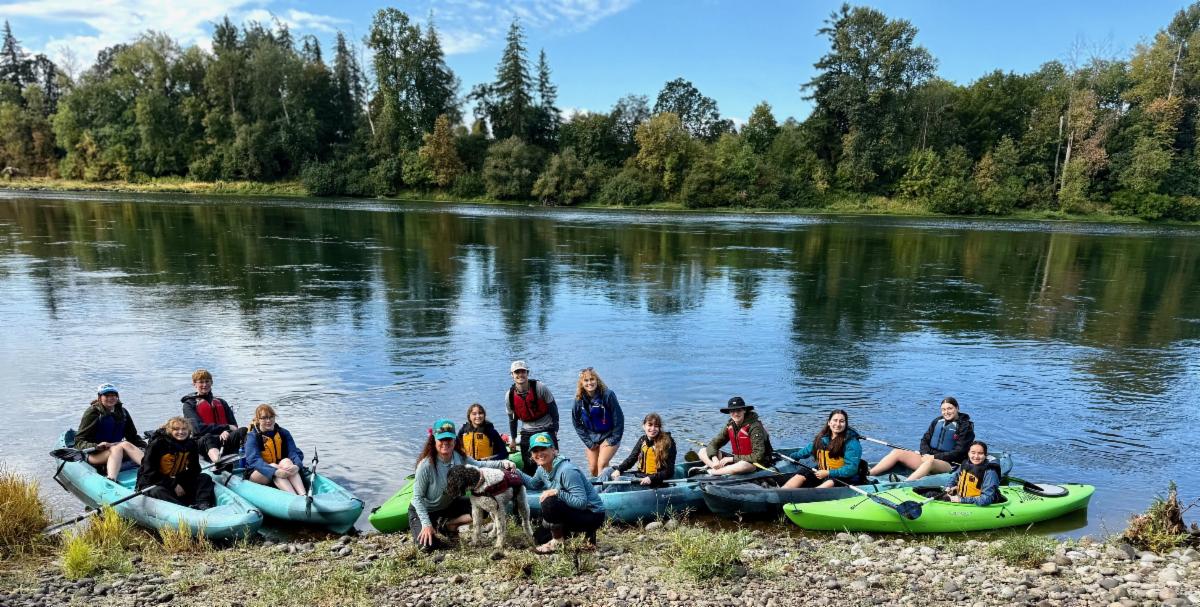
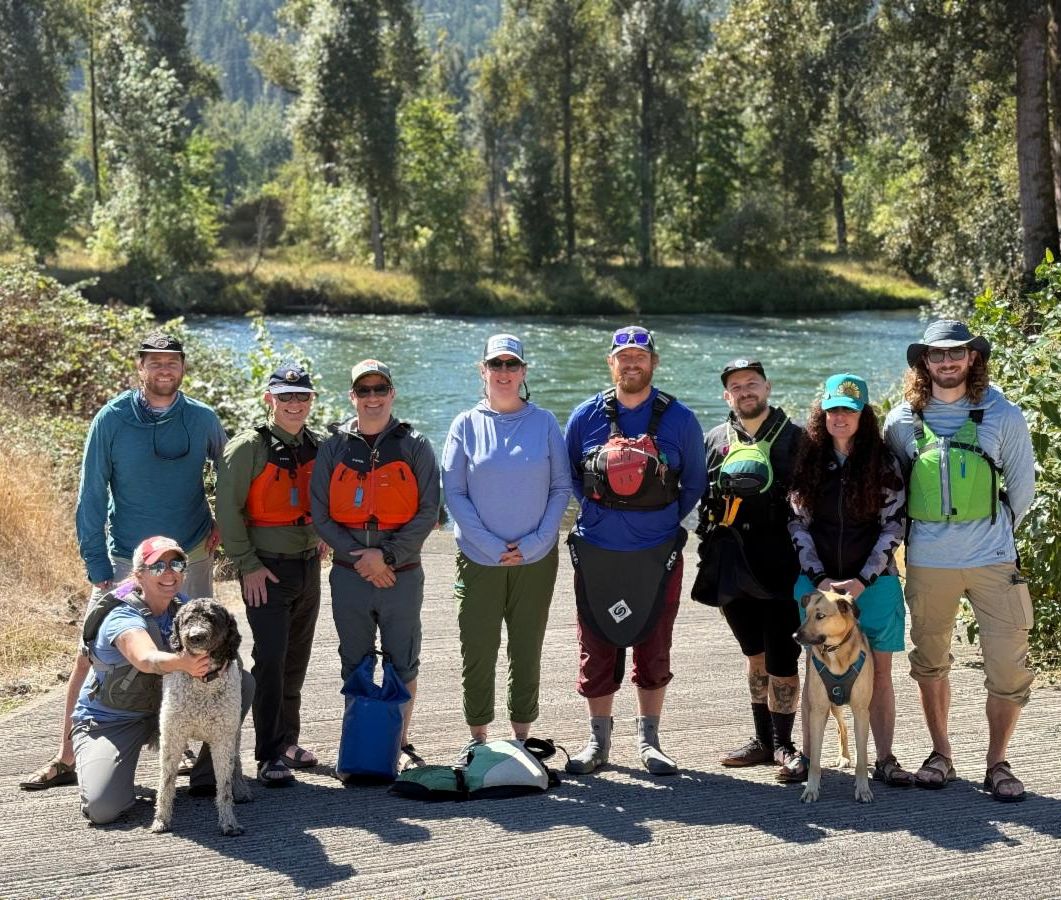
Below left: Members of the WRK staff and various partner agencies (plus a couple canine companions) prepare to launch on the eleven day 187 Miles of Wonder paddle from Clearwater Park in Springfield.

FROM THE RIVERKEEPERS

187 Miles of ... our cups are "Wonder-FULL"


This fall, we completed something extraordinary. Over eleven days, we paddled 187 miles of the Willamette River—plus a few more for good measure—journeying from the headwaters above Springfield to the river’s confluence with the Columbia. Along the way, we experienced the Willamette not just as a waterway, but as a living thread connecting the communities, cultures, and ecosystems that make this place home.


The 187 Miles of Wonder campaign was more than an adventure. It was a story about connection. Each paddle stroke represented the partnerships that sustain this work—the volunteers who joined us for a few miles or a few days, the local clubs and students who learned beside us, and the countless Oregonians who call this river their own.


We were especially honored to share time with representatives from the Confederated Tribes of the Grand Ronde, whose stories and perspectives deepened our understanding of the river’s cultural legacy. Listening to their reflections at the Willamette Narrows and Willamette Falls reminded us that caring for this river begins with respect—for the lands and waters that have sustained people since time immemorial.


From the herons that shadowed us through quiet backchannels, to everyone we met all along the way, this journey reaffirmed one truth: collaboration is at the heart of a healthy watershed. Every restoration project, every cleanup, every classroom lesson, and every community paddle is part of one shared effort—to ensure that the Willamette remains a source of life, joy, and renewal for all who depend on it.


And yet, our journey isn’t over. While 187 Miles of Wonder connected hearts and communities, we haven’t yet reached our financial goal of $187,000. There’s still time to help—and every dollar will go twice as far. A generous donor has offered a $15,000 matching gift through the end of this month, doubling your impact when you contribute today.

We want to extend a heartfelt thank you to everyone who has already supported this effort, especially our friend and stalwart volunteer, Mark Taratoot, who raised over $2,000 on behalf of paddlers from the Willamette Kayak and Canoe Club. Your collective dedication keeps this movement flowing strong.


The Willamette belongs to all of us—and its future depends on each of us. Whether you give $25 or $2,500, your support helps us protect, restore, and celebrate this remarkable river from its headwaters to its confluence.


Join us by donating now—help us meet our match, reach our goal, and keep the Willamette alive and thriving for generations to come.


With gratitude and purpose,

Michelle Emmons

Co-Executive Director & Upper Willamette Riverkeeper


Heather King

Co-Executive Director & Lower Willamette Riverkeeper


15th Annual Great Willamette Cleanup: A Booming Success!

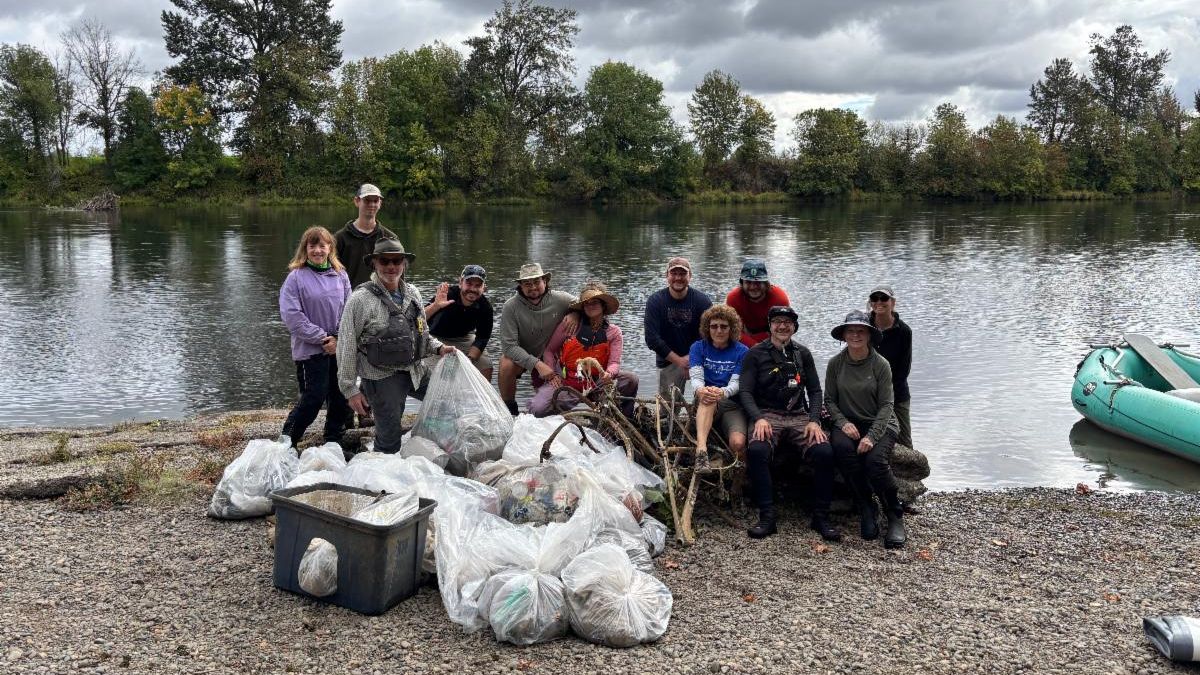
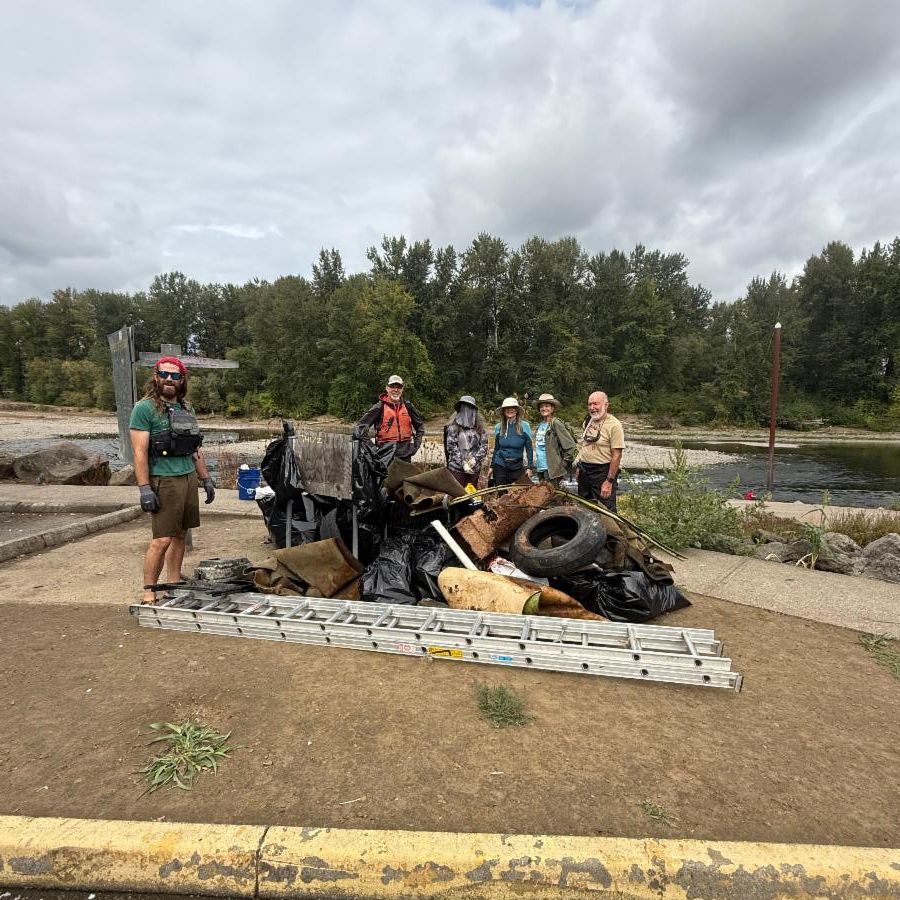
Volunteers at the Corvallis on-water GWCU cleanup pose with their haul!

The 15th annual Great Willamette Cleanup took place on Saturday, October 4th with tremendous enthusiasm across the entire watershed. This was a massive collaborative undertaking, with river cleanups occurring across all 187 miles of the Willamette River. From yoga collectives to municipal governments to universities, Willamette Riverkeeper worked with a diverse range of partners to make this event happen. No matter their background, every organization involved in this effort operated with two shared goals for GWCU: a clean river and a community that works together to protect it.


This year’s Great Willamette Cleanup drew over 270 volunteers throughout the Willamette Valley, with 91% of those attending a WRK event for their very first time! Across seven on-water cleanups and eleven on-land cleanups, we cumulatively removed over 20,000 pounds of trash from the banks of the Willamette River. GWCU is a day that allows us to connect with our neighbors and celebrate our love for the natural world, but it’s not just intended to make us feel good – it creates a tangible conservation impact!

The Willamette River tells a story of redemption and reclamation. After a century of efforts to clean our waterways, the river is currently in its least polluted state in decades. Despite many conservation successes, trash remains a conspicuous and disappointingly unregulated form of pollution throughout the watershed. Consumer garbage is a visual eyesore, a hazard to recreational users, a disruption to wildlife, and a source of biologically harmful chemical pollutants. Preventing trash from entering the Willamette River is critically important work, and it is a responsibility that we all share. The whole team at Willamette Riverkeeper would like to express our heartfelt gratitude to every volunteer and organizational partner who stepped up to make a difference at GWCU, and we cannot wait to see how this event continues to grow in 2026.

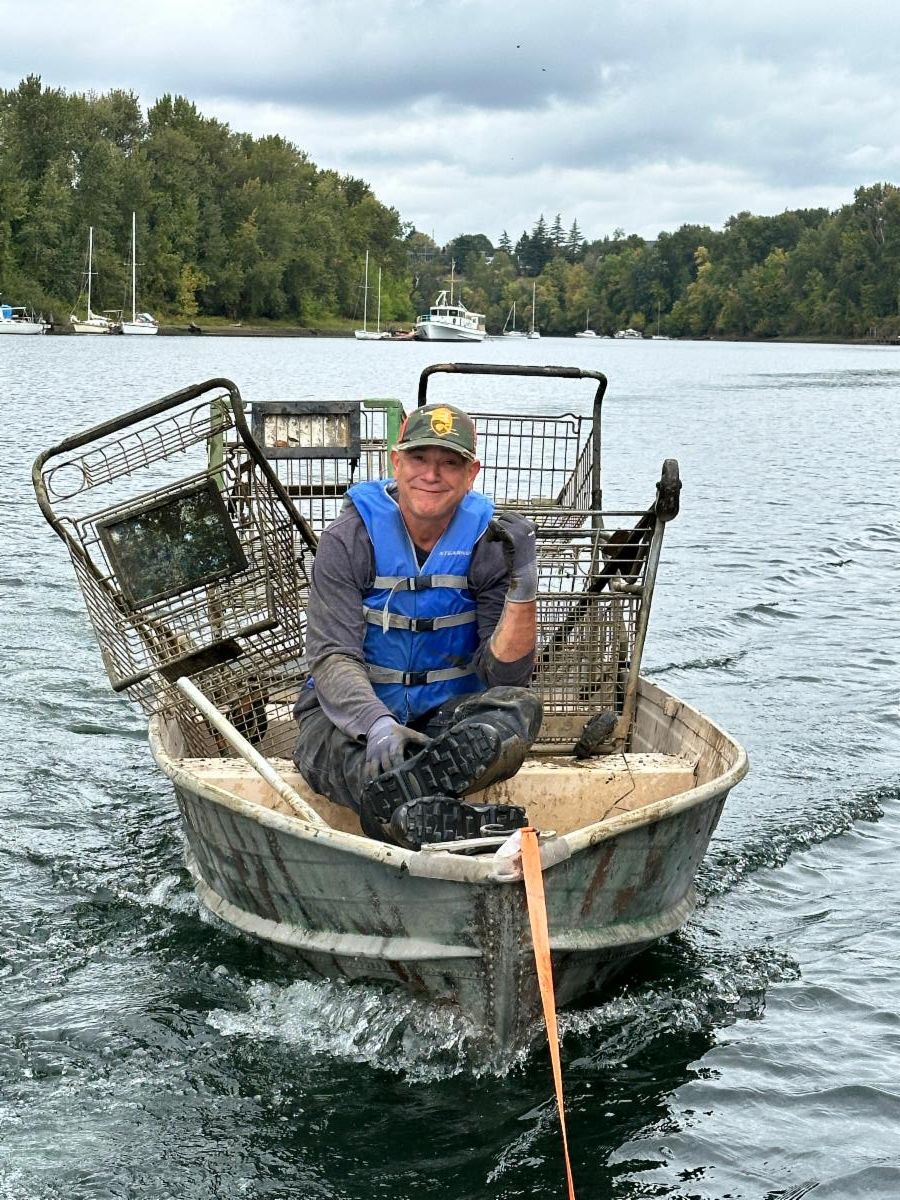
A GWCU volunteer rides on a trash skiff loaded with shopping carts pulled from the river.

The 15th Annual Great Willamette Cleanup would not have been possible without our many partners and collaborators. We would like to extend special thanks to our major financial sponsors for this event: the Metropolitan Wastewater Management Commission and Oregon Metro.

Want to get involved in more cleanups?

Sign up for one of our monthly on-water River Guardian cleanups in the south valley! These events happen on the second Tuesday of each month in Eugene and the third Thursday of each month in Corvallis – all are welcome to reserve a seat in one of our rafts or bring your own boat to join.

WRK Science Dispatch: 
Chasing Mussels on the North Santiam

Freshwater mussels are a critical component of our native river ecosystems, but they are often overlooked. Native mussels act as a bioindicator (meaning that their presence suggests healthy habitat conditions), but they also serve to actively improve water quality by filtering out harmful pollutants. Despite their environmental importance, we are missing fundamental information about freshwater mussels in the Willamette River Basin – basic facts such as population size or distribution remain unknown. Without this critical information, we are susceptible to shifting baseline syndrome, where we fail to detect the harms of environmental degradation because we lack knowledge about what natural and healthy populations look like. 

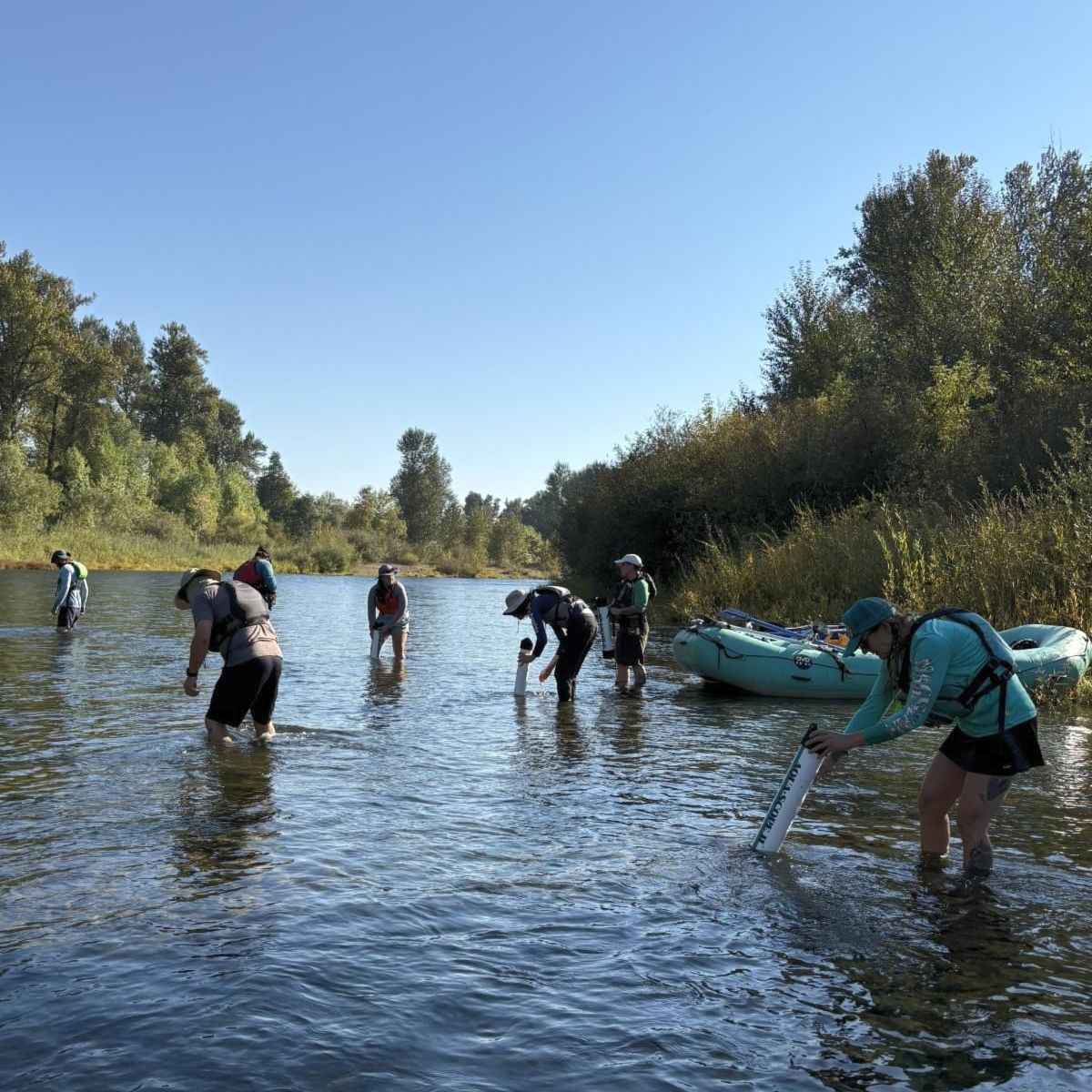
The WRK survey team uses aquascopes to search for western pearlshell mussels on the river bed.

As part of our efforts to address this knowledge gap, Willamette Riverkeeper recently conducted exploratory surveys for native freshwater mussels on the North Santiam River. Previous eDNA work conducted by WRK and our partners suggested that western pearlshell mussels may be plentiful in this part of the watershed (read the full report here!), but these eDNA surveys provide little information about the exact location or reproductive status of mussel beds. The survey crew (which included staff from WRK, North Santiam Watershed Council, and Oregon State Parks) navigated the river on a raft and conducted sampling in ideal habitat areas using aquascopes and snorkels.


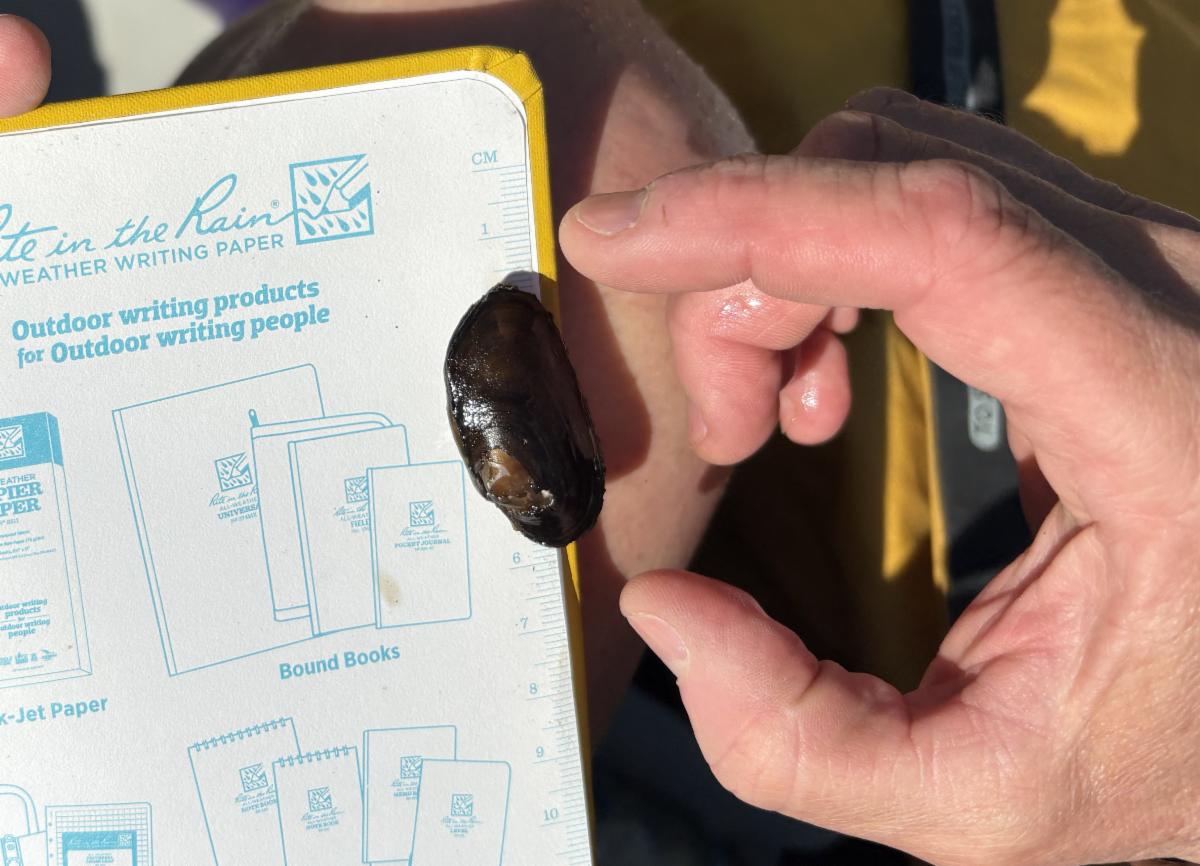
These surveys required long days in very cold water, and it often felt like searching for a needle in a haystack – but the feeling of finding one of these elusive and ecologically important animals is incredibly rewarding. Patches of individuals were scattered throughout our survey area, and we located multiple extremely robust beds with over a thousand mussels each. These areas contained western pearlshell mussels ranging from tiny juveniles to decades-old adults over five inches in length. These findings demonstrated the effectiveness of our eDNA approach and showed that there are healthy, actively reproducing mussel populations in the North Santiam. This is just the start, however – more specific data is needed on the health of these populations, and Willamette Riverkeeper hopes to conduct more in-depth surveys throughout the watershed in future years.

End of Summer Restoration Updates

WRK’s restoration team is wrapping up a productive summer season across the Willamette. Our AIS Early Detection & Rapid Response (EDRR) surveys are complete for the year, with all detected populations of garden yellow loosestrife and yellow floating heart documented and treated to reduce their spread.


We also closed out our final year of Ludwigia treatments at Windsor Slough (Willamette Mission State Park) and completed Year 2 treatments at Oxbow Slough (Minto-Brown Island Park). Current work at Willamette Mission State Park and the Gail Achterman Wildlife Area is focused on plant-establishment treatments, helping recent native plantings reach a free-to-grow stage.


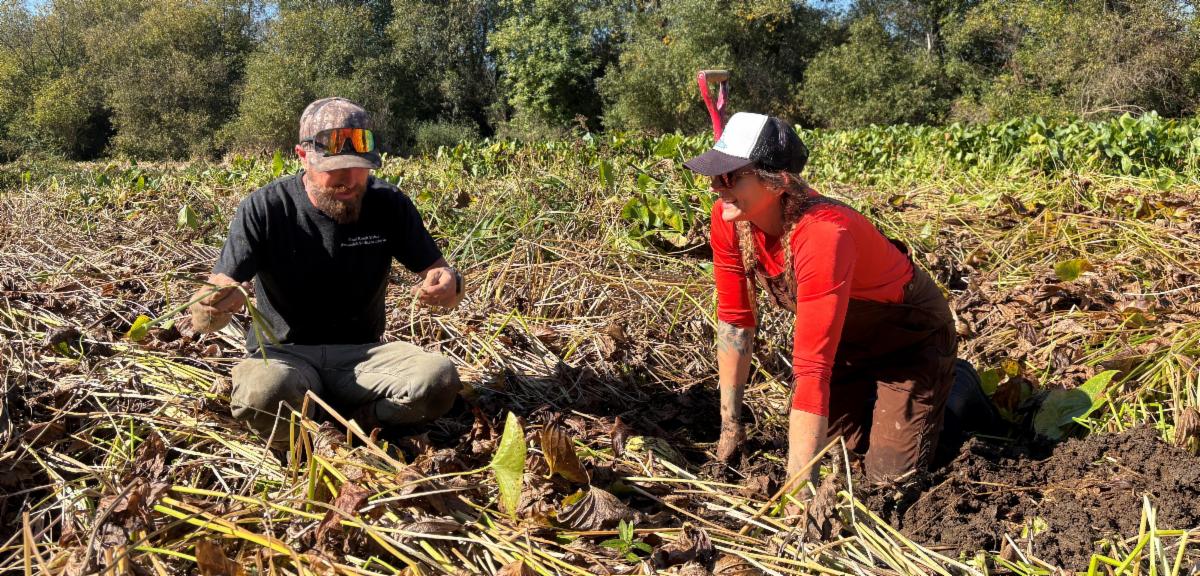
Looking ahead, our winter efforts will continue with planting native floodplain species across our project sites. In September, partners joined us for a wapato harvest at ODFW’s Gail Achterman Wildlife Area. Those tubers are slated for planting at additional sites in November.


Stay tuned for details on the upcoming wapato planting event, date TBA. Keep an eye on our events page for the announcement and sign-up info!

WRK Restoration Manager Vanessa Youngblood (right) and Confederated Tribes of Grand Ronde Nursery Manager Jeremy Ojua (left) reach into the mud to harvest wapato tubers.


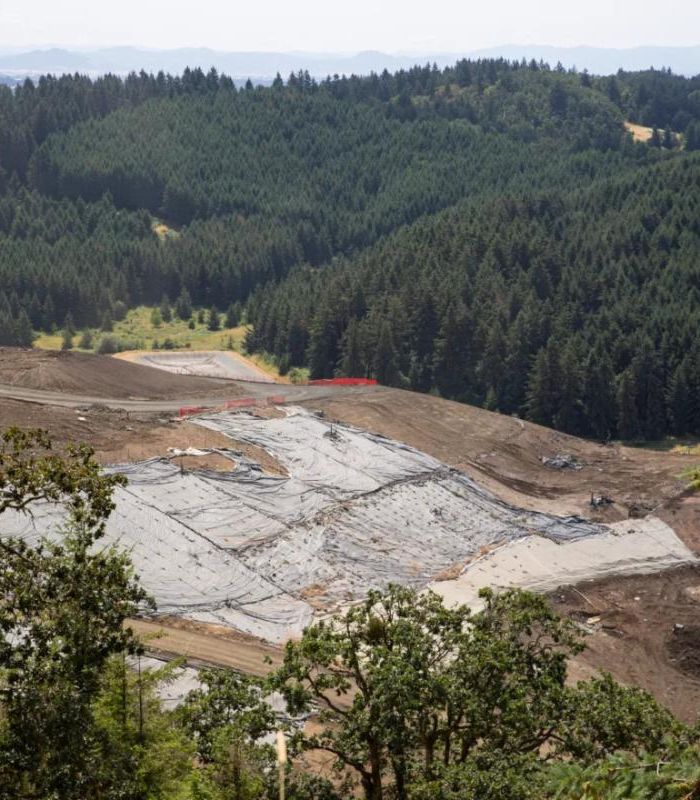
Aerial view of the Coffin Butte Landfill. Credit: Statesman Journal.

ADVOCACY ALERT! 
Coffin Butte Landfill Expansion


In the following weeks, the Benton County Board of Commissioners will be reviewing an appeal for the expansion of the Coffin Butte Landfill, which was denied by the County Planning Commission in July. Public hearings for this review will take place on October 22nd and October 23rd (5:30-10pm) in-person and over Zoom. Members of the public are invited to submit both written comments and verbal testimony on this issue, and WRK encourages our supporters to actively make their voices heard! More details and links to submit public comments are available here on the Benton County website.

Participants on the Willamette Parklands Paddle land their canoes at Tripp Island for lunch and a presentation from Oregon State Parks River Rangers – thank you to all those who helped make our summer 2025 season of stewardship and recreation such a success!


Facebook  Twitter  Instagram