|
"Healing Mind and Body: Elisabeth’s Journey Through Breast Cancer”
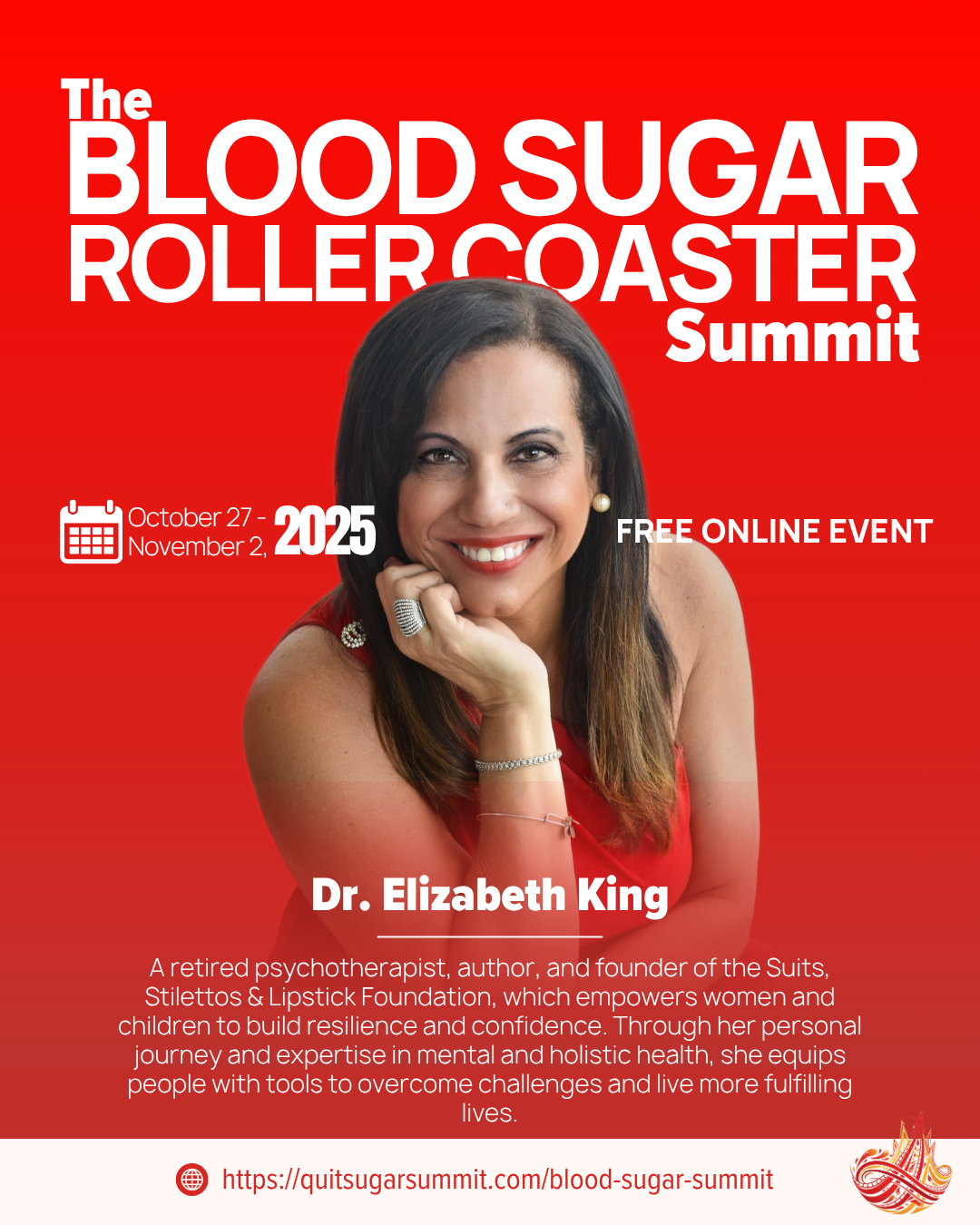
by Dr. Elizabeth King, LCSW, ChT
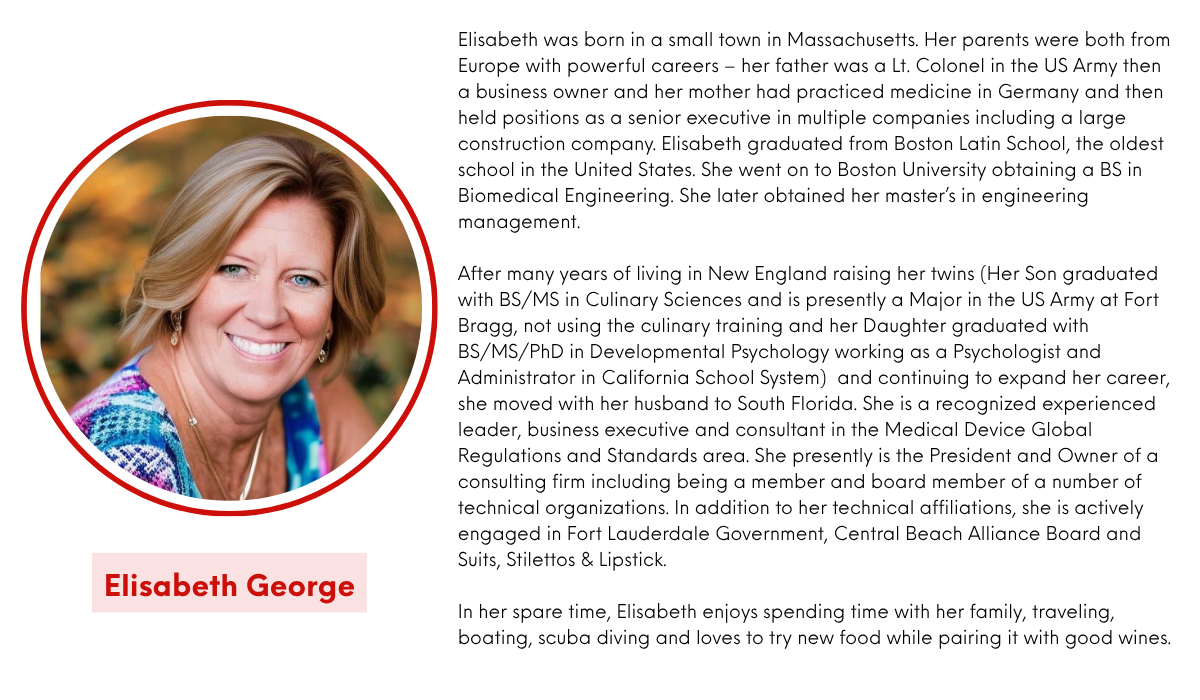
Dr. Elizabeth King sat down with Elisabeth George to have an open and heartfelt conversation about Elisabeth’s breast cancer journey. In this candid interview, Elisabeth shares her experiences of resilience, hope, and the strength found in community support. Here is their inspiring discussion.
Dr. Elizabeth King: How did you discover that you had breast cancer?
Elisabeth George: As someone diagnosed with dense breasts I have always done self-exams and this year during my annual mammogram, I was told I needed to have a diagnostic ultrasound and a biopsy because there was a new mass. I had a biopsy about 4 years ago that was negative. After this biopsy, they confirmed I had cancer and therefore needed to have a Breast MRI to support size and location and that was just the start of the process. I also had the 48 Gene Hereditary Cancer Test which helped me to realize my level of risk.
Dr. Elizabeth King: How did you feel when you were first diagnosed, and what fears did you encounter during your journey?
Elisabeth George: Since I had a biopsy 4 years earlier that was negative, I was caught off guard. Surprised, shocked, scared and didn’t believe it. There had never been anyone in my family with breast cancer. There had been other cancers (bone and uterine). I cried alone after I learned of the diagnosis. It gave me both solace and distress. I am not someone who cries publicly ever, so it wasn’t a surprise that I was alone. The comfort I felt was release of pain and remorse. I questioned how or why it occurred. My distress was at that point, even though the clinicians were friendly and helpful, I still was worried about the next steps.
The process began with mammogram, then US, then Biopsy, then MRI and then meetings with clinicians. My PCP was supportive and helped answer questions that I may have had. He knew me the longest and offered me his ear. The team doctor concept at my hospital was so helpful. I was scheduled to meet my surgeon, my Hematologist Oncology specialist and my Radiation Oncologist. Each of them spent a significant amount of time walking through the options on surgery, medicines and radiation (potentially chemotherapy). These discussions included lots of materials to take home to review. I also had the opportunity to meet with a social worker and a dietician. What was awesome was they were very personable, friendly and helpful. They gave me their phone number to call if I had questions and reminded me that the resources were there for me when and if I needed them.
Then I had to do all the surgery preparation including X-Ray’s, ECGs, Bone Density and more. The list is long but understanding the what and the why is invaluable. Having Drs and their staff that are friendly and helpful is invaluable.
After the surgery, I had to have drainage for more than a week, which was kind of scary - the scar looked horrible, lots of yucky drainage and was painful since I always slept on my right side and had to sleep on my back for weeks.
Being someone that is technical and clinical, I had no problem with all the information that was given to me both orally and the pamphlets, however, I do think that there would be value in simpler information. The volume of information that is shared during the process can be overwhelming and it’s easy to misunderstand or forget. I did find that there were a number of items that I had to reach back out to the team - all of them were so helpful from the Clinicians, the Social Workers and even the office staff. They understood when things were a challenge or confusing.
Dr. Elizabeth King: What has been the most significant change you’ve experienced since your diagnosis, both personally and emotionally?
Elisabeth George: I was more tired than normal (especially during radiation). I had to sleep on my back for weeks. I had to put lots of lotions on my breast due to radiation to address blistering and itchiness.
I had to stop my normal workout schedule. I used to workout 4-5 times per week including a rigorous workout, walks on the beach and dancing. After many weeks, I finally am back to my workout schedule and this too has supported my positive attitude.
I was more stressed and short on temper - primarily with my family. Occasionally, I would get a little “foggy” and unfocused. The busier I was with work or activities, allowed me to reduce my stress levels and I wasn’t as short tempered.
I also became more focused on “me” and what’s important to me. I felt it important to take care of myself, particularly my skin, my face and hair. I tried to find private time to enjoy things I liked. I also became a little more honest with things I liked (or didn’t like) which sometimes cause stress.
Dr. Elizabeth King: Can you share what helped you stay resilient during the most challenging moments of your treatment and recovery?
Elisabeth George: There were a number of things that supported keeping me positive and allowed me to survive the challenges, the doubts and the pain.
My doctors and all the staff at Holy Cross were amazing. They always had wonderful words to share, helped make me feel better with their hugs, their positive words, their cheerleading. They always told me just to reach out and you know, they really meant it. I popped in one day as I was feeling exceptionally itchy and worried and their kind words, their willingness to see me within minutes of my arrival were invaluable to keeping me motivated. WHen I say all the staff I mean it, from the receptionists, to the technologists to the medical students, everyone had a smile, they knew your name and were equally as happy when you hit a positive milestone. The size of the cancer, the lack of cancer in the lymph nodes, the speed of healing, or the completion of the radiation rounds. Always smiles and kind words.
My daughter who I spoke with each and every day just to say hi. She even sent me a “blankie” to keep me warm and happy as I was healing.
My husband was there for me when I asked and needed his assistance.
My girlfriends, my tribe, (yes SSL friends) were there when I needed them. I didn’t tell them early on, but as soon as they learned they were there for me and continue to be a support, just there for a drink, a lunch or to talk.
On September 6th I participated in a Cancer Survivor Summit held in Dania hosted by Debbie Wasserman-Schultz. What a valuable opportunity to hear from Doctors, Researchers, Oncologists, Patients and organizations like The American Cancer Society share updates on new research, share experiences (both good and bad), give information about Genetic Testing and focus on the value of early detection. The free time between speakers also gave me the opportunity to hear from survivors of all types of cancer but there were a larger number of other breast cancer survivors. I heard from them the value of friendship and just being able to talk to people.
Dr. Elizabeth King: Based on your journey, what advice would you offer to someone who has just been diagnosed with breast cancer?
Elisabeth George: Something that I didn’t do, but I would say is important to consider is communicating with family and friends. It’s your body and your life, but let others be there to listen, to offer a helping hand to smile, and to tell you that they love you and care. It’s important to engage your family. They don’t know what you’re experiencing so let them know what is happening and how you feel (I delayed this and wish I had done it earlier). It’s also valuable to engage your friends. Don’t be embarrassed, be proud of your strength but willing to talk to others. If they are true friends, they will listen when you need them to, they will offer a shoulder to cry on and if you want them to, they might even have some ideas on how to make things easier for you.
Dr. Elizabeth King: What role did spirituality, mindfulness, or self-reflection play in your mental health journey?
Elisabeth George: This question was the most difficult, since in general I am not a spiritual person. I respect religion but I don’t pray nor do I focus on religion but I did spend a lot of time looking back at my life, proud of myself, my family. I realized that cancer is not a death sentence but a life opportunity. I also had a dear friend who is more religious than me that said, “G_d has obviously decided you still have lots of important things to do, so wants to keep you around”. This made me realize that this is my opportunity to do better and focus on me, focus on my mental health and focus on enjoying life to its fullest.
I did find that during these few months, I’ve found out who my real friends both new and old. It’s not so much what they have done or haven’t done, it’s how they interact with me when they know I had cancer. These real friends genuinely want to know how I’m doing, I see it in their eyes and in their tone. It’s important to help with mental health, not to be alone but to engage with others.
Dr. Elizabeth King: Is there anything you wish you had known at the start of your journey that would have helped you cope better?
Elisabeth George: This one is harder. The medical team did a great job of describing and giving me material on the process and the timeline. I think the one thing that I hadn’t thought about was the challenges of “post” the time spent with doctors. I worry, like most people with chronic illness or cancer history, will it come back, will it be worse, will I survive next time. It’s important for both medical and mental health, to have resources that go on way beyond just the medical procedures and follow-ups.
Dr. Elizabeth King: What do you hope others learn from your story?
Elisabeth George: From my perspective there are two key takeaways, that I feel everyone needs to remember:
- Early and often screening. It’s important to have regular doctor visits (no matter how scary) and it’s important to not overreact, but to listen to the pros and cons of the many options because, remember it’s your body, it’s your decision but there is never just one way to solve a challenge.
- Engage your friends and family to help you - they can help you physically and mentally understand what you are going through, the challenges that you may be experiencing and who better than them, to be by your side.
|